-
-
--- Covid-Data Assisted Risk Tool ---
-
Model
-
Technical Details
-
Modelling Details
-
Modeling Details

Inspiration
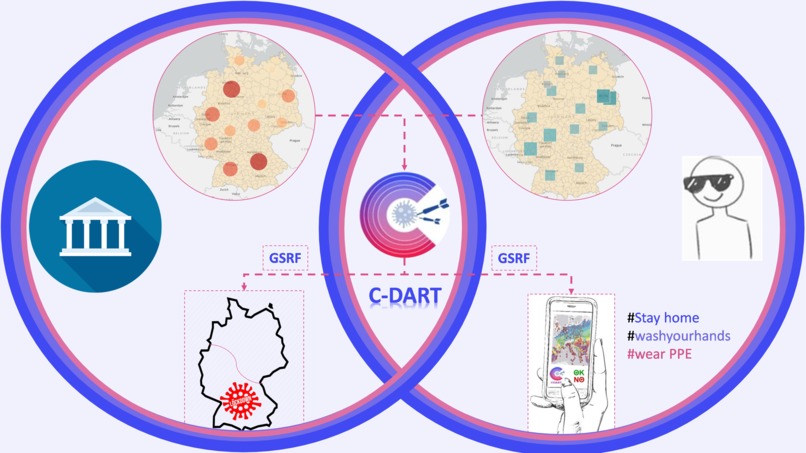
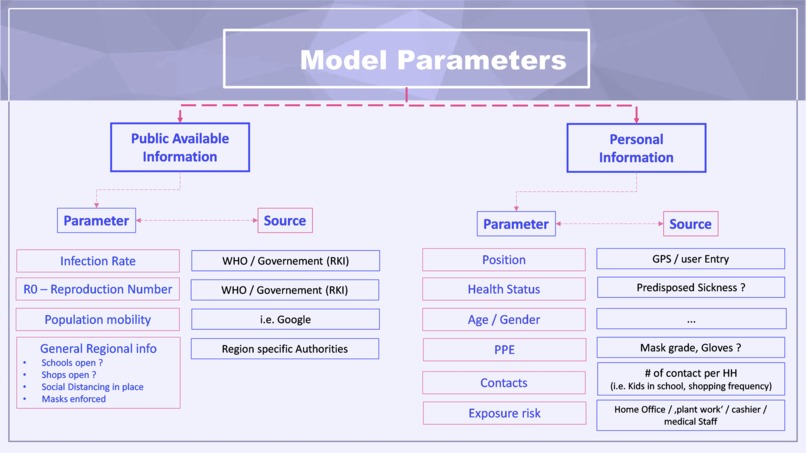
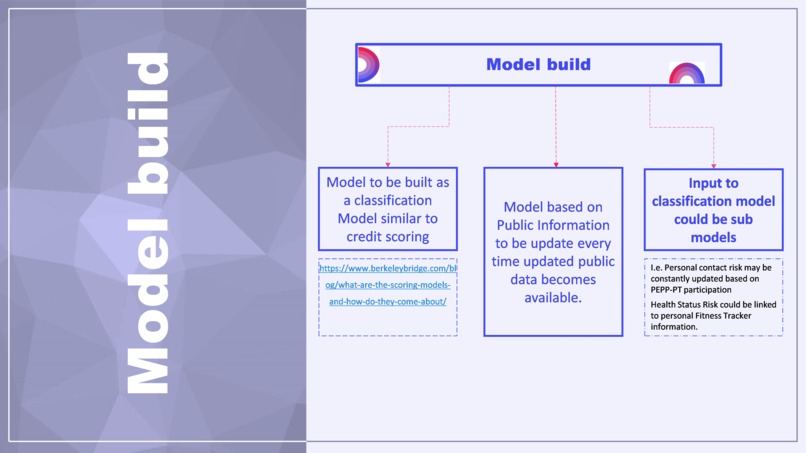
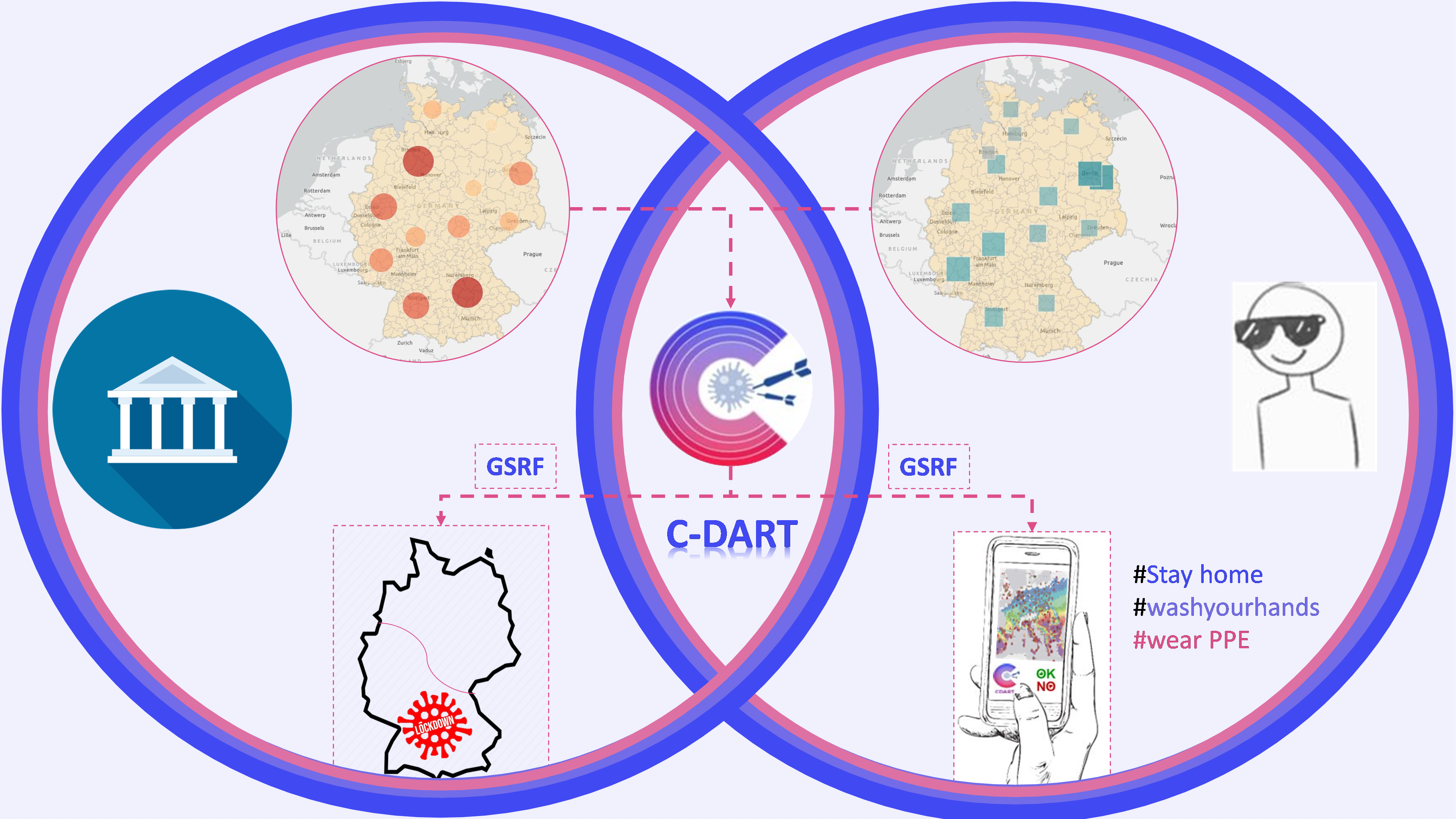
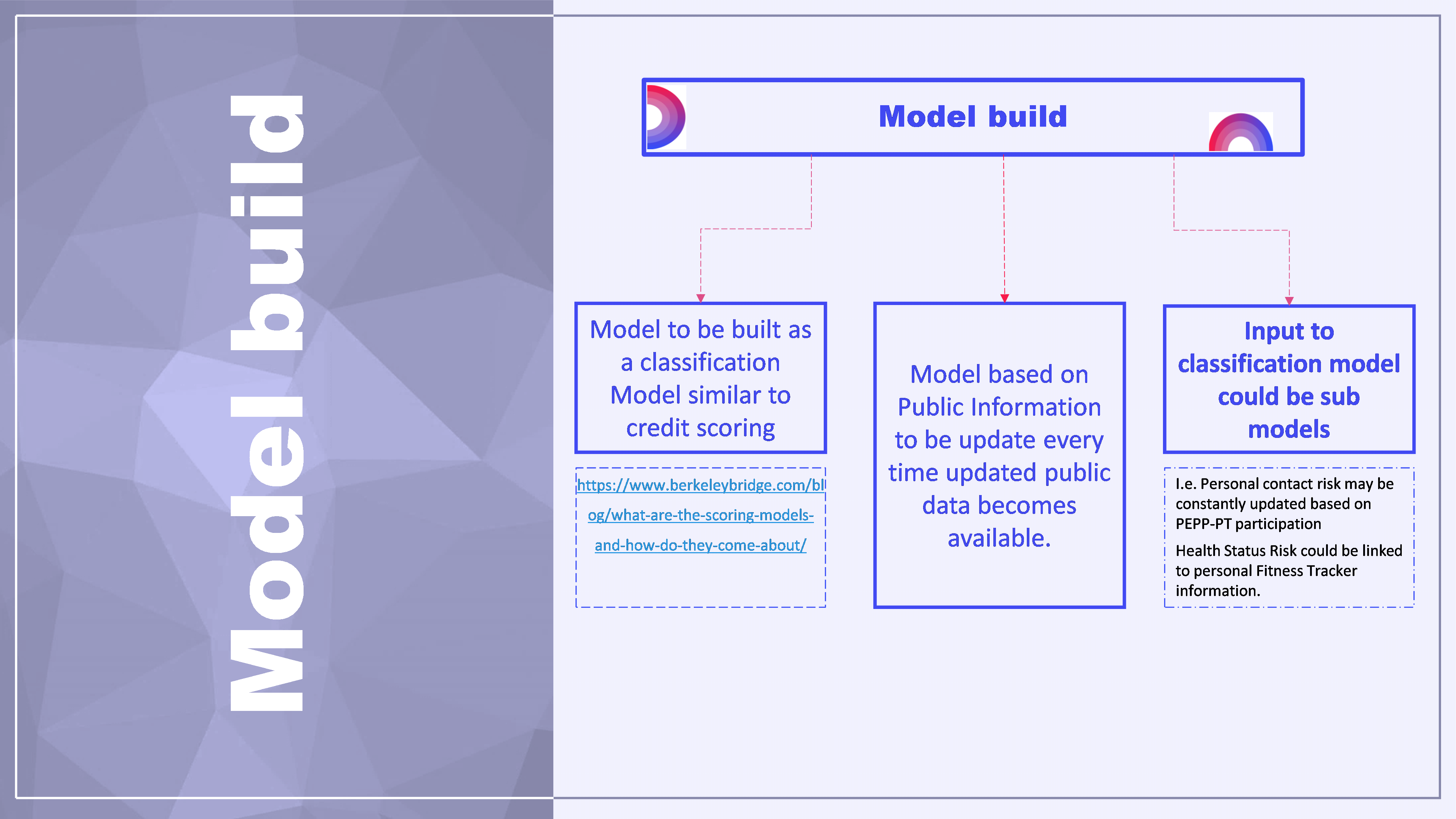
We at C-DART (COVID-Data Assisted Risk Tool) are striving to create a model based on risk scores as used in the credit industry. The tool provides risk on a regional level in a comprehensive map based on publicly available data as well as anonymously and voluntarily provided user input. The tool calculates risk factors and based on these recommend adaptive social distancing for a given area. This enables businesses and governments an informed assessment of socio-economical reactivation.
What it does
The tool provides a base for regional businesses and governments to enable adaptive social distancing and thus socio-economical reactivation.
How I built it
We used a concept-based approach-asking ourselves: What is the "hair on fire" problem and how can we best solve it with the limited time and resources available to us while maximizing on our expertise and skillsets. As we are assessing risk, we are utilizing algorithms as currently being used in determining credit scores by financial institutions.
Challenges I ran into
While clear on what we can and should achieve by the submission deadline, we were not clear on expectations on how far in the development process we had to be. Looking at peers, it seemed to us that many people arrived with up to fully cooked ideas already.
Accomplishments that I'm proud of
Bringing a team of 6 experts from 5 different nationalities and various professional backgrounds together and work on a solution on COVID19 within a limited time which is both sustainable and scalable.
What I learned
There are many things we learned on this 72h journey-but most importantly we learned how flexibility, adaptiveness, and teamwork are essential to create a sustainable group dynamic.
What's next for C-DART
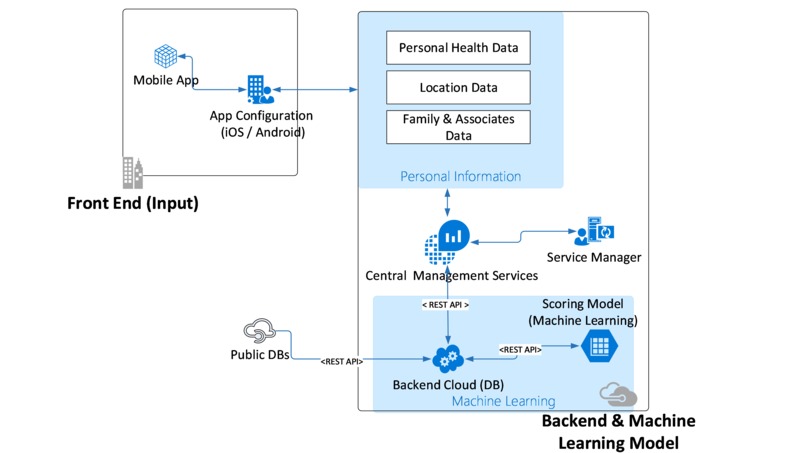
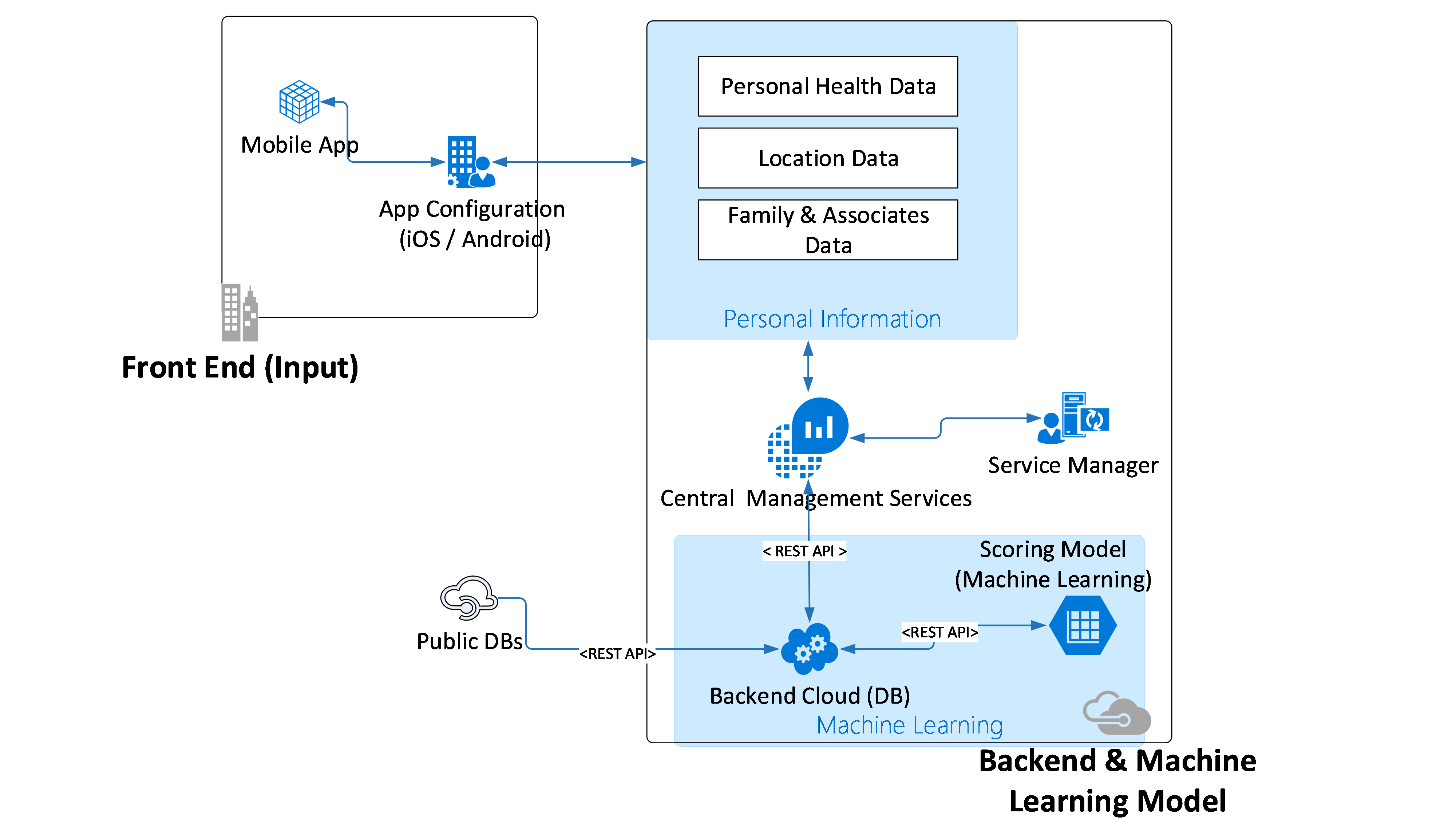
Depending on the resonance for the C-DART concept which was born and raised during the 72h of this hackathon, we are imagining taking this passion project to the next level of implementation, arriving at MVP (Minimum Viable Product) Level. This includes developing both Android and iOS versions for mobile phones and backend for data acquisition and storage. We also think to provide distributable APIs for other developers wishing to utilize GSRFs.
Built With
- android
- api
- data-driven-risk-prediction
- google-maps
- ios
- machine-learning
- python
- ui


Log in or sign up for Devpost to join the conversation.