The Story Behind Bytestorm
Inspiration
As a student, I was frustrated by the time-consuming process of taking and organizing lecture notes. Even when I had access to resources like StudyCoup, the notes were often not structured enough for efficient studying. I realized that students could benefit from an AI-powered platform that could automatically convert existing lecture materials into concise, well-organized notes. This led to the creation of Bytestorm, a platform that helps students generate structured notes by converting lecture notes from StudyCoup and other sources into an easy-to-digest format.
What I Learned
Building Bytestorm taught me how to take an idea and turn it into a functional solution. I learned a great deal about AI and how it can be leveraged to extract valuable information from lecture materials. I also gained insights into user experience design—ensuring the platform was intuitive and useful to students. Most importantly, I learned that creating a product that genuinely solves a real problem requires constant iteration, feedback, and fine-tuning.
Building the Project
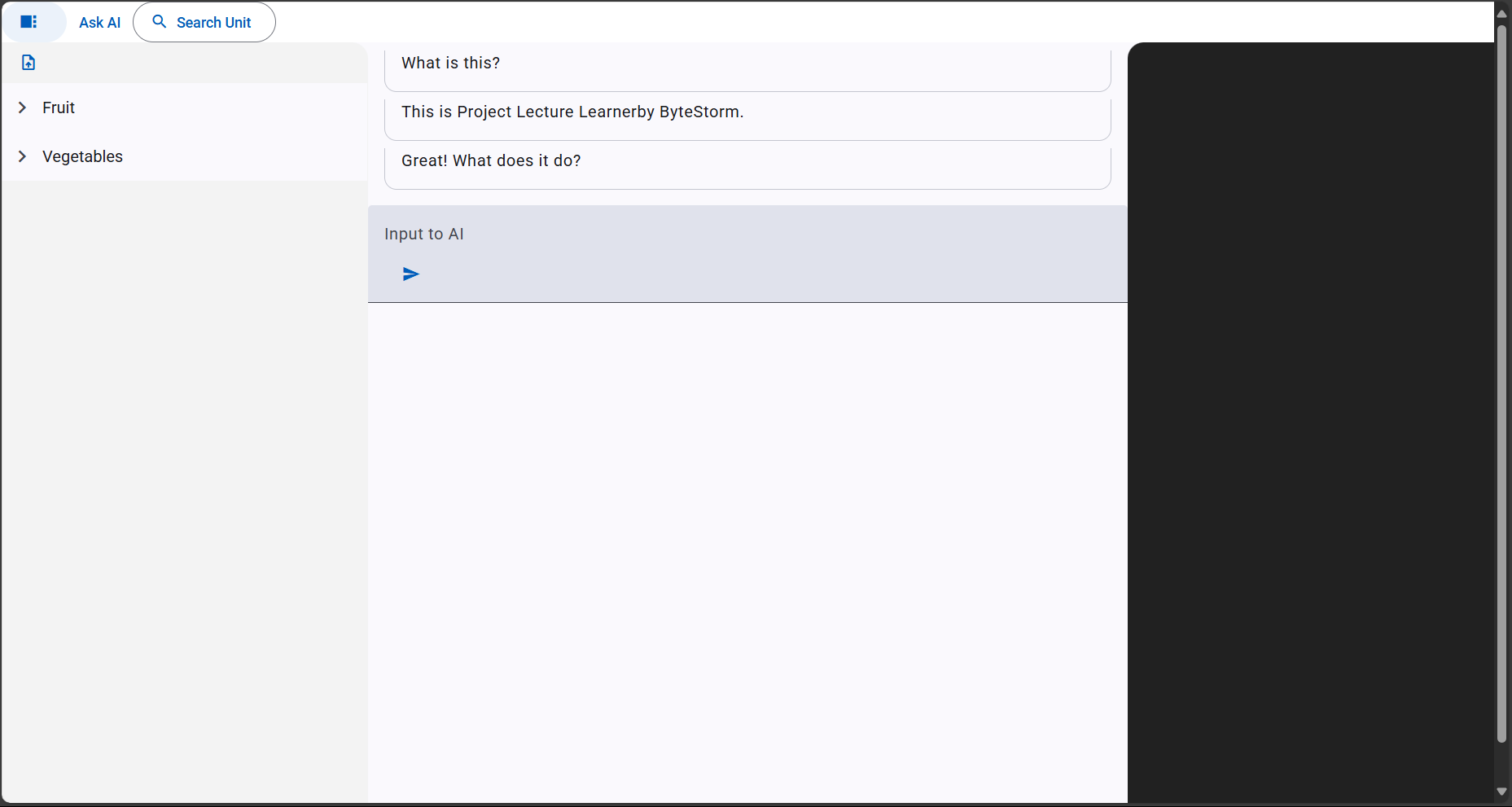
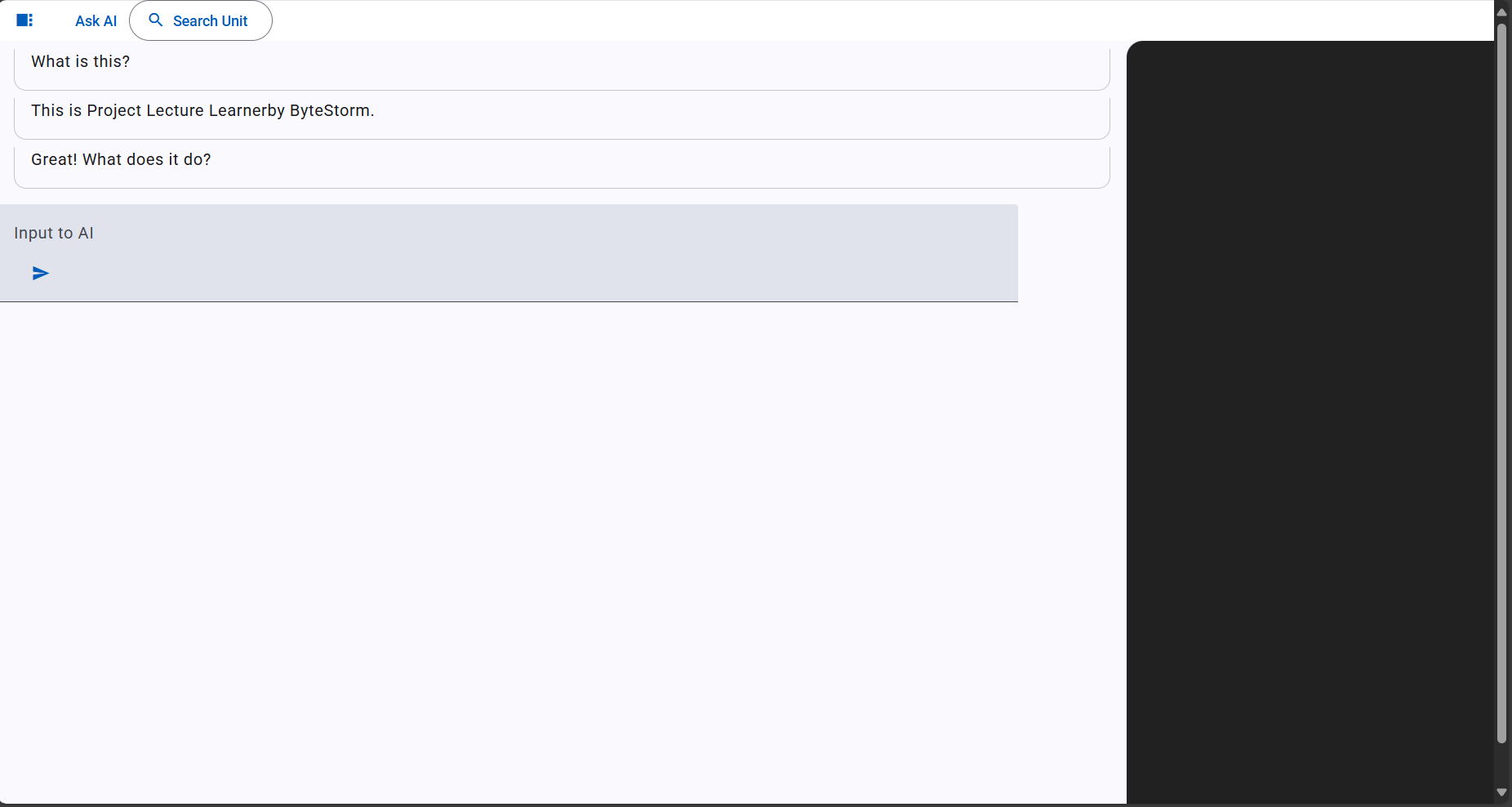
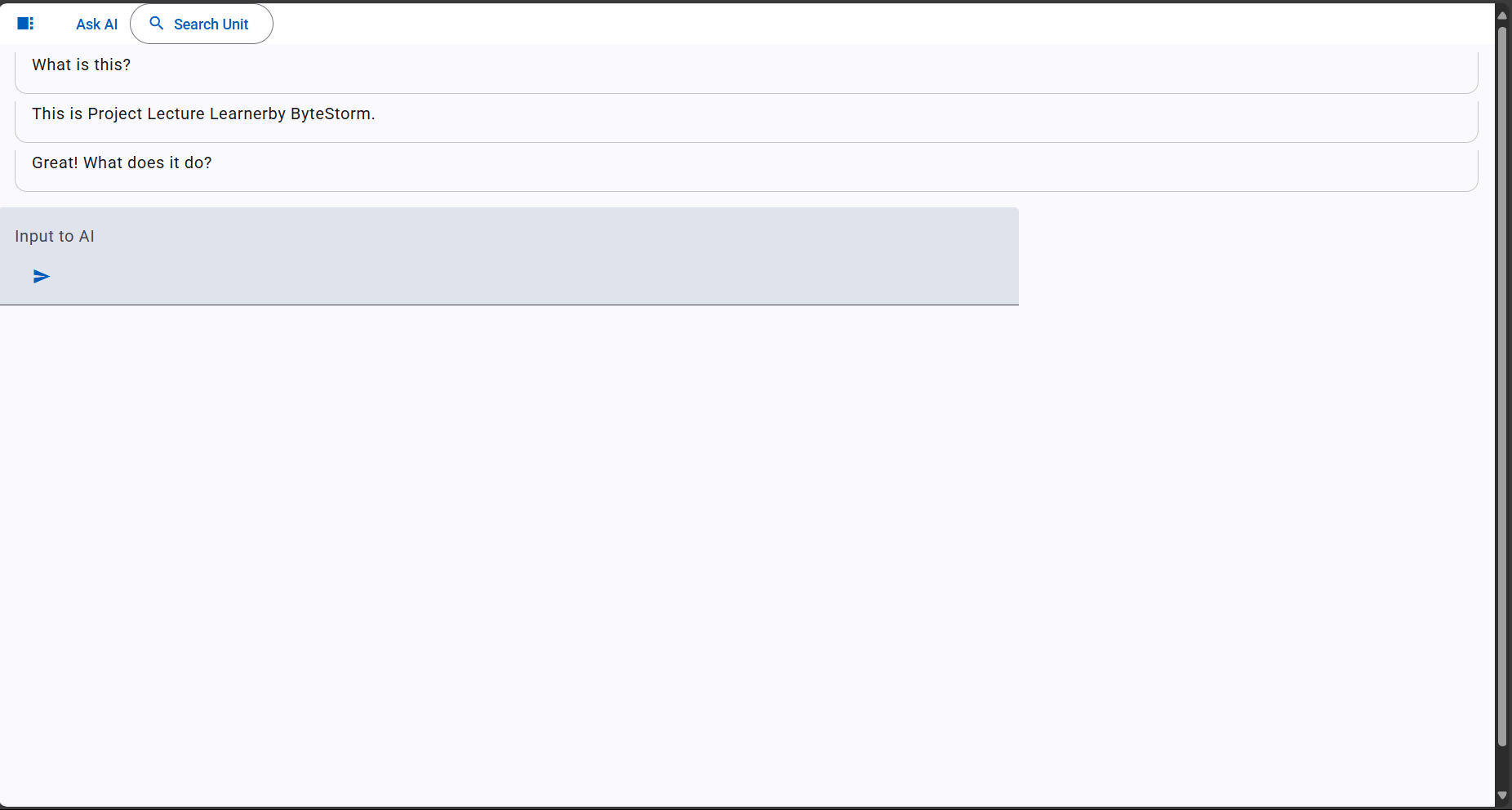
The core idea behind Bytestorm is simple but powerful: we wanted to create a platform that helps students by automating the process of transforming existing lecture notes into well-structured, easy-to-read summaries.
We started by integrating AI to extract important points from lecture notes shared on platforms like StudyCoup. These notes are then organized into sections, formatted properly, and structured for quick review. The system also ensures that content is contextually relevant and focused on the key takeaways that matter most to students.
The key steps involved in building Bytestorm were:
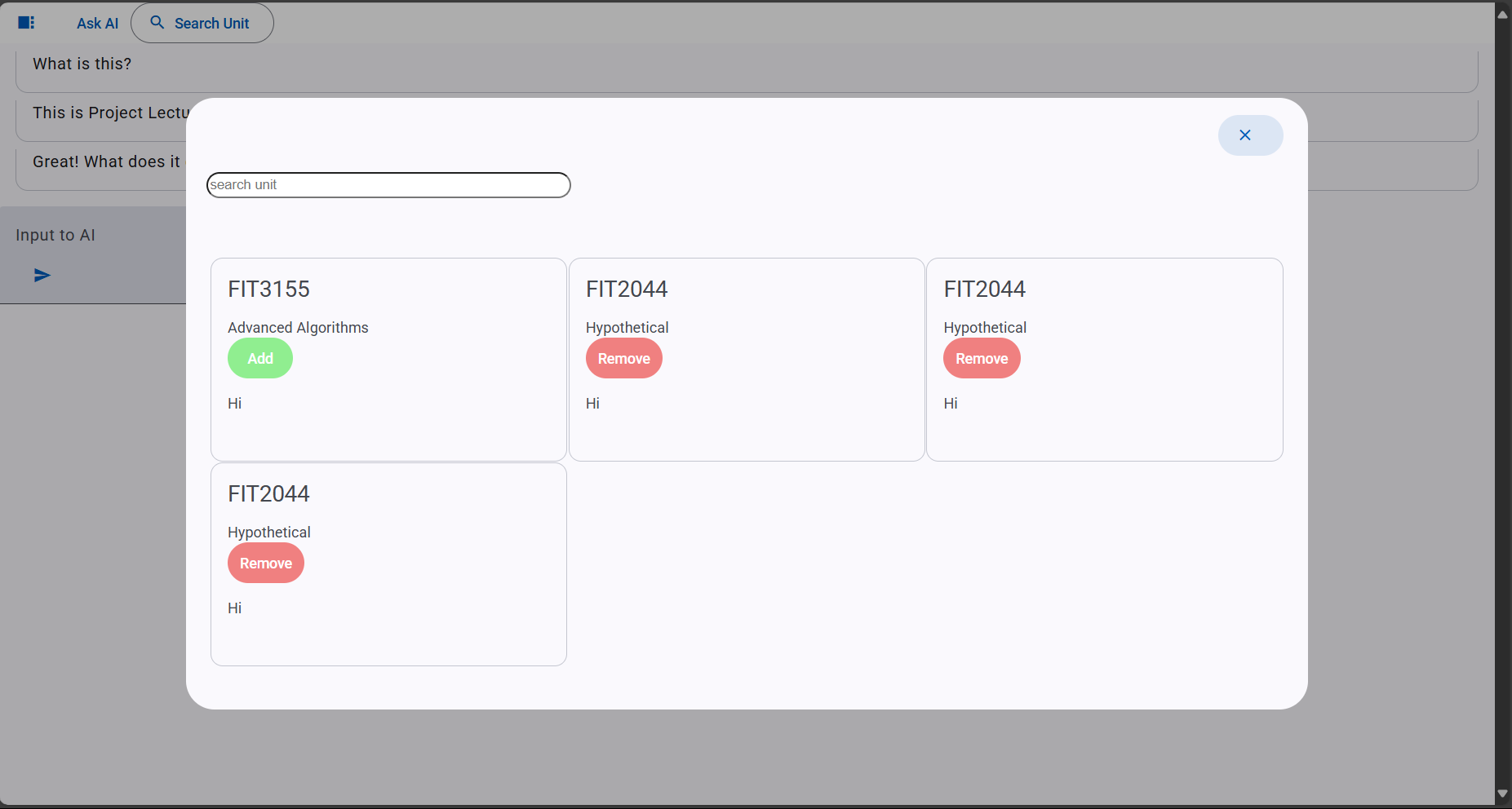
- Collecting lecture notes: We started by integrating with StudyCoup and similar platforms to gather notes for a variety of subjects.
- AI-based conversion: Using machine learning and AI algorithms, we developed a system to extract important information and reformat it into organized notes.
- User-friendly interface: We focused on making the platform easy to use so students could access and refine their notes seamlessly.
Challenges Faced
One of the main challenges was ensuring the AI could accurately identify and summarize relevant content from diverse sources like StudyCoup. Lecture notes vary in quality and style, so building an AI model that could generalize across different note formats was difficult.
Another challenge was ensuring the platform could handle large volumes of notes without slowing down or crashing. We had to optimize both the backend infrastructure and the AI algorithms to ensure a smooth, scalable experience.
The third challenge was user experience—making sure students could easily navigate the platform, customize their notes, and export them in formats that were useful for studying.
Conclusion
Bytestorm has been a rewarding project to build, and it’s already making a meaningful impact for students who want more efficient, organized study materials. The AI technology behind it is just the beginning, and as we continue to improve, our goal is to create an even smarter platform that helps students learn faster and more effectively. There’s still a long way to go, but we’re excited to see how Bytestorm will evolve and empower students in their educational journey.

Log in or sign up for Devpost to join the conversation.