Inspiration
I got the idea for ByteMind after an intense back-and-forth with ChatGPT trying to brainstorm hackathon ideas for the Bolt challenge, that felt fresh and meaningful. I had pasted in the entire hackathon info, including the judges and all the categories, but none of the ideas clicked. Later that evening, I opened Google NotebookLM to revisit a podcast I had generated weeks earlier about Agentic AI. I never actually listened to it until that moment.
While listening, it hit me: learning should feel more like a game, small, motivating steps toward a bigger goal. What if there was a beautifully designed, bite-sized learning app powered by AI that adapts to your interests and habits? Something light and rewarding, like Duolingo meets ChatGPT, without the guilt. That idea stuck. I fleshed it out, and instantly knew it was the one.
What it does
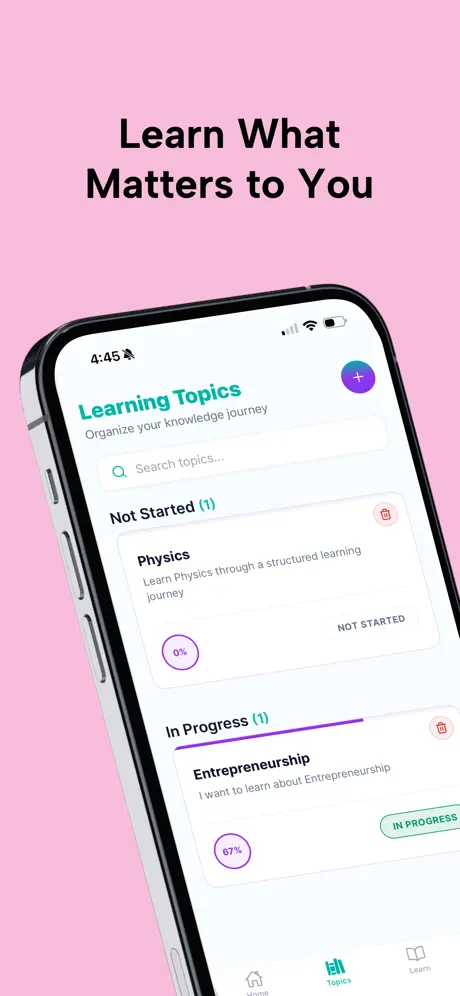
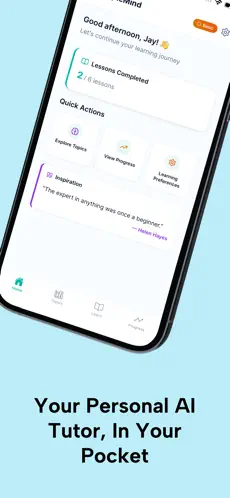
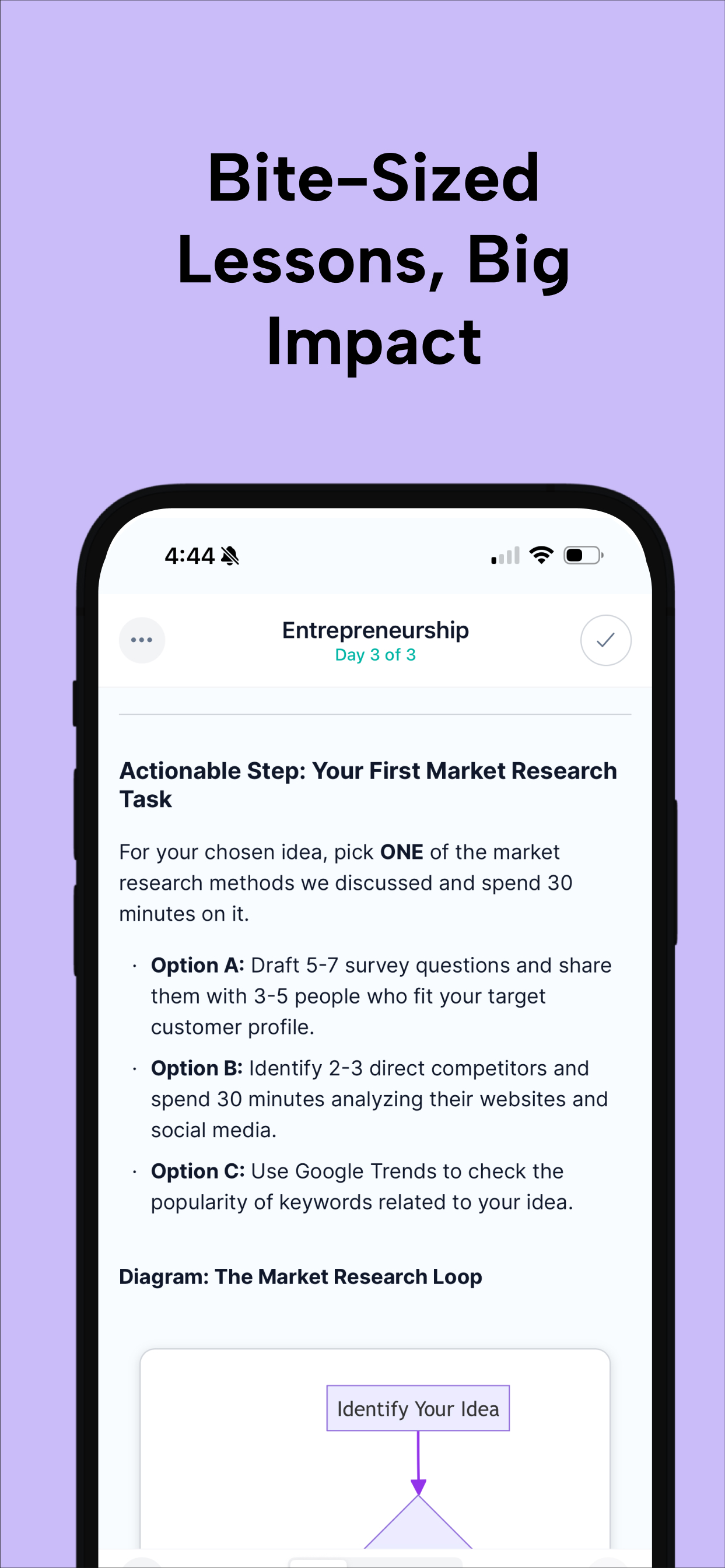
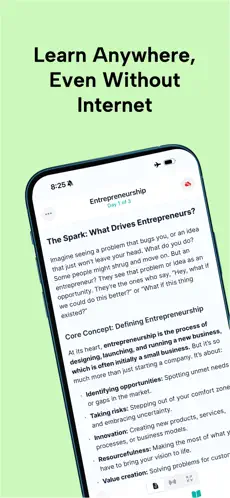
ByteMind AI is a microlearning app that delivers personalized, AI-generated lessons in daily bite-sized cards. Users pick topics they're curious about, set their preferred learning style (text, audio, or visual, tone), and ByteMind creates short, lessons they can finish in minutes across specified periods.
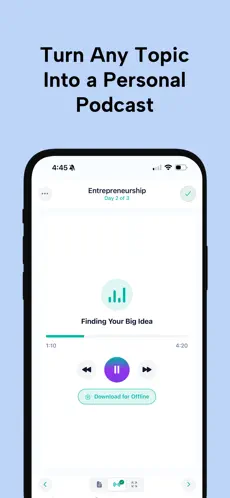
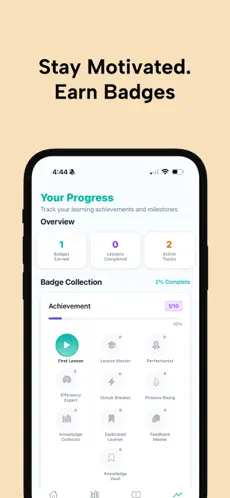
Users can create multiple learning paths, track their progress, and even earn badges to keep them motivated. It even supports audio and podcast style lessons for users who prefer to listen.
How we built it
I started by crafting a single, well-defined prompt to give to Bolt, which generated a beautiful design and a clean app architecture. Bolt nailed the animations, UI flow, and overall aesthetic. It was colorful, fluid, and intuitive. I integrated Supabase directly from the Bolt UI, and later moved development into my own editor to implement physical device features like push notifications, Google Auth, and background syncs.
Tech stack:
- Frontend: React Native (Expo)
- Backend: Supabase (Auth, DB, Storage, edge functions)
- AI: Gemini for text content and audio
Supabase was key. It powers user auth, stats and topic tracking, audio storage, and realtime syncs for audio generations.
Challenges we ran into
- Audio generation limits: I had to implement some custom audio chunking to bypass limits of LLMs
- Maintaining lesson/audio state: Especially when users had multiple active topics. Solved this with a synced background job and Supabase Realtime to notify when content was ready.
Accomplishments that we're proud of
In under a month, I went from a vague late night idea to a fully functional mobile app, live on the App Store, with payments, notifications, multi-topic support, and AI-generated lessons in text and audio. It is my first published iOS app, and it shows just how powerful modern tools like Bolt and Supabase really are. It feels polished and ready to scale, and I’m proud because it doesn’t just look good, it works!
What we learned
This project was an end-to-end crash course in building generative AI tool. I learned how to:
- Build an AI-first mobile UX from scratch
- Design for real user engagement with minimal UI
- Integrate audio pipelines and background processes
More importantly, I learned how to ship. From idea, to design, to AI integration, to App Store, this taught me what it takes to turn a prototype into a product.
What's next for ByteMind AI
ByteMind is now a startup. I’m ready to grow it beyond the MVP. Upcoming features:
- Generate lessons from your files (PDFs, videos, URLs)
- Animated and interactive lessons (think 3Blue1Brown-style explainers)
- Personalized video learning
- AI generated Exams and quiz based on lessons
- Team/Enterprise use-cases: onboarding flows, internal training
There are so many directions this can go, and I’m looking for collaborators, users, and partners to scale this. If you’re interested in reshaping how we learn with AI, let’s connect.
Built With
- bolt
- expo.io
- gemini
- openai
- react-native
- supabase


Log in or sign up for Devpost to join the conversation.