Inspiration
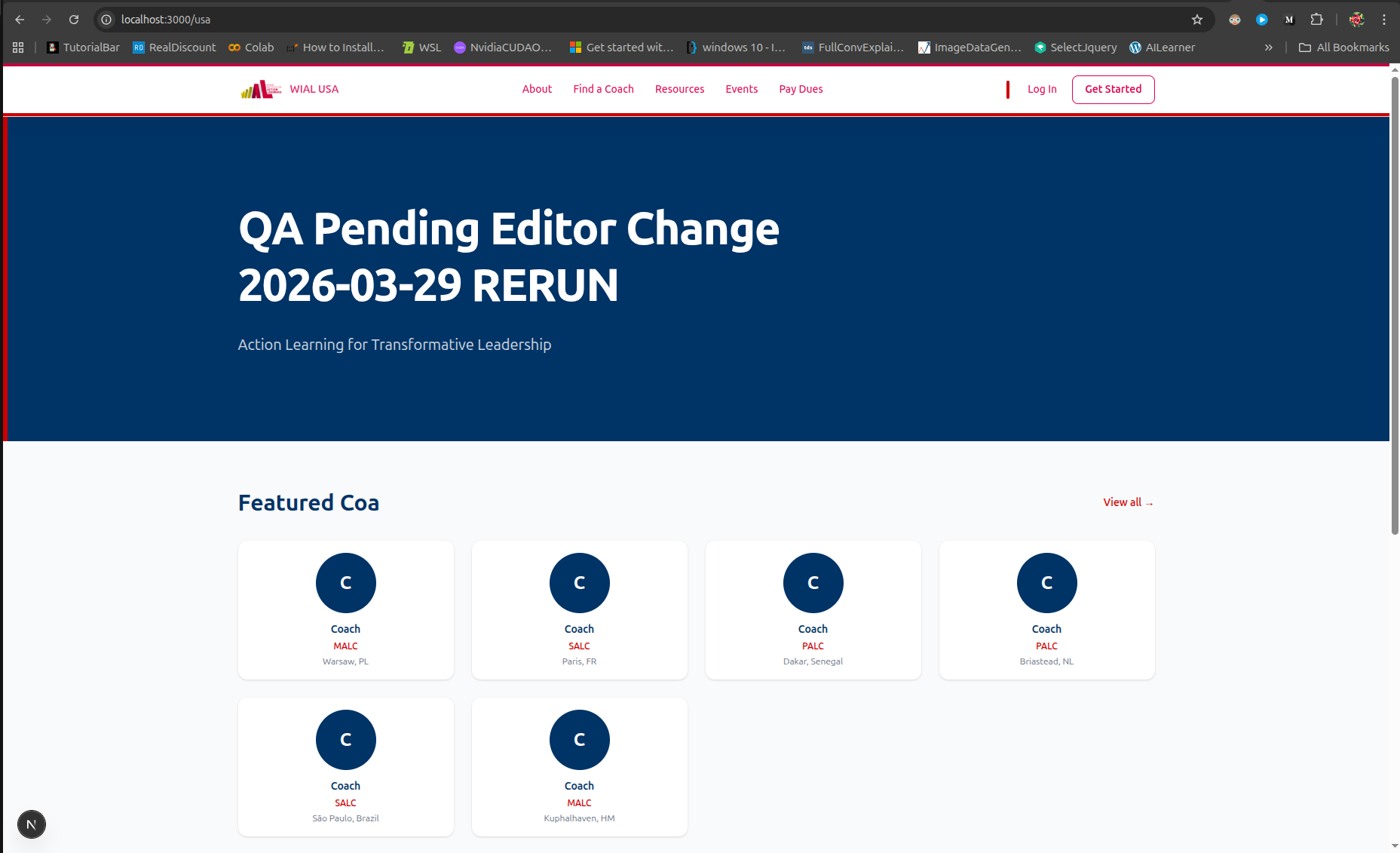
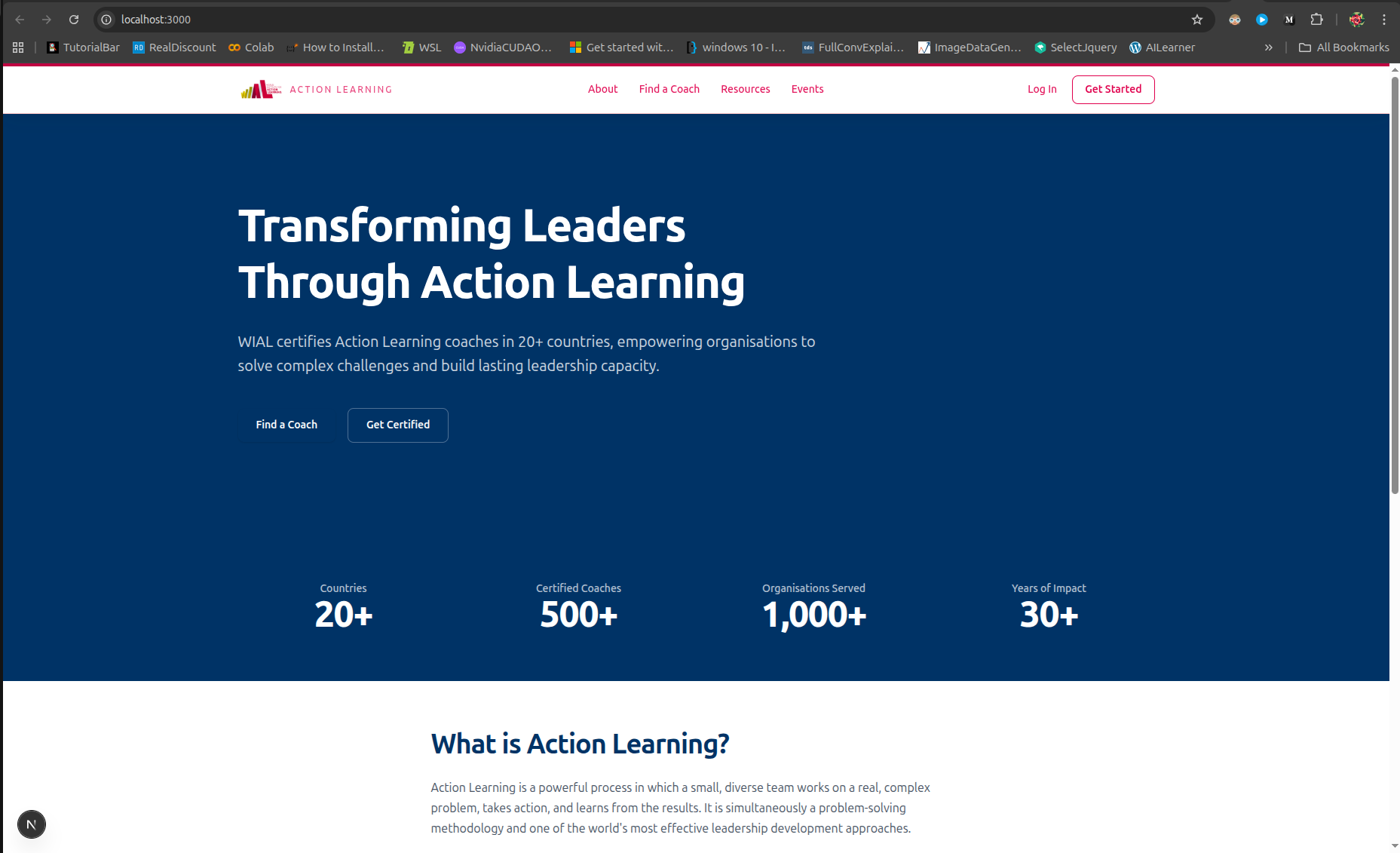
WIAL supports coaches and chapters across 20+ countries, but their digital operations were fragmented: inconsistent chapter websites, hard-to-search coach data, and manual payment workflows. We were inspired by one core challenge: how do you keep global brand consistency while giving each region local autonomy? From the hackathon brief and the codebase, we focused on turning that into a practical, secure, and scalable platform for real chapter leaders and coaches.
What it does
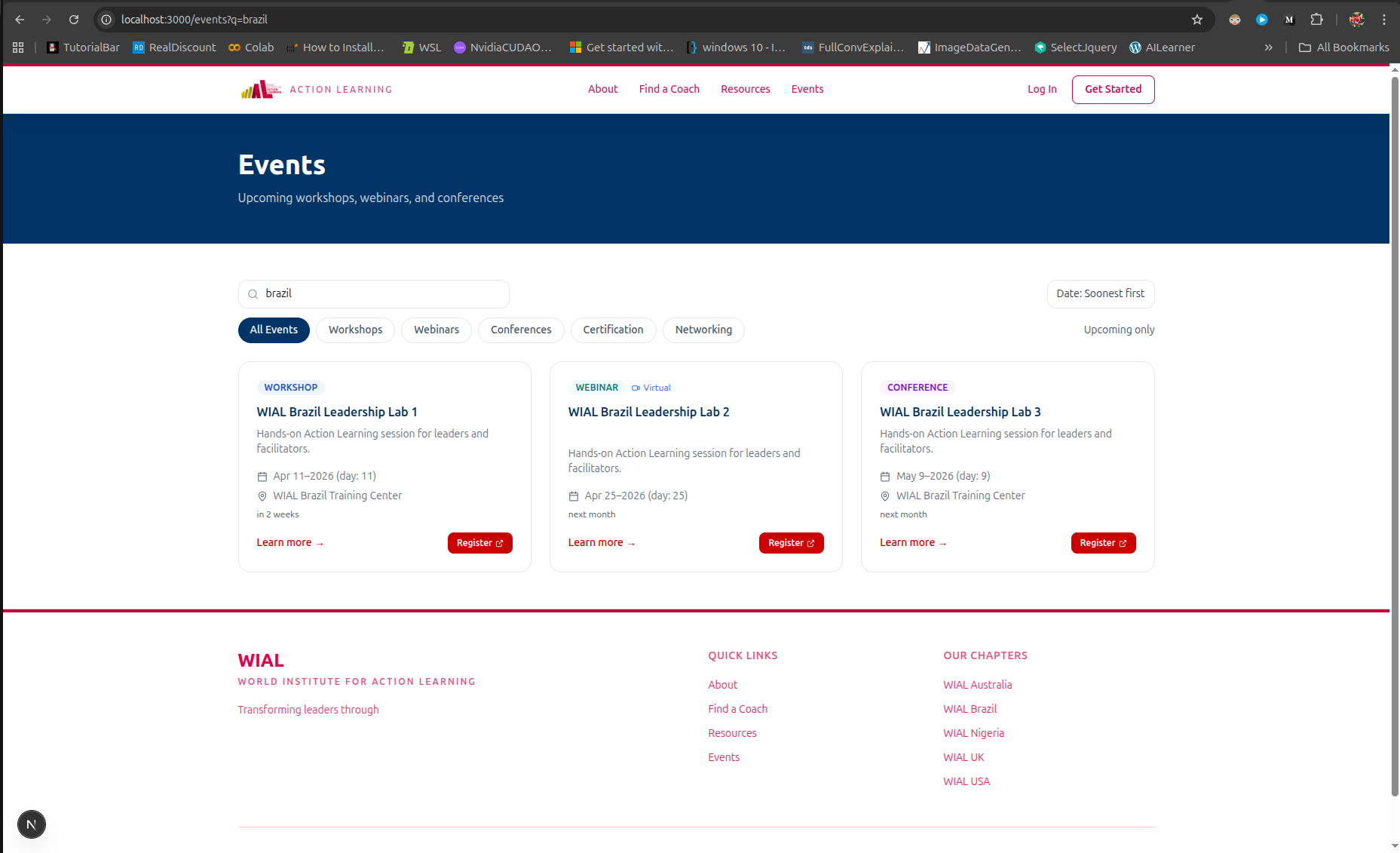
Our platform delivers a multi-site ecosystem for WIAL with chapter-level flexibility and global governance:
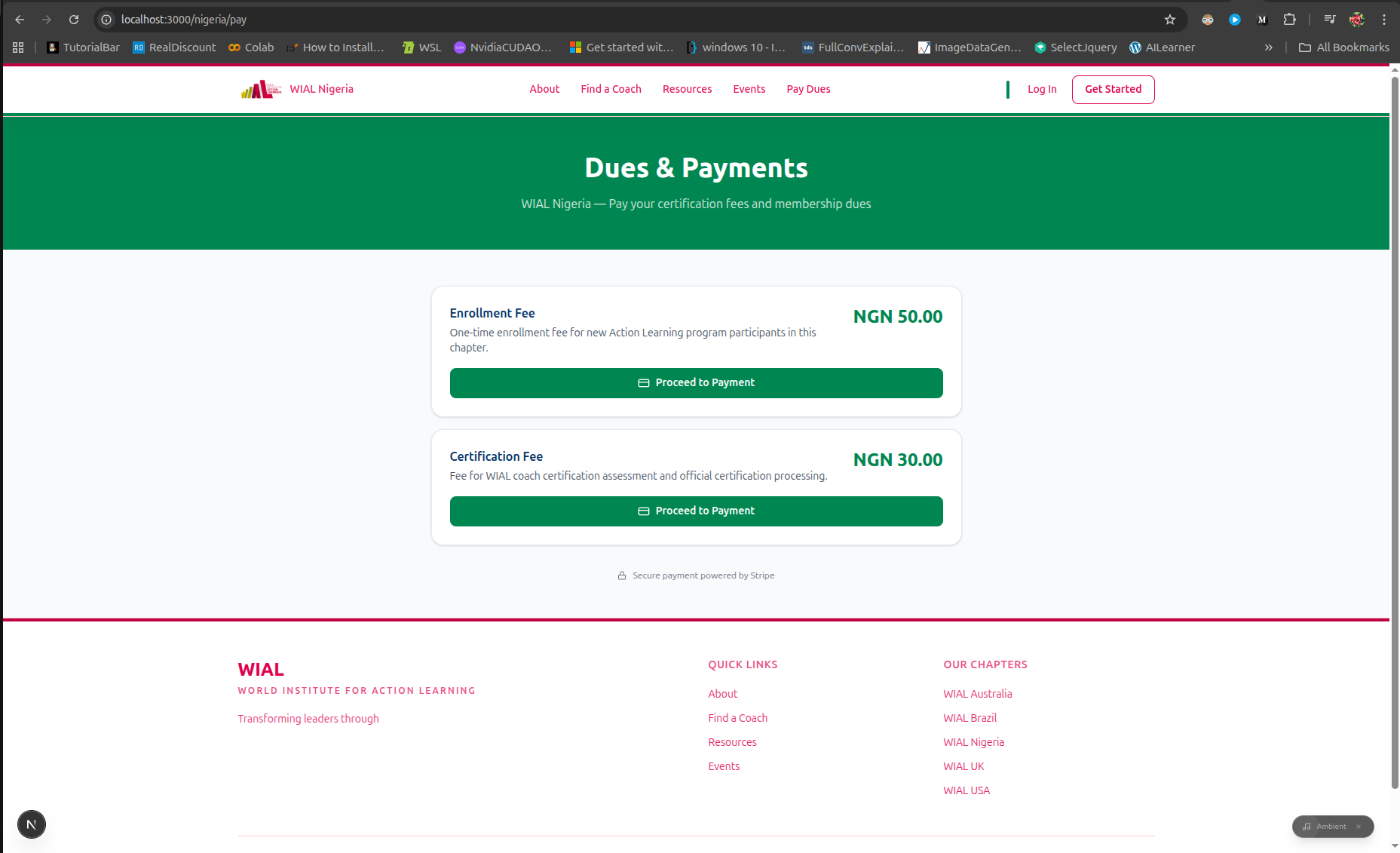
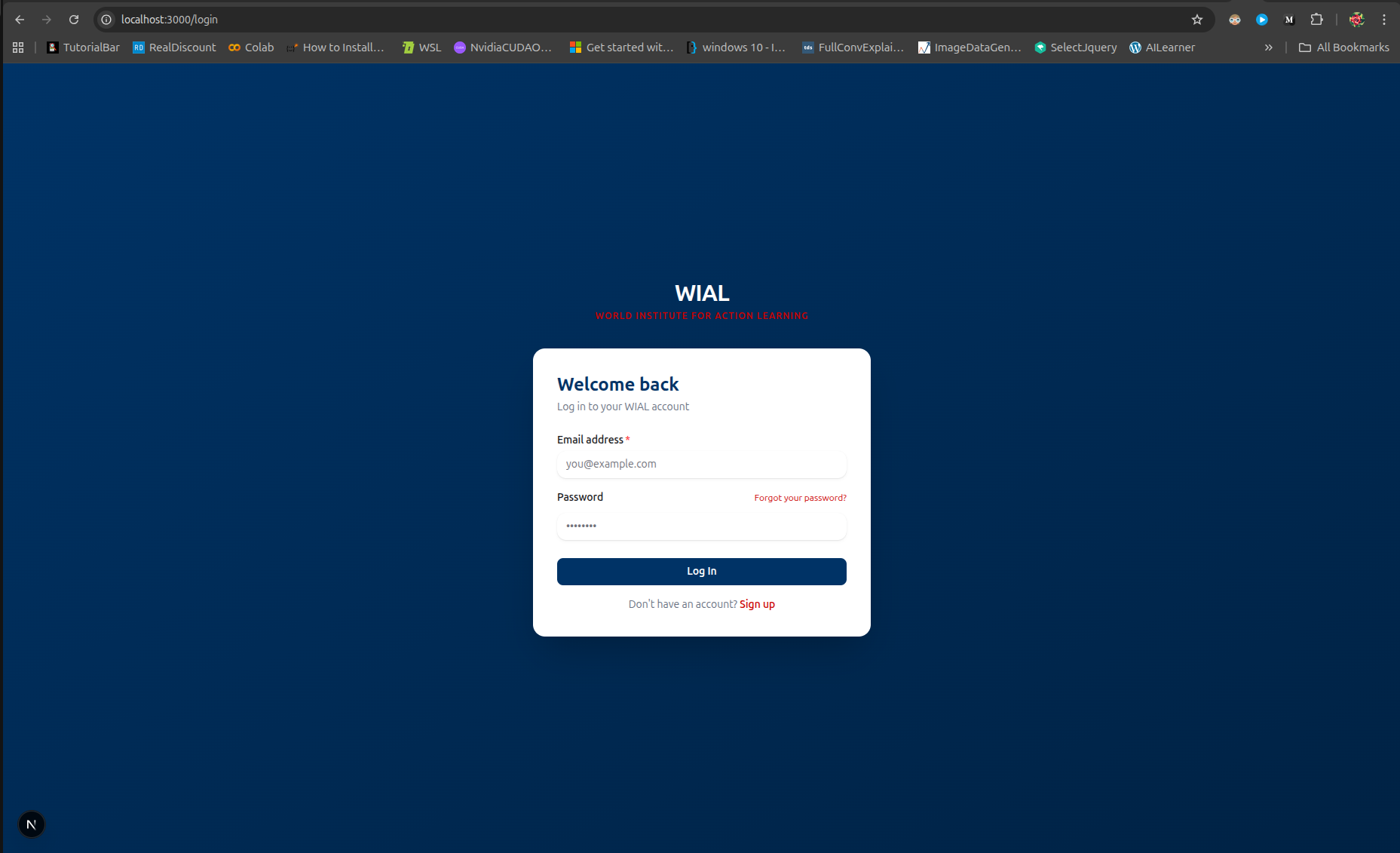
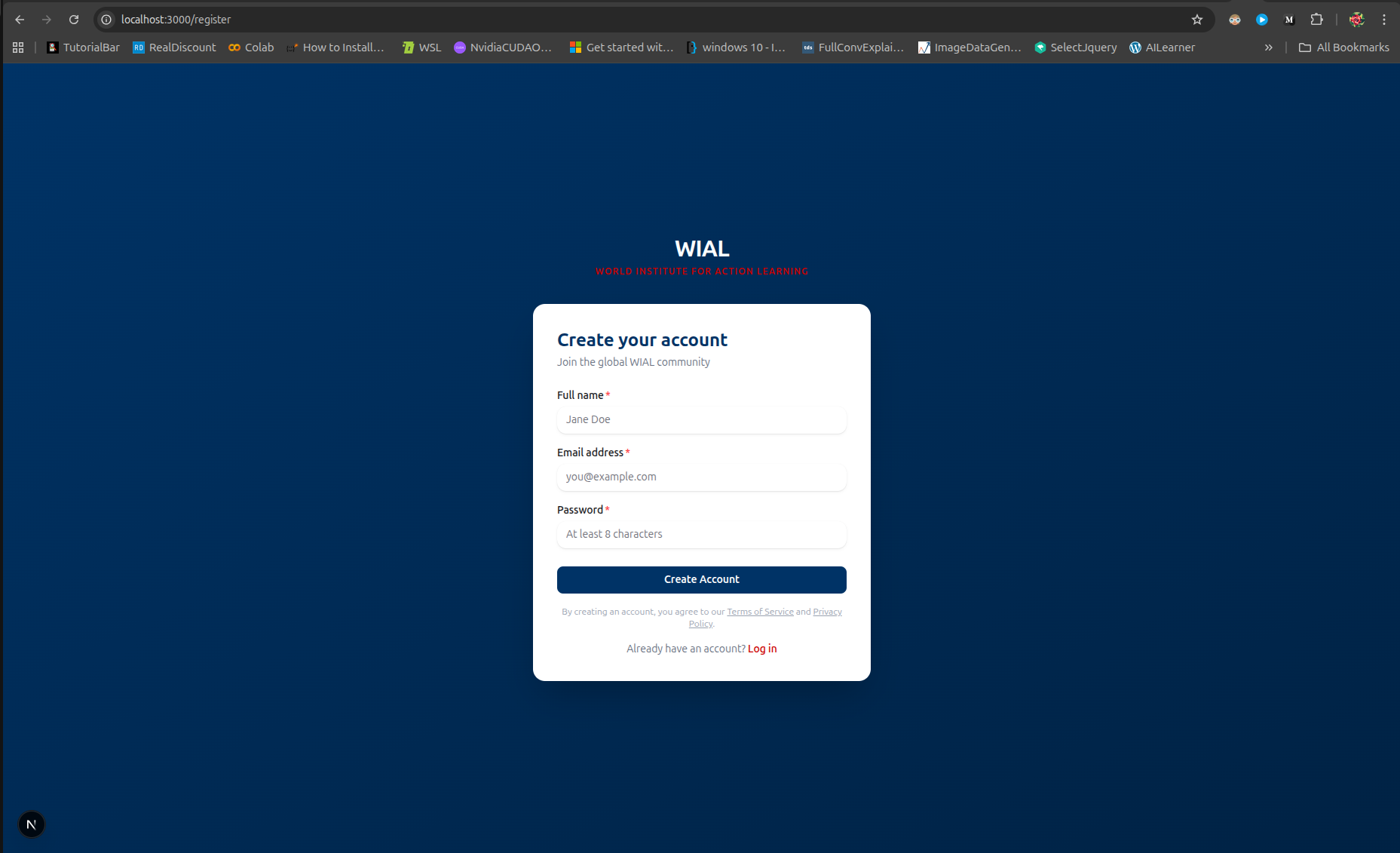
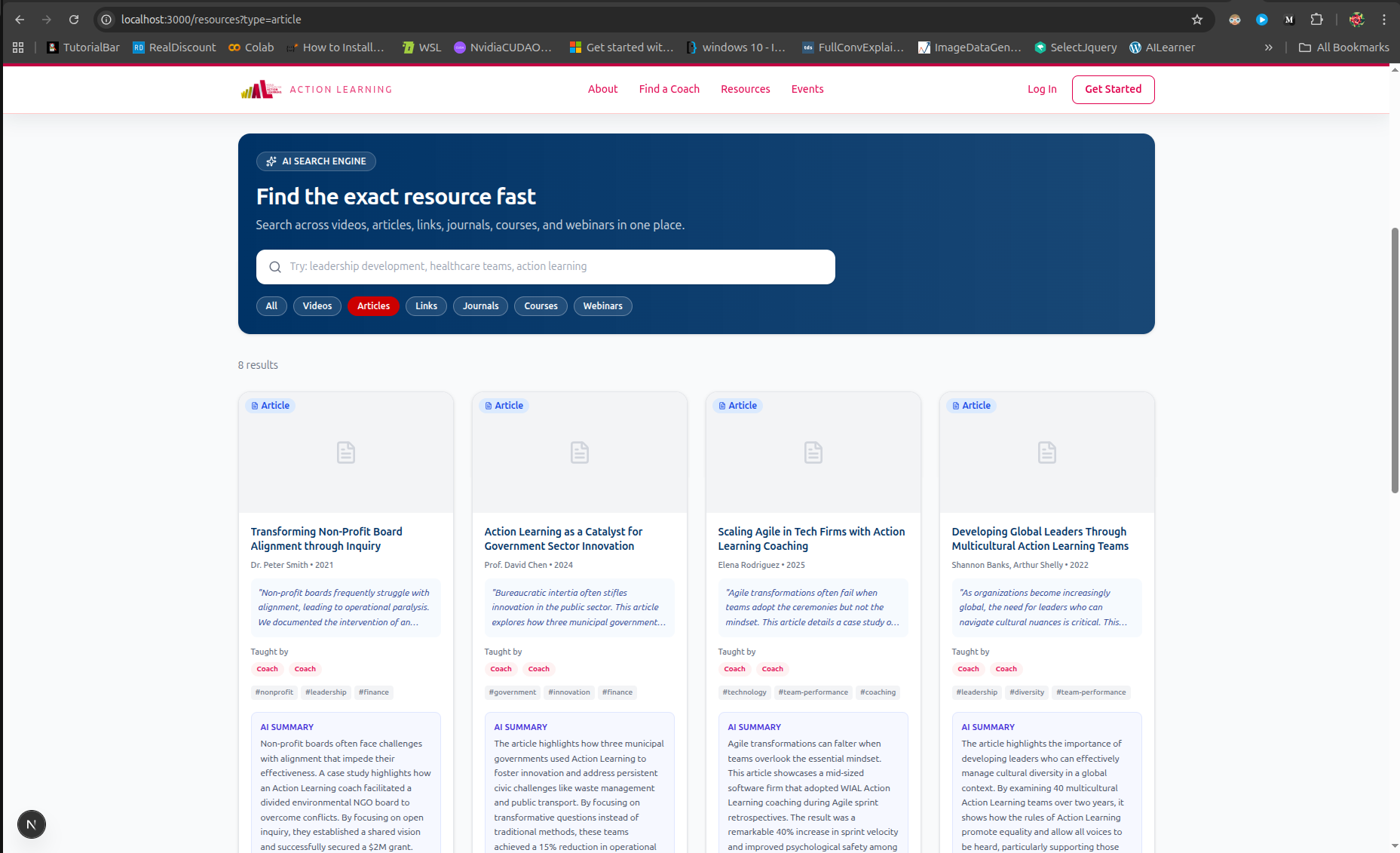
Global + chapter websites with shared branding and local customization Dynamic chapter routing and chapter-specific pages Public and chapter-specific coach directories Coach onboarding, verification, status management, and profile editing Resource library with search/filter, categorization, and completion tracking Events management (create/edit/publish), registration workflows, and chapter/global calendars Payments via Stripe Checkout with webhook verification, idempotent processing, and payment history RBAC-driven admin experiences for super admins, chapter leads, editors, and coaches Content block editing, approvals, versioning, visibility toggles, and reordering Audit logging and RLS-first data protection with Supabase AI capabilities are implemented across branches and features:
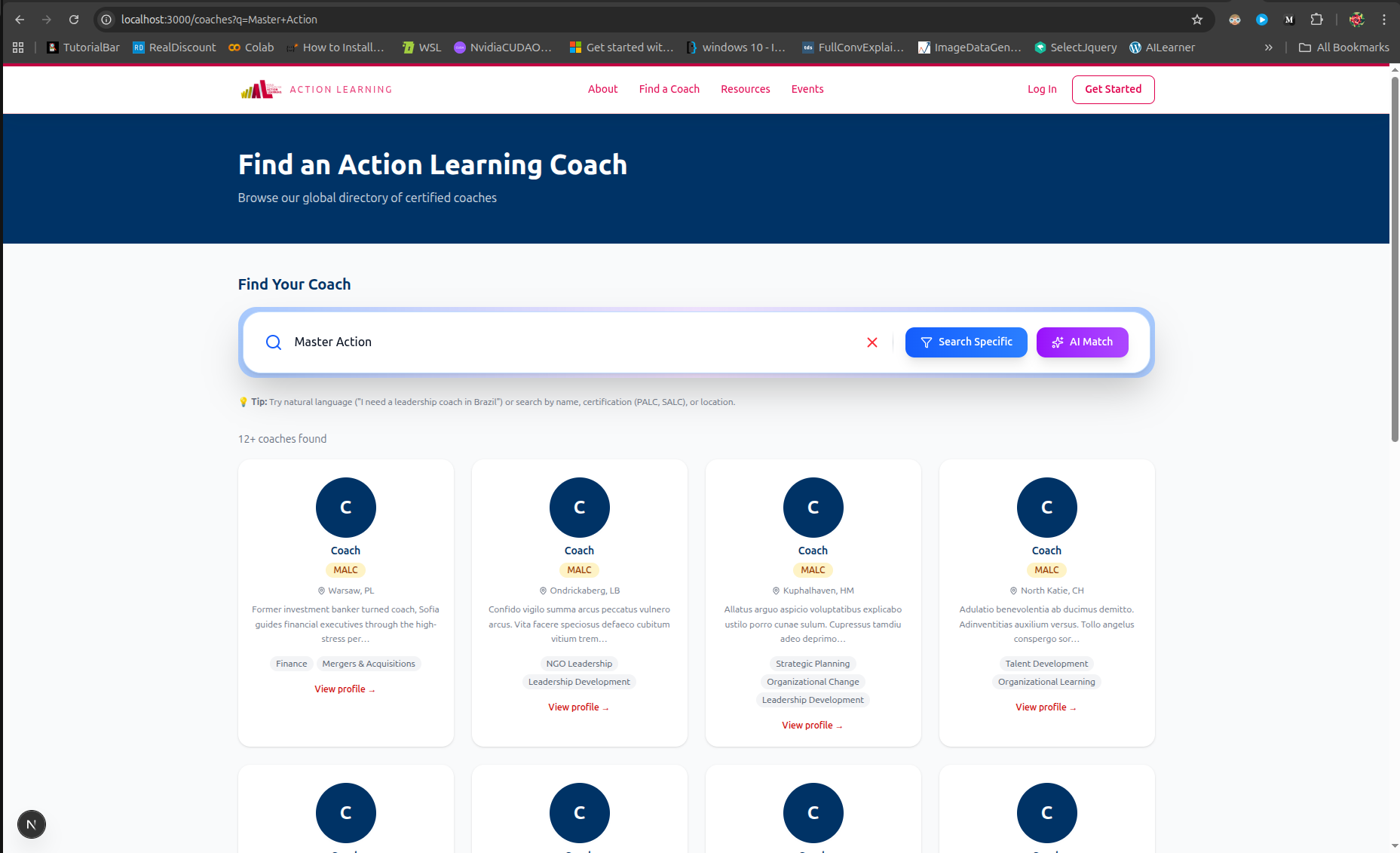
AI-assisted chapter content generation (localized/culturally adapted draft copy) AI-powered coach matching from natural-language intent Semantic knowledge/resource search with embeddings + vector retrieval Automated article ingestion: PDF parsing, plain-language summaries, key findings, relevance tags, and multilingual summary objects Webinar marketing generation (LinkedIn post, email draft, content outline) Resource AI summary and promoter-copy caching Video transcription pipeline (ElevenLabs) with AI summary generation from transcripts Chapter background music generation (ElevenLabs) with chapter settings integration A practical retrieval intuition is:
Overall Relevance ≈ α ⋅ SemanticSimilarity + β ⋅ TextMatch + γ ⋅ BusinessConstraints Overall Relevance≈α⋅SemanticSimilarity+β⋅TextMatch+γ⋅BusinessConstraints where semantic vectors improve discovery across vocabulary/language differences, and business constraints enforce chapter, role, and publication safety.
How we built it
We built with a server-first architecture in Next.js App Router and strict TypeScript boundaries:
Next.js + Server Components + Server Actions for most data and mutation flows Supabase Postgres as the system of record with RLS policies on core tables Supabase Auth + role/permission checks for protected features HeroUI + Tailwind for a consistent, accessible UI layer Stripe Checkout + webhooks for secure payment flows next-intl scaffolding for localization-ready architecture tiptap for rich text and structured content editing Zod for runtime validation at action and API boundaries Vitest + Playwright (+ axe) for unit, integration, e2e, and accessibility coverage AI/ML implementation paths:
OpenAI embeddings and generation for semantic search and content generation Anthropic models in chapter content and transcript-summary workflows Xenova Transformers (multilingual-e5-small) for multilingual embedding flows in the linguistic branch pgvector-backed patterns in knowledge branch migrations and search RPCs ElevenLabs for speech-to-text and chapter audio generation Challenges we ran into Designing a platform that is both globally standardized and regionally flexible Keeping strict security guarantees while enabling many admin workflows Making AI features useful, not gimmicky, and resilient to missing data Handling branch divergence (AISummarizer and linguistic) while preserving a coherent product narrative Integrating asynchronous systems (webhooks, cron reminders, content approvals) without duplication or race conditions Balancing rich UX with performance and accessibility expectations Accomplishments that we're proud of End-to-end multi-site foundation with chapter-aware routing and governance Strong RBAC + RLS posture across critical data surfaces Real payment lifecycle with Stripe webhook verification and idempotency Production-style content operations: approvals, versioning, auditability Meaningful AI features tied to real user value: Better coach discovery Faster localized content creation Usable research summarization and promotion Video-to-summary knowledge acceleration Accessibility and testing treated as first-class quality gates What we learned Global products need policy and architecture discipline as much as UI polish AI is most valuable when embedded into operational workflows (search, summarization, drafting), not isolated demos Data modeling for permissions and publication states is the backbone of trust Webhook and background-job reliability patterns are essential for real-world systems Branch experiments can accelerate innovation, but require strong integration planning What's next for Byte Me Merge and unify branch AI features into one production-ready roadmap Expand multilingual UX and translation quality controls Strengthen cross-lingual coach matching with richer relevance feedback loops Add stronger chapter analytics and reporting exports Complete event ticketing/payment depth and chapter-level financial dashboards Improve operational observability (alerts, tracing, failure dashboards) Harden deployment and rollout with feature flags and progressive releases
Built With
- nextjs
- openai
- playwright
- react
- recharts
- resend
- stripe
- supabase
- tailwindcss
- typescript
- zod

Log in or sign up for Devpost to join the conversation.