-
-
Bubble Boss
-
-
-
-
Inspiration
I was developing a VR game that was basically a cat game where you could pet and play with cats and play with different toys with the cats. One of the toys was a bubble wand and my son was having so much fun with it, popping the bubbles. So I felt I needed to build a game around bubbles using mixed reality and I came up with Bubble Quake.
What it does
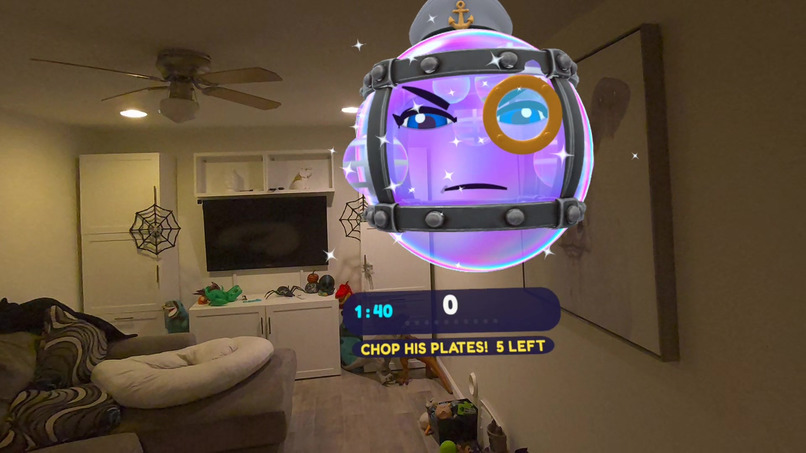
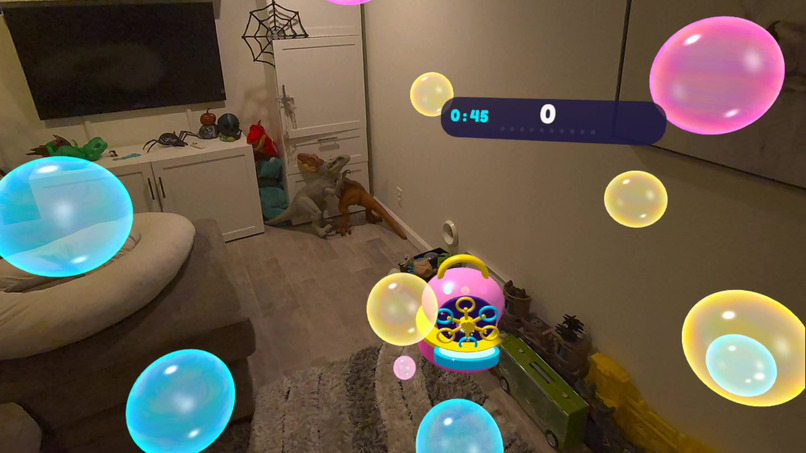
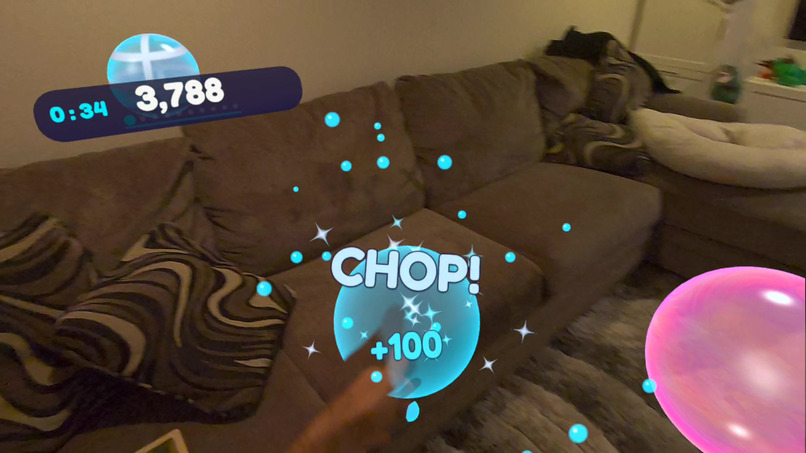
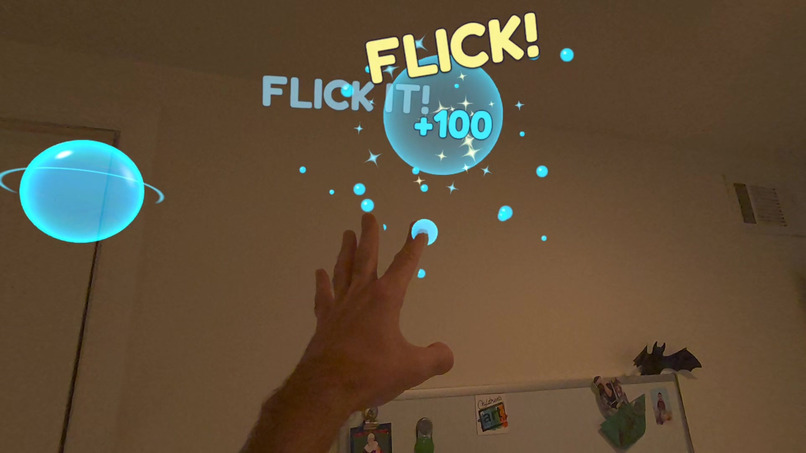
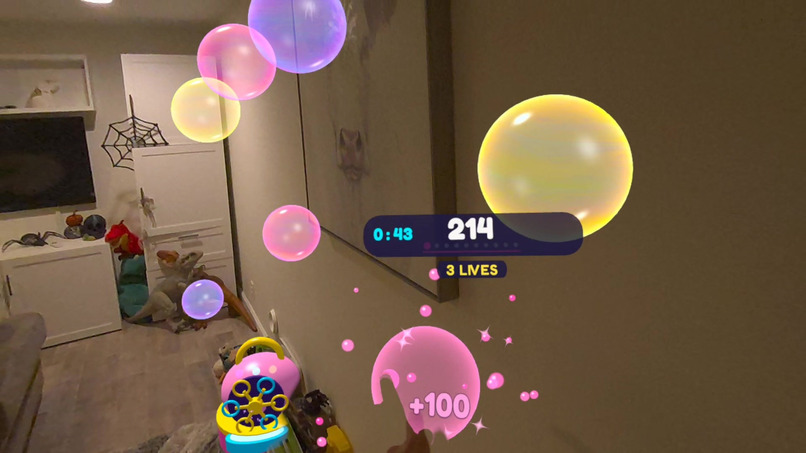
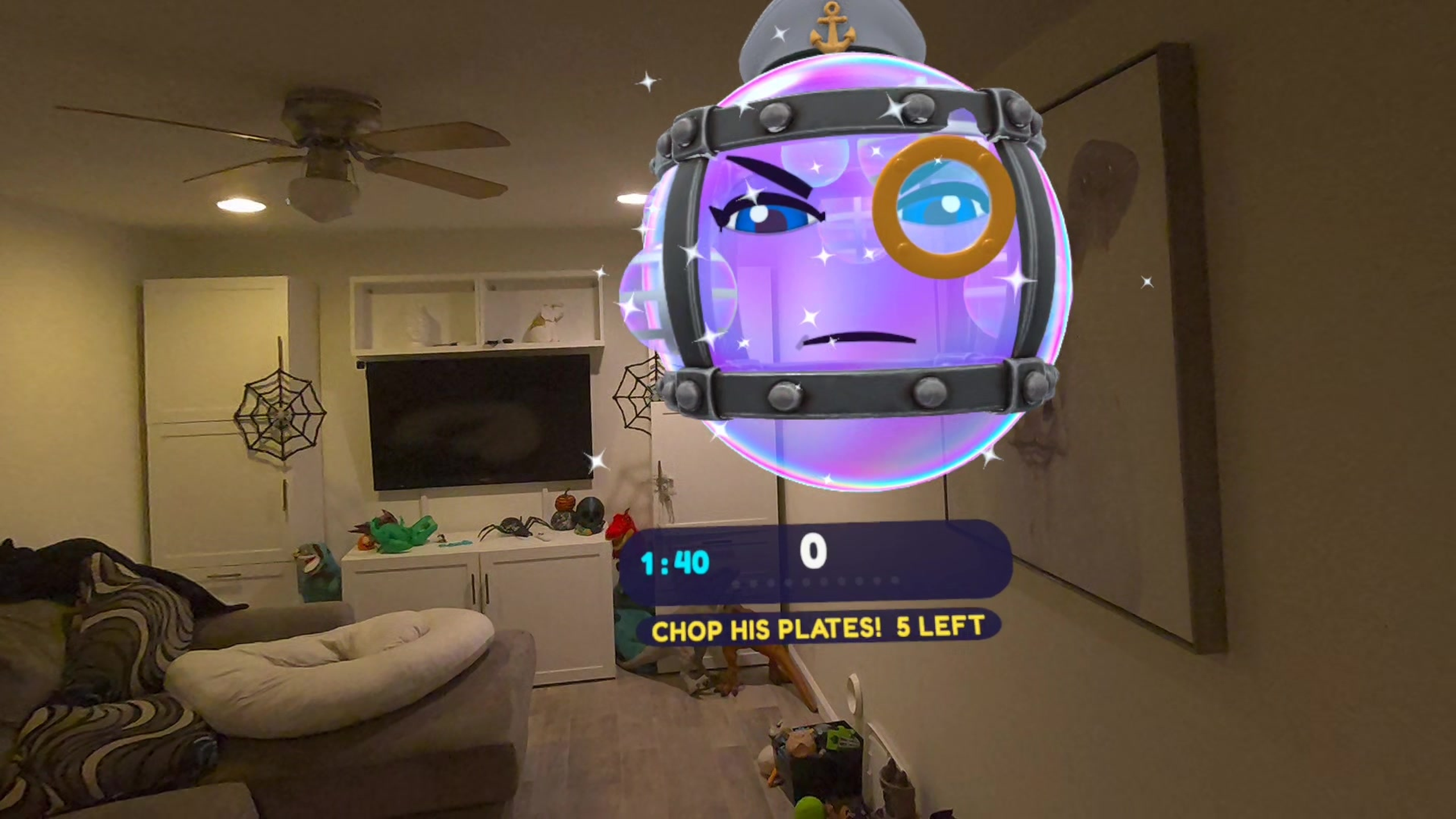
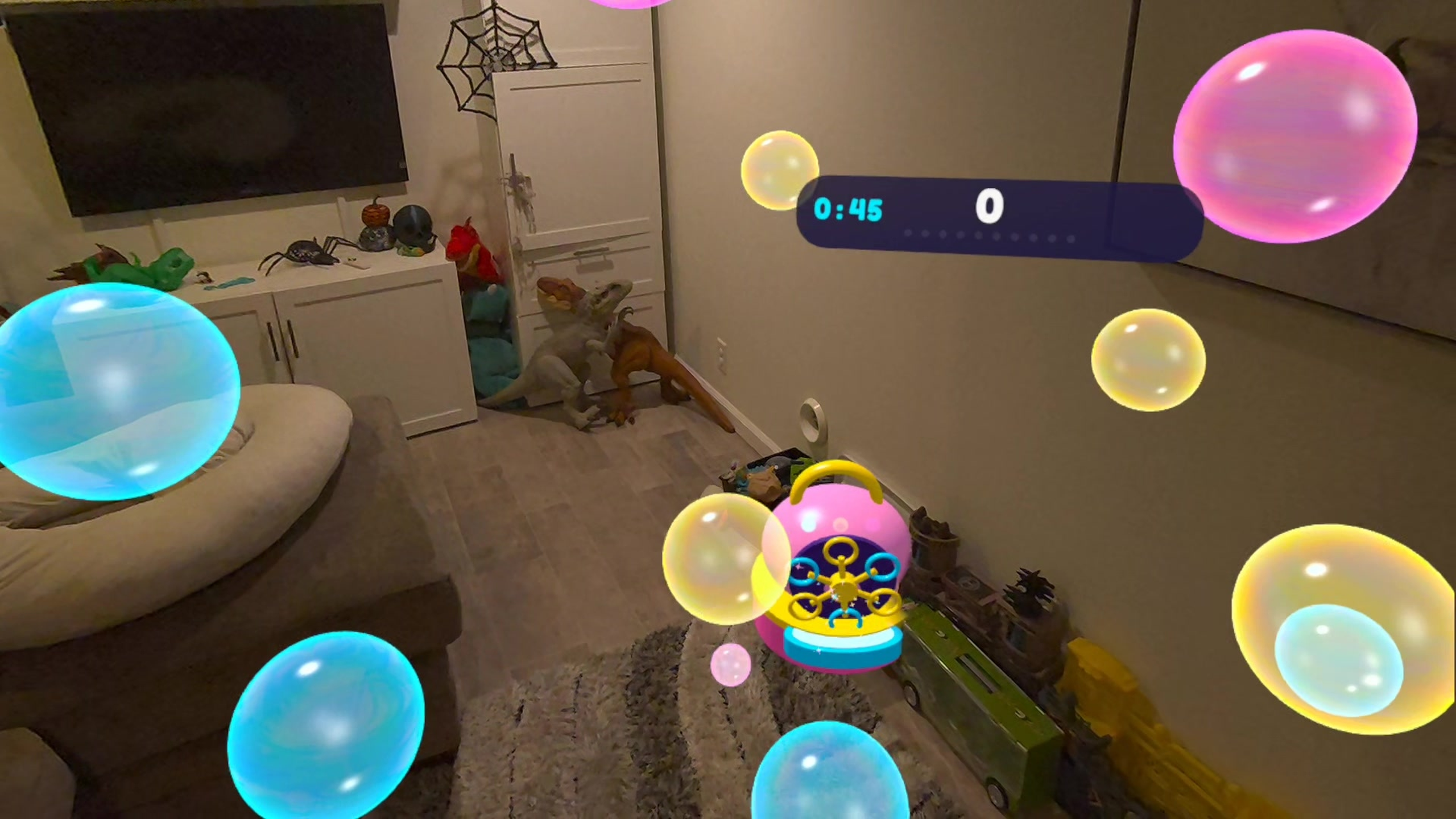
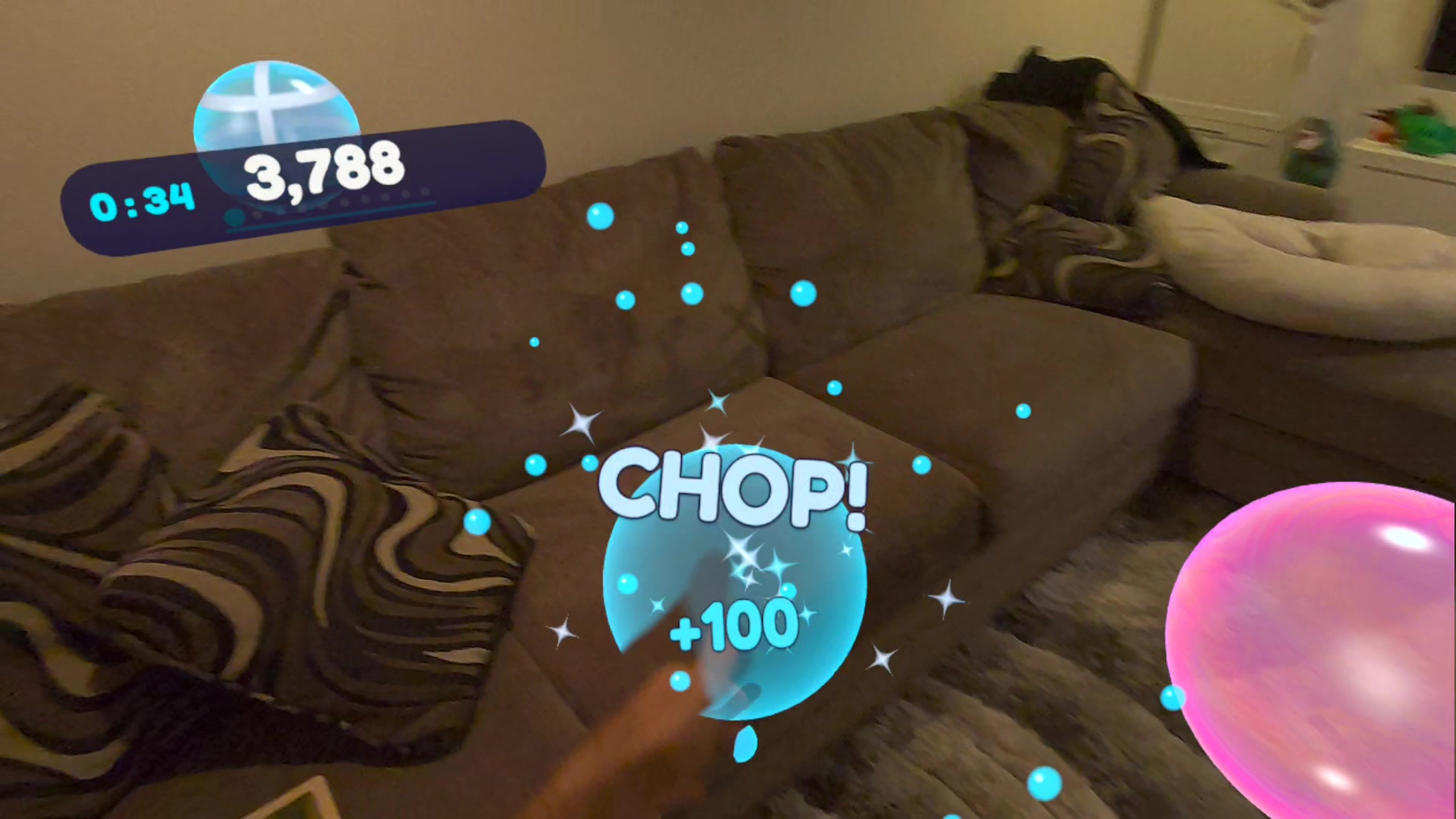
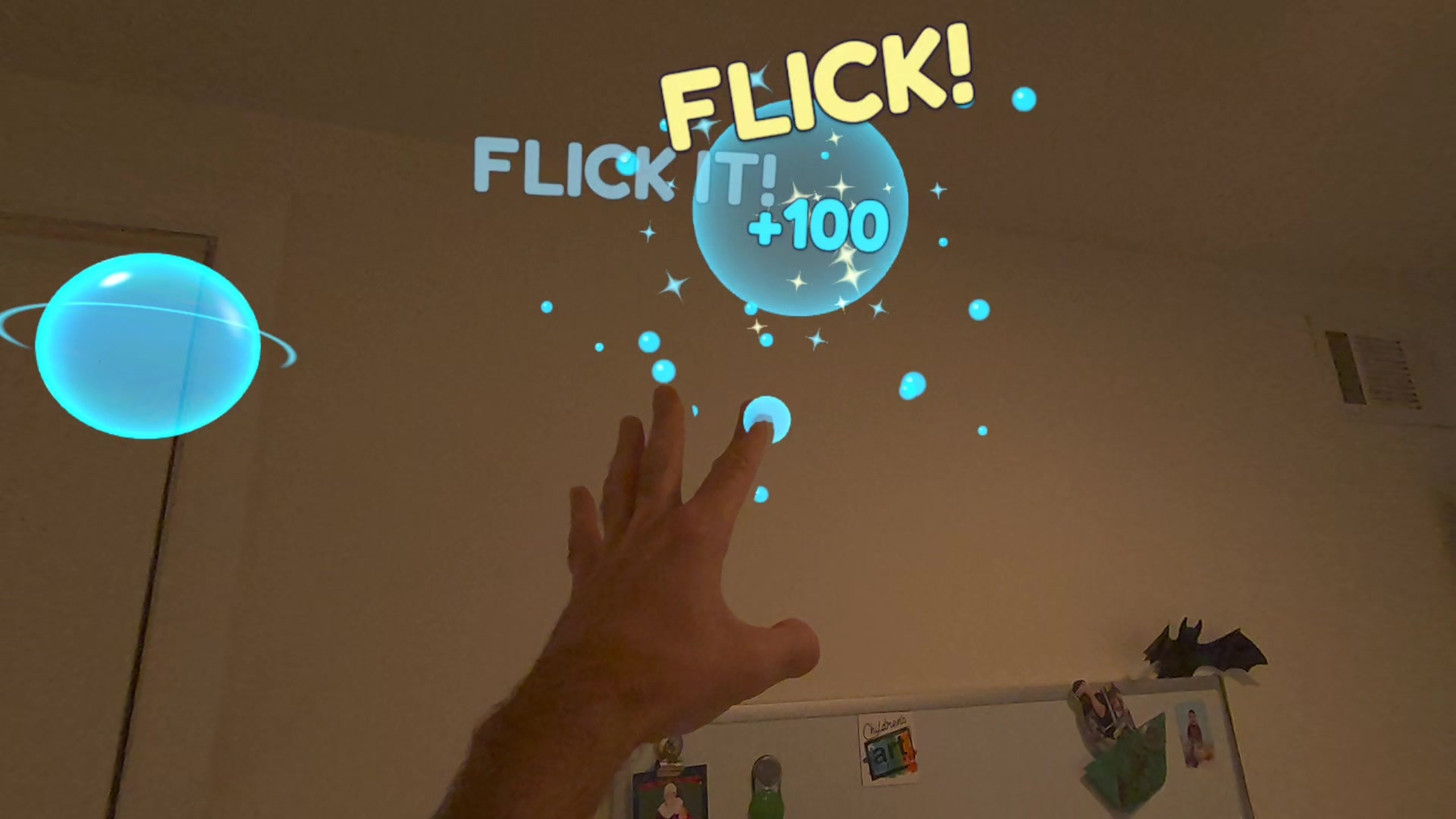
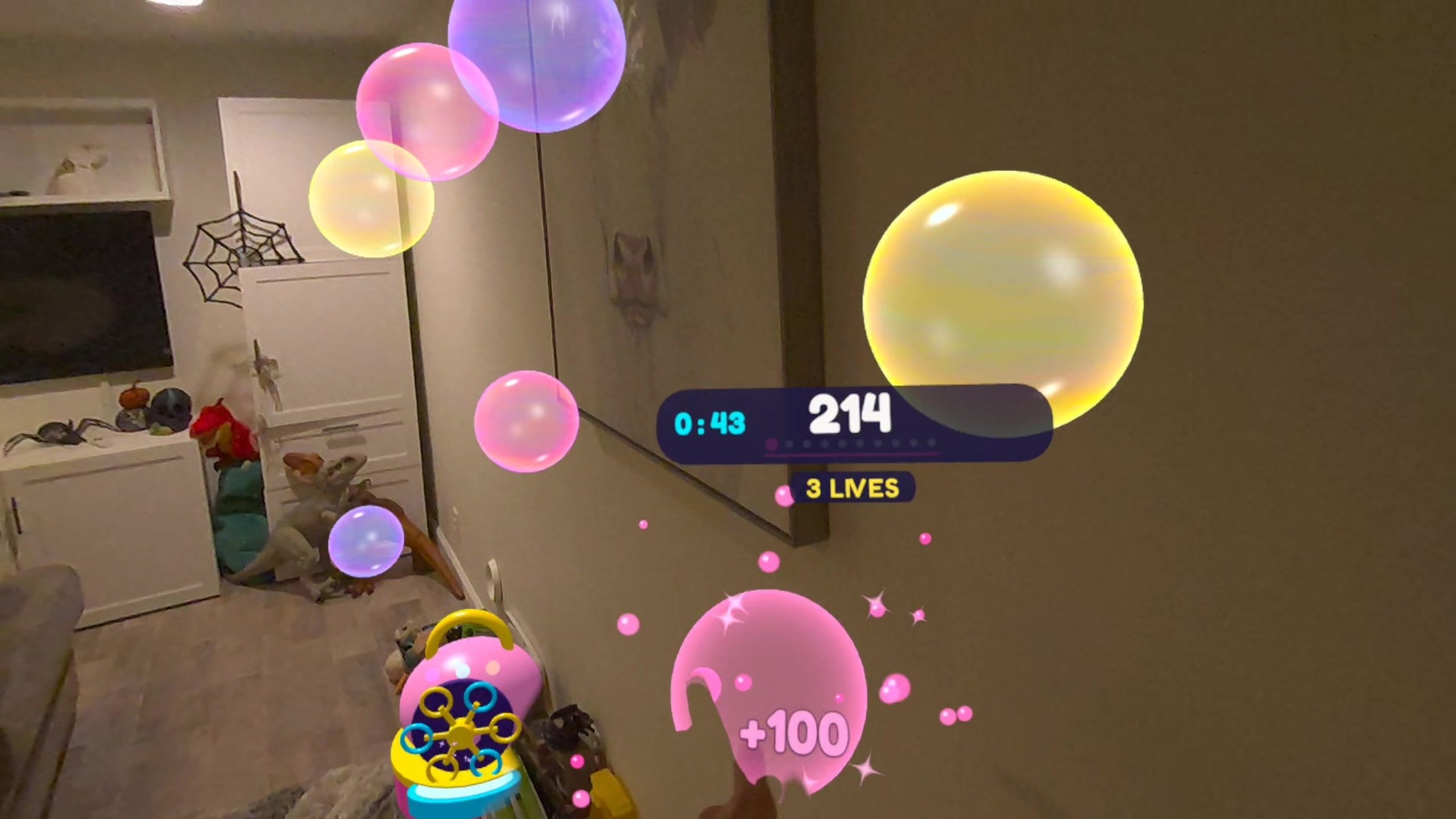
Bubblequake is a mixed reality game where a toy bubble machine lands on your table and fills your real room with bubbles. It’s completely controller free. It uses hand tracking, and different bubbles need different moves: poke, chop, pinch, clap and flick. Pop the same color again and again to build a chain that sets off blasts and room wide color wipes. There are over 100 levels across ten worlds, ten boss bubbles that give you upgrades when you beat them, 15 minigames, surprise challenges that pop up in the middle of a level, a rhythm mode and a roguelike mode. Everyone in the family gets their own player and their own difficulty, from Easy for little kids to Hard for adults.
How we built it
Bubblequake is built in Unity with Meta’s XR SDK for Quest 3 and 3S. It uses the room scan from Space Setup, so bubbles bounce off your actual walls and furniture, and depth sensing, so your real hands and couch can hide bubbles behind them. Every move is detected from the hand tracking joints: a poke is a fingertip, a chop is the edge of a flat hand, a pinch is thumb and finger, and claps and flicks are read from how fast both hands move. Meta’s platform services power the online leaderboards. The boss characters were modeled with AI 3D generation and Blender.
Challenges we ran into
Hand tracking was the biggest one. Telling a chop from a poke, or a flick from a normal hand movement, took a lot of tuning so the game reads what you meant and not what you didn’t. We also had to handle the headset losing track of your hands, and make sure the system’s pinch gesture didn’t trigger moves in the game. Every room is different, so bubbles had to fit any space without spawning inside a wall or out of reach. Many see-through bubbles at once is also hard on a standalone headset’s performance. Playtesting with my son showed some levels were too hard for young kids, which is why every player now picks their own difficulty. And getting through store review, privacy requirements and age rules for an all ages game was a learning process of its own.
Accomplishments that we're proud of
Making a game that a five year old and an adult can both enjoy on the same headset. It has a lot of content for a small team: over 100 levels, ten bosses, 15 minigames, 45 surprise challenges, 19 songs in the rhythm mode, and a roguelike mode with a Daily Run. Beta testers liked it, it passed Meta’s store review, and it’s now live on the Meta Horizon Store.
What we learned
Hand tracking games have to be forgiving. Players don’t move like the ideal gesture, so the game has to meet them halfway. Teaching works best in short bits at the moment you need it, not long tutorials up front. Watching kids play taught us more than anything else. And mixed reality is at its best when the game uses the room, not just plays on top of it.
What's next for Bubble Quake
A VR mode with a virtual playroom, for players who’d rather not play in their own room. A new two-handed challenge where each hand pops a different color. More bosses, songs and minigames. And we’ll keep making changes based on player feedback, like the chain counter over your hand we just added after a YouTuber’s review.
