-
Title
-
Up and running
-
Settings
-
Critical burnout level
-
Reflecting users' emotions
Inspiration
As a student, I know how it feels to have tons of assignments and out-of-class activities on top of each other. This inevitably led me to burnout. I felt stressed, depressed, apathetic, and counterproductive. It was so incredibly difficult to keep going. In moments like this, I wished I were more careful and managed myself more cautiously. That is why I decided to develop a tool that keeps track of users' activity to prevent burnout.
What it does
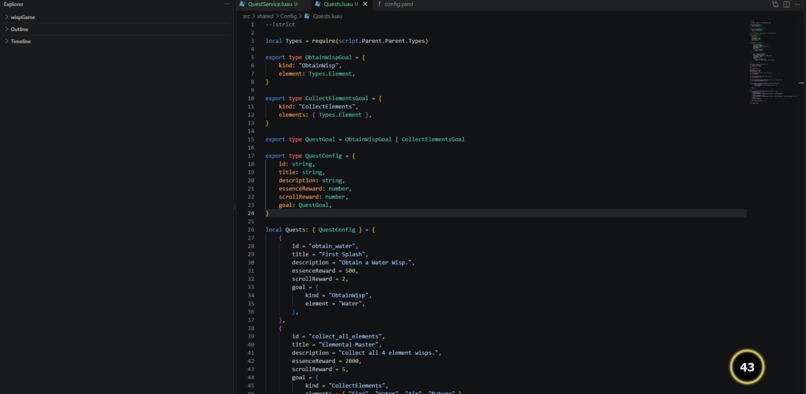
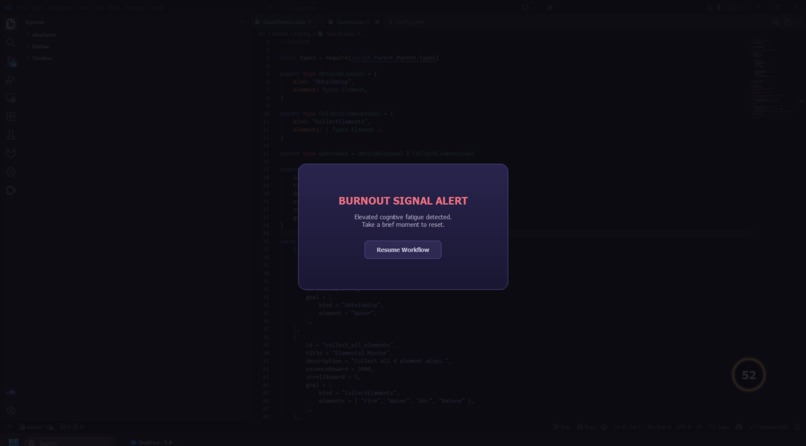
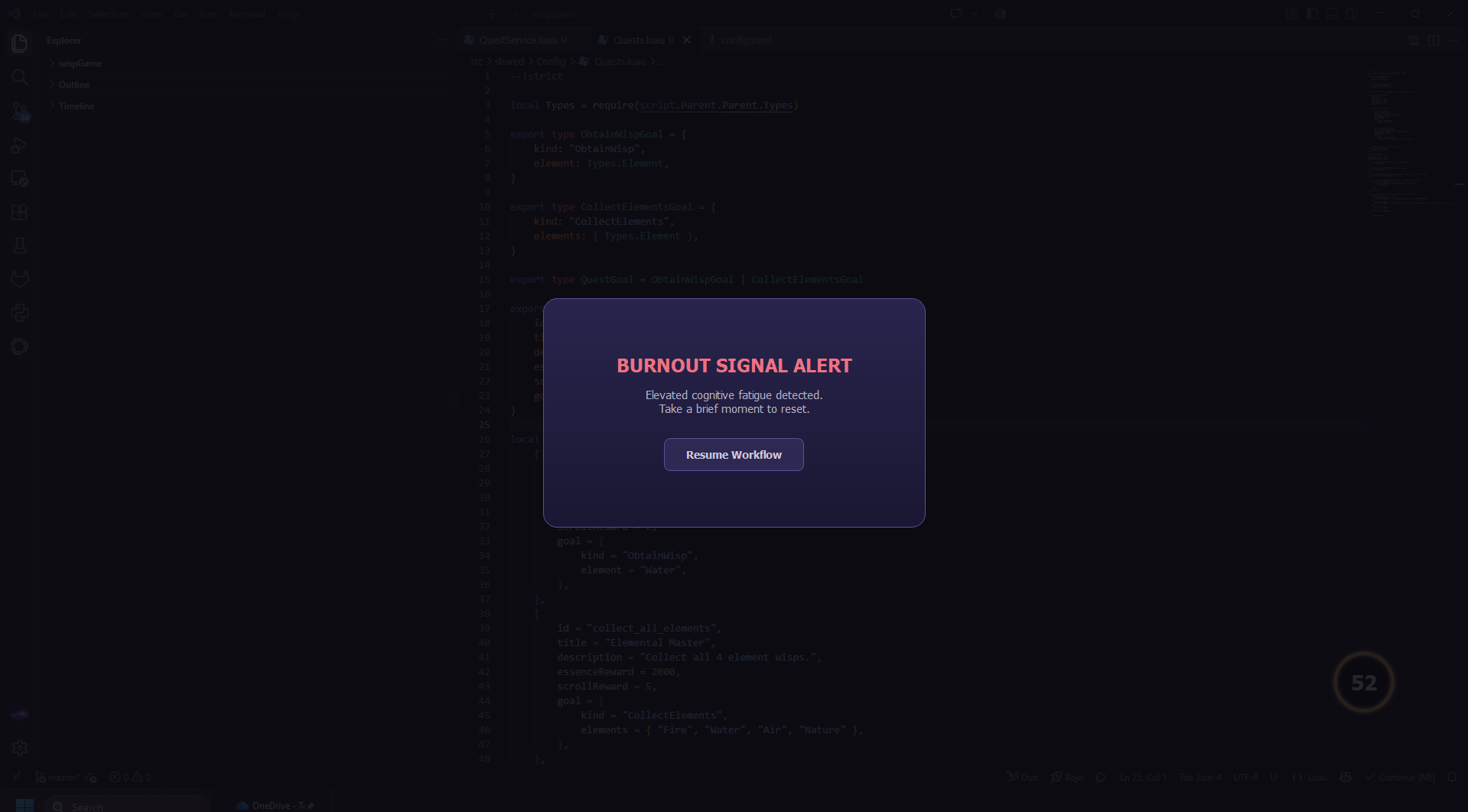
Burnout Signal watches how you actually work instead of how you say you work. It runs quietly in the background, tracking which apps you are using (deep work vs. doomscrolling), how often you switch tasks, and total screen time. It can also optionally read your webcam for signs of stress or fatigue, like a furrowed brow, closed eyes, or yawning. A trained machine learning model turns all of that into a live burnout risk score from 0 to 100, shown on a small floating HUD on your desktop. If the score climbs too high, the app throws up a full-screen intervention overlay to make you stop and reset.
How I built it
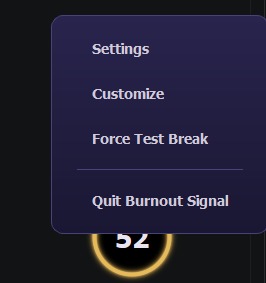
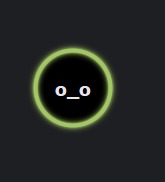
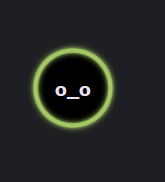
I trained an XGBoost regression model in Python on a burnout dataset from Kaggle, and calibrated it so the score actually uses the full 0 to 100 range. The app itself is a PyQt6 desktop widget. One background thread polls the active window through the Windows API (pywin32) to classify app usage in real time and feed the model live features. A second background thread uses MediaPipe's Face Landmarker to read facial expression from the webcam and factor that into the score, only turning the camera on if the user opts in. The score is drawn as a custom glowing SVG ring rendered with QPainter, which also flashes a short keyboard-character mood readout alongside the number.
Challenges I ran into
Difficulties pinpointing certain features and measuring them. I used a "doomscrolling" metric that depends on apps like Instagram and Reddit. However, the user could use many other apps or not even doomscroll on the ones I currently use.
Accomplishments that I am proud of
I developed a sophisticated burnout scoring system that can be tuned for each individual user, as well as some neat visual customization.
What I learned
I learned how to process huge datasets and extract features of importance, balance them, and normalize the output to produce sufficient results.
What's next for Burnout Signal
My next steps will be to further enhance customization per user. I want Burnout Signal to have a customizable list of apps it detects and configurations for them. Also explore new features, like a panic level when a user gets confused and overwhelmed with the project they are working on.
