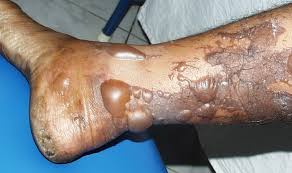
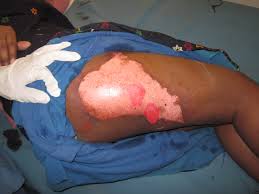
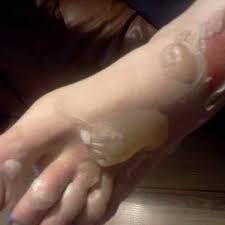
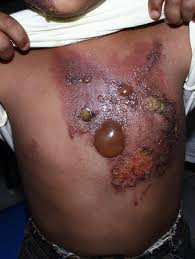
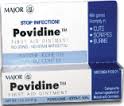
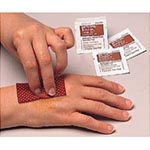
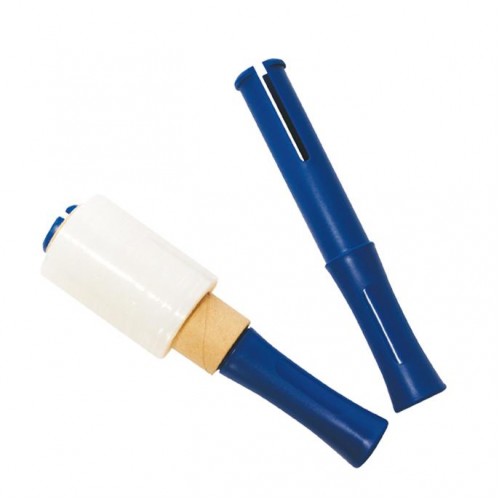
A scald is a type of burn that results from exposure to heat created from boiling water or steam. In the United States, some 500,000 scalds occur every year. The average cost of a hospital stay for a burn patient is near $20,000 and very severe burns can cost close to $85,000. The costs associated with emergency department and hospital treatment for burns and scalds can be lowered if fewer patients present to these emergent care facilities. This can be achieved two ways: by patients treating more burns at home and by receiving professional treatment in an outpatient clinical setting instead of in an emergent one. BurnCare is a combination of remote burn consultation and at-home treatment for burns. BurnCare Burn Kit, an at-home first aid kit for burns, can be purchased online and in convenience stores. Each kit contains a 1-ounce bottle of betadine ointment, 2 betadine pads, 2 latex free gloves, and a mini roller of plastic wrap. The kit will contain instructions on applying betadine to the burn affected area and how to cover the area with plastic wrap.
Betadine (povidone-iodine) is a complex that is available in solution, spray, or ointment and does not need a prescription to be purchased. For wounds, betadine can be used as an antiseptic, an anti-bacterial, and can also prevent and treat certain infections. However, in animal models betadine also displayed anti-inflammatory aspects when applied soon after contact with a burn causing agent. Mustard gas and contact burns were treated with betadine ointment within minutes of contact with skin. Betadine prevented the burn from damaging the skin layers and the skin surrounding the burn site remained normal in appearance. Immediately and hours after being exposed, the dermis appeared to remain of full thickness and the acute inflammatory response in the epidermis, sub-dermis, and dermis were significantly reduced. Betadine was able to stop progression of the burn through the skin layers and classifying their burns as first, second, or third degree was not possible.
Betadine administration must be as soon as possible, preferably within 10 minutes of being potentially burned. If a person gets scalded and does not have a BurnCare Burn Kit, has a known iodine allergy, or does not feel comfortable using the at-home kit, they can download the BurnCare mobile application. The app sends a photo of the scald to a burn professional who can give advice on which type of treatment should be used. The consult can provide the patient treatment options regarding his/her burn care: if the burn does not require emergency care, the patient avoids the associated costs and loss of time; if the patient needs outpatient care, they can schedule an appointment with an outpatient primary or plastic surgery clinic and again avoid the costs of emergent care; or the patient might receive a recommendation from a burn professional that his/her scald needs emergency care. The app also uses the patient’s location to give them a list of nearby emergency facilities, urgent care facilities, Burn Centers recognized by the American Burn Association, and outpatient clinics.
During beta testing, BurnCare mobile app can be linked with current, on the market burn treatment applications which formulate burn treatment plans. There are a multitude of apps which collect patient information, such as height, weight, and burn history, and from this data are capable of suggesting a treatment plan for the burned patient. Practitioners who review patient submitted photos on the BurnCare app could potentially review the photo and create a treatment plan, especially for serious burn injures like those greater than 20% total body surface are (TBSA) or those which include smoke inhalation. If a BurnCare burn professional receives a photo from a patient with a severe burn injury, not only could they recommend emergency treatment, but the patient could also have a burn treatment plan already worked up.
