-
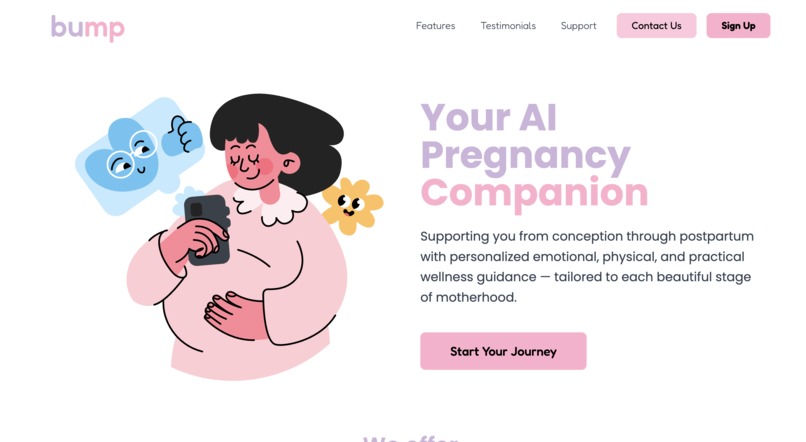
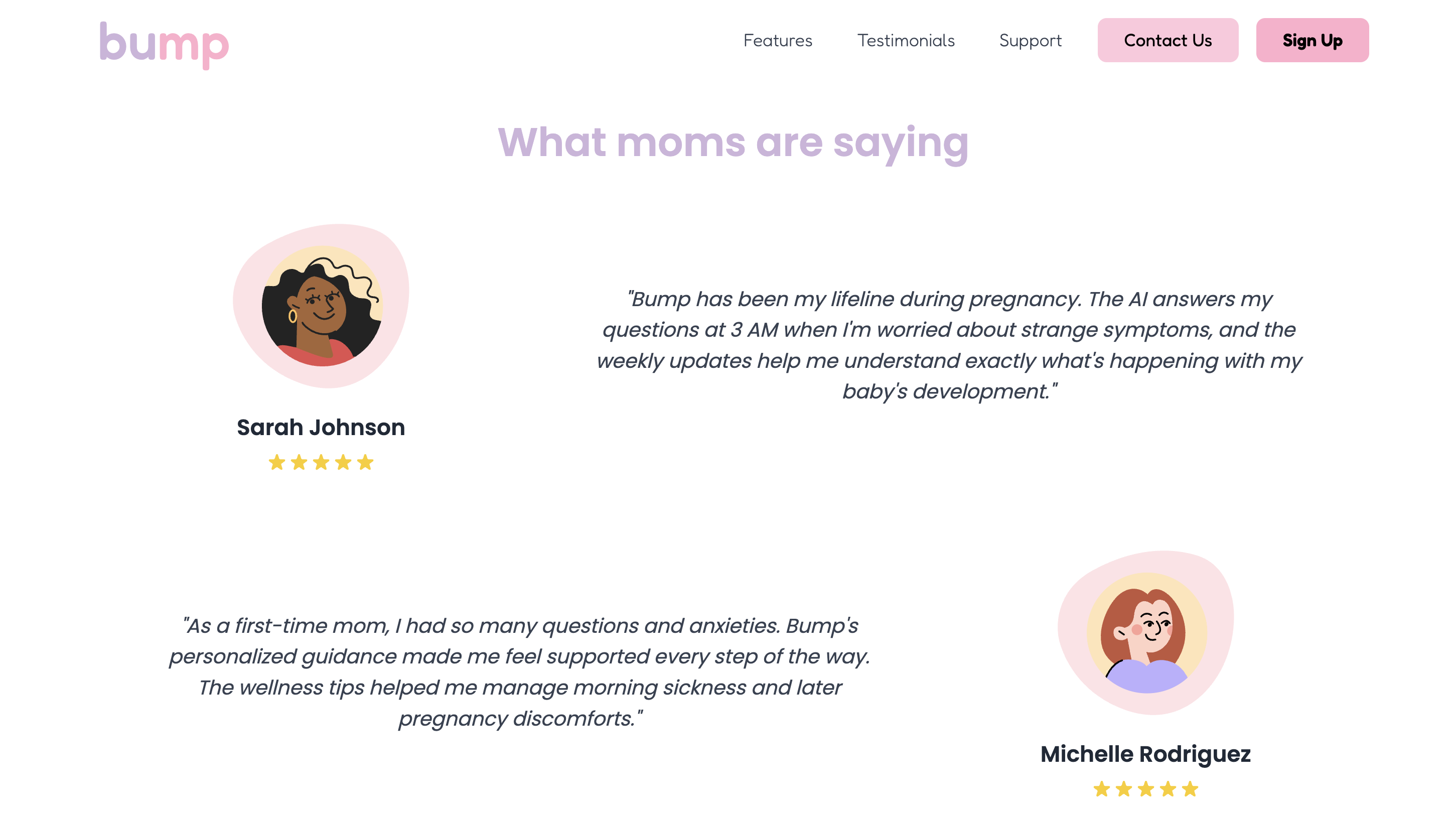
Home Page
-
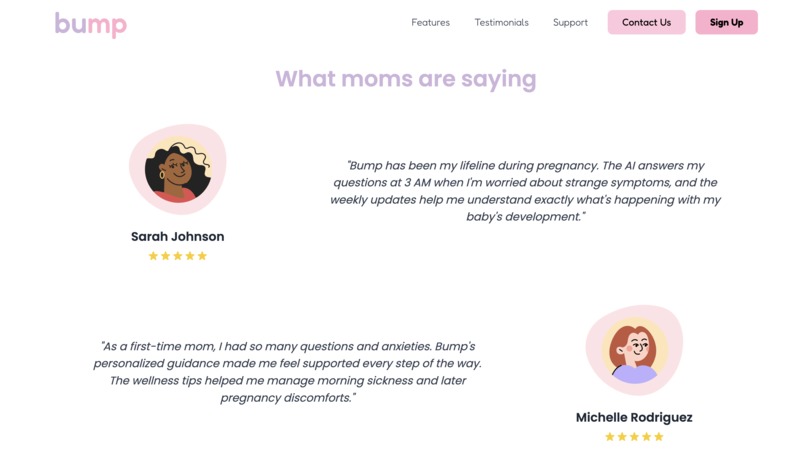
-
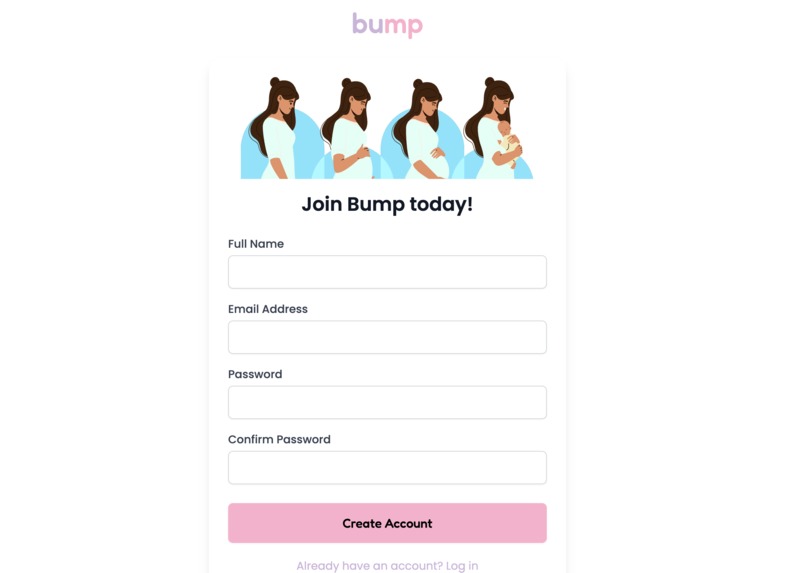
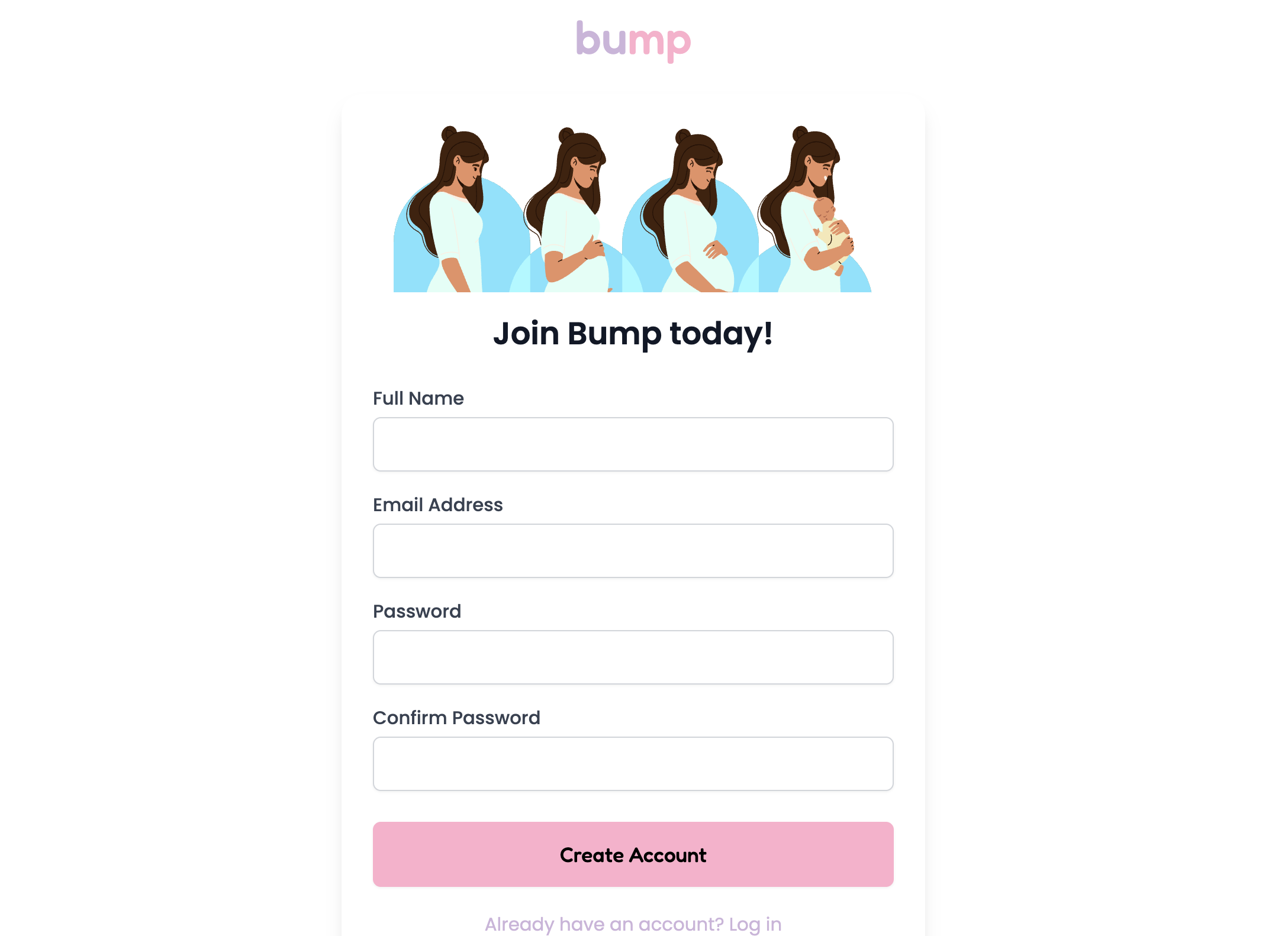
Sign Up Page
-
-
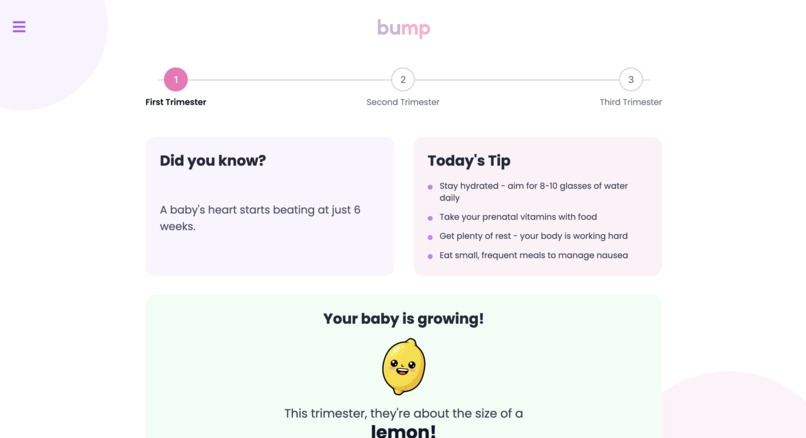
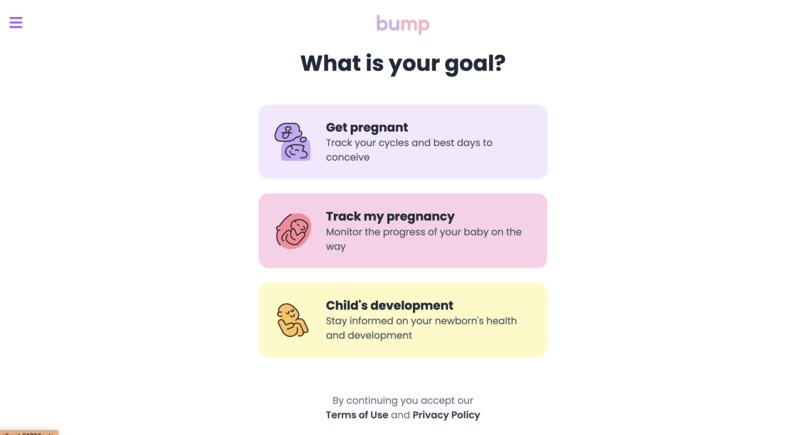
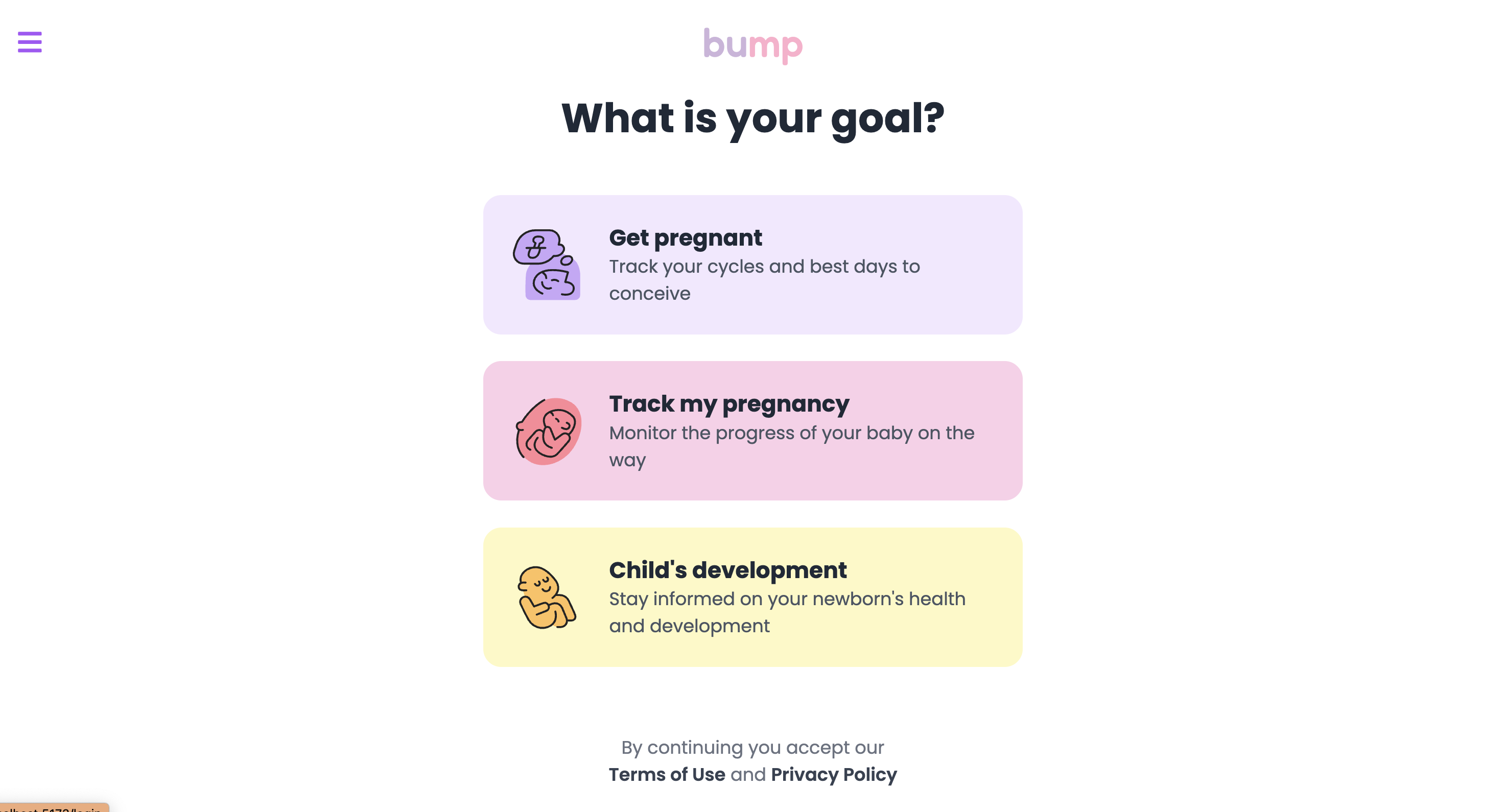
Dashboard
-
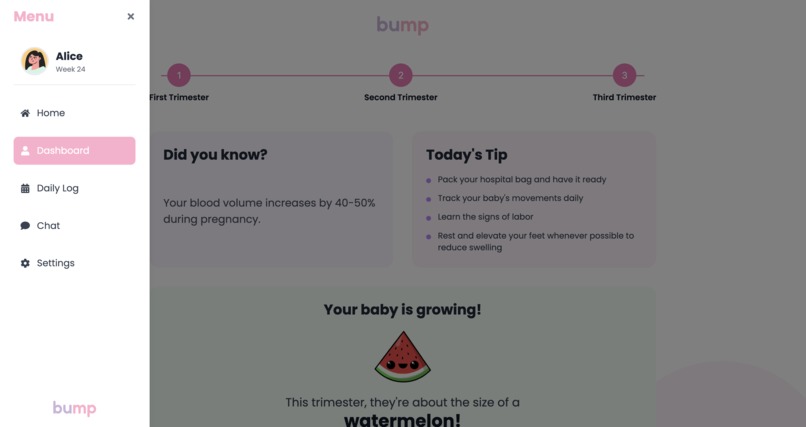
-
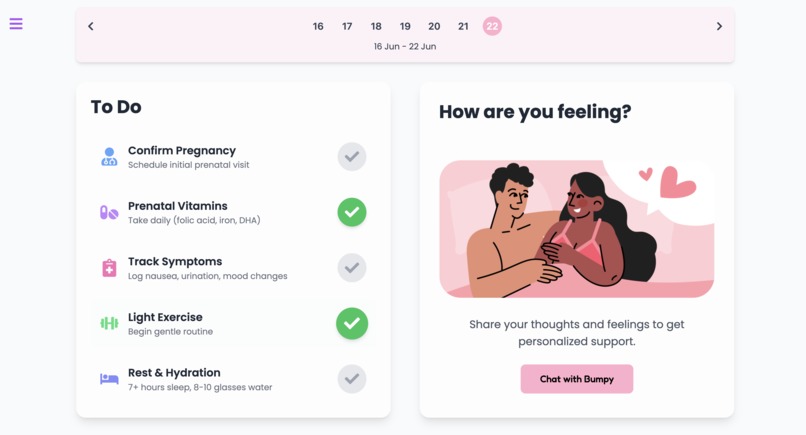
-
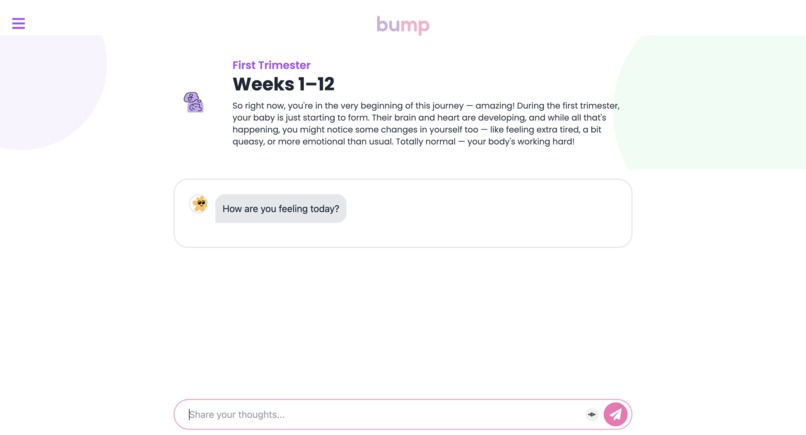
-





Inspiration
One of our teammates lost a close friend to a preventable early birth complication. She was in her second trimester when she started experiencing unusual swelling and persistent dizziness; signs that, in hindsight, pointed to preeclampsia. But like many expectant mothers without immediate access to healthcare, she brushed it off. By the time she made it to the hospital, it was too late.
That pain, raw, real, and far too common, lit a fire in us.
We realized this isn't just one person's story. Across the world, women are suffering in silence, not because they don't care, but because care is unaffordable or unavailable. What if she had a gentle nudge? What if something could have caught that red flag earlier?
Bump was born from that urgency. A digital companion built with care something that listens, understands, and speaks up when something feels off.
What it does
Bump is an intelligent support system woven into the rhythm of pregnancy.
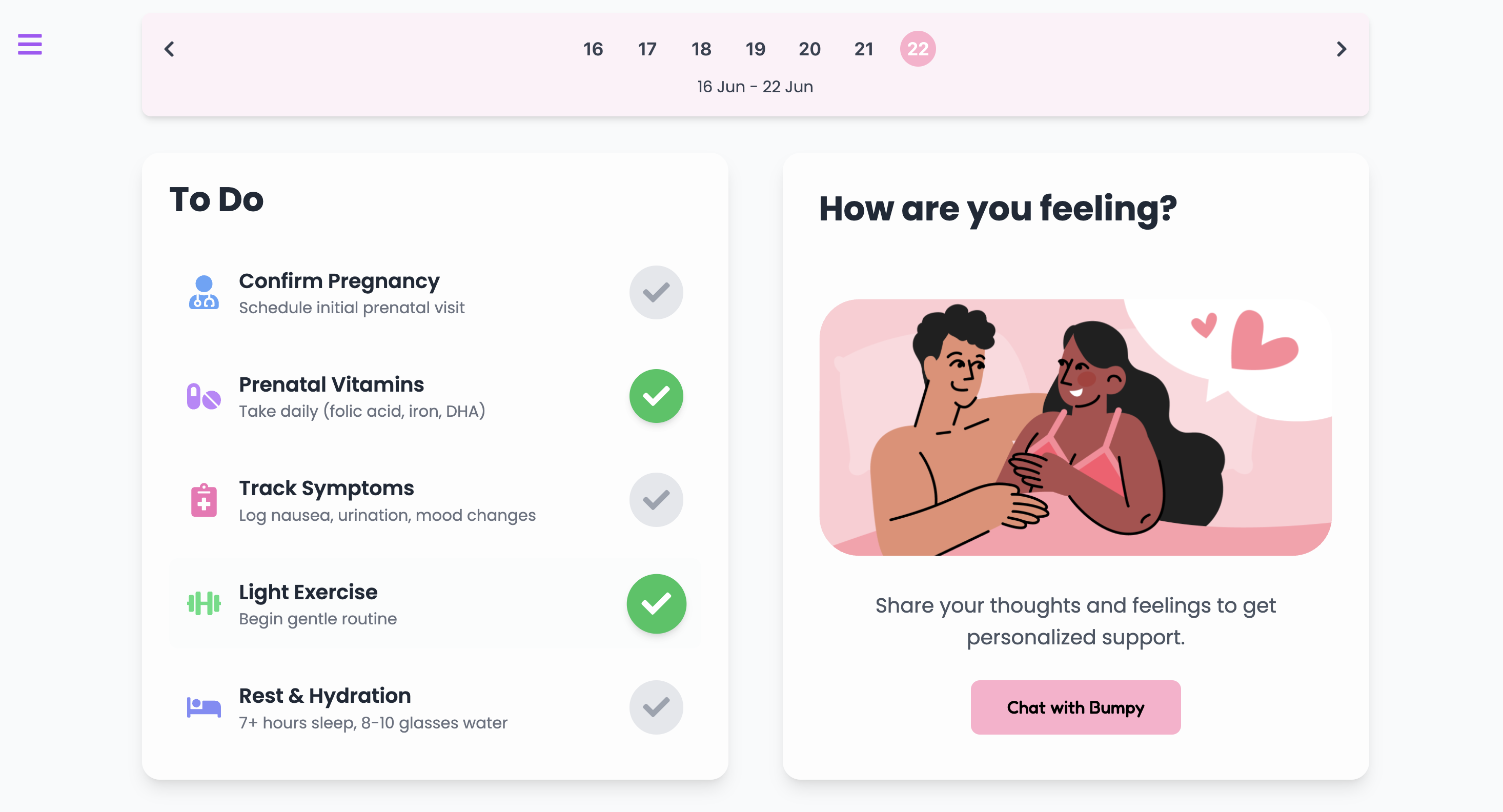
From the moment you log in, Bump quietly figures out where you are in your journey. Week 5? You’ll get personalized nudges like “Start folic acid” or “Schedule your first scan.” Week 28? It might gently ask if you’ve noticed any swelling or shortness of breath, common, but sometimes critical.
But here’s what makes it special:
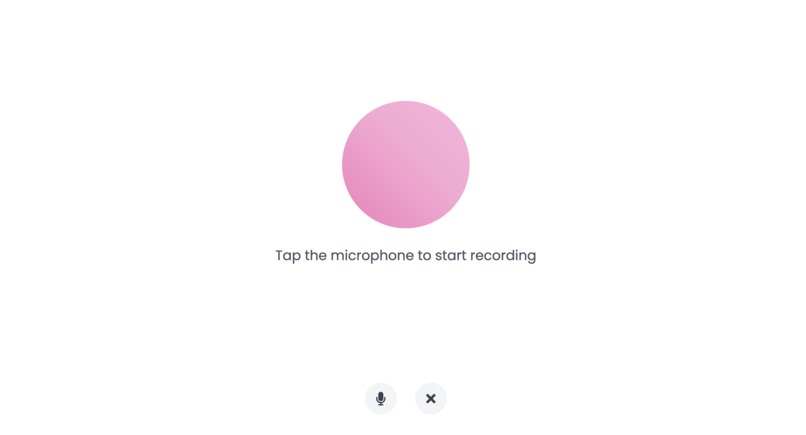
Bump listens. You can talk to it. Literally. Whether you’re feeling nausea or uncertainty, Bump engages you in natural voice conversations, powered by VAPI’s real-time voice interface, to understand what you’re going through.
Bump understands. It uses context-aware intelligence, thanks to Gemini, to translate your symptoms and emotions into insight. It doesn’t just respond. It responds meaningfully.
Bump adapts. It tracks your symptoms, reprioritizes your checklist, and gives you new, weekly care suggestions based on your unique profile and history.
And when something seems off? It tells you, with empathy and urgency, that it’s time to see a doctor.
Bump turns the pregnancy experience from isolated guesswork into proactive care, right from your pocket.
How we built it
Frontend: React.js + Vite
Backend: Node.js + Express
Database: MongoDB
Voice Assistant: VAPI API for real-time speech-to-response interaction
Contextual Intelligence: Gemini API for adaptive conversation and dynamic care planning
We started by mapping the three trimesters and designing a core experience around each: task planning, symptom logging, and real-time guidance. Every feature had to feel natural, like a friend who just happens to know a lot about pregnancy.
Challenges we ran into
Every hackathon has its hurdles, and Bump gave us a fair share.
The biggest one? Syncing our frontend and backend. We had originally built out too many moving parts separately, and when it came time to integrate, things broke. A lot. There were routing issues, async timing bugs, and even full feature rewrites.
But what made the difference was our team chemistry. We didn’t panic. We didn’t point fingers. We sat down, debugged together, scrapped what didn’t work, and rebuilt what did. That collaboration is something we’re really proud of.
Another challenge was integrating VAPI for our voice and intelligent chat experience. The docs weren’t always beginner-friendly, and we spent hours testing, breaking, and learning just to make the voice flow feel seamless. It was worth it the experience for sure though.
Accomplishments that we're proud of
This project means so much more to us than lines of code.
For many of us, this was our first-ever in-person hackathon, and we came all the way from Grambling State University, a small but mighty HBCU in Louisiana. Traveling across the country to California, we took a leap of faith.
And we finished.
We stayed up, we debugged, we collaborated, and we shipped a working, meaningful product. It wasn’t easy, especially coming from a school where tech resources and exposure are still catching up, but we showed up and showed out.
To be here, to have built something that could actually help people, and to do it as a team from Grambling? That’s not just an accomplishment. That’s a statement.
We’re incredibly proud of what we created, and of each other.
What we learned
We learned that building a product that truly supports people, especially in something as personal and sensitive as pregnancy, takes more than just writing code. It takes empathy, clear communication, and an understanding of real-world needs.
Technically, we grew a lot. We learned how to: Integrate complex APIs like VAPI and Gemini into a seamless, real-time user experience Sync a React + Vite frontend with a Node.js + Express + MongoDB backend under serious time pressure
- Design flows that make AI feel supportive, not robotic
But more than that, we learned how to work together under pressure. We built trust as a team. We leaned on each other when things broke. We didn’t give up, even when it got tough.
What's next for Bump
Bump started as a pregnancy companion, but the vision is much bigger.
Next, we’re working on expanding the experience in both directions:
Pre-pregnancy planning: Helping aspiring parents prepare mentally, physically, and emotionally for pregnancy. Postnatal care: Offering support and tips for recovery, baby care, and mental wellness in the weeks after delivery. Longer-term personalization: Using symptom patterns, emotional trends, and lifestyle data to give smarter weekly care suggestions. Multilingual & offline access: So more women, especially in underserved areas, can use Bump, with or without constant internet access.
We want Bump to grow into a full-circle companion for maternal health, before, during, and after pregnancy. This is just the beginning.
Built With
- express.js
- gemini
- mongodb
- node.js
- react
- vapi
- vapi-api
- vite


Log in or sign up for Devpost to join the conversation.