-
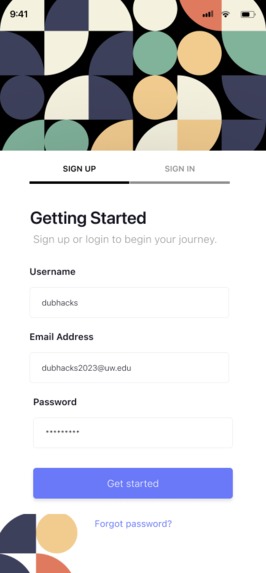
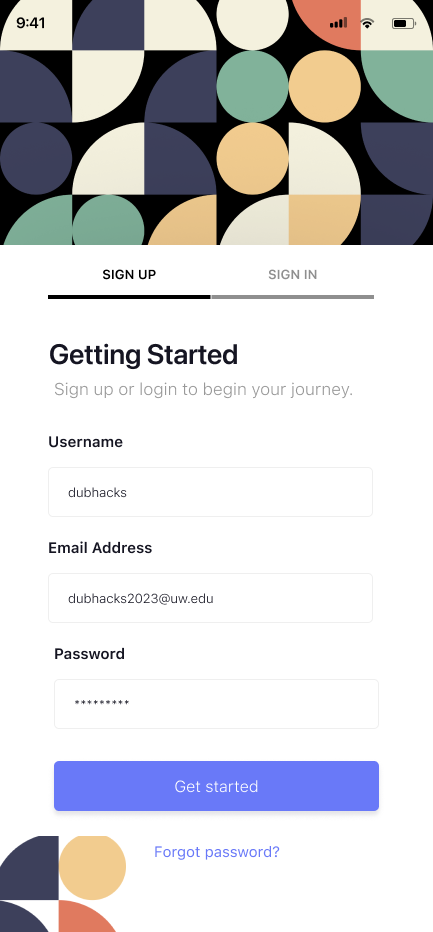
SignUp Screen
-
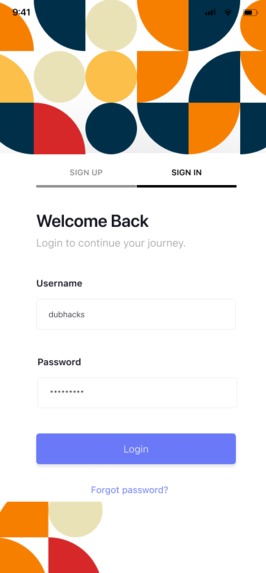
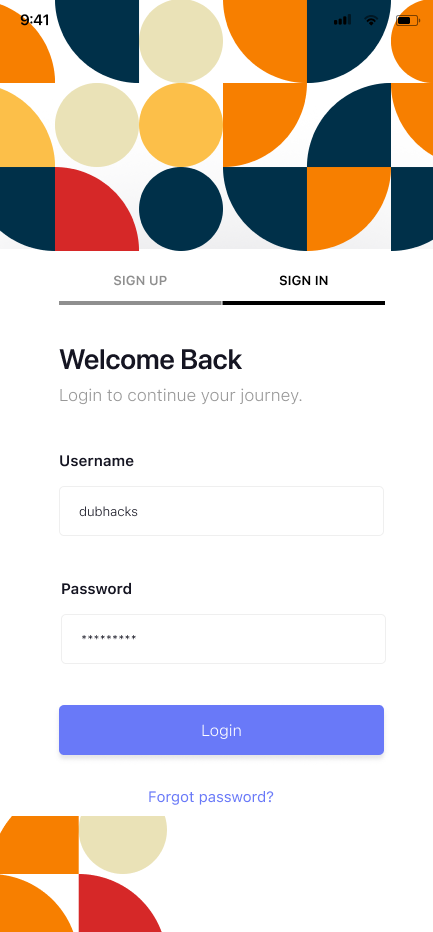
Login Screen
-
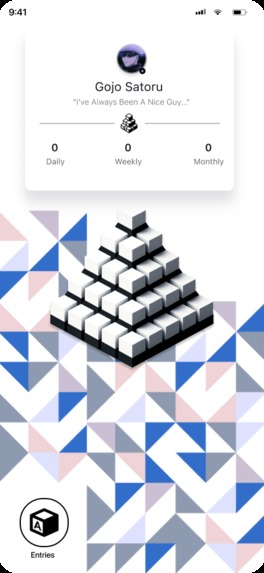
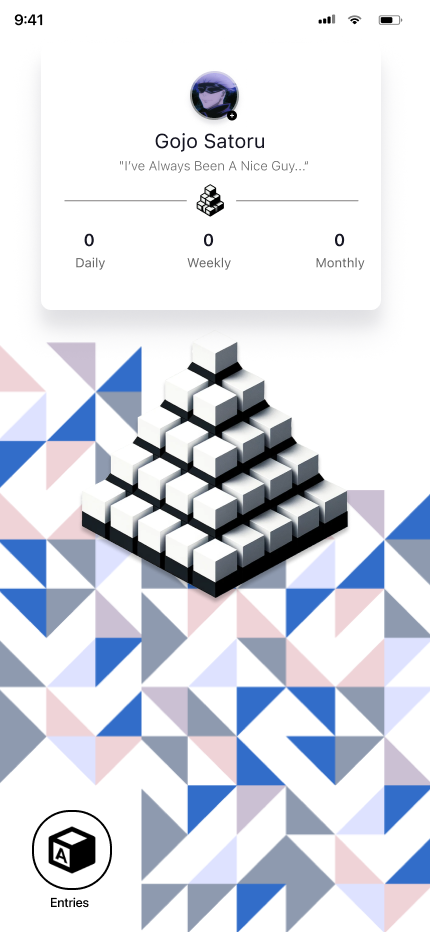
Empty Pyramid
-
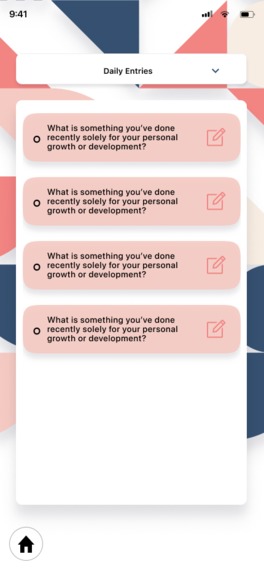
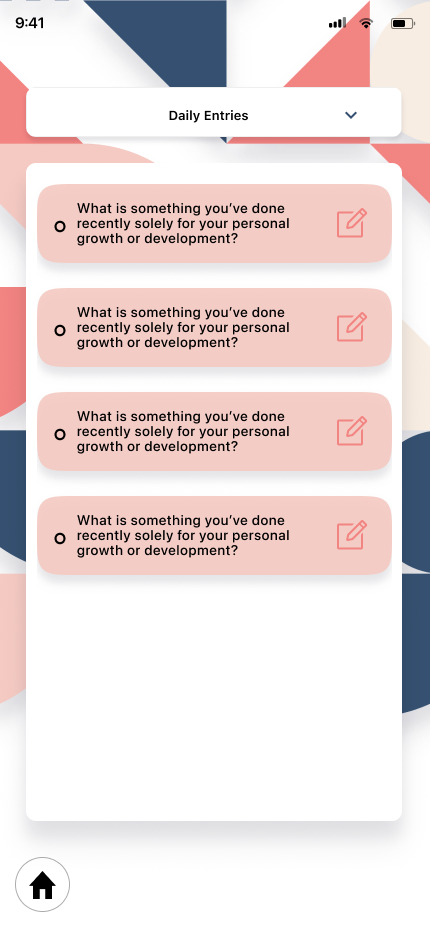
Daily Tasks
-
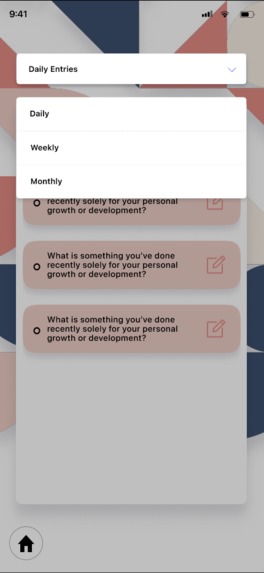
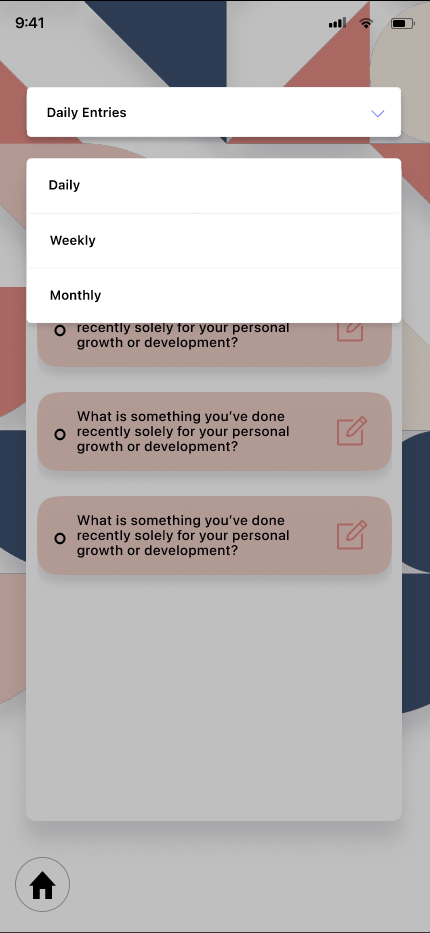
Dropdown overlay
-
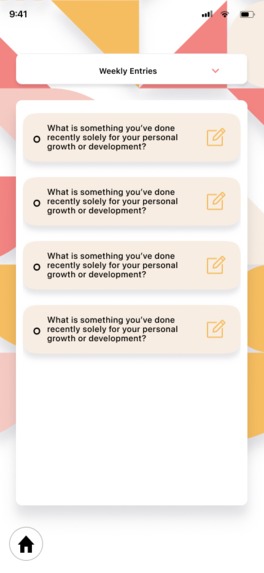
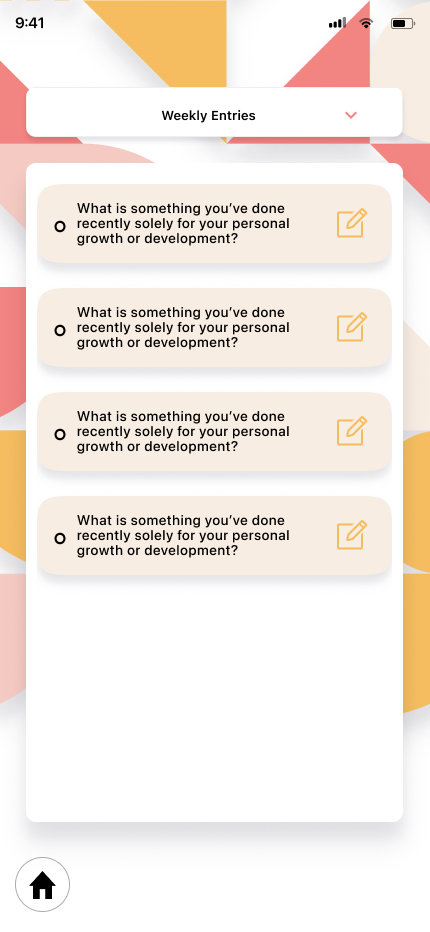
Weekly Tasks
-
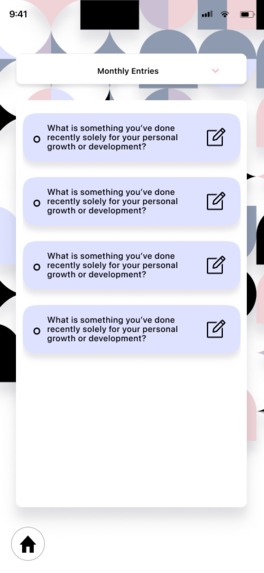
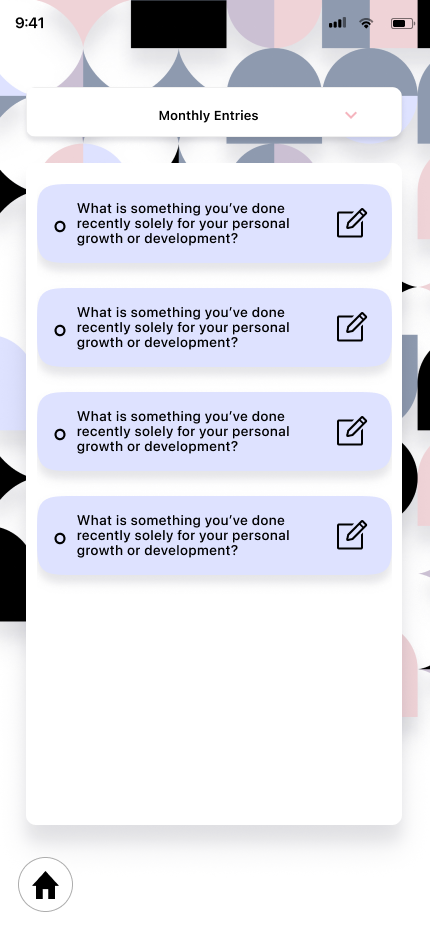
Monthly Tasks
-
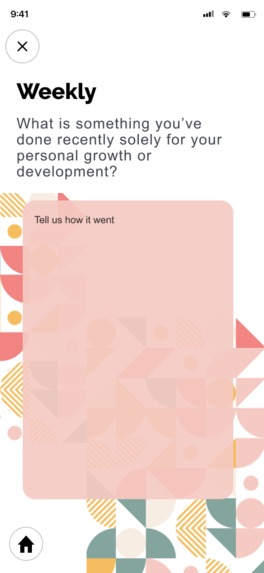
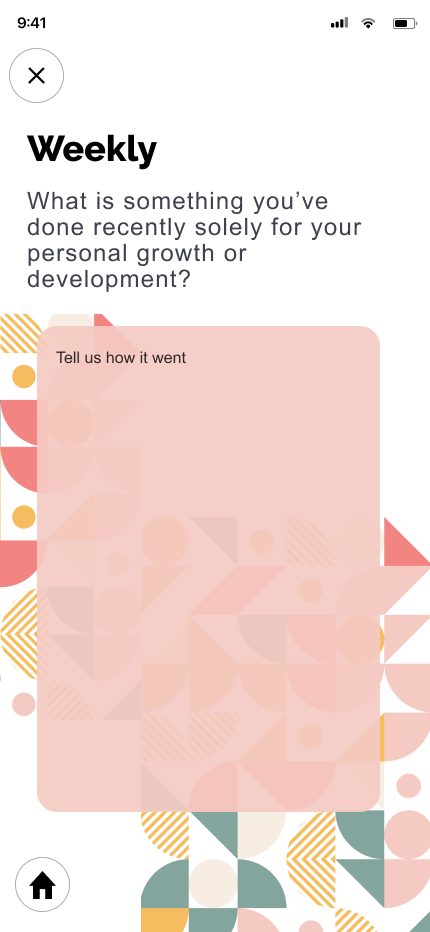
Task Fill-Out
-
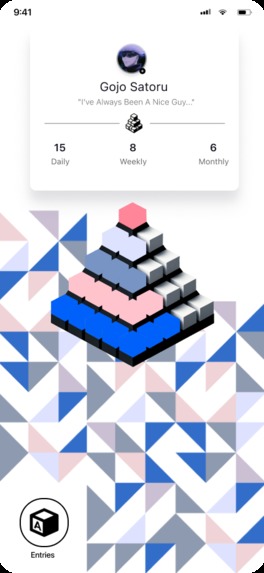
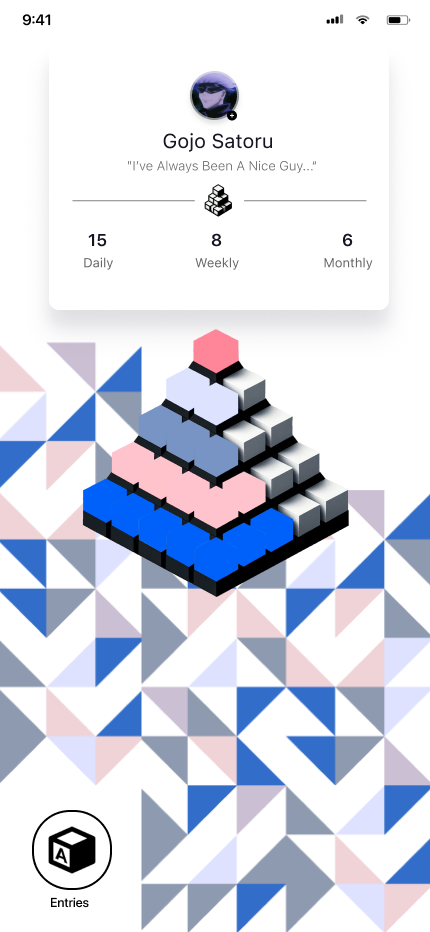
Pyramid Progress
-
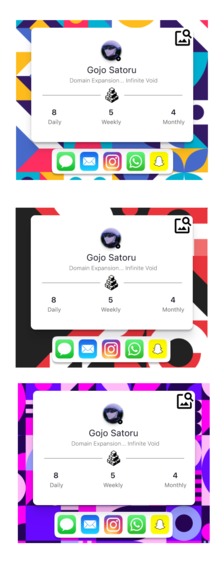
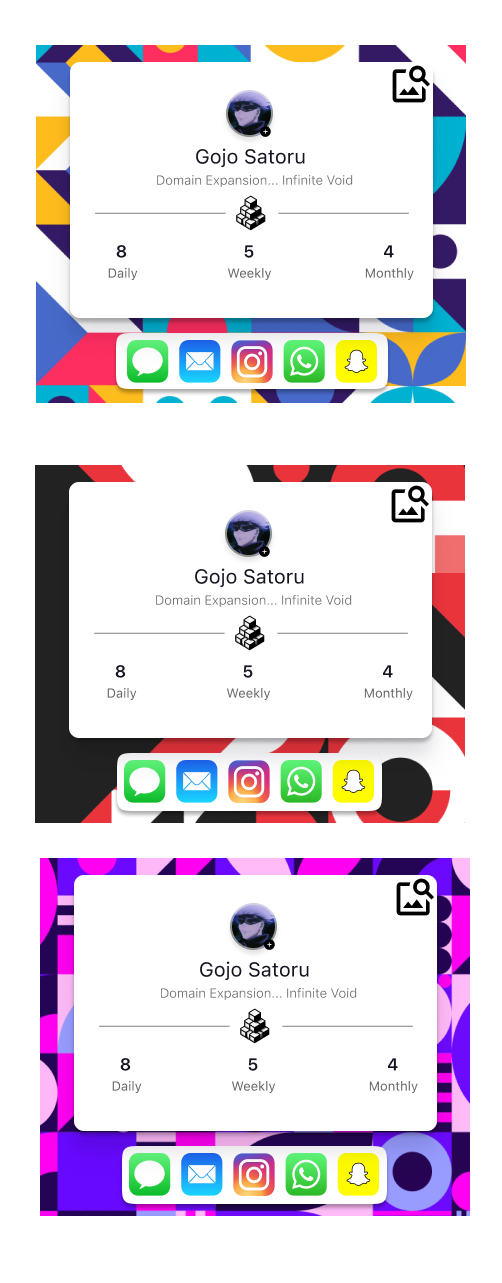
Share Options
-
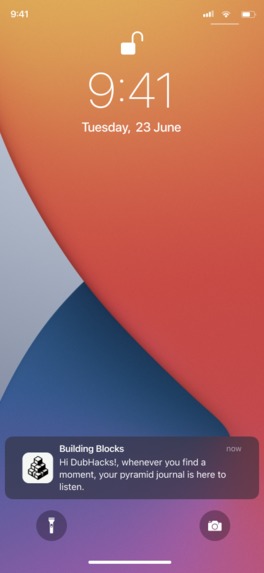
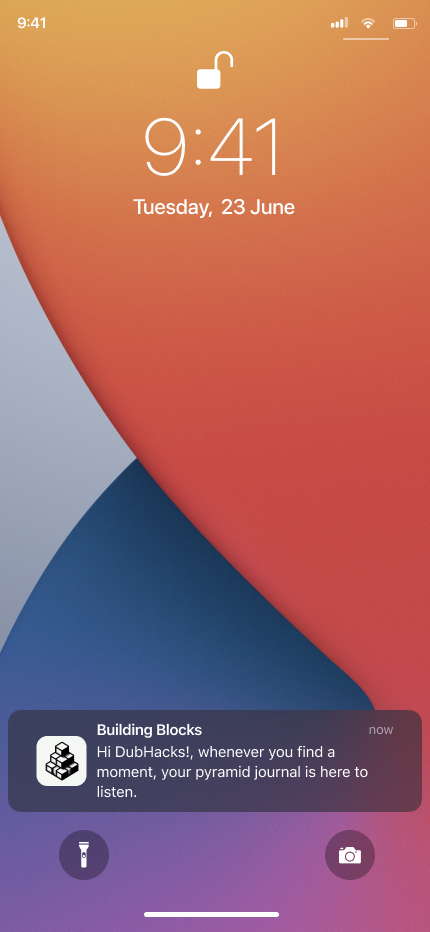
Lockscreen notifications
Inspiration
In recent years, mental health has gone from taboo topic to common conversation. Taking inspiration from recent influencers such as Andrew Huberman, who take a big step toward helping the world be more healthy through science-based tools, we decided to create Building Blocks
What it does
Building Blocks is an application that allows you to track your self-care and self-improvement habits. We decided on the name Building Blocks basing it on the Maslow's Hierarchy of Needs model--which implies that before we can reach the more abstract self-care goals of self-esteem or self-actualization--we need to start with the basics. Building Blocks uses science-based tips and suggestions to make it as easy as possible for people to check things off their list and improve themselves day-by-day. On top of all of this, we integrated a sharing function that incentivises users to share their progress with their friends, similar to how the hit game Wordle improved the overall experience.
How we built it
Building Blocks was designed on Figma using some additional assets developed by ChatGPT. For the functional prototype, we used a Backend of Firebase Authentication and Cloud-based Firestore to store data on the users' progress toward their monthly goals. Then, using React Native, Expo, and Javascript, we developed our prototype to work on our iPhones to demonstrate the ease of use and sharability of our app.
Challenges we ran into
This was the first hack-a-thon we've all participated in and one of the biggest challenges was figuring out what the real value proposition of our app was, and understanding our scope from there. Once we decided on a direction, another challenge that came up was prioritizing what features needed to be built for our demo, and what features could remain as designs for now so that we could get a viable working product.
Accomplishments that we're proud of
For our devs and our designers, all of the tools and languages used for this project were completely new. For the devs, we knew we wanted to build something for mobile, and after a bit of research, we learned that React Native was probably the best way to do that. Our devs completely learned React Native and how to integrate Firebase into our project all on the spot and we're definitely proud of it! On the other hand, our designer did have some experience with Figma but really never prototyped a full project to this scale before, so this was a learning experience for all of us!
What we learned
Yes, we learned more about the tools we used, but beyond all of that we learned just how difficult it really is to have an idea and then actually build it out. For our first hack-a-thon, we're quite proud of how we stuck to our idea and built it out to the best of our ability, but we grossly underestimated the time needed to build something to the level we expected.
Additionally, we learned how important and fun it is to work in a team of inter-disciplinary contributors. All three of us had mostly worked in groups of just people in our own major before, and learning how to balance and prioritize all our needs was difficult but rewarding.
What's next for Building Blocks
Next up for Building Blocks, we probably need to figure out, alongside an expert, what some good tasks might be that really start you out with the basics of mental and physical health and how to build up from there.
As of right now, our ideas regarding the weight that a daily, weekly, and monthly task that contributes to adding blocks to the pyramid is a little bare bones. That's why we were thinking for the future of Building Blocks is to source our own data to find the accurate weights that a day, week, and monthly goal should have. A surface-level idea we thought of was performing a LASSO regression analysis to determine those weights once we gather the data.

Log in or sign up for Devpost to join the conversation.