-
-
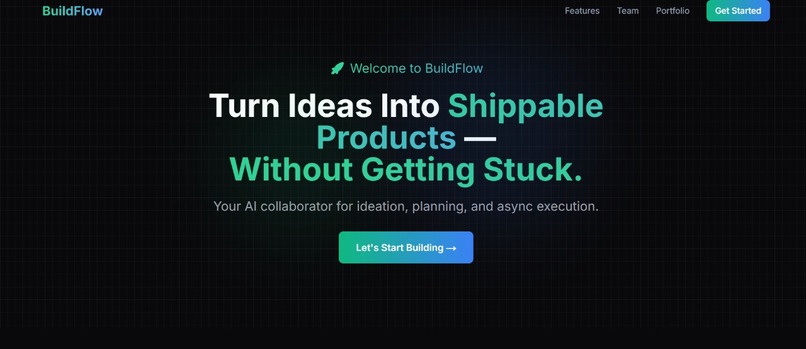
Intro
-
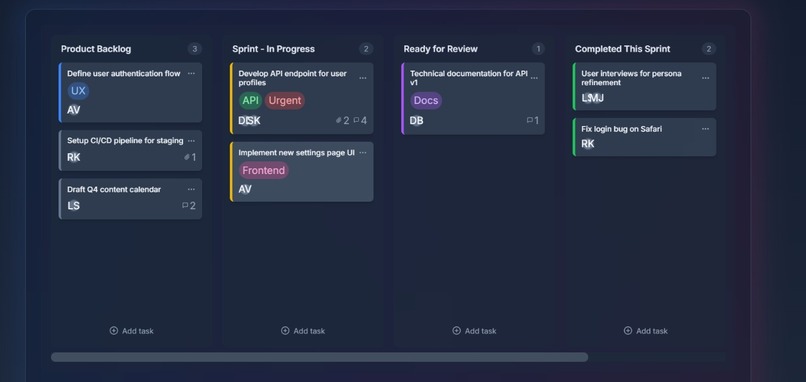
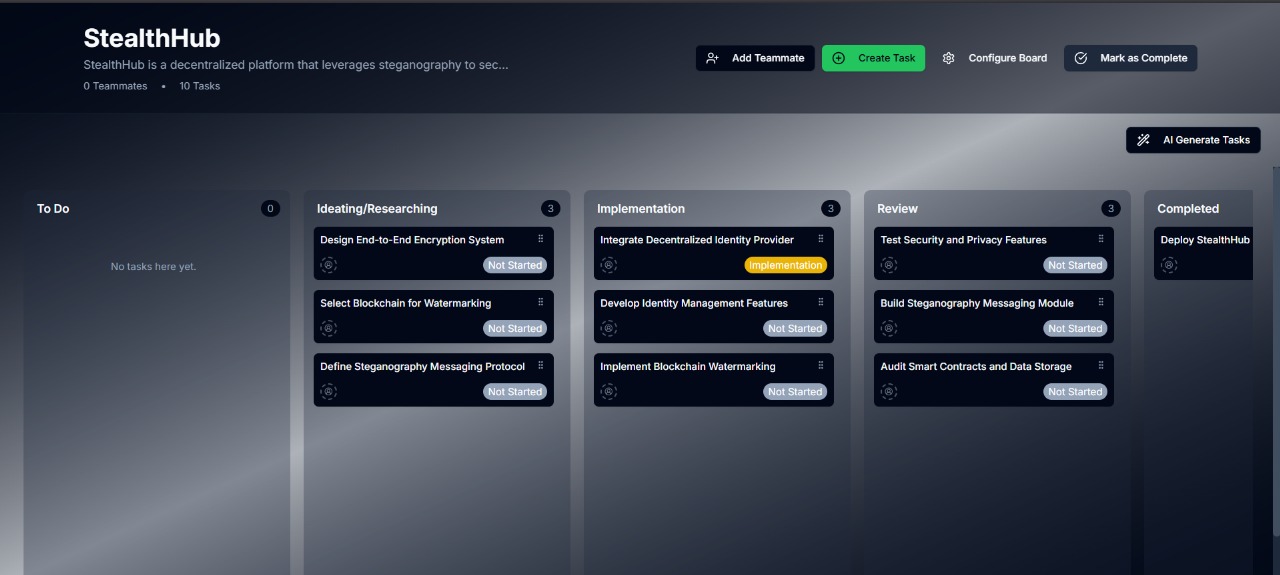
Kanban Board demo
-
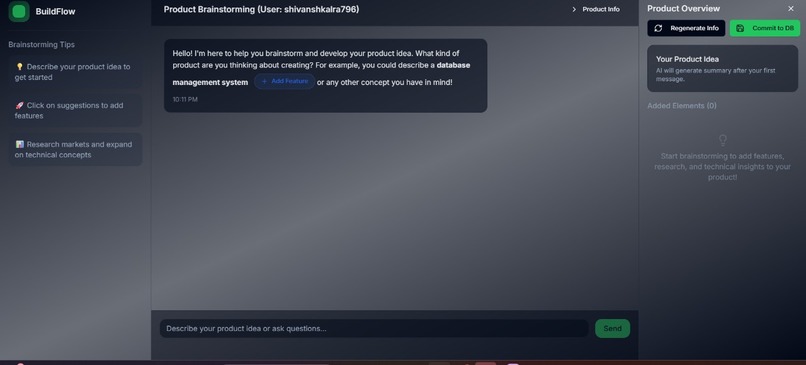
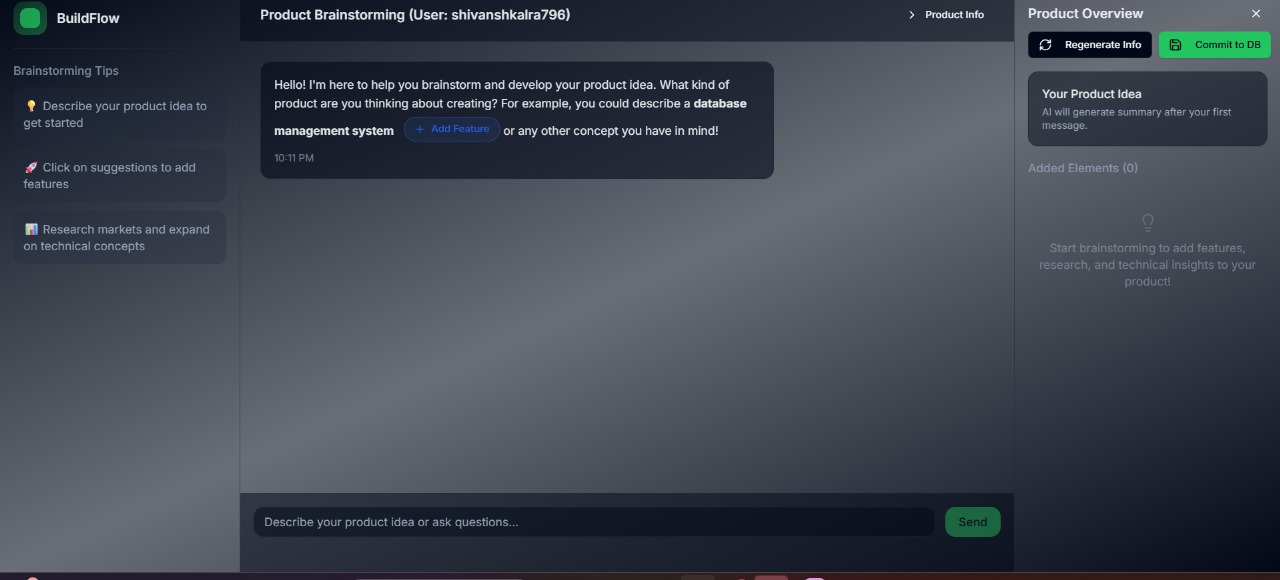
Chat platform
-
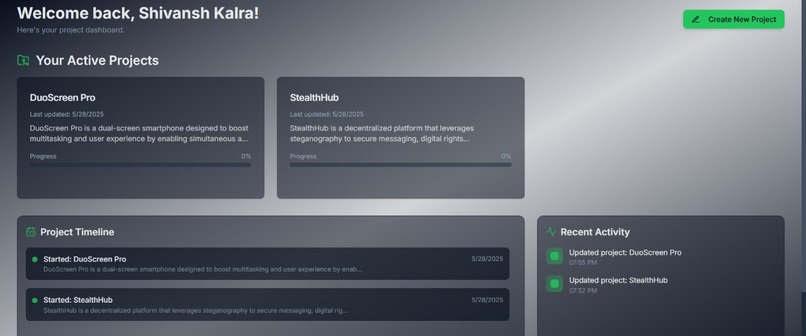
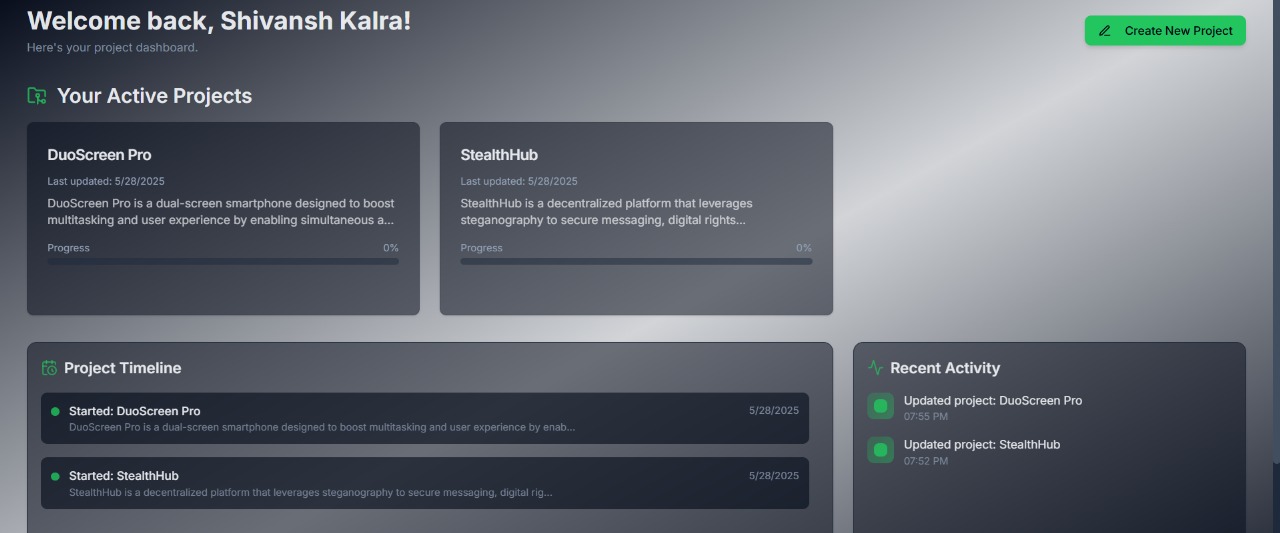
Dashboard
-
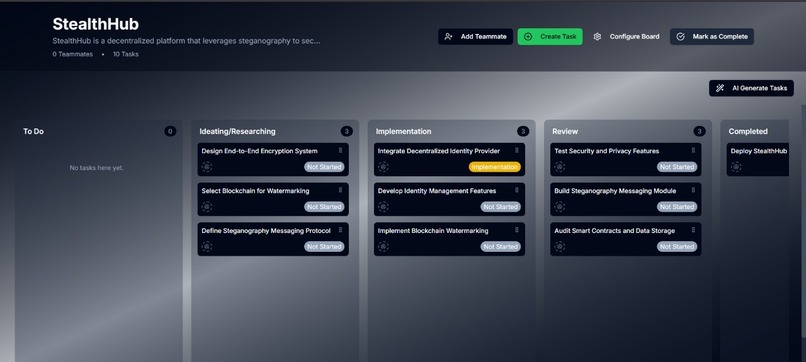
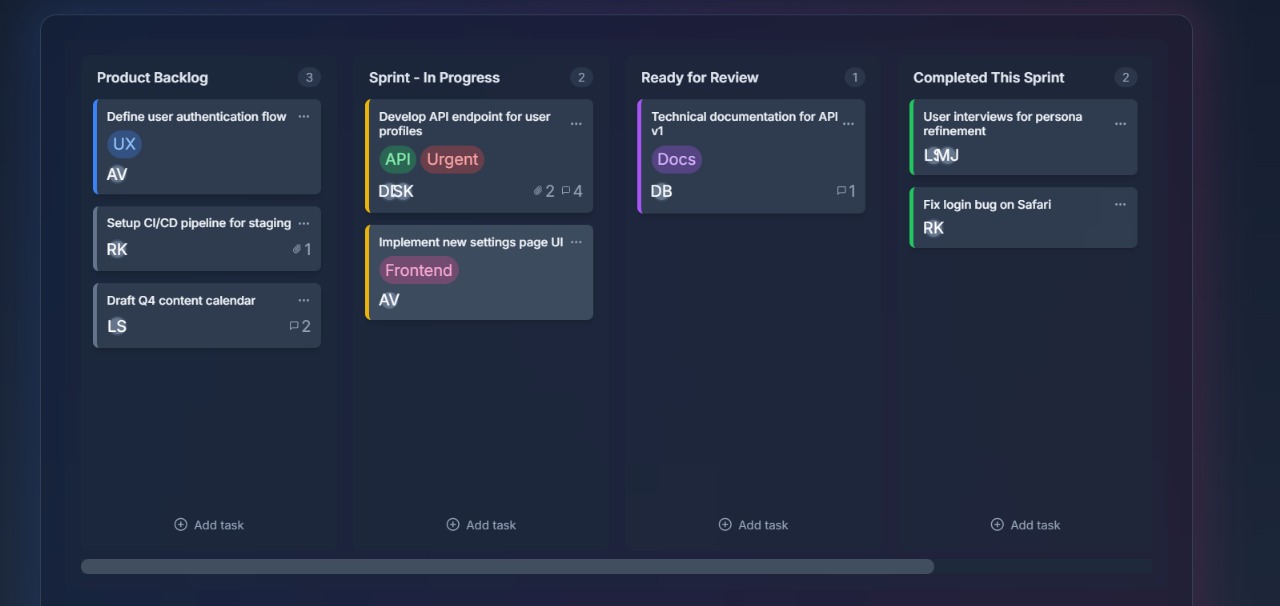
Kanban Board in action
-
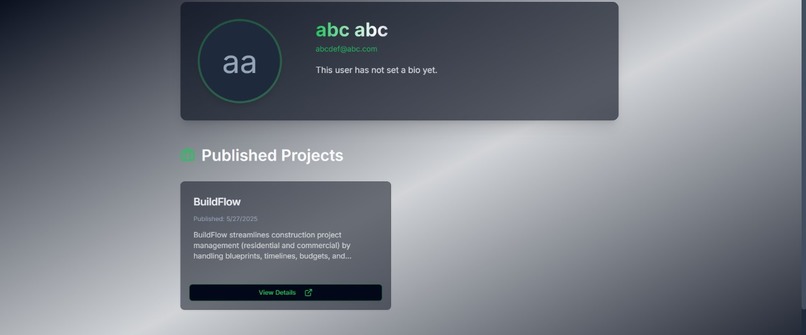
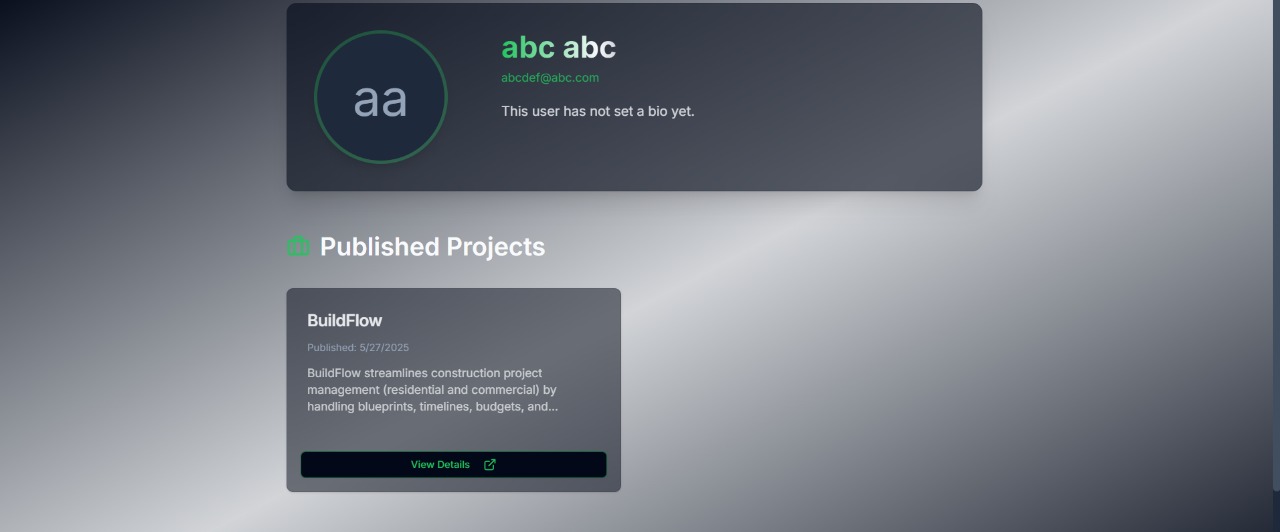
User Showcase
Inspiration
I personally ended up facing this problem a lot—using ChatGPT for ideation and eventually losing context of where the chat was, what features were finalized upon, how to start building, what tasks to assign to my team, etc. That chaos inspired me to create a tool that takes a user from idea to execution with clarity and structure.
What it does
BuildFlow helps a user ideate a project from start to finish—add features, perform market research, and end up with a clearly defined and feasible plan. It keeps track of every agreed-upon feature, and curates task lists using AI tailored to the user’s experience level. These tasks get added to a Kanban board, allowing the user to take actionable first steps, stay organized, and stay motivated as they watch their progress in real-time. Once the project is complete, users can conduct a deep dive using Sonar's research models and publish their projects. The published user profile acts as a portfolio that can be shared with recruiters, investors, or collaborators.
How we built it
I initially built the prototype using the Gemini API due to my prior experience with it. As the project matured, I ported everything over to the Sonar API, which provided more coherent and context-aware responses for project planning and task generation. The frontend was built using modern frameworks and Tailwind CSS for styling, and Firebase was used for real-time data handling and authentication.
Challenges we ran into
One of the biggest challenges was building the Kanban board. While I'm comfortable with APIs and backend logic, UI-heavy components like drag-and-drop columns and task states took longer than expected to get right. Integrating AI in a way that felt intuitive and didn’t overwhelm the user also required multiple iterations.
Accomplishments that we're proud of
The biggest accomplishment is completing the product vision. We went from idea to deployment, solving real problems along the way. We're also proud of how BuildFlow actually helps users finish projects, not just start them—something many tools fail to do.
What we learned
We learned the importance of using AI not just for the sake of novelty but to solve real, personal problems. Building something you're personally passionate about—something you would use yourself—makes a huge difference. It keeps the motivation alive through every tough sprint and feature freeze. Understanding how AI can be applied to solve a problem you genuinely care about gives the project depth and authenticity. In our case, it was about making ideation and execution seamless, not just for others, but for ourselves too. That clarity kept us focused and helped shape a product that truly meets user needs.
What's next for BuildFlow
Real-time collaborative brainstorming: Currently, team members can assign tasks, but they can't brainstorm features or project ideas together. We're building out collaborative ideation sessions so teams can co-create from the very start.
Post-launch intelligence: We're moving beyond just helping users build—next up is tracking post-launch performance and engagement. Think analytics and feedback loops that help users refine and grow their projects.
AI-powered code generation: We're integrating AI to not just suggest features or tasks, but to start generating boilerplate code and components based on user inputs. This will drastically reduce the time from idea to prototype.
Built With
- firebase
- javascript
- next
- perplexity
- react
- sonar

Log in or sign up for Devpost to join the conversation.