-
-
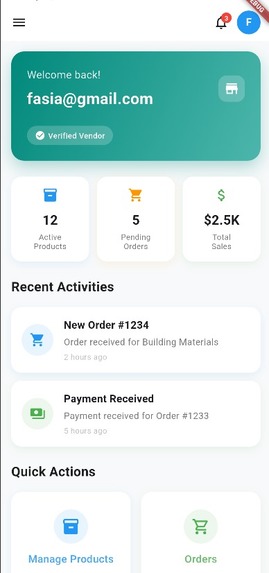
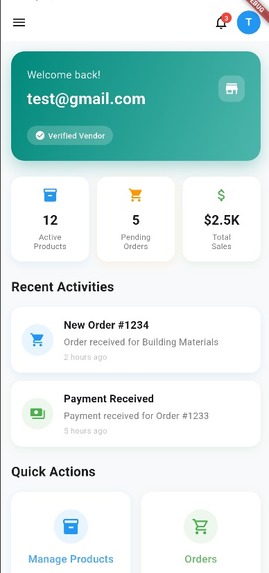
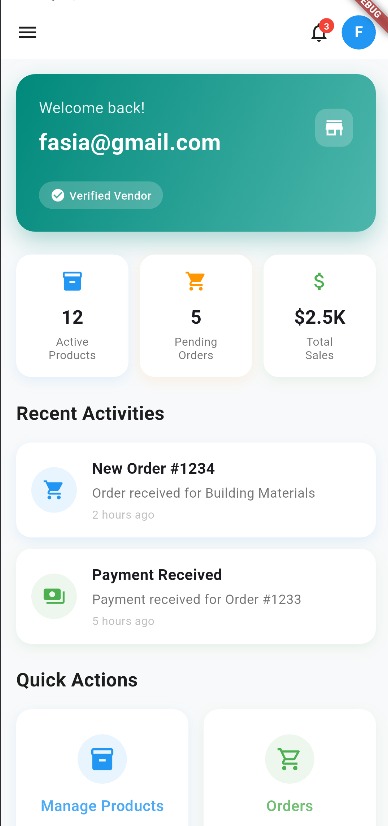
Dashboard
-
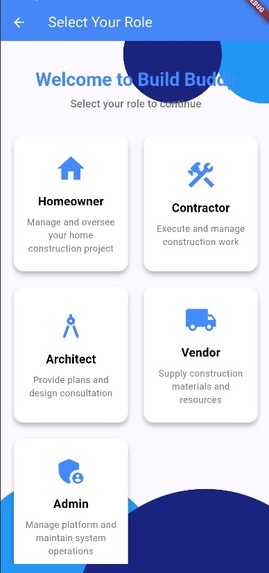
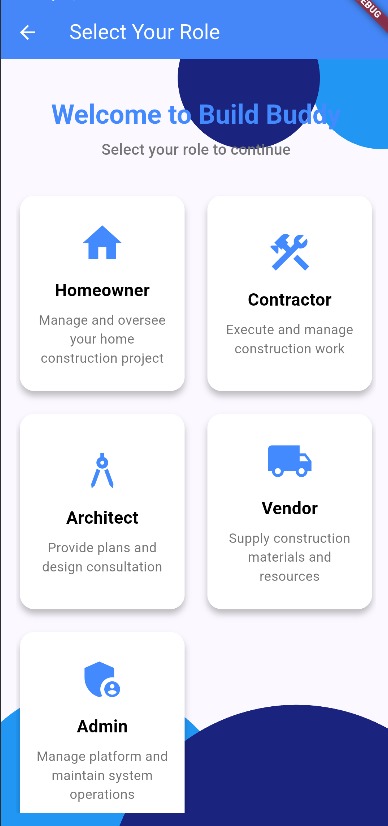
Stake Holders
-
-
-
-
-
-
-
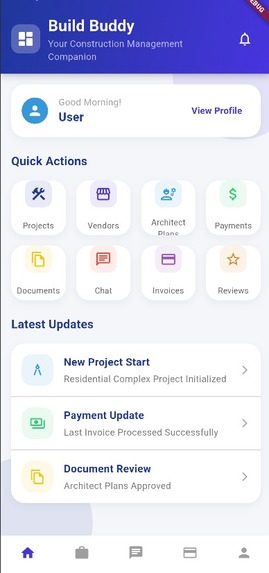
-
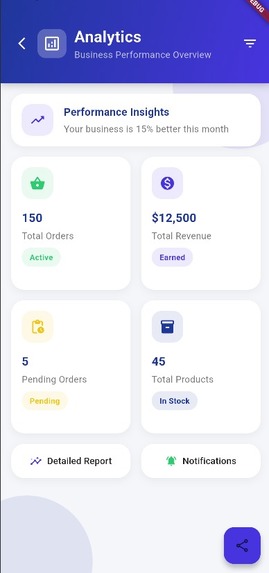
-
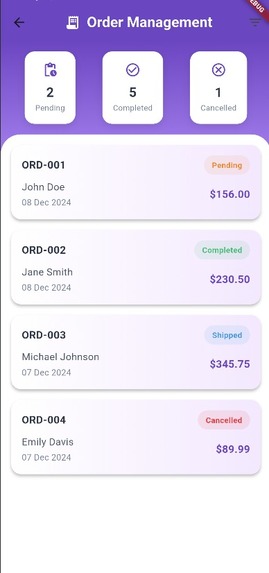
-
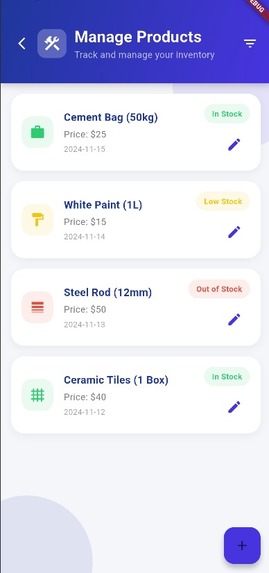
-
-
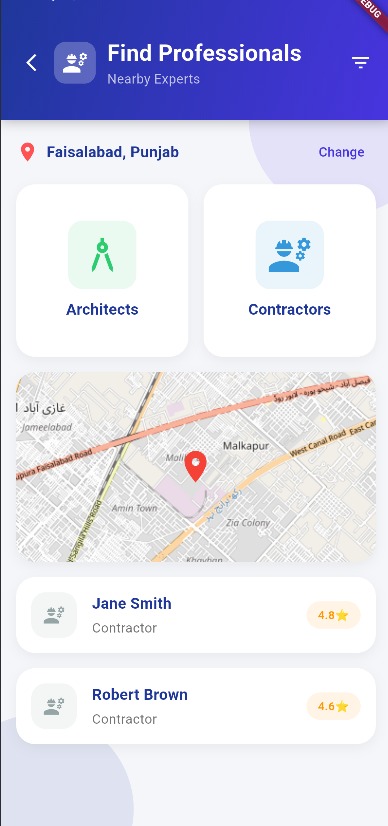
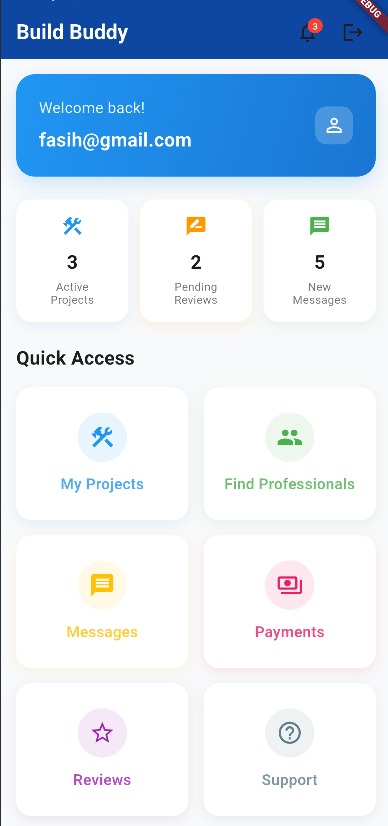
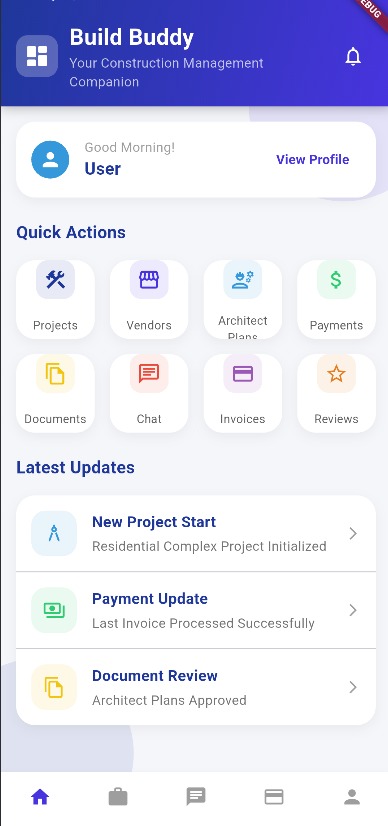
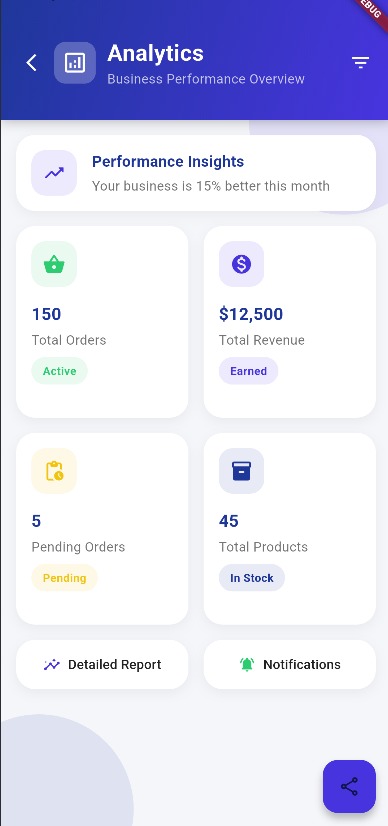
Software Requirements Specification (SRS) for Build Buddy
Introduction 1.1 Purpose This document outlines the Software Requirements Specification (SRS) for the Build Buddy project, a mobile application designed to streamline the home construction process by connecting homeowners, contractors, architects, and vendors. It specifies both the functional and non-functional requirements of the system to guide the development and ensure the platform meets the user’s needs. 1.2 Scope Build Buddy aims to simplify and organize the construction process by providing tools for project management, contractor selection, vendor integration, and communication between various stakeholders. This platform will be available on both Android and iOS, targeting users involved in home construction, including homeowners, contractors, architects, and vendors. 1.3 Definitions, Acronyms, and Abbreviations • Homeowners: Individuals using the platform to manage home construction projects. • Contractors: Professionals responsible for carrying out construction projects. • Vendors: Suppliers of materials and equipment required for construction. • Architects: Professionals involved in the design of homes. 1.4 Overview This document will detail the overall system description, including specific functional and non-functional requirements necessary for Build Buddy to function effectively.
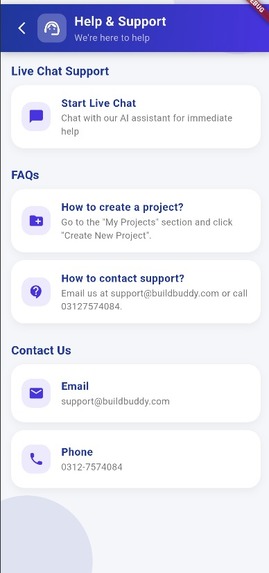
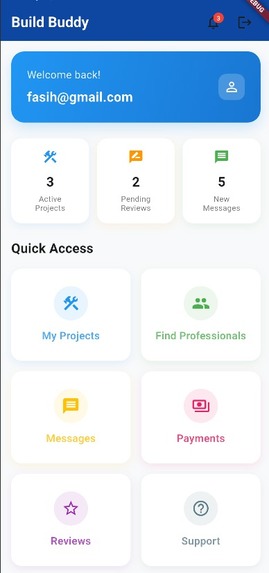
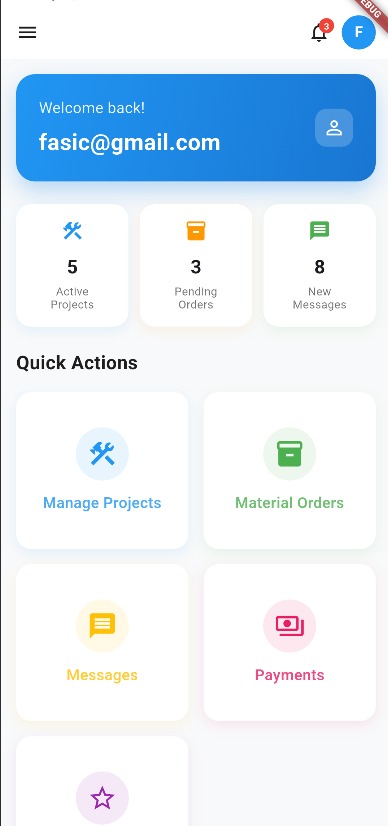
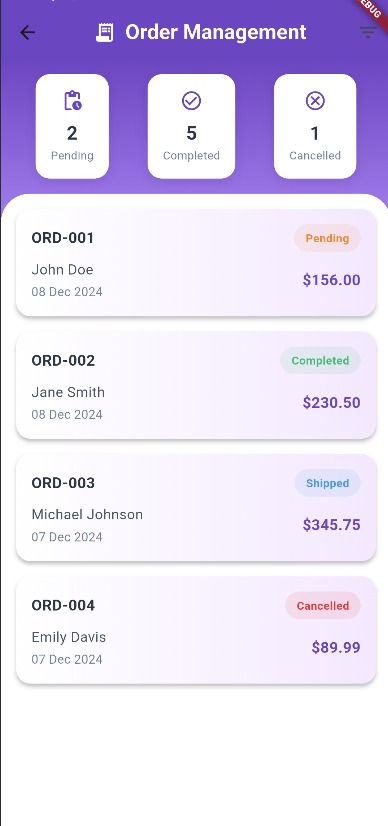
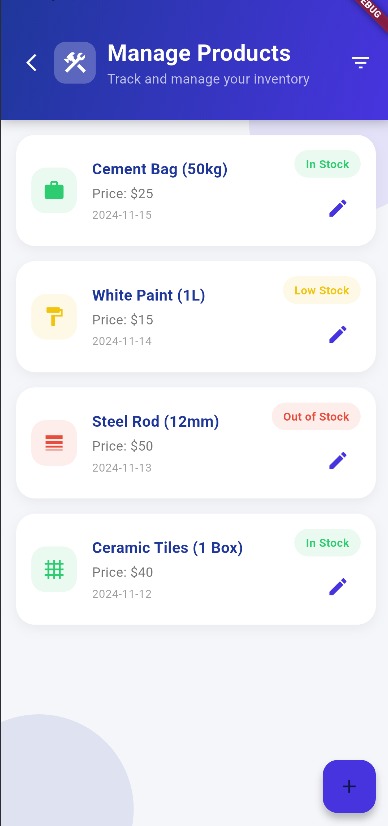
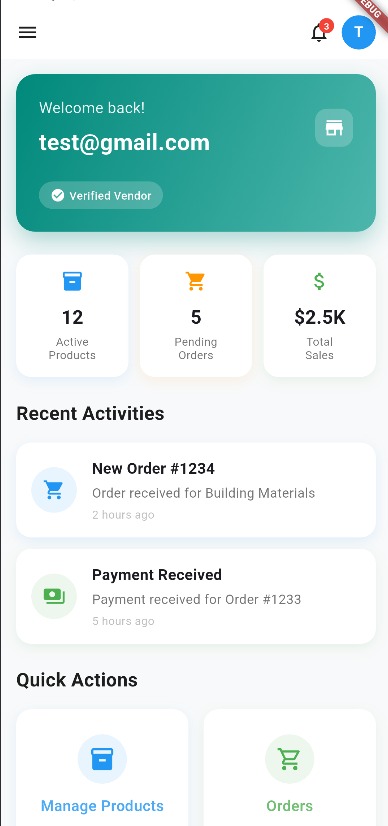
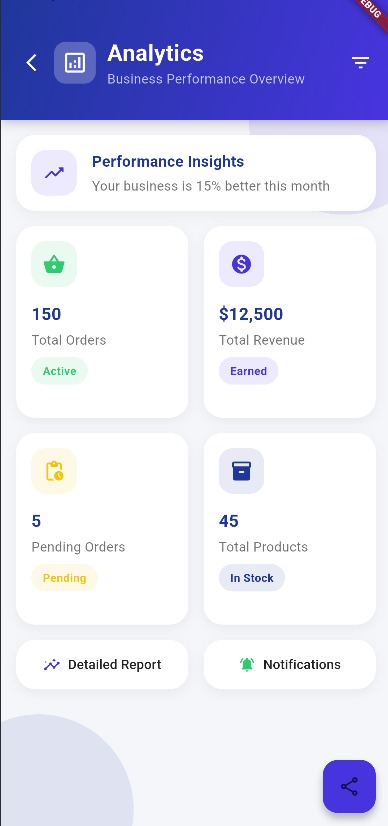
Overall Description 2.1 Product Perspective Build Buddy is a mobile application developed using Flutter with Firebase for backend support. The system is designed to integrate with external APIs for real-time material pricing and data from architects and vendors. It will allow multiple stakeholders to interact, track progress, and manage construction tasks within a user-friendly interface. 2.2 Product Features • Project management dashboard for tracking construction progress. • Integration with architects and vendors for real-time updates on material costs and designs. • Rating and review system for contractors, architects, and vendors. • Secure communication channels for users to interact with contractors and suppliers. • Real-time notifications for project updates and vendor offers. 2.3 User Classes and Characteristics • Homeowners: Novice users looking for an easy-to-use platform to manage construction. • Contractors: Intermediate to advanced users will be manage the multiple project and vendor coordination. • Architects: Intermediate users who manage designs and customization. • Vendors: Advanced users responsible for providing real-time material and cost updates. 2.4 Operating Environment The app will be deployed on both Android and iOS platforms. It will integrate with cloud services such as Firebase and leverage real-time APIs for project and material data. 2.5 Design and Implementation Constraints The Build Buddy app faces several constraints that need to be considered during its development: • Platform Constraint: The app must support both Android and iOS platforms with a single codebase using Flutter. • Real-Time Data Integration: The system must provide up-to-date data from multiple vendors and architects, necessitating reliable and efficient API integration. • Security: The system must comply with industry-standard security practices, including encryption for user communication and financial transactions. • Budget Constraints: The development and maintenance must stay within the allocated budget for the project. • Time Constraints: The project must be completed by the deadline provided for the academic year or client delivery date. 2.6 Stakeholder and User Descriptions 2.6.1 Market Demographic Build Buddy is targeted toward users in the construction industry, primarily in urban areas where homebuilding and renovation projects are common. The primary users are: • Homeowners: Aged 30-50, mid-to-high income individuals looking for convenient home construction and renovation solutions. This group includes: a) Professionals with full-time jobs (9 to 5) who lack time to actively oversee construction work and need an efficient, organized platform to manage their projects remotely. b) Homeowners with multiple properties who are often too busy with work to physically visit and monitor construction sites, requiring a solution that allows them to manage and track progress across different projects in real-time. • Contractors: Professionals in the construction industry with varying levels of expertise, managing multiple projects. • Architects: Mid-career professionals specializing in home design and customization. • Vendors: Suppliers offering construction materials and products. • Real Estate Developers: Companies overseeing large residential projects.
2.6.2 Stakeholder Summary • Homeowners: Individuals or families planning new home construction or renovations. • Contractors: Independent professionals or construction companies responsible for executing building projects. • Architects: Professionals managing design, working with contractors and homeowners. • Vendors: Suppliers responsible for material procurement, providing real-time data on pricing and availability. • Developers: Real estate professionals managing multi-unit construction projects, requiring streamlined communication and project management. • Admin: He will manage the projects and resolving the issues related to the project.
2.6.3 User Environment • Homeowners: Non-technical users with minimal experience in construction management, primarily using mobile apps for tracking project progress. • Contractors: Experienced in project management software, using the app for tracking multiple projects and coordinating with vendors. • Architects: Professionals using design and collaboration tools within the app to provide real-time updates and feedback. • Vendors: Advanced users who provide real-time material pricing and manage inventory through the system. 2.6.4 Stakeholder Profile • Homeowners: Seek a user-friendly platform to manage construction projects with minimal effort. • Contractors: Need project management tools to coordinate with homeowners, architects, and vendors. • Architects: Require collaboration tools for design feedback and real-time updates. • Vendors: Require integration with the system to streamline material procurement and logistics.
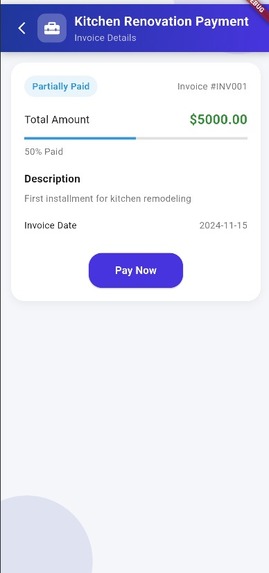
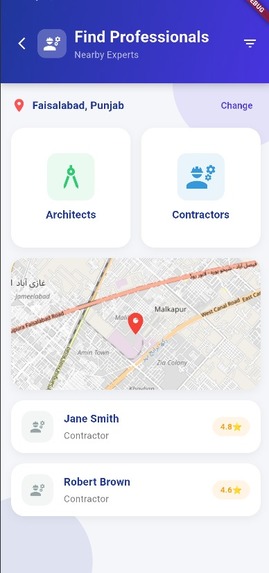
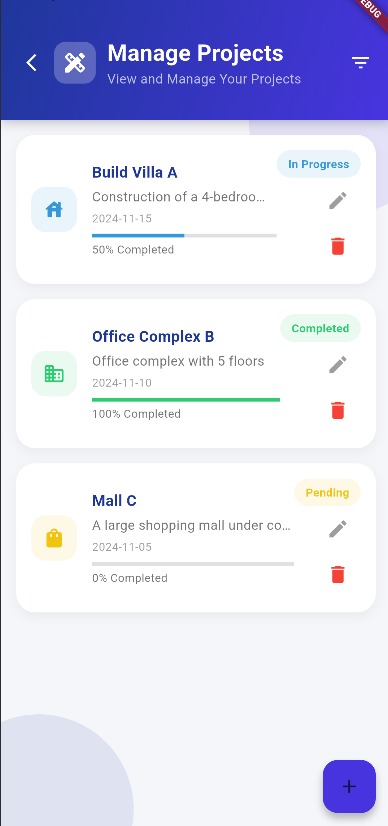
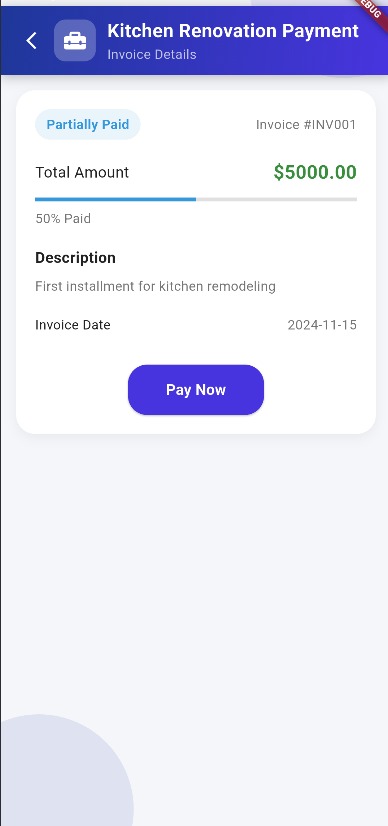
- Specific Requirements 3.1 Functional Requirements 3.1.1 User Authentication • The system shall allow users to create accounts, log in, and manage their profiles. • The system shall implement strong authentication mechanisms (e.g., email/password and OAuth). 3.1.2 Project Management • The system shall allow homeowners to create, edit, and track the progress of their home construction projects. • The system shall provide a timeline and milestone tracking for each project. 3.1.3 Contractor Management • The system shall allow homeowners to search for contractors based on location, ratings, and previous work. • The system shall include a contractor rating system based on user reviews. 3.1.4 Vendor Integration • The system shall integrate with vendor APIs to provide real-time pricing and availability for materials. • The system shall allow homeowners and contractors to place orders and track material deliveries. 3.1.5 Architect Integration • The system shall allow homeowners to select architects and view designs. • The system shall provide feedback and communication tools between homeowners and architects. 3.1.6 Communication Tools • The system shall provide secure messaging tools for homeowners, contractors, and vendors. • The system shall support real-time notifications for project updates. 3.1.7 Payment and Invoicing • The system shall provide multiple payment options, including credit card and bank transfers. • The system shall generate detailed invoices for homeowners after completing a purchase. ________________________________________ 3.2 Non-Functional Requirements 3.2.1 Performance • The system shall handle up to 10,000 simultaneous users without significant slowdowns. • Page load times shall not exceed 2 seconds under normal network conditions. 3.2.2 Usability • The system shall provide an intuitive and user-friendly interface on both mobile platforms (Android and iOS). • Accessibility options, such as project visualizations, shall be available for homeowners. 3.2.3 Security • All communication between users and the system shall be encrypted using industry-standard protocols. • User data shall be stored securely with encryption to ensure privacy. 3.2.4 Reliability and Availability • The system shall have 99.9% uptime, with an automatic backup process in case of data loss. • The system shall recover from failures within 10 minutes. 3.2.5 Scalability • The system shall scale horizontally to handle additional user loads as the user base grows. 3.2.6 Maintainability • The system shall allow easy updates without extended downtime, with version control to ensure smooth upgrades. ________________________________________
- Supporting Information 4.1 Licensing Requirements All third-party libraries used in Build Buddy shall be compliant with open-source licensing requirements. 4.2 Applicable Standards The system shall comply with GDPR (General Data Protection Regulation) and other relevant data protection standards.
Built With
- ai
- android
- android-studio
- chatbot
- dart
- devpost
- firebase
- flutter
- github
- google-maps
- testing

Log in or sign up for Devpost to join the conversation.