

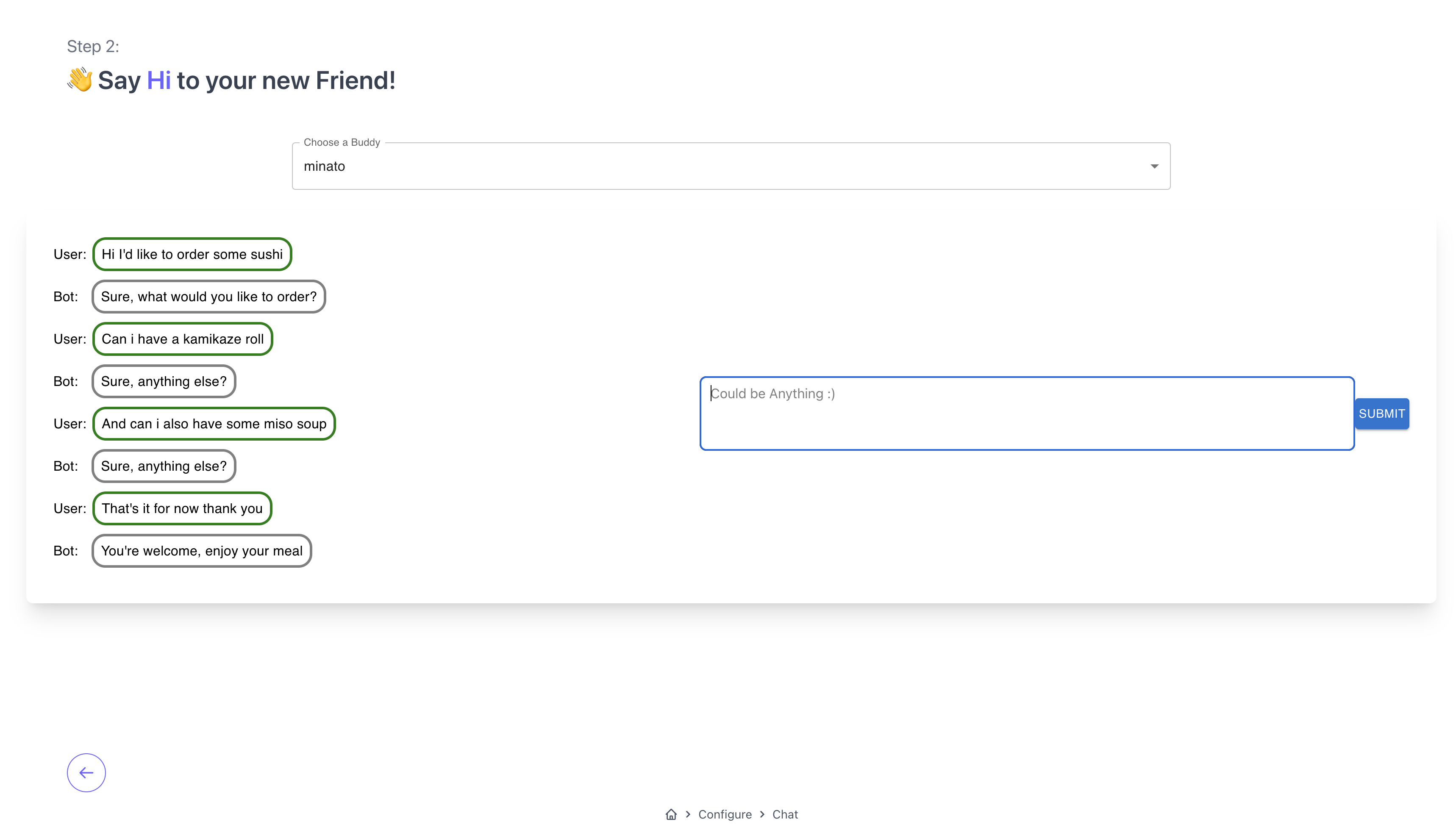
What it does
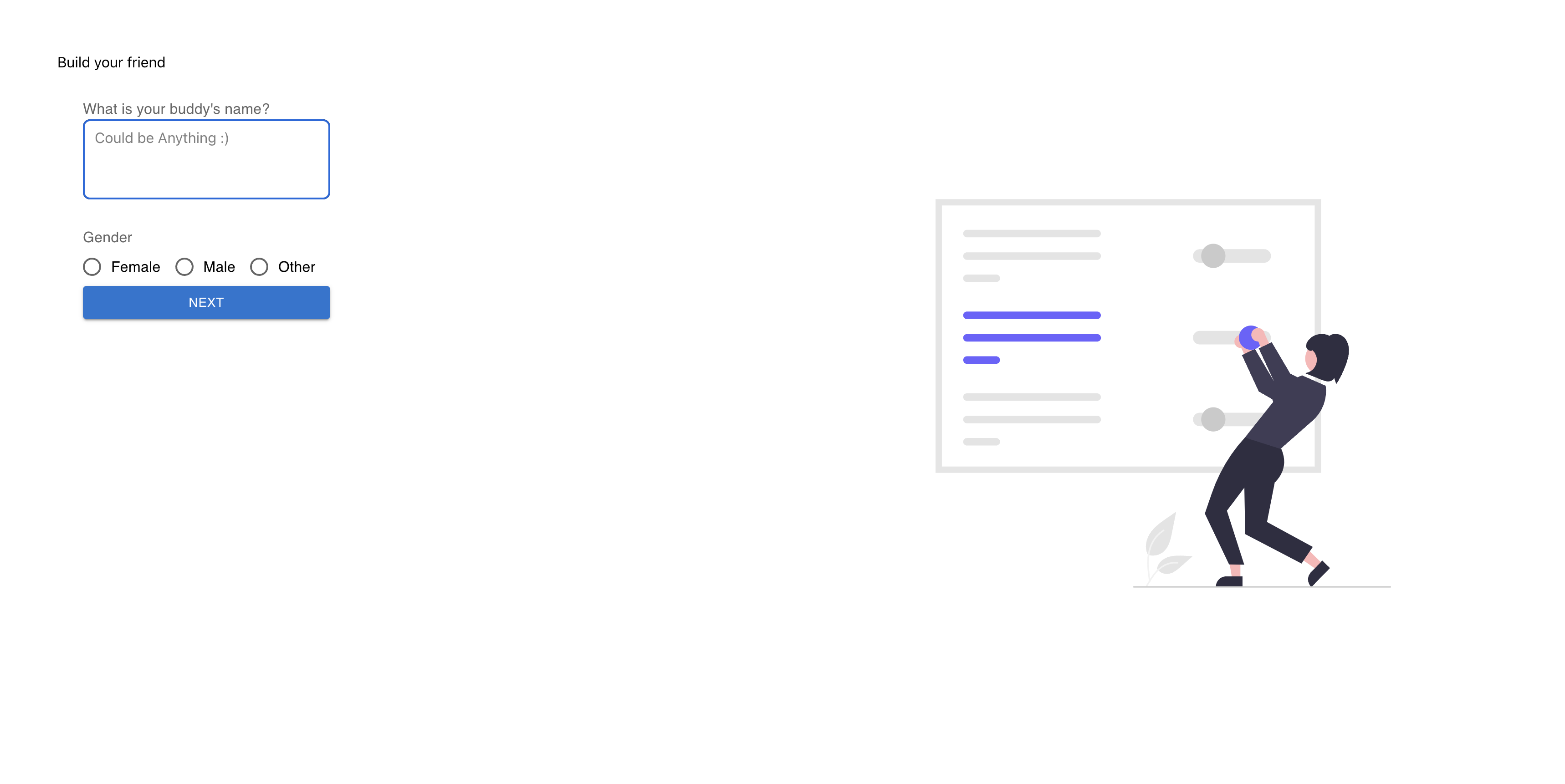
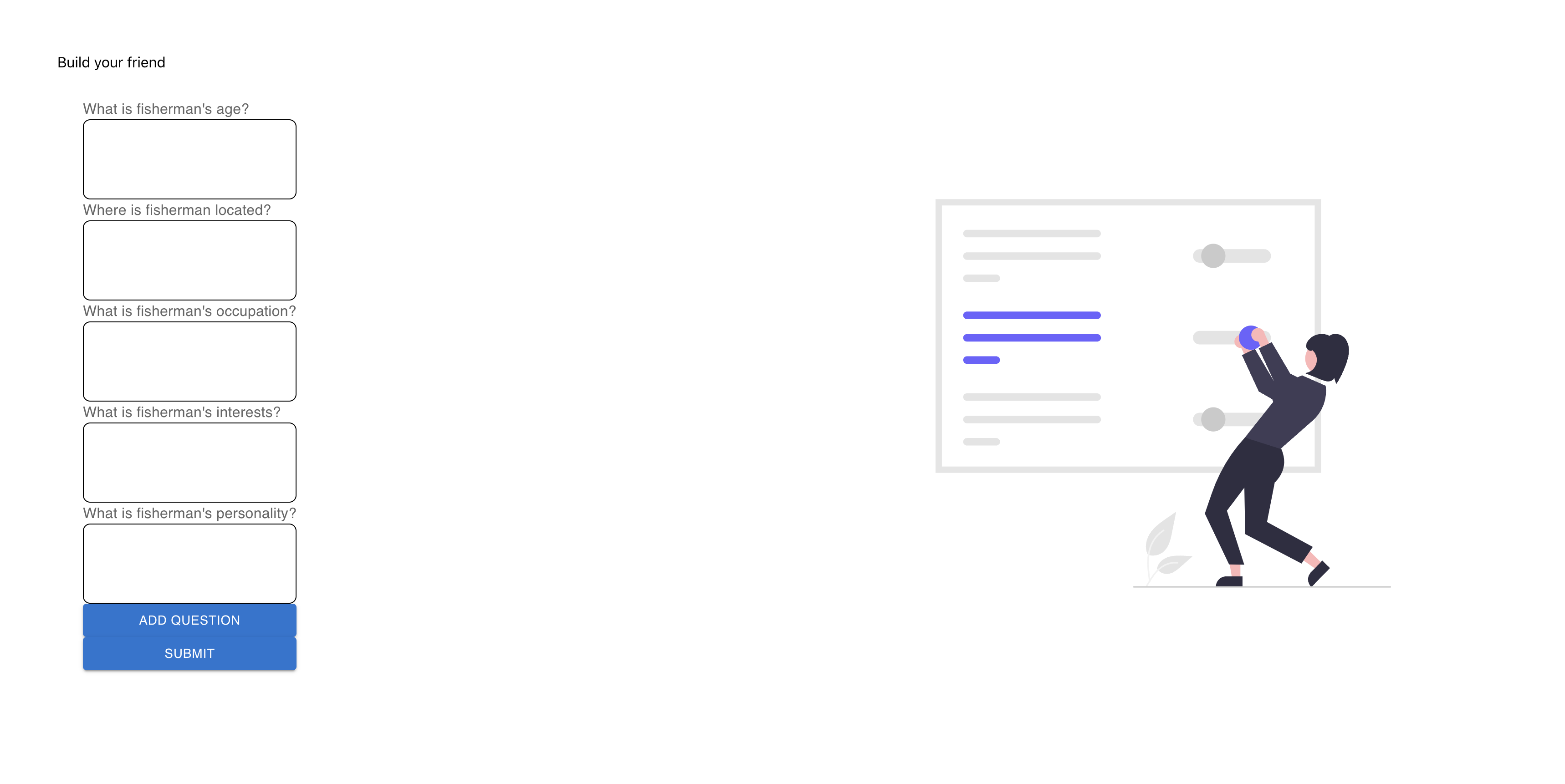
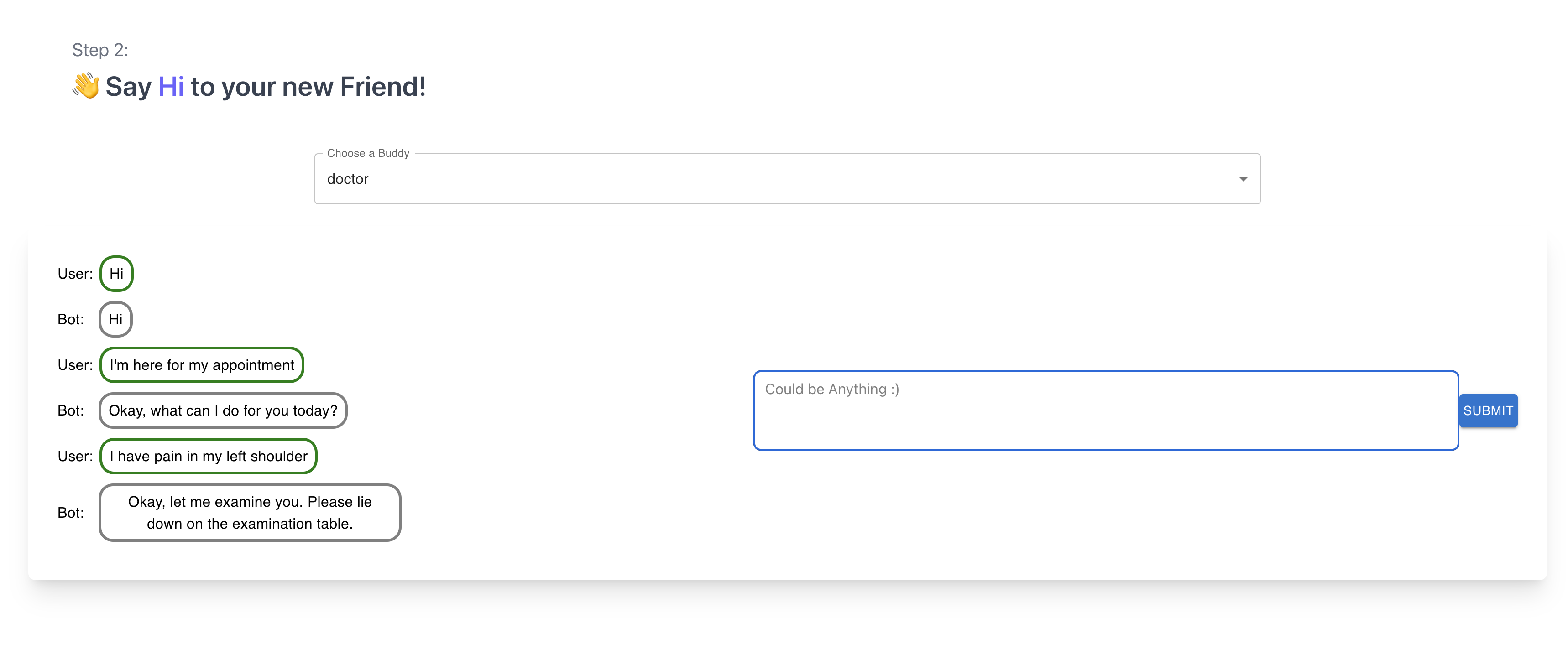
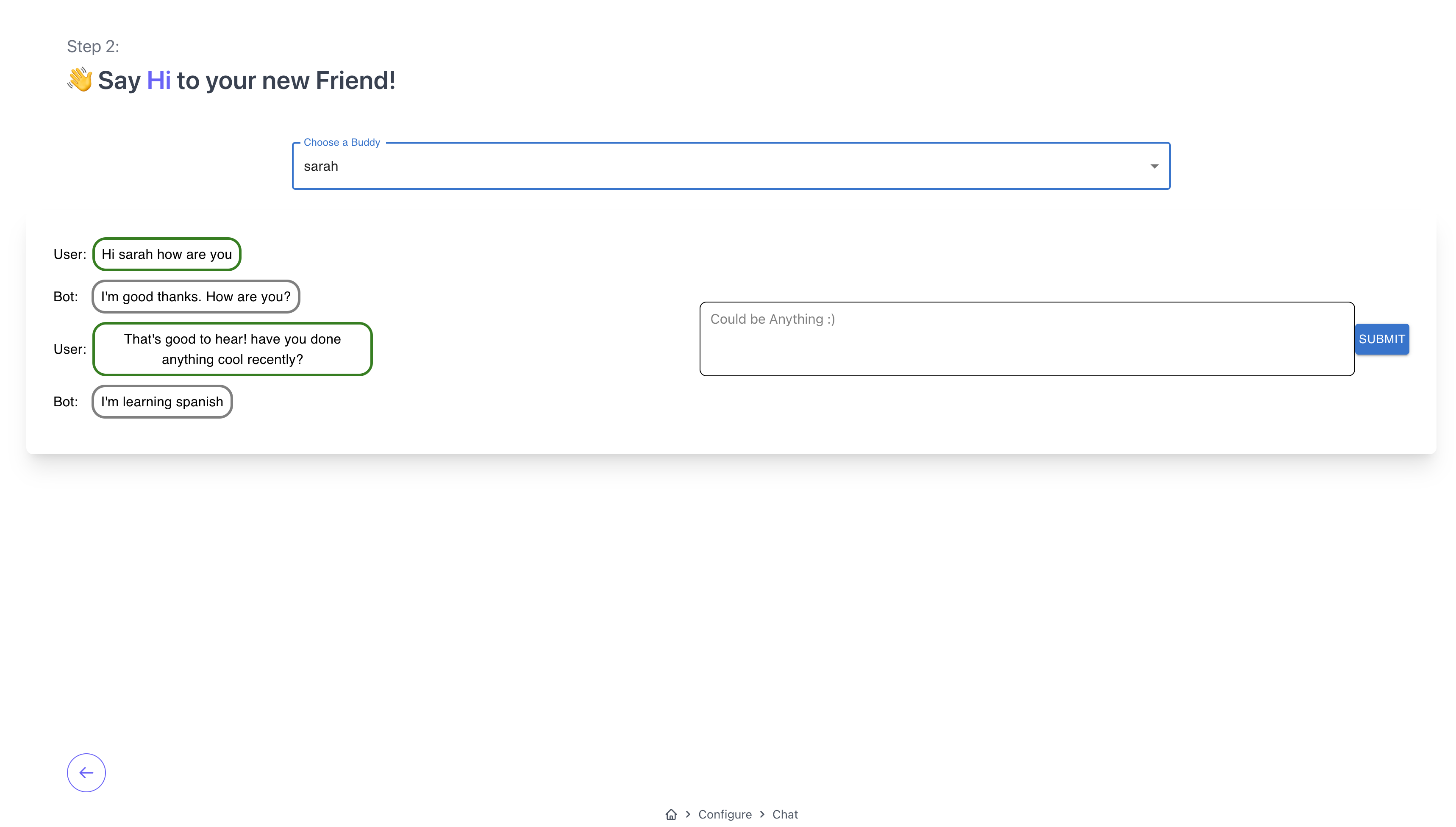
Build a friend with our starter questions, then have conversations with it to build up its context. It will remember previous conversations and use them to build responses. Our original intention was to offer a user friendly model generation experience by ingesting specialized conversation, but we chose to dial it down in favour of making sure we can complete our project.
How we built it
Backend
We decided to use Flask (Python) as the API backend partly because the Cohere API provided documentation in Python, but mostly because Python has a tendency to get out of your way as a programmer and let you focus on the business logic. This choice made initializing the endpoints a breeze and let the frontend guys start playing around pretty quickly.
Built personas with the help of conversant library.
Frontend
The UI/UX is powered by React + TypeScript. Most of our members familiar with frontend favoured React over other choices primarily due to experience as well as the vast ecosystem at our disposal.
Challenges we ran into
Concurrently Programming
One of the more difficult challenges that we came across as a team was making sure everyone had a task to complete at all times. There were many cases in which a design choice caused a lot of work for the members working on frontend, and very little work for the backend. Utilizing our time most efficiently was a noticeable challenge at times.
Accomplishments that we're proud of
At the end of the day, we're most proud of getting something usable across the line. We didn't have over-the-top expectations from our first hackathon, so we're happy to get to a functional state with most of the features we initially planned for.
What we learned
- Time management
- Splitting up/Assigning tasks
- Pair programming
- How to interact with the Cohere API
What's next for Build-A-Buddy
We'll either take it public and make millions from lonely programmers or shut it down and make real friends. Time will tell.
Built With
- flask
- python
- react
- tailwind
- typescript


Log in or sign up for Devpost to join the conversation.