-
-
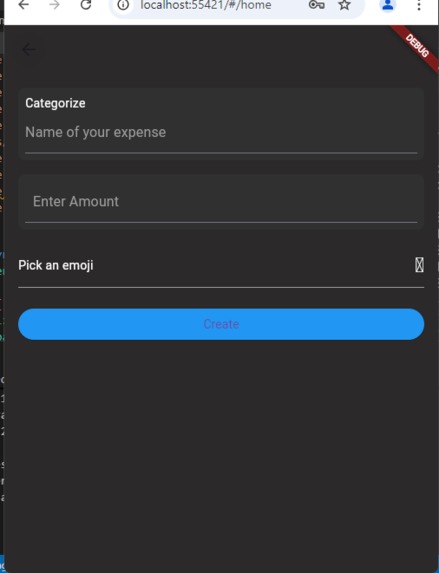
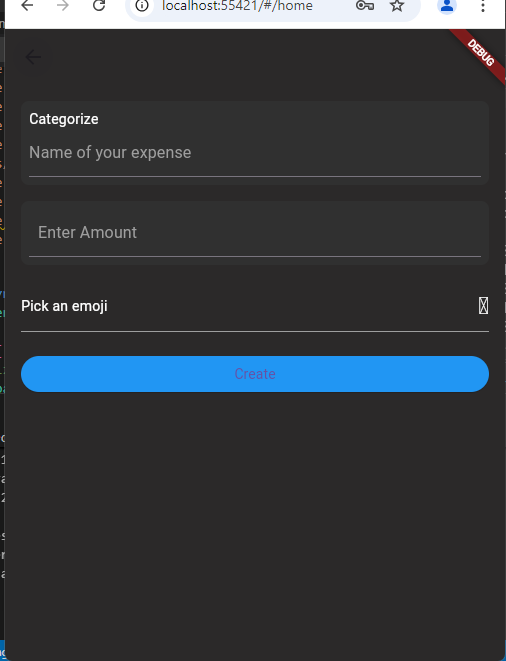
add category
-
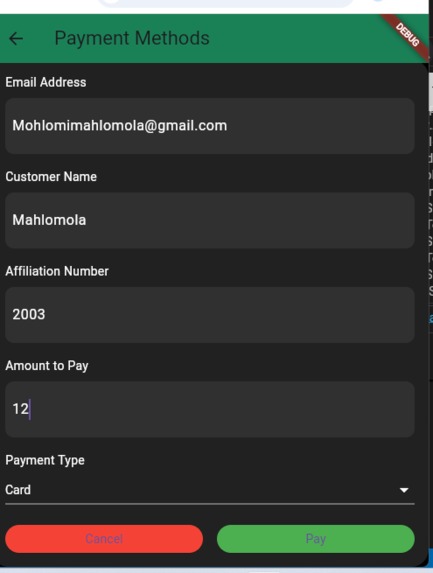
-
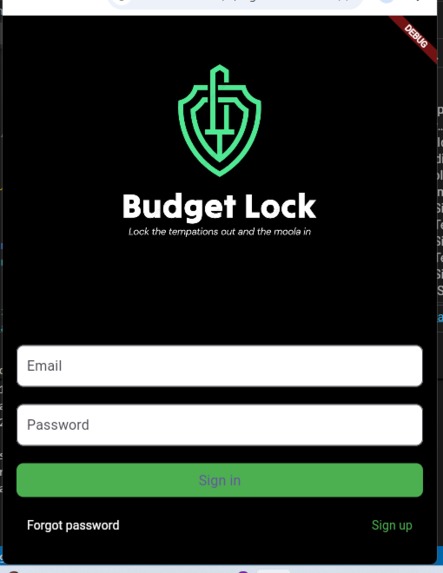
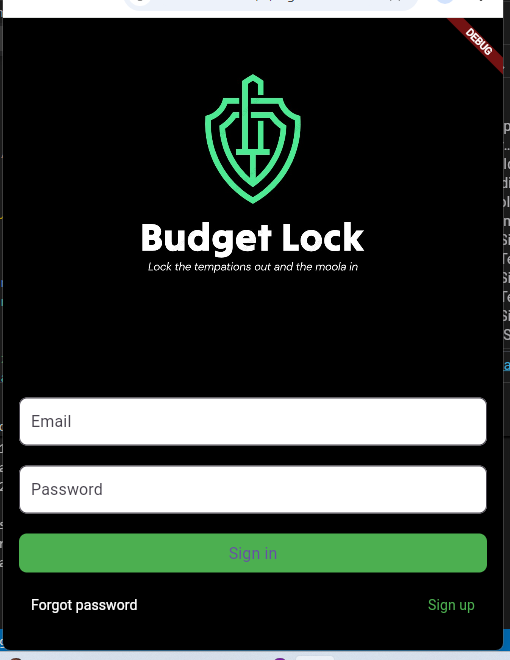
sign in
-
-
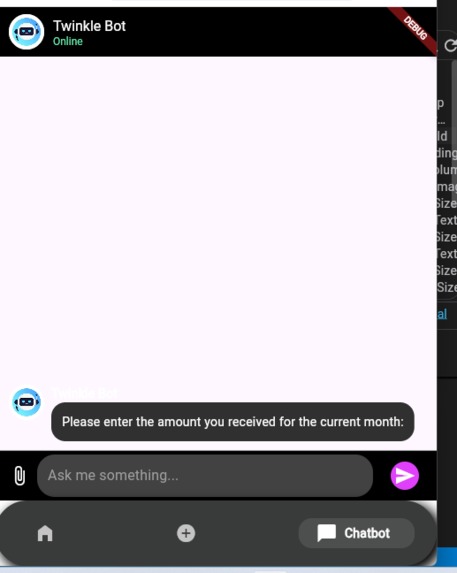
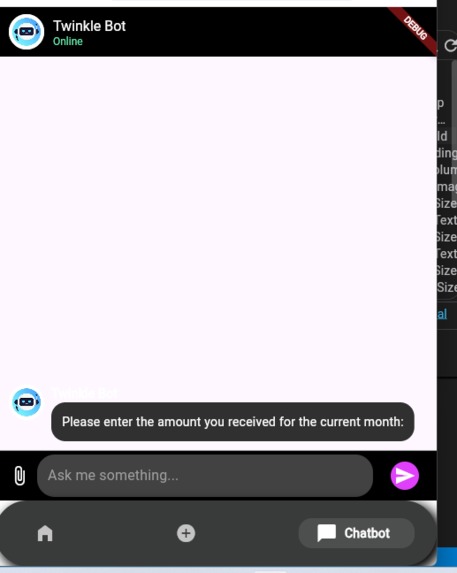
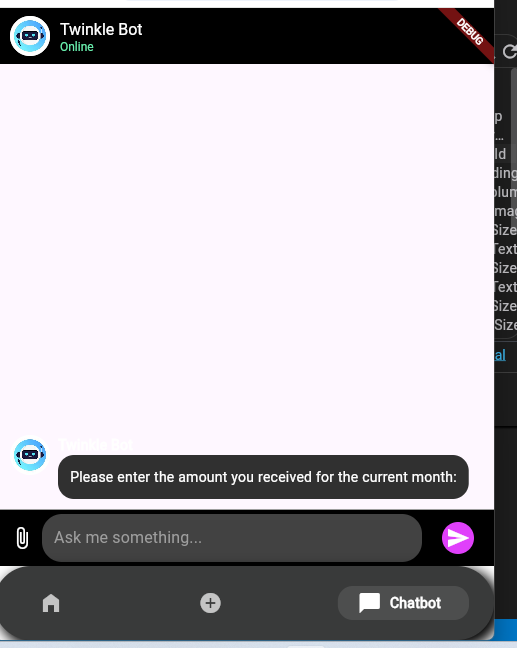
chatBot
-
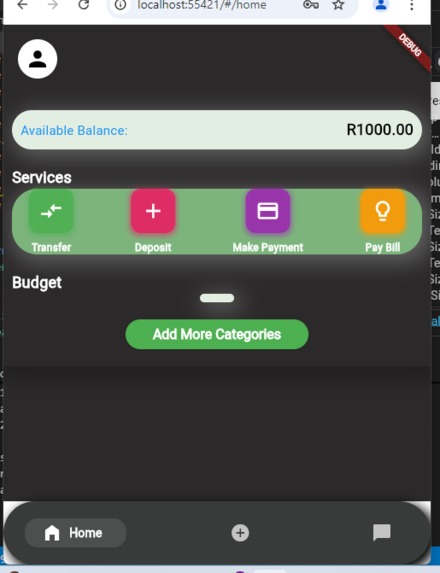
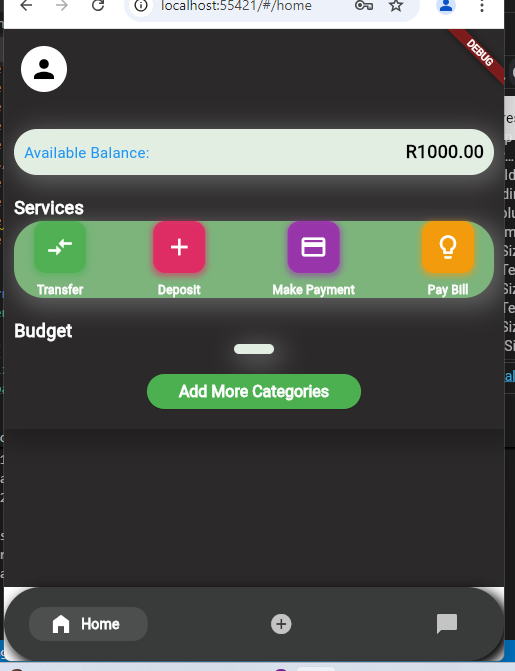
landing page
Inspiration
Budget Lock was inspired by the financial struggles faced by young adults and students in South Africa. Many individuals lack effective budgeting habits and experience financial stress due to poor money management. The project aims to address these issues by providing a tool that promotes financial discipline and helps users manage their money more effectively.
What it does
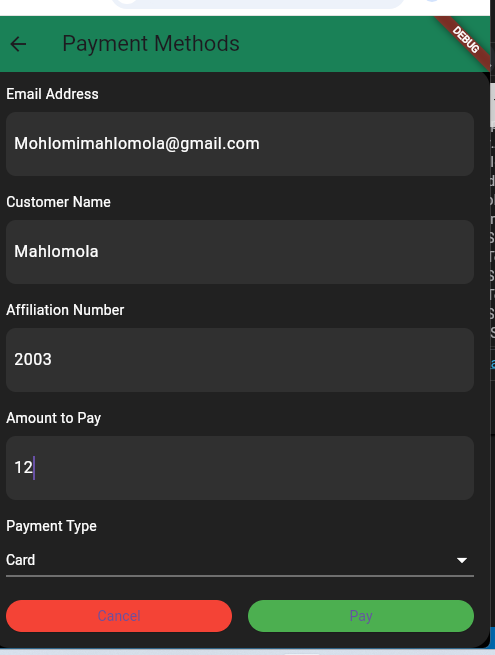
Budget Lock helps users manage their finances by offering a structured and disciplined approach to budgeting. Users can allocate funds into specific wallets designated for various purposes, such as groceries, rent, or entertainment. Each wallet is tailored to a particular category, and the Wallet Lock feature ensures that spending is restricted to predefined categories. This prevents impulsive purchases and helps users stick to their planned budgets.
One of the standout features of Budget Lock is its integrated AI system. This AI not only tracks and monitors spending habits but also analyzes historical data from past budgets and transactions. By examining patterns in previous spending, the AI can identify trends and predict the optimal budget allocations for the current month. It offers personalized financial advice and suggestions, helping users adjust their budgets based on historical patterns to optimize their spending.
For example, if the AI notices that a user typically spends more on groceries during certain months or that certain spending categories frequently exceed their budget, it will adjust recommendations accordingly. This dynamic approach ensures that the budget remains relevant and effective, tailored to each user's unique spending behavior and financial goals.
Overall, Budget Lock empowers users to maintain financial discipline by providing clear, actionable insights based on their spending history, thereby enhancing their ability to make informed financial decisions and manage their finances more effectively.
How we built it
We developed Budget Lock using a combination of technologies:
- Frontend: Flutter was used to create an intuitive and user-friendly interface.
- Backend: Initially, we used Django but switched to FastAPI due to better integration with the frontend.
- AI System: Python was used with Groq and LLaMA 3 for processing,embeddings and data analyzes .
- Data Storage: TiDB Serverless was used for storing budget data, customer information, transaction history .
- Authentication: Firebase was implemented for secure user authentication.
Challenges we ran into
One of the main challenges was connecting the backend with the frontend. Initially, Django was used but faced integration issues with Flutter. Switching to FastAPI resolved these problems and improved the overall performance of the application.
Accomplishments that we're proud of
We successfully created a comprehensive financial management tool that integrates various technologies. The Wallet Lock feature effectively prevents impulsive spending, and the AI system provides valuable personalized financial advice. The app’s secure authentication and robust data storage solutions are also key achievements.
What we learned
We learned how to integrate multiple technologies to build a cohesive financial management solution. Switching from Django to FastAPI highlighted the importance of choosing the right tools for smooth integration. We also gained insights into the needs and behaviors of our target users, which informed the development of the app’s features.
What's next for Budget Lock
We plan to expand Budget Lock by enhancing its features and reaching a broader audience. This includes further refining the AI system for more personalized advice, exploring additional financial partnerships, and increasing user engagement through targeted marketing and educational initiatives. We aim to continuously improve the app to better serve users and help them achieve their financial goals.


Log in or sign up for Devpost to join the conversation.