-
-
Splash Screen
-
-
-
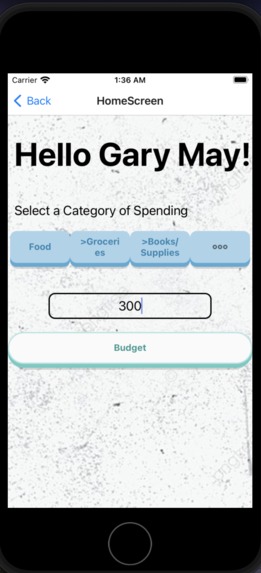
Home Screen
-
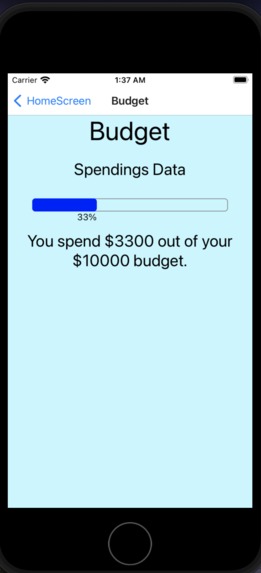
Budget Overview
Inspiration
As students, we found it difficult to properly budget our money. Often times when making purchases, our spending limits would slip our mind. Thus we were spurred to create an app to aid students with budgeting.
What it does
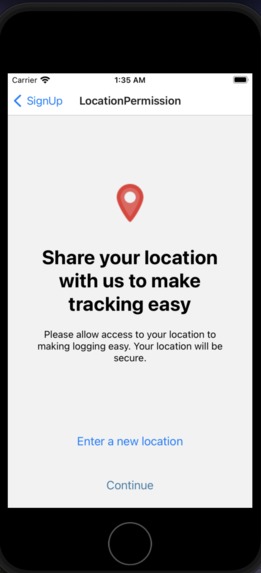
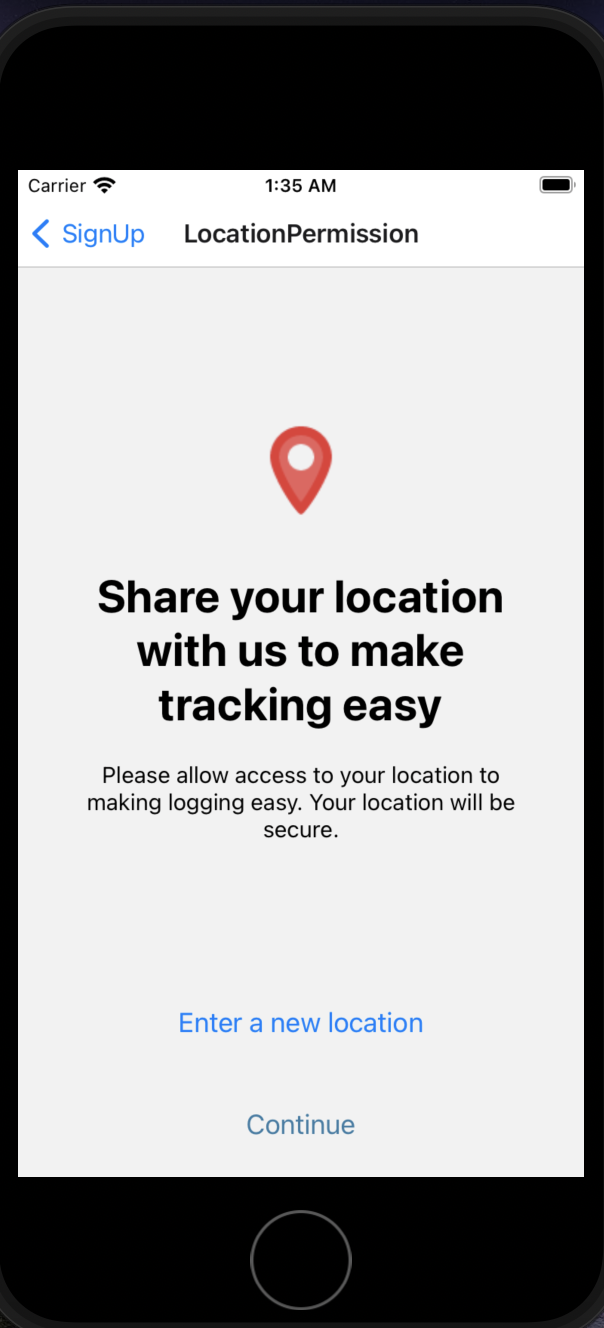
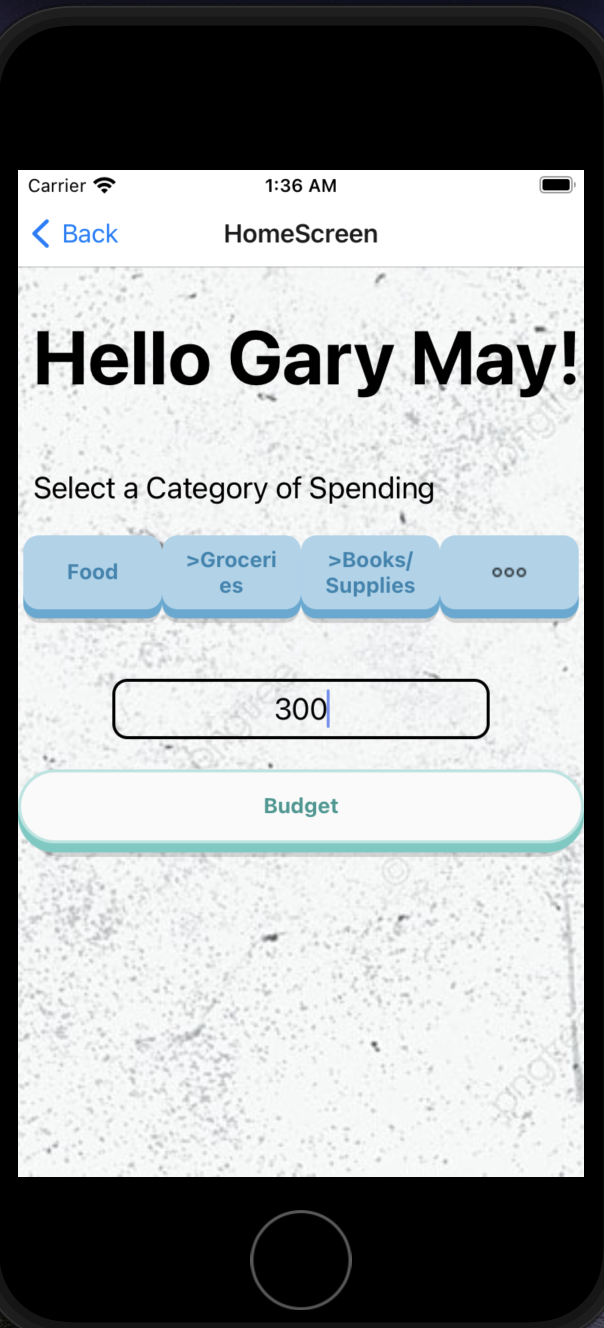
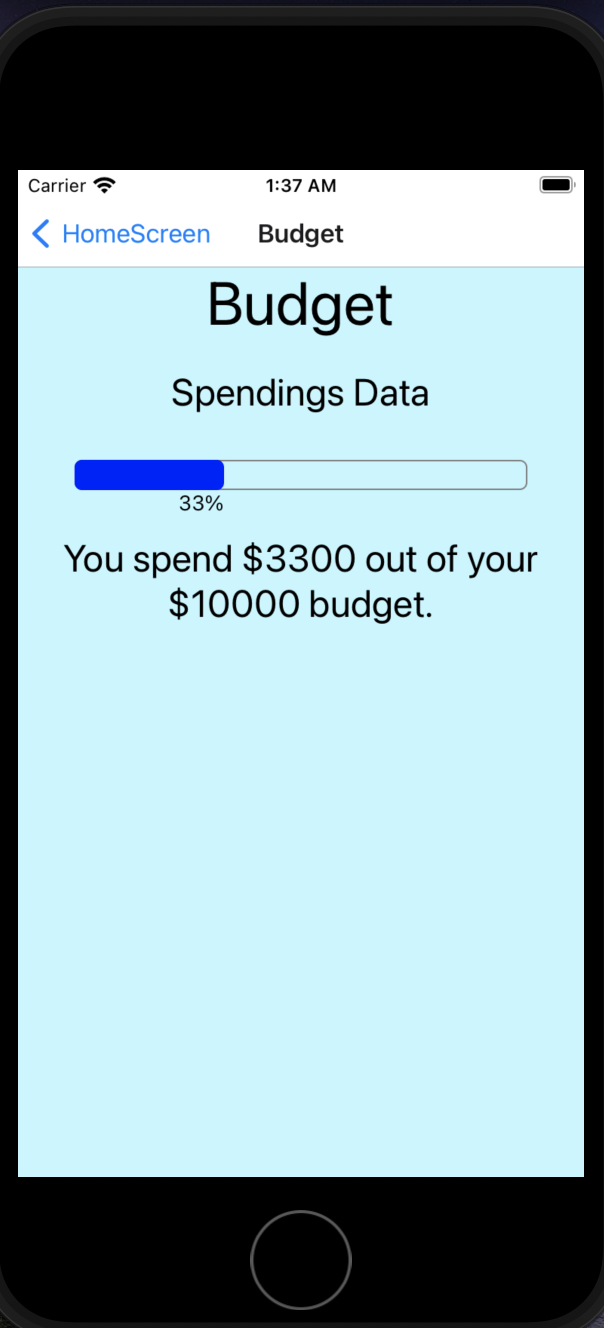
Budget Better securely uses the user's location information to detect when the user is likely to spend money (i.e. near a restaurant or shopping center). Budget Better will then notify the user how much more they can spend according to their budget. Budget Better also uses location services to detect what kind of purchases the user will make (i.e. food, groceries, books, etc. . .).
How we built it
Our team used React Native to build the app which utilizes JavaScript, HTML, and CSS along with Node.js. This allows the app to be deployed on iOS, Android, and web browsers. We used git version control and VSCode live share to simultaneously work on the project.
Challenges we ran into
One challenge we encountered was getting the React Native environment to run on all our machines. Our laptop's differing OS types and software versions made it difficult at first for the code to properly display on all four of our computers. However, we managed to solve our issues by standardizing the versions of each of the software tools we used.
Accomplishments that we're proud of
We are proud of tackling a new software environment that was completely new to us. At the end of our project, we were all confident coding with React-Native.
What we learned
We learned how to properly use git for version control in order to work on the same project with multiple people. We also learned the ins and outs of creating an app in React-Native.
What's next for Budget Better
We plan to continue adding features to Budget Better and to polish the app even after Hack Davis 2022 concludes. Some features on the horizon are more graphical representation of the user's budget (pi charts and histograms) and a monthly spending report.

Log in or sign up for Devpost to join the conversation.