-
-
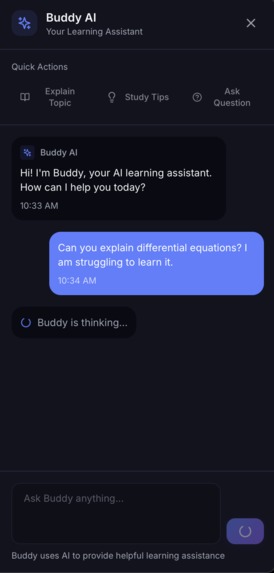
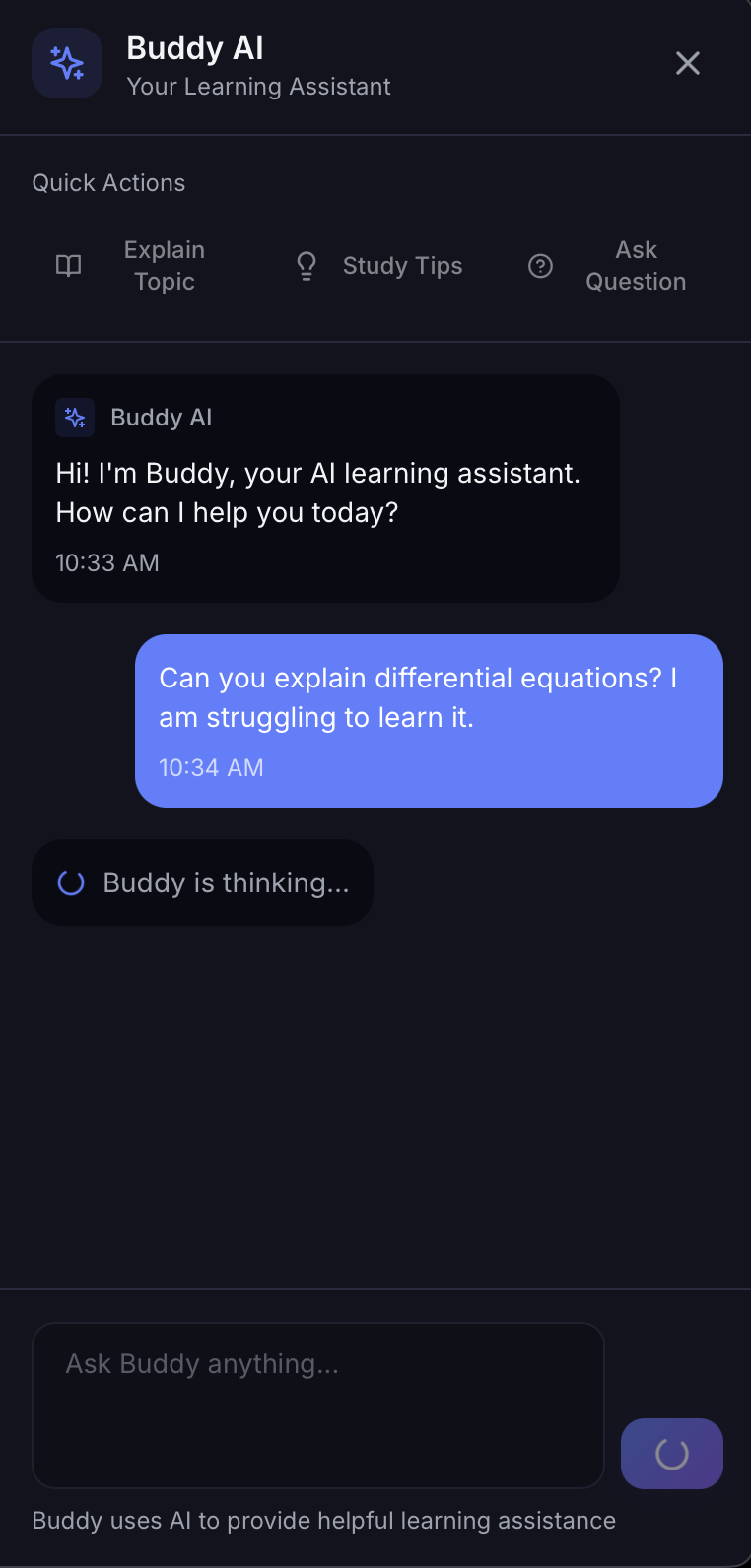
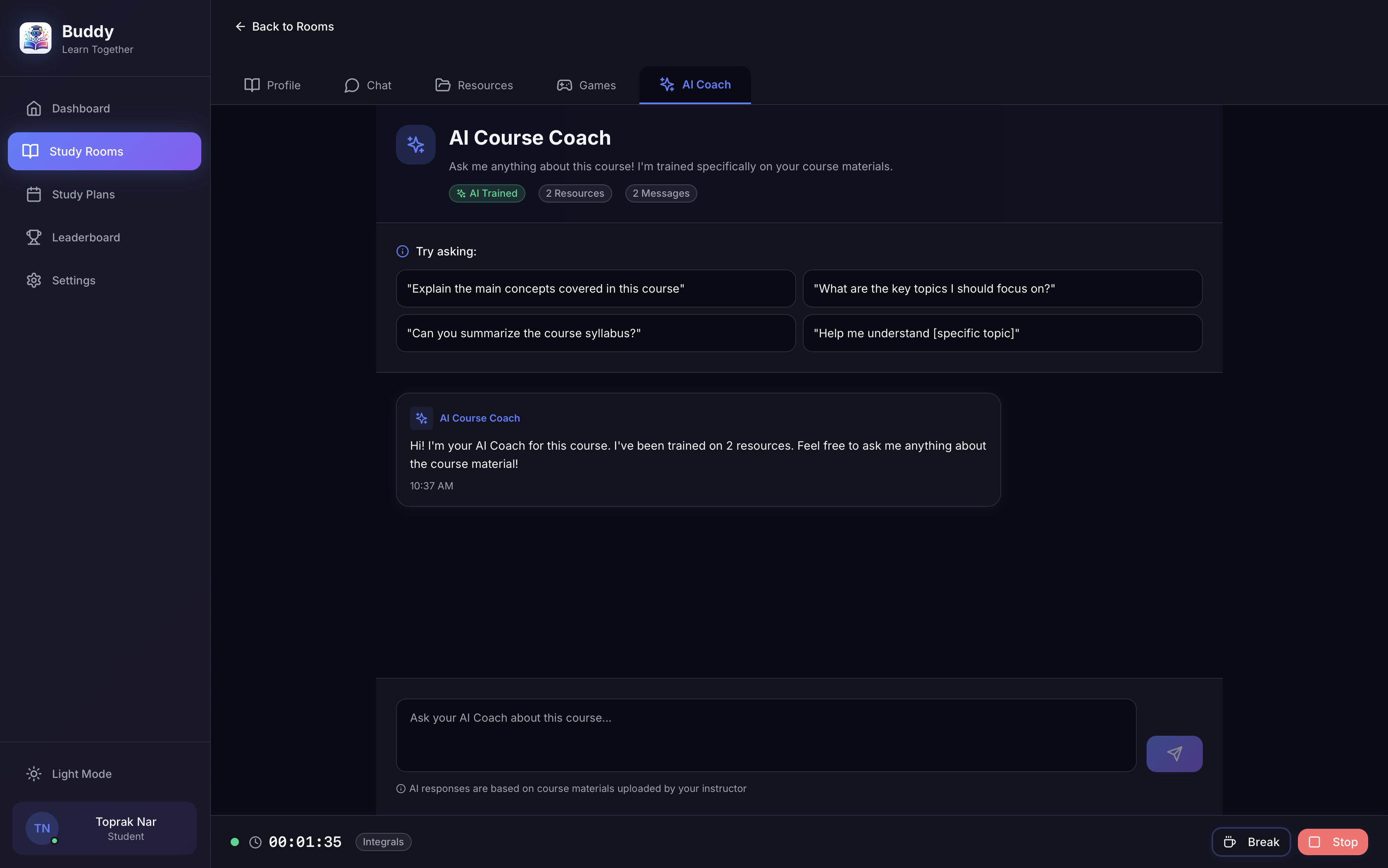
Buddy AI chat screen
-
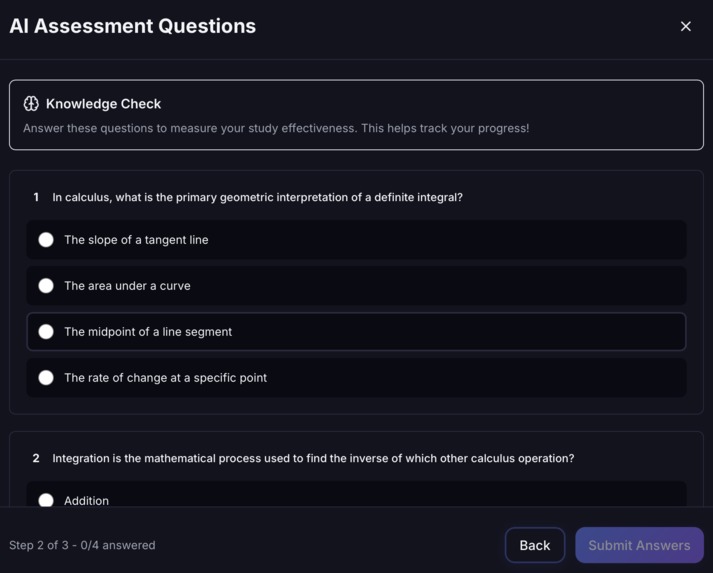
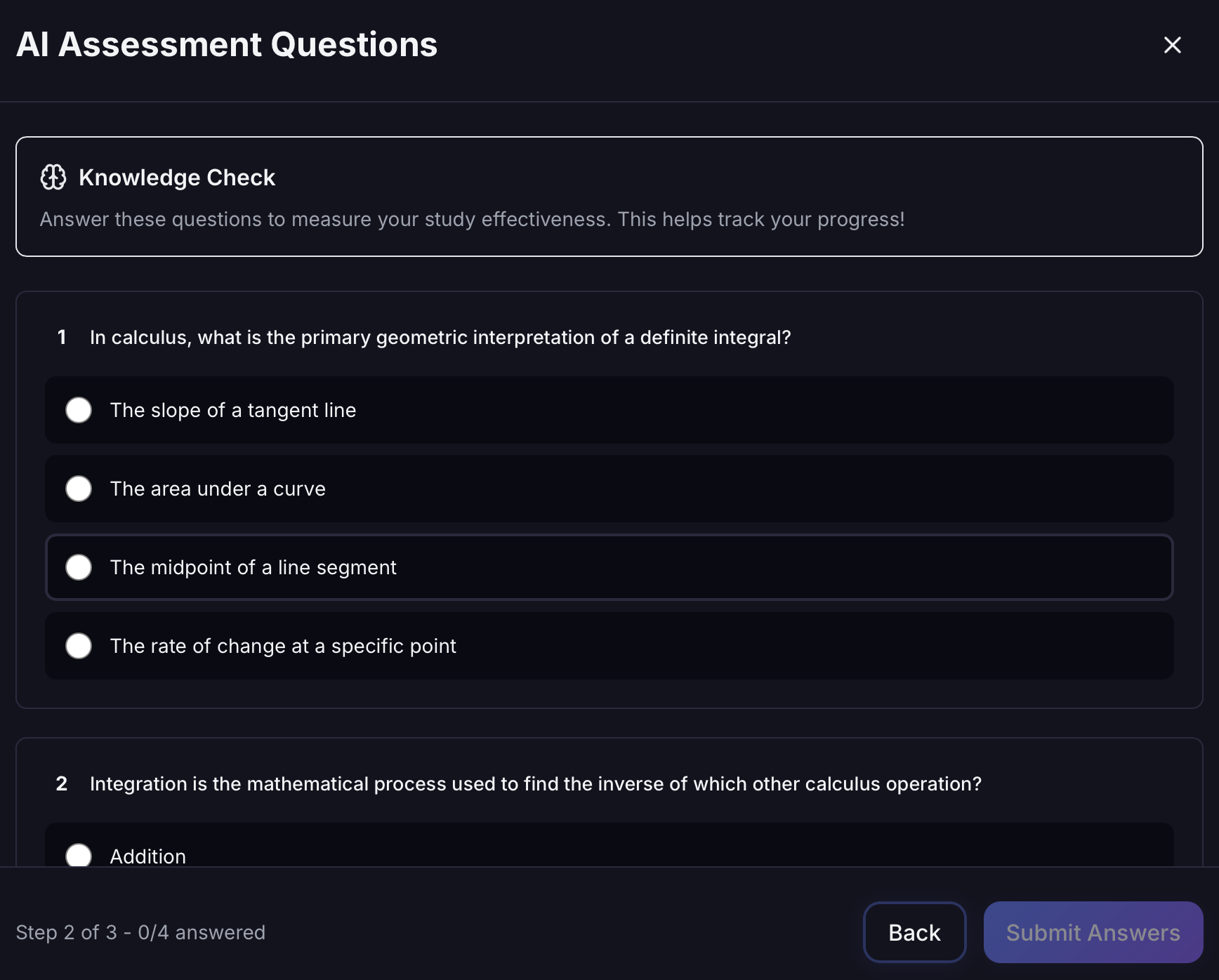
AI Assessment at the End Study Session
-
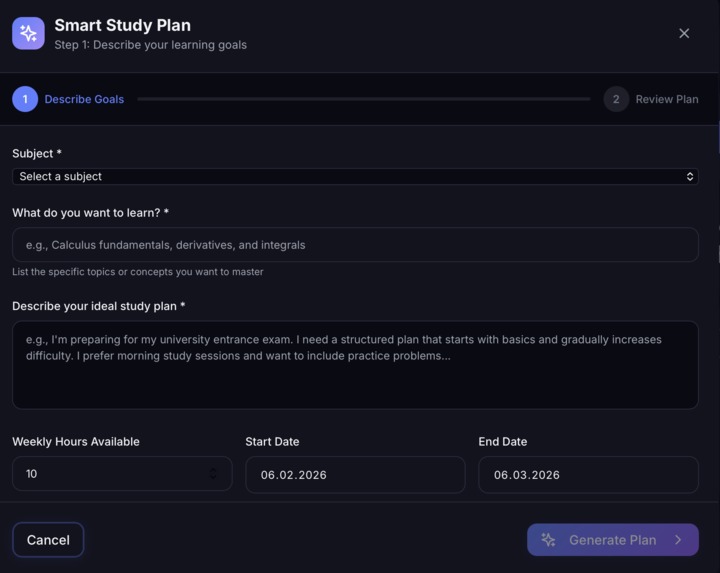
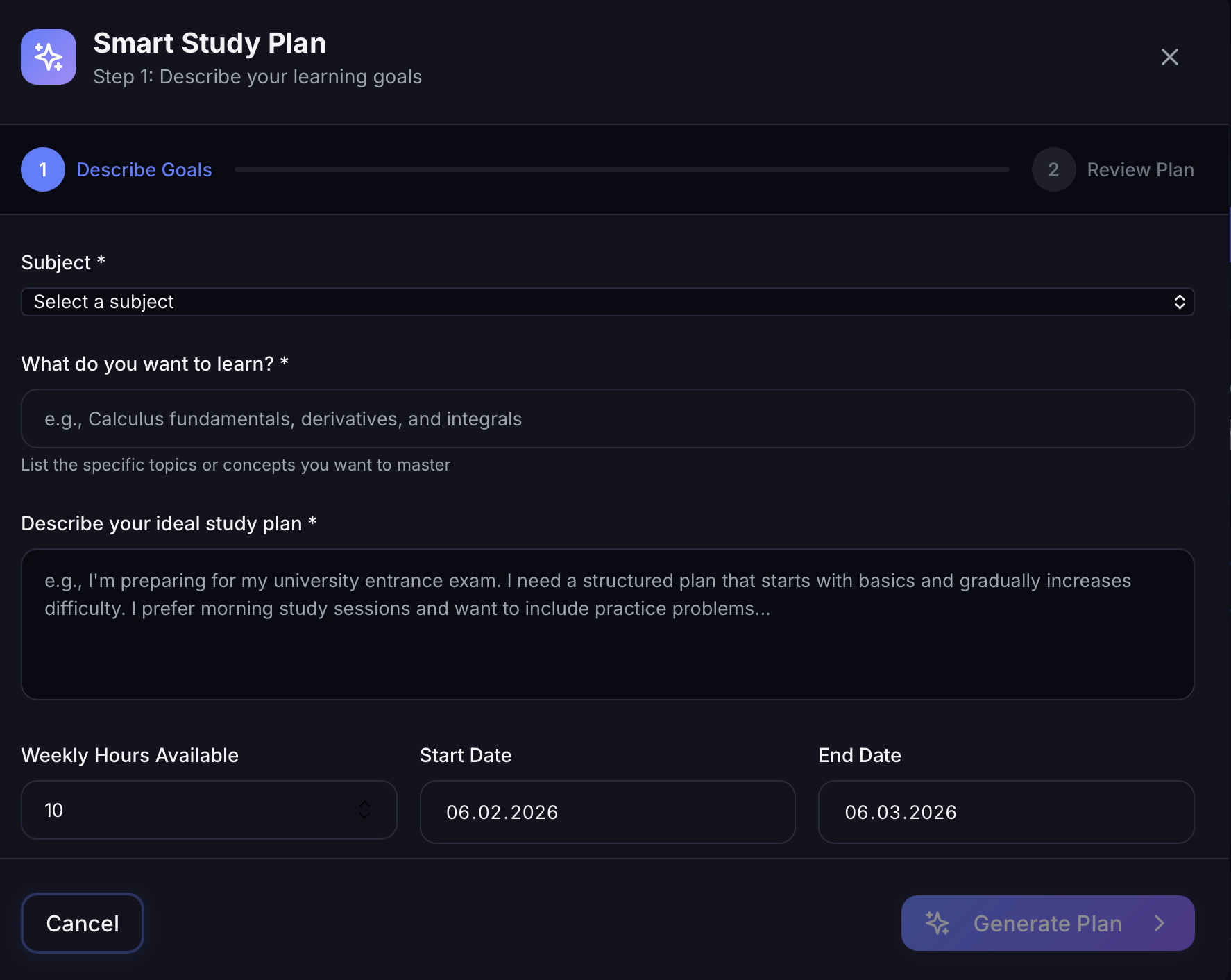
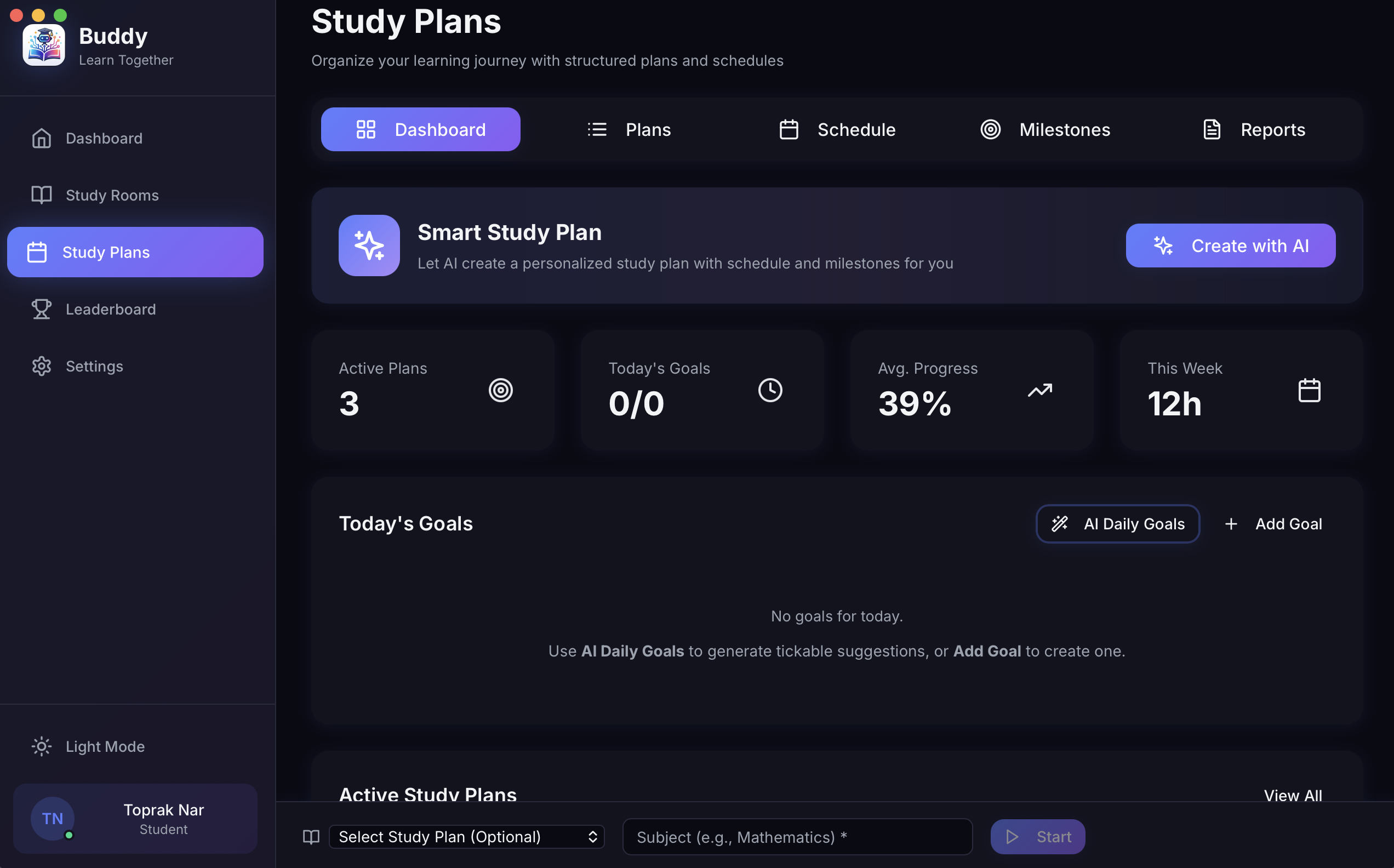
Smart study plan
-
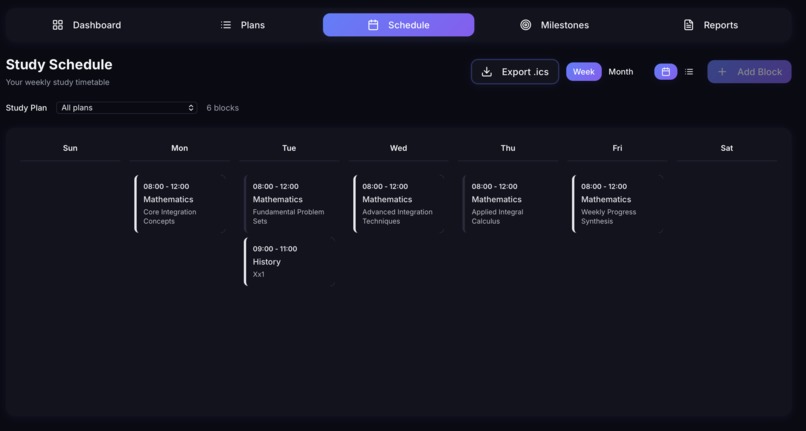
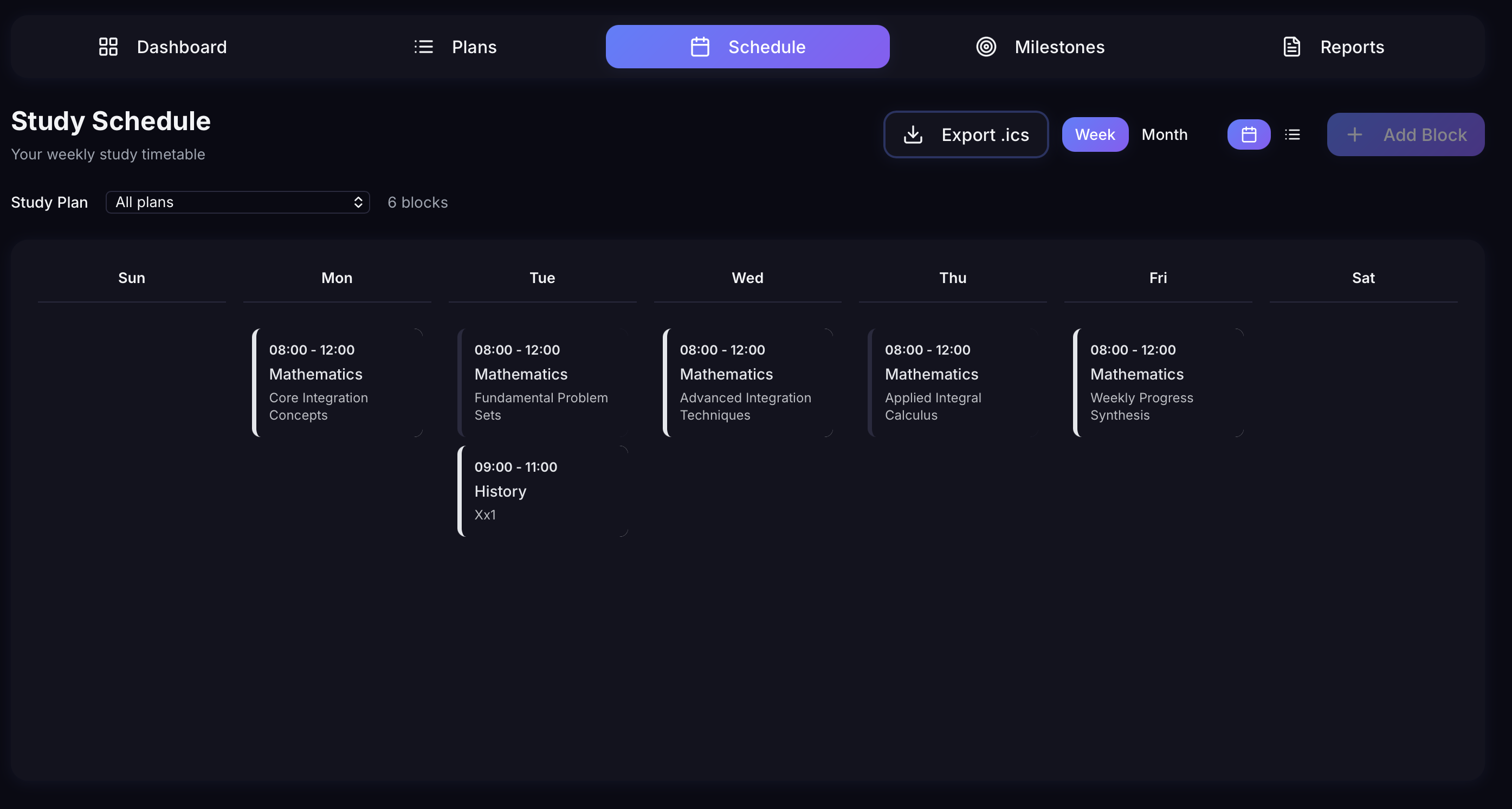
Calendar in Study Plan
-
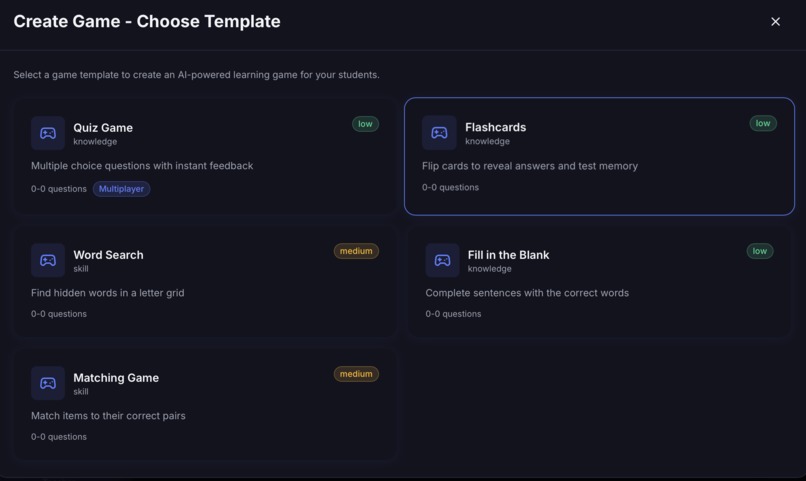
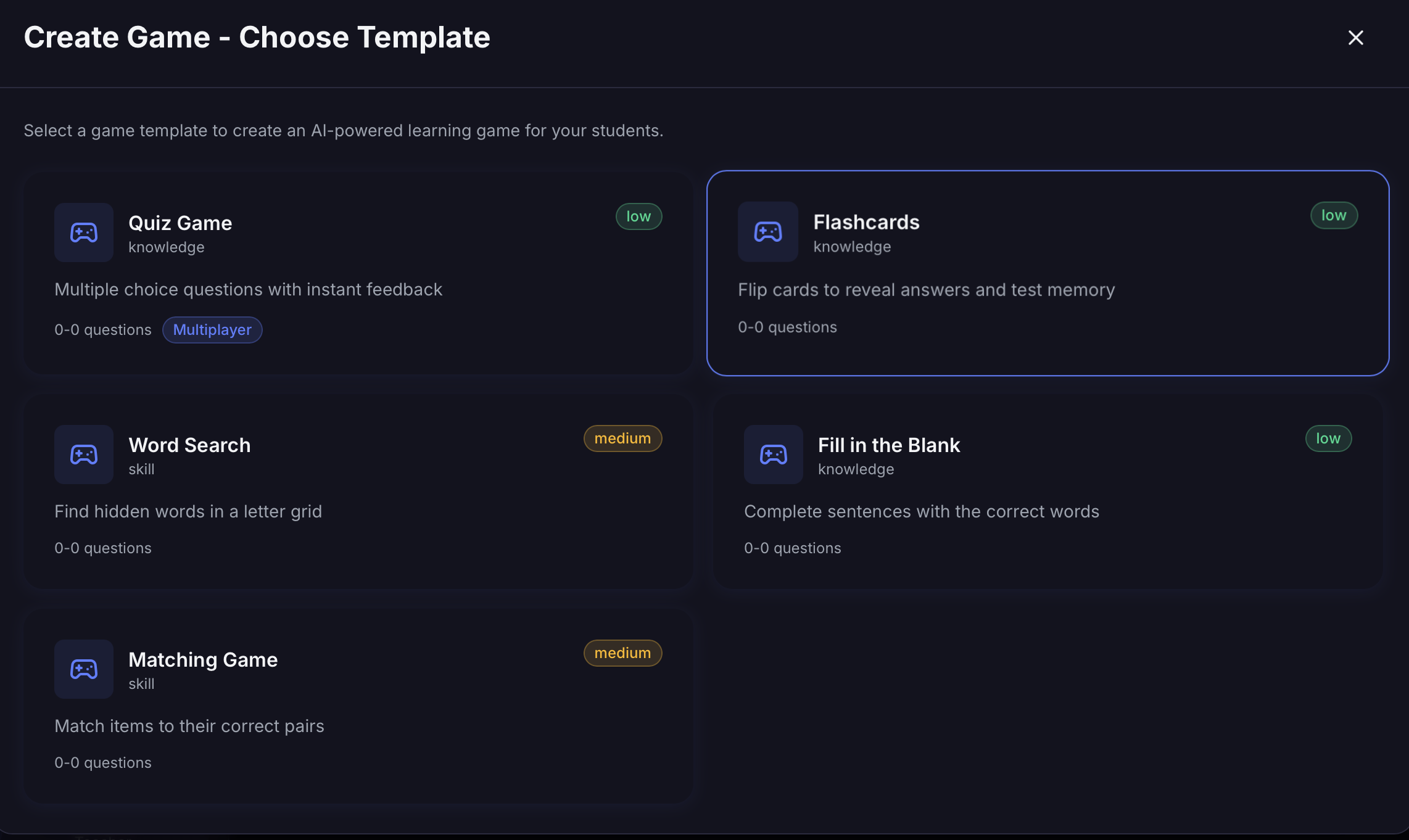
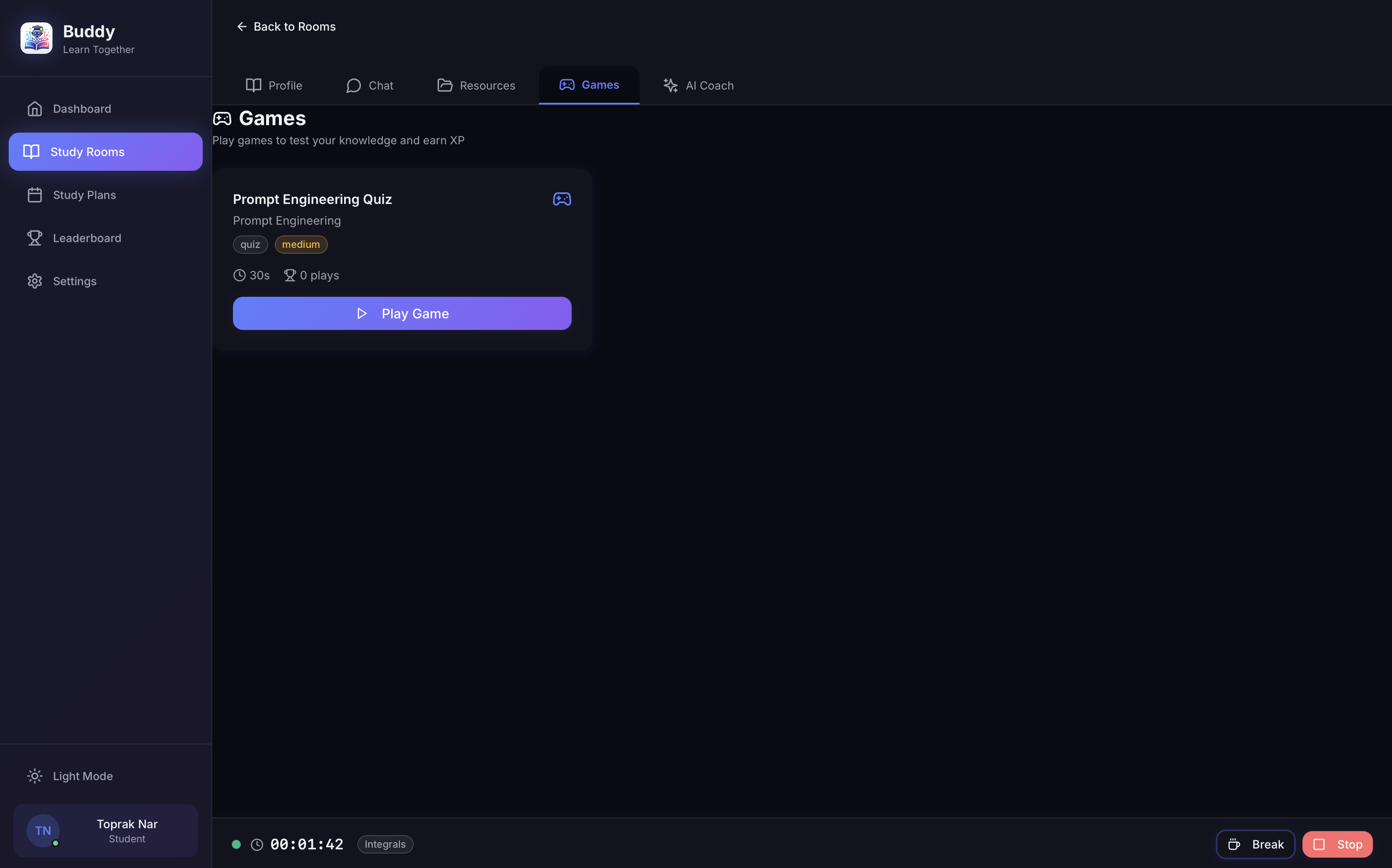
Smart Game Creation by Teacher
-
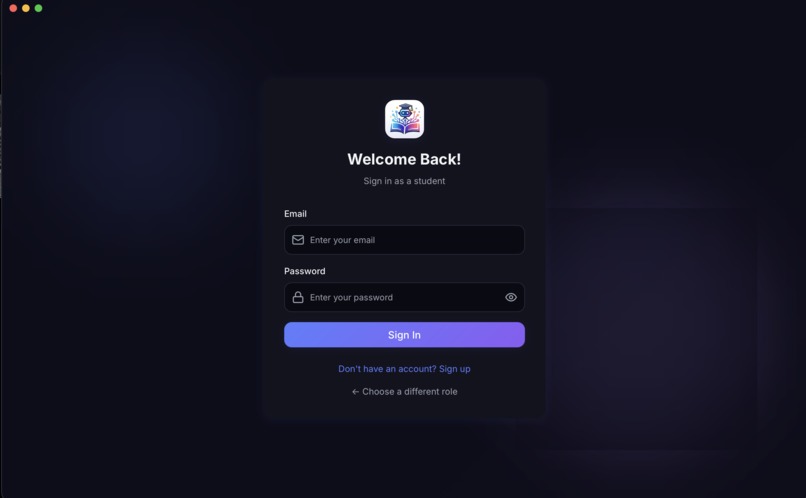
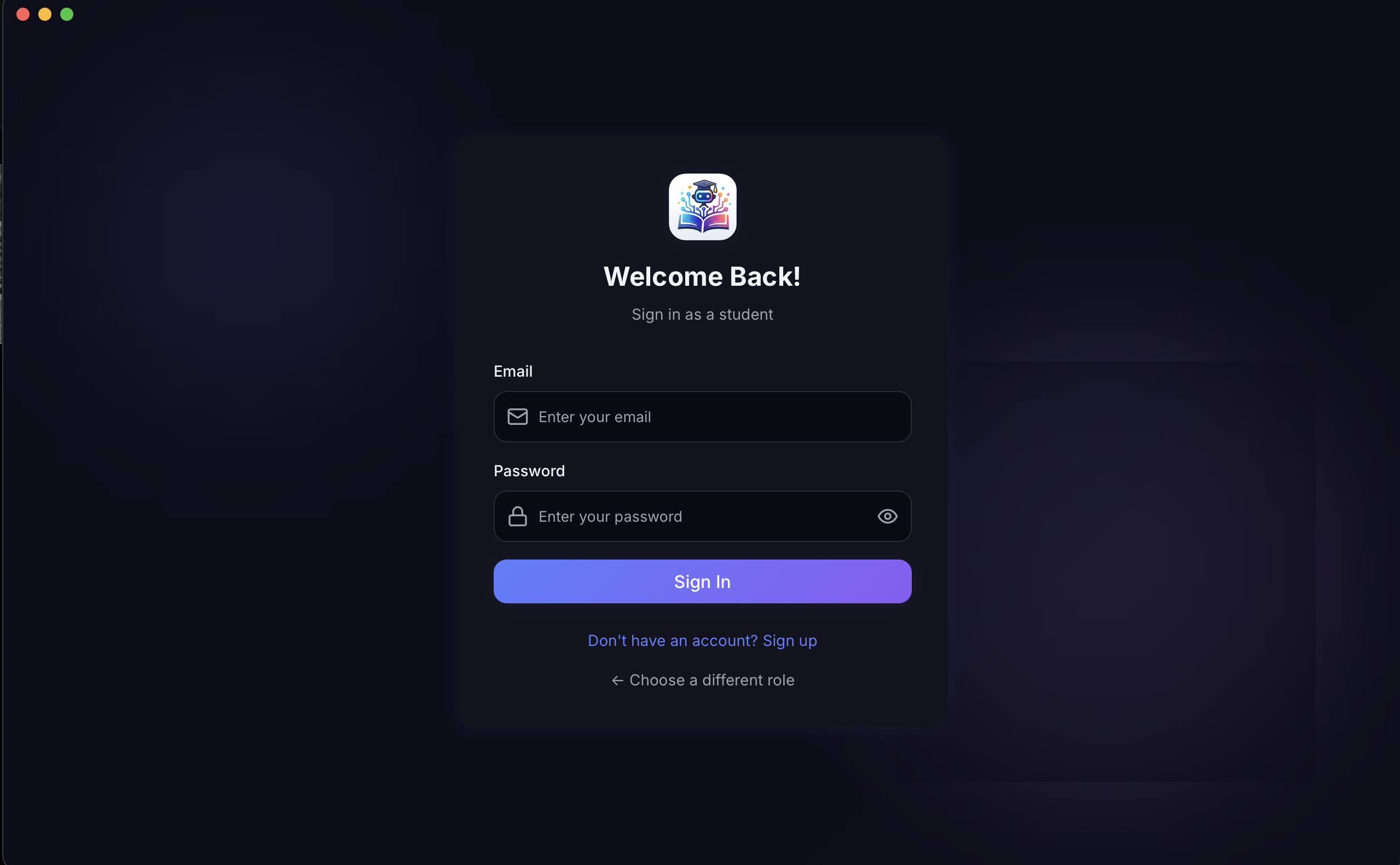
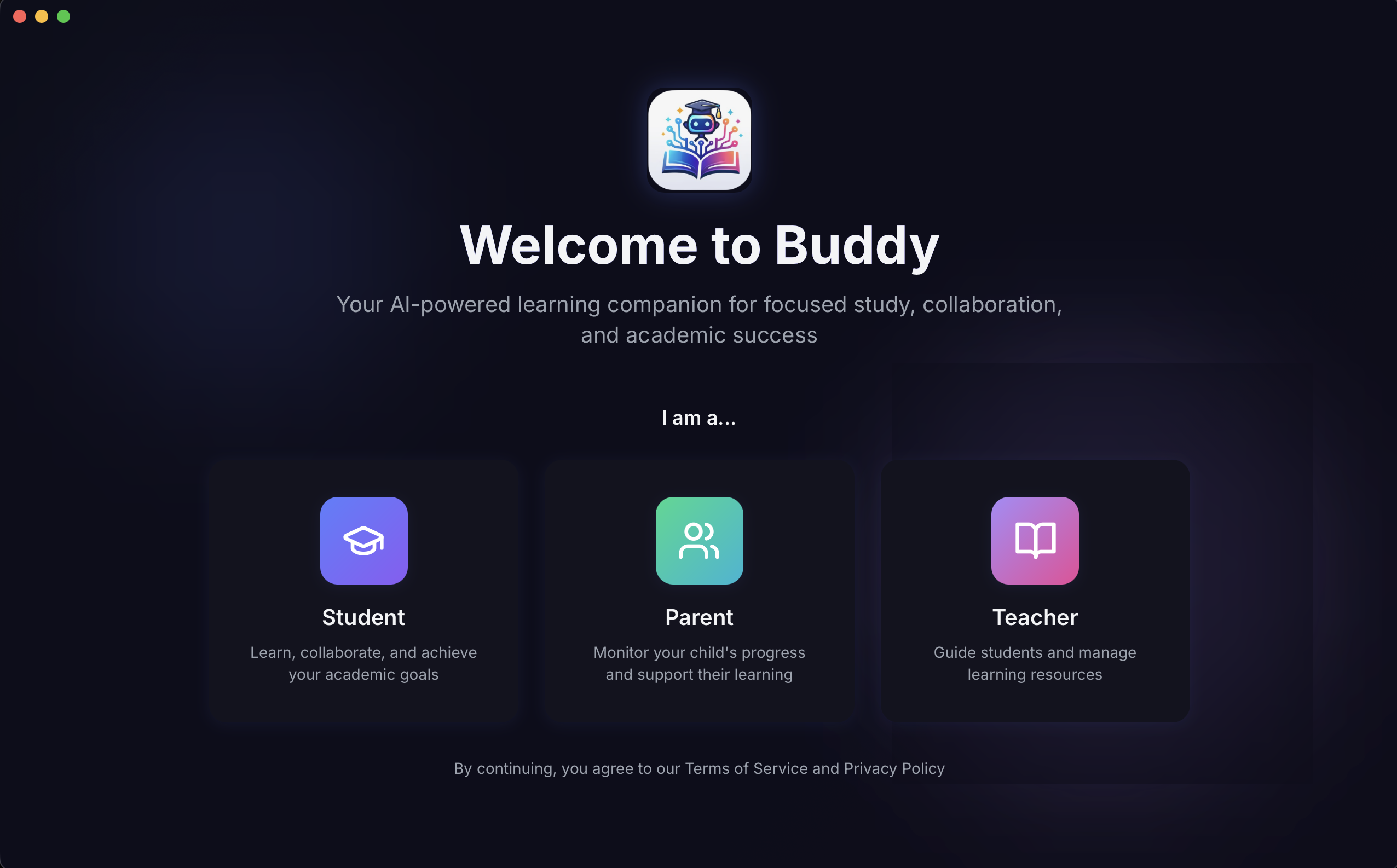
Login Screen
-
-
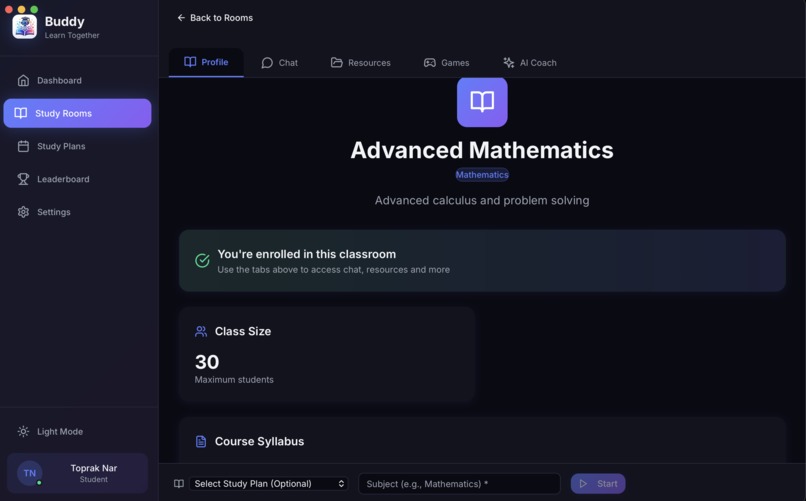
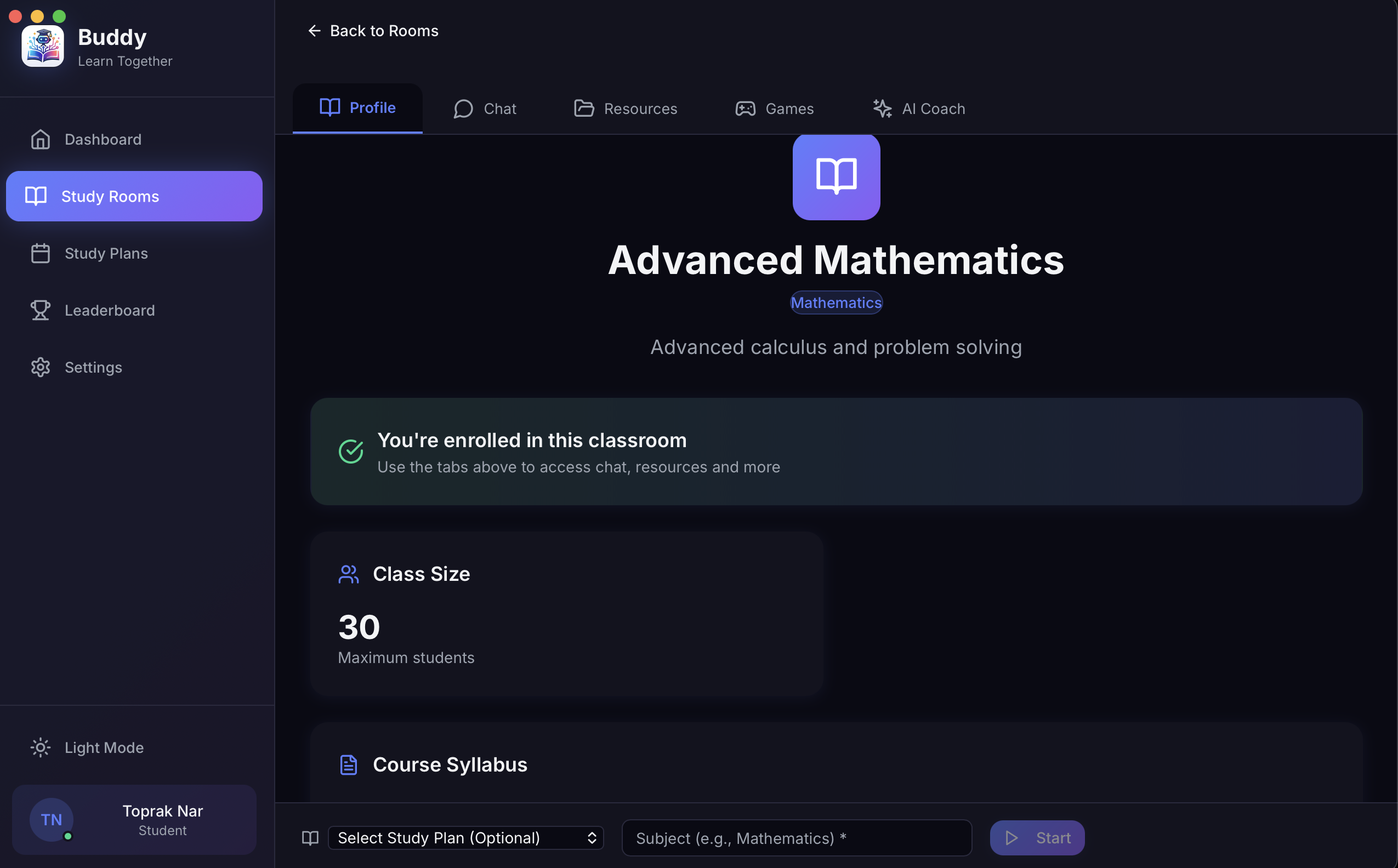
Classroom profile
-
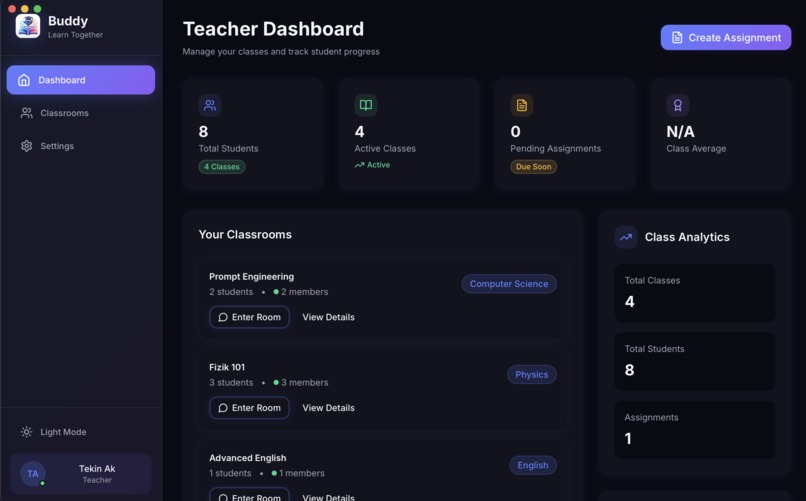
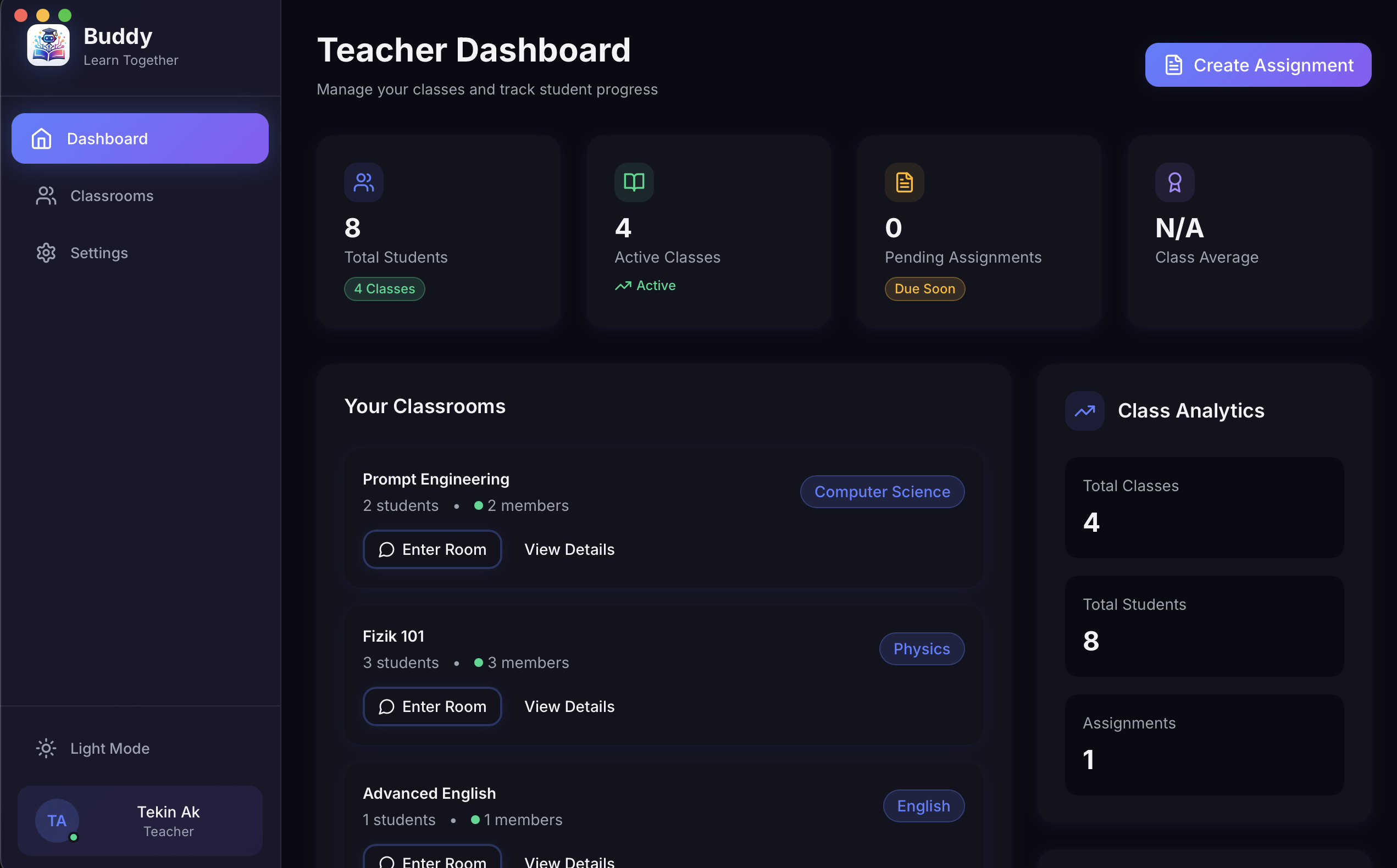
Teacher Dashboard
-
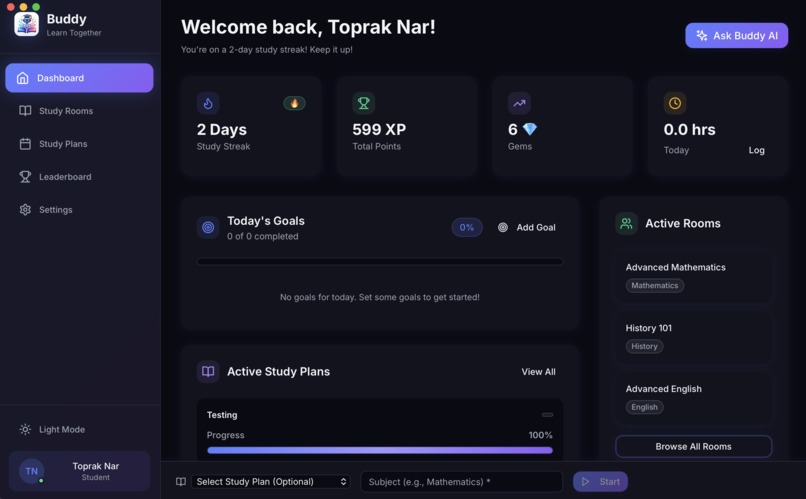
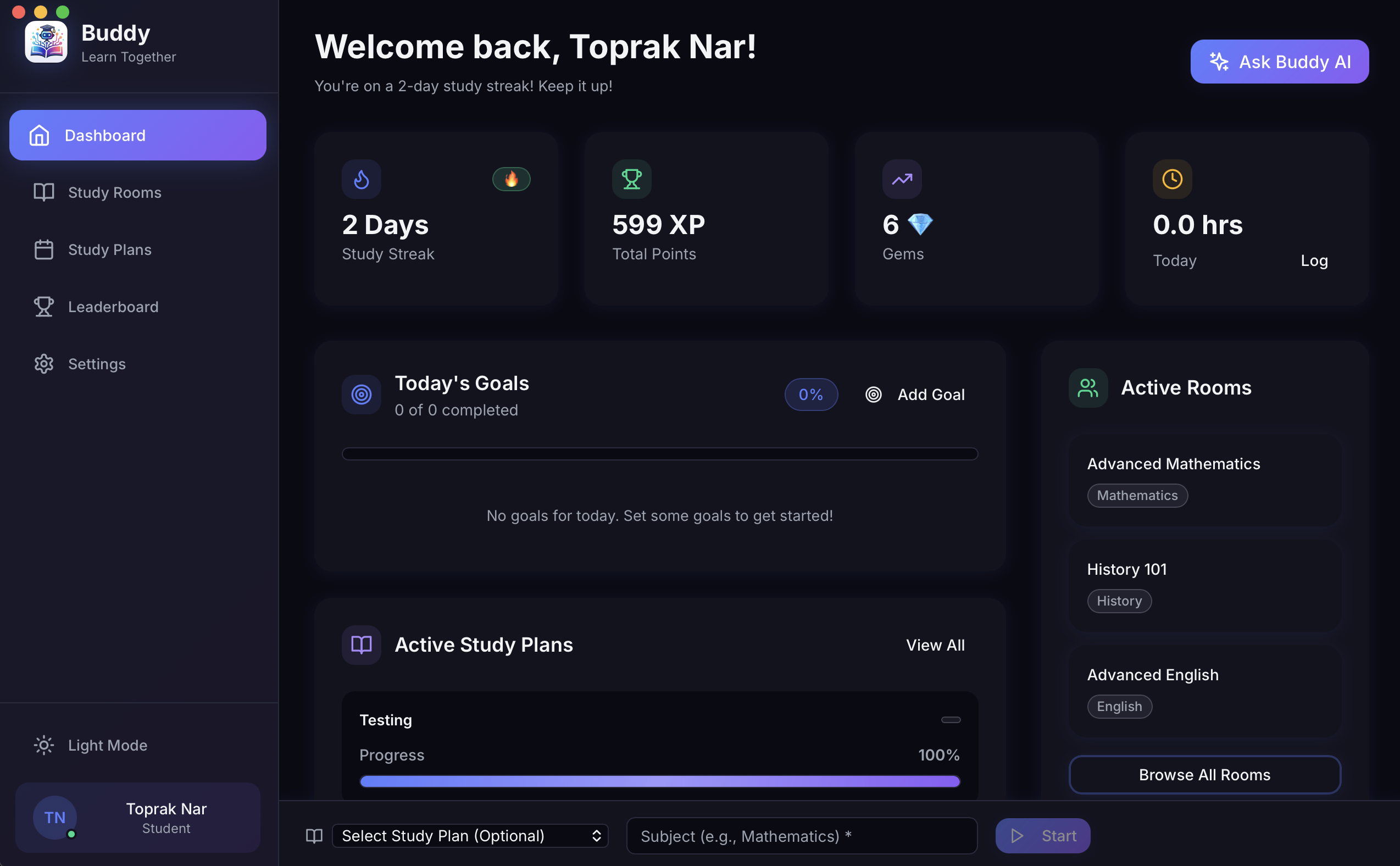
Student Dashboard
-
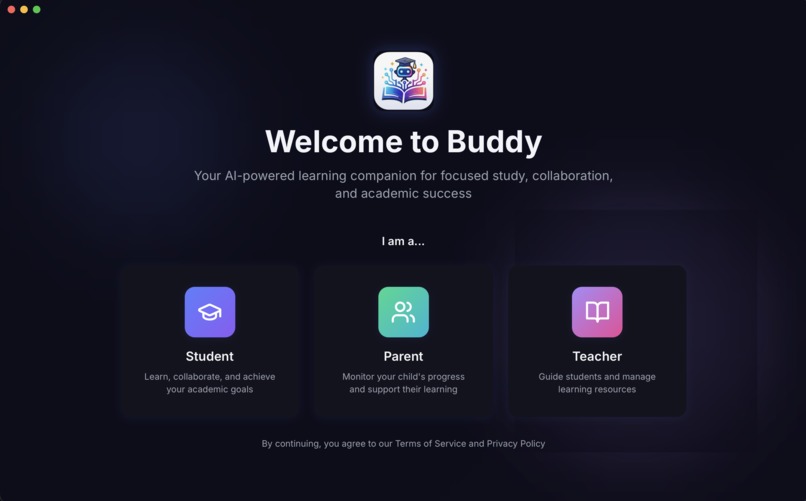
Onboarding
-
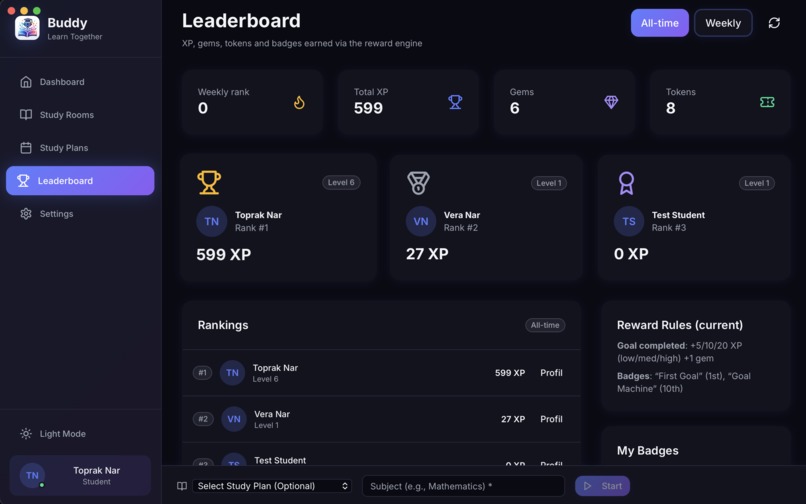
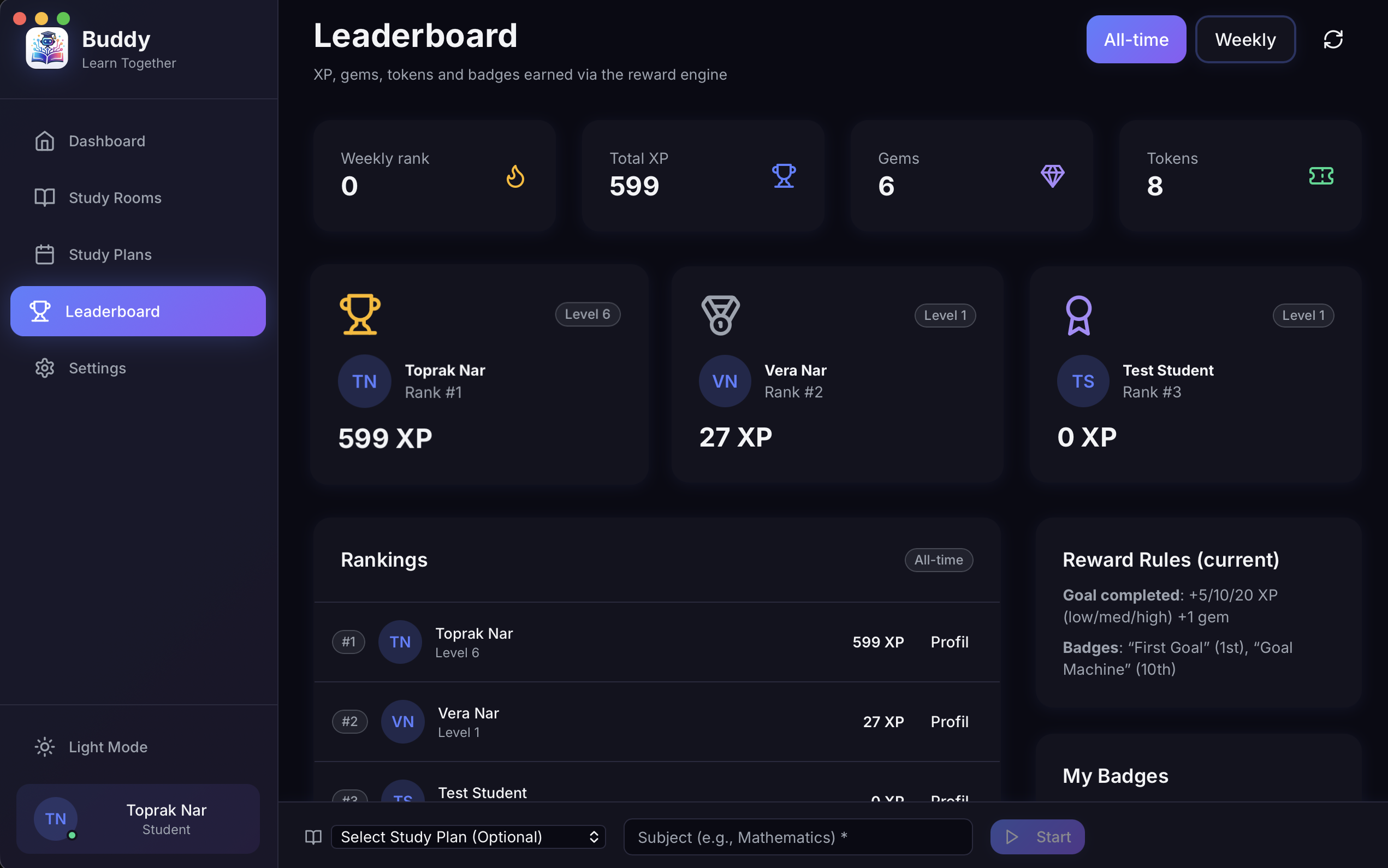
Gamification Dashboard
-
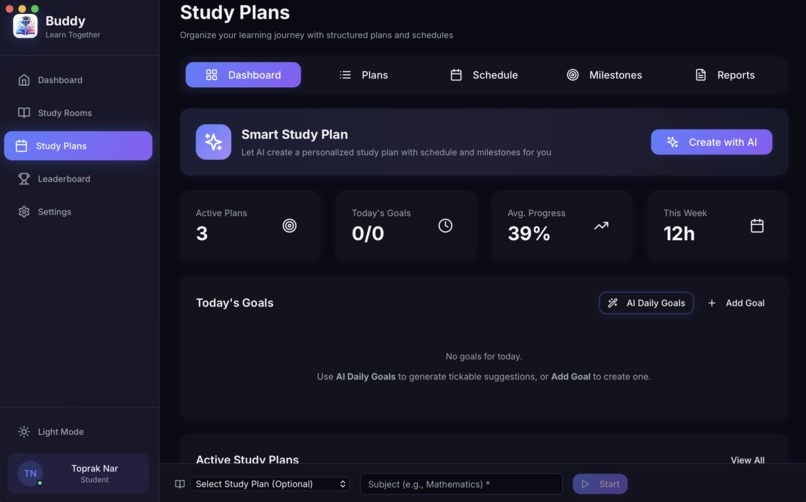
Study Plans
-
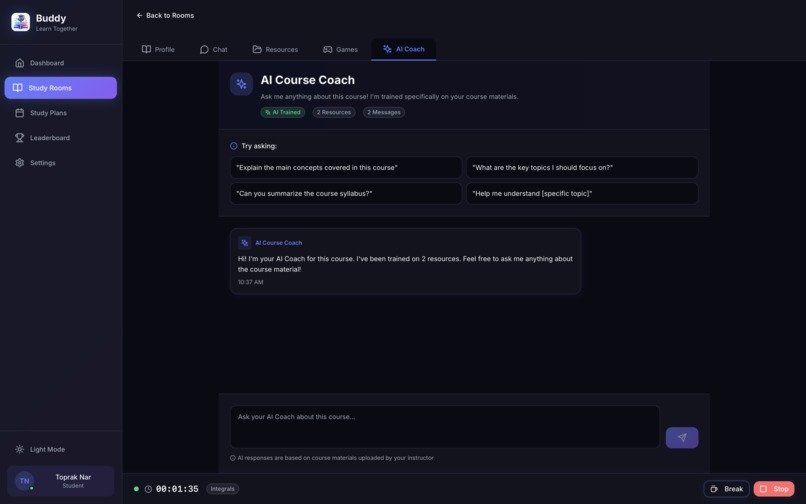
-
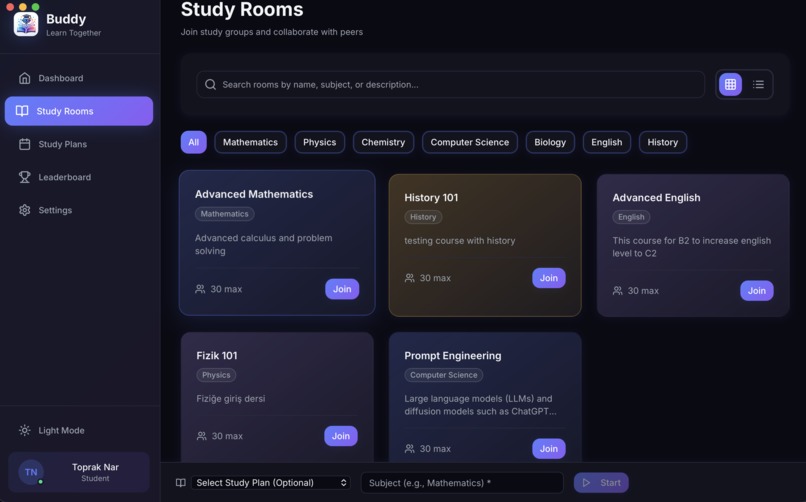
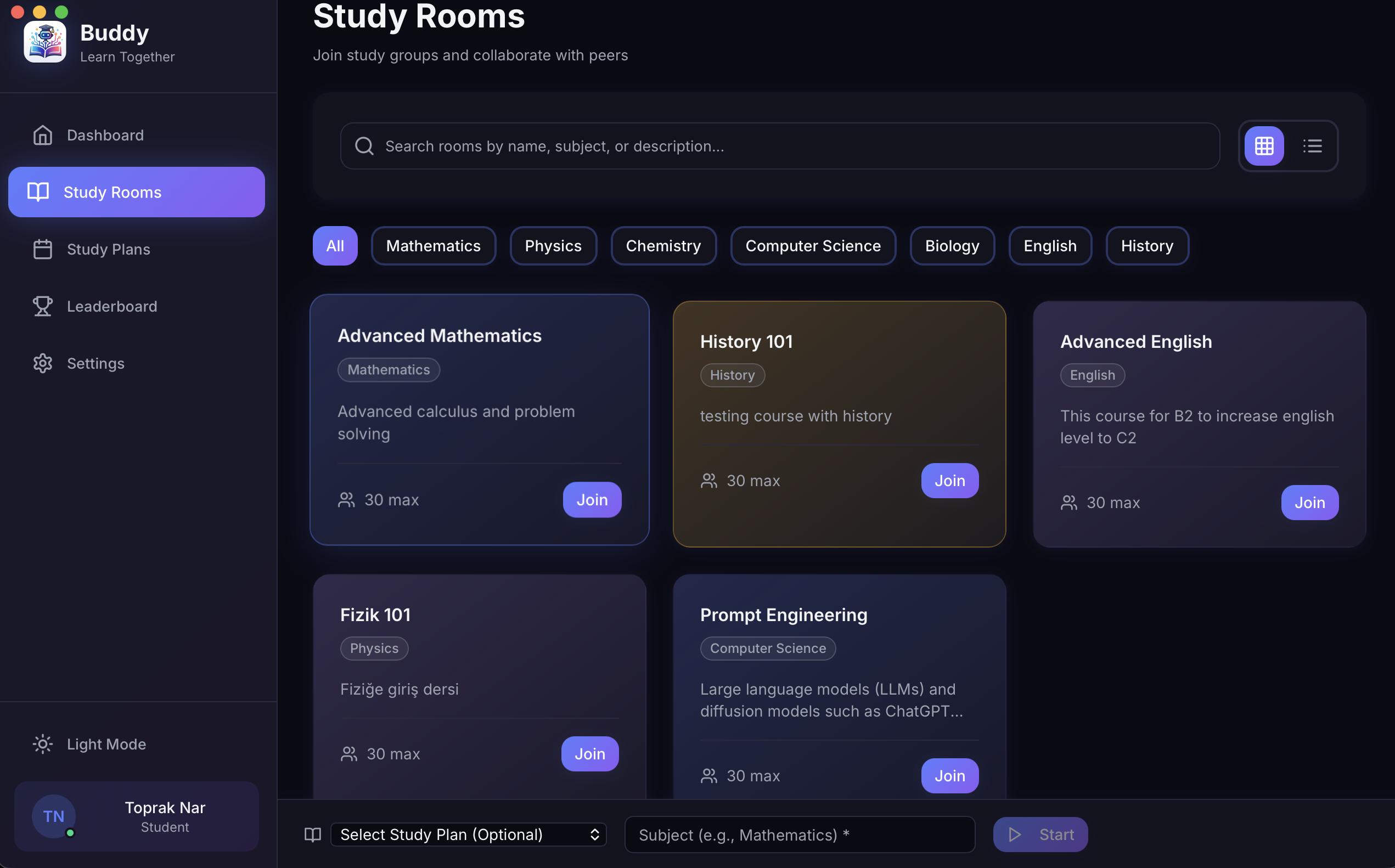
Classrooms
Inspiration
Why don't we enjoy while learning? Why must the learning be boring?
No, we don't have to be bored while learning. We are here to prove that.
Buddy was inspired by a simple but persistent problem we kept seeing in modern education:
Students have access to endless content, yet struggle with focus, motivation, and meaningful engagement.
Learning often happens in isolation, while the tools students enjoy most—games, social platforms, and interactive experiences—are disconnected from studying.
We wanted to explore a different question:
What if studying felt more like collaboration and play, without losing structure and academic depth?
Buddy was born from the idea that learning should be active, social, and motivating, not just efficient.
What it does
Buddy is an AI-powered, desktop-first learning platform that helps students study more effectively through:
- Subject-based collaborative rooms
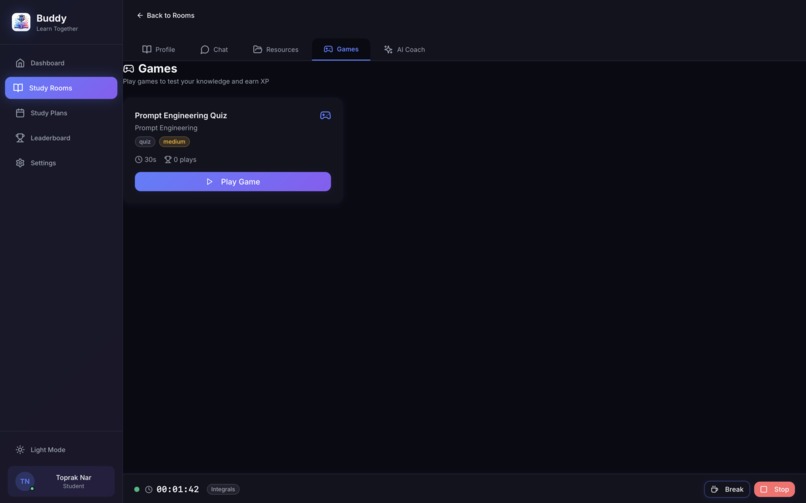
- Educational and single/multiplayer learning games
- Personalized study plans and challenge-based leaderboards
- AI-assisted learning constrained to trusted course resources
- Teacher-created games that turn lessons into interactive experiences
- Transparent dashboards for parents and teachers
Buddy transforms learning from a passive activity into a focused, social, and game-driven experience.
Throughout history, games have been used to prepare humans for real life. We see the same pattern in mammals. However, a new system called education and training has developed in the modern world. The human brain, however, doesn't change fast enough to adapt to a rapid 150-200 year cycle. Therefore, when preparing our children for the real world, we need to work together with nature and biology, rather than fighting against them. Buddy aims to utilize, rather than suppress, the urge and feelings of having fun.
How we built it
Buddy was designed as a modular, cross-platform desktop application with scalability and safety in mind.
At a high level:
- A desktop client (Windows, macOS, Linux) acts as the primary learning environment.
- A real-time backend manages rooms, multiplayer sessions, leaderboards, and events.
- An AI layer (Gemini-based) processes course materials and generates learning atoms such as questions, flashcards, and game content—strictly constrained to uploaded resources.
- A Game Builder framework allows teachers to create educational games using predefined templates and customizable rulesets.
- Learning content is packaged into secure, signed game bundles that students can download and play within the app.
The system was intentionally designed to separate:
- Game templates (logic/UI)
- Learning content (data)
so new games and lessons can be created without rebuilding the core application.
Challenges we ran into
Balancing fun and seriousness:
Designing games that feel engaging without becoming distracting or childish was a constant design challenge.AI constraints and accuracy:
Ensuring the AI only uses approved course materials—and not external or hallucinated knowledge—required careful pipeline design.Multiplayer synchronization:
Real-time collaboration, scoring, and fairness in competitive environments introduced non-trivial state management problems.Licensing and content sourcing:
Integrating open educational resources while respecting attribution, modification rules, and long-term maintainability took significant research.Desktop-first UX:
Most modern tools are mobile-first; optimizing for long study sessions on desktop required different design and typography decisions.
Accomplishments that we're proud of
- Designing a teacher-driven game creation framework powered by AI.
- Creating a system where learning content, games, and collaboration work seamlessly together.
- Building a platform that supports competition and cooperation without promoting unhealthy pressure.
- Implementing a clear separation between content, rules, and runtime, making the system extensible.
- Keeping privacy and transparency central, especially for parents and educators.
What we learned
- Engagement improves dramatically when learning is social and goal-oriented.
- AI is most effective in education when it is constrained, explainable, and source-aware.
- Small UX decisions—font size, pacing, feedback loops—have outsized impact on focus.
- Teachers want creative tools, but they also need control, preview, and trust in what gets delivered to students.
- Gamification works best when it supports mastery, not just points.
What's next for Buddy
Next, we plan to:
- Expand the game template library and cooperative game modes
- Introduce system courses built on open educational resources
- Improve adaptive difficulty using performance-based signals
- Add richer analytics for teachers and students
- Enable seasonal leagues and cross-class challenges
- Continue refining accessibility, offline support, and performance
Our long-term vision is for Buddy to become a trusted learning environment where focus, collaboration, and curiosity naturally come together.
Gemini Integration in Buddy
Buddy integrates Gemini 3 as a context-aware learning assistant designed specifically for safe, teacher-led educational environments. Gemini is not used as a generic chatbot; instead, its capabilities are strictly scoped and embedded into classroom workflows.
Gemini 3’s advanced reasoning and summarization features are used to help teachers generate lesson structures, learning activities, and educational games based on course objectives. Teachers can upload class-specific materials to Buddy’s resource wall, and Gemini is explicitly constrained to operate only on these approved materials, preventing exposure to external or unverified content.
For students, Gemini 3 enables natural language understanding and question answering within the boundaries of their enrolled courses. Students can ask questions about lessons, request simplified explanations, or receive structured summaries—always grounded in the teacher-provided content and age-appropriate filters.
Buddy also leverages Gemini 3’s context retention and long-context processing to maintain awareness of course structure, lesson progression, and learning objectives across sessions. This allows the assistant to provide relevant, consistent support rather than isolated responses.
By combining Gemini 3’s intelligence with strict role-based access control and content scoping, Buddy uses AI as a guided educational assistant, enhancing learning outcomes while preserving safety, focus, and pedagogical intent.
Features leveraging Gemini 3
Context-Scoped AI Assistance Gemini 3 operates strictly within teacher-approved classroom materials, ensuring all AI responses are relevant, safe, and curriculum-aligned.
Lesson Structure Generation Teachers use Gemini 3 to generate structured lesson outlines, learning objectives, and course flow based on defined age ranges and subject scope.
Educational Content Summarization Gemini 3 summarizes uploaded documents, lesson notes, and resources into student-friendly explanations without introducing external content.
Concept Clarification & Simplification Students can request simplified explanations or clarifications of complex topics, with responses adapted to their age and learning level.
Natural Language Question Answering Gemini 3 enables students to ask questions in natural language and receive answers grounded exclusively in course-specific materials.
Learning Game & Activity Generation Teachers leverage Gemini 3 to generate quiz questions, challenges, and educational game content tied directly to lesson objectives.
AI-Based Study Session Assessment After study sessions, Gemini 3 evaluates student interactions, answers, and activity outcomes to generate AI-based assessments of understanding and progress.
Smart Study Plan Generation Gemini 3 creates personalized daily, weekly, and long-term study plans based on course requirements, student performance, and learning patterns.
AI-Generated Progress Reports Gemini 3 generates daily, weekly, and monthly learning reports for students and parents, summarizing study time, topic coverage, engagement, and progress.
Context-Aware Continuity Gemini 3 maintains awareness of lesson progression, previously covered topics, and learning context to provide consistent, non-redundant support.
Teacher Productivity Support Gemini 3 assists teachers with content planning, material organization, and resource tagging, reducing preparation time without automating pedagogy.
Age-Appropriate Response Filtering AI outputs are dynamically filtered based on student age and classroom rules to ensure developmentally appropriate explanations.
Controlled AI Interaction Model Teachers define when, where, and how AI is accessible, positioning Gemini 3 as a guided assistant rather than an unrestricted chatbot.


Log in or sign up for Devpost to join the conversation.