-
-
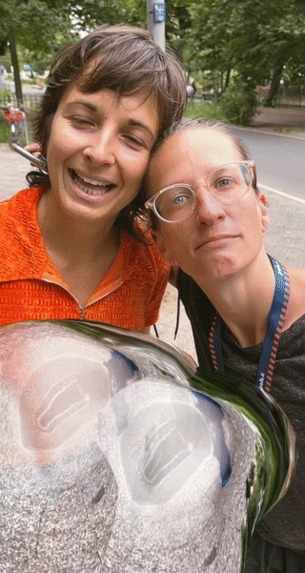 GIF
GIF
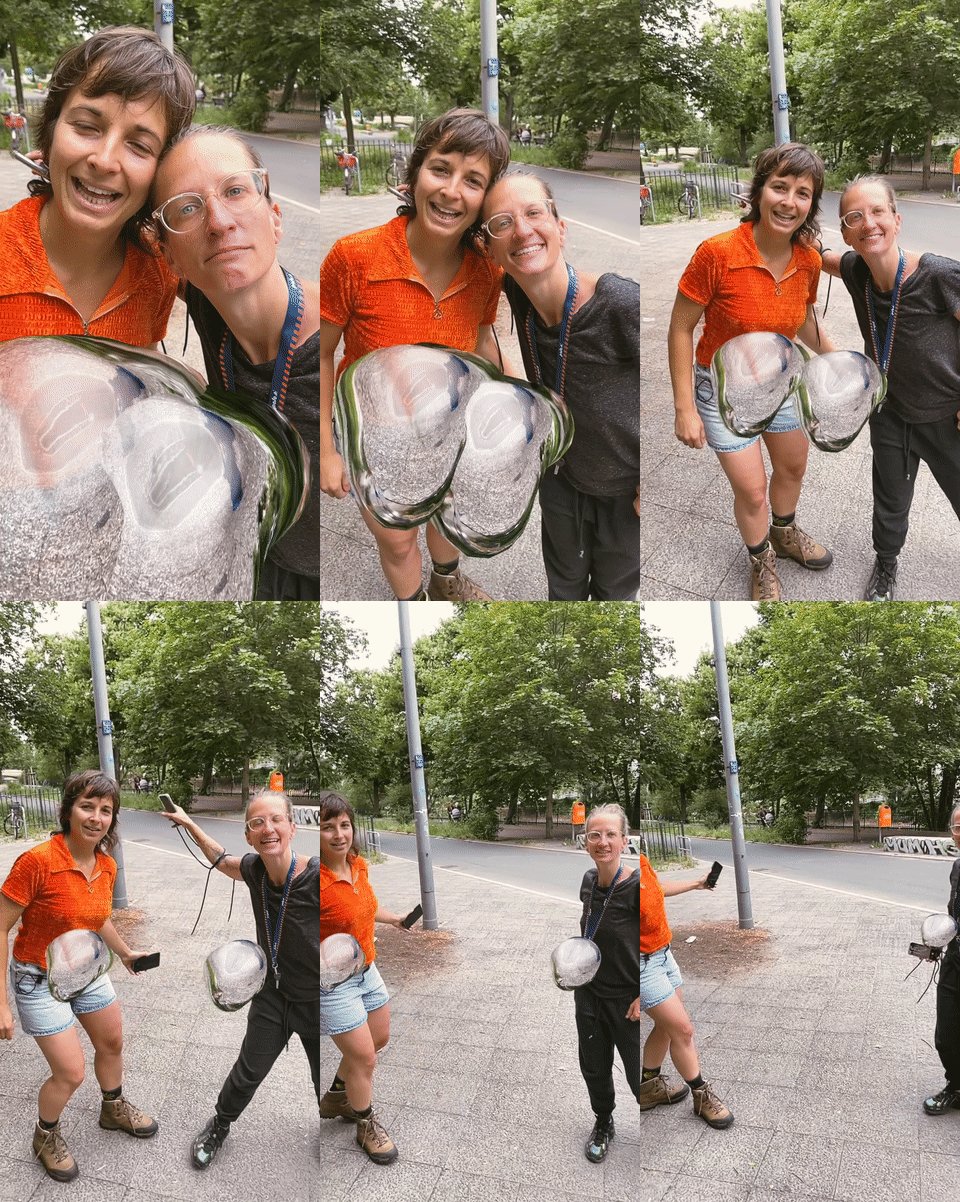
#BubbleOfLife - Water droplets connect people to a social bubble
-
 GIF
GIF
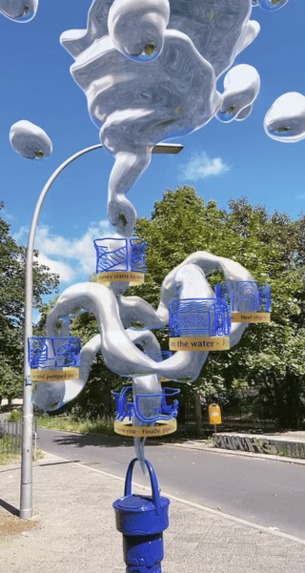
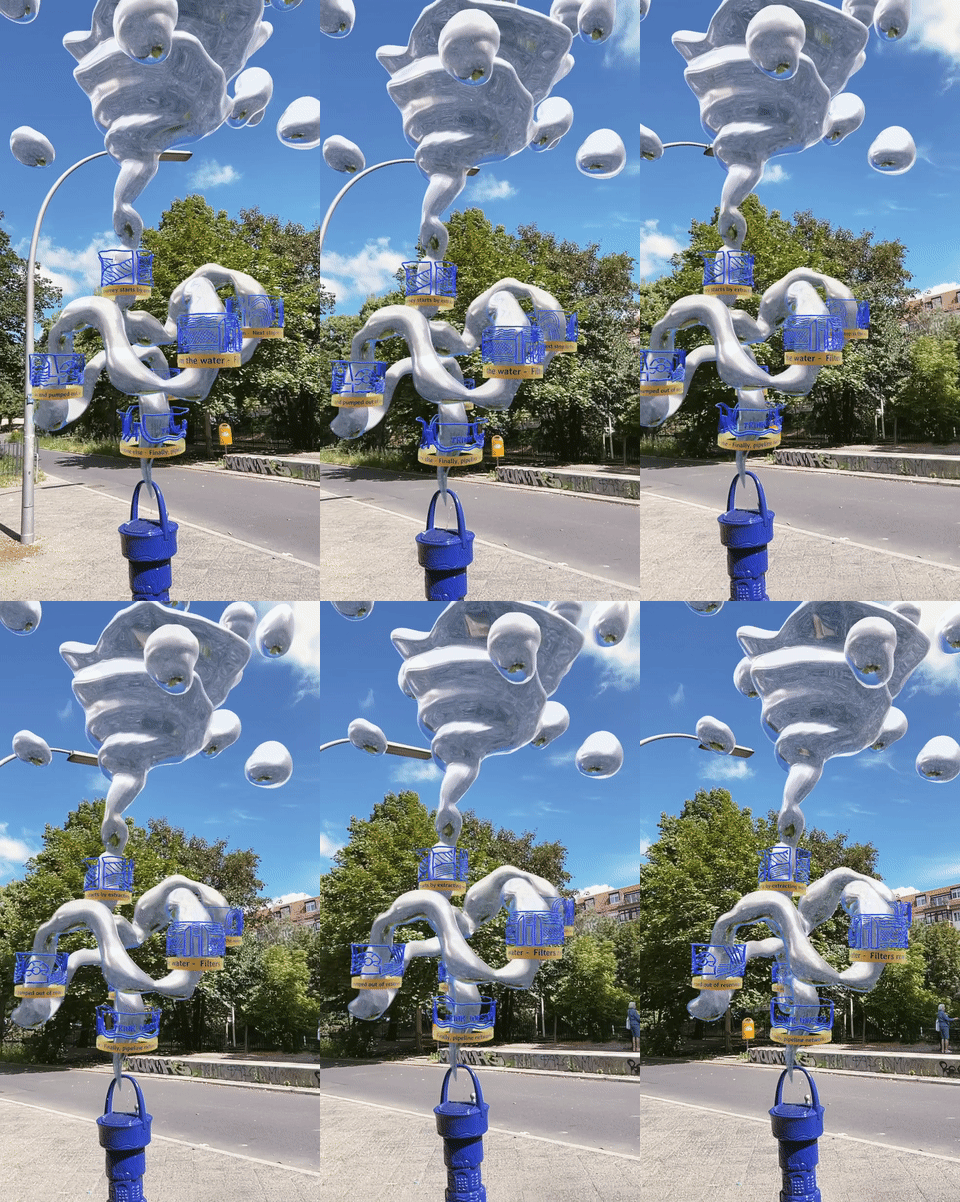
#BubbleOfLife - Full view water stream and depictions
-
 GIF
GIF
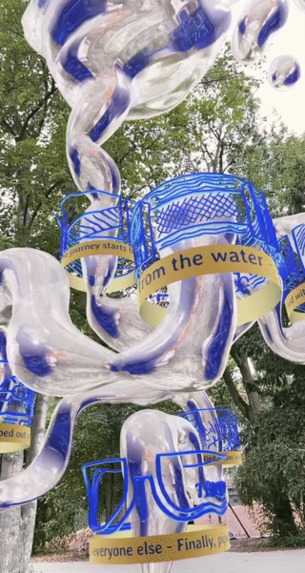
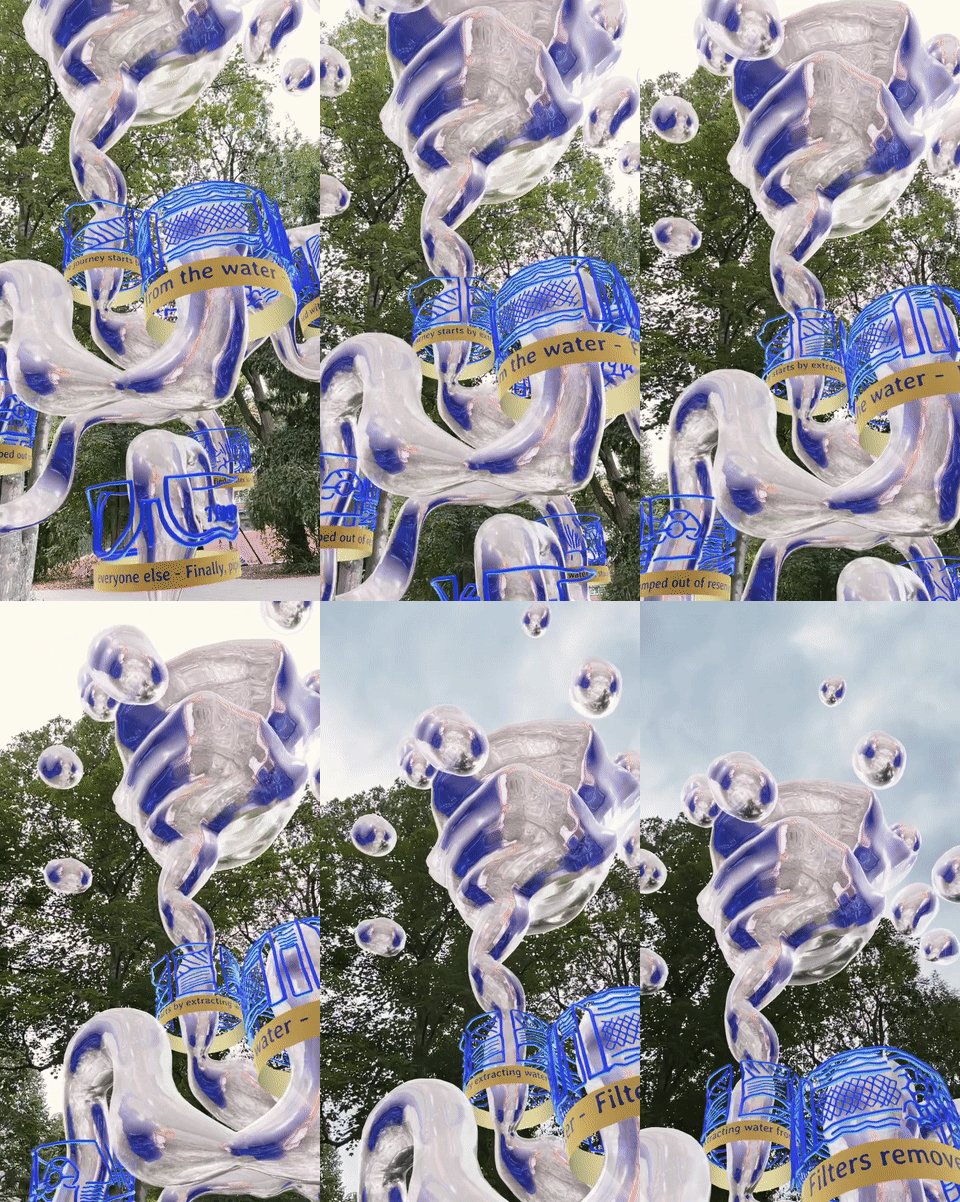
#BubbleOfLife - Close-up of water stream and depictions
-
 GIF
GIF
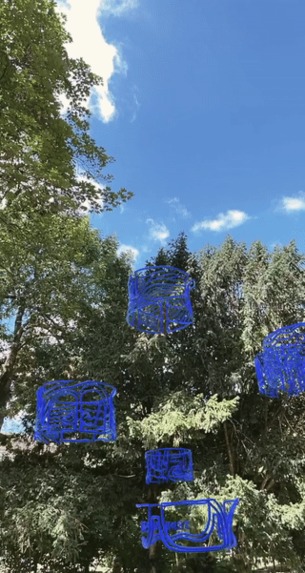
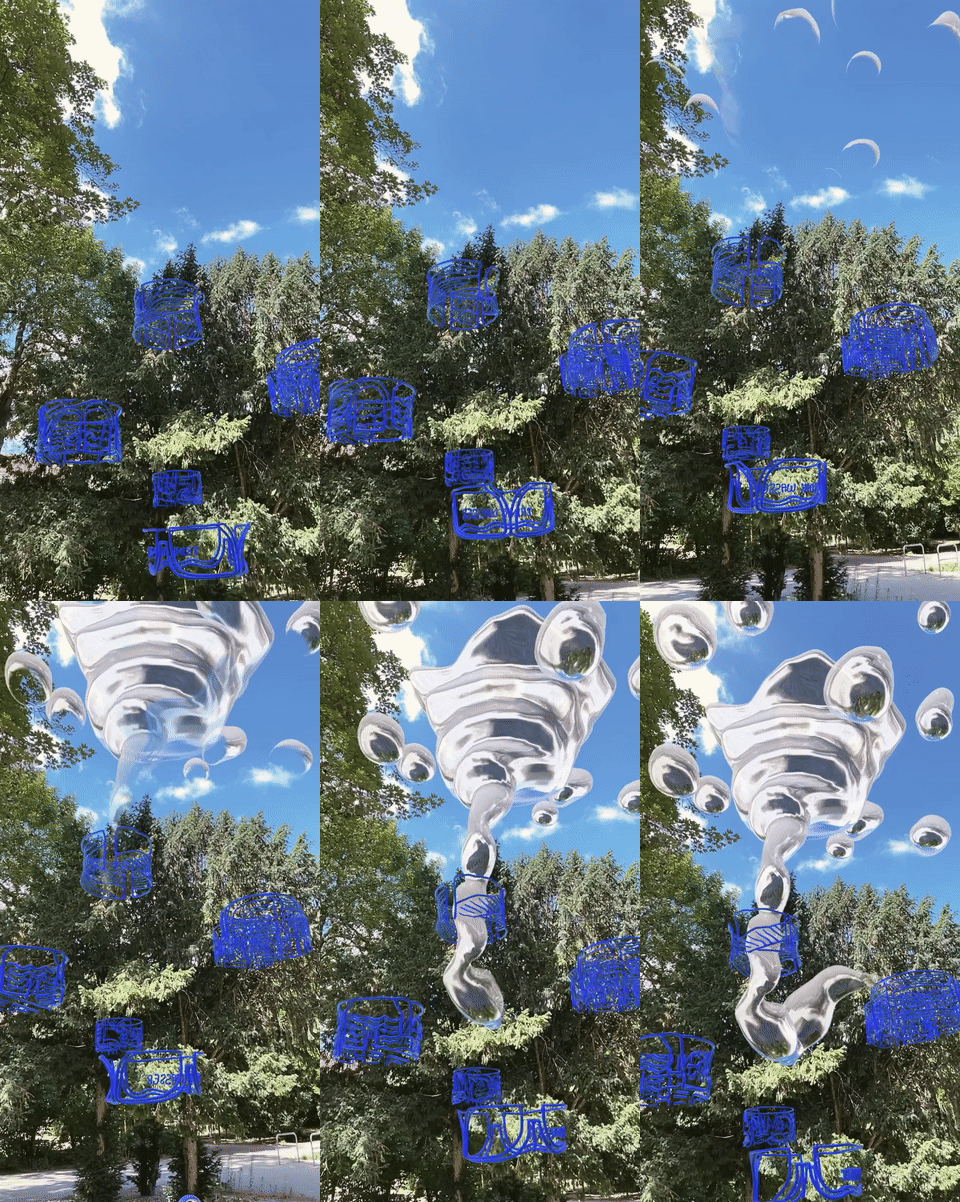
#BubbleOfLife - Water stream winding through the depictions
-
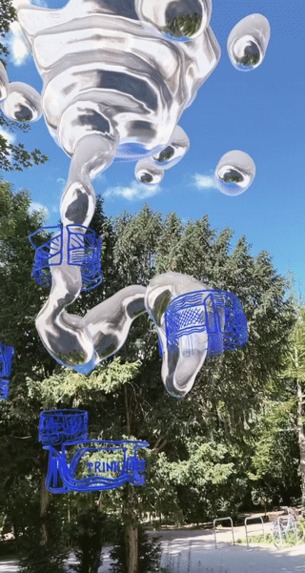 GIF
GIF
#BubbleOfLife - Water stream winding through the depictions II
-
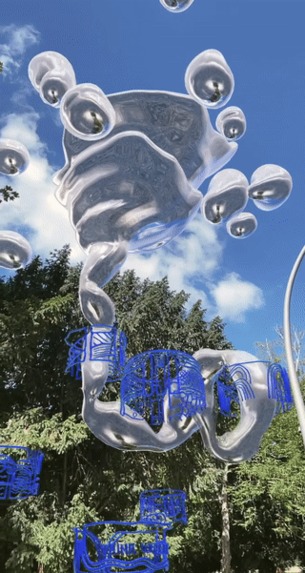 GIF
GIF
#BubbleOfLife - Water stream winding through the depictions III
-
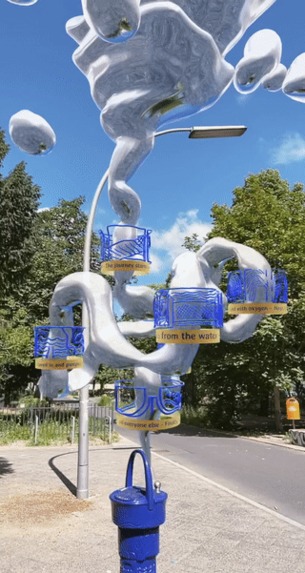 GIF
GIF
#BubbleOfLife - Full view water stream and depictions II
-
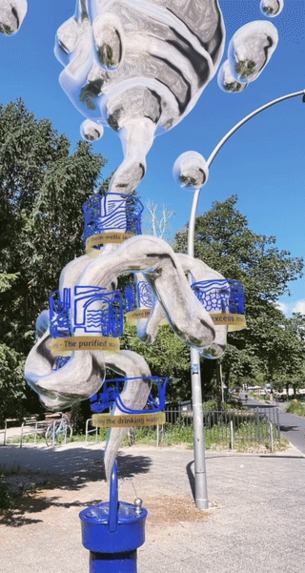 GIF
GIF
#BubbleOfLife - Close-up of water stream and depictions II
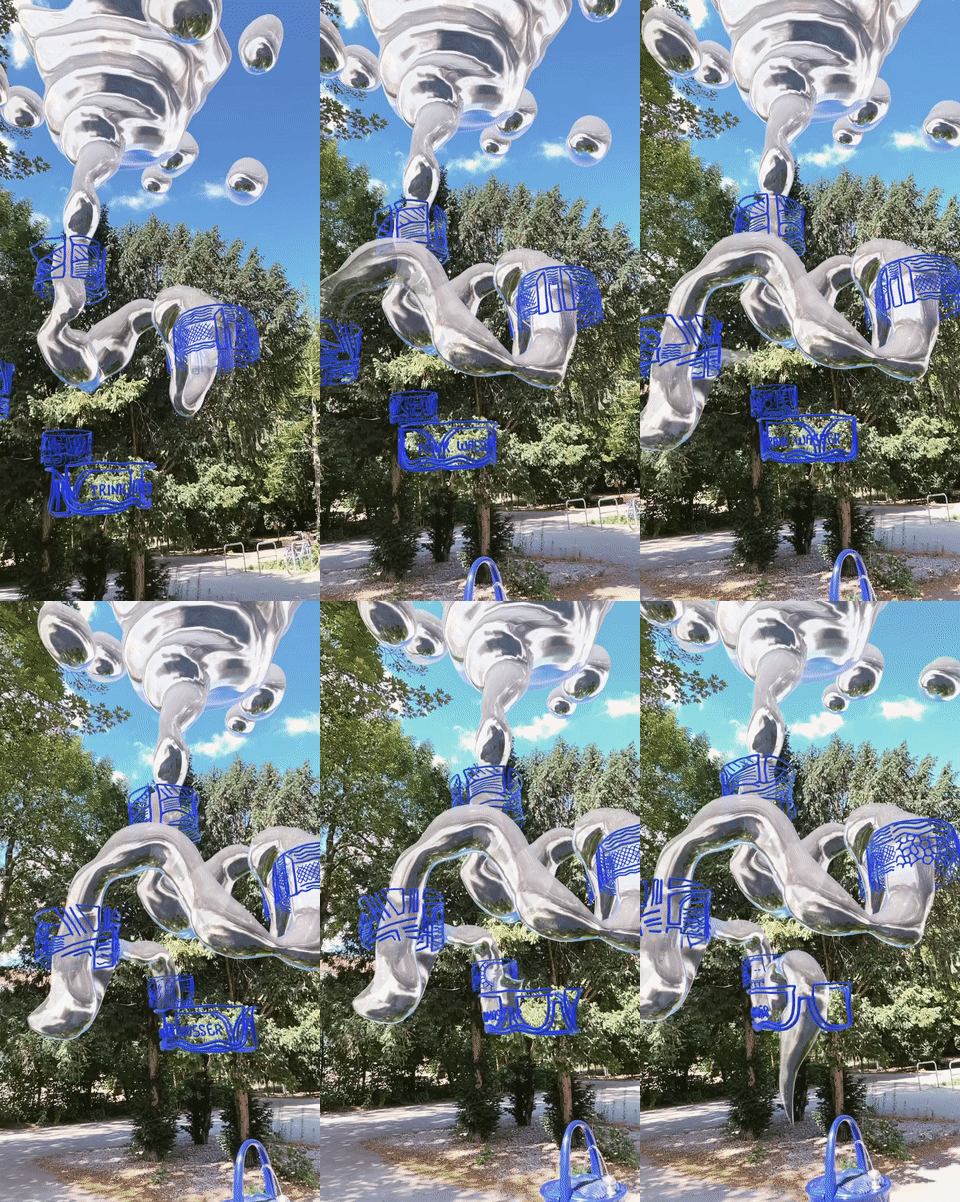
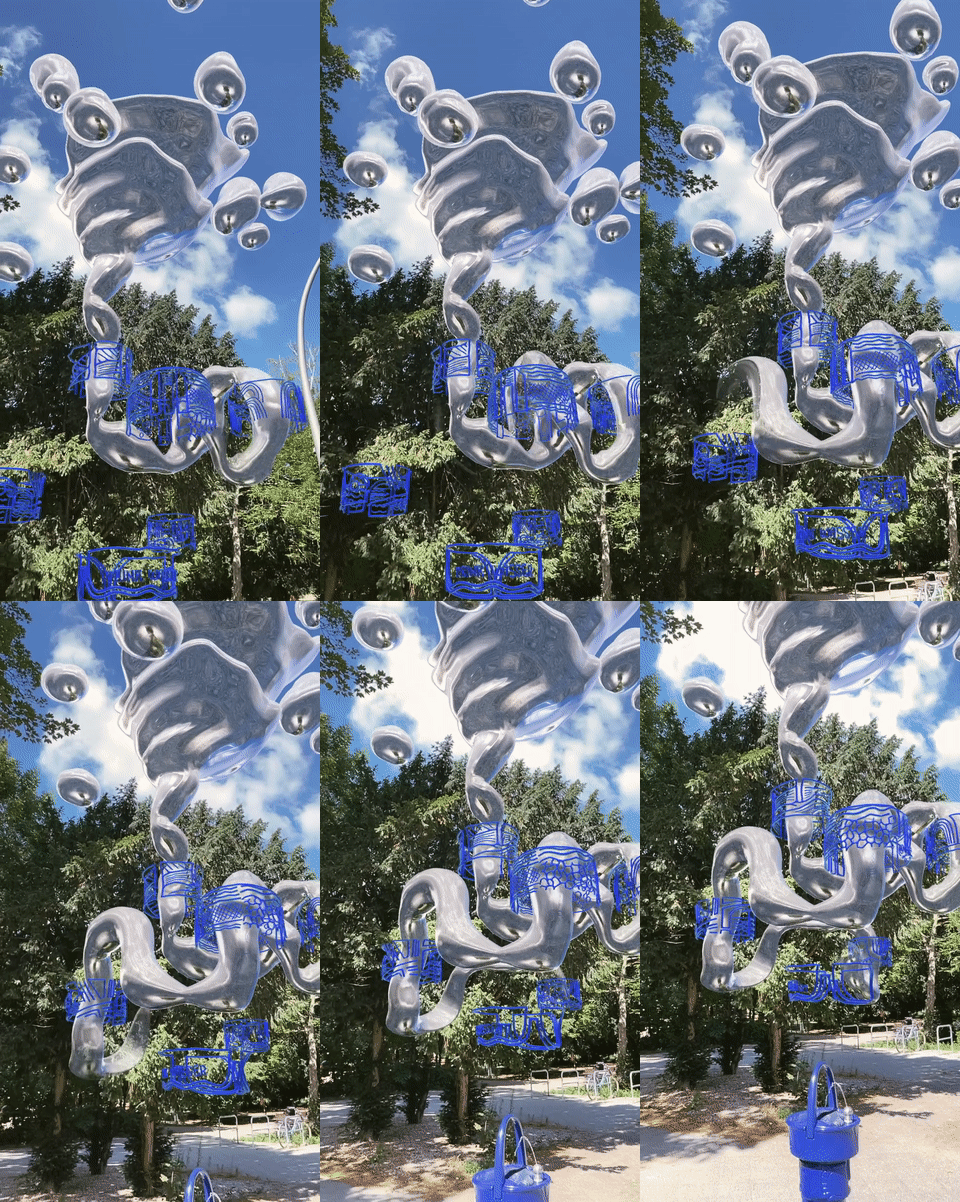
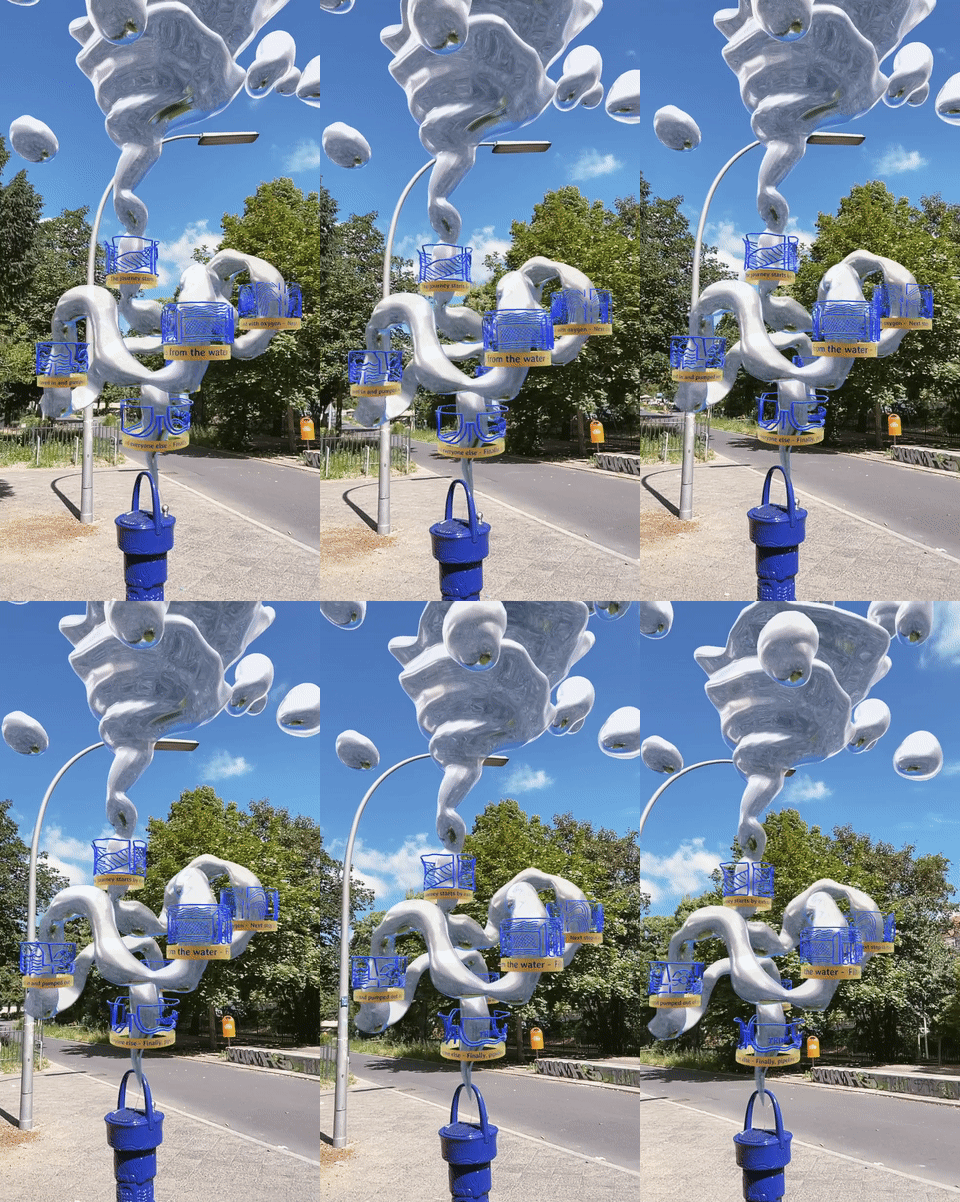
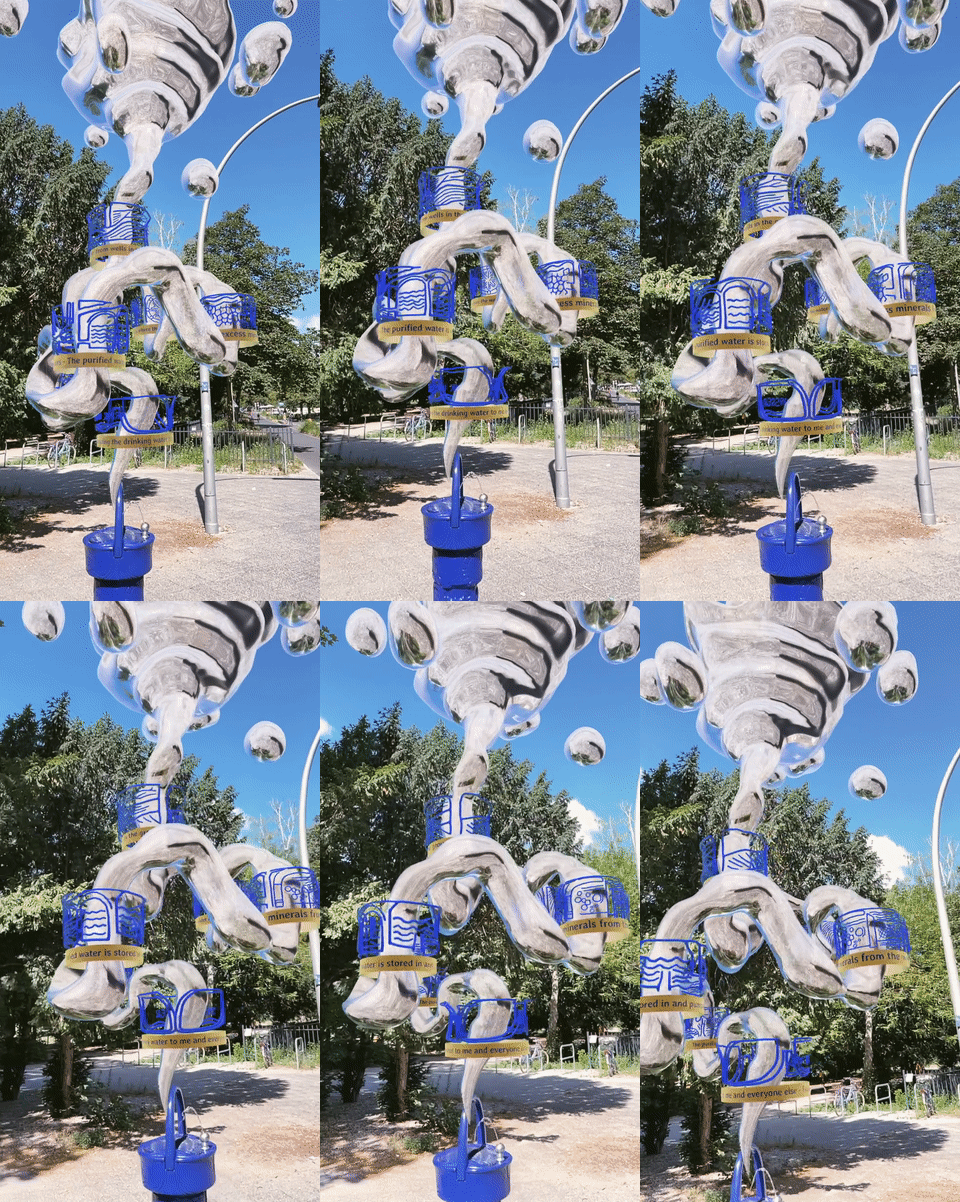
Inspiration
For Bubble Of Life we were inspired by Berlin's public drinking fountains, which are an integral part of the city in summer. The daughter of one of our team members loves them because of their bright blue color and beautiful depictions, which visualize the pathway of water. Whenever they spend time at one of these ‘Kaiser’ fountains, they get into conversation with people. Wanting to experiment with Snap’s Custom Landmarkers, we took inspiration from the fountains for two reasons: first, people didn’t really know what the depictions meant, and second, an educational and aesthetic AR experience could help attract more people and turn the fountains into a bubbly place.
What it does
The main feature for our experience is Snap’s Custom Landmarkers. The depictions on the five pipe sections detach from the fountain and rise into the sky. Text appears under each depiction explaining what stage in the water’s pathway it symbolizes. The depictions and text move continuously and slowly so that everyone has the chance to read and understand them. A sculpture in the form of a flowing stream of water winding through the depiction reinforces the visualization of the path. Additionally, water droplets attach themselves to people standing around the fountain. As soon as they get closer together, the droplets get bigger. This way, our Bubble Of Life lens is both educational and entertaining.
How we built it
First, we created a custom landmarker for the fountain and made a 3D scan of the fountain. Next, we implemented 3D models, materials, and animations of the individual segments and texts as well as the water stream and shader. For the water droplets, we added face tracking so that they attach to people in the area of the landmarker. Additionally, we included sound effects of water dripping and running to add an auditory layer to the experience. Last, we created scripts to control the flow of the lens, animations, sound effects, and size of the water droplets.
Challenges we ran into
Since the fountains are relatively small and detached, it was initially difficult to find the right angles in the landmarker scan to get a good tracking result. Furthermore, we originally used body tracking for the water droplets. Since the fountain was recognized as a body as well though, we used face tracking instead.
Accomplishments that we're proud of
Since the depictions on the fountain are delicate and complex, we are proud of our 3D model and the smooth animation of the individual depictions. Other highlights are the shader of the water stream as well as the growing water droplets that capture the social aspect of the experience.
What we learned
This is the first time we have created a Custom Landmarker, learning about its possibilities and restrictions. For example, a larger object that cannot be scanned from all sides is currently more suitable as a landmarker to facilitate tracking. We also learned how to animate the water sculpture and control the size of the water droplets by script.
What's next for Bubble Of Life
Our vision is to scan all the 'Kaiser' fountains by Berlin Wasserbetriebe (BWB) to make the experience accessible all over the city (and beyond). To facilitate this process, it would be great to have a machine learning model that recognizes the fountains directly by scan. This way, we wouldn’t have to create a landmarker for each individual fountain, but one scan would work for the same objects.
Built With
- blender
- javascript
- photoshop
- scaniverse


Log in or sign up for Devpost to join the conversation.