-
-
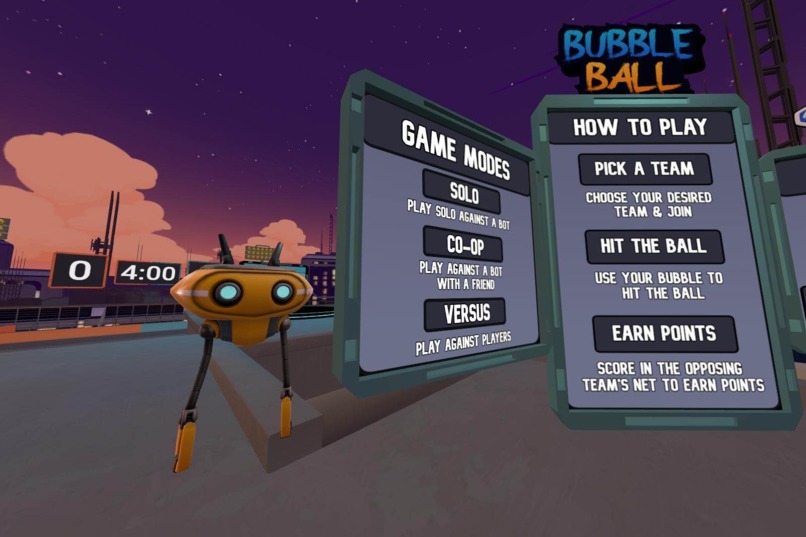
Welcome to the world
-
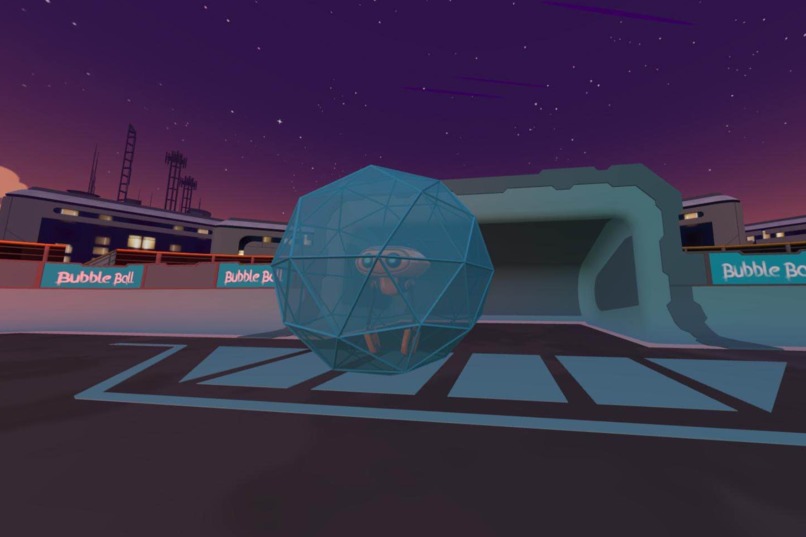
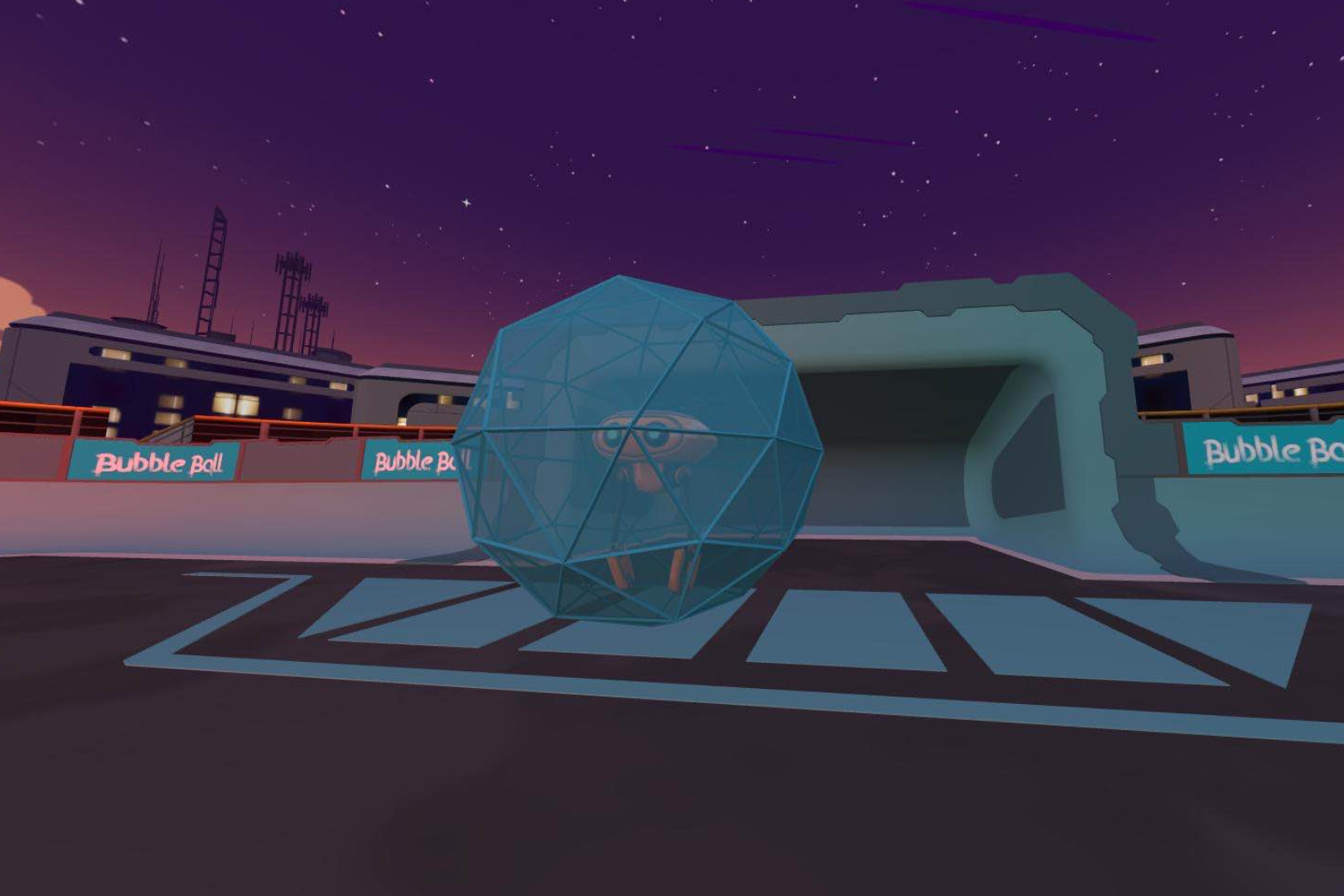
Bubble Bot is ready to play!
-
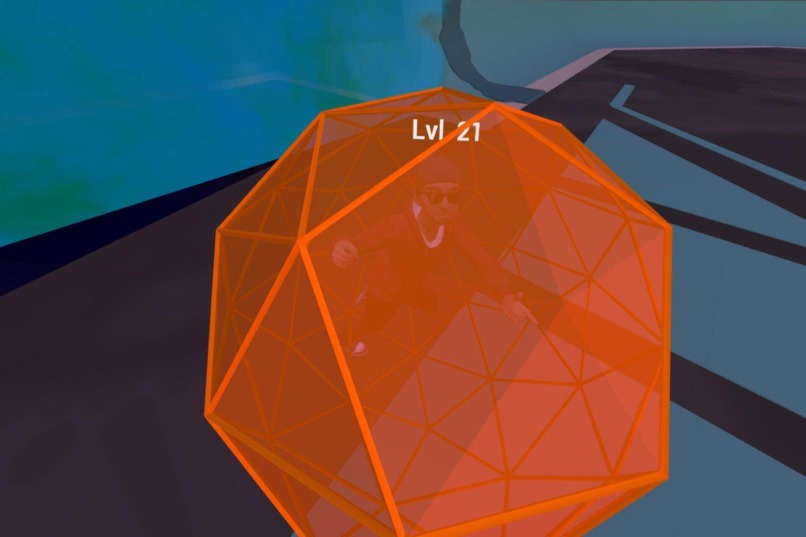
Goal!
-
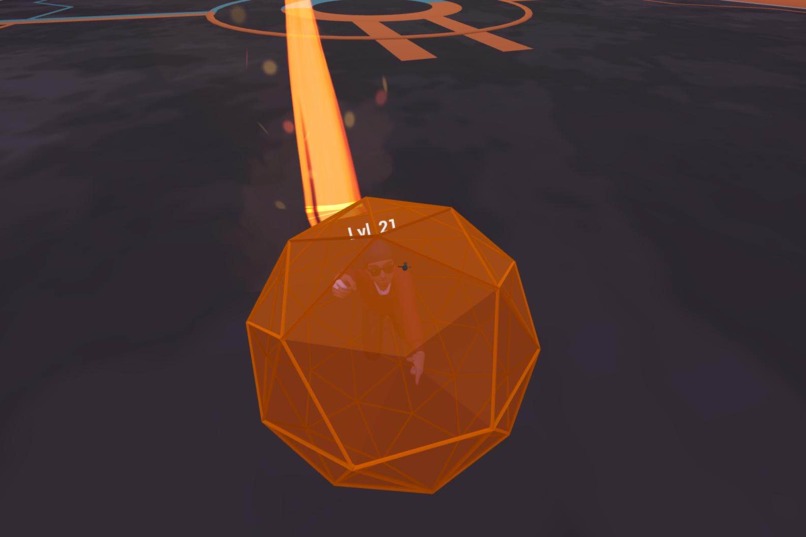
Dashing away!
-
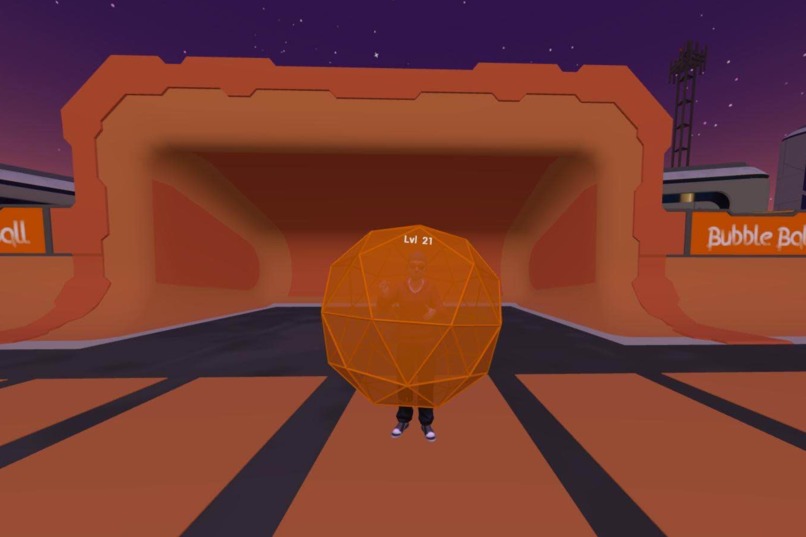
Ready to defend the goal!
Inspiration
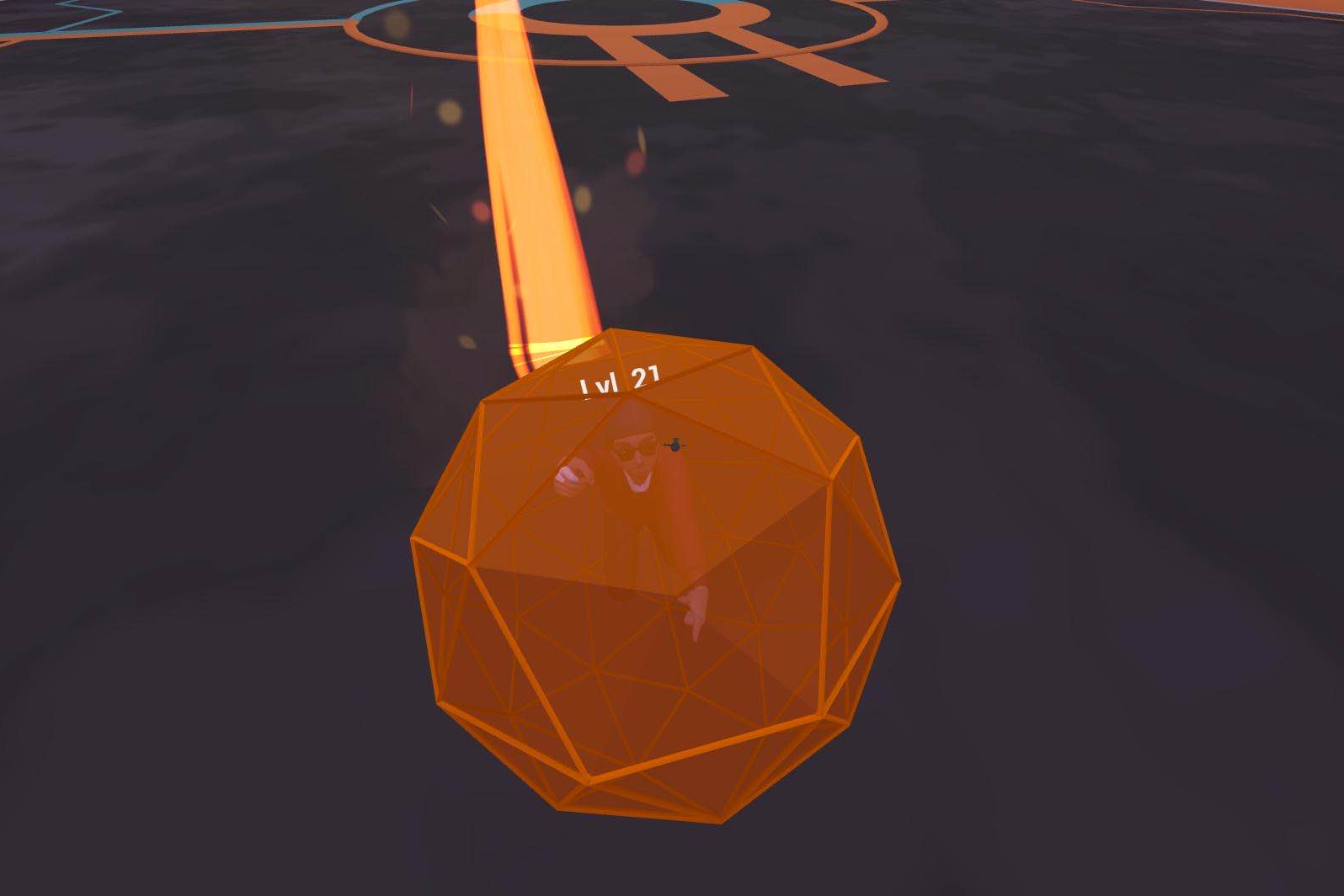
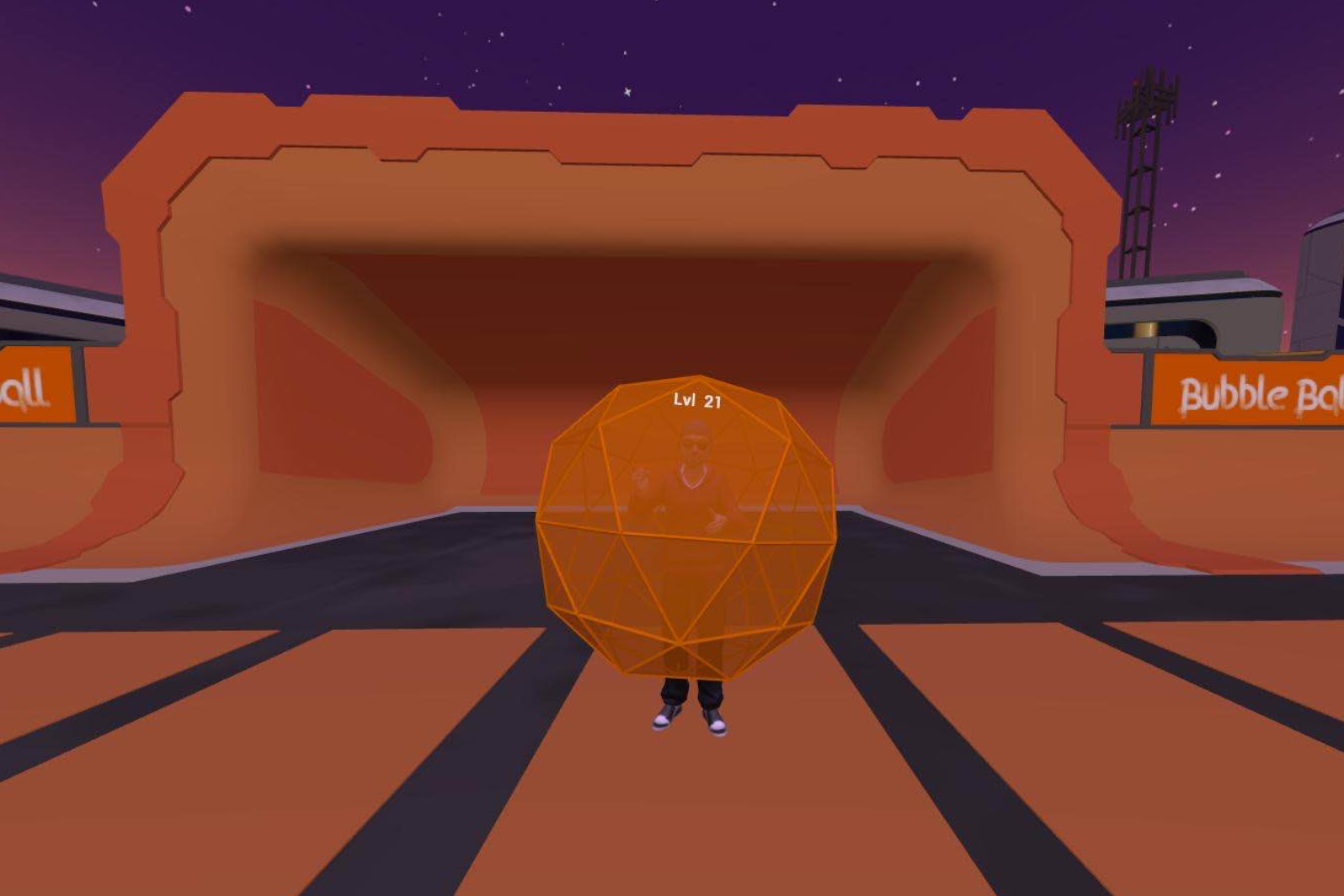
I was inspired to create Bubble Ball because of my love for sports games and the fact that there aren’t enough sports games on the platform. I wanted to create a game that could be enjoyed across multiple platforms, including mobile, desktop, and VR, while delivering a consistent and fun experience. The idea was to create a game that anyone could jump into and have fun, whether playing solo or against others. The concept of using bubbles as the main mechanic for hitting the ball in a zorb soccer-style game was a unique twist that added both challenge and excitement.
What it does
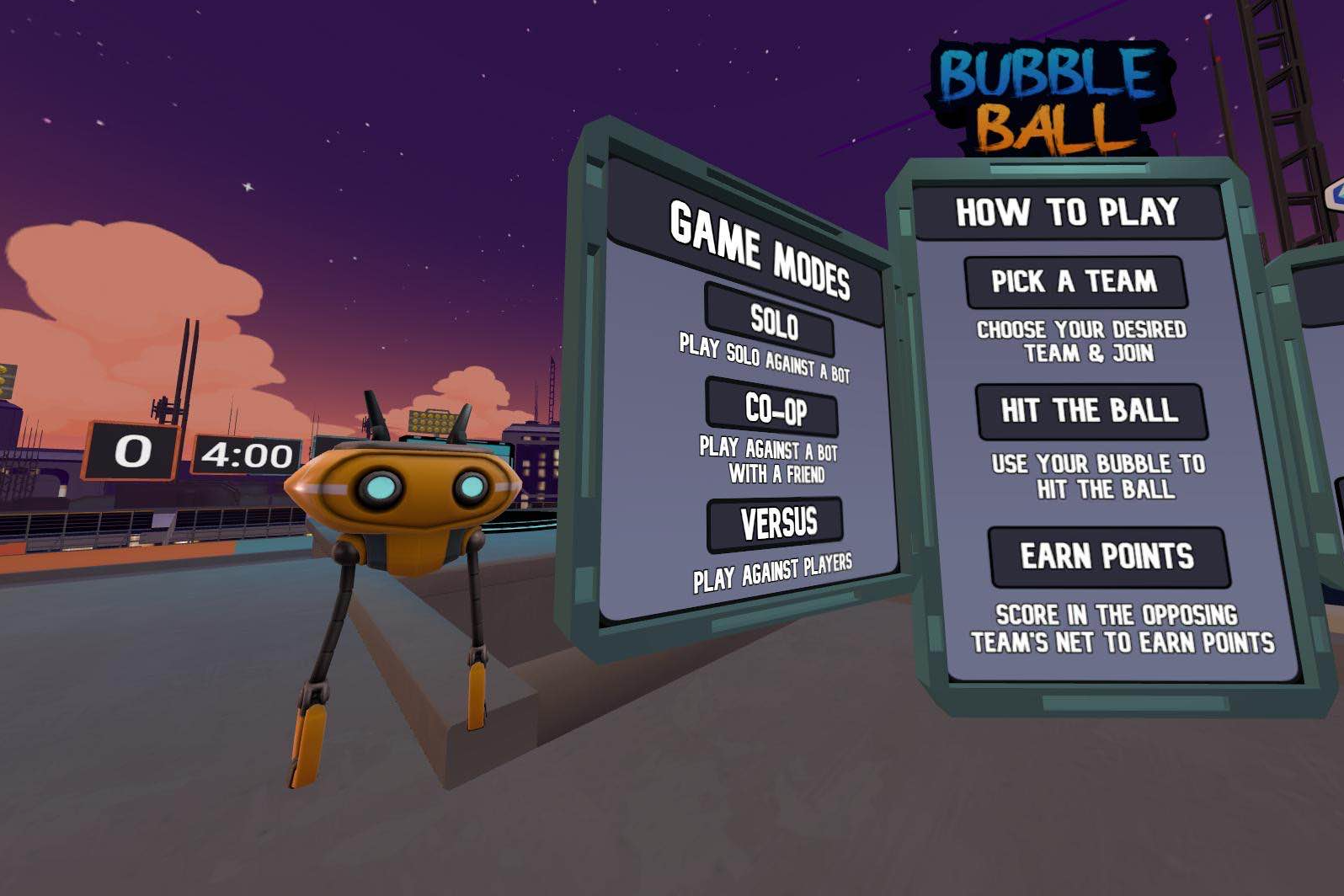
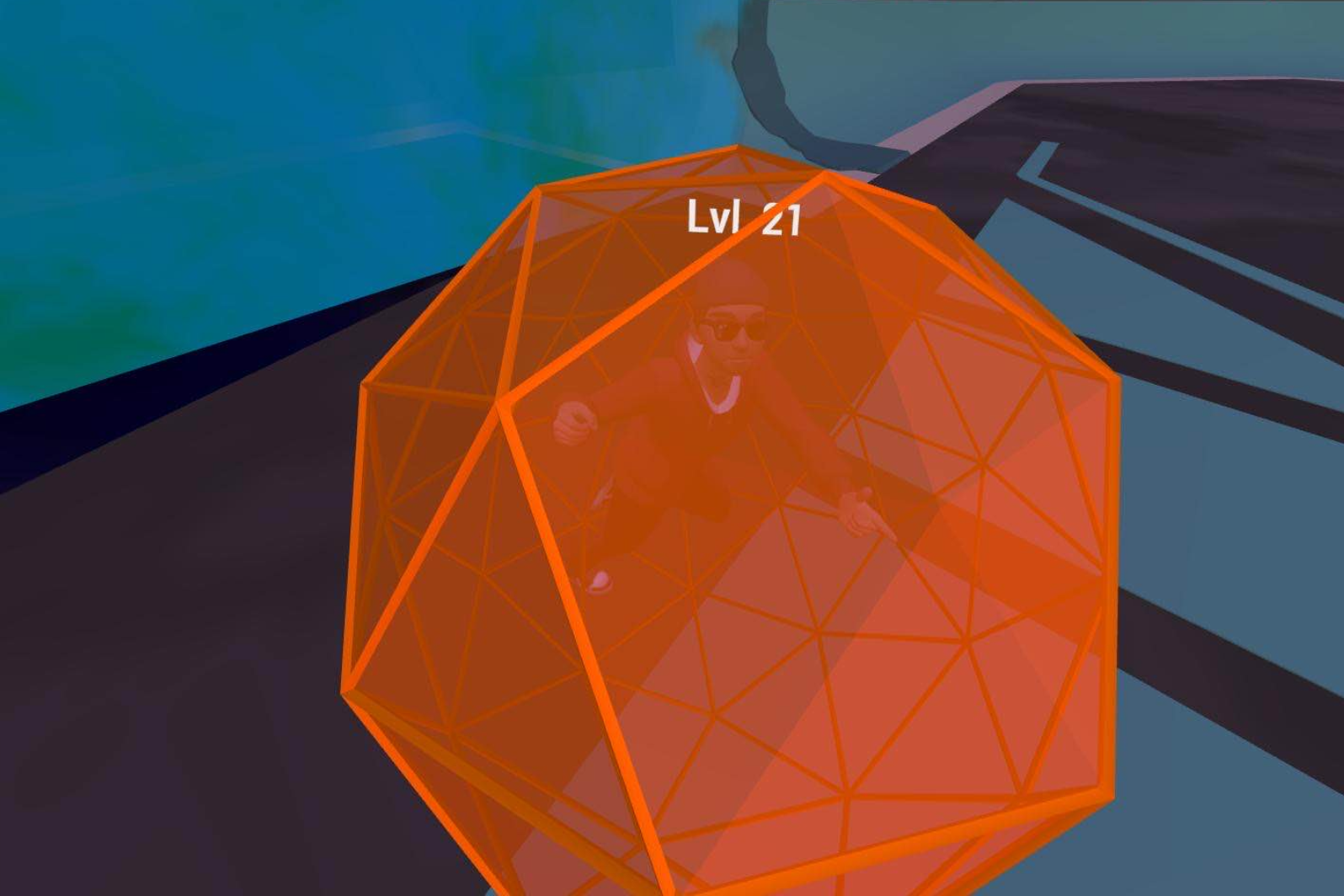
Bubble Ball is a fast-paced zorb soccer-style game where players control their bubble-like spheres to hit a ball and score points in the opponent's goal. The game offers three modes: solo, cooperative, and versus. In solo mode, players face off against AI bots, while in multiplayer, they can either team up with friends or compete against each other. The game provides a fun and challenging experience on mobile, desktop, and VR, ensuring an exciting time no matter the platform. Its simple yet engaging mechanics make it perfect for quick, casual play sessions.
How we built it
Bubble Ball was developed using Horizon Worlds, with 3D models created in Blender. The game was designed to be accessible across VR and mobile devices, ensuring an equal experience for all players regardless of their platform. The core gameplay mechanics were implemented using Horizon Worlds' CodeBlocks system, which allowed for interactive gameplay, ball physics, and AI bot behavior. A key focus was creating an easy-to-pick-up game that was both simple in design and challenging in execution, making sure that players could jump in and enjoy it anytime. The blending of the code and models in Horizon Worlds made it possible to realize the vision of a fun, interactive, and dynamic game.
Challenges we ran into
During the development of Bubble Ball, I encountered several challenges, particularly with Horizon Worlds’ collision system. One significant issue occurred when a player collided with the ball. If another player made contact with the ball it would momentarily freeze for a very short period. To resolve this I used events and collision ownership which allowed the ball to be smoothly passed between players without any freezing. Another major challenge was creating a bot player to compete against. As it was my first time implementing AI for a game, it required a lot of trial and error. Additionally, 3D modeling was a completely new experience for me. Though it was a steep learning curve, I’m pleased with the results.
Accomplishments that we're proud of
I’m proud of learning 3D modeling in Blender and creating custom models for the game. Implementing an AI bot player was another key accomplishment, despite the challenges. Developing Bubble Ball in a short time, while ensuring it works well across mobile and VR platforms, has been very rewarding.
What we learned
I learned a great deal about 3D modeling, including how to create models in Blender. I also gained experience coding bots, particularly in creating their movement and orbiting behaviors around the ball. Developing a game that works seamlessly across mobile and VR taught me how to adapt gameplay and code to work on different platforms.
What's next for Bubble Ball
The next step for Bubble Ball is to introduce dynamic arenas that change throughout the match. New obstacles and power-ups will appear, keeping the gameplay fresh and challenging, ensuring an ever-evolving experience for players.
Built With
- blender
- horizon


Log in or sign up for Devpost to join the conversation.