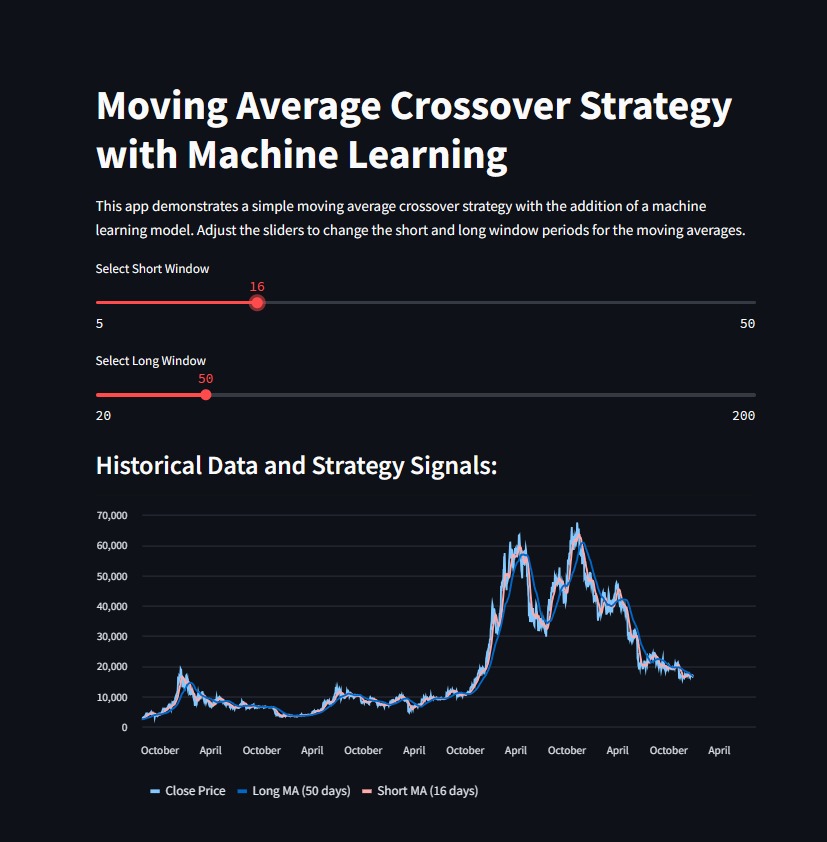
The heart of this research lies in strategy design, where participants are challenged to create algorithmic trading strategies leveraging statistical and mathematical models. Strategies may encompass various approaches such as trend-following, mean-reversion, momentum-centric, machine learning, or a combination of these quantitative methodologies. The goal is to craft strategies that can adapt to the unique characteristics of the BTC/USDT market, demonstrating an ability to generate returns in both bullish and bearish market conditions.
Following strategy design, a crucial step is the implementation and thorough backtesting of the strategies. Historical data is employed to simulate the performance of the algorithms, with due consideration given to transaction costs and slippage. A transaction cost rate of 0.15 percent per transaction is factored into the simulations to provide a realistic assessment of the strategies' viability in a real-world trading scenario.
Risk management is of paramount importance in algorithmic trading, especially in the highly volatile cryptocurrency market. Participants are tasked with developing risk management rules and mechanisms specifically tailored to the BTC/USDT market. The aim is to protect capital and minimize drawdowns, ensuring that the algorithms can navigate market uncertainties without incurring substantial losses.
In the optimization phase, participants are challenged to fine-tune their strategies based on the insights gleaned from backtesting results. This may involve adjusting parameters, refining rules, and incorporating lessons learned during the testing process. The overarching objective is to maximize returns while maintaining acceptable risk levels, striking a delicate balance that is crucial for sustained success in algorithmic trading.
Built With
- kera
- numpy
- pandas
- python
- scikit-learn
- scipy
- streamlit

Log in or sign up for Devpost to join the conversation.