Inspiration
We noticed that many friend groups struggle to manage shared finances and group purchases fairly. Traditional payment apps don't handle the complexity of rotating lending, group accountability, and transparent ledger tracking. We wanted to create a solution that makes it easy for friends to lend to each other, purchase together as a group, and maintain trust through automatic financial record-keeping.
What it does
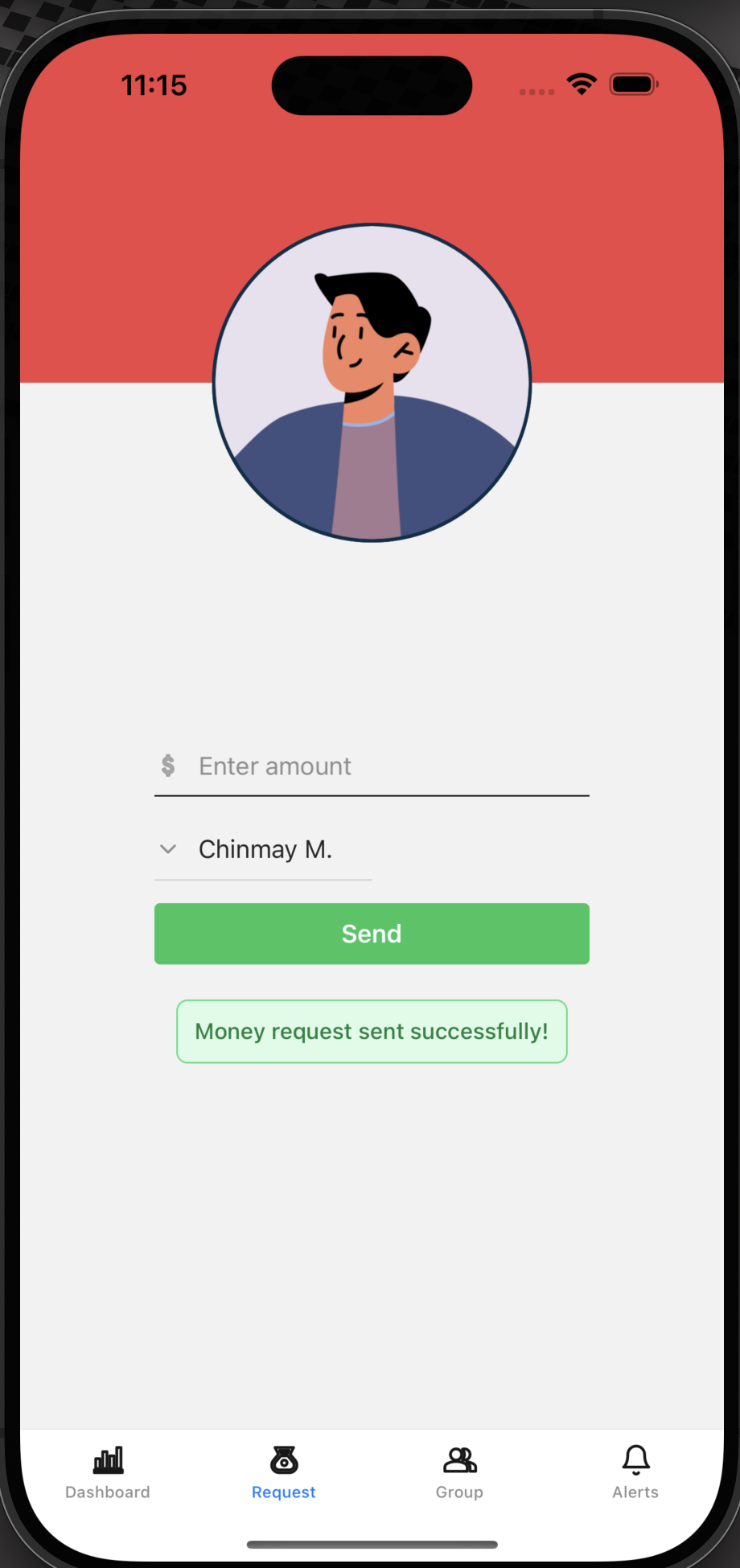
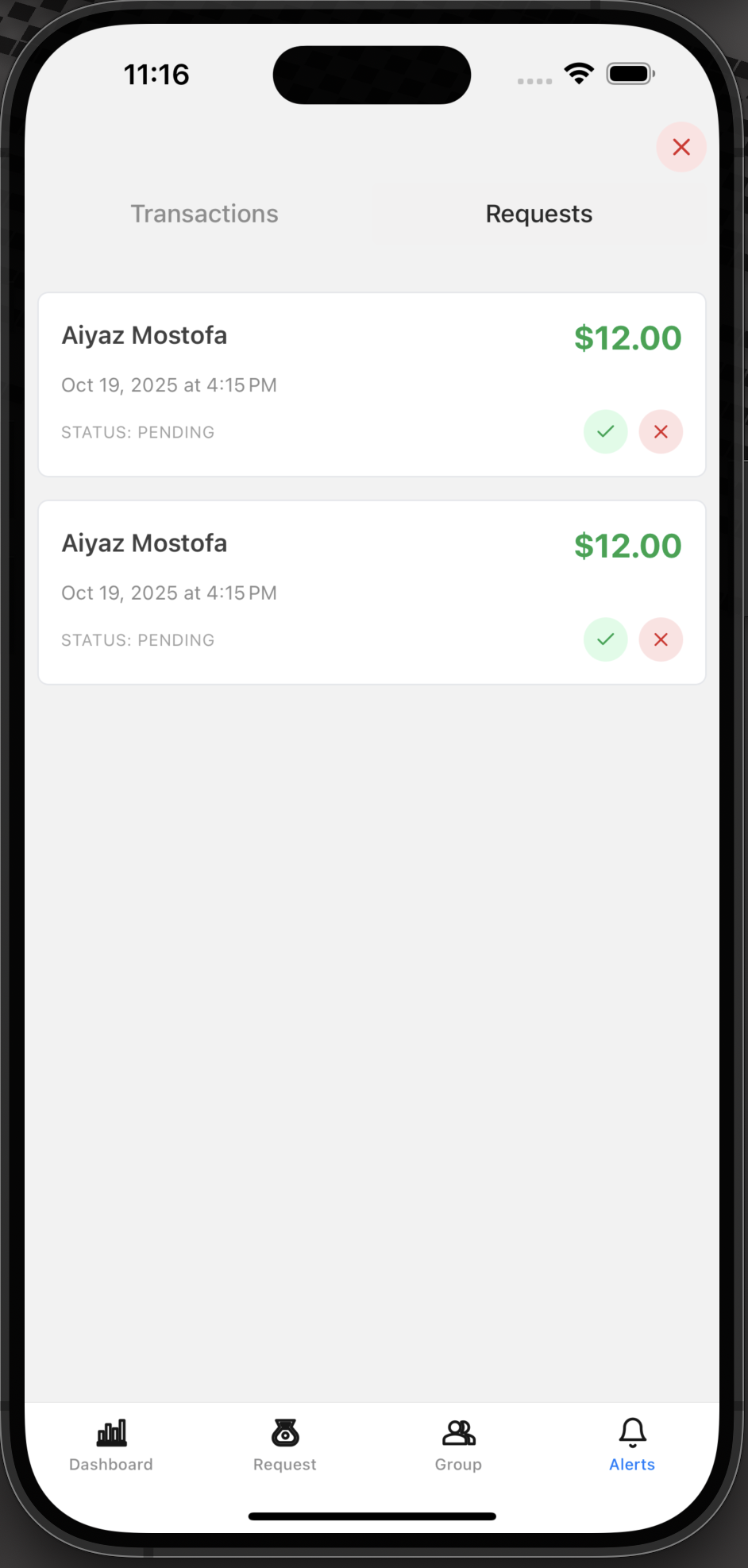
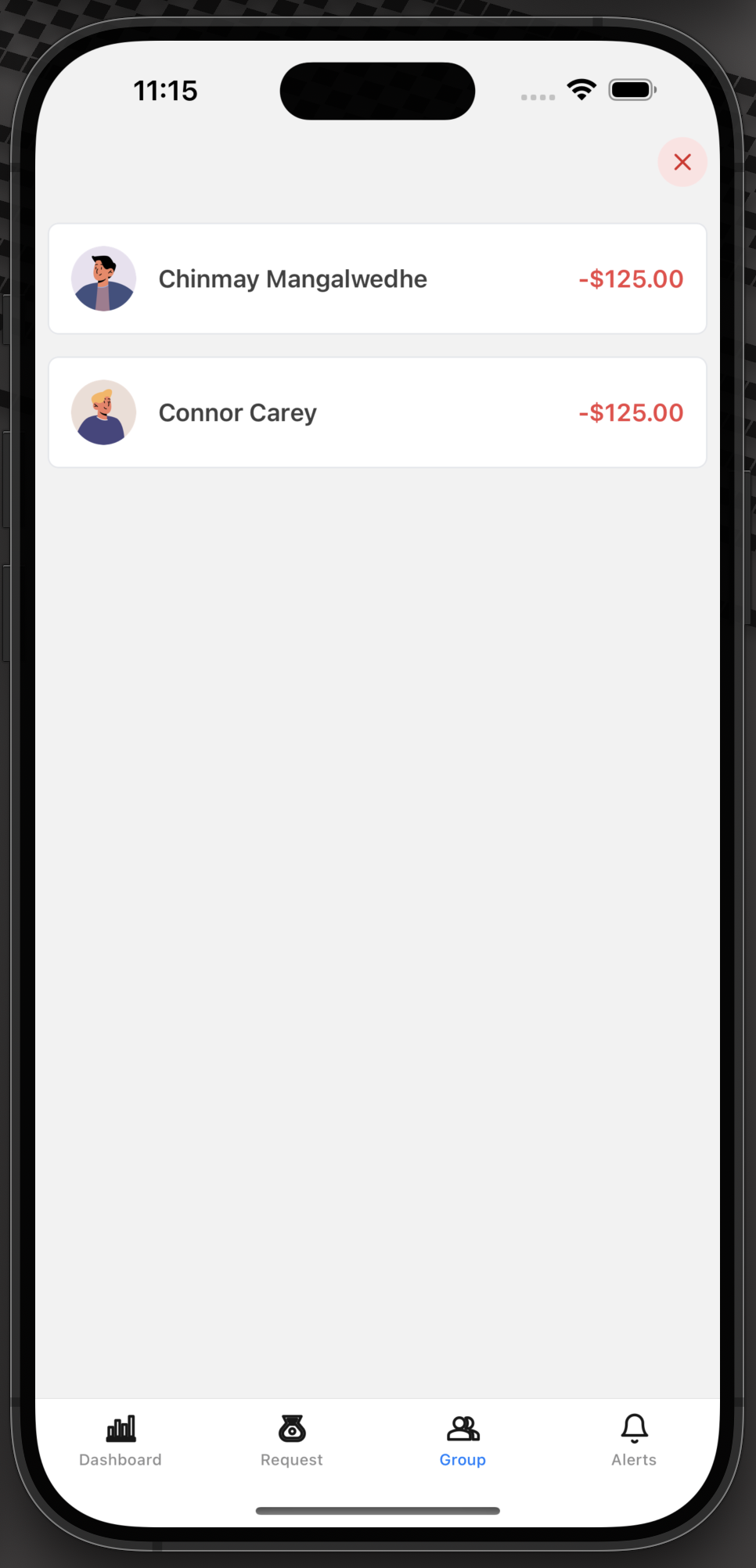
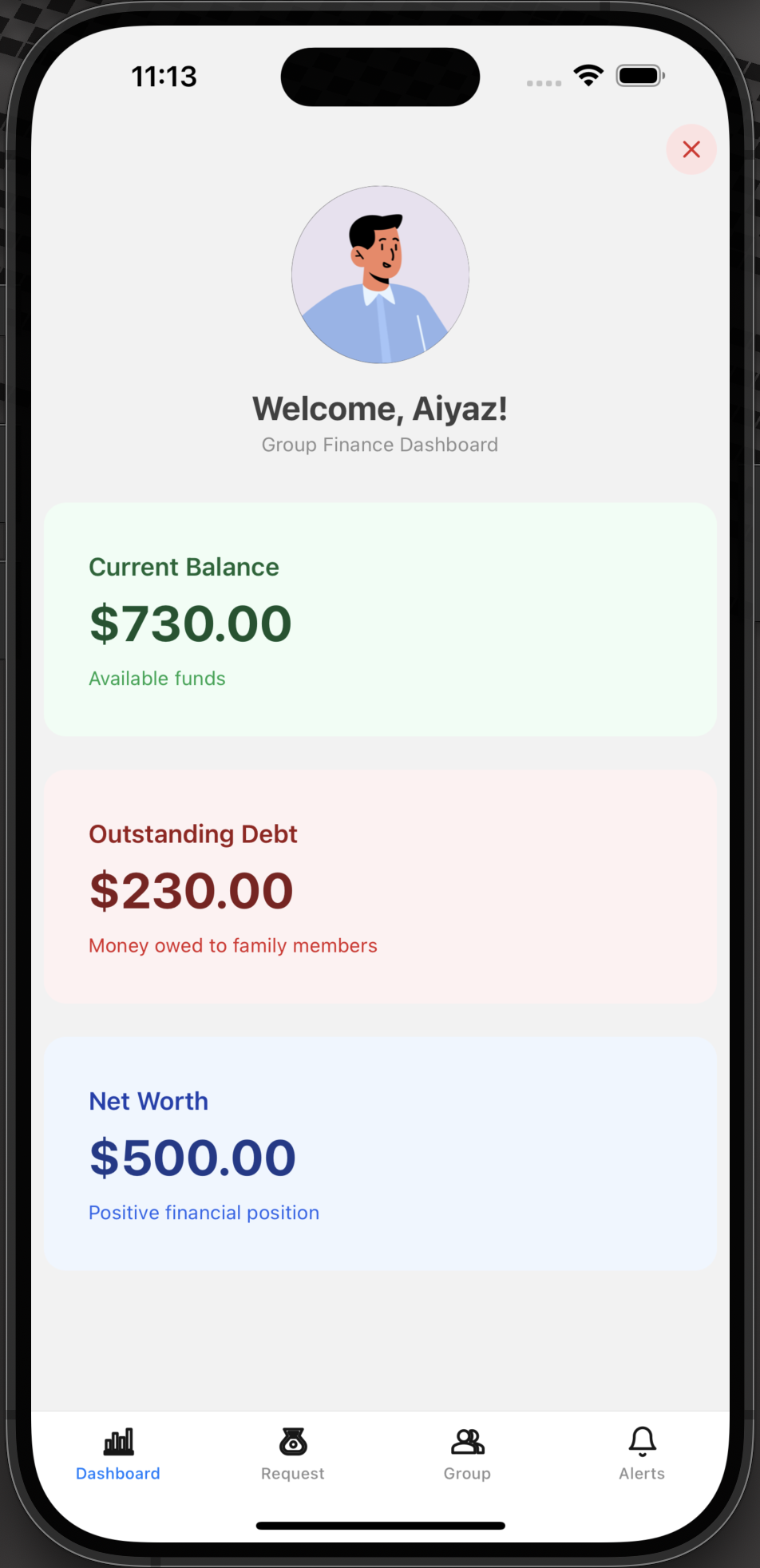
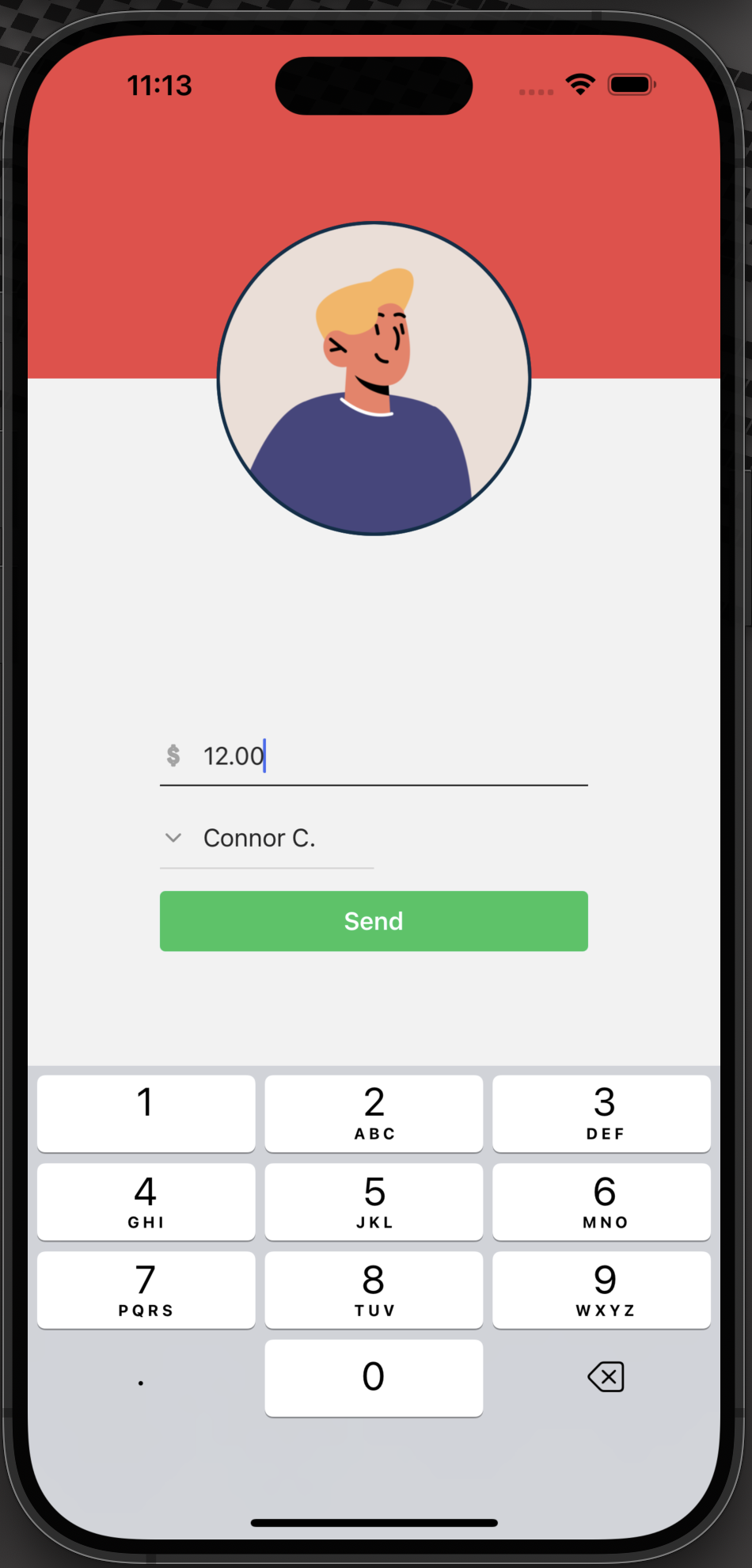
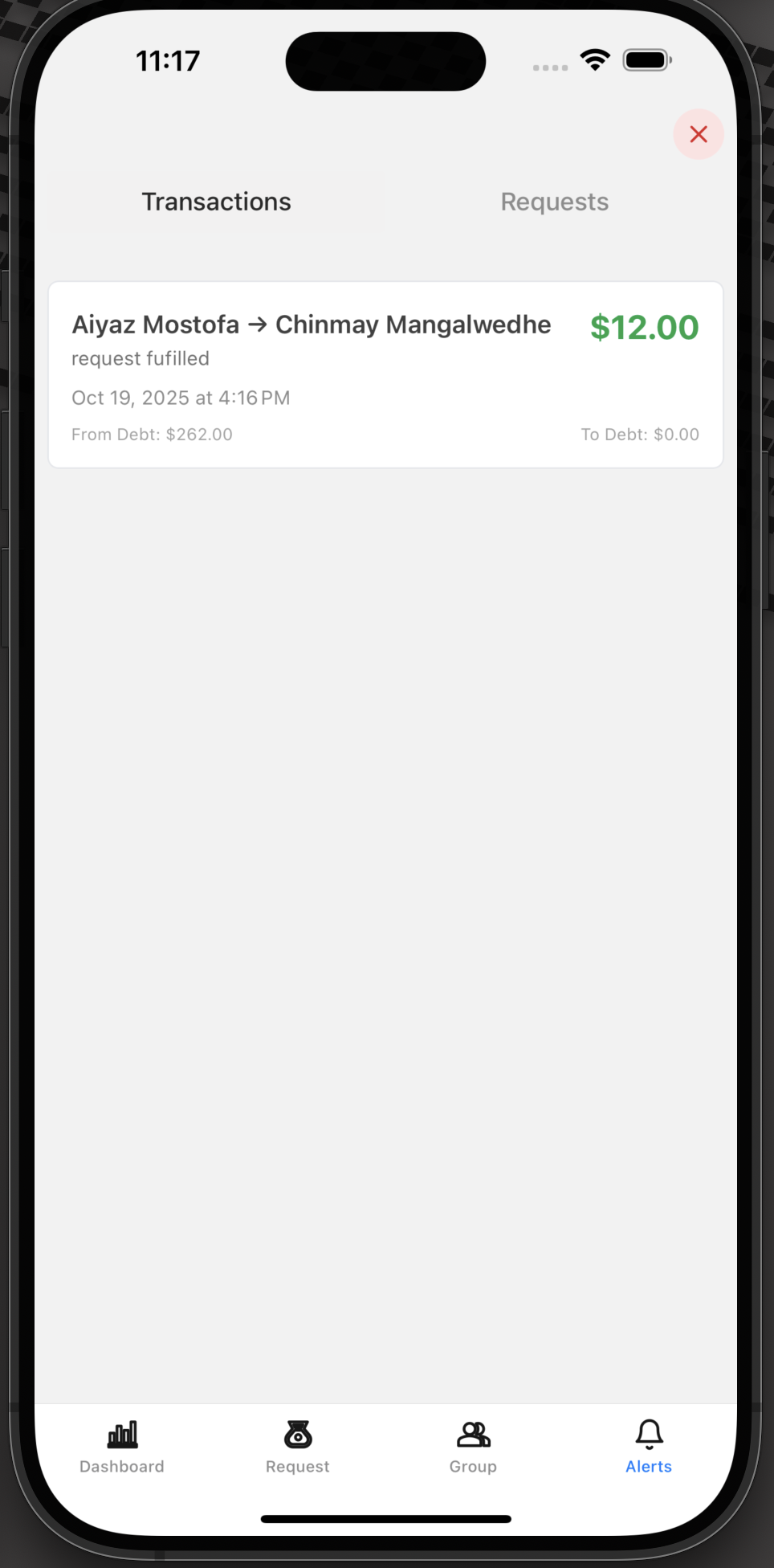
Cap 360 is a peer-to-peer lending that enables users to join financial circles with friends. Members can lend money to each other within their group, make purchases from merchants, and automatically track all transactions through an integrated ledger system if one person owes money to another person. The app ensures financial responsibility by maintaining clear records of who owes whom and preventing disputes over shared expenses.
How we built it
We developed Cap 360 with a modern tech stack: Python and FastAPI power our robust backend, handling all transaction logic, ledger management, and API integrations. For the frontend, we used React Native with Expo to create a cross-platform mobile app that provides a seamless user experience on both iOS and Android. The Nessie API serves as our core banking infrastructure, enabling secure account verification and real transaction processing for our P2P lending system.
Challenges we ran into
We had to run a NoSQL database to enhance scalability and flexibility. Instead of locking into pre-existing standard, we were to completely have control on how the database handles data and work synchronously with our Python in-house data models. Additionally, figuring out a method to effectively facilitate P2P lending was a tough feat for us. Since we know that lending money could go beyond just a P2P transfer such as just transferring money, requesting money to other users, and purchasing goods, we took a while to deduce the right approach.
Accomplishments that we're proud of
Two-thirds of our team were first time hackers, so it was definitely a fun and exhilarating experience! We came in with no experience and knowledge of building a working application within 24 hours and bringing together a lot of moving parts into one whole machine.
What we learned
We learned about the FastAPI and its practicality in building APIs in a quick manner, also allowing auto- documentation generation and testing POST and GET requests on the documentation page. Additionally, we learned about the Expo framework with React-Native which allowed to seamlessly integrate our FastAPI backend requests to the frontend rendering.
What's next for CAP360
We know that even though we built CAP360 today, there is a lot of potential for it in the future. For example, we would like to implement a community credit score to be an incentive to be more financially responsible and allow for groups to contribute to events together (pitching in for a group trip, etc).
Built With
- fastapi
- python
- react-native


Log in or sign up for Devpost to join the conversation.