-
-
-
-
-
-
-
-
-
-
-
-
-
-
-
-
-
-
-
-
-
-
-
-
-
-
-
-
-
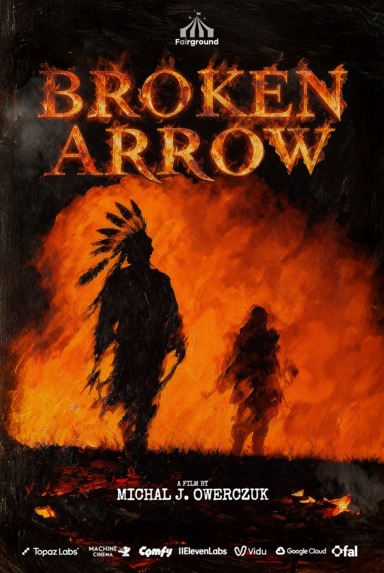
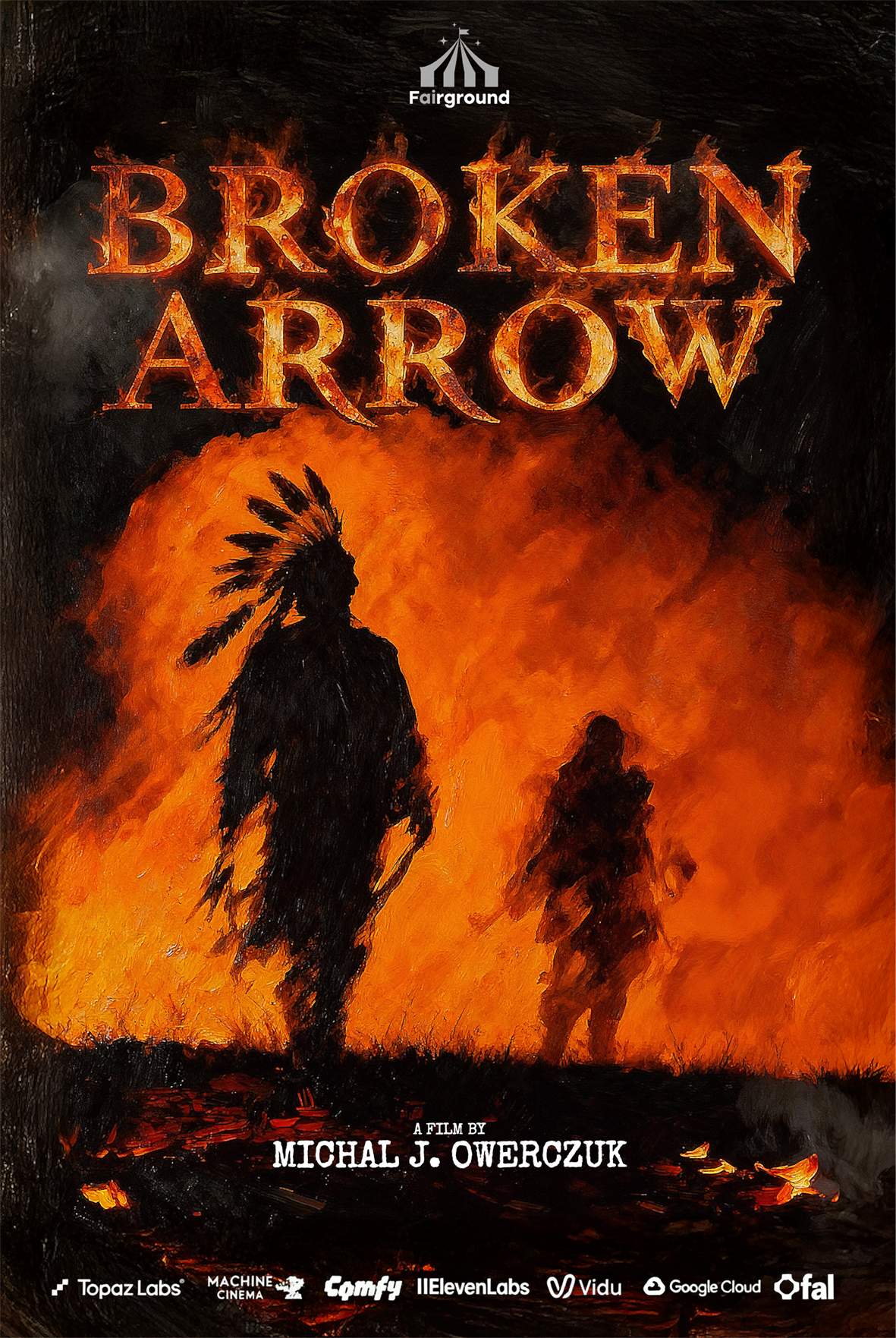
POSTER
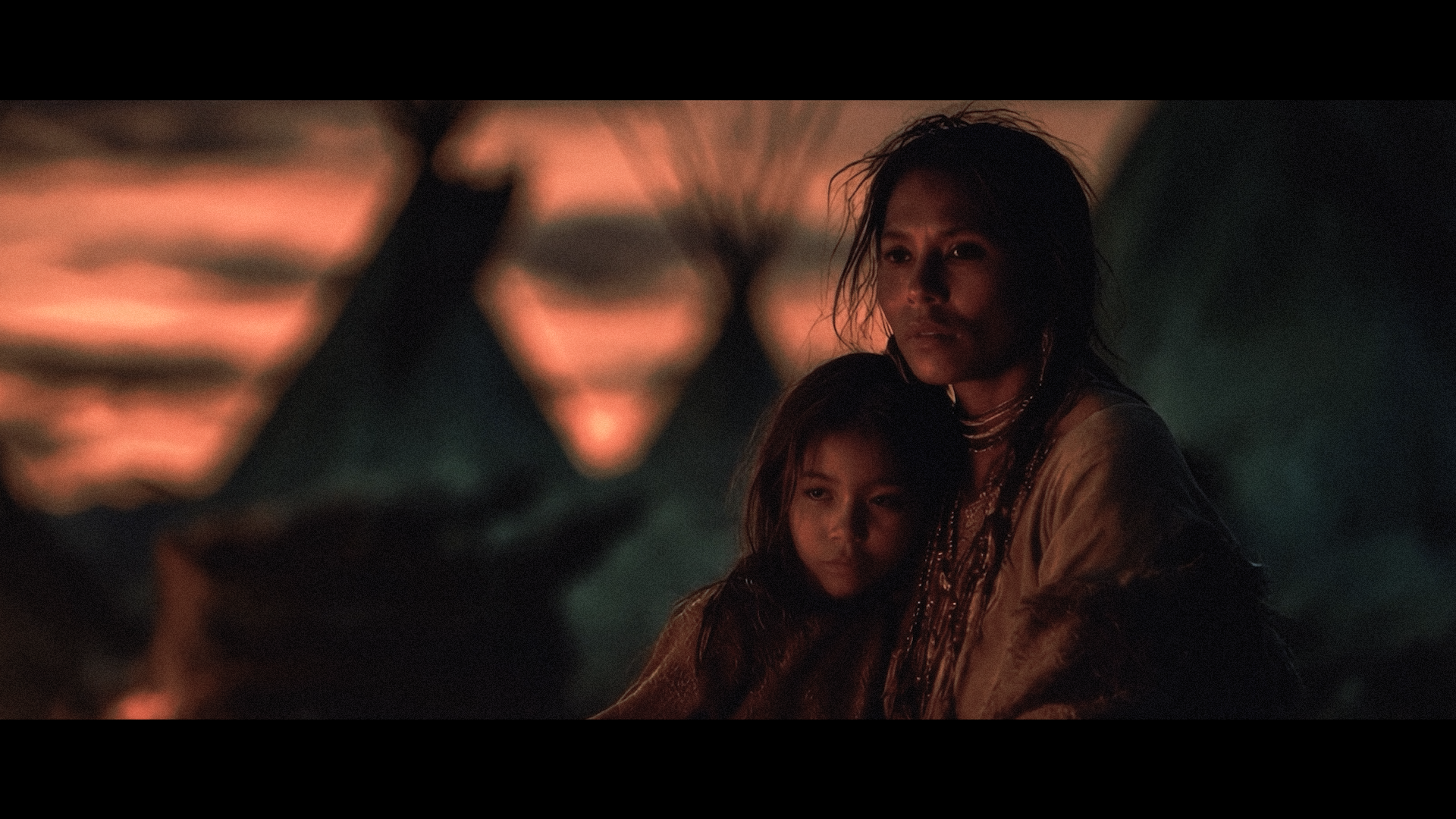
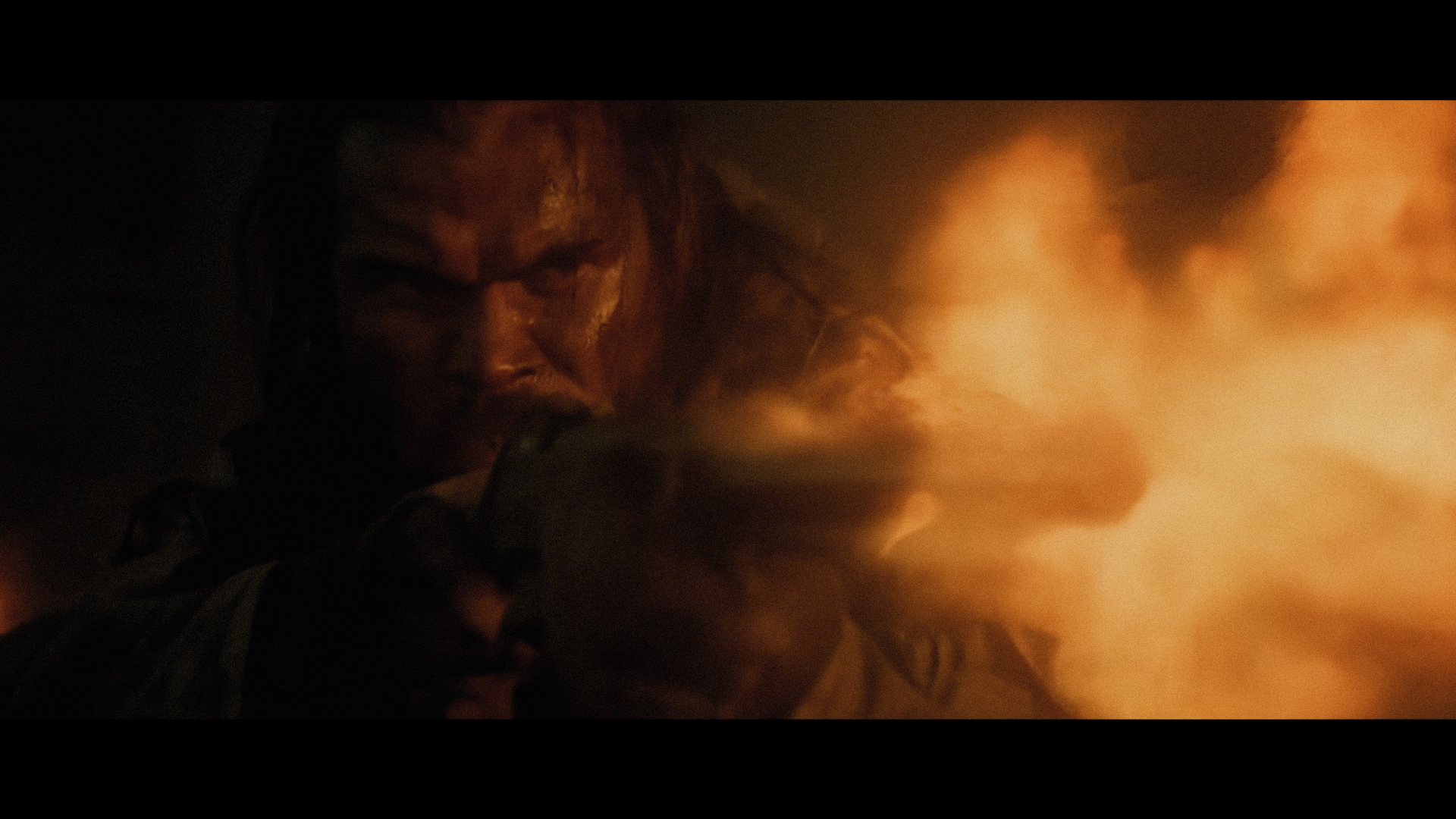
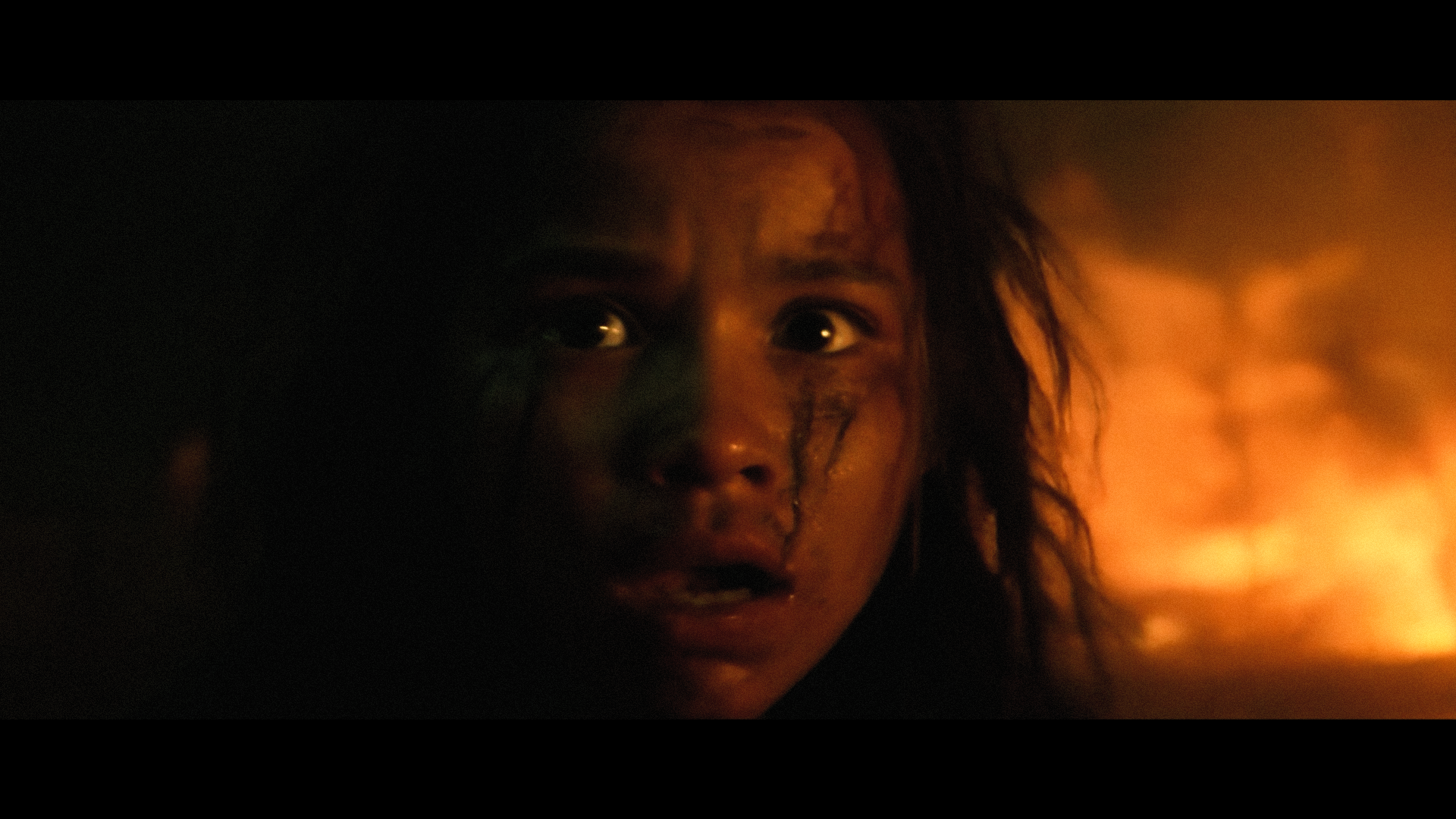
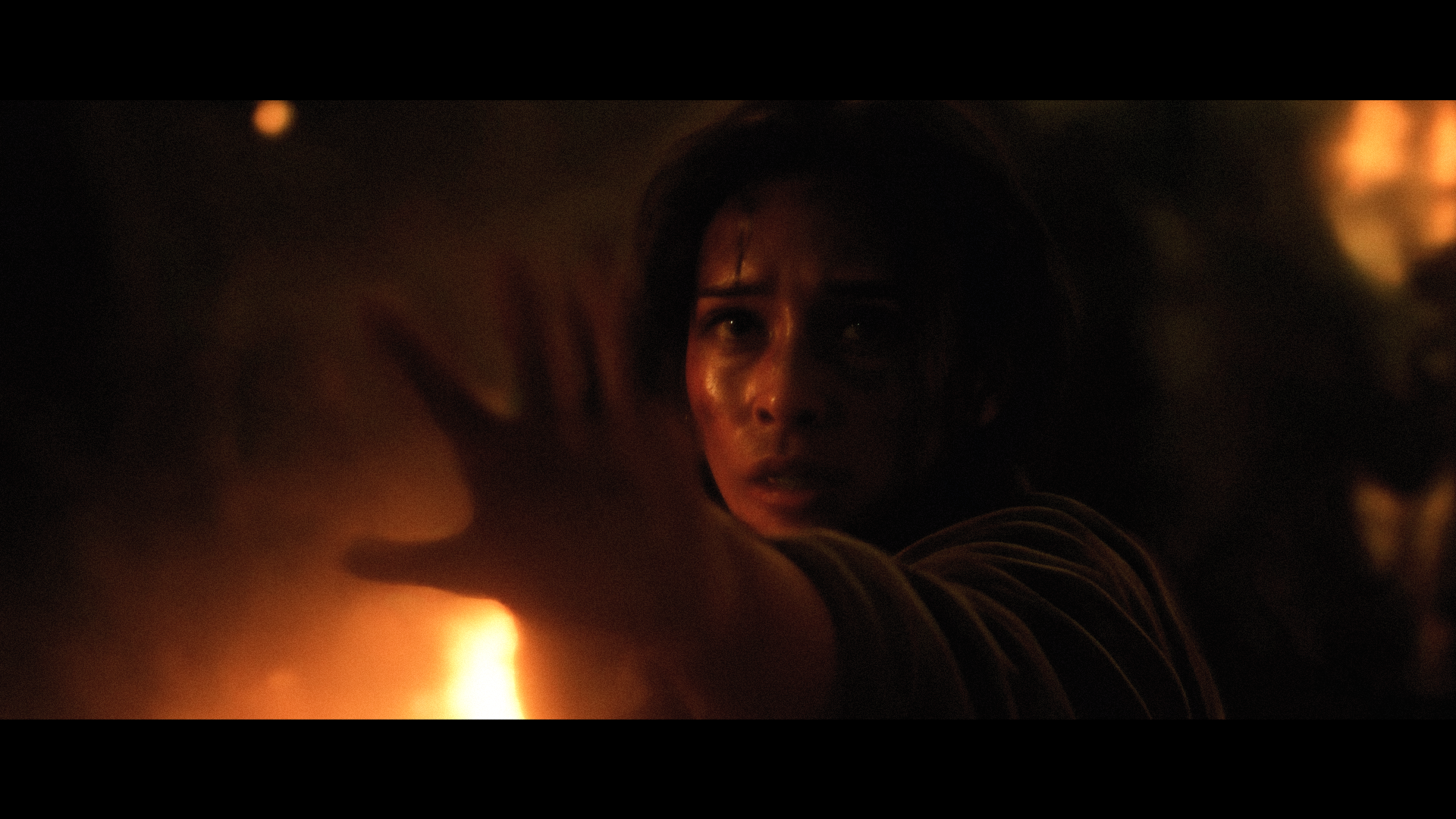
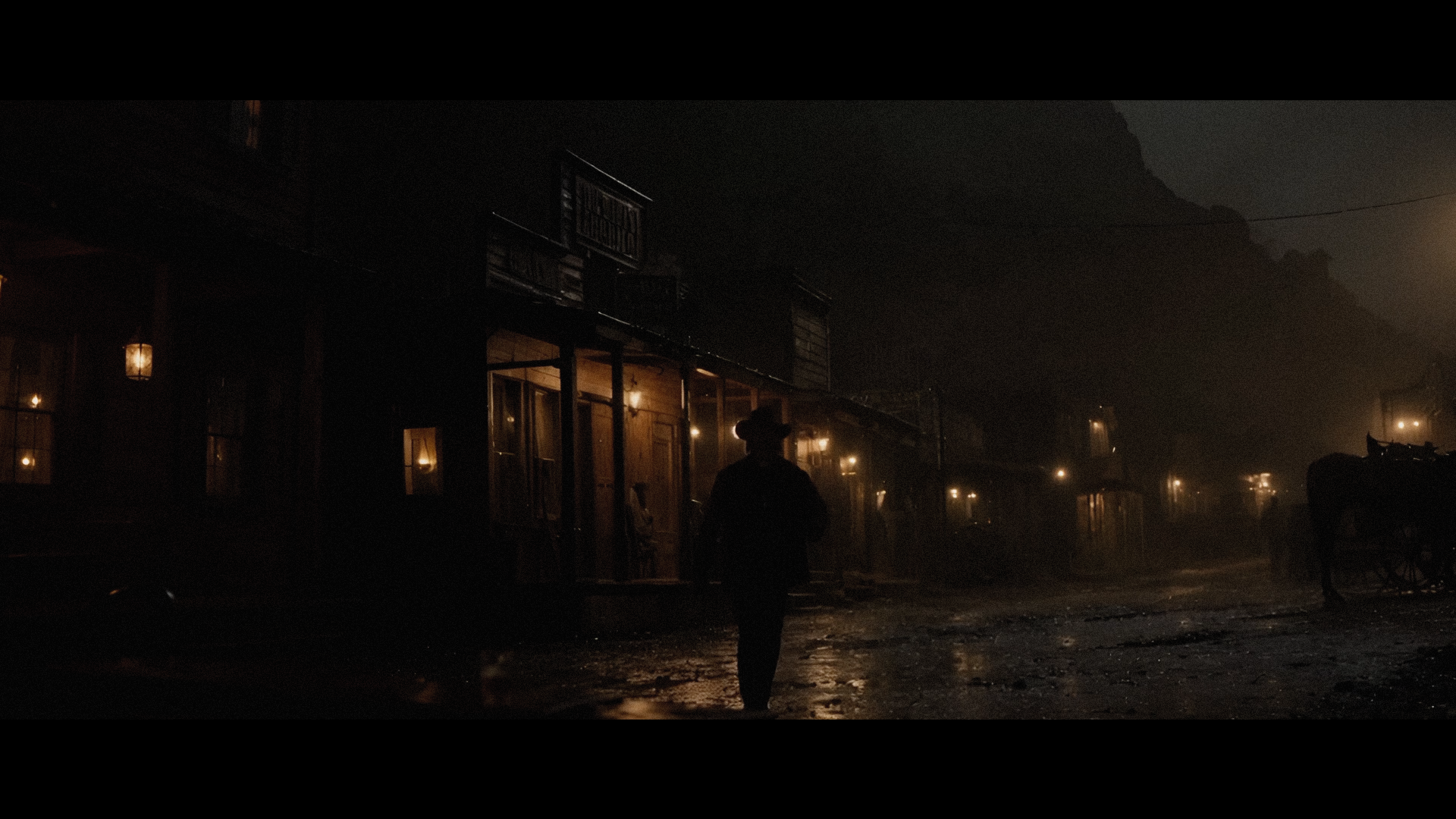
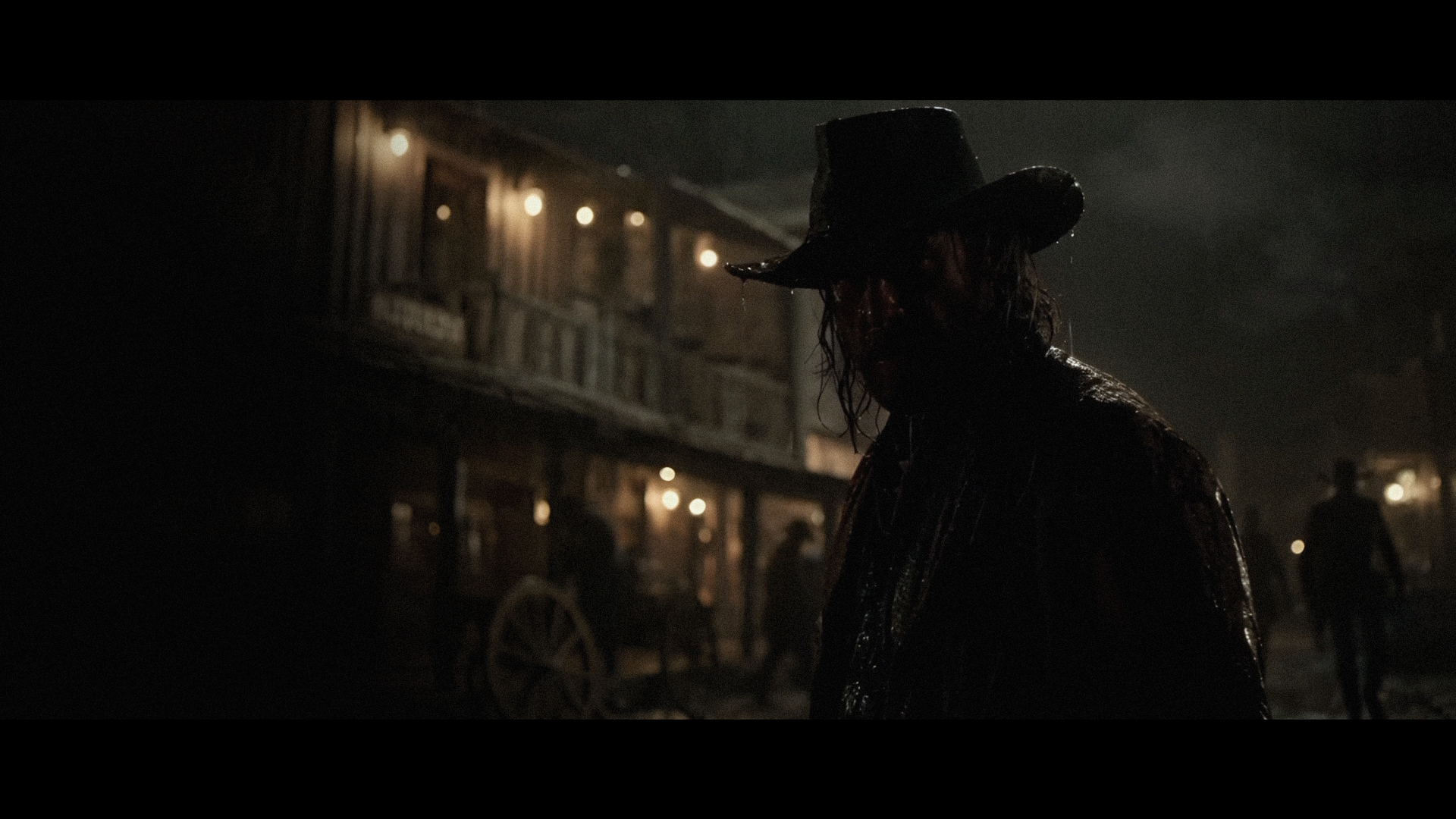
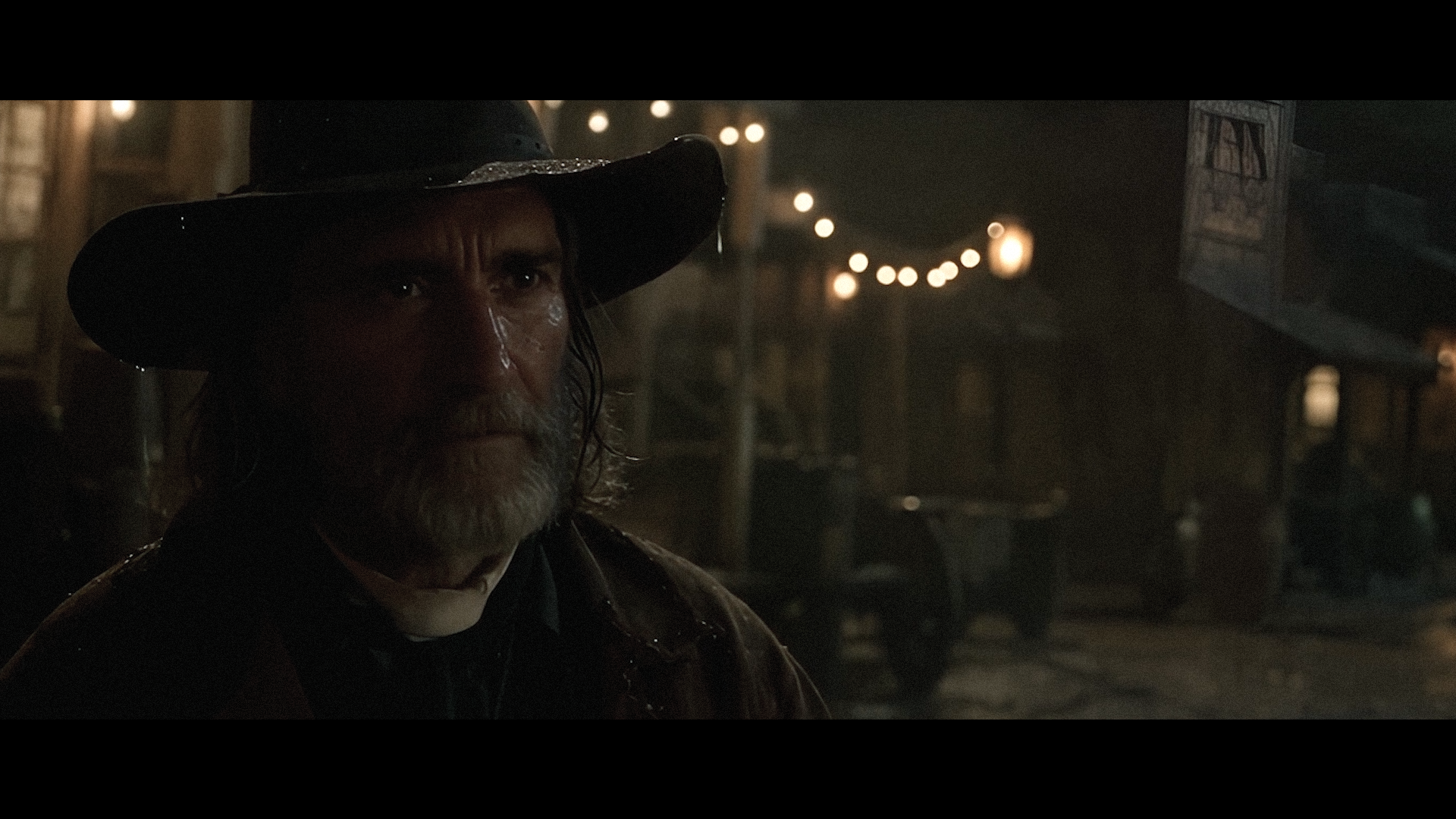
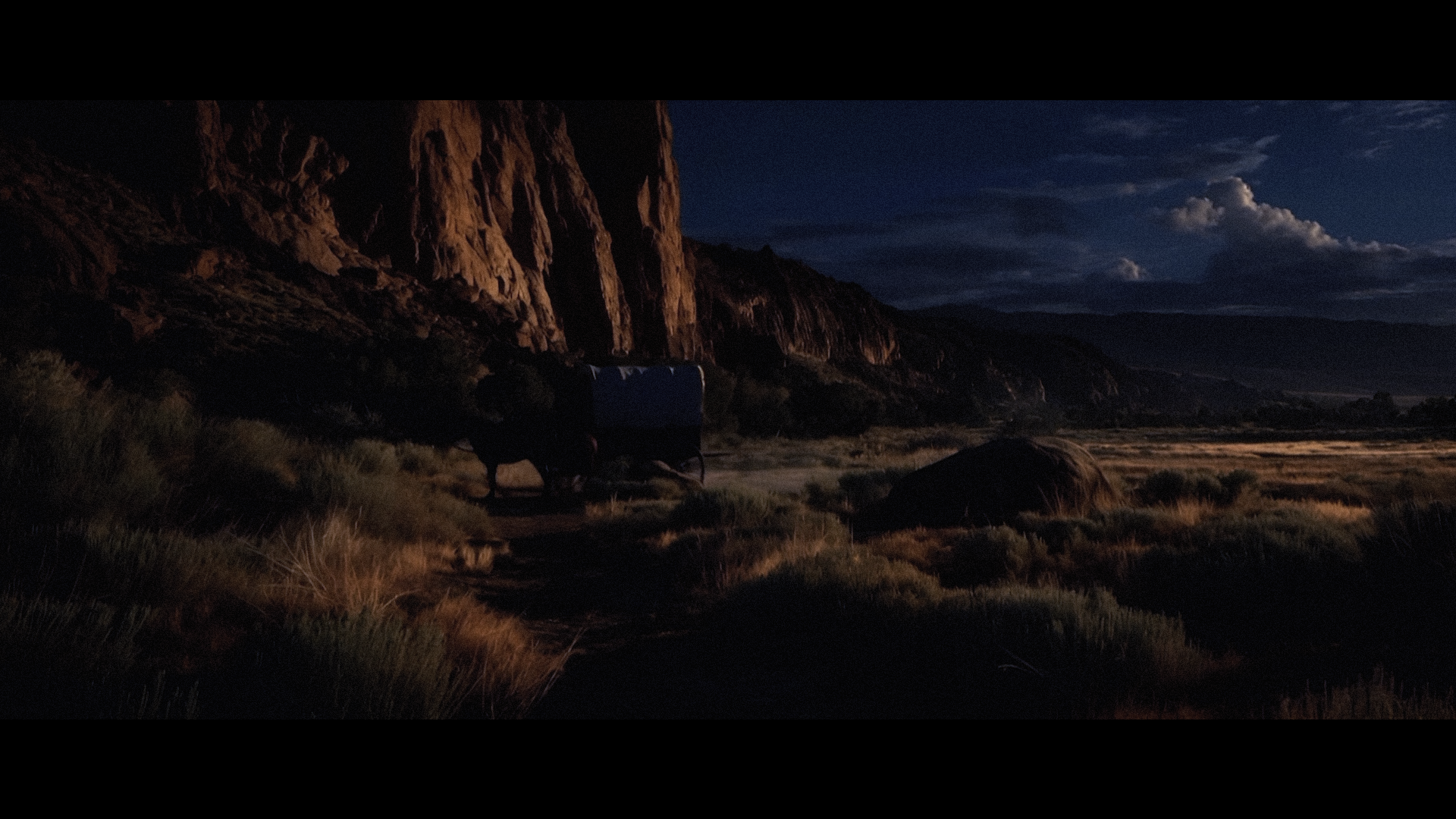
Inspiration
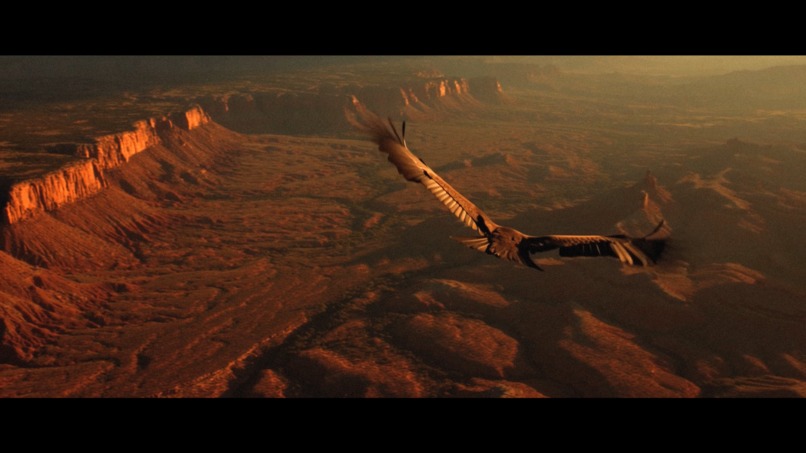
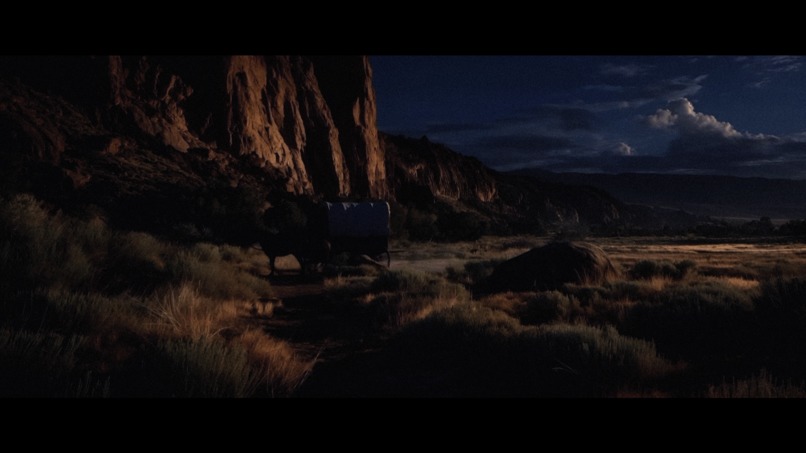
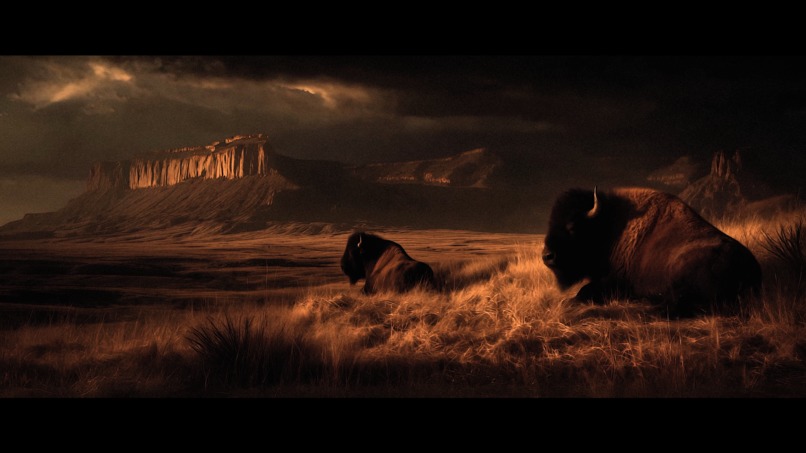
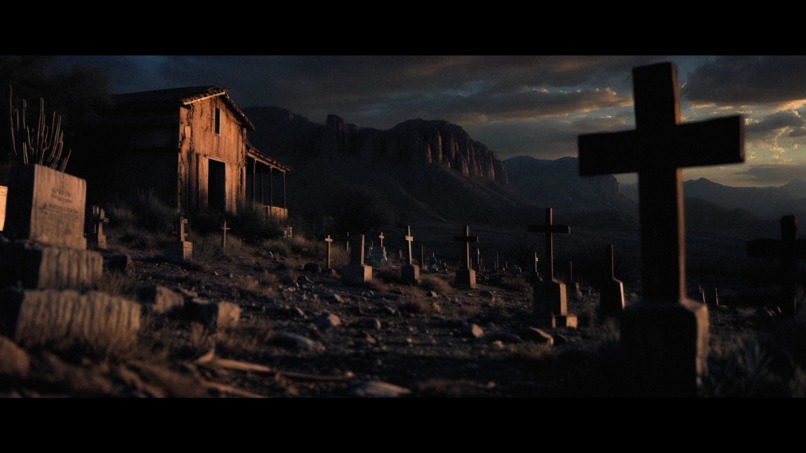
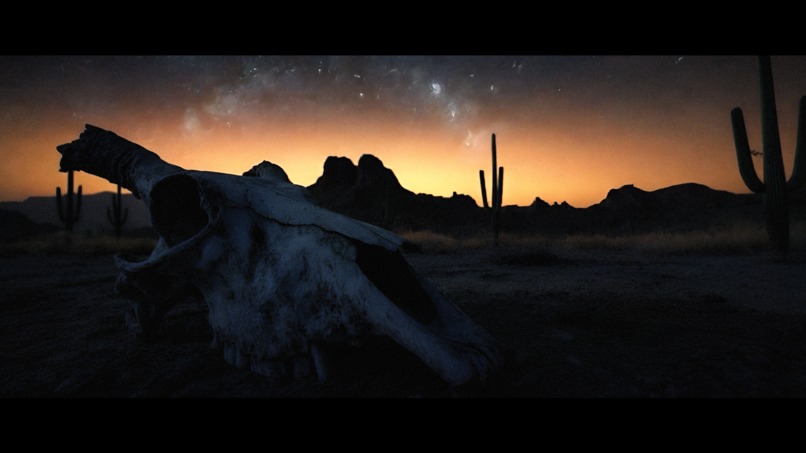
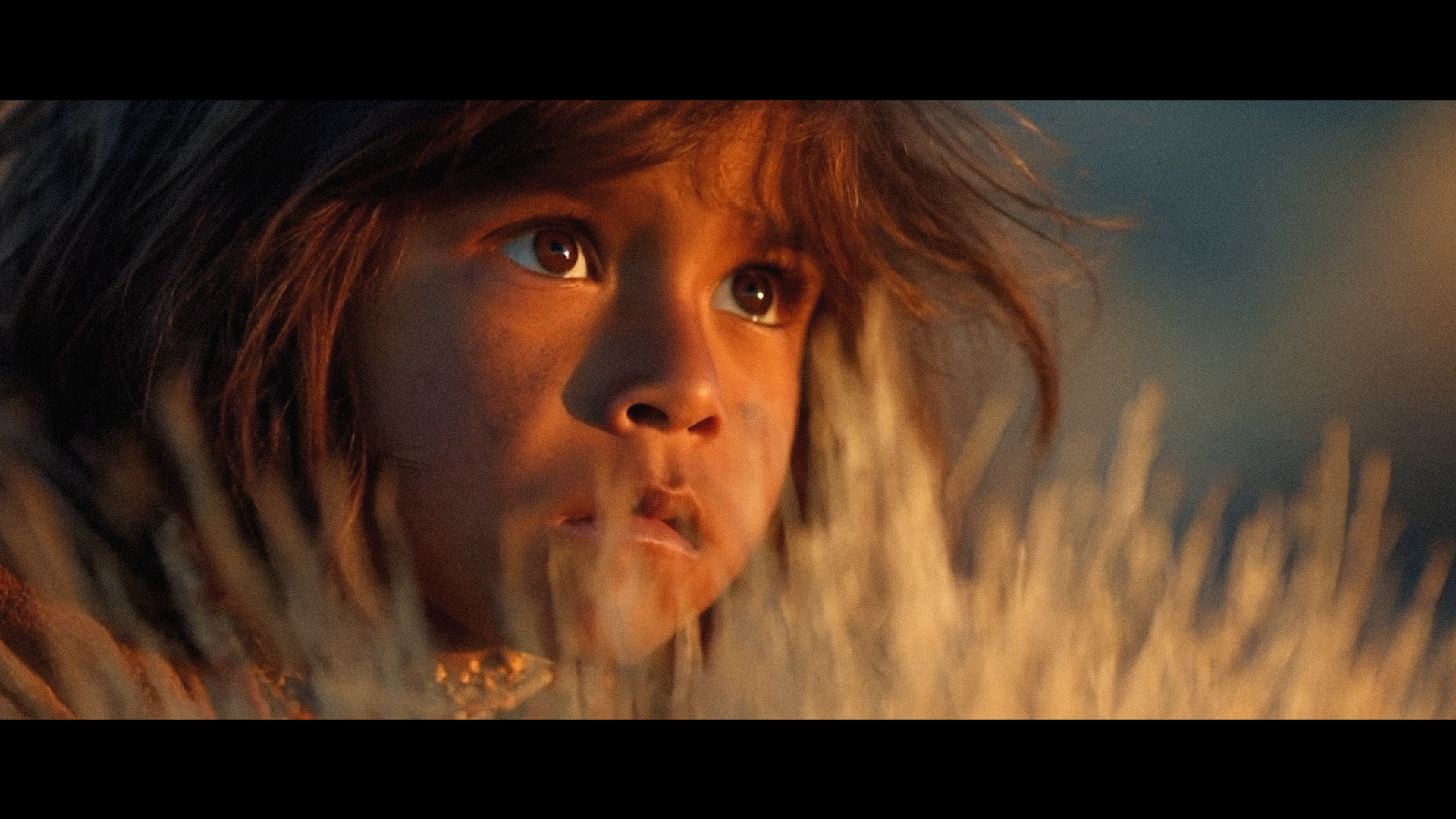
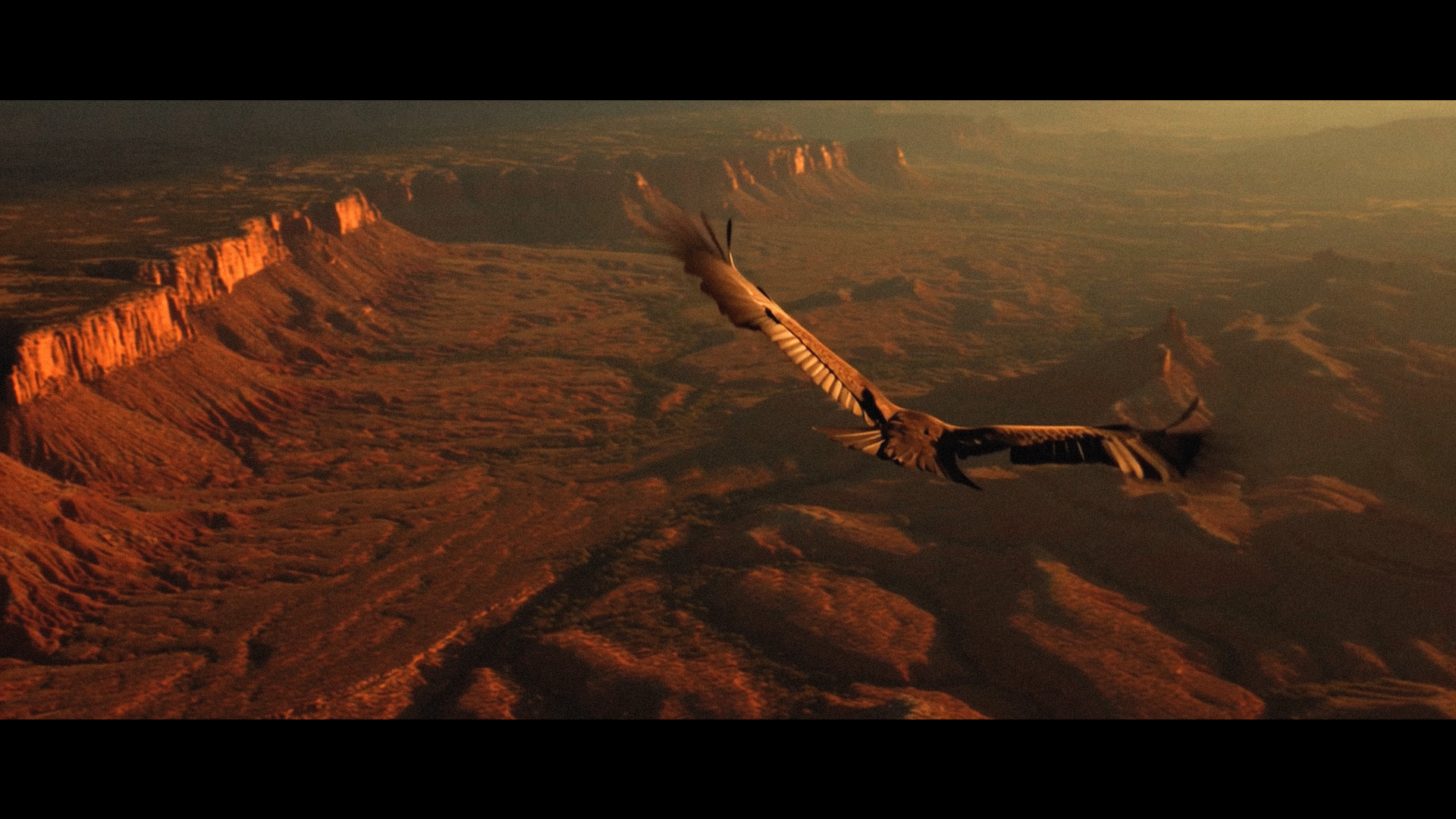
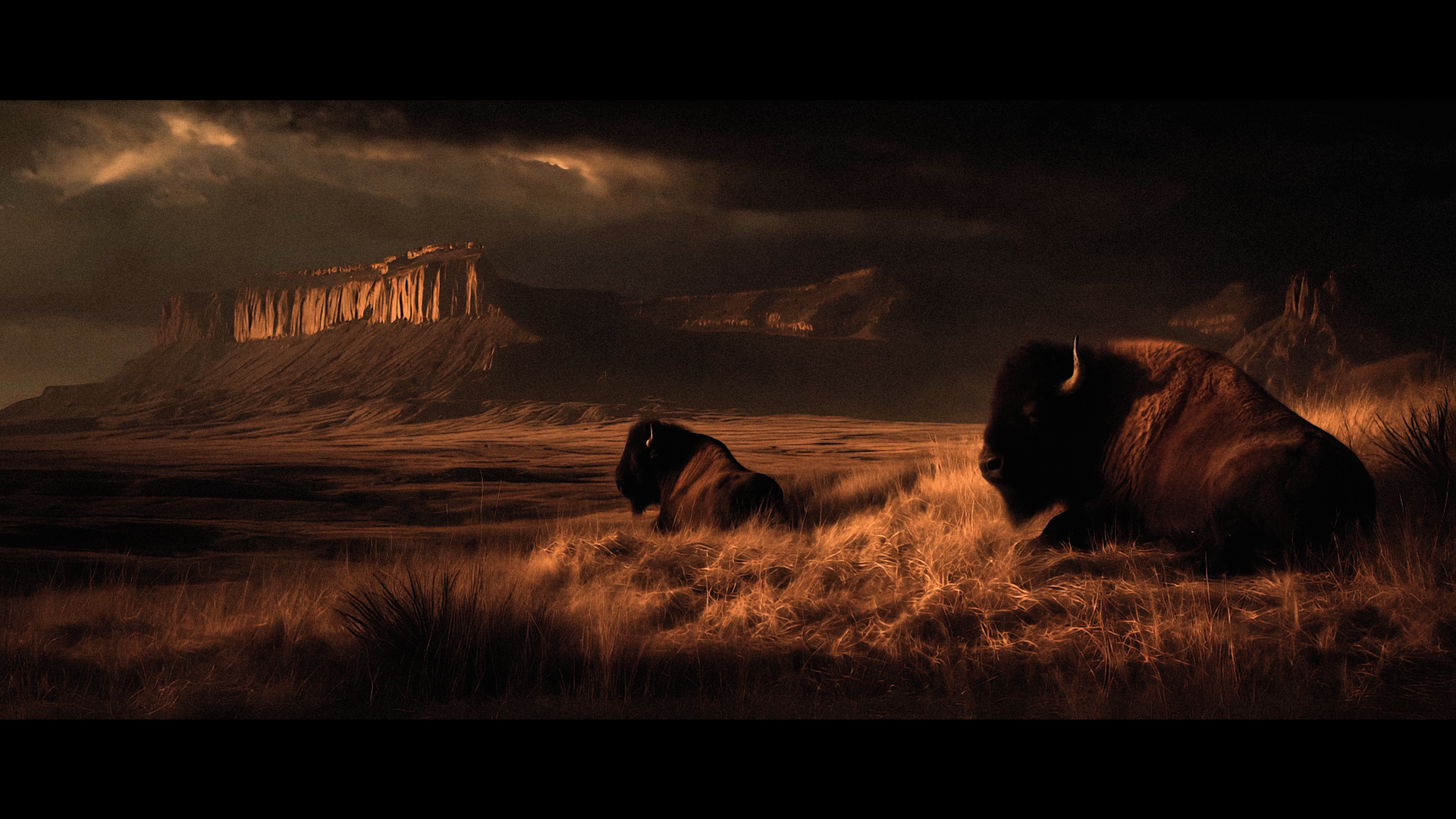
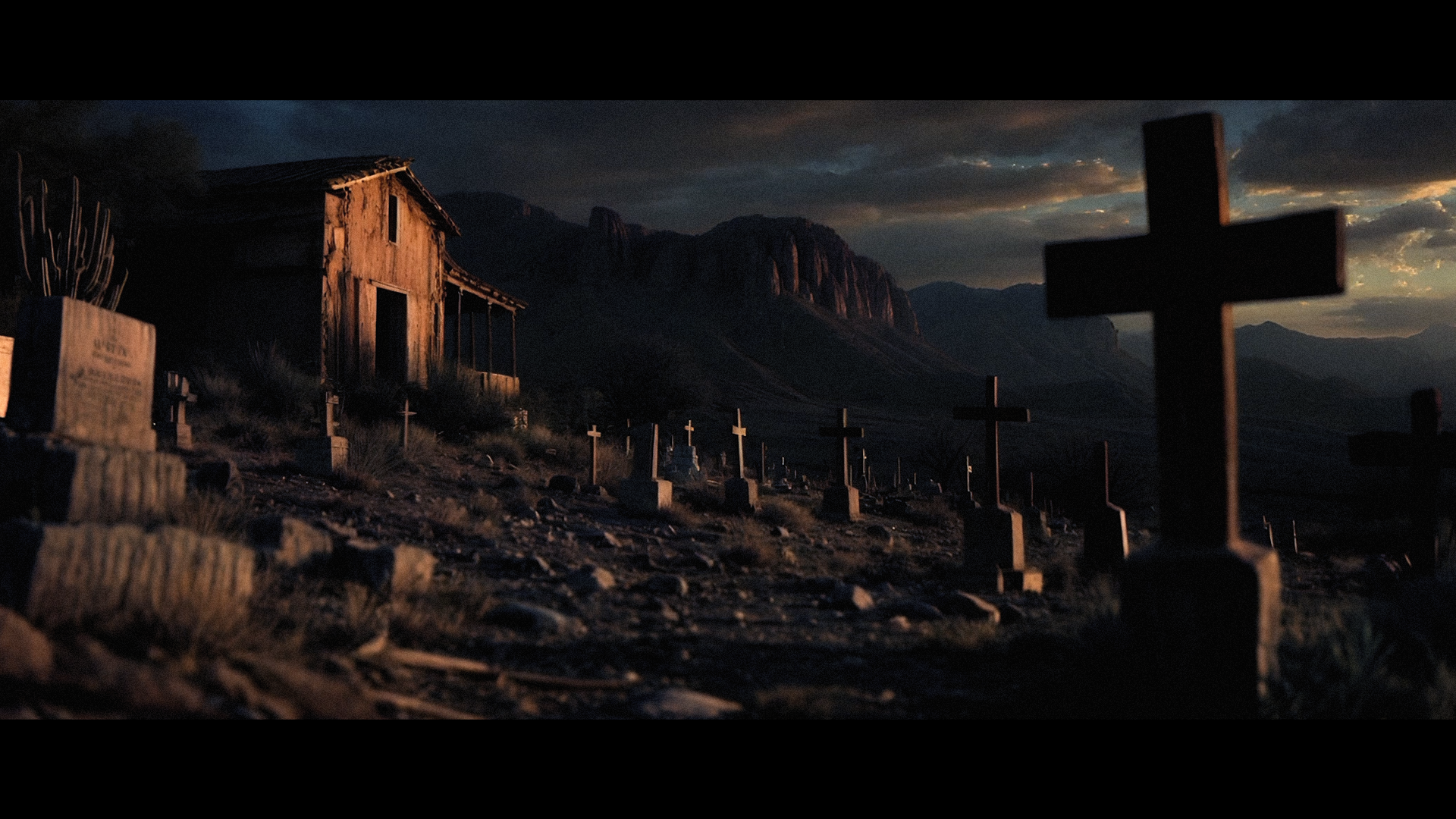
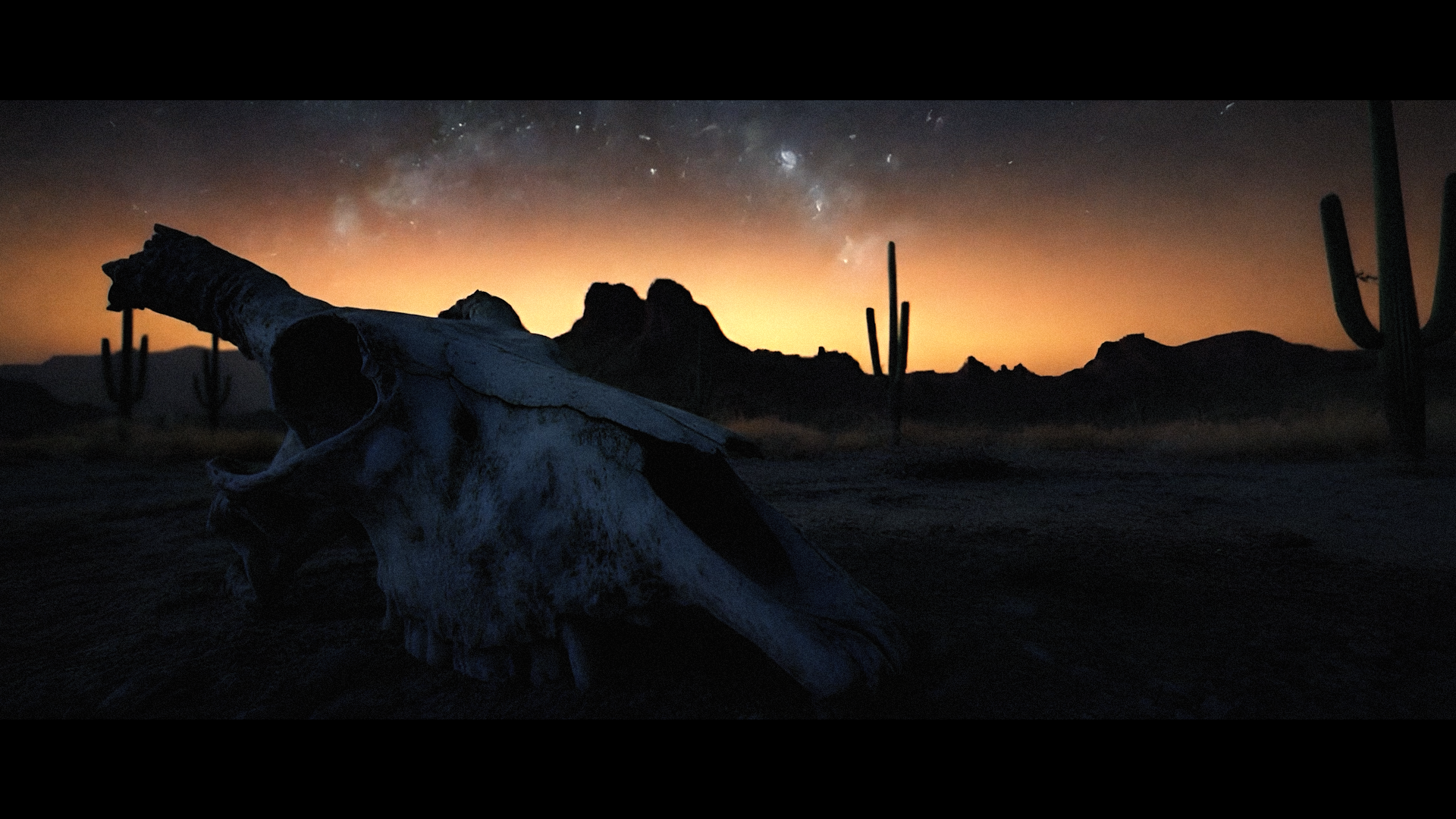
In 2016 I traveled across twenty-six states in the United States. From Washington to Texas and then to New York. What stayed with me most were the sunsets in Arizona, especially deep inside Saguaro National Park. The sky looked unreal, and the warm desert air felt like a memory from a life I might have lived before. The desert felt mystical. It carried an untamed force of nature that stayed with me long after I left.
At Gates Pass, standing above the old Tucson movie set, I watched the North American monsoon sweep across the desert. A blood red sunset pushed through the clouds while warm rain fell around me. In that moment I thought to myself that one day I wanted to make a Western that felt exactly like this.
For years it seemed impossible. Then AI entered my creative process and opened a new way of working with memory, myth, and visual storytelling. When I received an invitation to join the Wild West series by FairgroundTV, it finally gave me space to preserve the emotion of that moment and bring it into a narrative world.
What it does
The film is rooted in real historical trauma. During my university years I studied American Studies with a focus on the nineteenth century. Civil War, the frontier, and the so called Indian Removal Act. I wanted to understand the long process that led to the deterioration of Native American communities.
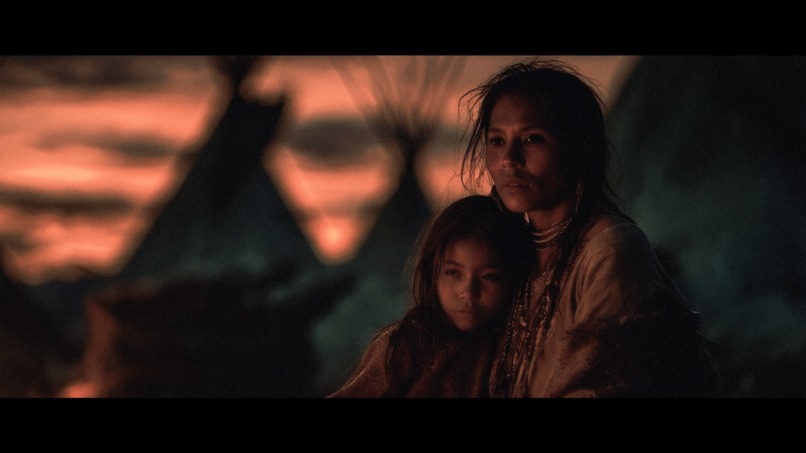
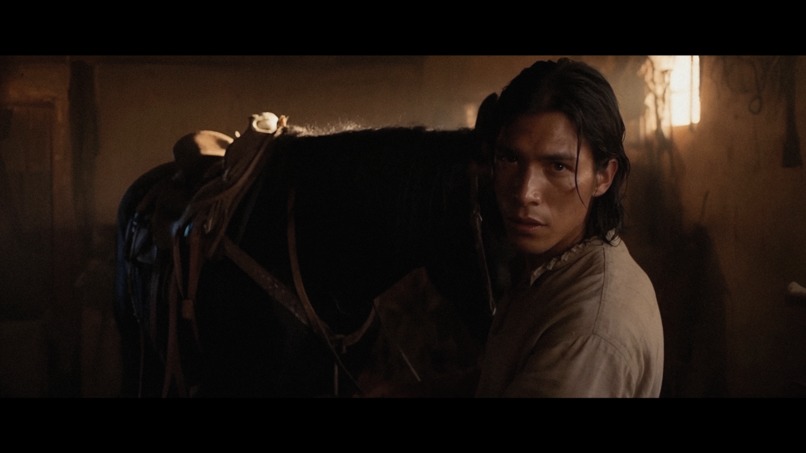
While researching the impact of the Dawes Act of 1887, I learned how more than ninety million acres of Indigenous land were taken, leaving many communities fragmented or erased. In those accounts I found stories of tribes that disappeared entirely. This inspired me to center the film on the idea of a last survivor. A person who stayed in their homeland but lost everything that made it home.
As an immigrant who has lived in many parts of the world, I understand the feeling of belonging everywhere and nowhere at the same time. I wanted to explore what it means to remain rooted while everything around you changes beyond recognition. What happens when the familiar becomes unrecognizable, and the place you love no longer reflects who you are.
How we built it
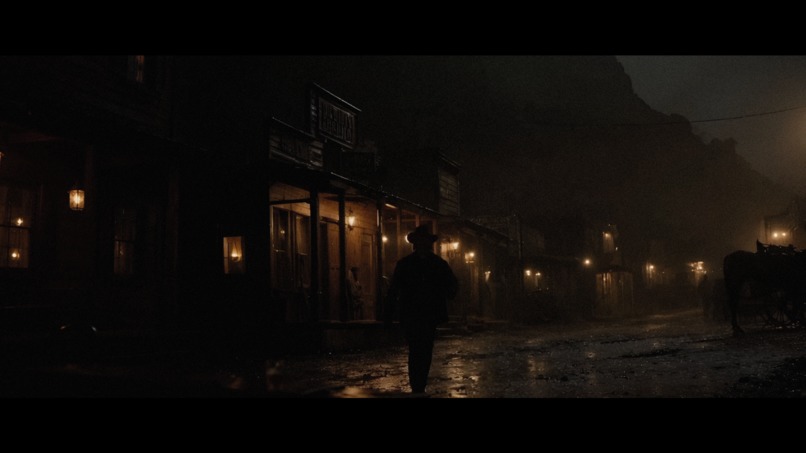
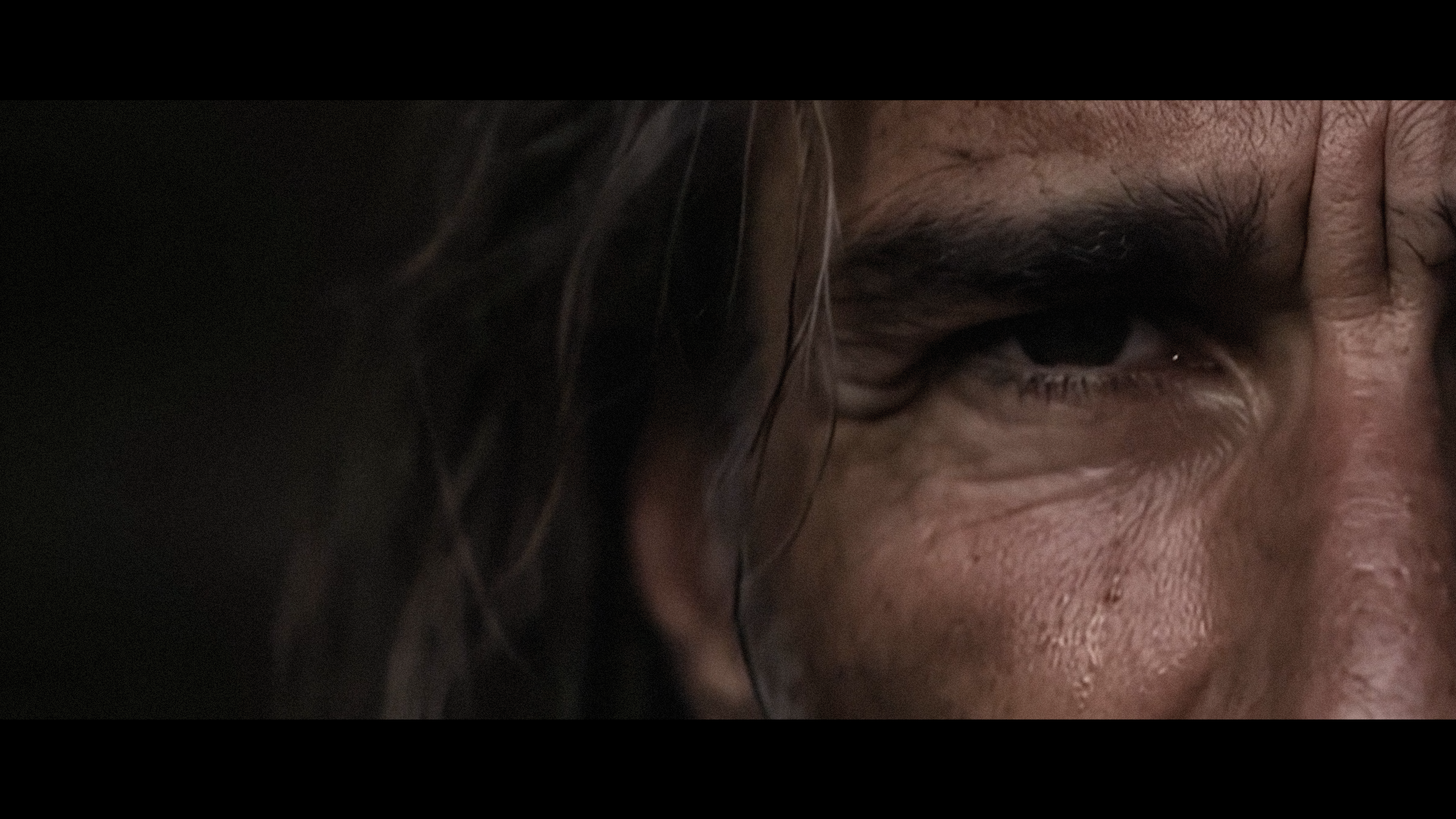
I combined several workflows inside ComfyUI to create the visual identity of the film. I wanted the texture and analog feel of older Stable Diffusion pipelines, so although SDXL was released in 2024, I built the core of the workflow around its latent upscale. When used correctly, it still produces a vivid and cinematic look that matches the atmosphere I remembered from the desert.
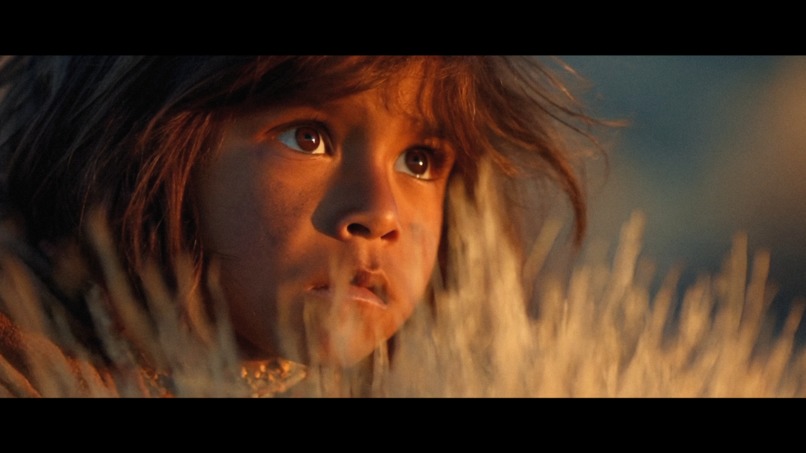
The visual foundation came from my own photography. During my travels through the Sonoran Desert, especially inside Saguaro National Park, I captured hundreds of images of landscapes, plants, animals, and light conditions. These photographs guided the tone of the film and served as reference material for the LoRa models.
I spent at least a week building LoRa models alone. During this phase I focused only on achieving a consistent character look and a believable film world. Only after the LoRa models felt stable and natural did I begin animating them in image-to-video pipelines. The process became a blend of field photography, SDXL latent upscale, handcrafted inputs, and careful LoRa tuning.
The entire sound design was created with Eleven Labs. Every line of dialogue and every element of natural ambience, from wind to insects to the shifting desert air, was generated, shaped, and mixed using these tools.
Challenges we ran into
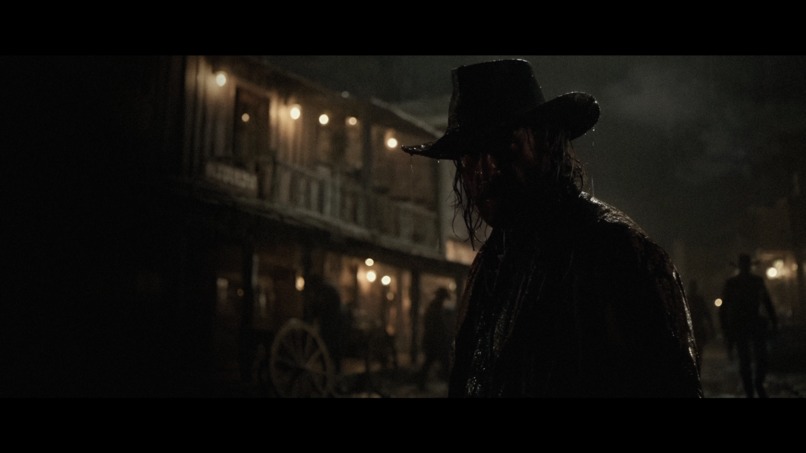
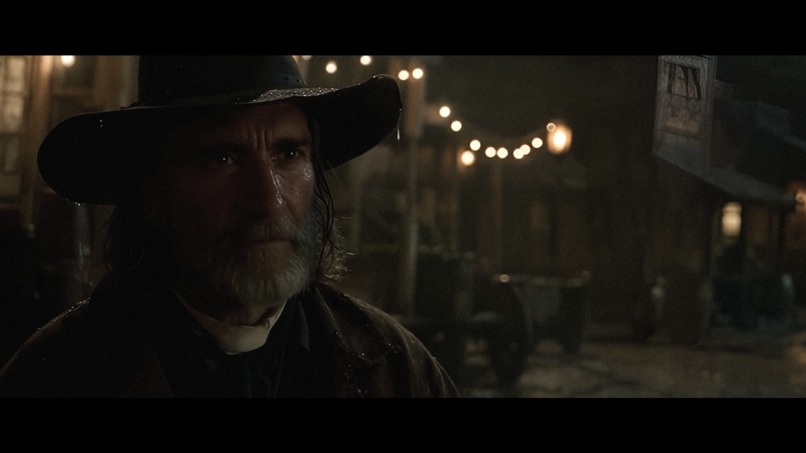
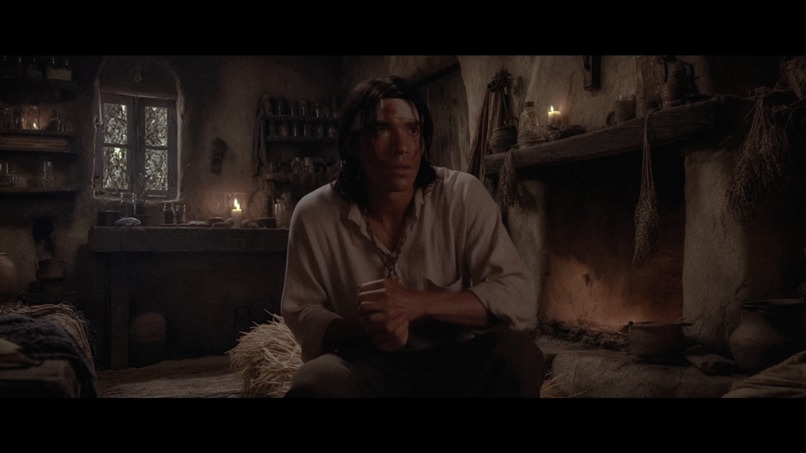
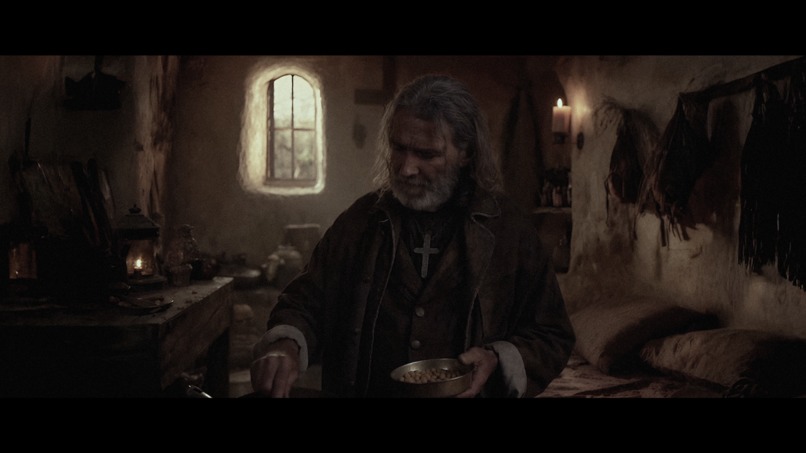
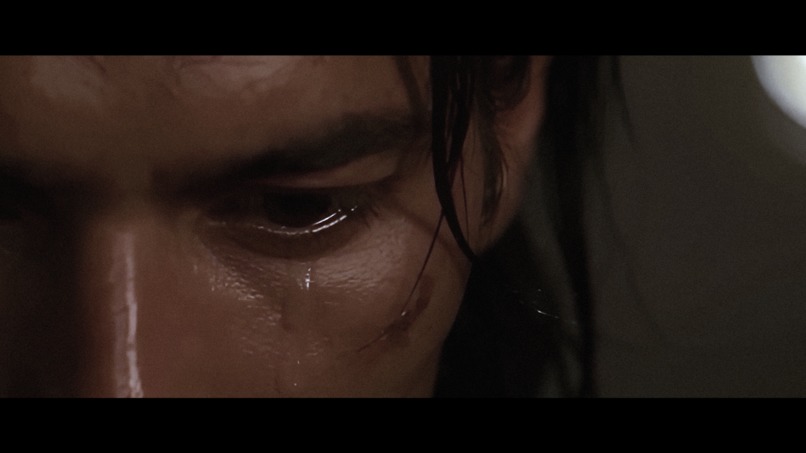
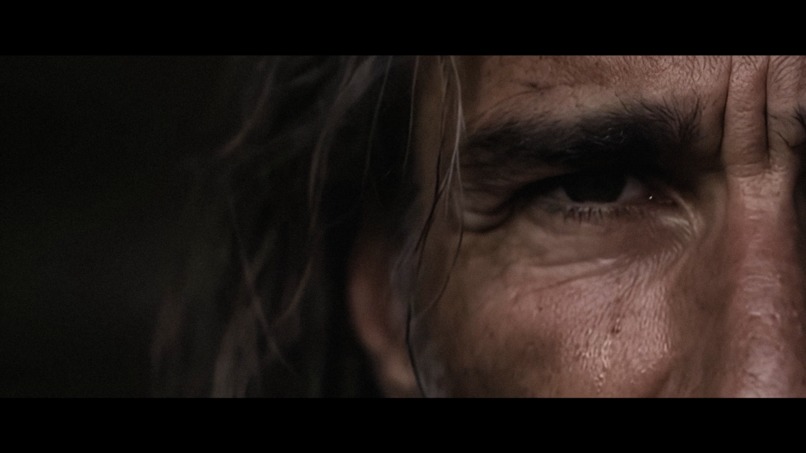
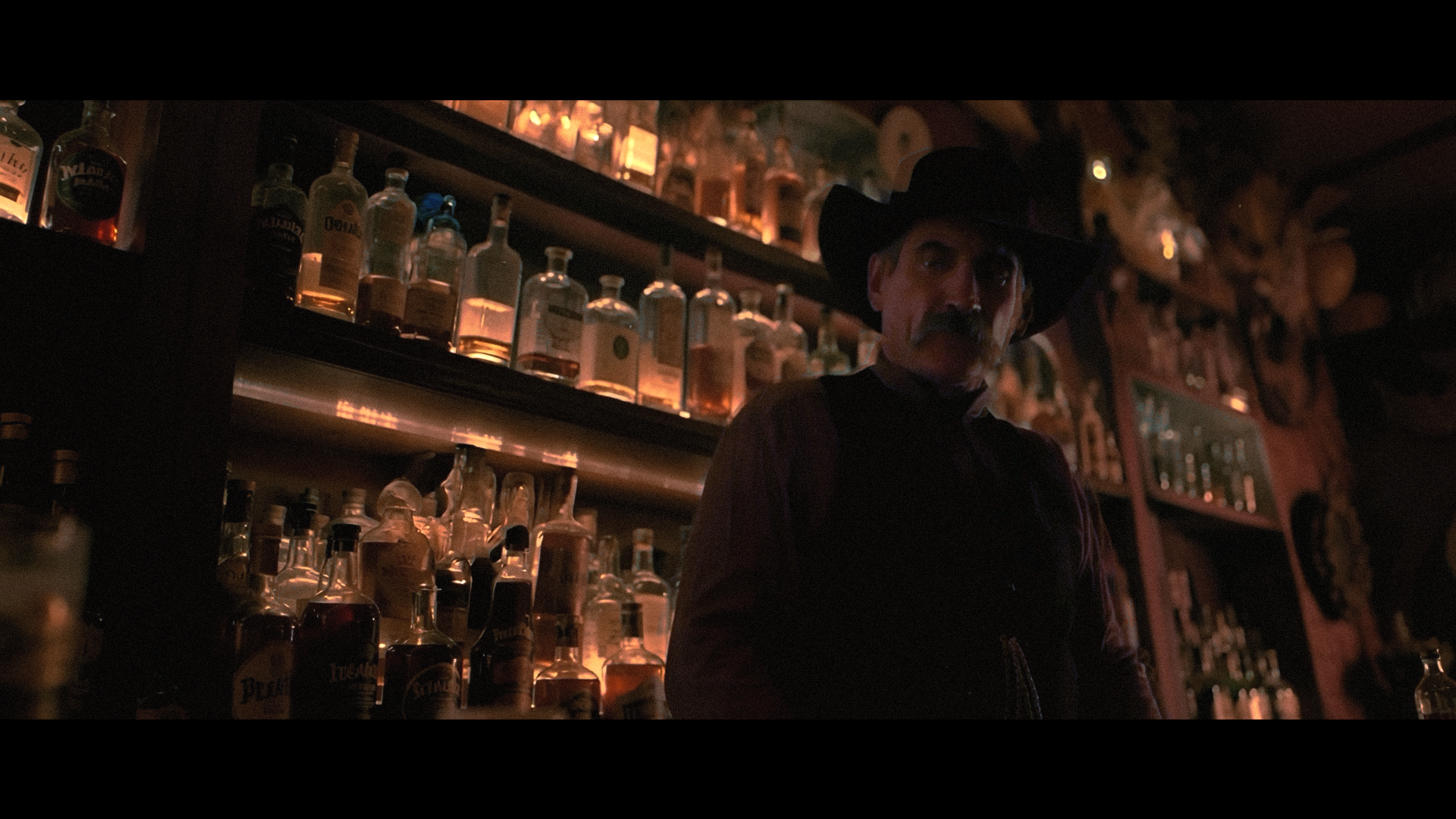
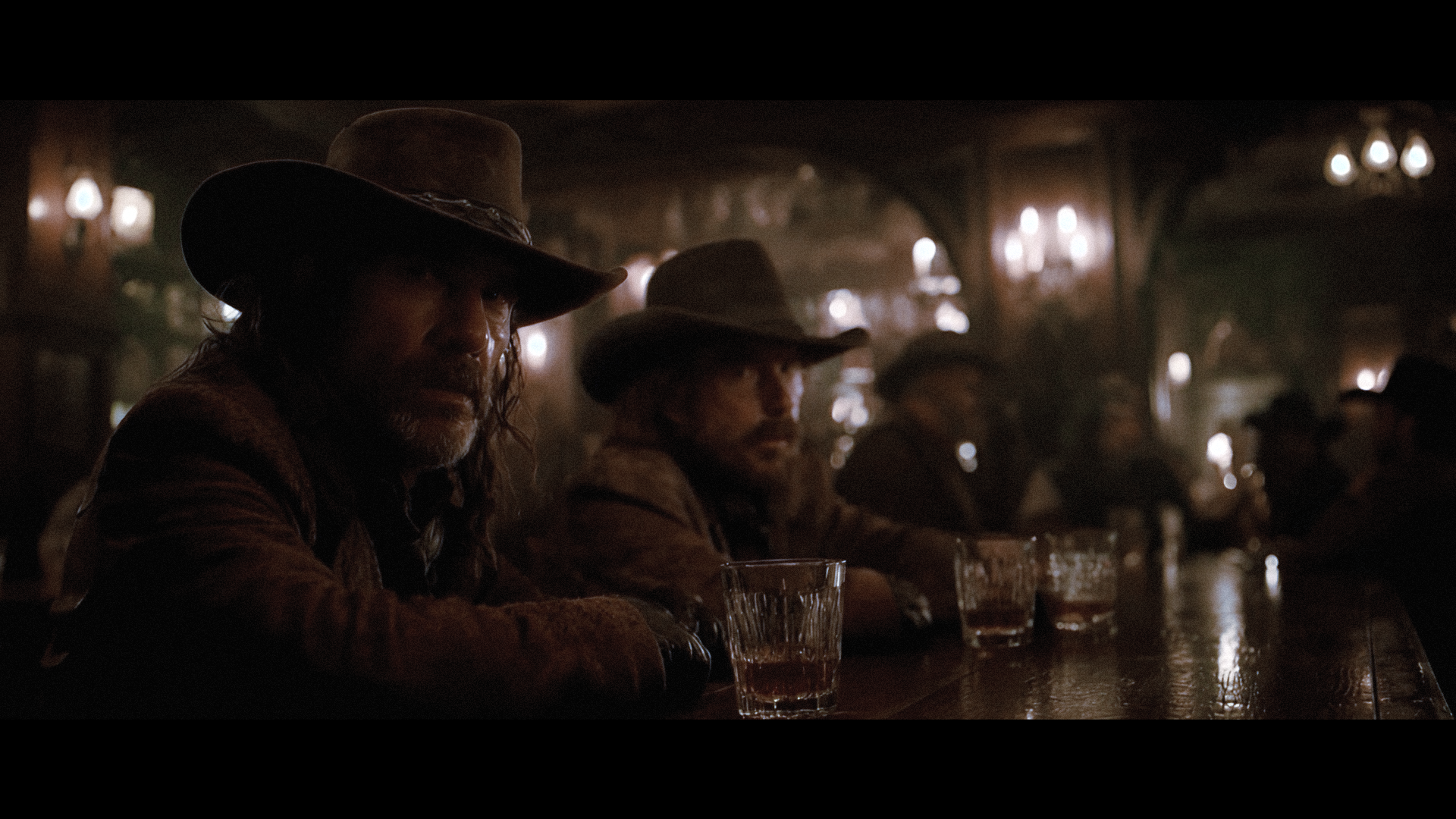
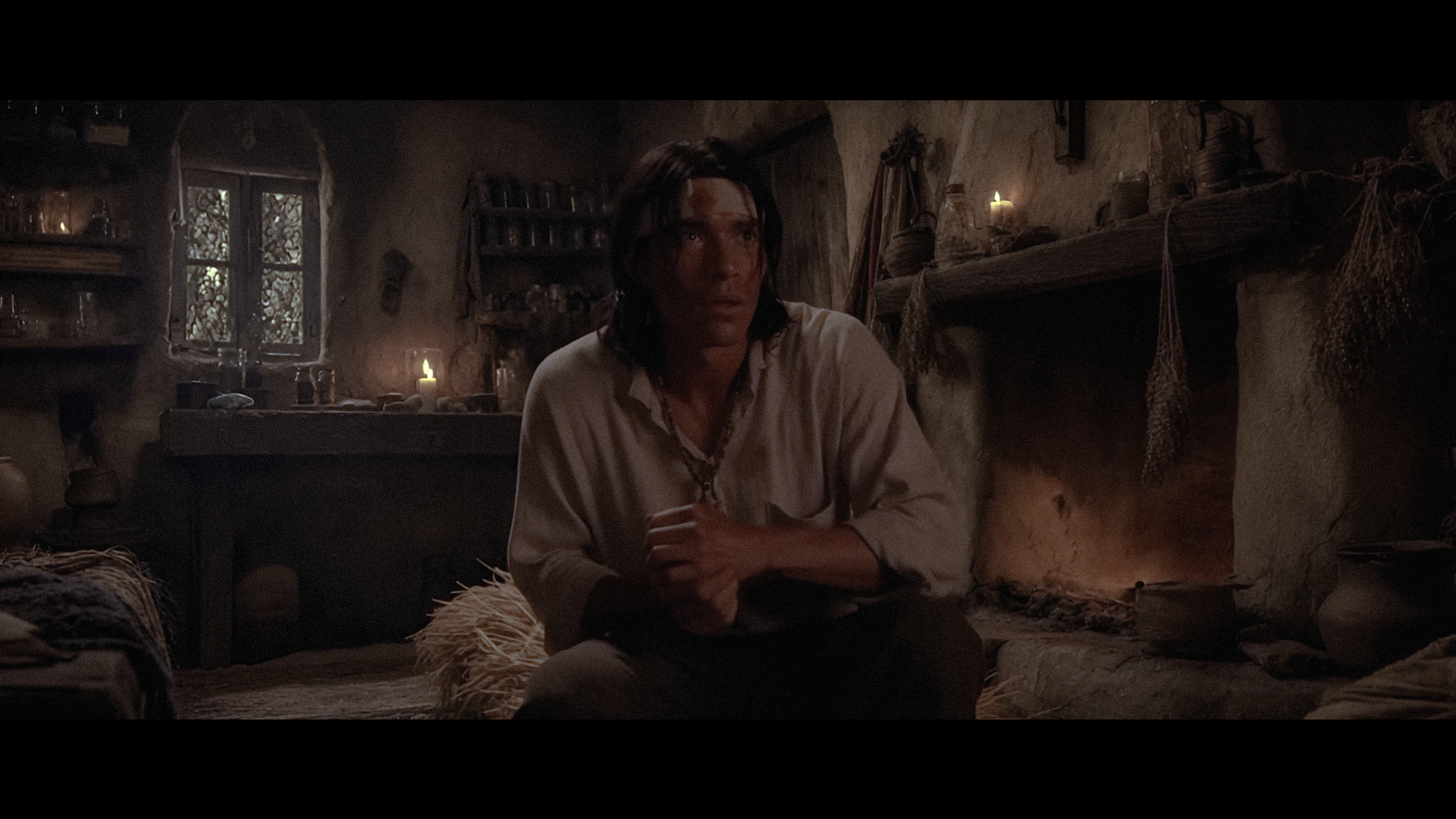
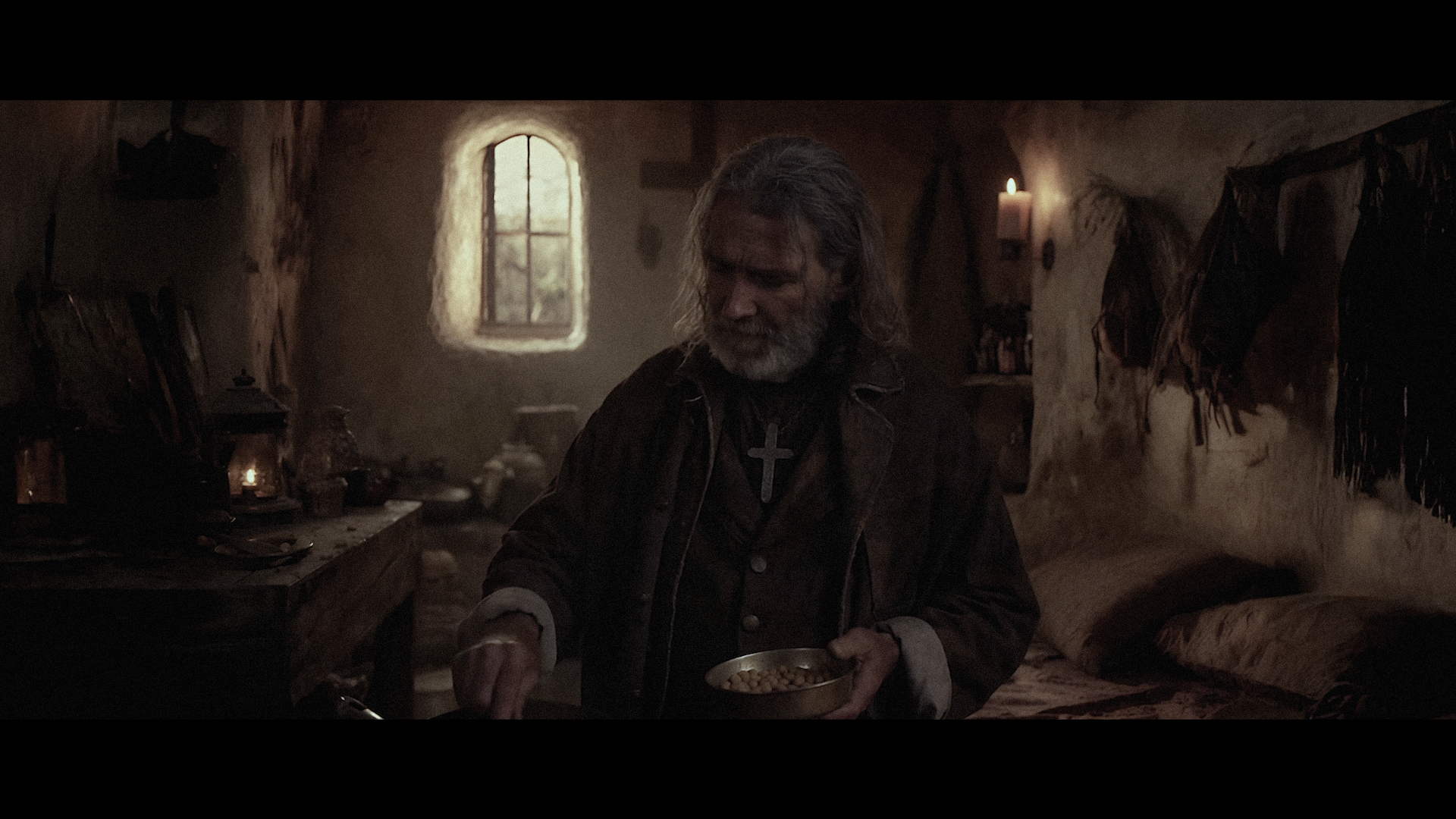
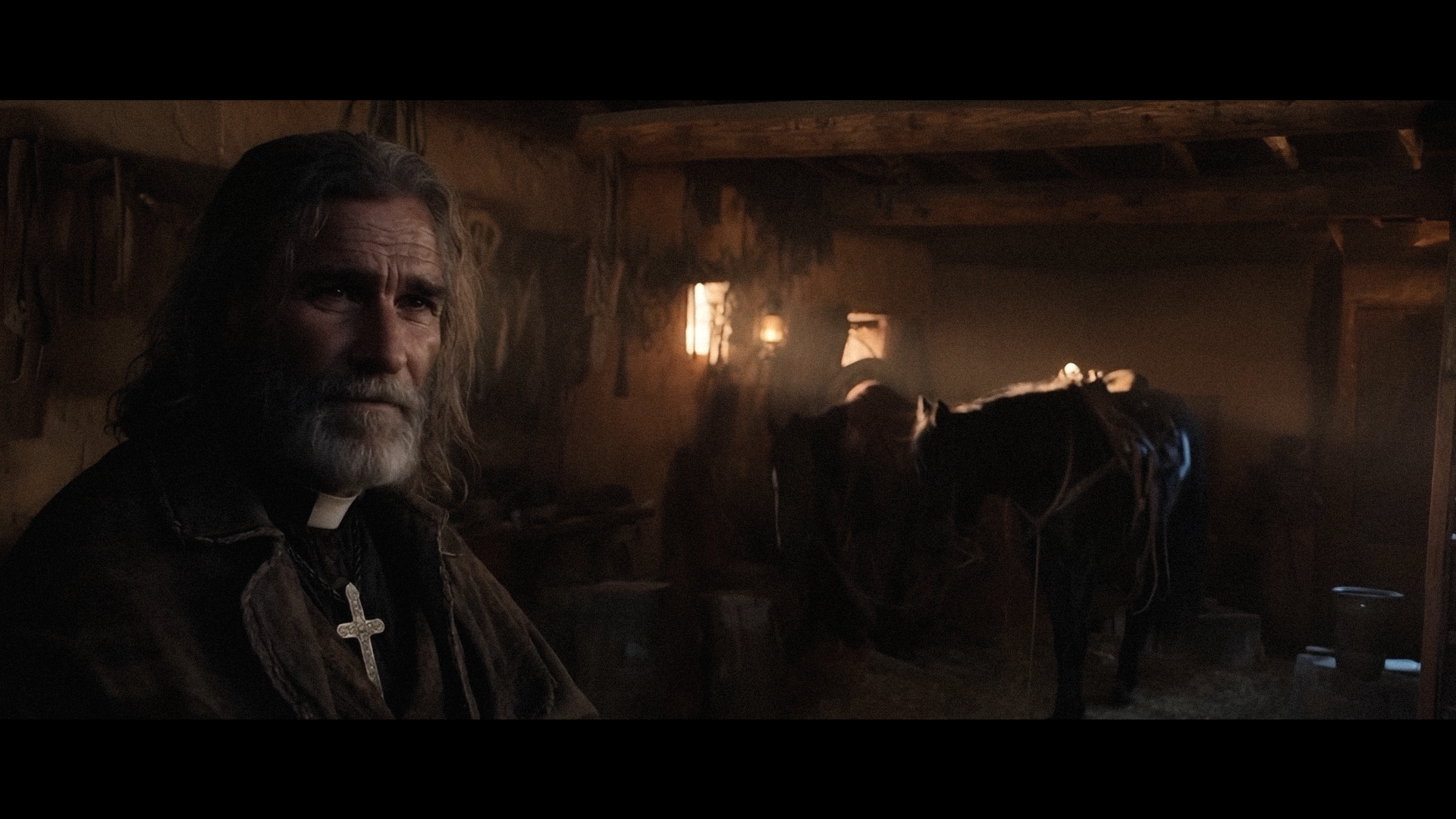
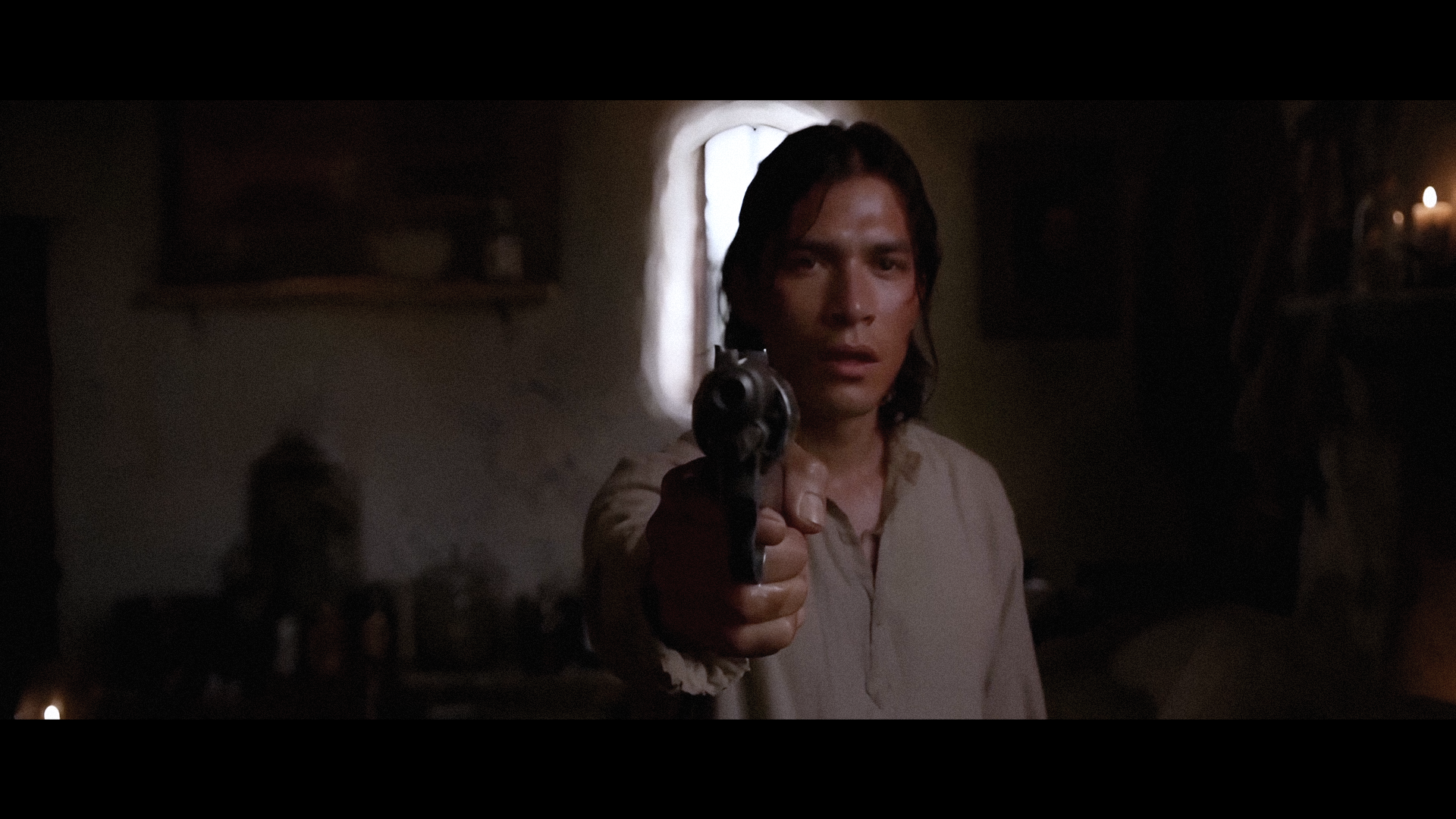
The greatest challenge was keeping visual and narrative consistency. I built the project before Qwan Angles, Popcorn, or Higgsfield Popcorn existed, and I wanted to preserve a realistic 1970s 35mm film look with a contemporary blockbuster twist. Runway Aleph and Flux Kontext could not provide stable realism at that time, so I relied entirely on SDXL. This required creating LoRa models from scratch. I prepared character images manually in Photoshop, trained the LoRa models, and used them inside my pipeline. Because I relied only on image-to-video models, every input had to be crafted by hand, sometimes frame by frame, to maintain continuity.
Compute was another challenge. I used ComfyUI for most generations, and every render passed through SDXL latent upscale before moving into video. Many generations took fifteen minutes or more, so iterating a single shot could take hours. Creating long sequences with stable character identity pushed the limits of both hardware and patience.
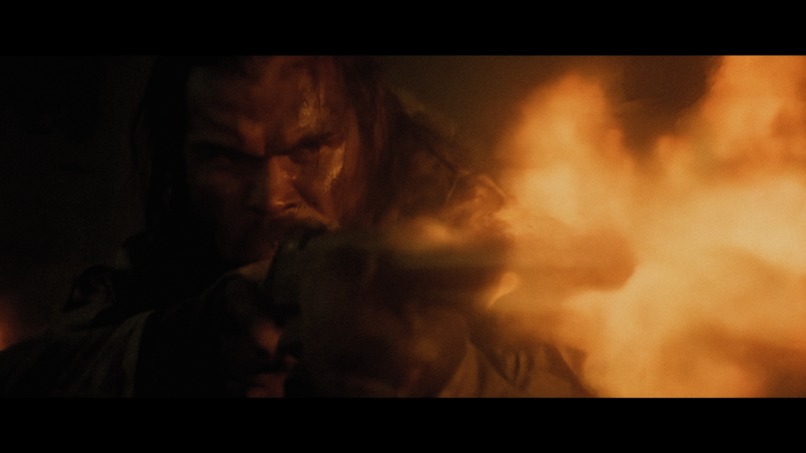
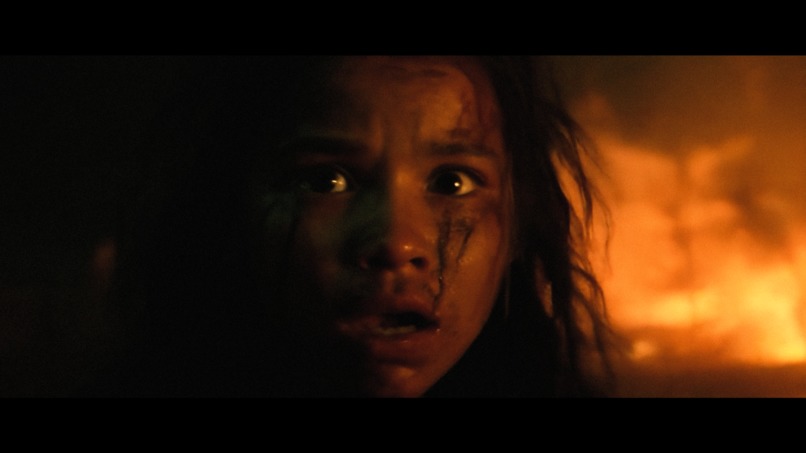
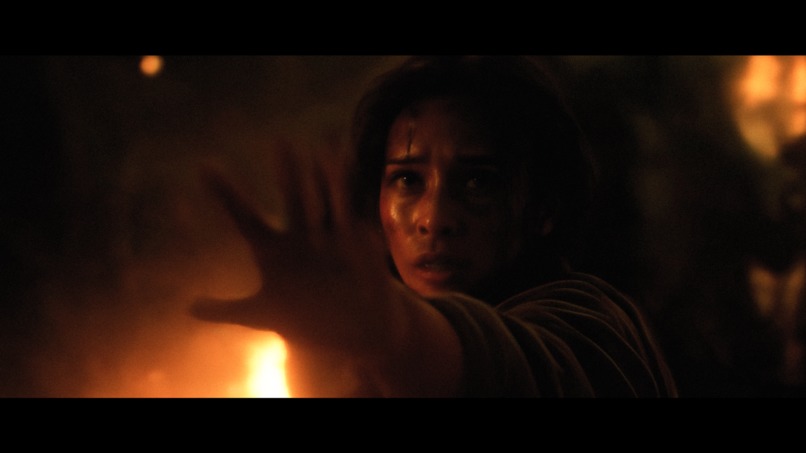
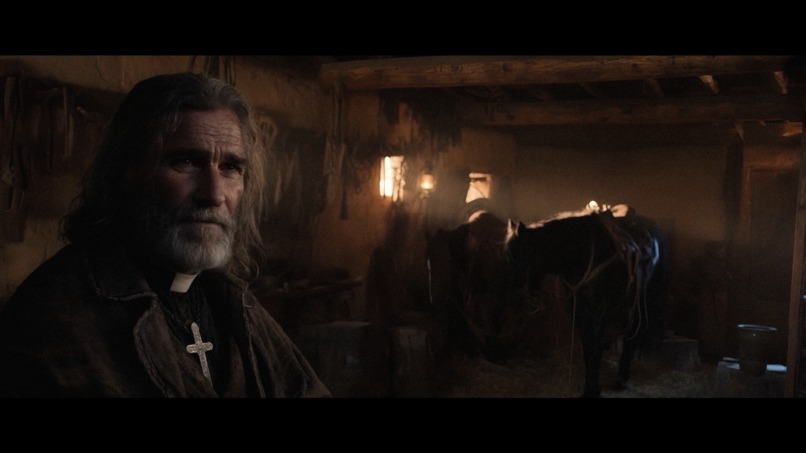
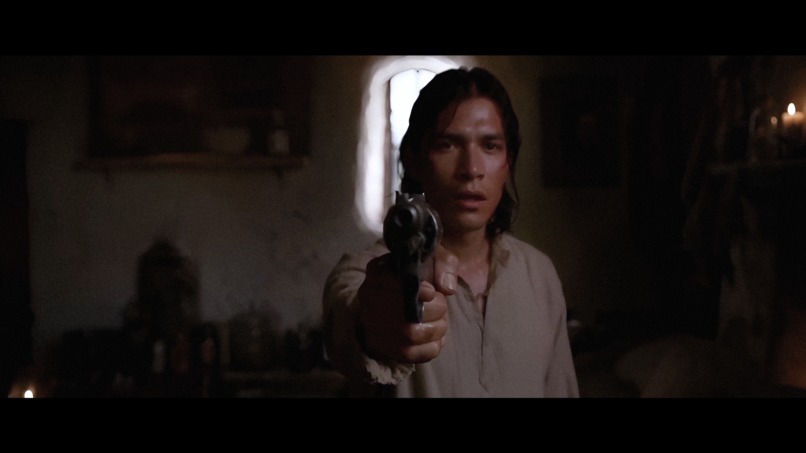
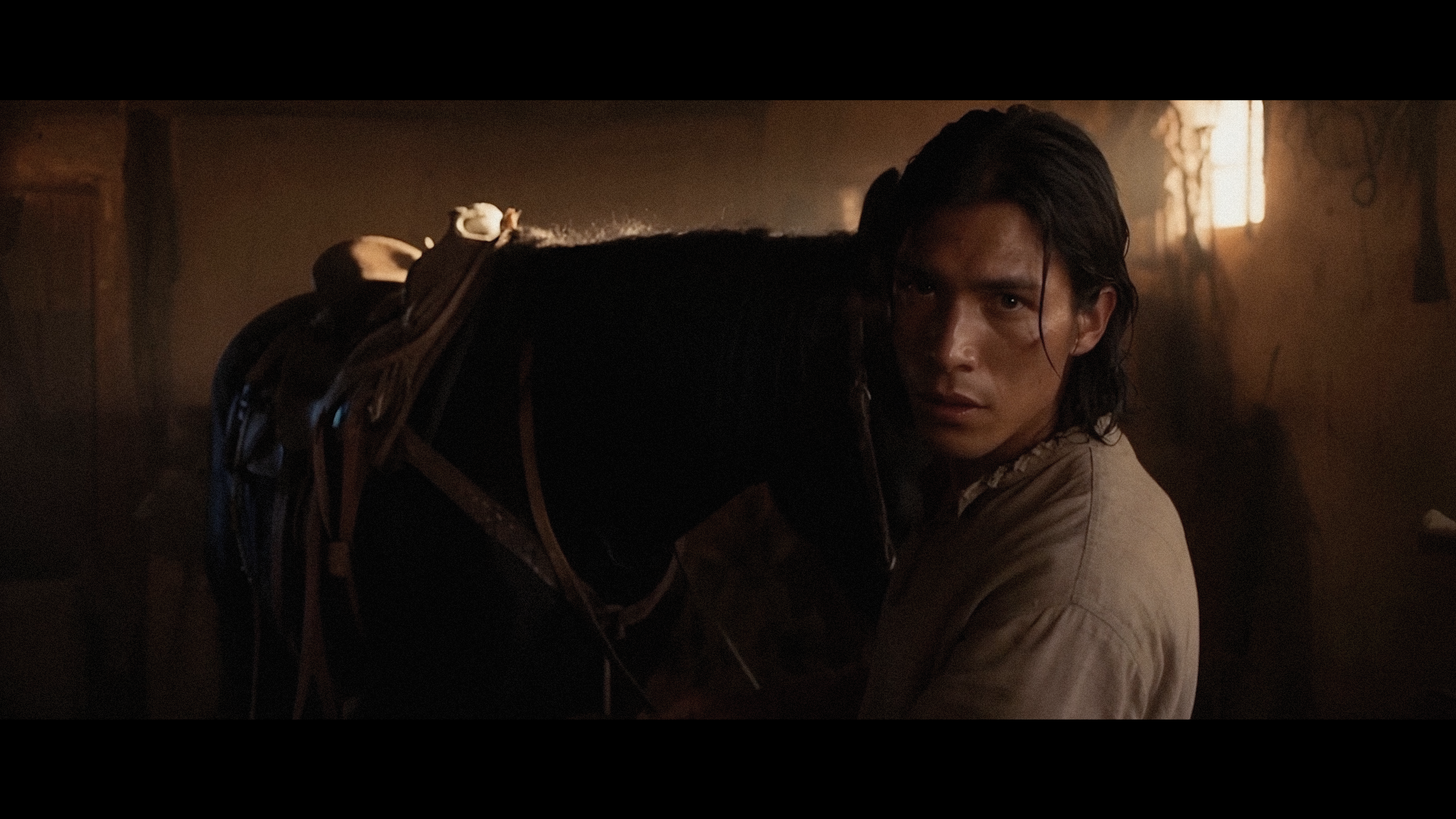
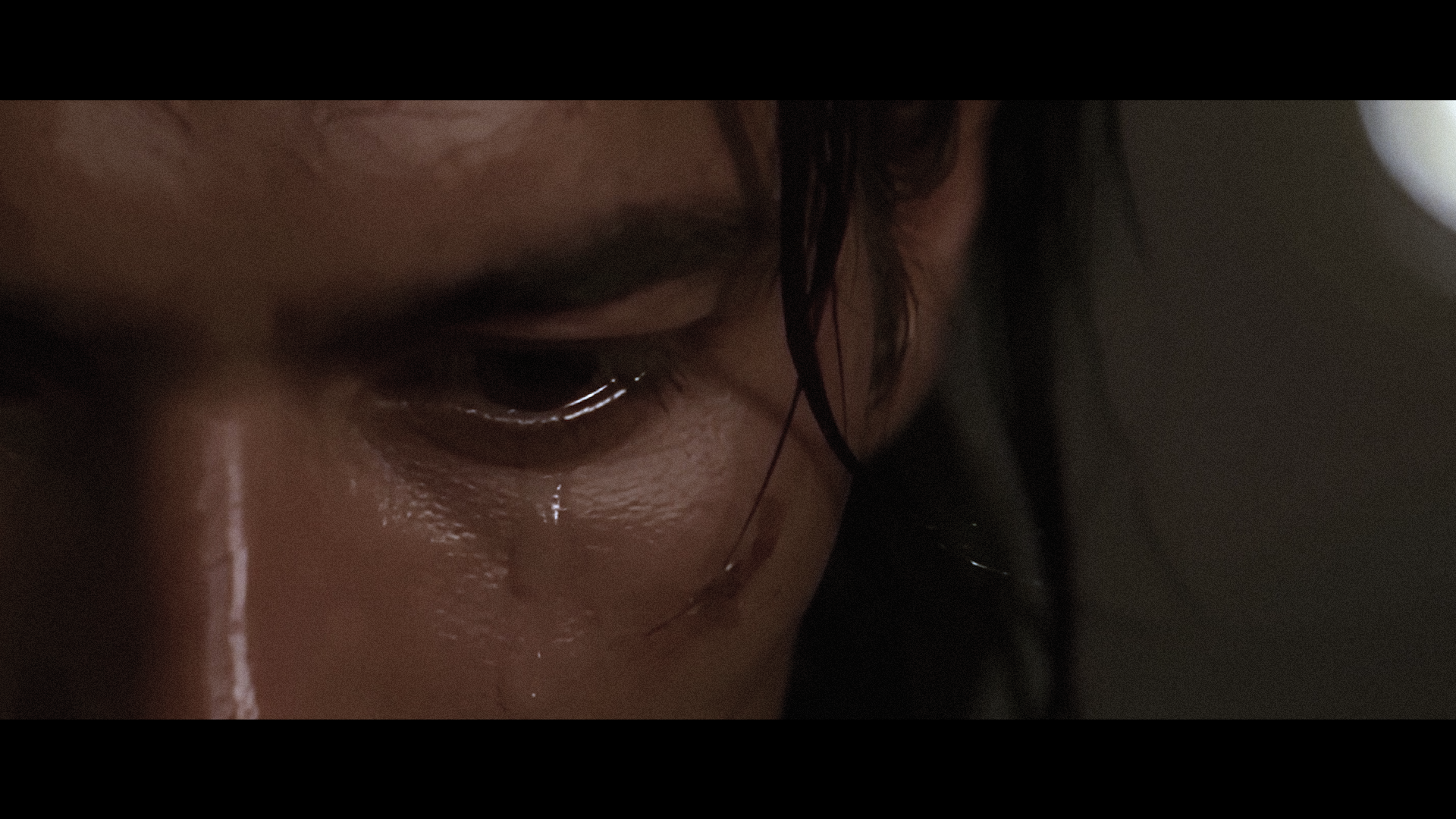
There was also an artistic challenge. The story includes the pacification of a village seen through the eyes of a young Native American, and it contains moments of trauma and implied violence. I needed to stay respectful and within a PG-13tone while still showing emotional truth. This required careful decisions in framing, details, and staging. Using ComfyUI allowed me to work outside strict guardrails and shape the scenes with precision.
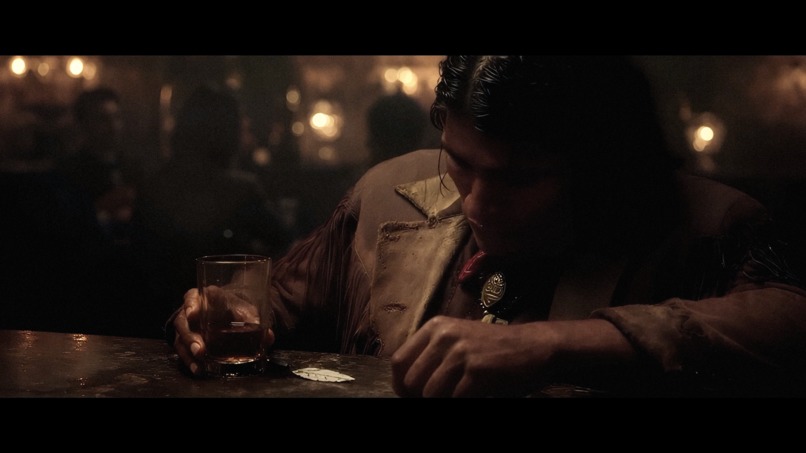
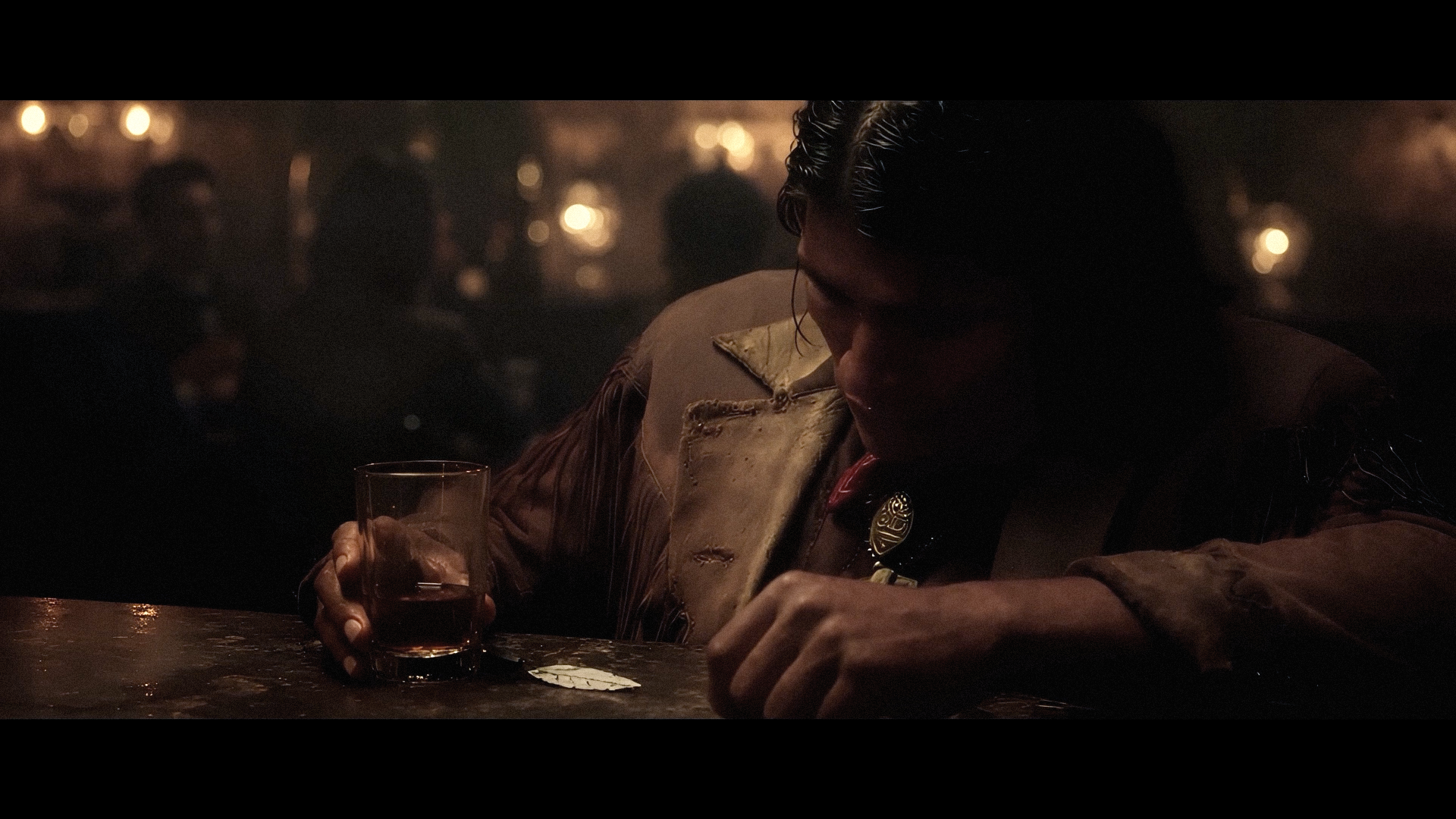
Some shots were deceptively complex. The scene of the drunken Arrow in the saloon required subtle foreground and background movement while keeping him nearly motionless. The small thread of saliva was extremely hard to generate believably. The final shot is a combination of six separate renders stitched together, and it took nearly two days of work.
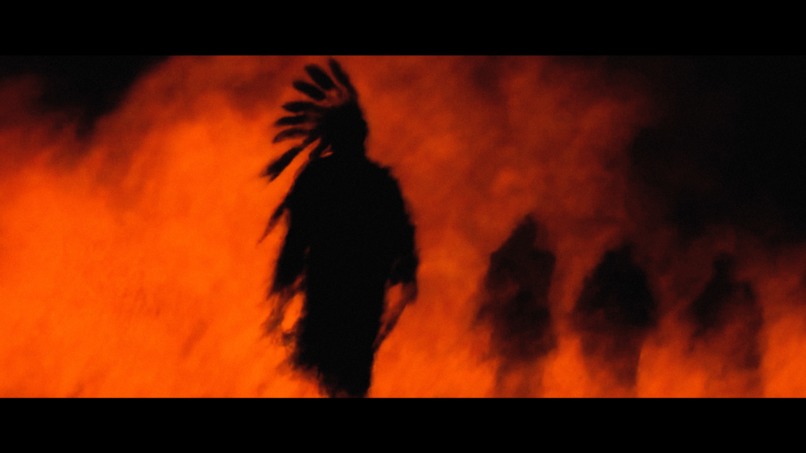
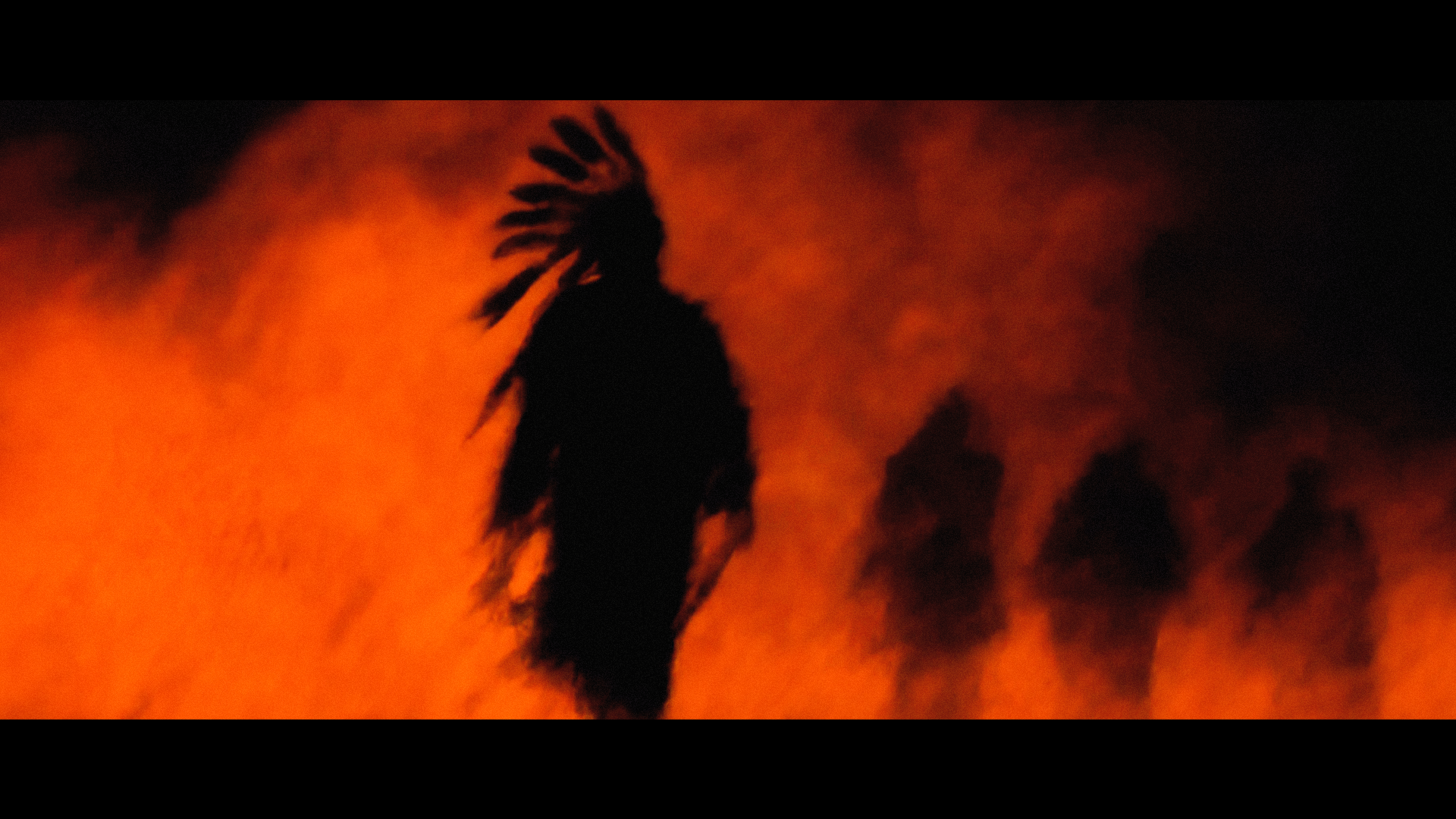
The hallucination sequence posed a similar challenge. I wanted it to feel like one continuous shot with a fluid, dreamlike rhythm. Achieving that required many generations, transitions, and manual corrections. The sequence consists of 47 individual clips. It became one of the strongest moments in the film, but also one of the most demanding. Looking back, I think it appears a little too close to the opening scene and would benefit from more scenes placed between them.
I think one of my biggest weaknesses was lip sync. I had to adjust every performance manually inside ComfyUI using Wan and LivePortrait. Today this process would be much easier with tools like LTX2 or other holistic AI models, but at the time it required a lot of trial and error.
Another challenge was color grading. Even with a locked seed and identical parameters, AI models introduce different noise patterns, which makes every clip behave like a separate production. One LUT cannot unify the whole film. Each shot had to be graded individually to maintain consistent tones and highlights. I am not a trained colorist, so this became one of the hardest parts of the process.
I stayed in Adobe Premiere Pro because moving complex nests, stitched shots, and layered effects into DaVinci Resolve would have caused more problems than it solved. I spent several days grading the film, and even then the image varied between my reference monitor and a TV screen. AI generated footage is unpredictable in terms of color science, and it showed me how important dedicated color specialists will be in future AI productions.
Accomplishments that we're proud of
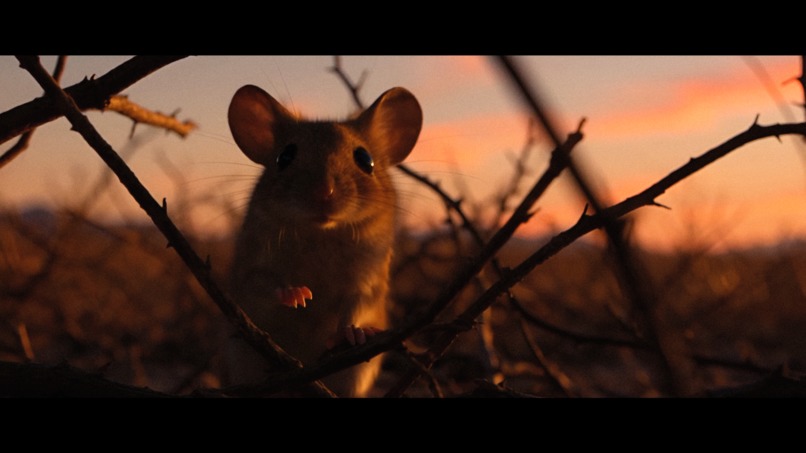
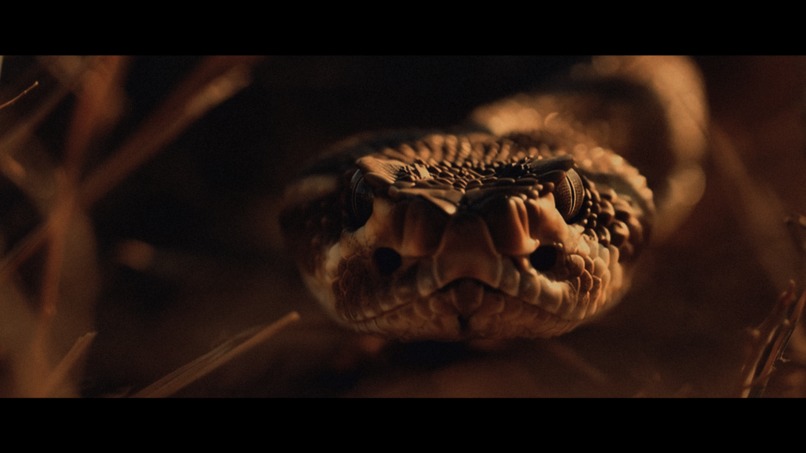
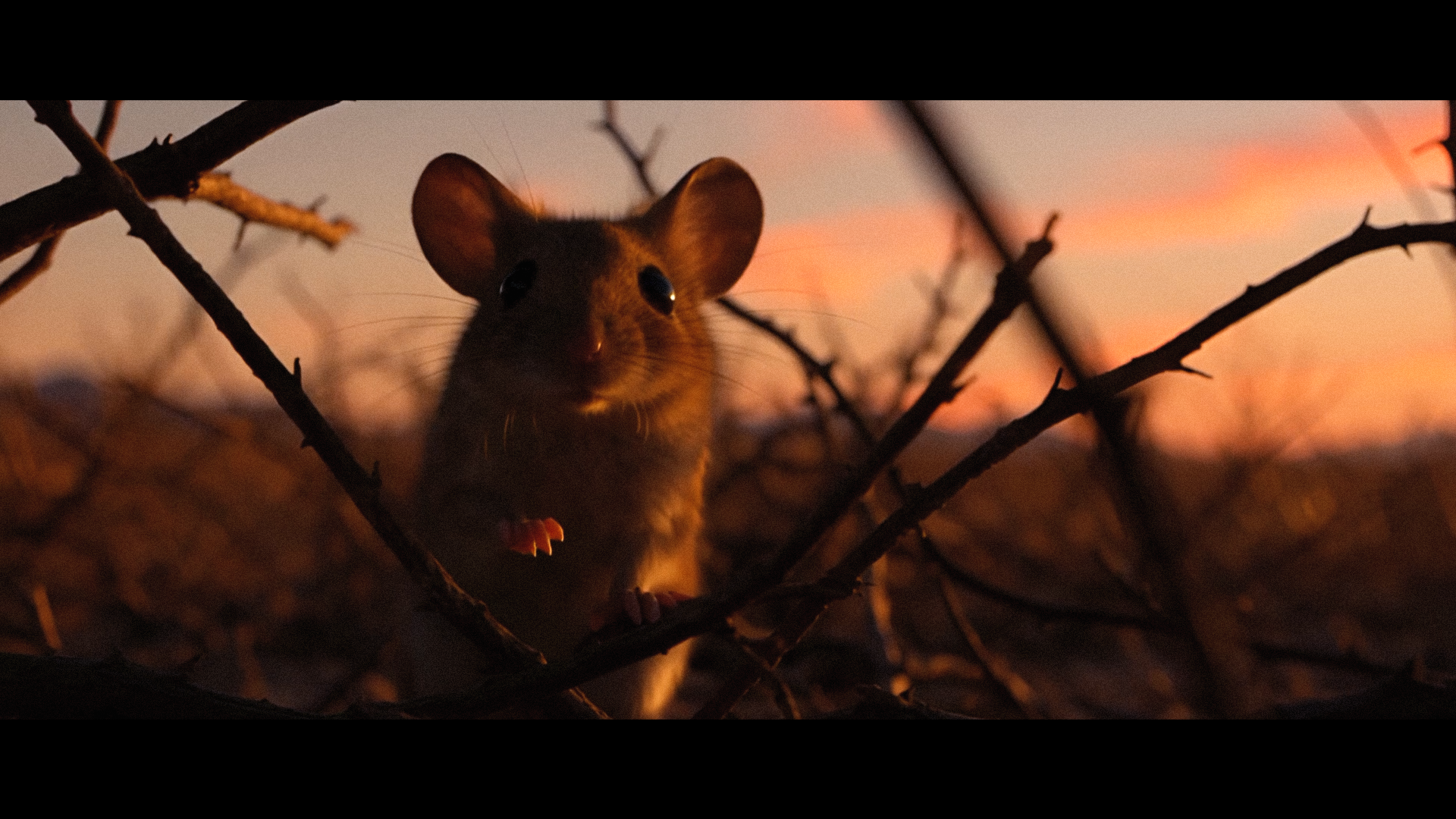
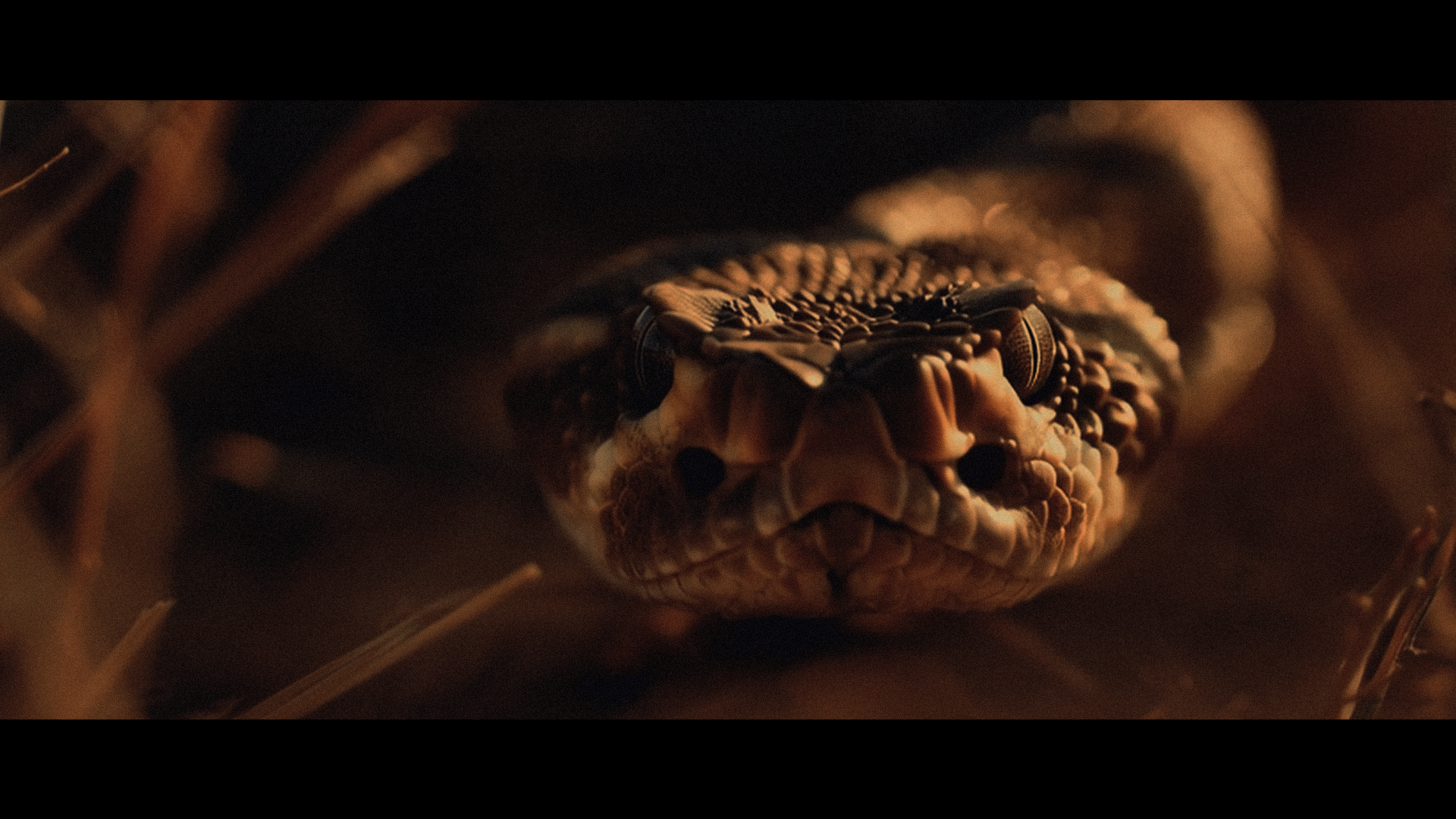
During my travels I created hundreds of photographs that later shaped the LoRa models defining the visual world of the film. I also documented the wildlife of the region, which helped me keep the natural environment accurate and coherent.
From there I built the characters. I wanted the protagonist and his community to feel natural and believable, so I constructed the linguistic foundation of a fictional Native language. With the help of LLM models I studied historical dictionaries of tribes native to the Sonoran Desert and combined elements of several surviving languages. This resulted in a simplified dialect that could plausibly have existed in the 1840s.
I composed two original songs and wrote the lyrics in this constructed language. I recorded base melodies and used AI tools to refine and finalize the sound. This process became more than a technical exercise. It felt like giving voice to a culture that history pushed into silence. It is my small tribute to the forgotten tribes of the Sonoran Desert.
Although I am not a sound designer, I am genuinely proud of the sound and effects in the film. The audio works even without music, holding the emotional weight on its own. I kept the minimal score only to add emphasis and give the montage a more dynamic rhythm. Every voice line and every environmental layer was built with Eleven Labs, which gave the world a sense of presence that surprised even me.
What we learned
The Wild West is full of contradictions. It is beautiful and brutal. Free and constrained. Real and imagined. Working with AI allowed me to emphasize these contrasts by placing the raw power of untouched nature against the pressures of expansion and change.
I learned to treat the desert not as a backdrop but as a character caught between memory and transformation. This project taught me how to merge real history with fictional storytelling and how to search for emotional truth with technical tools.
What's next for Broken Arrow
The project began as a short film for the Wild West series, but it grew into something larger. I want to expand it into a longer narrative that explores the protagonist’s journey and the mythology of the Sonoran Desert. The next steps include building a complete lore bible, refining the constructed language, and creating a full soundtrack that blends traditional elements with modern AI tools.
I also plan to experiment with new tools offering higher fidelity LoRa models and more advanced character animation. My long-term goal is to develop Broken Arrow into a fully realized cinematic world that can evolve into a larger series or a standalone film.

Log in or sign up for Devpost to join the conversation.