Inspiration
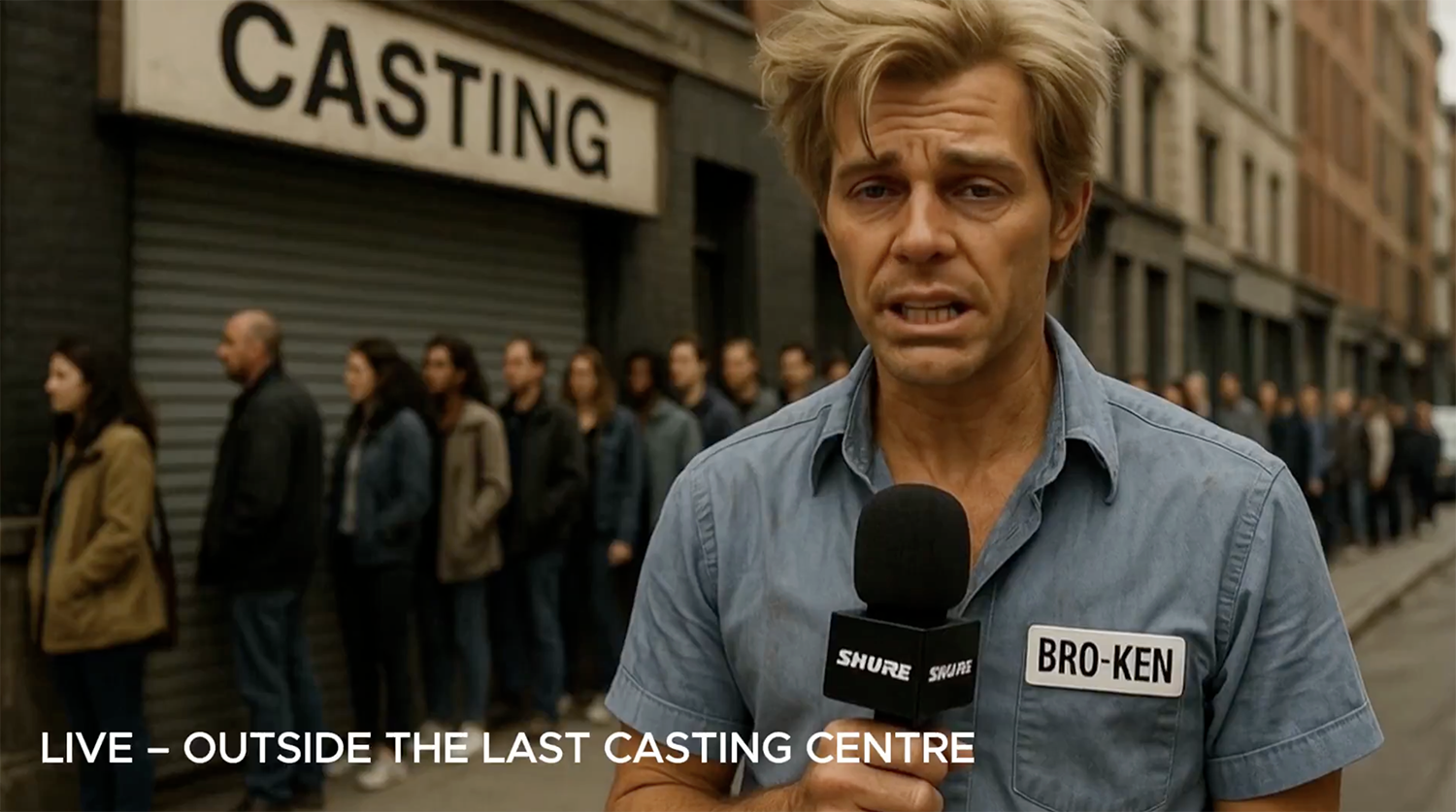
BRO-KEN: The Plastic Has-Been was inspired by the strange moment Hollywood is living through: actors losing work while AI-generated avatars rise to celebrity status. I wanted to explore that tension through satire, by imagining a once-famous Ken doll who “made it” in Hollywood decades ago, only to find himself irrelevant in an era where plastic toys aren’t in demand and AI actors never age, complain, or need a trailer. The character became a comedic lens for examining fame, obsolescence, and the uneasy relationship between traditional performers and digital replacements.
What it does
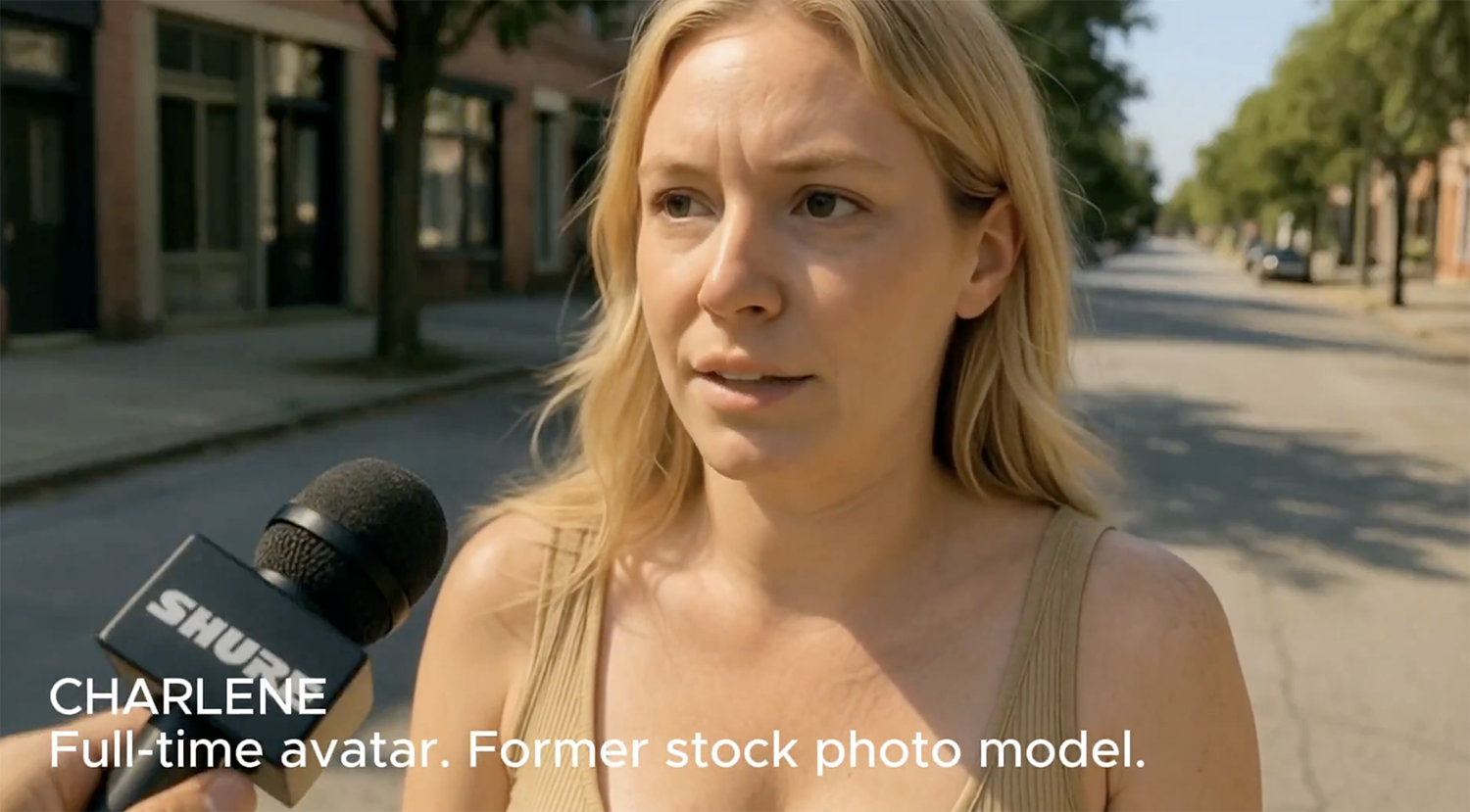
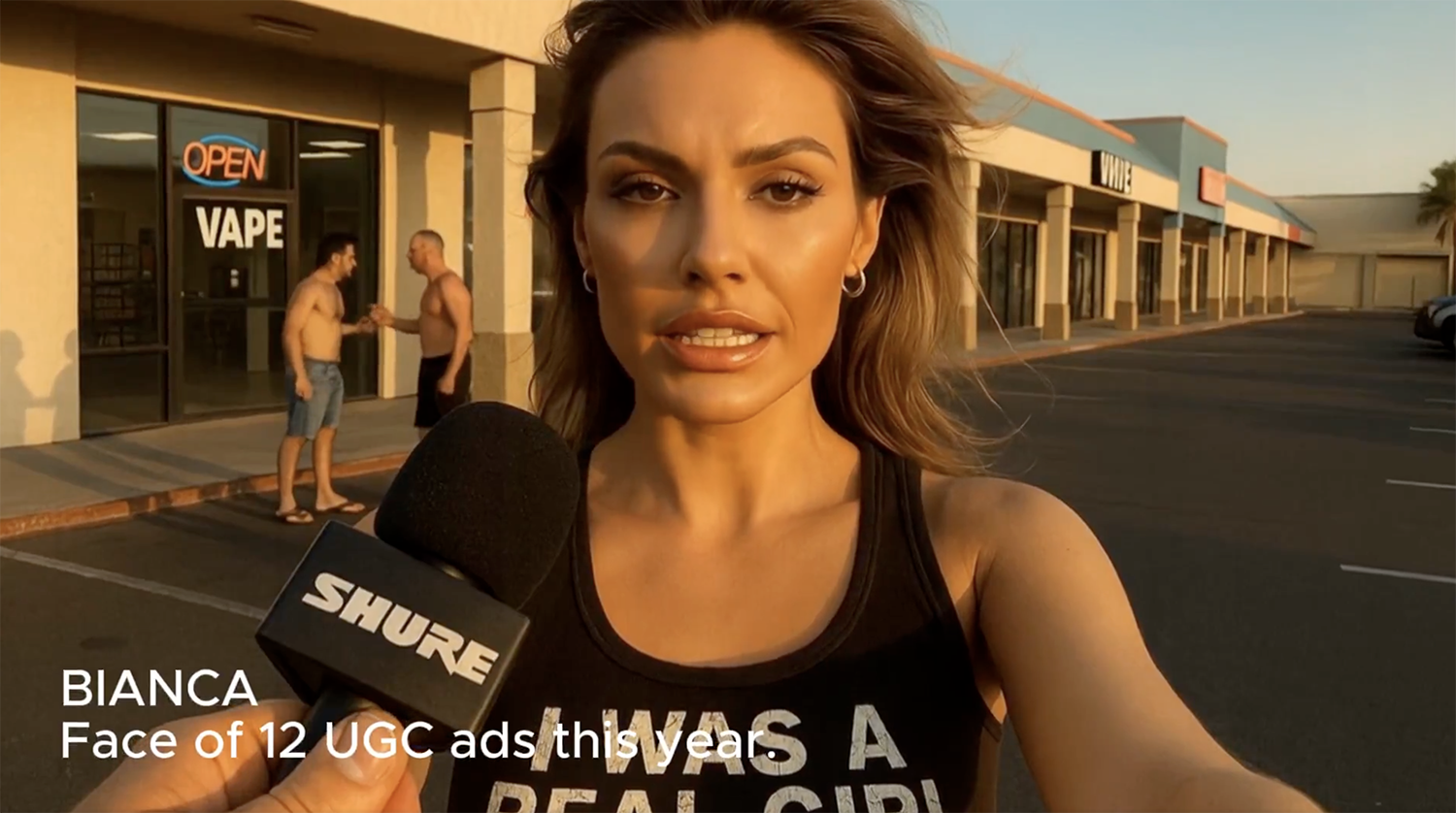
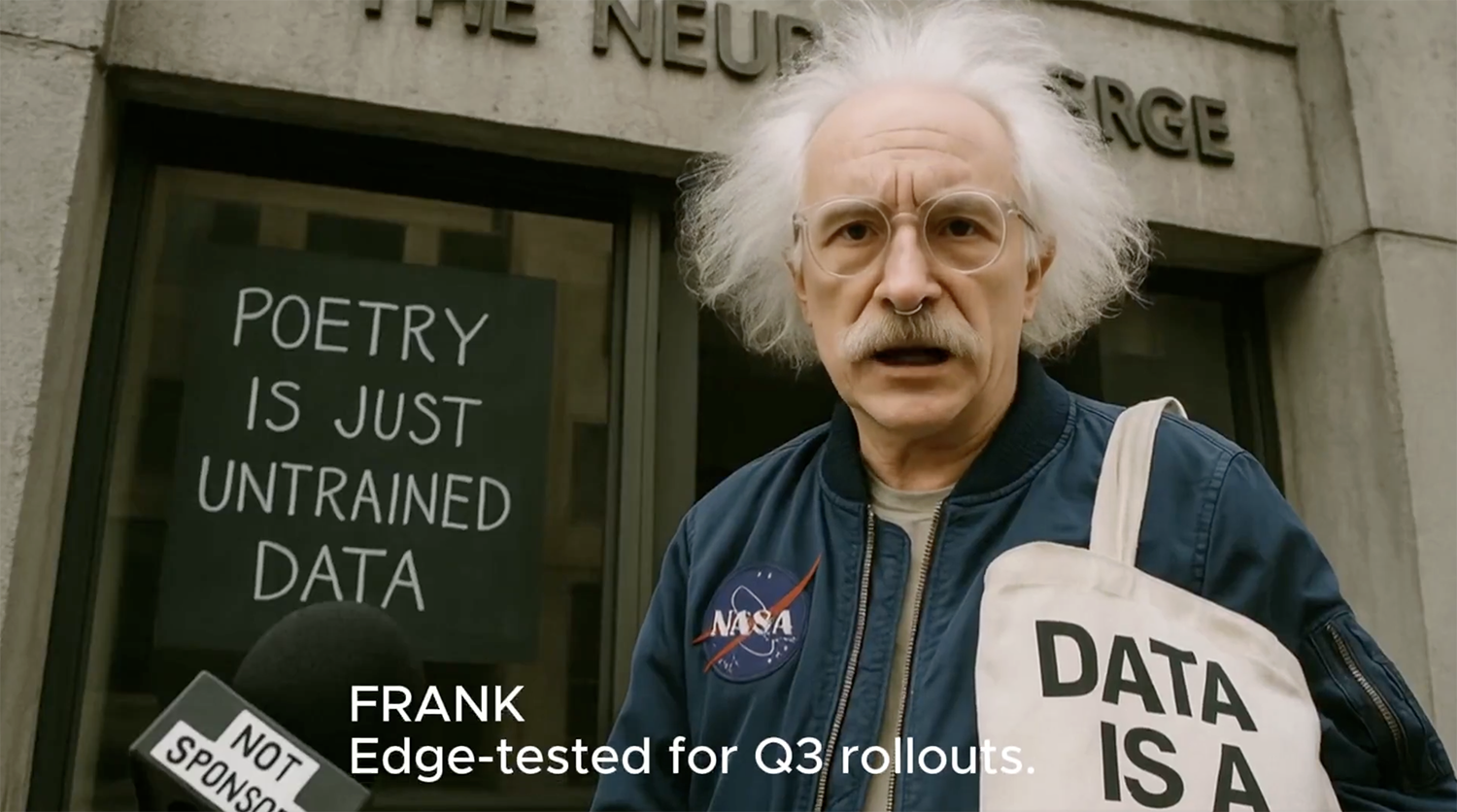
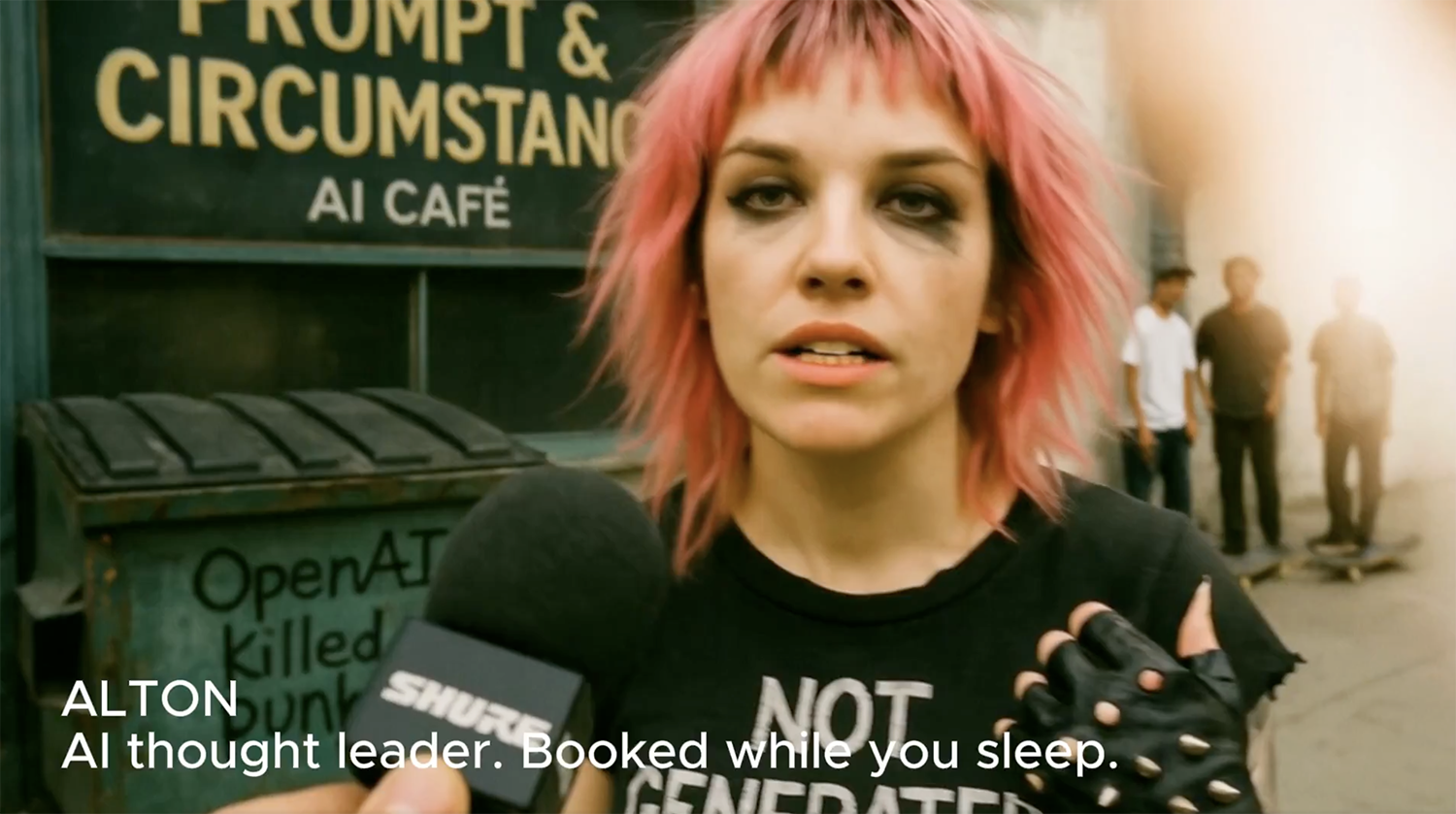
The film introduces Bro-Ken, a delusional, washed-up plastic actor, as he interviews AI avatars to figure out why they’re getting roles he can’t book. Through awkward conversations, slapstick interactions, and toy-sized ego battles, the piece parodies Hollywood culture while highlighting the absurdity of digital stars replacing human ones. It uses humour to explore a real industry shift.
How we built it
We used HeyGen Avatar 4 to generate the AI talent Bro-Ken interacts with, giving each avatar an overly polished, brand-friendly look that contrasts with Bro-Ken’s cheap, self-produced interview style. Editing and comedic timing were done in CapCut, leaning into intentionally low-budget framing to amplify the joke. Bro-Ken’s character was crafted through improvised scripts, mismatched expressions, and clumsy delivery, creating the feeling of a has-been actor desperately trying to stay relevant.
Challenges we ran into
• Getting AI avatars to deliver timing that supported slapstick humour. • Ensuring Bro-Ken remained lovable instead of purely pathetic. • Balancing industry satire with light-hearted comedy. • Making avatar–toy interactions feel natural despite style differences. • Keeping the joke tight and readable in a short runtime.
Accomplishments that we're proud of
• Creating a fully AI-supported comedy sketch centred on character personality. • Using avatar technology as part of the joke, not hidden behind production. • Building a memorable, reusable comedic character with long-term potential. • Delivering a sharp, relevant parody of Hollywood’s current AI tensions. • Proving short-form AI comedy can feel expressive, charming and intentionally stupid.
What we learned
• Comedy works best when the imperfections are embraced, not corrected. • AI avatars can enhance humour when the contrast with “reality” is intentional. • A character-first approach creates more emotional connection than visuals alone. • Satire lands harder when it’s rooted in real cultural anxiety. • Simplicity, one character, one joke, one situation often creates the strongest hook.
What’s next for BRO-KEN: The Plastic Has-Been
Bro-Ken is being developed into a recurring satirical character, a plastic relic navigating a digital-first entertainment industry. Future episodes will follow him through botched auditions, influencer collaborations, AI acting classes, and increasingly desperate attempts to reclaim relevance. The long-term goal is to create an ongoing comedy series where Bro-Ken becomes a mascot for Hollywood’s identity crisis and the absurdity of the AI–actor divide.
Built With
- capcut
- heygen
