Every day we buy products without really understanding what is inside them. Ingredient labels are often confusing, technical, and easy to ignore. I wanted to create a more intuitive way to explore products by turning information into an experience instead of a list.
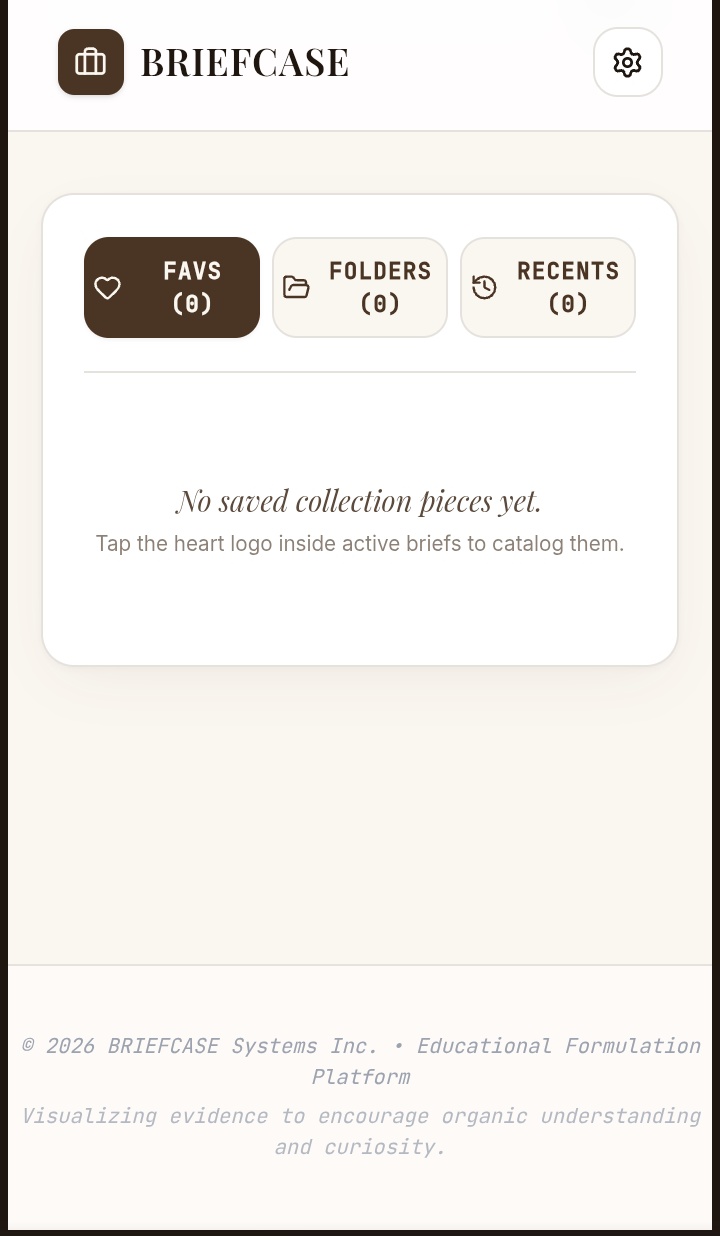
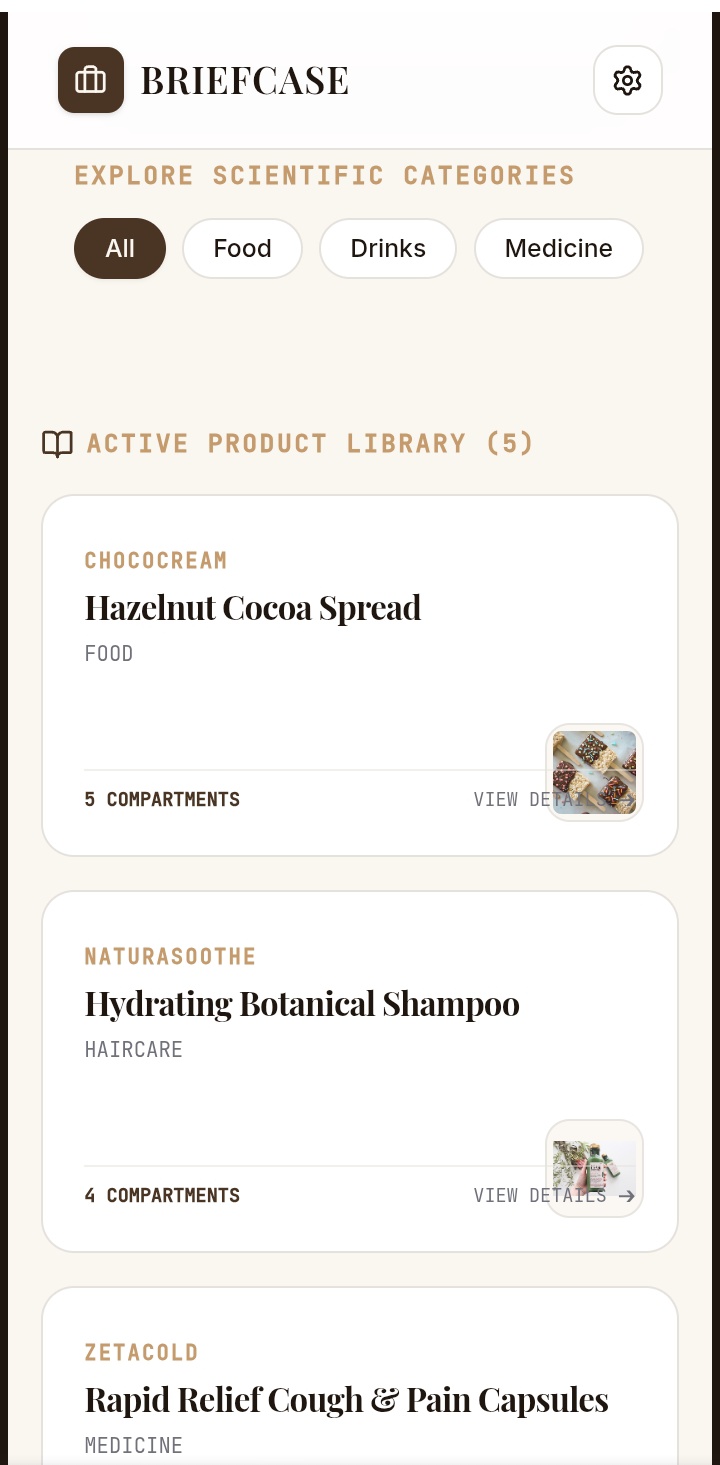
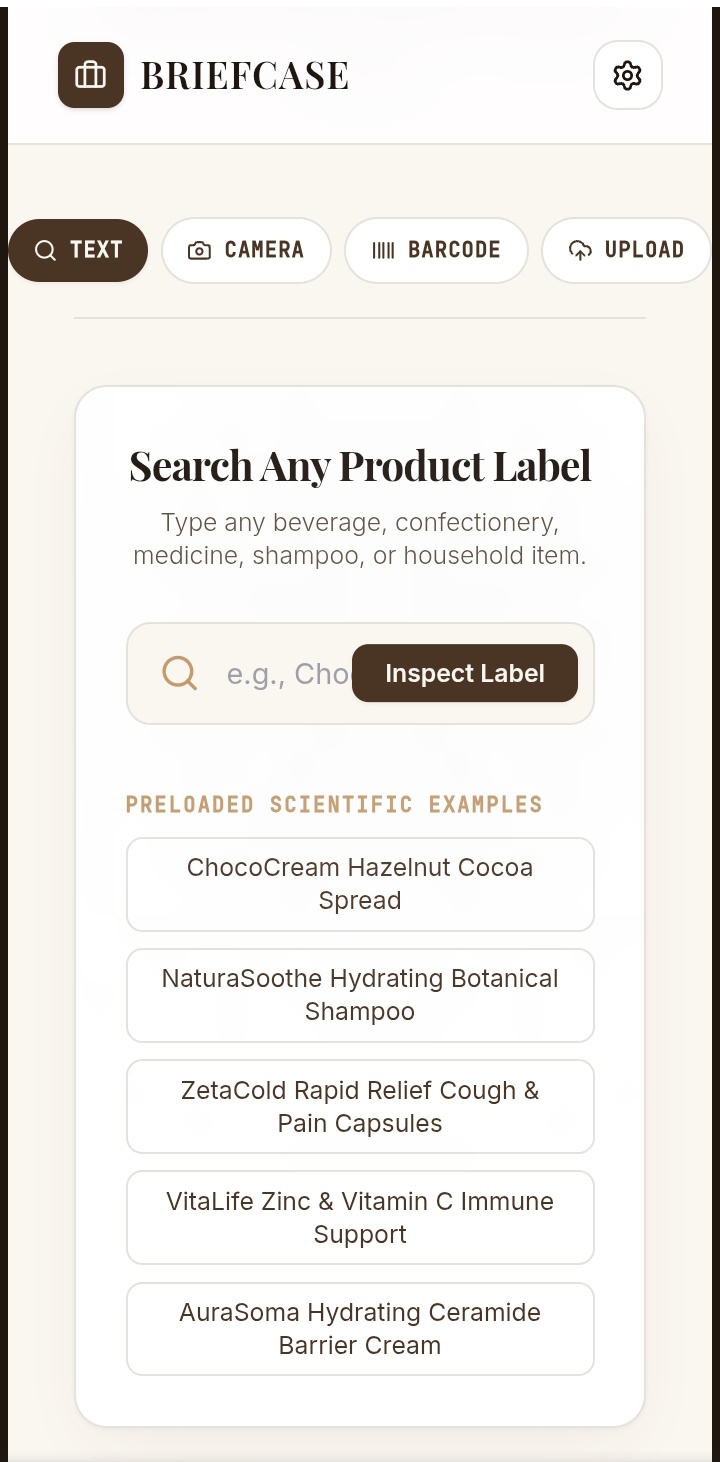
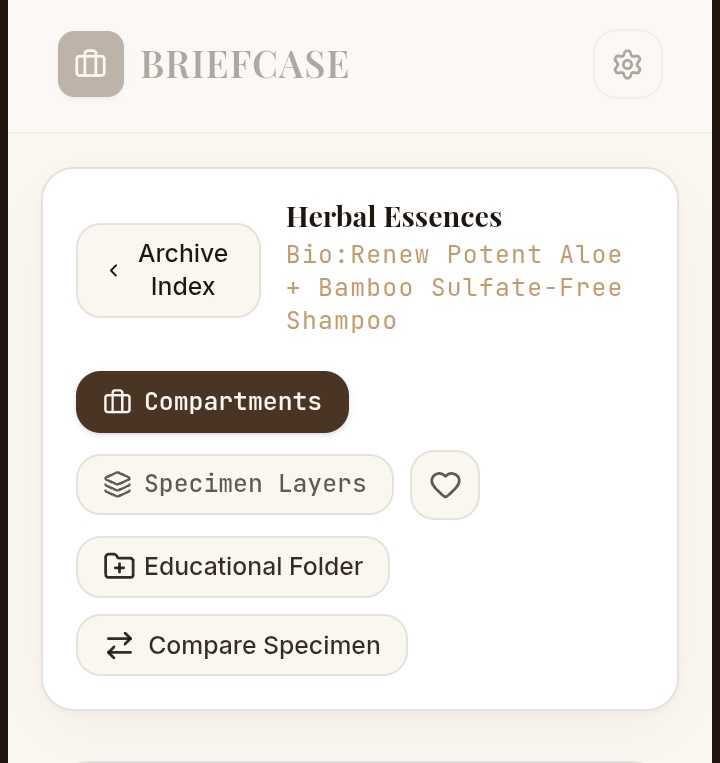
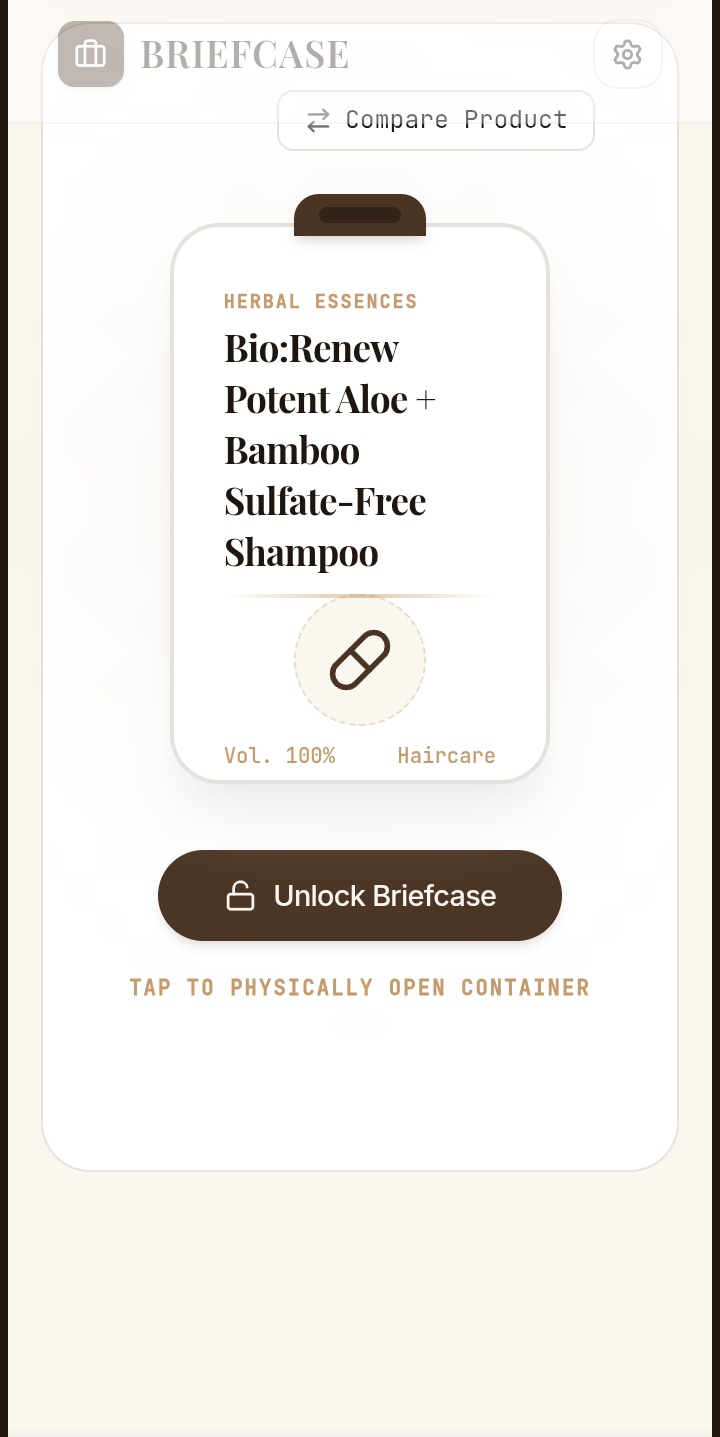
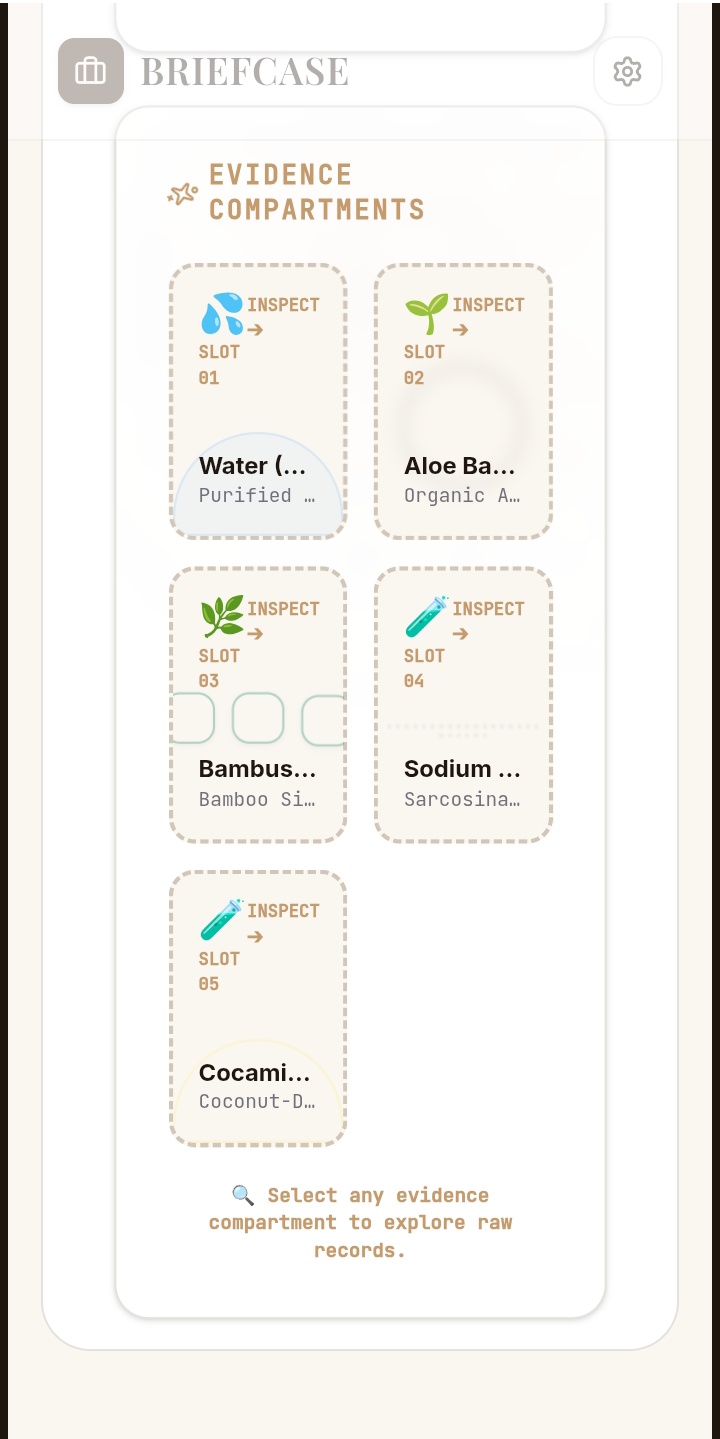
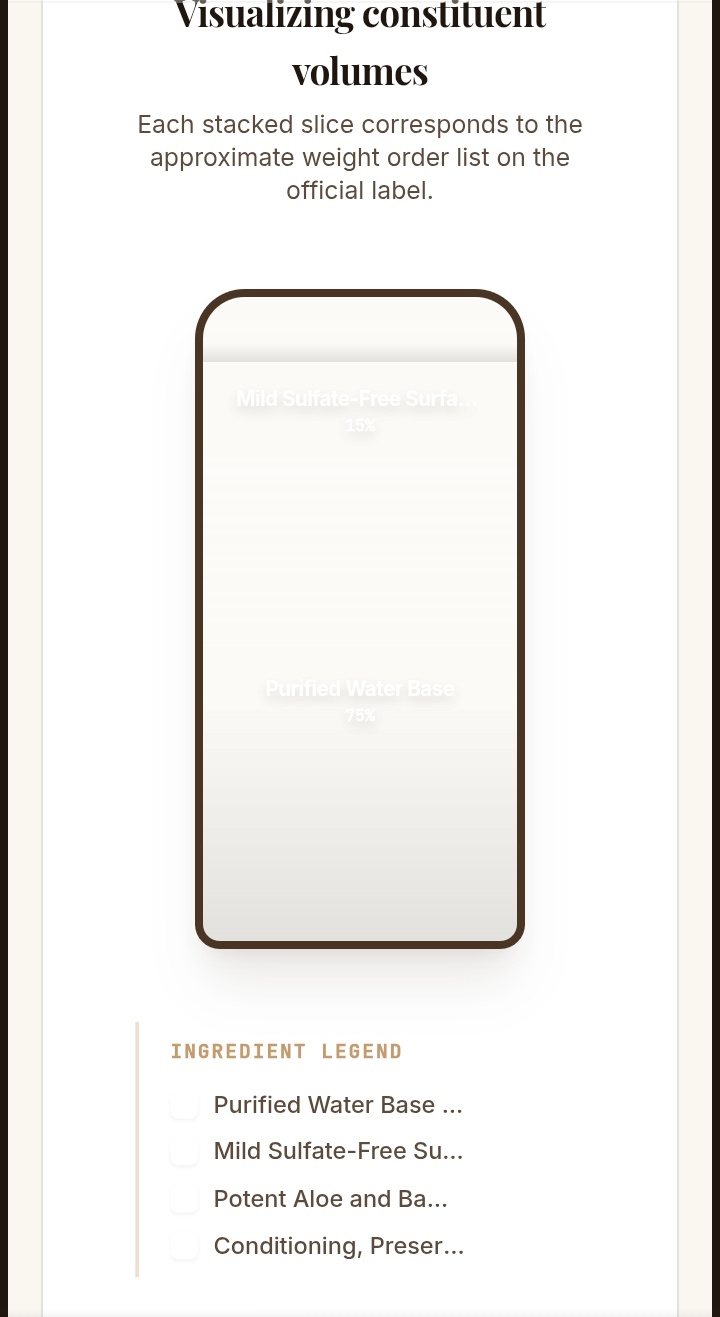
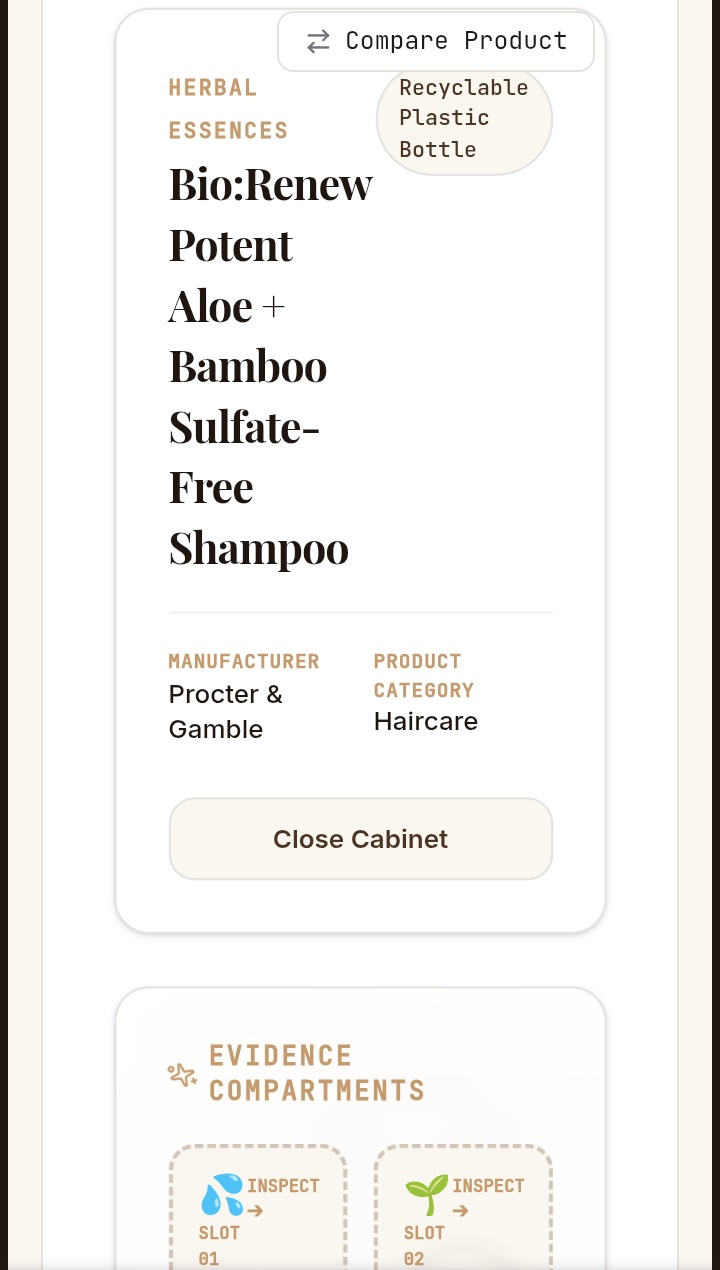
Briefcase lets users search, scan, or upload a product and literally open it like a briefcase. Inside, users discover realistic visualizations of its ingredients, an approximate composition view showing what makes up most of the product, and simple explanations that make complex information easy to understand.
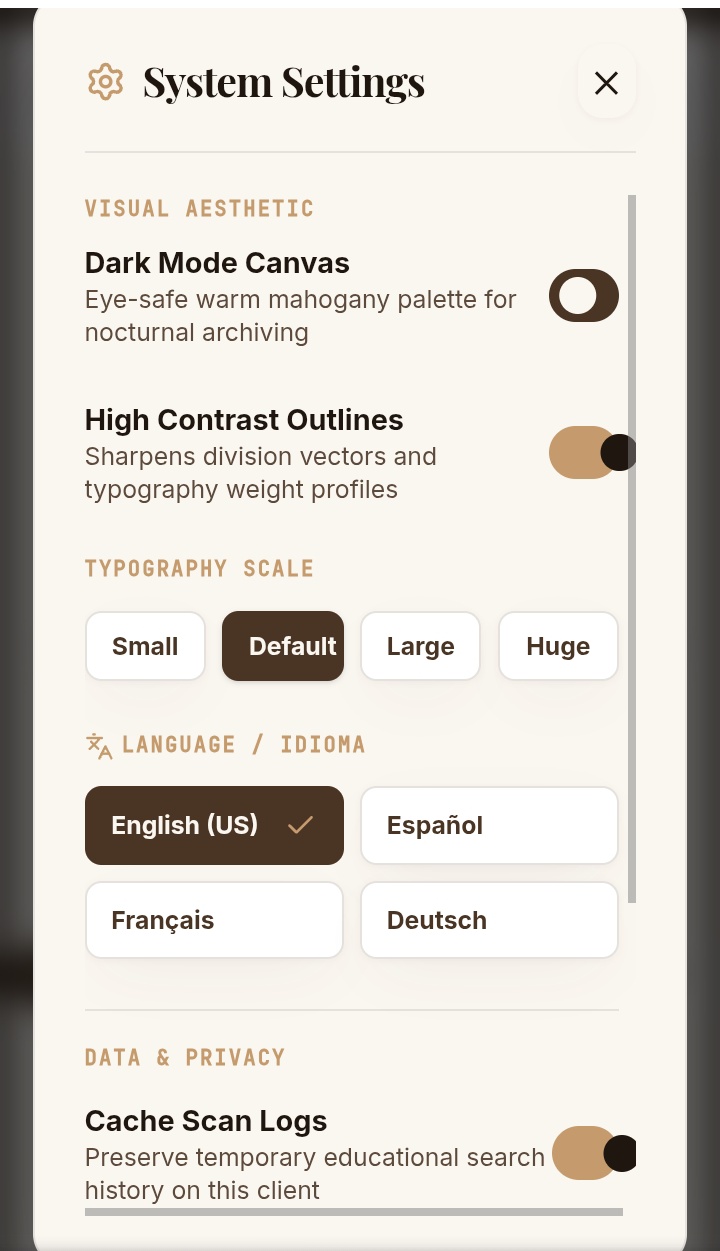
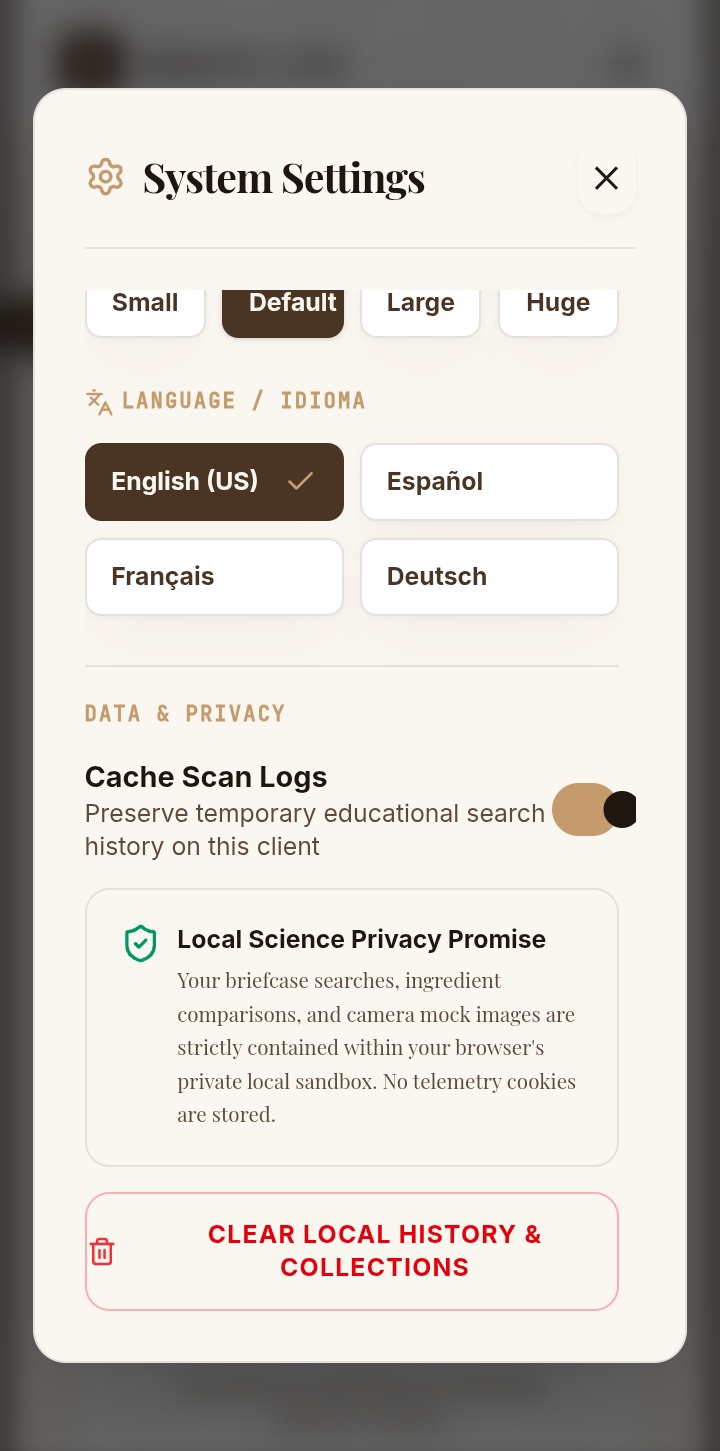
We built Briefcase as a responsive web application using AI for product recognition and ingredient analysis. The experience focuses on smooth animations, realistic visualizations, and a clean interface that works seamlessly across phones, tablets, laptops, and desktops.
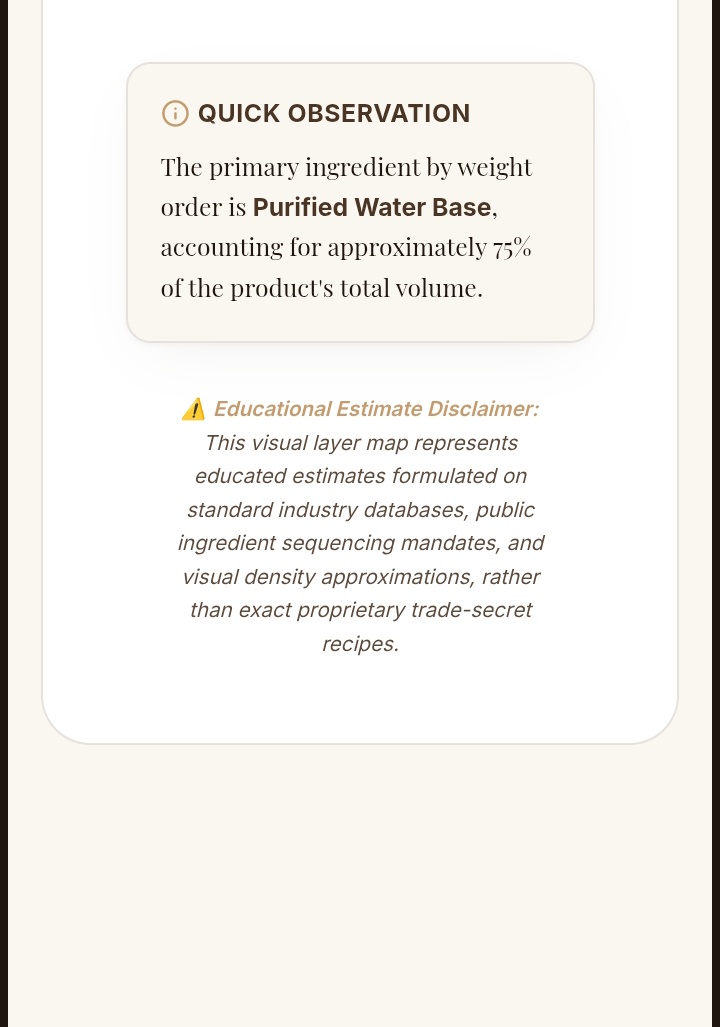
The biggest challenge was turning ingredient lists into meaningful visual representations. Since manufacturers rarely publish exact ingredient percentages, we had to create educational approximations while making it clear they are visual estimates rather than exact formulations.
We're proud of creating an experience that makes learning about products genuinely enjoyable. Instead of overwhelming users with technical labels, Briefcase encourages curiosity through interaction and design.
This project taught us that information becomes far more engaging when people can explore it visually. Great design can make even everyday products feel interesting and accessible.
We plan to expand the product database, improve ingredient visualizations, add more product categories, refine the composition models, and continue making product transparency more intuitive and accessible for everyone.

Log in or sign up for Devpost to join the conversation.