-
-
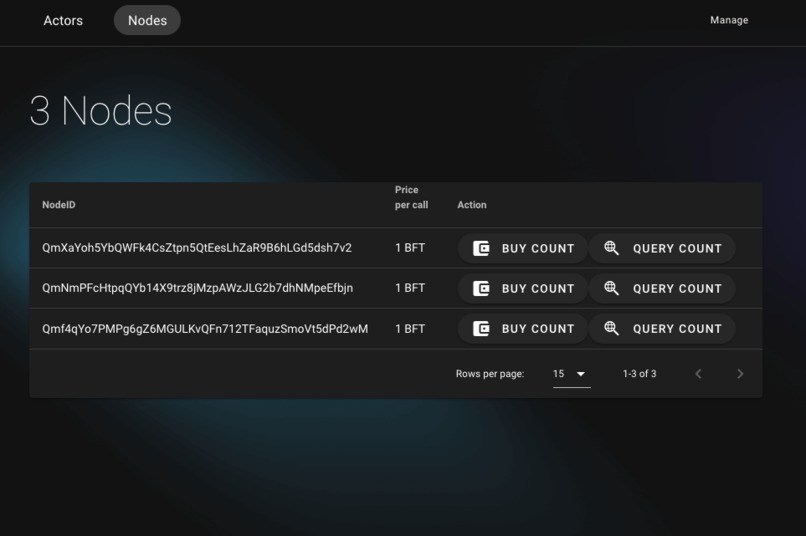
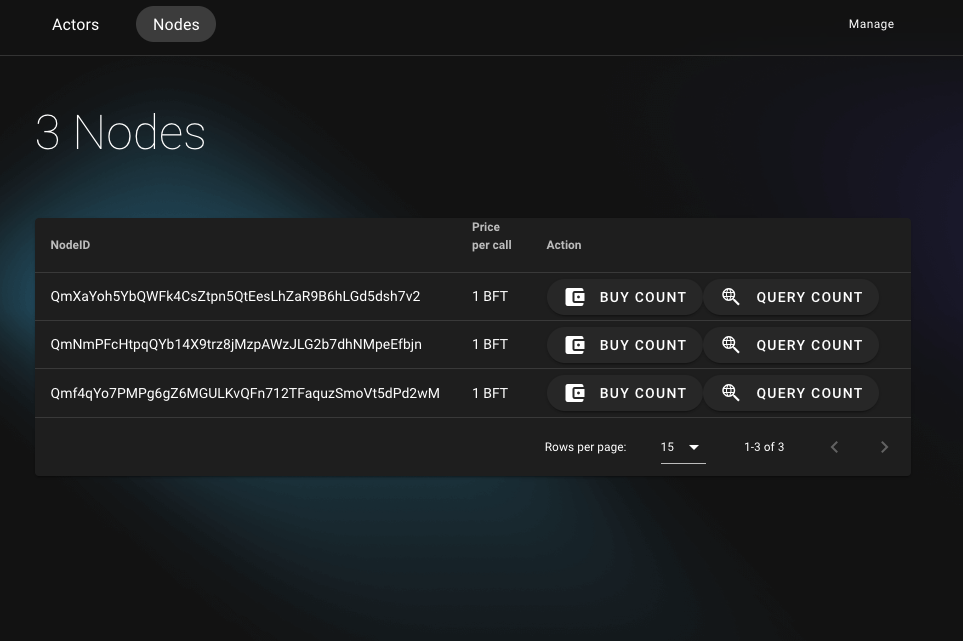
nodes market
-
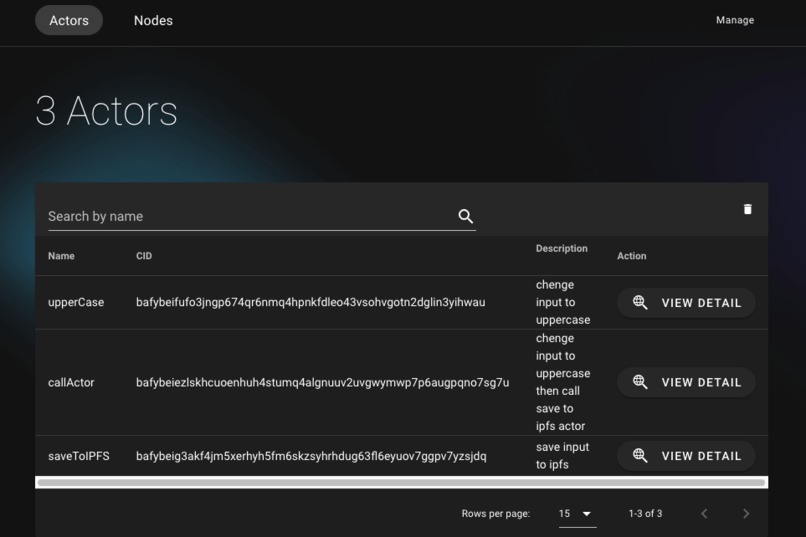
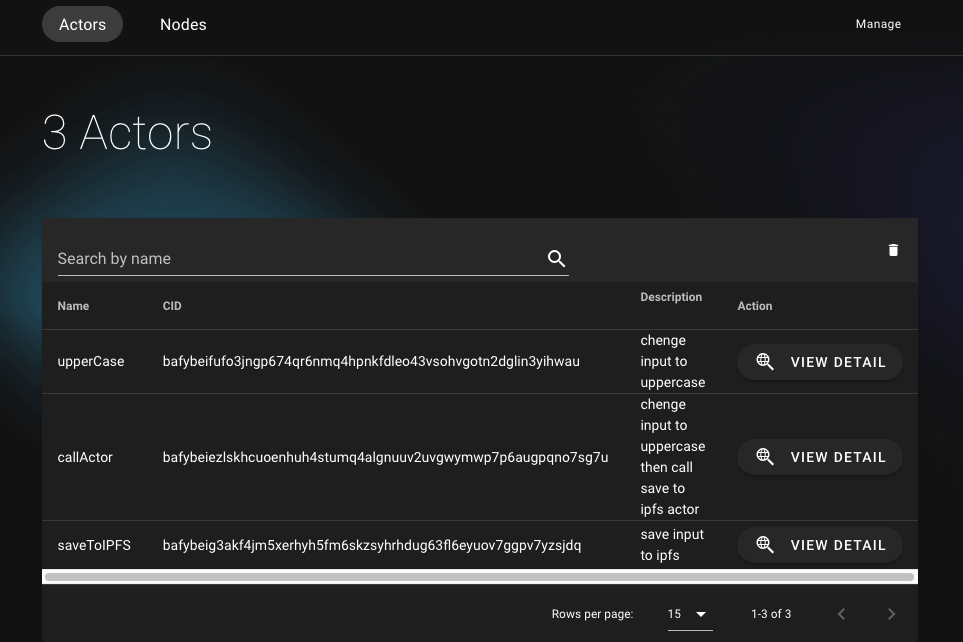
actors market
-
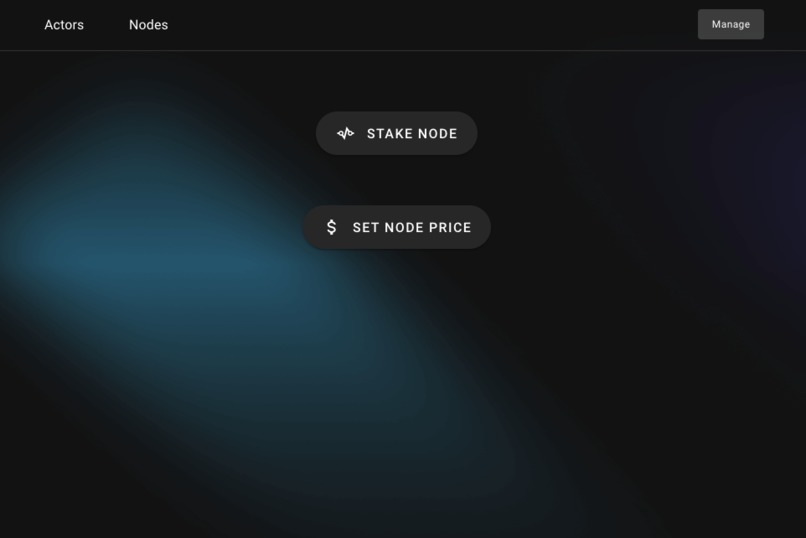
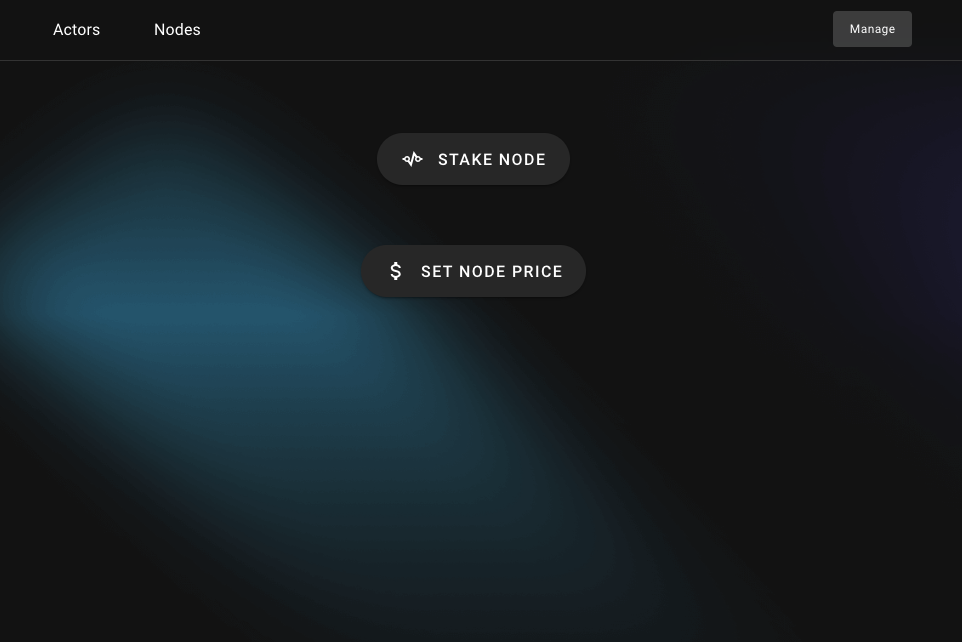
nodes manage
Inspiration
I am a cloud-native developer and am interested in blockchain. Web3 is so interesting and useful as well as there are some useful things in web2, I'd like to combine the together!! Building a web3 serverless platform.
What it does
It is a web3 serverless platfrom, users can run there application on it and paid only when there application is called.
Also the worker node have some plugin-in components wich make it easier for users web2 use web3 such as ipfs. Users with available computing resources can run worker nodes to earn.
Developers can develop wasm applicition and upload to actor market to earn.
Also, BridgeFabric makes it easier for web2 users to use web3 data.
Compute over public and private data.
How we built it
It includes several parts: worker node, system manager dao contract, actors. The worker node is built on top of dapr, which is a web2 application runtime. I add webassembly actor support for it, add used libp2p to connect other worker nodes and use the contract to manage worker nodes. I developing a contract to manage this system, it is pluggable. It including worker node stake, worker node defines each call price and paid for actor called. Contract is deployed on polygon. I defined a wasm abi standard for actors and worker nodes to communicate and develop some example actors. Actor binary is stored in ipfs and filecoin storage system using web3.storage.
Challenges we ran into
I have a full-time job, and I have finished all the projects by myself. So the time for me to do it is limited.
I need to learn libp2p for node discovery and communication. Also I need to write go, vue, js, solidity code. I need to define how actor communicates to worker node.
Accomplishments that we're proud of
BridgeFabric making it easier for users to access web3 and I finally finish a MVP version for it. Users can run their applications in a decentralized serverless way and only pay when their application is called. Their application can computed over on-chain or off-chain data in a decentralized way.
What we learned
So, so much. I learned how to use libp2p to find and communicate with other nodes. This is my first solidity contract, I start to have a feel for the language and patterns. Also, I learned how to use go ethclient and etherjs to communicate to blockchain contract. I learned some excellent web3 projects, such as chainlink, filecoin, polygon...etc. My project is a bridge for web2 to easily connect with web3, while chainlink is bridge for web3 to use data off-chain such as web2, that's fantastic!
What's next for BridgeFabric
This is the MVP version of BridgeFabric. BridgeFabric is modular designed, and each module can be upgraded. There are several things that need to be done in the future:
- Developing manager node, currently most manage function is included in the smart contract.
- Developing auto verify function for actor execution results.
- Developing a better actor market.
- Developing more component support for worker nodes and more chain support.
- Developing node auto select contract, worker node will be seleceted by contract to run actor considering their stability, reputation and some are selected randomly. The random numbers are generated by chainlink.
Built With
- filecoin
- go
- ipfs
- javascript
- polygon
- redhat
- solidity
- vue
- web3storage

Log in or sign up for Devpost to join the conversation.