-
-
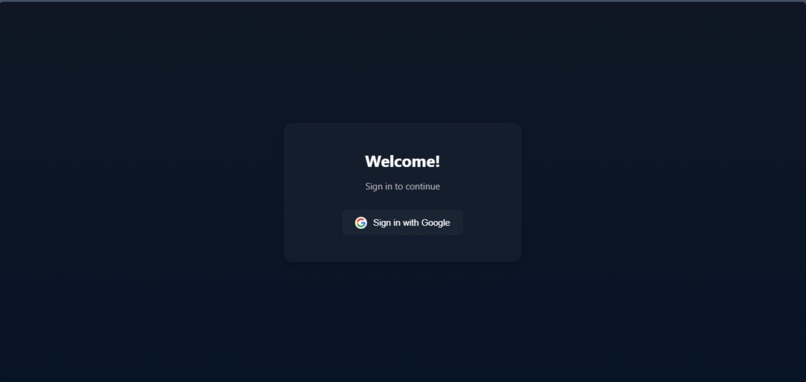
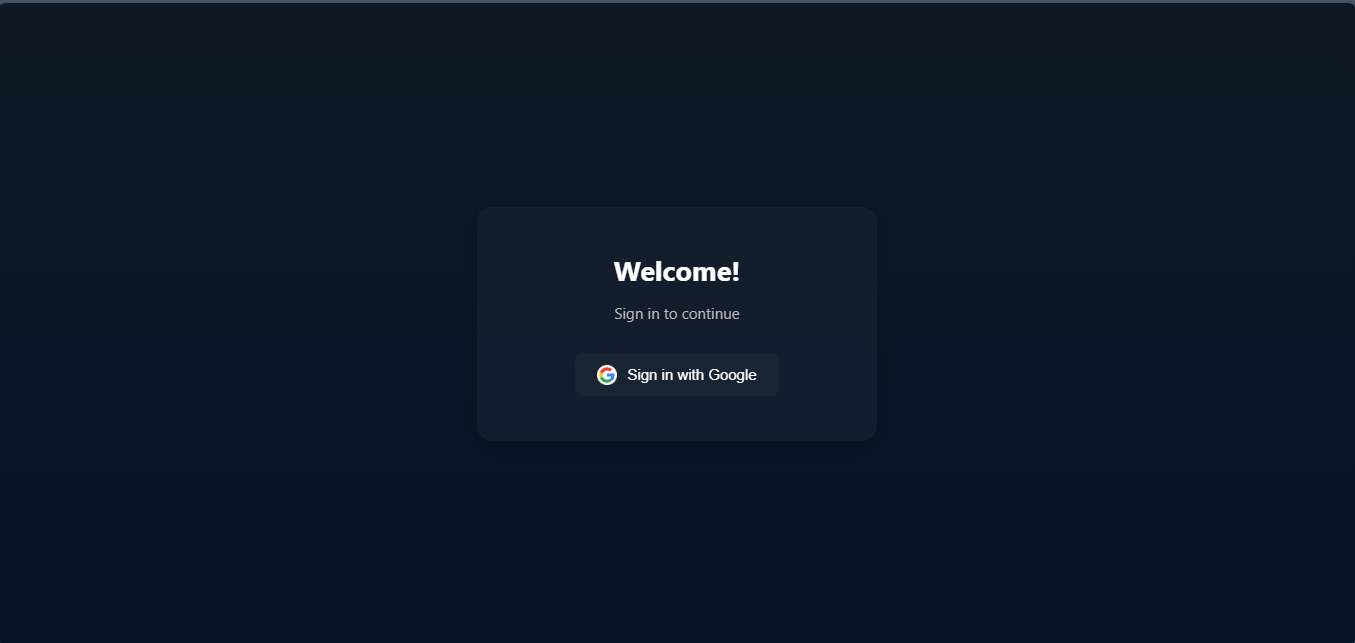
Login Page
-
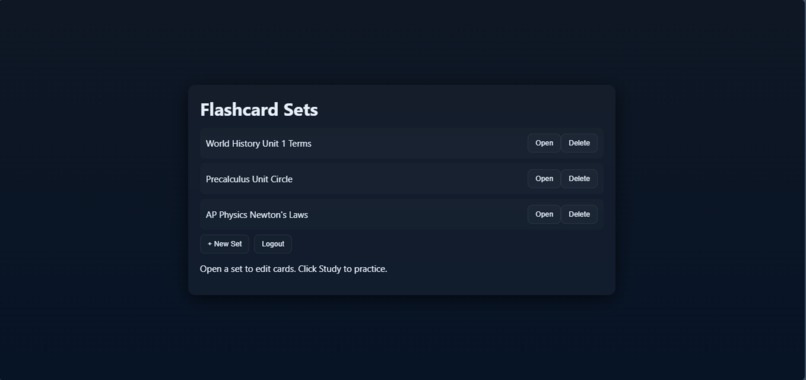
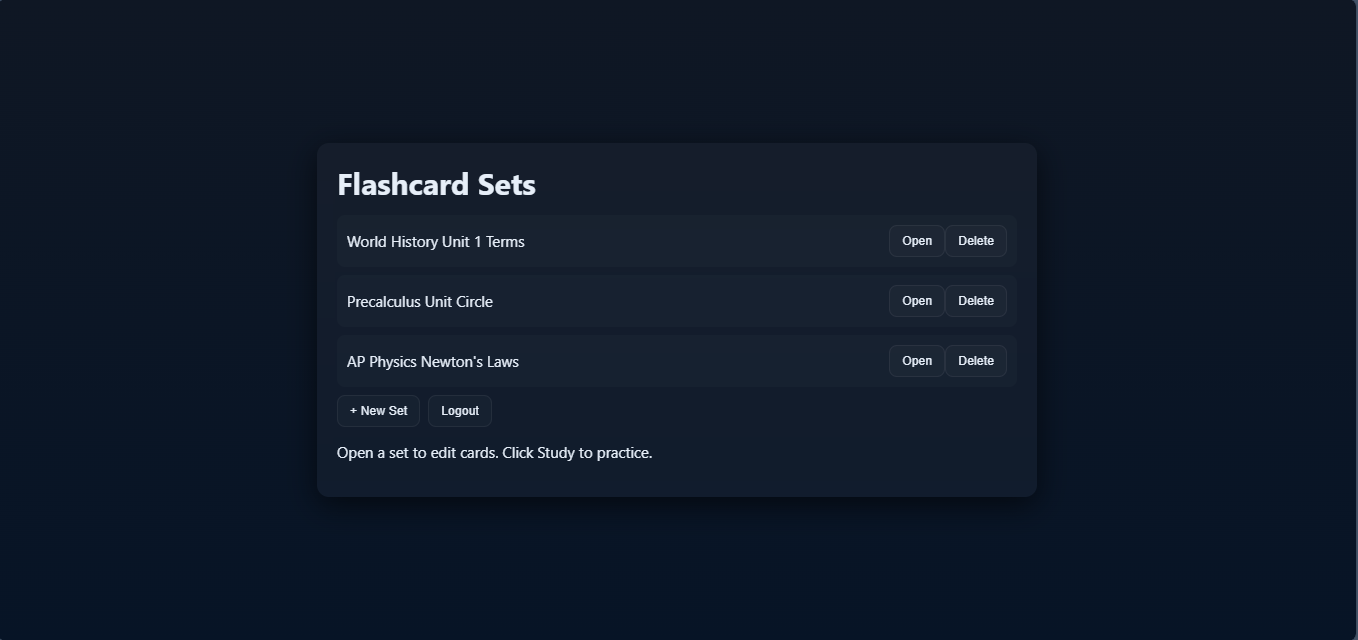
Home Page
-
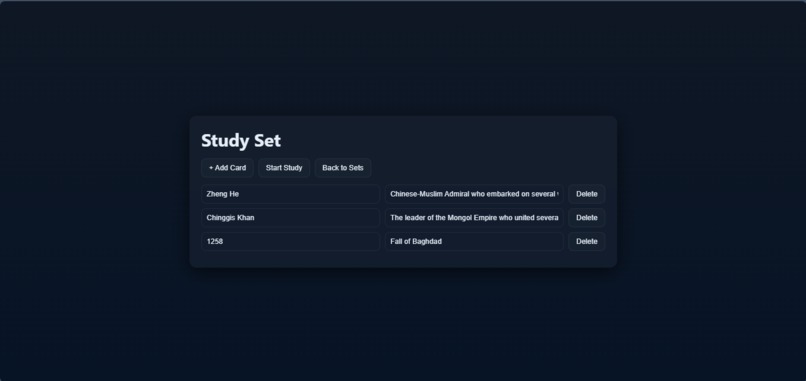
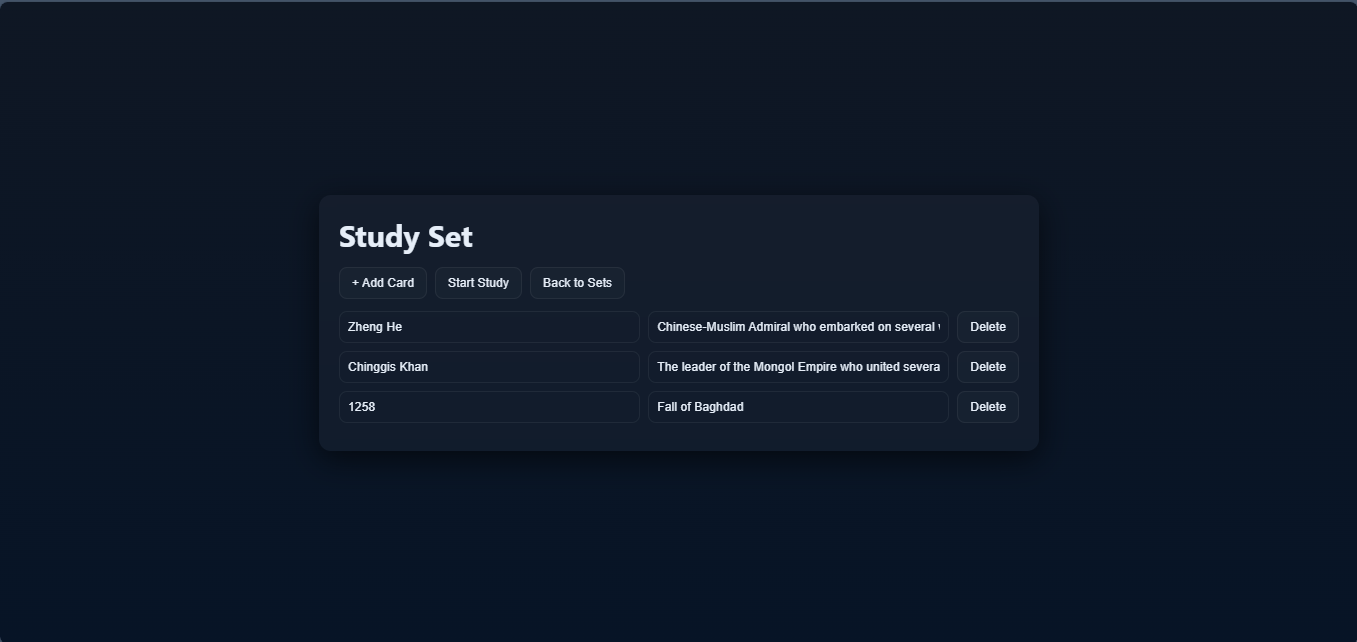
Set Creation
-
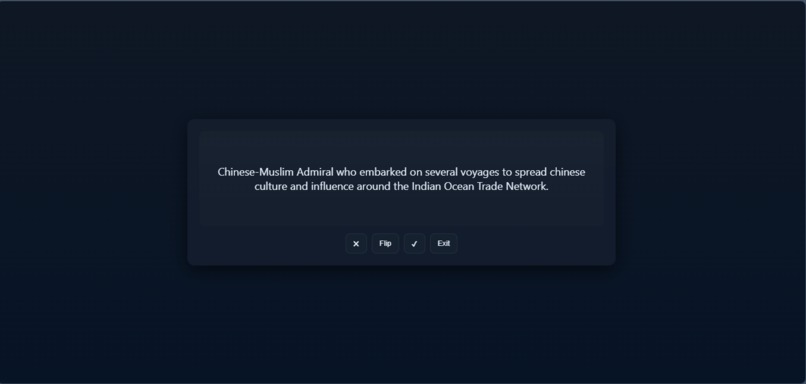
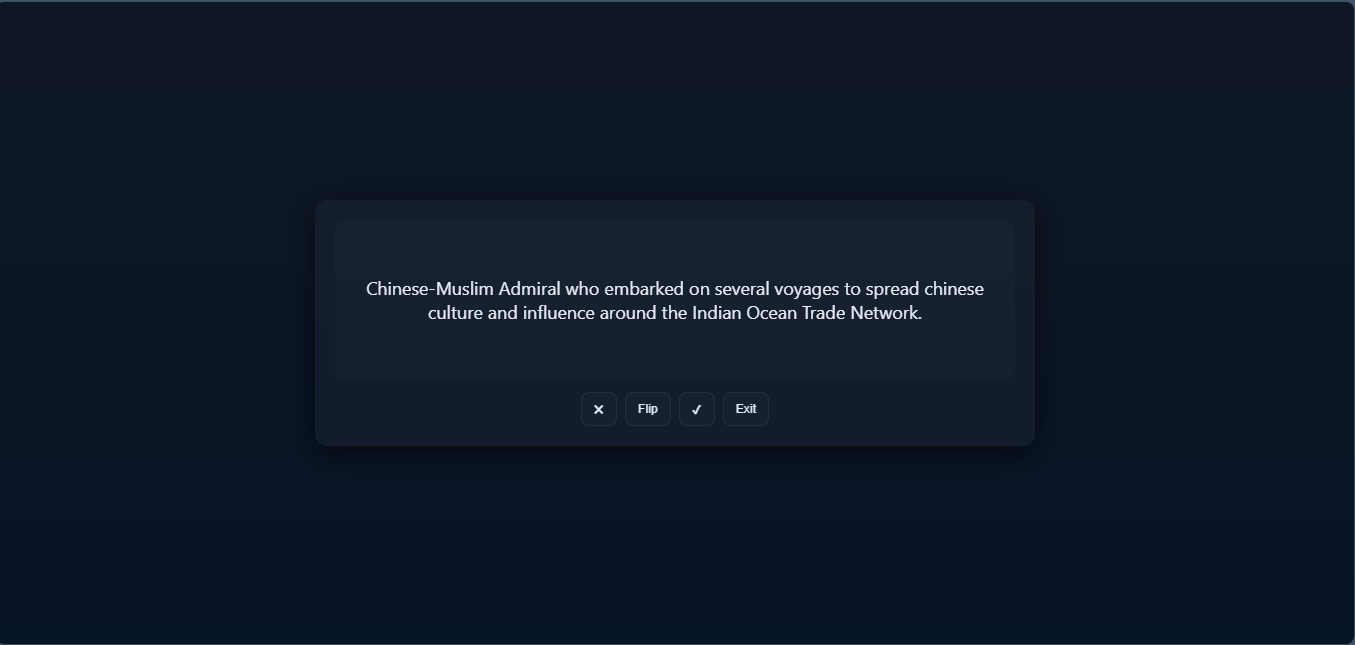
Flashcards
Inspiration
Often, the night before any test, I would search online for useful information to prepare for tests or quizzes. However, I would often get distracted by advertisements, as they would either spark my interest in random topics or cause me to lose interest in the activity at hand. As a result, to make my study habits more efficient, while helping others achieve the same goal as well, I created this project.
What it does
Bridg-ED simplifies learning through the use of an intuitive and simple web interface with flashcards. The main focus of this website was simplicity because the extra options and advertisements on major platforms are a great source of distraction, encouraging me to only include the essentials and trim the website down to the essentials.
How we built it
Bridg-ED was built using HTML, CSS, and JavaScript, along with a connection to a Firebase project I have created. The HTML and CSS were used to load content such as containers, cards, and buttons, while the JavaScript files were used to add elements to the HTML document based on user actions and communicate with the Firebase project to send and receive data. The Firebase project served to enable Google authentication and real-time database features, allowing for user data to be saved and reopened from anywhere with a sign-in to the account.
Challenges we ran into
As someone fairly new to JavaScript, with about 3-4 months of experience, it was exciting to build my first major project; however, I encountered challenges with preserving the name of the set and handling how data is entered into my real-time database. I was initially able to identify this issue after a while of testing, when my set names began to disappear as I created flashcards.
Accomplishments that we're proud of
I am proud of having learned how to manage entering and retrieving data from a database. I have built another project with the same skillset prior; however, the project was rather simple, so I didn't learn too much, whereas now, with a greater number of entries, I was able to better understand data structuring.
What we learned
I learned how to structure data effectively in a real-time database, ensuring that key information is preserved during updates. I also gained a better grasp of functions like onValue, which can be used to monitor and respond to changes in the database.
What's next for Bridg-ED
Integrating APIs such as Google Translate or Gemini to help overcome the hurdles posed as a result of different languages. As a person whose first language is not English, I have also faced challenges in my transition to English, which encouraged me to strongly believe that people should be able to learn and study in the language they are more comfortable with.

Log in or sign up for Devpost to join the conversation.