-
-
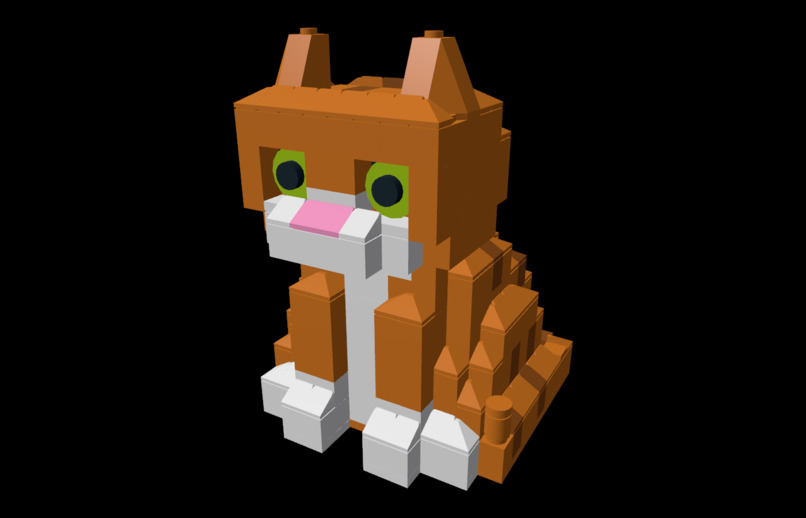
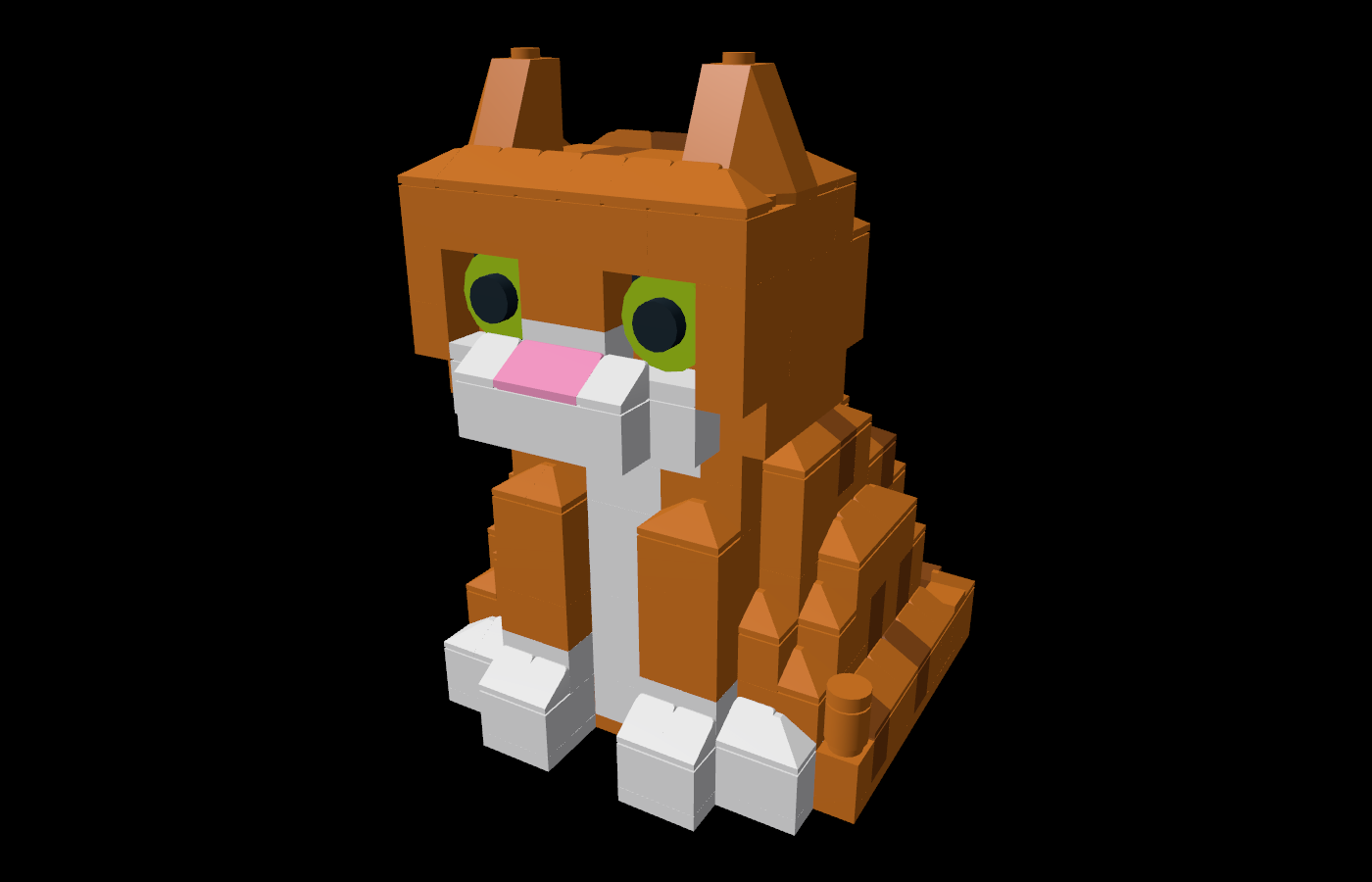
Generate an orange cat out of bricks
-
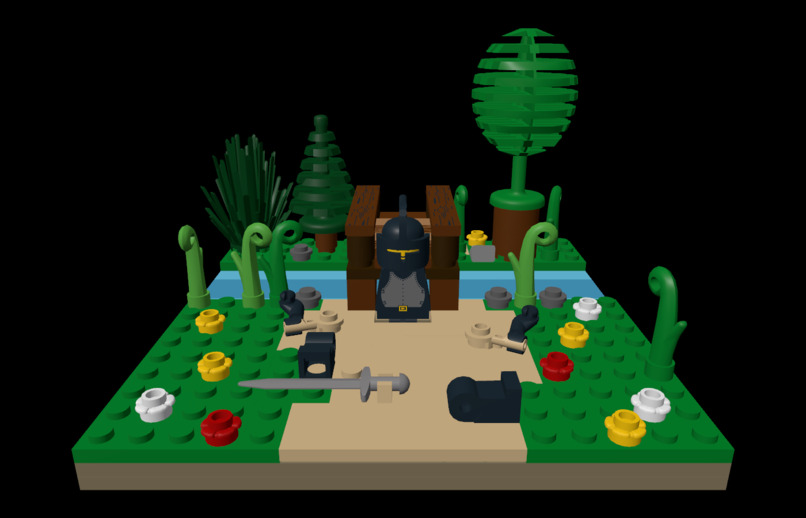
Based on this picture, build a smaller version: just the black knight's torso and the little wooden bridge behind him, with a smaller base
-
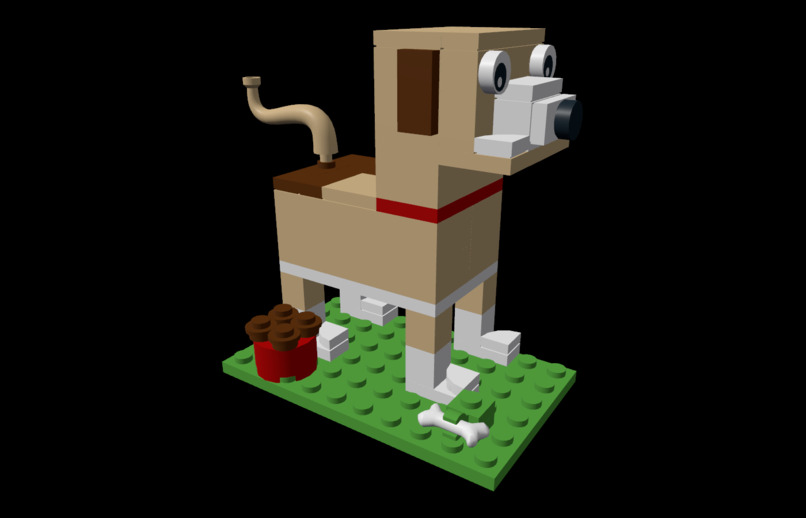
Generate a dog
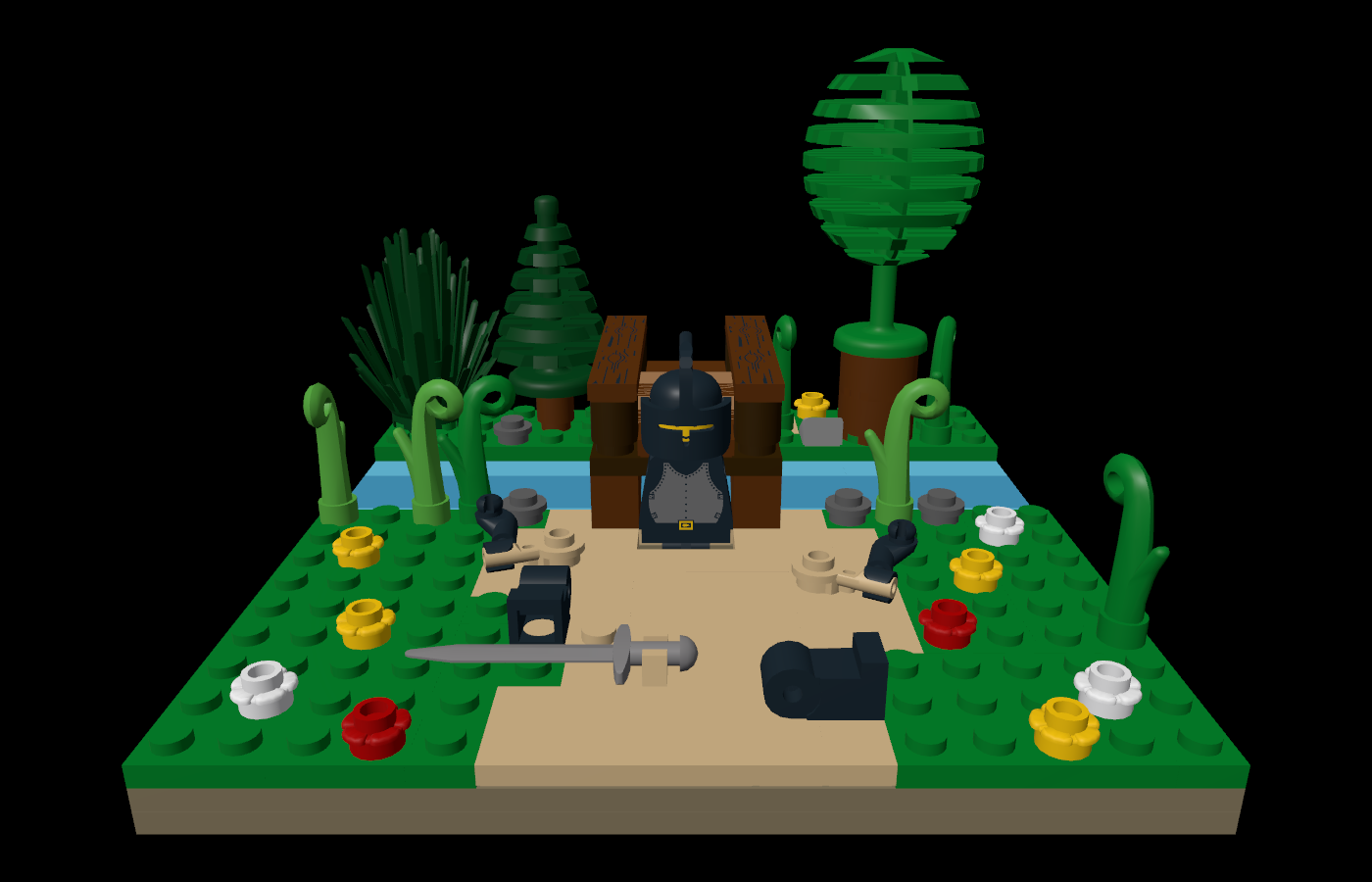
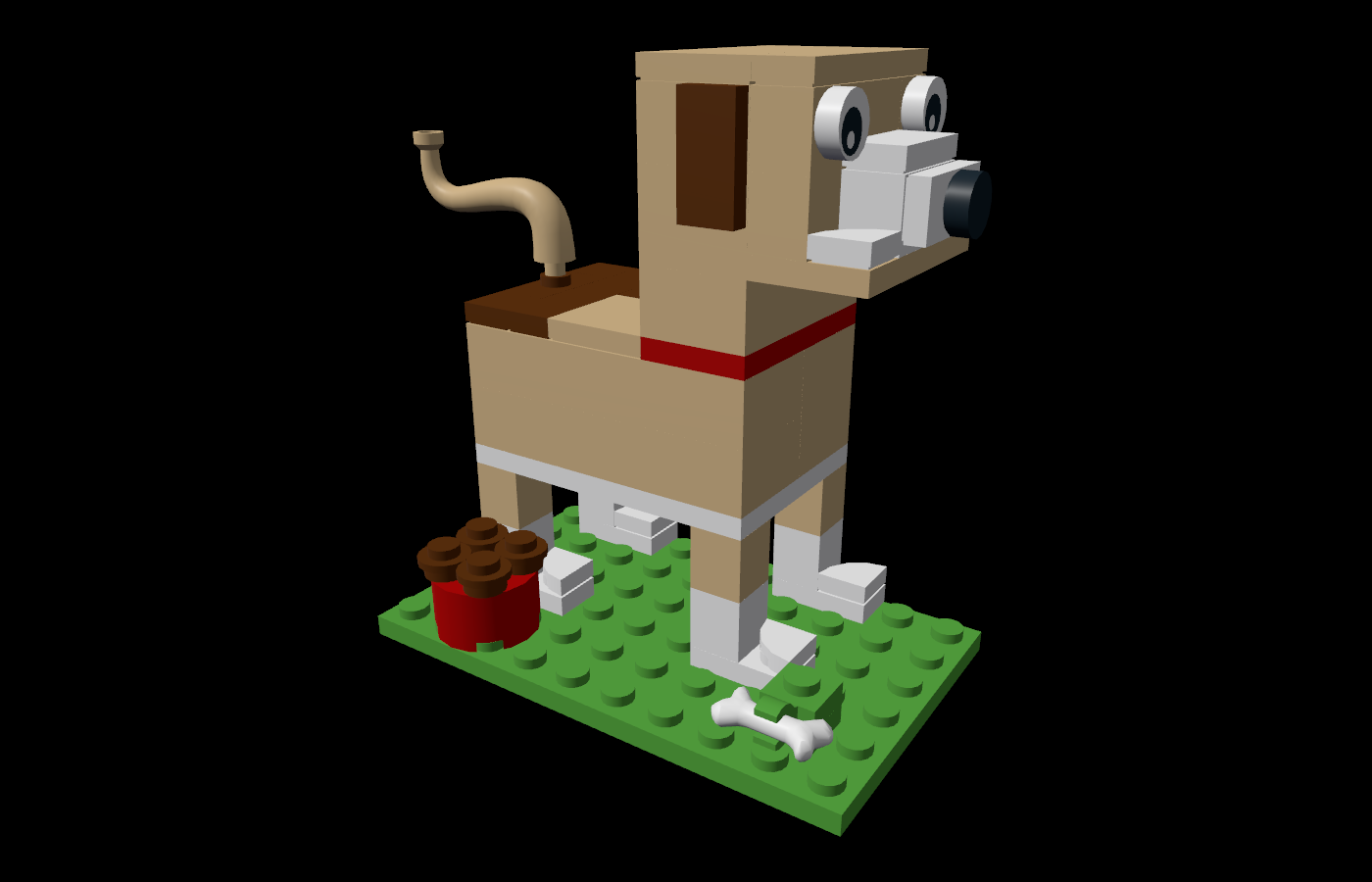
Inspiration
Ever wondered what the things around you would look like as LEGO? Your favorite coffee shop, your pet, or a wild idea you just thought of?
We wanted to make that curiosity something you could act on instantly: snap a photo or type a prompt, generate a brick creation, and keep shaping it as new ideas come to mind. With an AI agent as the generation engine, BRICKFORM brings everyday inspiration into an interactive world of bricks.
What it does
BRICKFORM turns images or text prompts into custom LEGO-style 3D models. Upload a photo of something in your life or describe something from your imagination, and our AI agent translates it into a brick creation.
Users can explore the result in an interactive 3D viewer, rotating and zooming to inspect it from different angles. BRICKFORM is built around a simple creative loop: imagine, generate, explore, and refine.
How we built it
We built BRICKFORM around BrickAgent as the core generation engine. Given an image or text prompt, the agent constructs and revises a brick model while working with brick geometry and connection constraints.
Our frontend draws inspiration from Piet Mondrian, using bold primary colors, black lines, and rectangular layouts to echo the geometry of LEGO bricks. The design reflects an idea shared by both: simple, structured elements can come together in countless creative ways.
We connected the agent workflow to this interface, letting users submit their ideas and explore generated models in an interactive 3D viewer. Bringing everything together required coordinating agent execution, model output, and browser rendering into a coherent experience.
Challenges we ran into
Making designs buildable. A model can look great on screen while being impossible to assemble with real LEGO bricks. Valid connections, collisions, and structural stability are difficult to check automatically. We used BrickAgent to help address these constraints during generation, with the goal of producing models that make sense as physical builds.
Reducing generation time. Our agent needs multiple steps to reason, construct, and revise, which can make generation slow. We had to balance model capability with response time and refine our model choices and inference workflow to make the experience more practical.
Keeping the 3D experience smooth. Letting users rotate, zoom, and drag detailed brick models requires careful choices about the rendering stack. Balancing visual clarity, interaction speed, and computing resources was a major engineering challenge.
Accomplishments that we're proud of
We're proud of creating a working path from an everyday photo or a few words to an interactive 3D brick model. Seeing familiar objects reinterpreted as bricks captures the playful experience we wanted BRICKFORM to deliver.
We're also proud of connecting an AI agent to a visual product while tackling the constraints behind its output. The agent has to work with individual bricks and valid connections while preserving what makes the user's idea recognizable.
What we learned
We learned that translating an idea into bricks requires both interpretation and structured construction. The agent has to decide which visual features matter and how to express them through discrete pieces with specific connection rules.
We also learned that creative exploration depends on the whole experience. Faster generation and smooth 3D interaction make it easier to try an idea, inspect the result, and decide what to change next.
What's next for BRICKFORM
We want to make it even easier to create and reshape brick models:
- More AI model options for the generation agent, supporting different needs for speed, quality, and complexity.
- A larger brick catalog for more detailed and varied creations.
- Downloadable building instructions to help users bring their digital designs into the real world.
- Conversational editing so users can comment on a model—such as “make the roof taller” or “change the wings”—and have the agent revise it, keeping the creative loop quick and intuitive.
Built With
- amazonec2
- anthropic
- brickagent
- claude
- claude-code
- css
- docker
- html5
- javascript
- ldraw
- pybullet
- three.js


Log in or sign up for Devpost to join the conversation.