-
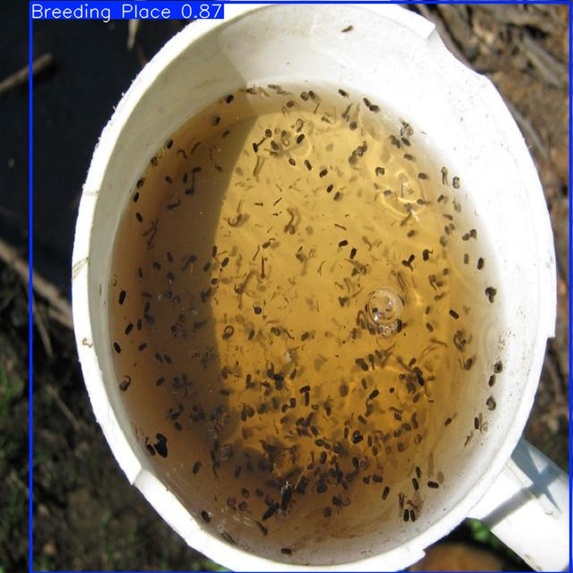
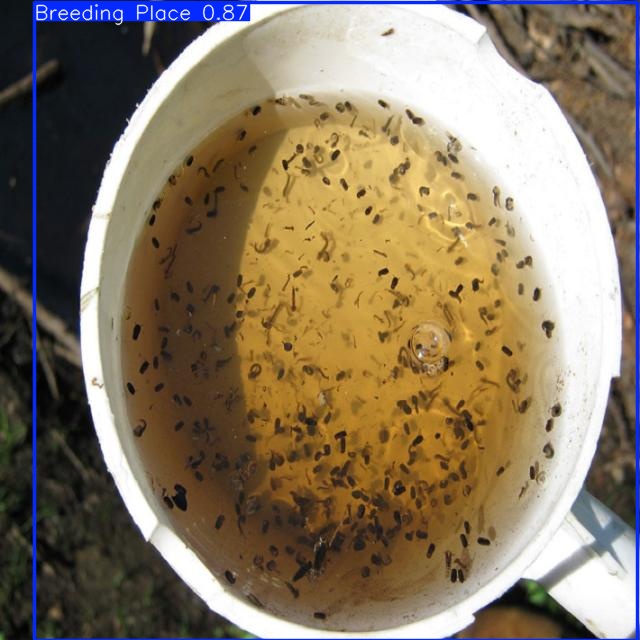
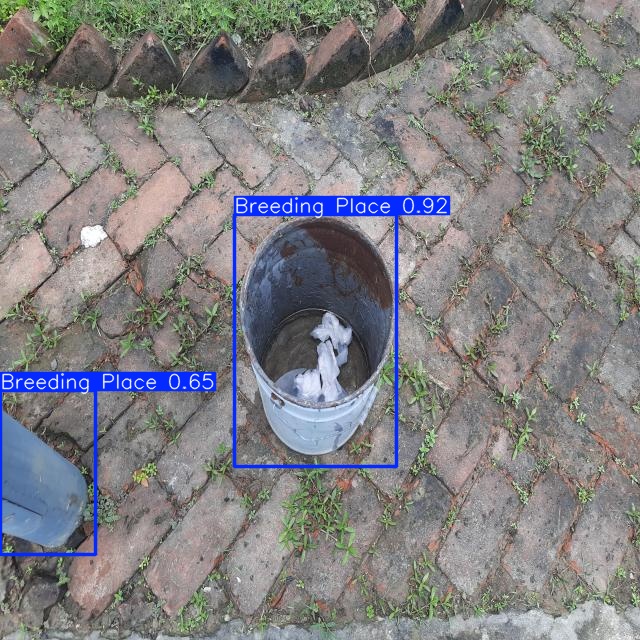
Mosquito Breeding place detection result 1.
-
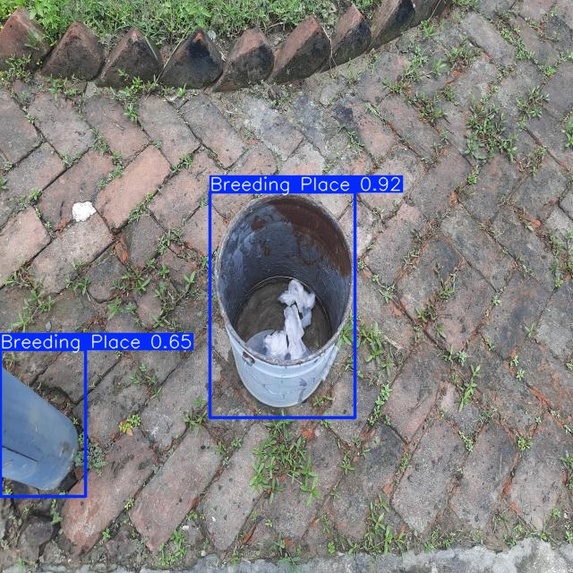
Mosquito Breeding place detection result 2.
-
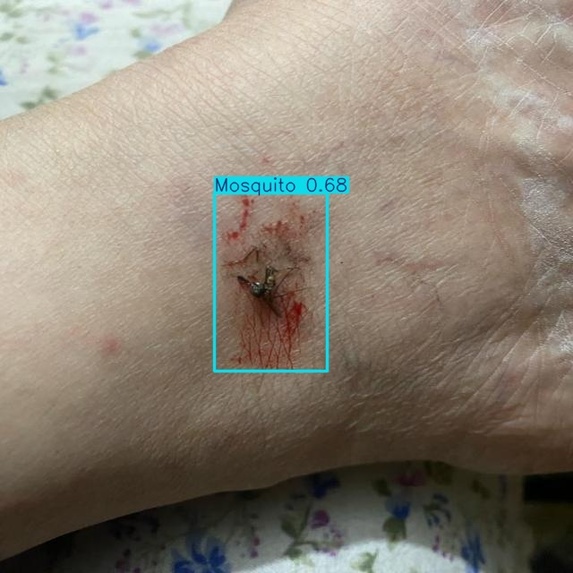
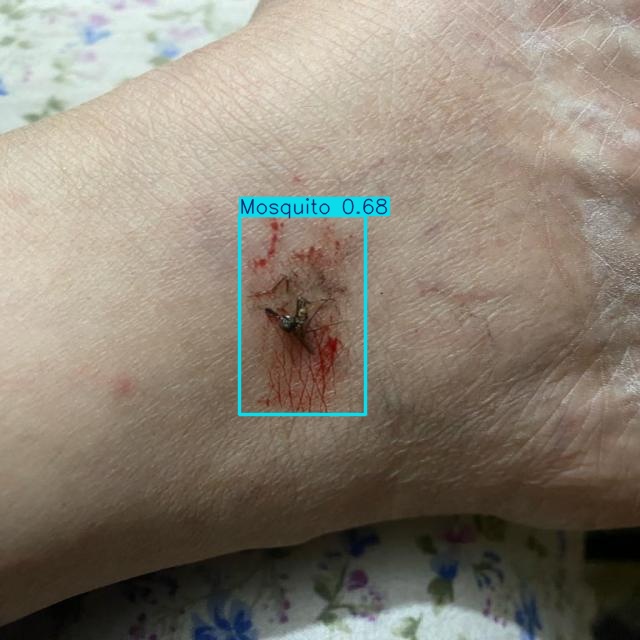
Mosquito detection result.
Inspiration
The rise in vector-borne diseases, particularly those spread by mosquitoes, is a pressing issue. Dengue fever outbreaks in places like Dehradun, India, highlight the severity of this problem. Currently, the Indian government uses mosquito repellents extensively, which can be toxic to humans and animals such as cows, which are considered sacred in many parts of the country.
What it does
Our solution analyzes images to detect the presence of mosquitoes and potential breeding grounds, such as puddles, water-filled pots, and wet organic waste piles. By identifying these areas, we can isolate or clean them to maintain hygiene and prevent the spread of diseases.
How we built it
We trained an AI model using a dataset from Kaggle, employing various Python libraries for training and testing. The YOLO (You Only Look Once) model from Ultralytics provided superior image processing and detection capabilities. Initially, we used Google Collab for training and later implemented the model in VS Code, with Google Drive for storage.
Challenges we ran into
During the training phase, our model showed inconsistent results, and finding a suitable dataset was challenging. However, with persistence, we managed to overcome these hurdles and achieve our goals.
Accomplishments that we're proud of
We take pride in building this project independently. A significant achievement is the model's ability to accept video inputs, which was not part of our initial plan but turned out to be a successful feature.
What we learned
We gained valuable experience in training models and datasets, and learned to implement the YOLO model, which was previously unfamiliar to us.
What's next for Breeding place and mosquito detection
Looking ahead, we plan to train the model on datasets for other insects and pests like grasshoppers and wasps, to assist the agriculture sector. The locust outbreaks in Pakistan and Northwestern India have inspired us to expand our project to help protect crops from these destructive pests.
Built With
- google-collab
- google-drive
- numpy
- pandas
- python


Log in or sign up for Devpost to join the conversation.