-
-
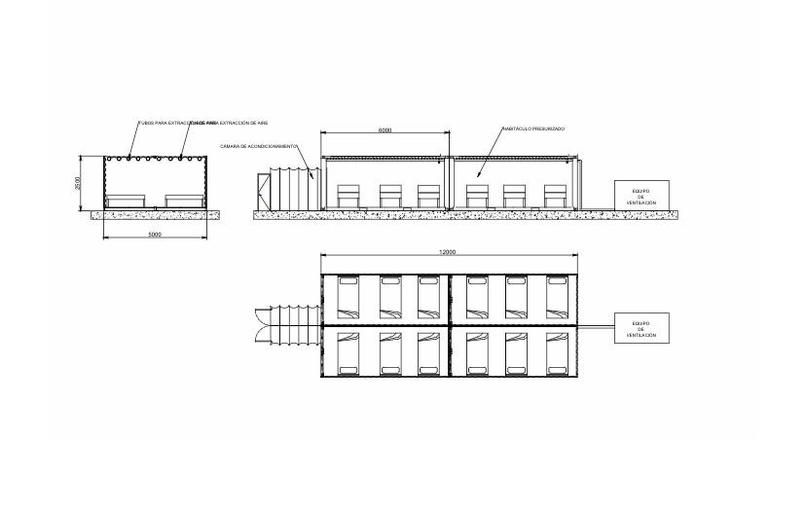
Reinventing Respirators:controlled mecanical breathing for up to 30 patients by inducing negative pressure cycles in the whole atmosphera.
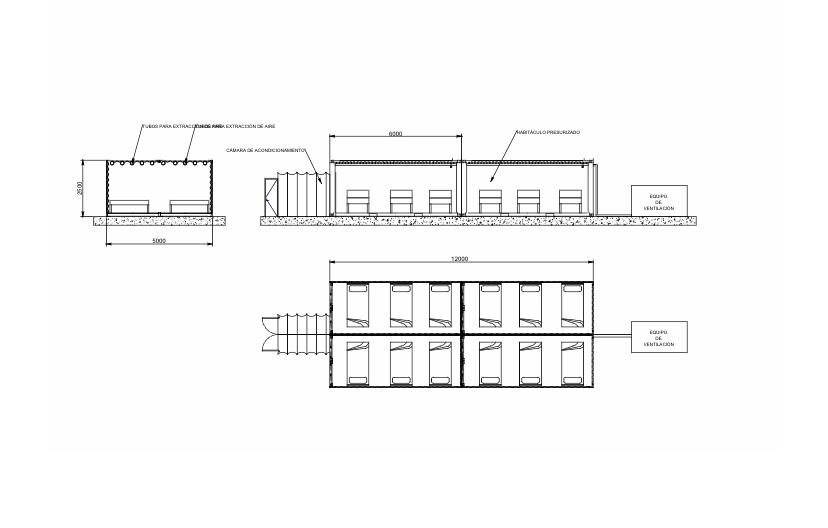
Inspiration
We was inspired in the "iron lung" , the old negative presure respirator
They aren´t insuflation of air into the lungs. Negative pressure-based ventilation is defined as a ventilatory method in which the respiratory system is exposed to a sub-atmospheric pressure during inhalation. No antiphisiological insuflation, no air pressure lung traumatism, no others positive pressure respirators complications,
What it does
Our paten pending mechanical controlled respiratory system provides a rapid, low-cost and high-quality solution to the scarcity of individual respirators as we know them nowadays by reinventing controlled respiration with negative pressure.
This negative pressure controlled breathing system for multiple patients sees itself recognized by the fact that the patients find themselves in isobaric sealed chambers, with access through airlocks. This way the atmospheric pressure inside the chamber is negative, clinically adjustable and different to the atmospheric pressure outside.
The changing pressure cycle in the chamber, through an individual entry air circuit connected to each patient constitutes a negative pressure-based mechanic ventilatory system that can assist as many patients as air circuits are enabled in the chamber. This distribution can be adjusted in regard to the needs of the hosted patients.
What after the crisis
This system will be able to replace with advantage the positive pressure respirators system avoiding dee venous thrombosis, pulmonary embolism, organic hipoprefusion
How we built it
Our engineers have designed negative cyclical pressure rooms according to the parameters validated by our panel of medical experts; anesthetists, intesivists and pneumologists.
Same technical stuff ?
To apply this controlled breathing system, individual entry air circuits connected to patient airways are needed. These airways can be shared with those of other patients in great part of their length due to their directional valves and filters.
The end of the conduct that reached the patient will have a T shape. The three ends of this T will connect to the shared circuit tube conduct, the chamber’s atmosphere and the respiratory airway of the patient. 1) The first connection is assigned to the referred tube of air entry, with its one-way valve and filter, this way joining the outside of the chamber from where it takes air. 2) The second connection is linked to the atmosphere of the inside of the chamber with its respective one-way valve and filter. 3) The third connection is to be attached to the patient’s airway through either of the below suggested methods: a) Tracheal intubation, for sedated patients b) Laryngeal mask, for sedated patients c) For now, patients of the type a and b can benefit from these chambers. Further on, controlled breathing could be considered for those cases in which the patient is conscious and calm through the use of CPAP masks or snorkel-type masks that cover both nose and mouth. This would require them to consciously synchronize their own breathing with the corresponding inhalation/exhalation cycles following indications from light or sound based codes. The atmospheric pressure in the chambers, adjustable and negative in regard to the one outside, can be achieved through several methods, for instance with the use of compressors, pumps, pistons or vacuum systems. The most convenient is a system of valves and turbines / adjustable exhaust fans, of intermittent operation. Following, a pre-selection of two ventilation mechanisms for chambers of different size:
- For a big chamber, hosting more than 30 simultaneously ventilated patients, a multifunctional extractor with great flow rate able to mobilize up to 15.000 m3/h.
- For a smaller chamber of 70 m3, up to 6 patients could be simultaneously ventilated using an extractor able to mobilize up to 1.500 M3/h. The negative pressure inside the chamber will vary between 0 and - 4000 Pa and will return to 0Pa as many times as selected for each minute. This atmospheric depression is transmitted as transpulmonary pressure to each patient whose airway is connected to the outside of the chamber, where pressure is greater and constant, this leading to passive and physiological inhalation movements, with the alveolus filling with air from the outside.
Challenges I ran into , next steeps;
find the necessary financing to carry out the test in animals tath are ready , prior to the test and use in people, regulatory affairs, global IPR developement, commercialization...
What I learned here
improve presentation and collaboration
What's next for Breathing system for multiple patients without respirators
Funding
Built With
- airtank
- chamber
- door
- extractor
- filter
- hydraulicsystem
- vaccumsystem
- valbs


Log in or sign up for Devpost to join the conversation.