Inspiration
The inspiration for this project came from witnessing the severe health impacts of air pollution in urban environments. With millions of people living in cities plagued by smog, polluted air has become a silent killer, leading to respiratory illnesses, heart conditions, and reduced life expectancy. We wanted to use AI to visually represent the danger that invisible pollutants pose to everyday urban life, emphasizing how clean air is essential for healthy living. Our goal is to raise awareness and inspire action towards greener cities, cleaner transportation, and more sustainable urban policies.
What it does
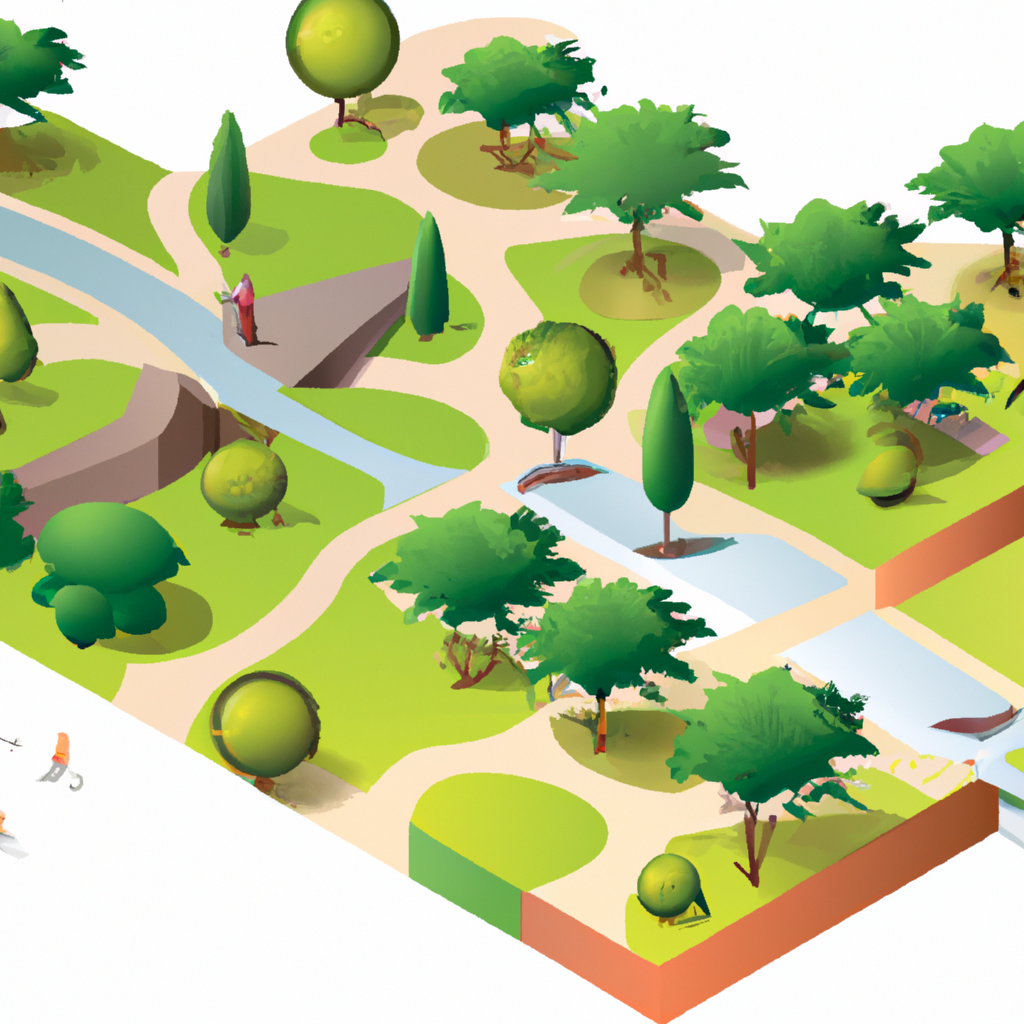
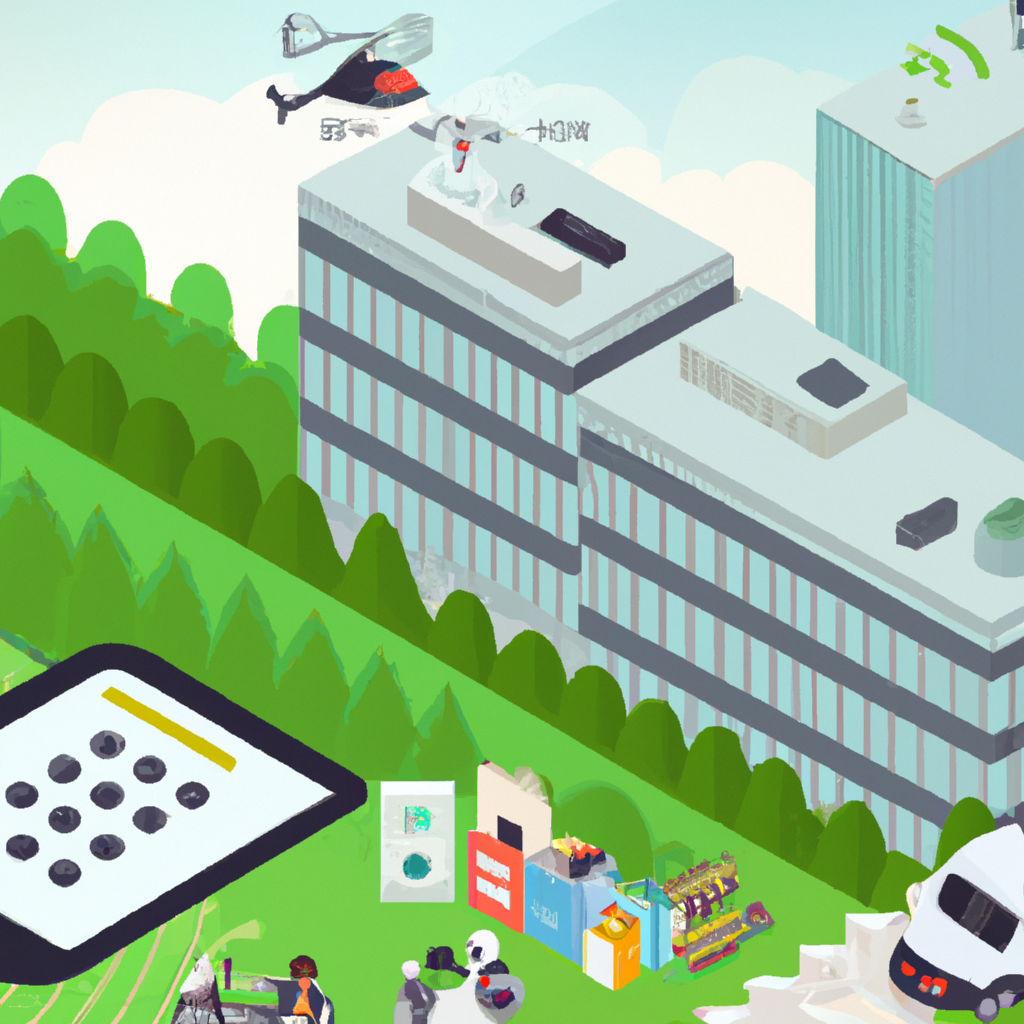
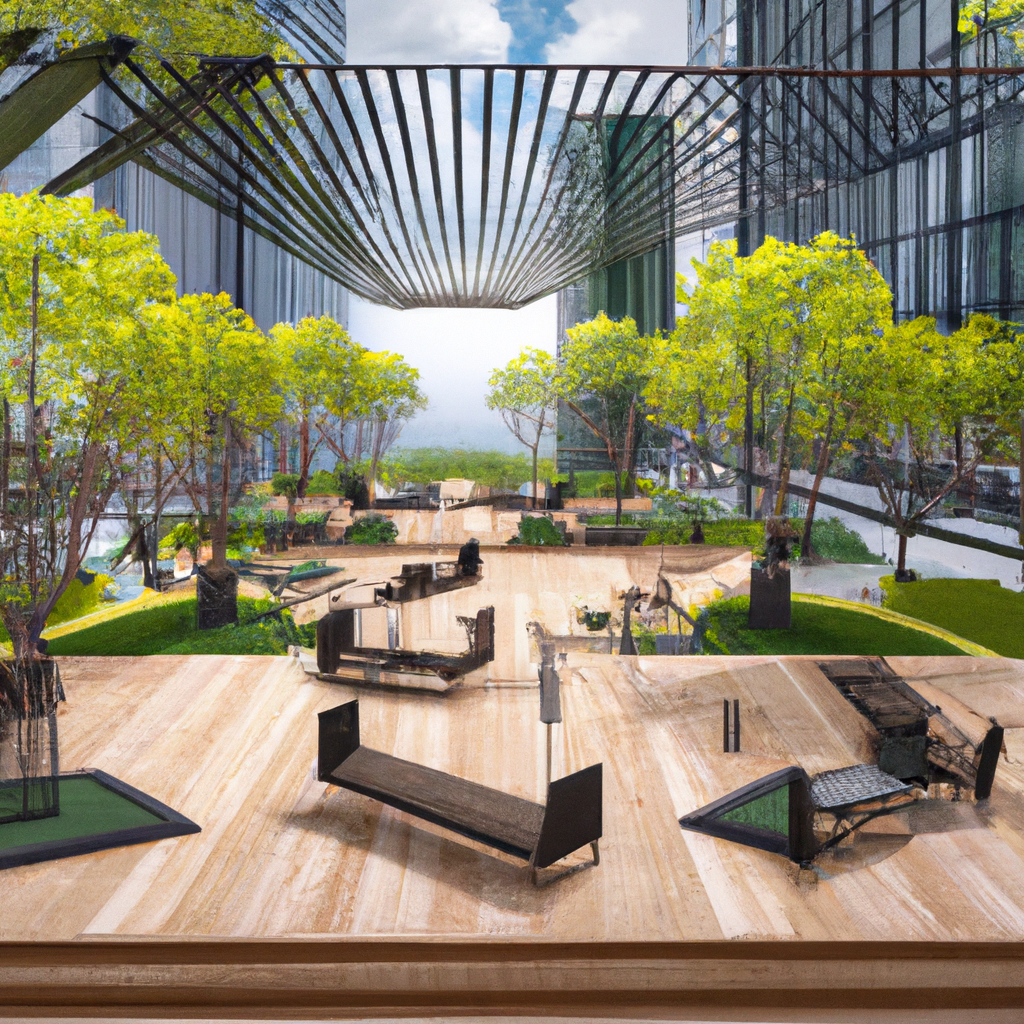
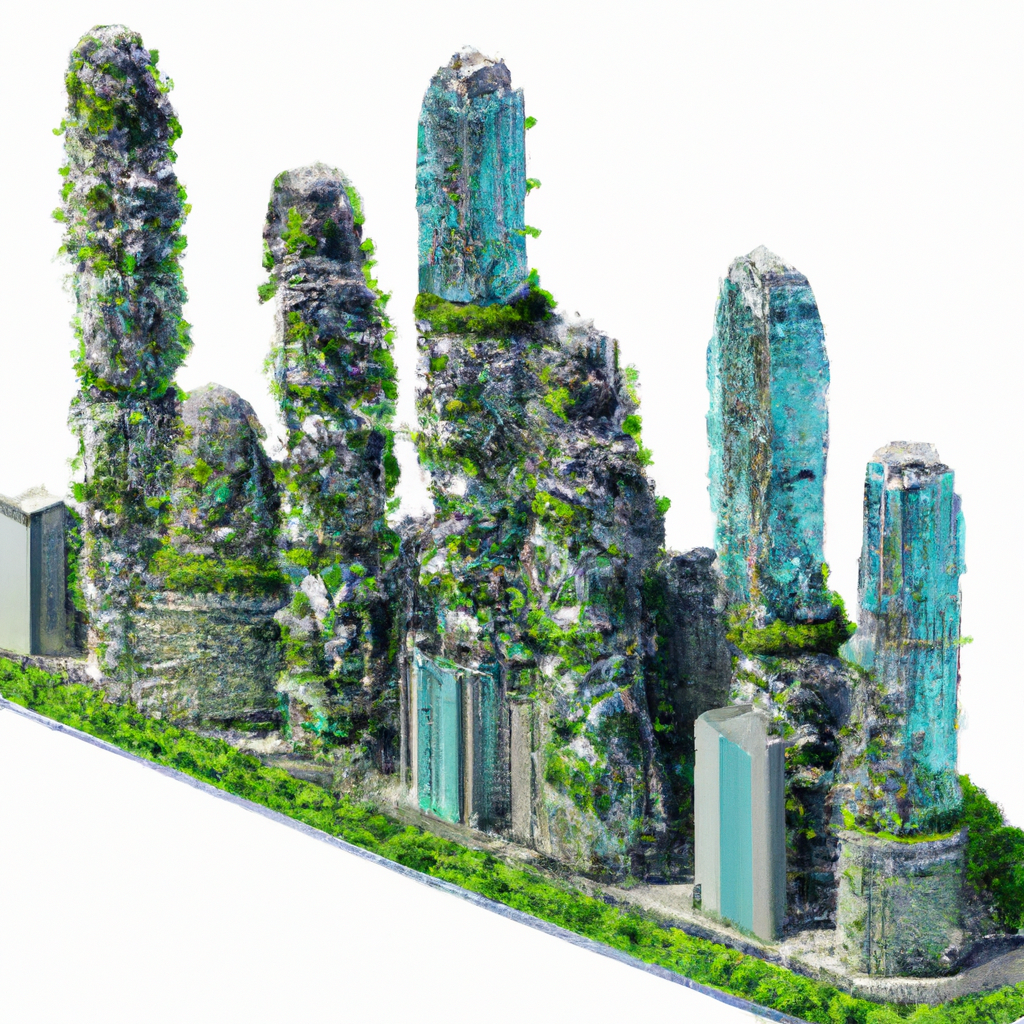
“Breathing in the City: Air Pollution and Urban Health” creates AI-generated images that communicate the harmful effects of air pollution on urban populations. The images:
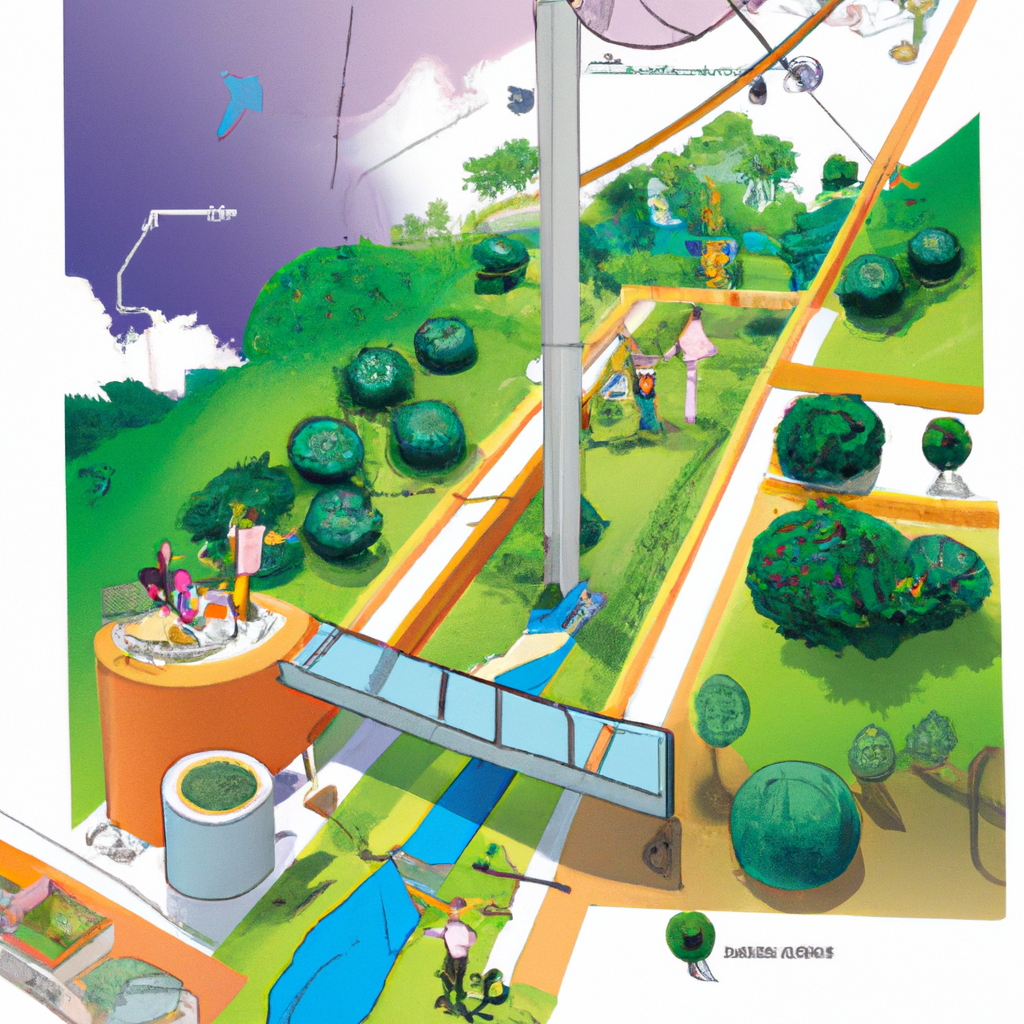
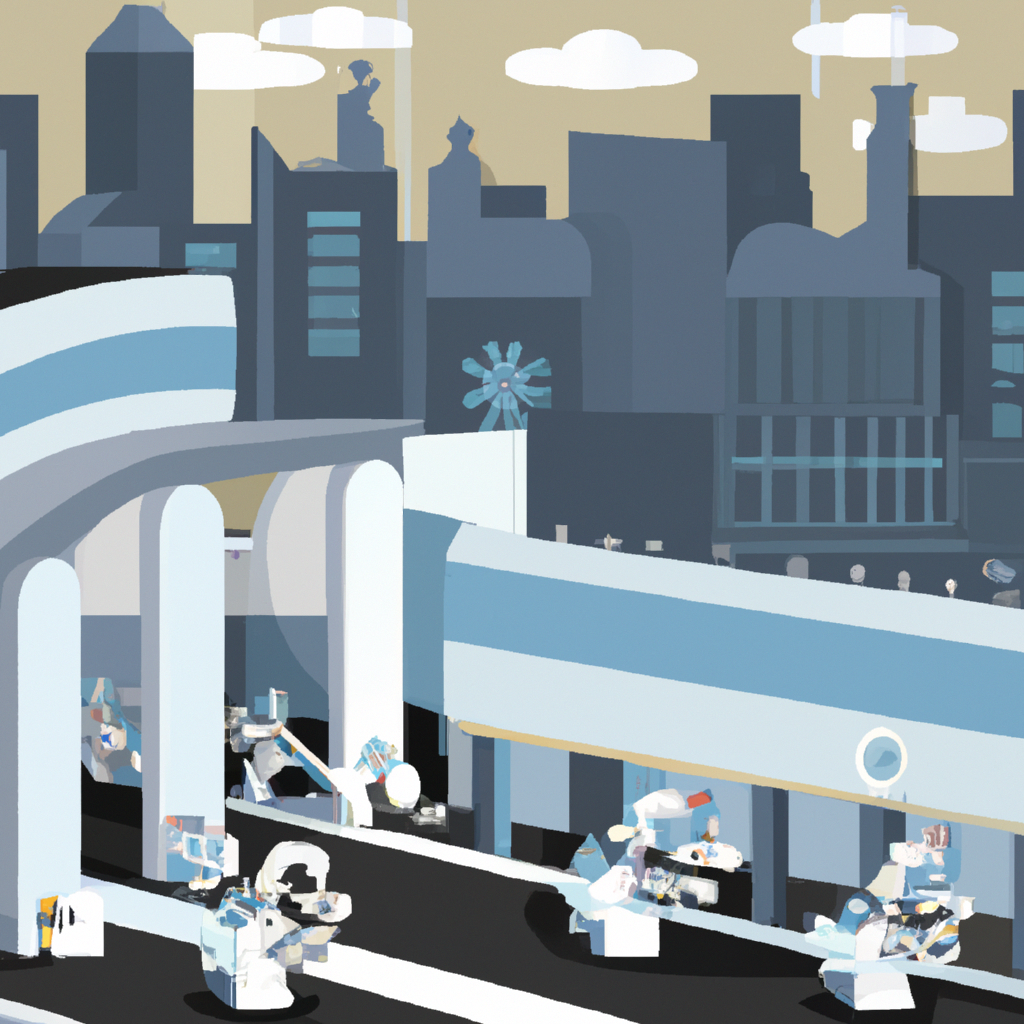
Highlight the stark contrast between breathable and unbreathable air in cityscapes. Show how air pollution creeps into homes and affects the health of families, even indoors. Emphasize the power of green spaces and trees in mitigating the impact of pollution. These images can be used in educational campaigns, health awareness programs, and social media to spread awareness and push for clean air initiatives in cities.
How we built it
We used DALL·E to generate high-quality, AI-driven visuals that represent different aspects of urban air pollution. The prompts were carefully designed to emphasize contrast and evoke emotional responses by showing the direct health impact of polluted vs. clean air. MidJourney was utilized to fine-tune the artistic elements of the images, ensuring that the visuals were impactful, easy to understand, and educational. For some of the image refinements, tools like Canva and Figma were used to overlay educational content and adjust color schemes for clarity. We also relied on real-world data and scientific research on air pollution's impact on health to ensure the images were accurate and realistic.
Challenges we ran into
Prompt Refinement: Crafting AI prompts that generate the desired image was more challenging than expected. We had to refine prompts multiple times to ensure the visuals clearly depicted the health impact of air pollution. Technical Constraints: Some tools produced images that weren’t as clear or impactful as we wanted. Balancing the visual elements while keeping the message focused on health was difficult. Ethical Considerations: Ensuring that the images were inclusive and not stigmatizing any particular urban population required careful attention to detail. We worked to avoid reinforcing negative stereotypes or showing biased depictions of certain groups.
Accomplishments that we're proud of
Visual Storytelling: We successfully created striking, AI-generated visuals that effectively communicate the health risks posed by air pollution in cities. Real-World Impact: The images are designed to be easily shareable in campaigns, making them a valuable tool for public health organizations, schools, and activists aiming to increase awareness. Educational Value: Our project offers a strong educational component, helping people understand the invisible dangers of air pollution in a way that’s relatable and engaging.
What we learned
Power of AI in Creativity: AI tools like DALL·E and MidJourney offer incredible potential in generating impactful visuals for real-world issues. With the right prompts, you can create powerful imagery that captures complex ideas. Prompt Crafting: We learned that the way you craft your AI prompts can dramatically affect the quality of your output. Experimenting with different wording and adjusting prompts for clarity is crucial. Urban Health Awareness: Working on this project deepened our understanding of how air pollution affects city dwellers. It highlighted the importance of integrating visual content into public health campaigns for maximum impact.
What's next for Breathing in the City: Air Pollution and Urban Health
Expand Visual Campaign: We plan to generate more visuals focused on specific urban health issues like indoor pollution, vehicular emissions, and the role of public transport in reducing pollution. Collaborate with Public Health Organizations: We aim to collaborate with NGOs, government bodies, and healthcare institutions to use these images in real-world campaigns. AI-Generated Educational Materials: Create an entire series of AI-generated posters and educational materials that can be used in schools, public spaces, and social media to spread awareness about pollution and health. Interactive Elements: We plan to explore AI-generated videos or interactive infographics that dive deeper into the issue of air pollution and how individuals can take action to improve air quality in cities.
Built With
- amazon-web-services
- and-canva-for-ai-generated-images
- backend-hosting
- cloud-storage
- dalle
- design
- flask
- frontend-deployment
- midjourney
- react


Log in or sign up for Devpost to join the conversation.