-
-

Purpose of BreathEasy
-
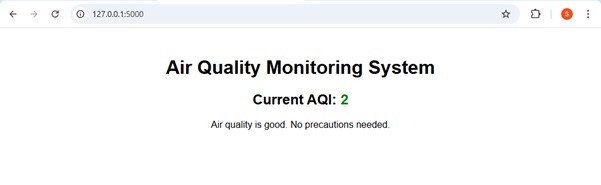
AQI for Arnstein, Germany
-
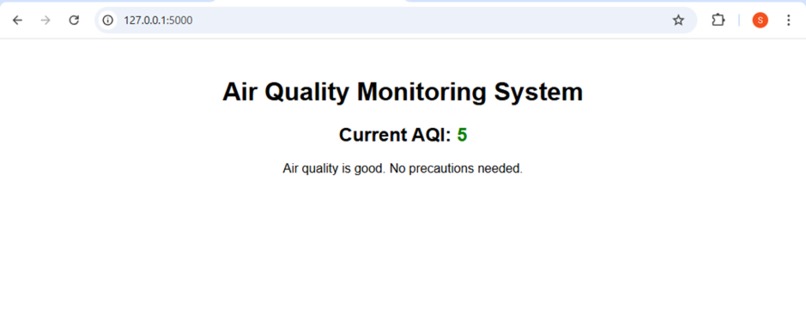
AQI for Kolkata, West Bengal, India

Inspiration
The rising levels of air pollution globally have made it a major concern for both environmental sustainability and human health. Inspired by the need to provide real-time, accessible, and actionable air quality data, I developed BreatheEasy. The goal is to empower individuals and communities with accurate air pollution information, helping them make informed decisions about outdoor activities and health precautions.
What it does
BreatheEasy is a real-time air quality monitoring system that fetches air pollution data using OpenWeatherMap's Air Pollution API. The system provides:
• Live AQI data for a given location.
• Historical data visualization to track air quality trends.
• Predictive analysis using machine learning to forecast air pollution levels.
• Health recommendations based on air quality conditions
How we built it
The project is built using:
• Python & Flask – Backend for handling API requests and data processing.
• OpenWeatherMap API – Fetches real-time air pollution data.
• HTML, CSS, JavaScript – Frontend for an interactive and user-friendly UI.
• Matplotlib – For historical data visualization.
• Scikit-learn – Implements predictive analysis for forecasting air pollution trends.
The system fetches AQI data, processes it, and displays relevant insights through an intuitive dashboard.
Challenges we ran into
• API Limitations: Handling API request limits and ensuring smooth data retrieval was a challenge.
• Data Handling: Managing and structuring real-time and historical data efficiently for accurate visualization.
• Machine Learning Implementation: Selecting the right model and optimizing it for accurate air quality prediction.
• Frontend Integration: Making the UI responsive and user-friendly while ensuring real-time data updates.
Accomplishments that we're proud of
• Successfully integrating real-time AQI monitoring and historical data visualization.
• Implementing machine learning-based predictive analysis to forecast air pollution trends.
• Developing a clean, intuitive user interface that presents air quality insights effectively.
• Overcoming API constraints to fetch and display reliable air pollution data.
What we learned
• Gained experience in working with APIs for real-time data retrieval.
Improved skills in Flask and backend development.
• Learned to apply machine learning models for environmental data forecasting.
• Enhanced data visualization techniques to make complex information more understandable.
What's next for BreatheEasy
• Expanding API Support: Integrate multiple APIs for more comprehensive data.
• Mobile App Version: Develop a mobile-friendly application for on-the-go air quality monitoring.
•Advanced AI Predictions: Improve forecasting accuracy using deep learning techniques.
• Geographical Expansion: Provide detailed air quality analysis for more locations worldwide.
• Community Alerts: Implement an alert system for notifying users about sudden spikes in pollution levels.


Log in or sign up for Devpost to join the conversation.