-
-
RAG
-
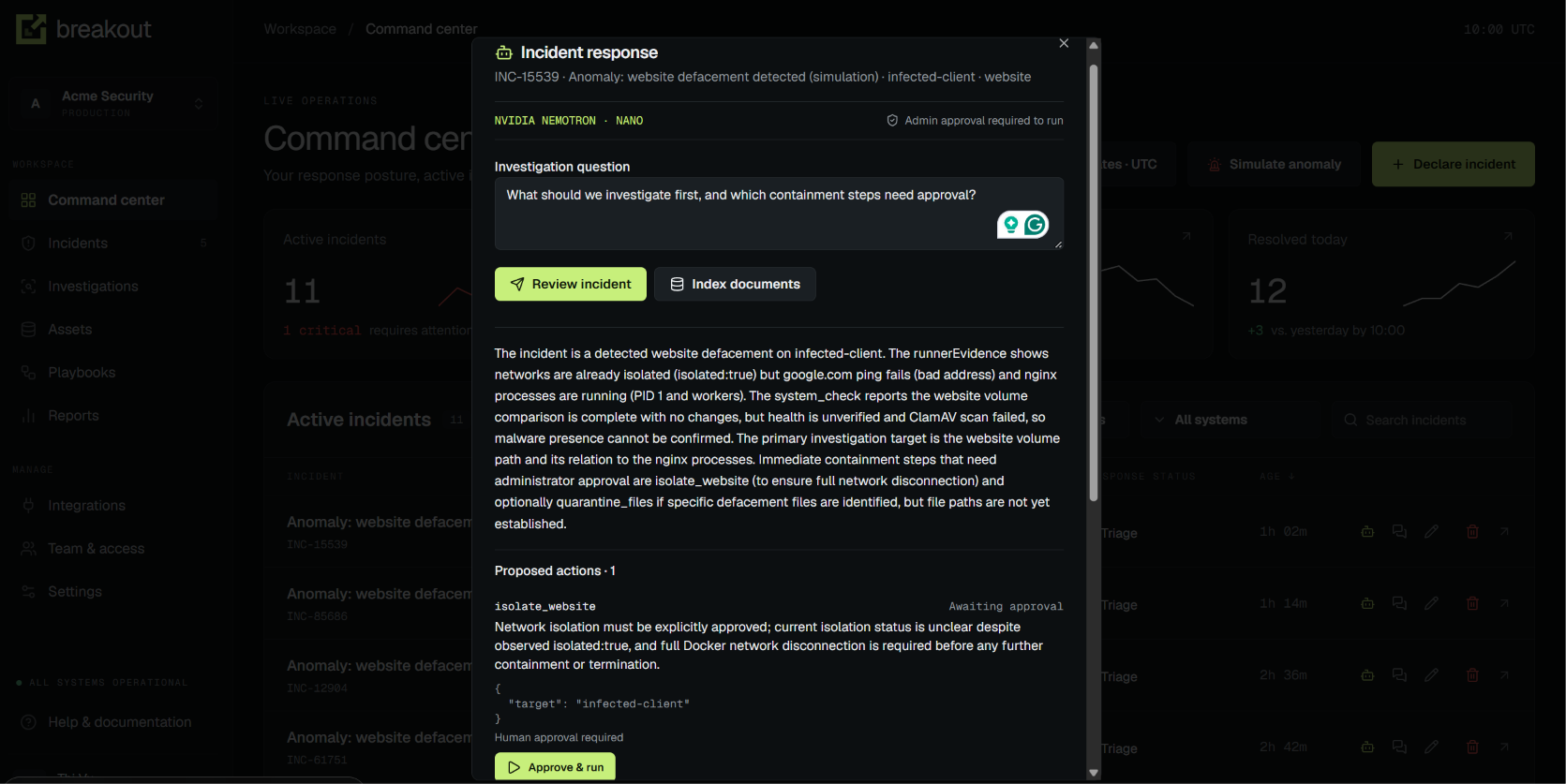
Agentic Approval
-
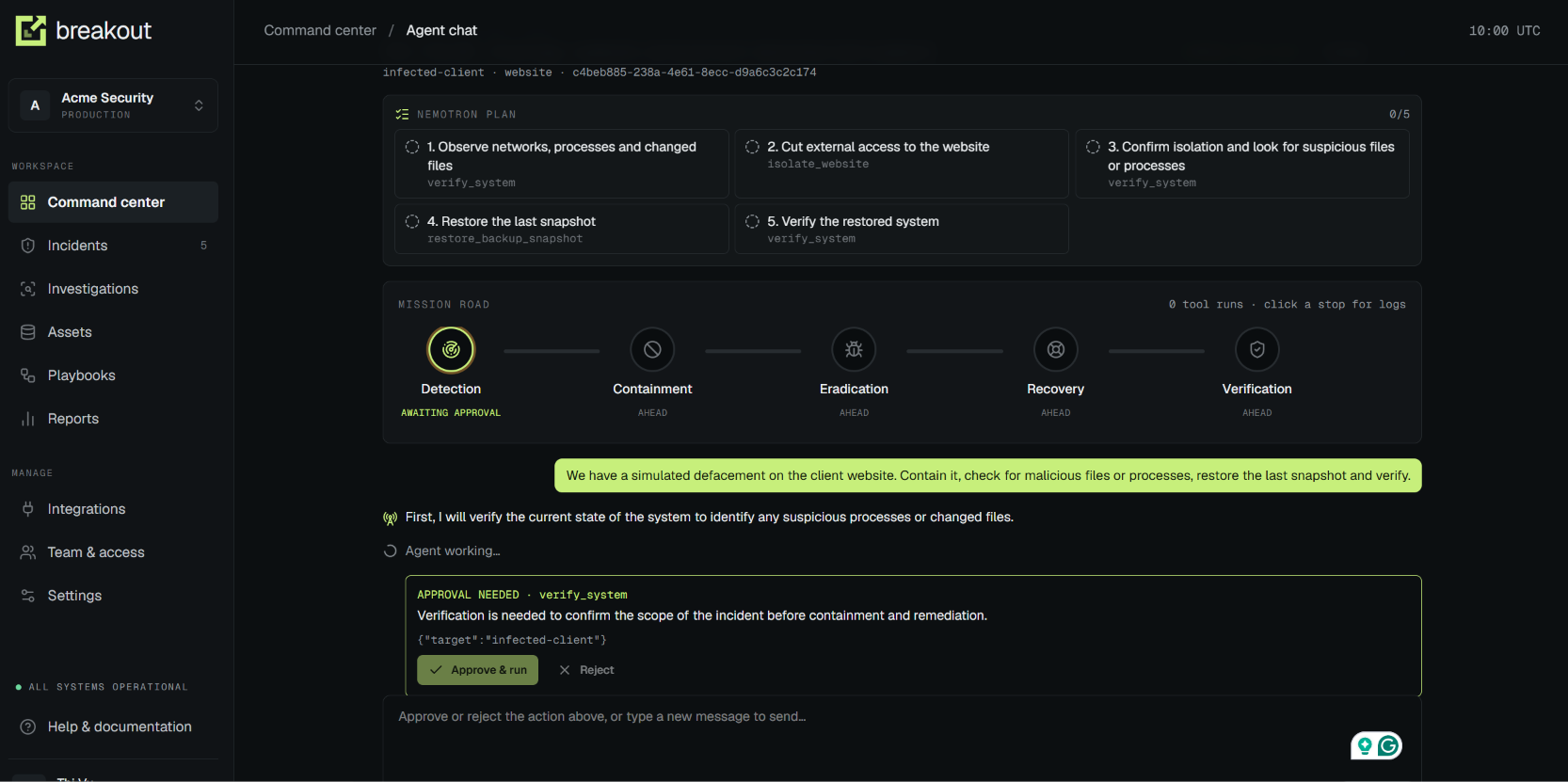
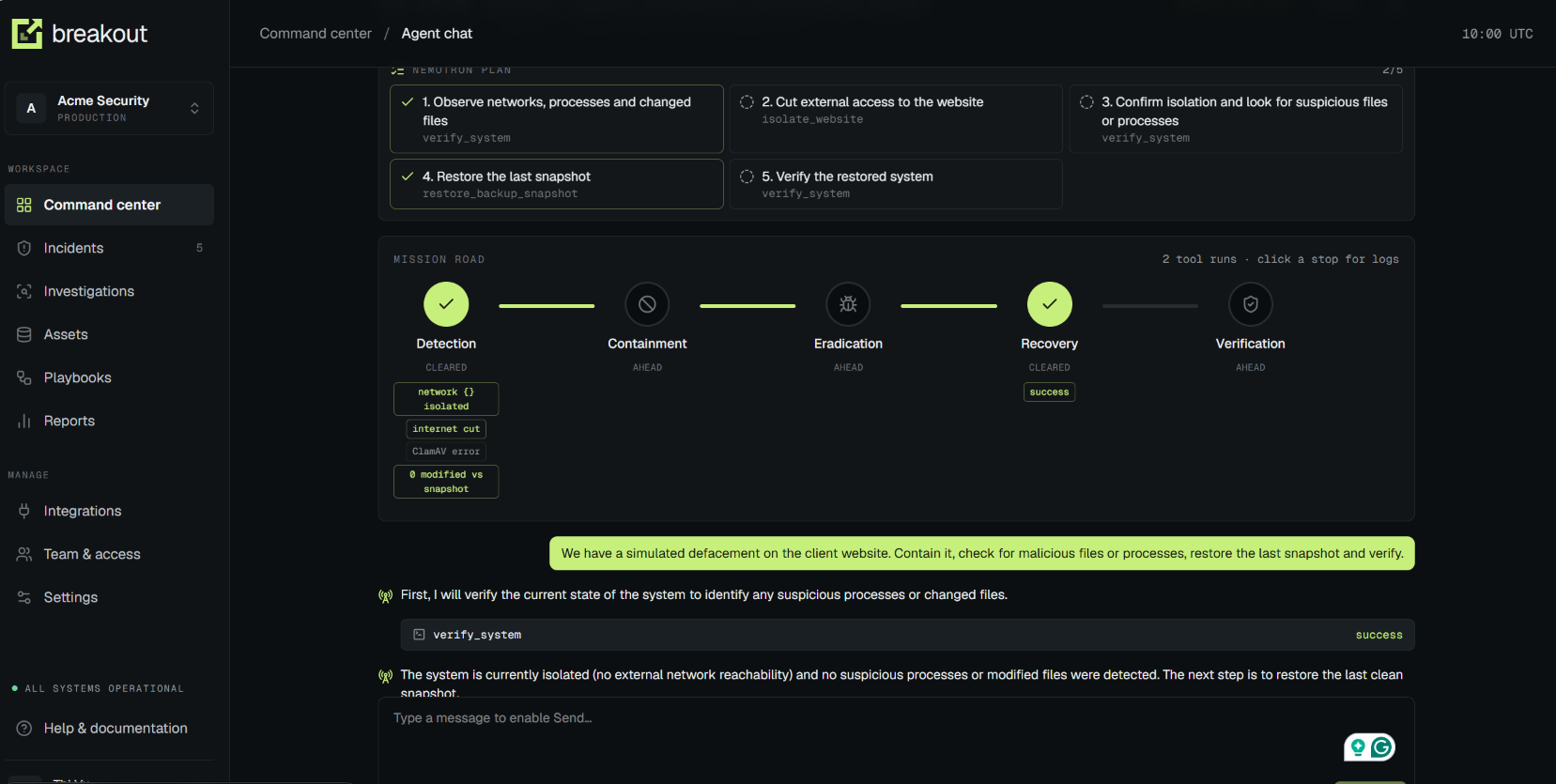
Agentic Workflow In Action
-
Docker
-
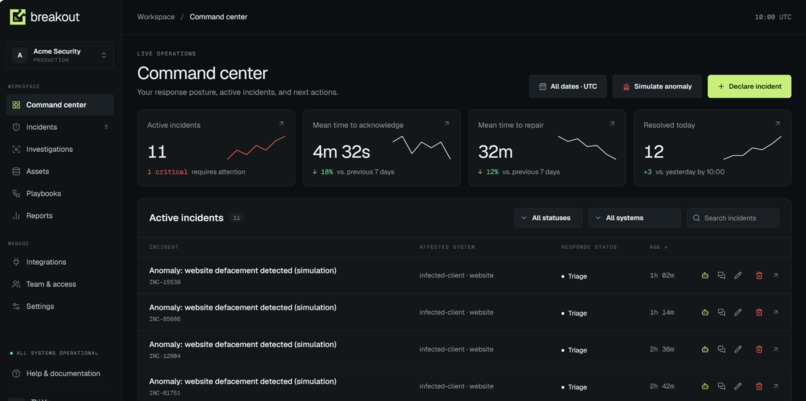
Home page
Inspiration
We were inspired to create Breakout because cyber incidents can quickly become overwhelming when security teams have to manage threats, compromised systems, communications, and recovery across multiple tools. We wanted to build a centralized cyber incident command center that helps teams stay informed, organized, and take action during an attack.
What it does
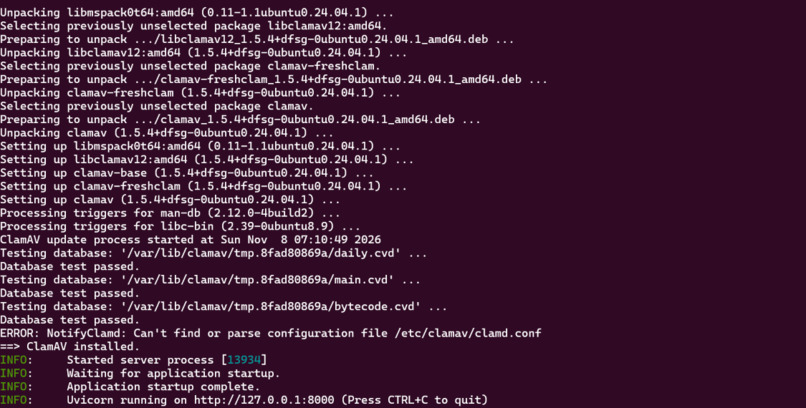
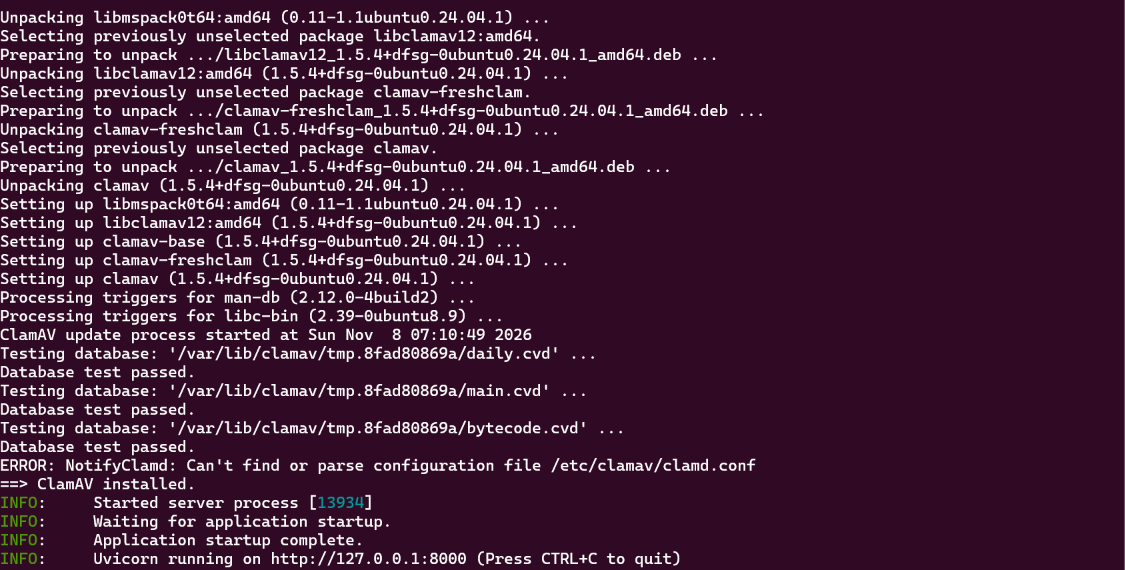
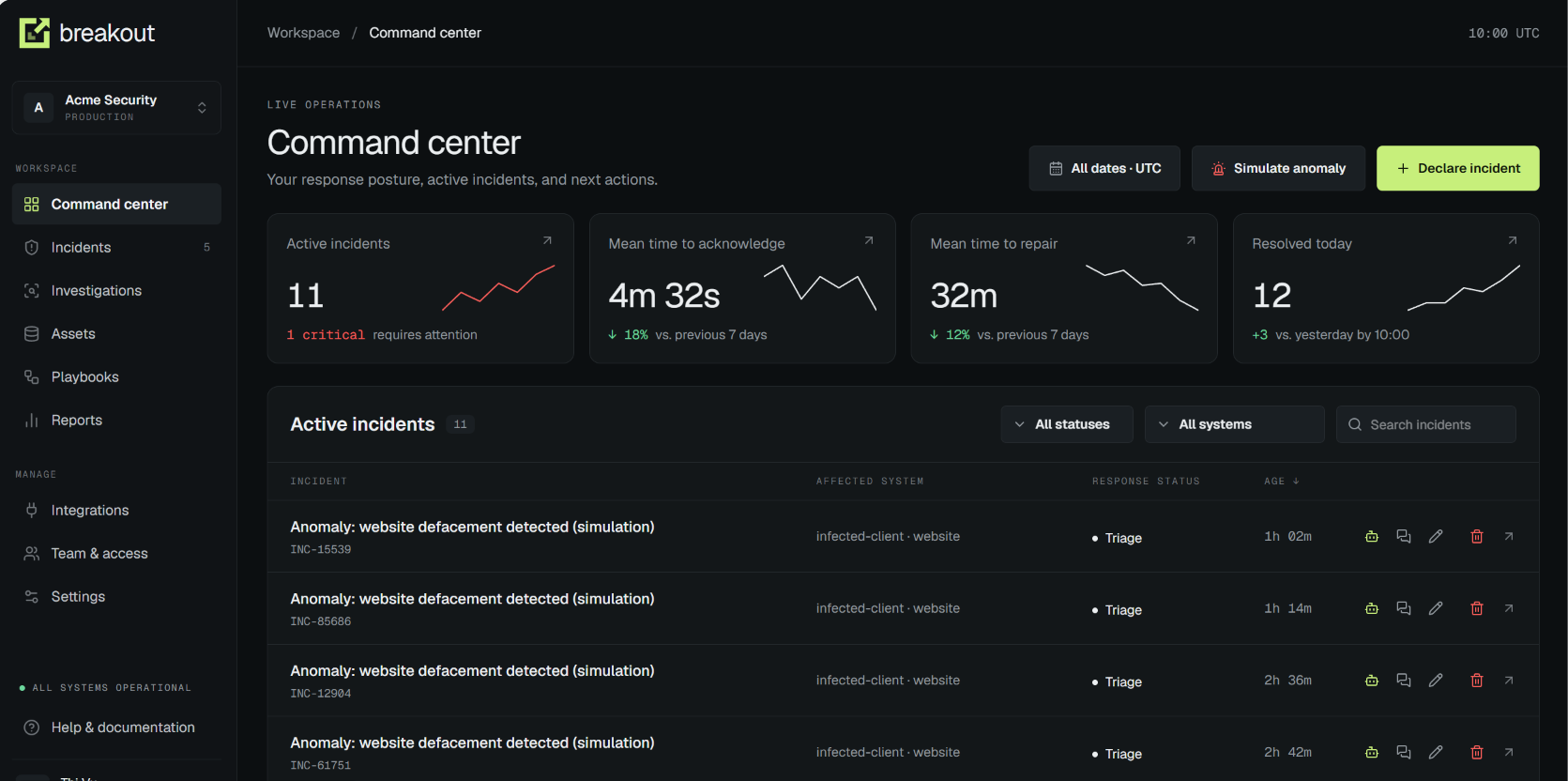
Breakout is a centralized cyber incident response dashboard designed to help security teams manage and recover from cyberattacks. It provides a command center to monitor incidents, track compromised systems, coordinate communications, and manage recovery efforts. We also use Docker to create an isolated environment that simulates real-time cyber incidents, allowing us to demonstrate how Breakout responds to an affected system.
How we built it
We built Breakout using Next.js and TypeScript for the frontend, SpacetimeDB for real-time backend functionality, and Ollama/NVIDIA Nemotron for AI-assisted incident analysis and remediation recommendations. We are also incorporating Docker to containerize our simulated server and compromised client environments. This allows us to safely demonstrate cyber incidents and test incident response workflows without affecting the host machine.
Challenges we ran into
One of our biggest challenges was integrating SpacetimeDB with our Next.js application because documentation for our specific implementation was limited. We initially developed our AI components in Python, but later discovered that SpacetimeDB did not provide the Python SDK support we needed. As a result, we had to convert our implementation to Node.js around midnight, requiring significant restructuring under a tight deadline.
We also struggled to create a realistic and secure environment for simulating cyberattacks. We initially considered using a vulnerable website that generated security logs, but eventually decided that Docker containers would better represent a compromised machine within a network. This introduced another security challenge: ensuring that an attacker could not disrupt our access to the infected environment. We moved away from placing an API connection inside the compromised container and explored separating the infected environment from our trusted management environment. We also had to develop ways to inspect suspicious files, quarantine potential threats, terminate unauthorized processes, and restore backup snapshots.
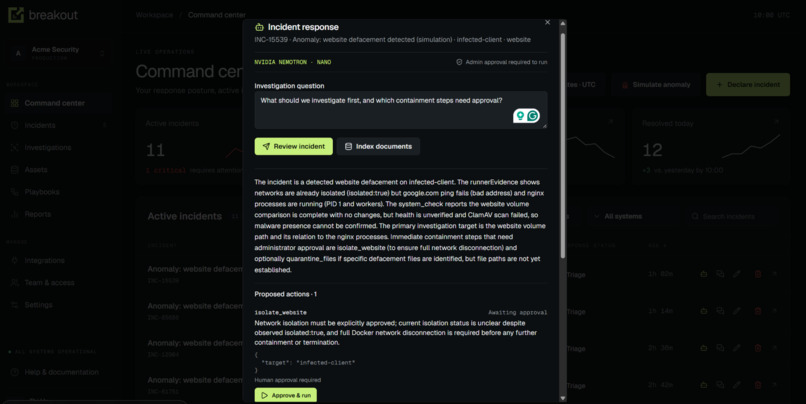
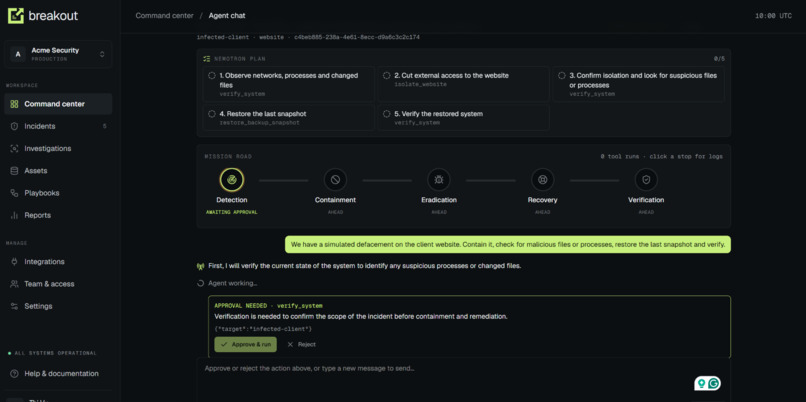
On the AI side, we had to balance automation with human oversight to prevent potentially harmful remediation actions. We also needed to carefully manage how much context we provided to our AI agent and RAG system to avoid exhausting token limits while still producing useful recommendations. Limited Lovable credits added another constraint, requiring us to be strategic with our development and iterations.
Finally, many of the technologies we used were new to our team, so understanding how they worked together while building a serious cybersecurity solution within a hackathon timeframe was challenging. Throughout the process, we consulted several mentors who helped us troubleshoot issues, understand unfamiliar concepts, and make better technical decisions. Ultimately, these experiences taught us to adapt quickly, rethink our architecture, and collaborate effectively under pressure.
Accomplishments that we're proud of
We're proud of building more than just another security monitoring dashboard. Breakout combines incident management, investigation, communication, and recovery coordination into one centralized experience. We're particularly proud of incorporating AI-assisted analysis and developing a Docker-based environment to demonstrate simulated cyber incidents and recovery workflows.
What we learned
We learned how to integrate AI into practical cybersecurity workflows, work with real-time backend technologies, and use Docker to create isolated environments for simulating security incidents. We also gained experience with system architecture, frontend-backend integration, and designing security-conscious applications.
What's next for Breakout
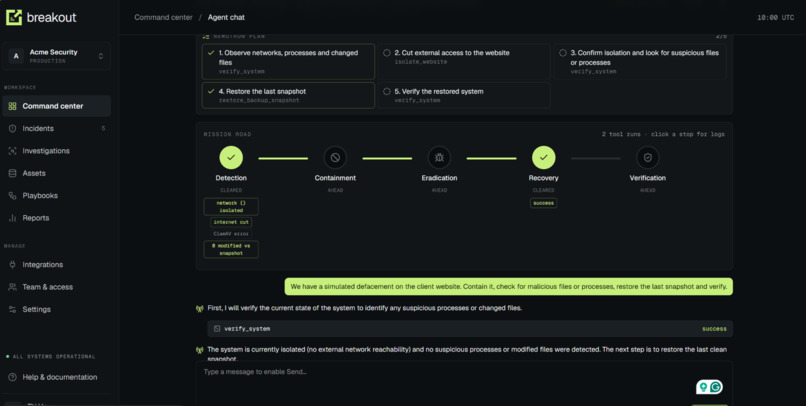
We envision expanding Breakout into a more autonomous incident response platform. Future improvements include deeper integrations with security tools, automated vulnerability assessments, expanded remediation playbooks, and stronger post-incident reporting. We also want to improve our Docker-based simulation environment to support more realistic attack scenarios and allow Nemotron to investigate threats, recommend fixes, and verify successful remediation.
Built With
- css
- docker
- figma
- lovable
- nemotron
- next.js
- ollama
- react
- spacetimedb
- typescript


