-
-
-
-
-
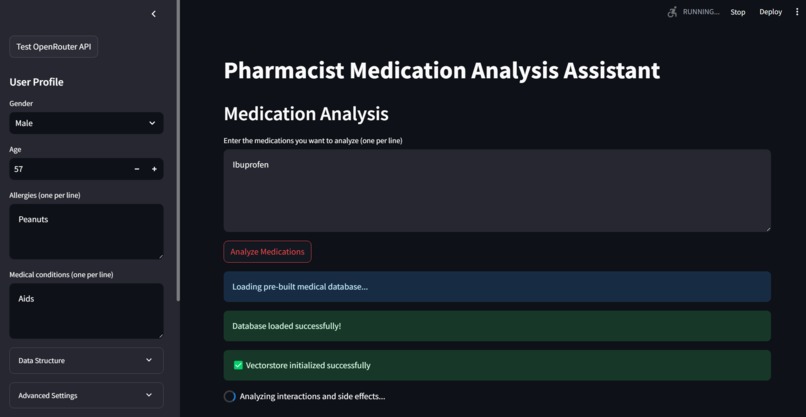
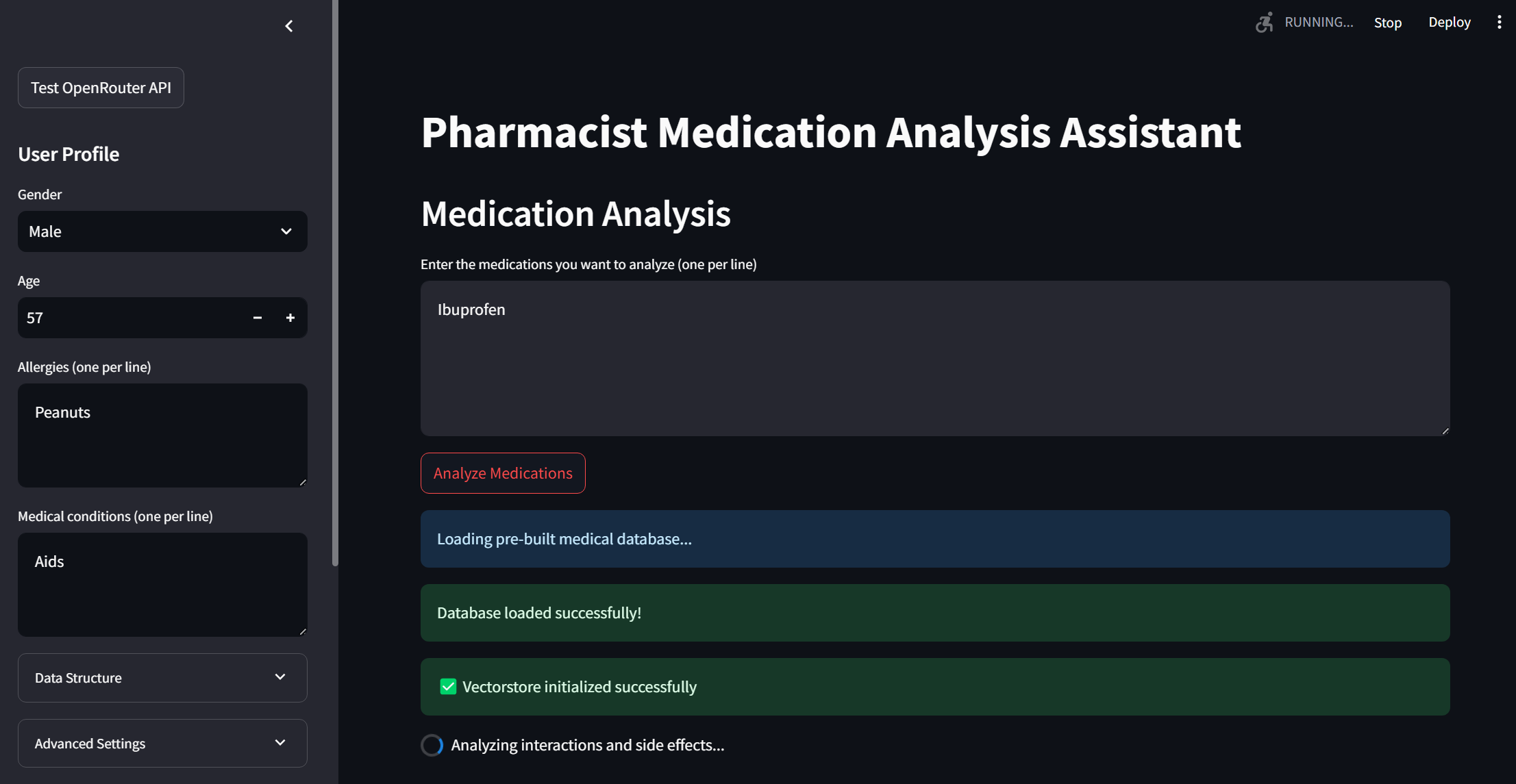
UI of BreakingGood
-
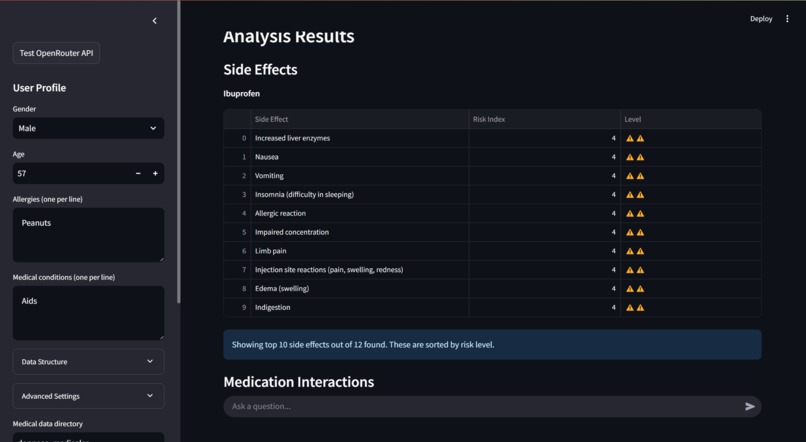
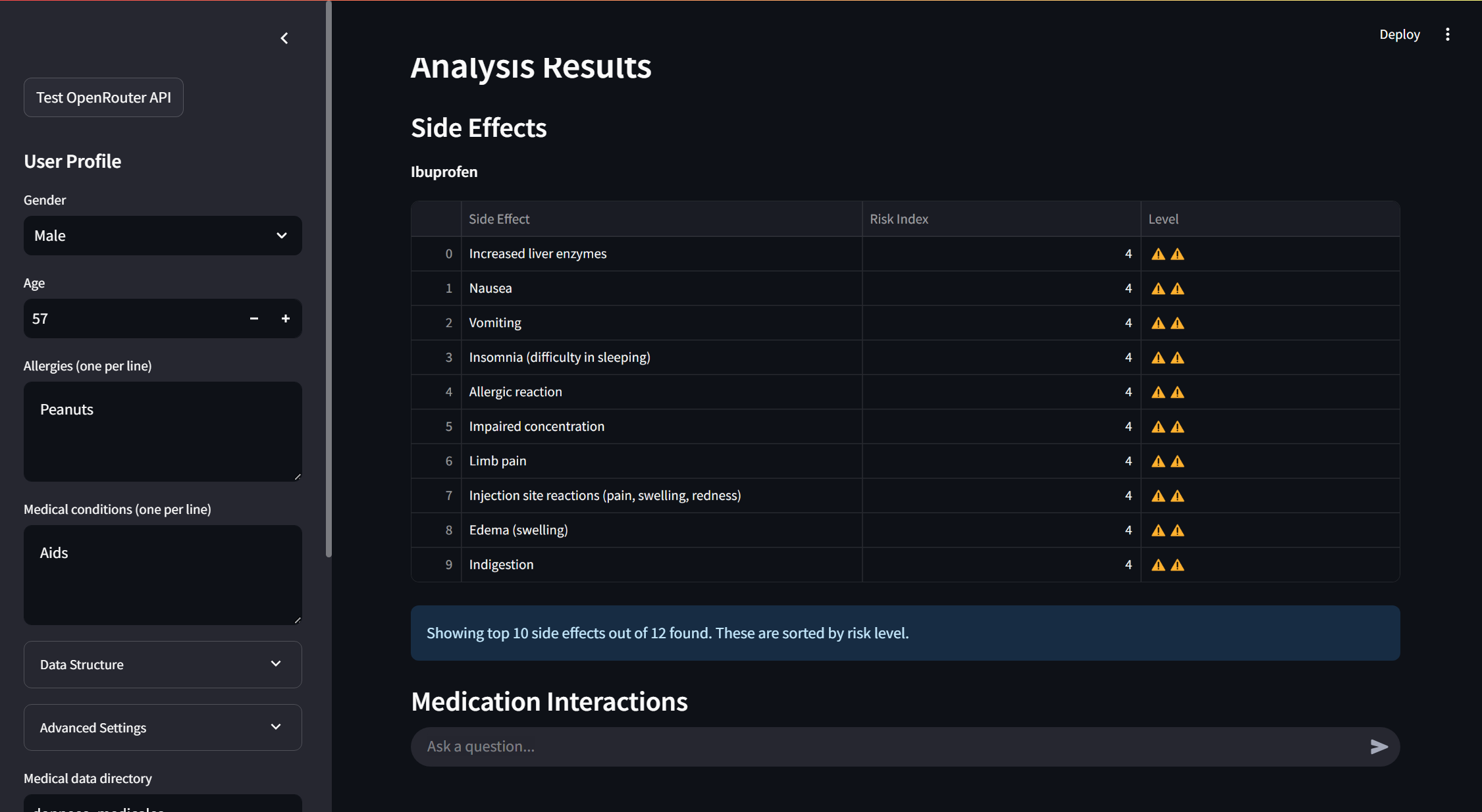
Side Effects
Inspiration
Pharmacists juggle countless prescriptions daily, ensuring patient safety while managing a heavy workload. Studies show that medication errors often stem from time constraints and information overload. What if pharmacists had an AI-powered assistant to streamline decision-making and catch potential drug interactions instantly? That’s where this tool comes in, analyzing data with a trained AI model to optimize pharmacists’ time and ensure every patient gets the safest, most informed care possible.
What it does
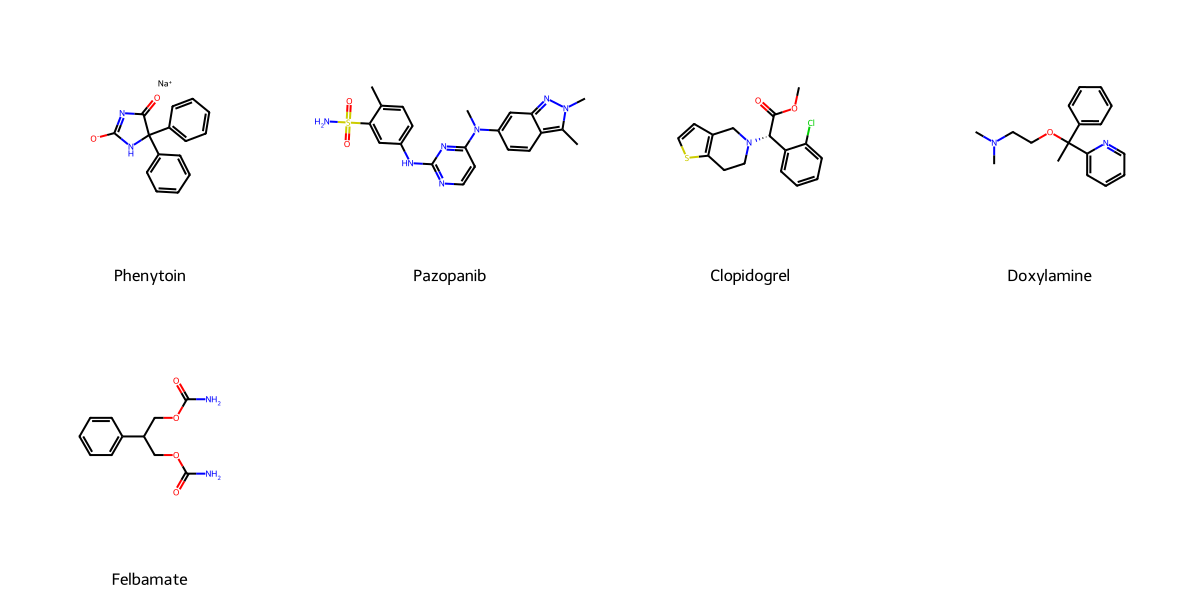
BreakingGood reimagines the pharmacist’s workflow with an intelligent, AI-powered system designed to enhance decision-making and patient safety. It begins by analyzing all prescribed medications, identifying the three most concerning side effects for each drug. Using a trained AI model, it then predicts potential interactions between medications and calculates a risk index based on their combined effects. If the risk is too high, BreakingGood suggests safer alternative medications. Finally, an integrated chatbot, tailored to consider the patient’s specific conditions, is available to assist pharmacists with any further questions—ensuring every prescription is as safe and informed as possible.
How we built it
To build, BreakingGood we used multiple technologies :
Frontend : Streamlit for the user interface and visualization of the data and information that we needed to display.
Backend To use the database and interpret the data we had, we used langchain, huggingface. For the assistant, we used OpenAI to call gemini through Openrouter, this assistant can help with questions and is connected to our database to find the side effects. For the AI trained model, we used one that we designed ourself :
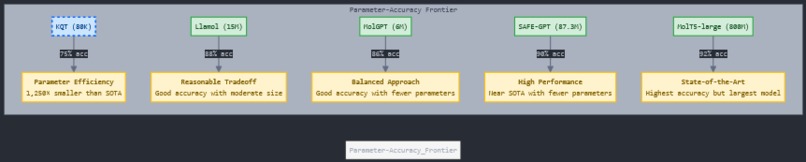
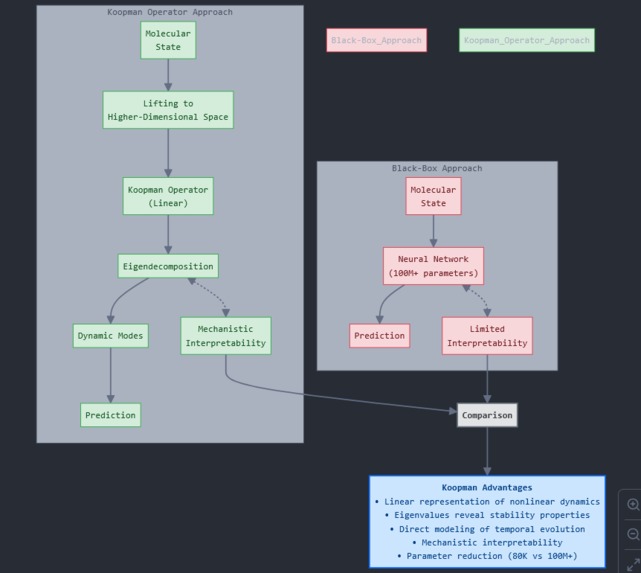
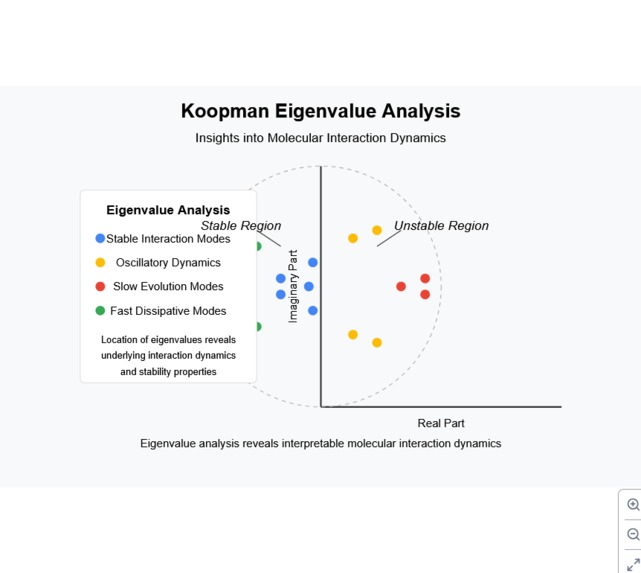
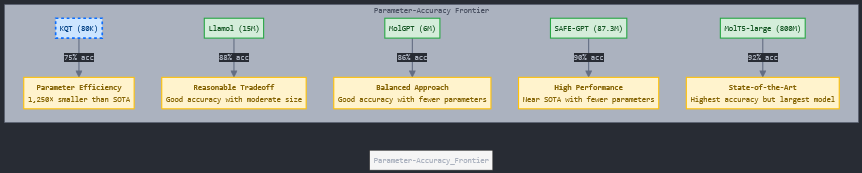
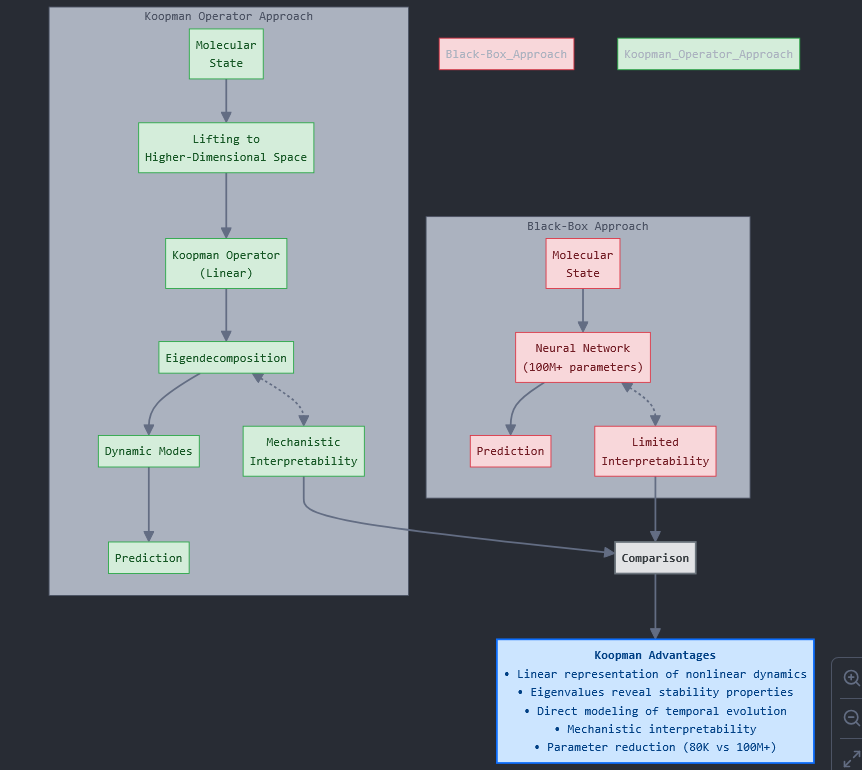
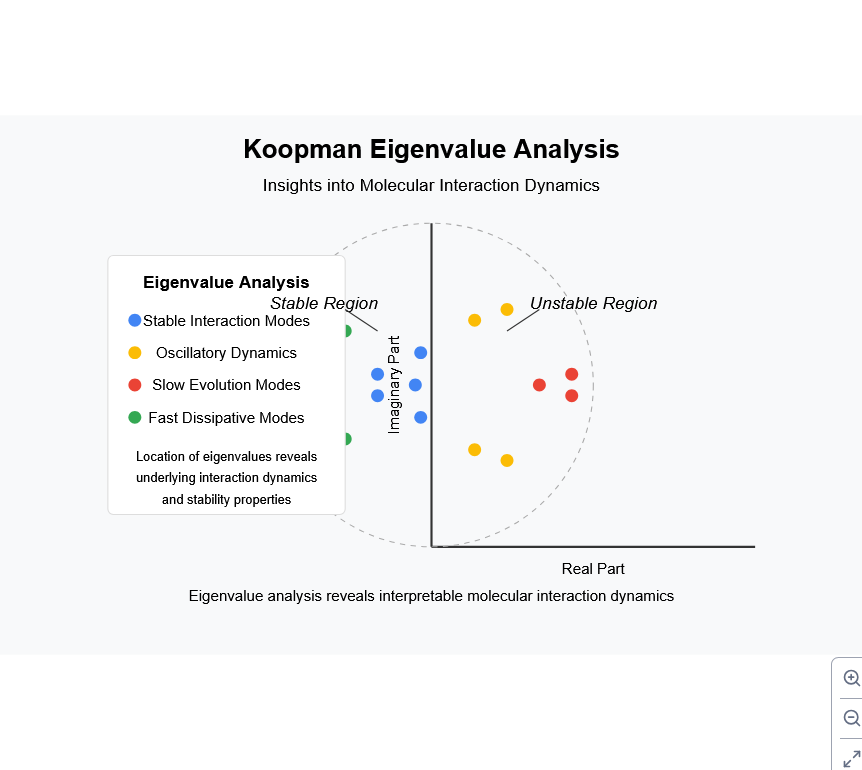
Using operator theory we made a deep learning model to find the risky interaction level between drug molecules, this new architecture enabled us to achieve a hit rate of 80% with an ultra low parameter count compared to the current SOTA.
Challenges we ran into
With streamlit : This was new for us, so we had multiple problems with implementing certain functions such as making containers with informations in certain formats, some references and implementing it through multiple files.
Finding dataset: Finding good datasets with a lot of accurate information is a difficult task: licences often needed, free datasets missing information, limited entries, cryptic (drug id).
Database: Filtering information was a tedious task, we made a super FrankenSet cobbled from all the datasets we found (merging the information of different datasets caused a lot of trouble, long processing time, etc).
Our Deep Learning model: The feature engineering was difficult because modelling 3d features from 1d SMILES , and feature engineering with various descriptors, morgan fingerprints was computationally intensive, our laptops crashed overnight while building unfortunately. (But we prevailed)
The model had to have a very low parameter count to run on our pcs.
Accomplishments that we're proud of
Impact We're proud to provide a solution for a real problem with an ai assistant that facilitates drug-drug interaction verifications and can help predict the severity index of lesser known interactions. It could enhance efficency of pharmacist and reduce errors.
Complexity The fact that we succeeded in implementing operator theory and training our AI model so it can predicts interaction between 2 drug molecules semi accurately (80%).
Design and user experience Our design prioritizes efficiency and ease of use for pharmacists: Clean, intuitive UI optimized for quick decision-making in a fast-paced environment. Comprehensive medication analysis with clear risk visualization and interaction warnings. Smart alternative recommendations to help pharmacists find safer medication options. Integrated chatbot assistance for on-demand support, factoring in patient-specific conditions.
What we learned
How to combine multiple uses of AI technologies to analyze data, find precise information, predict interactions. The importance of using the good tools that facilitates the building of the project. To use the gemini chatbot.
What's next for BreakingGood
We'd have to improve the quality of our datasets by using complete databases such as DrugBank and Rxnorm. We could add the patient's background information( medical history, genetic makeup etc.) and improve the accuracy of the trained ai model by providing the above-mentionned quality datasets, having more training and potentially adding more parameters to enhance its capabilities.


Log in or sign up for Devpost to join the conversation.