-
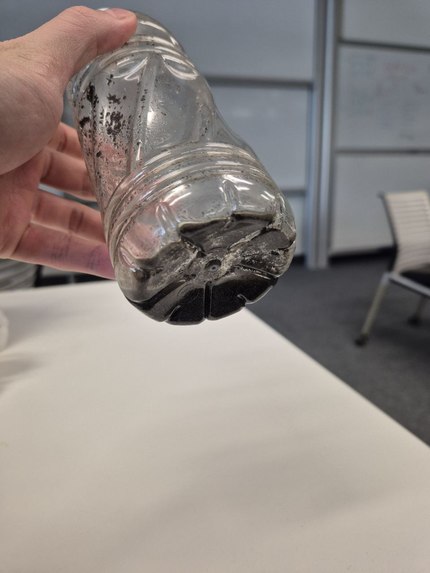
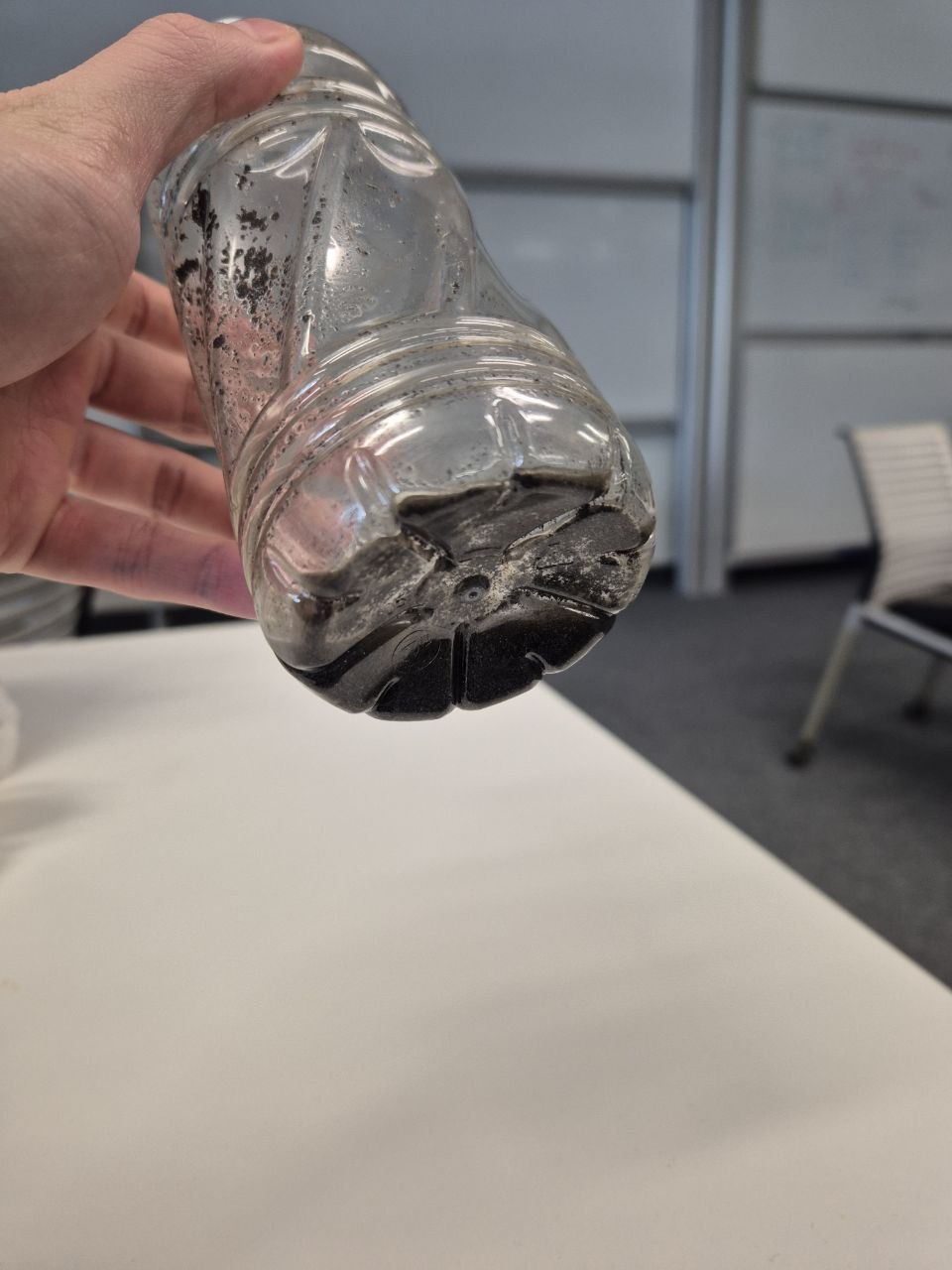
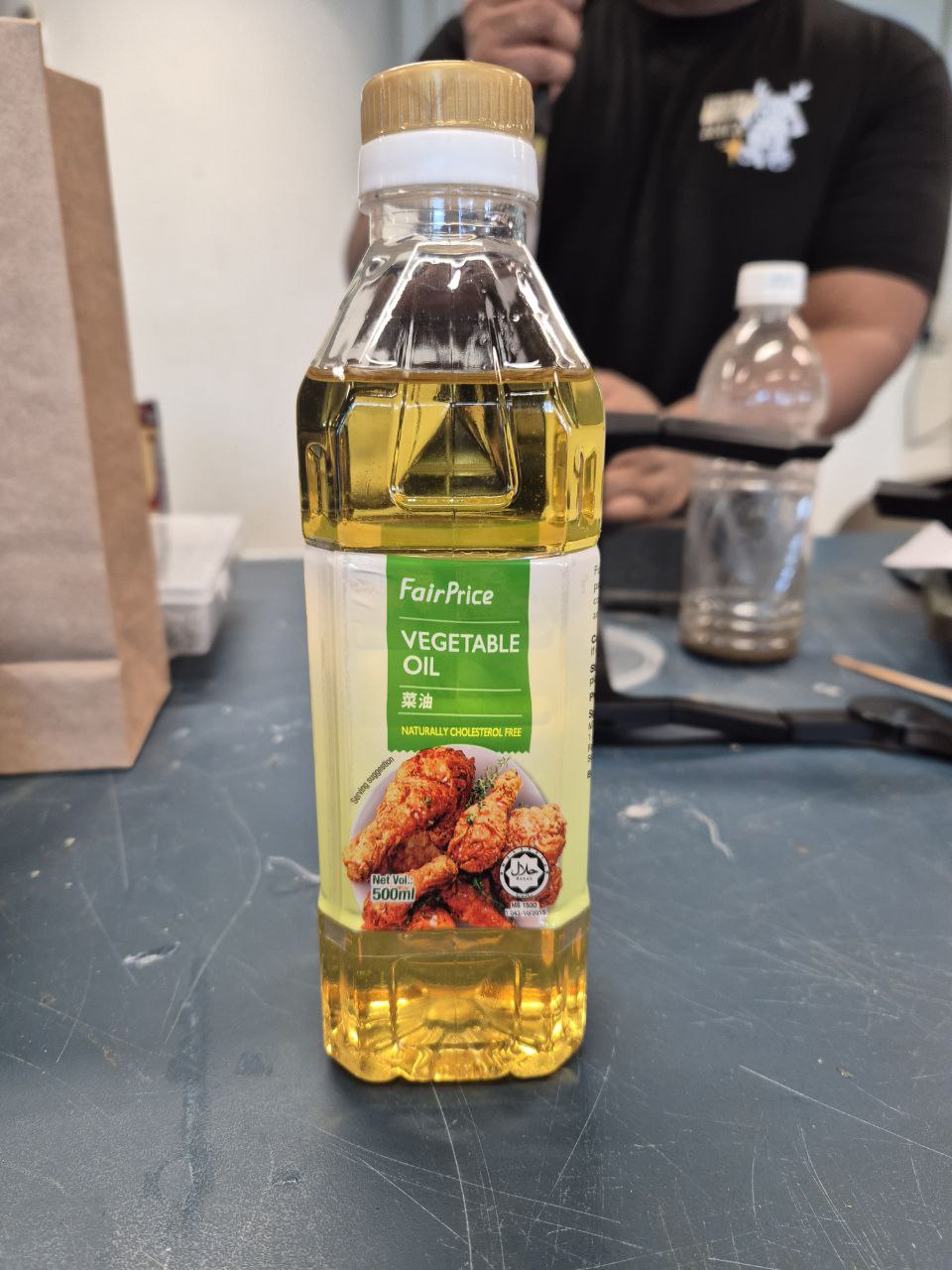
Material: Ferrofluid
-
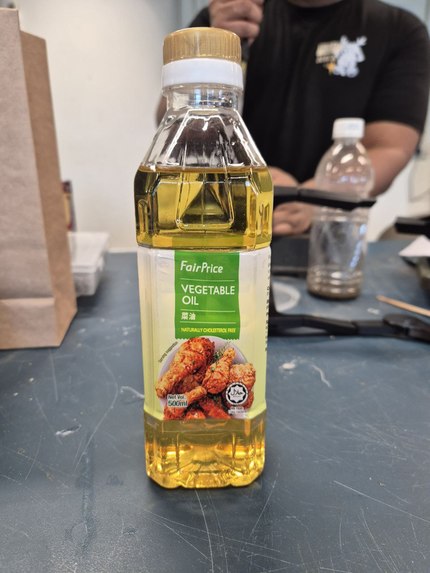
Component: Cooking oil
-
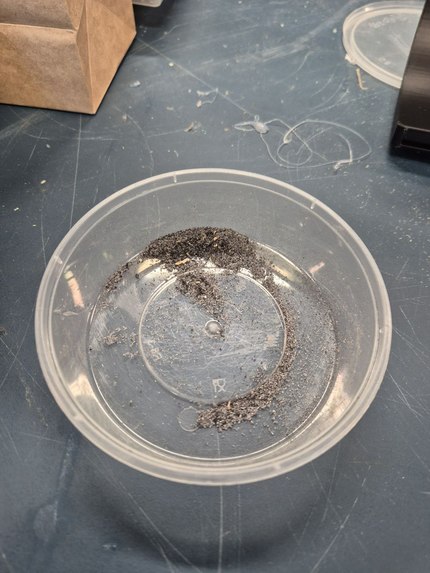
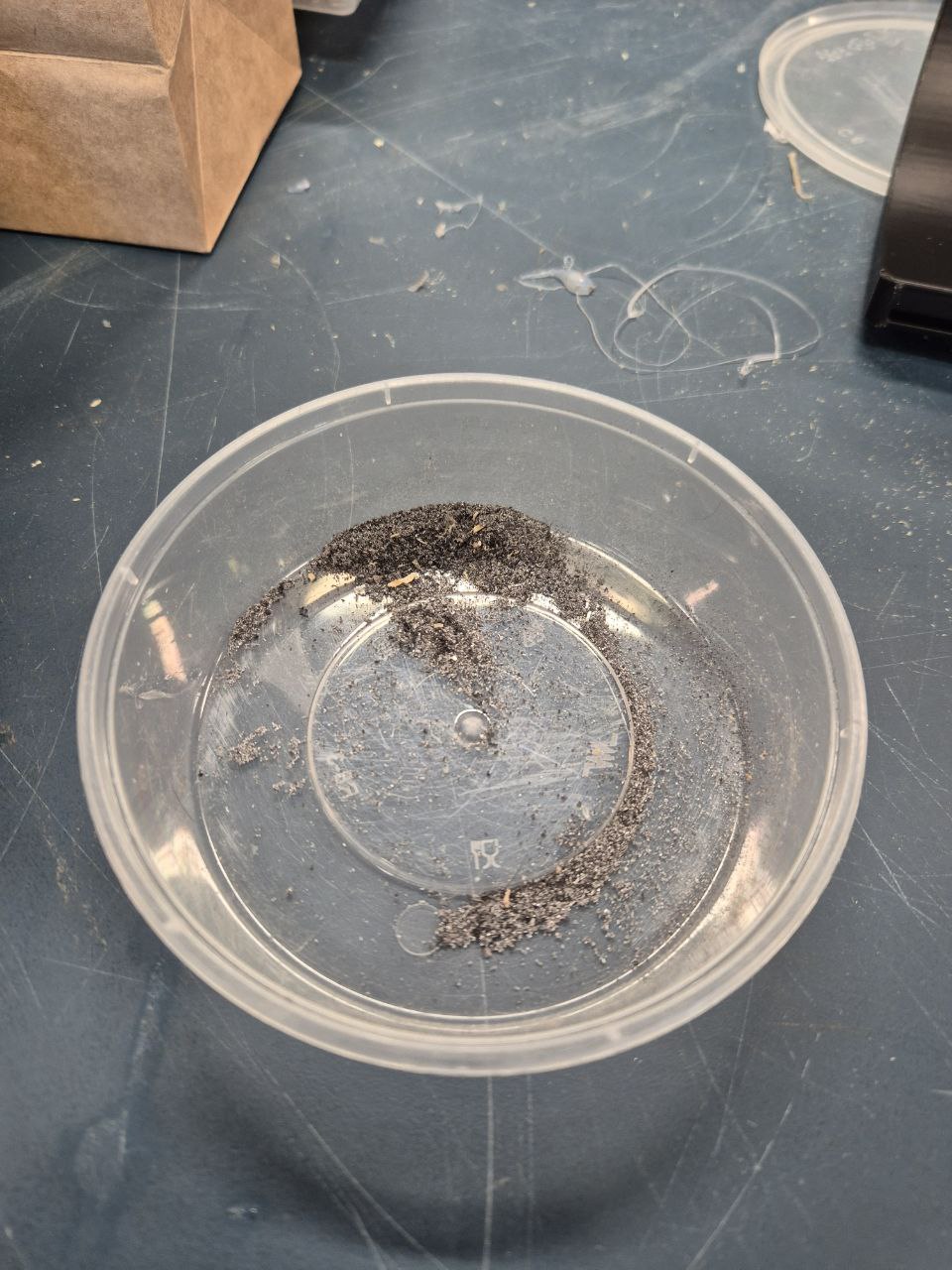
Component: Iron fillings
-
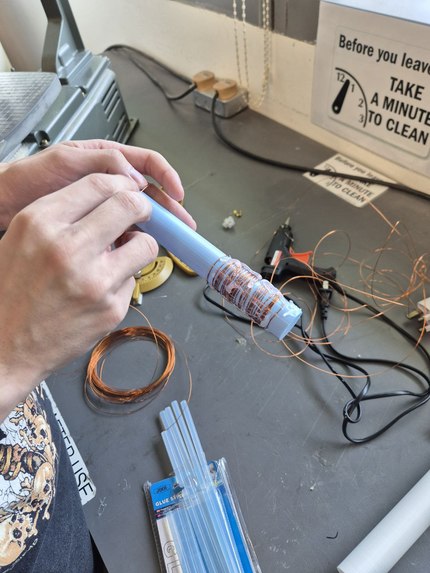
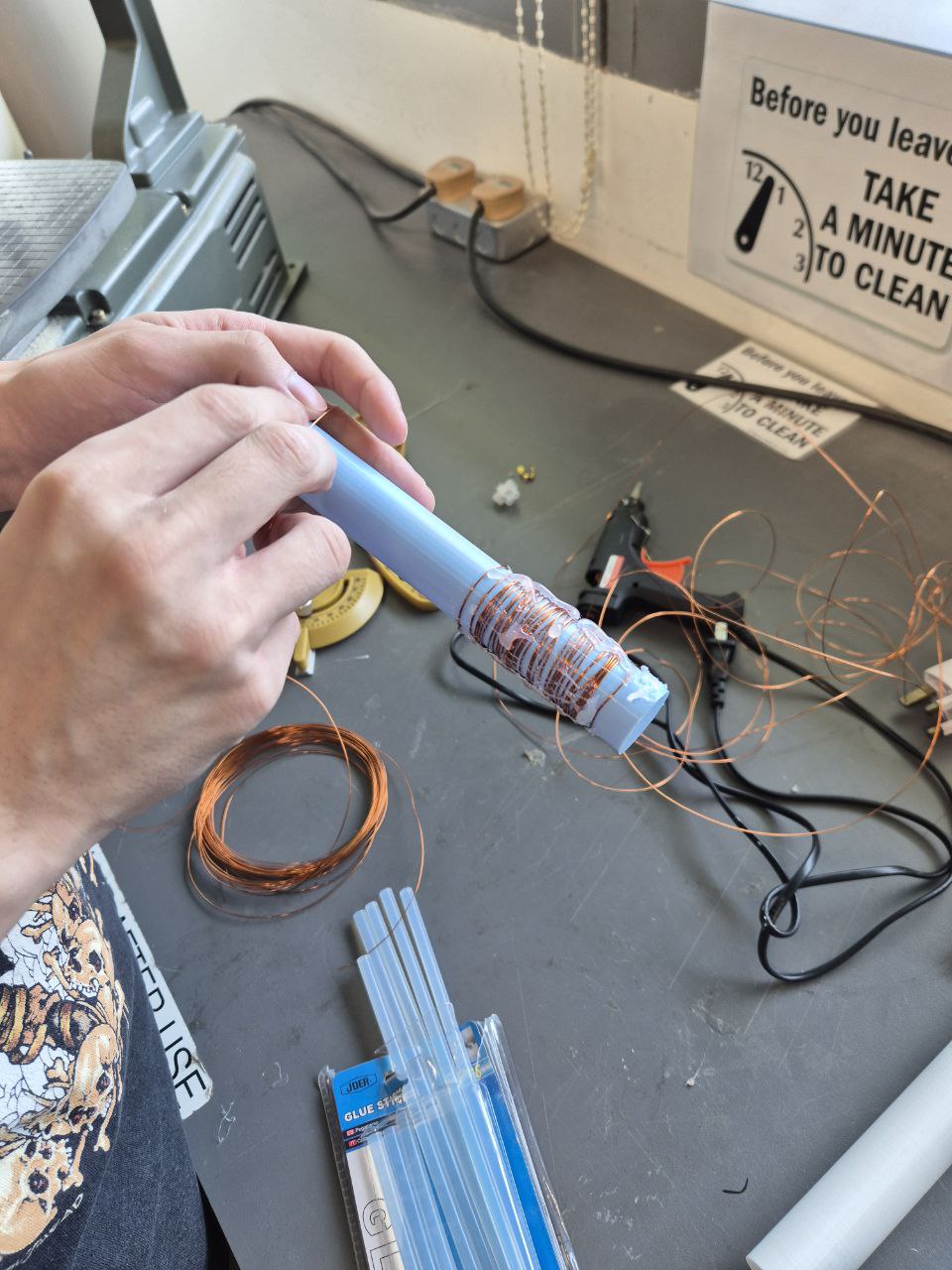
Component: Coil
-
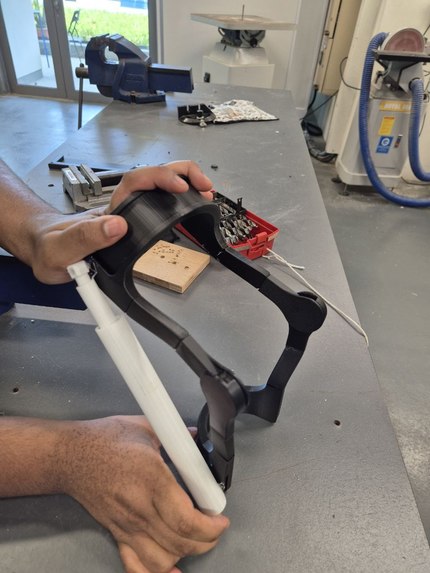
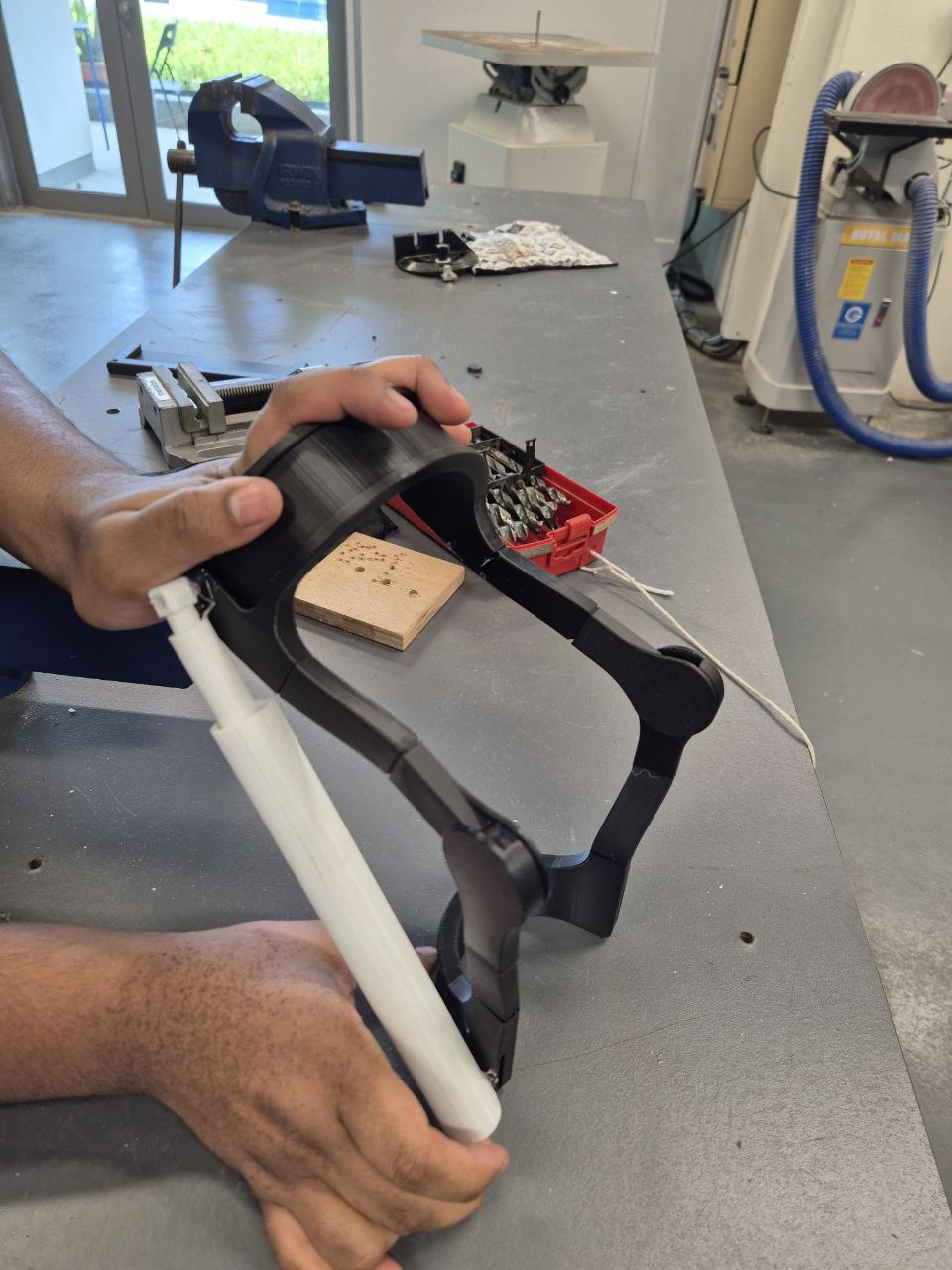
Final prototype: Compressed
-
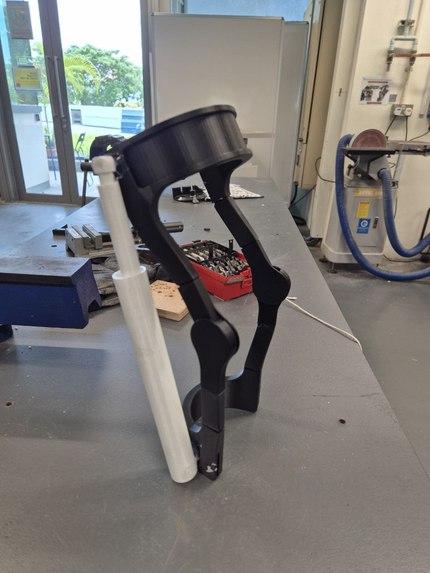
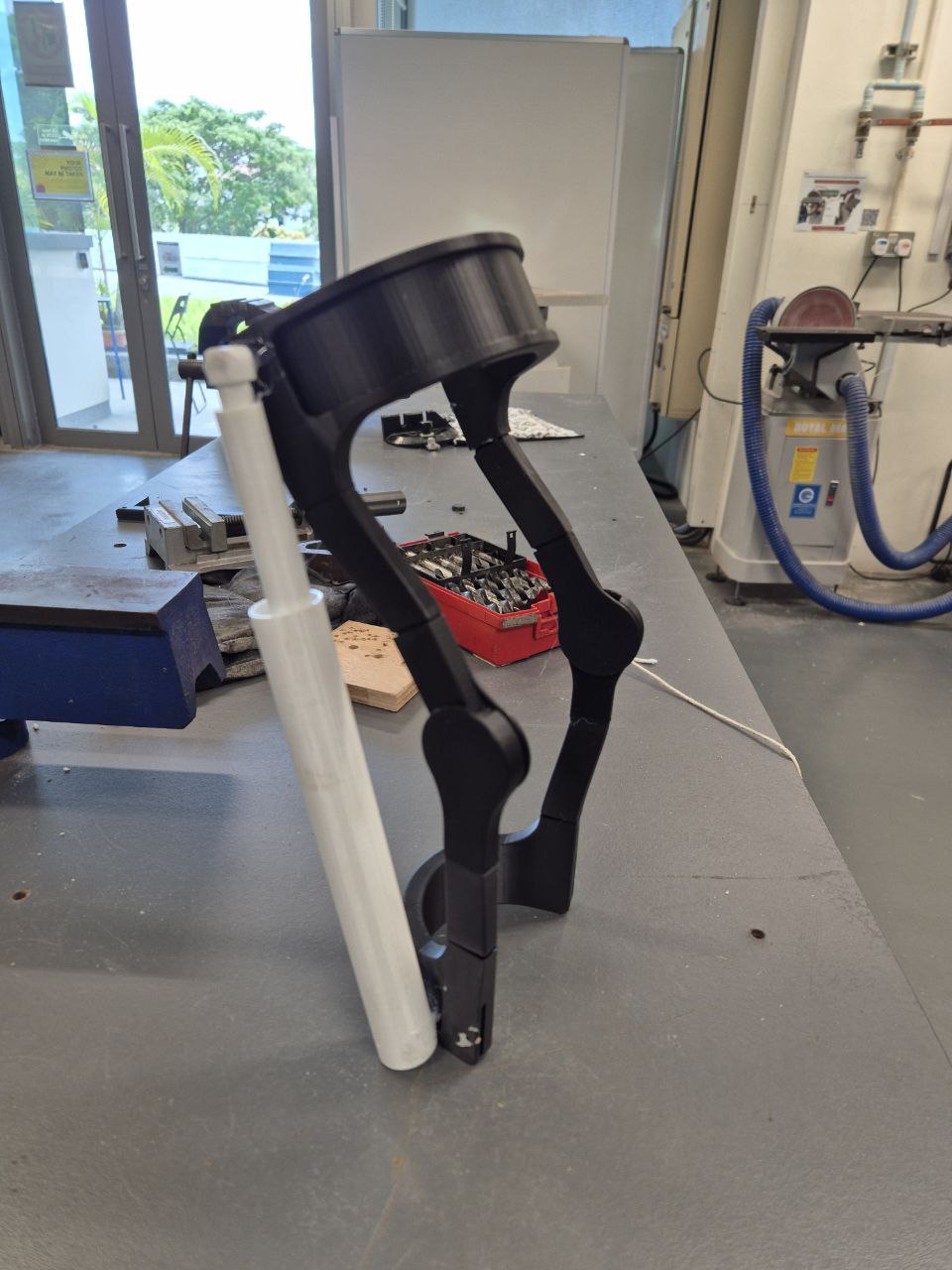
Final prototype
Inspiration
Many elderly individuals experience knee pain and instability, especially when sitting down or standing up. Existing knee sleeves provide only passive compression, which loosens over time and fails to absorb impact effectively. We wanted to design a smarter solution that offers both comfort and protection.
What it does
Break A Leg is a smart knee brace designed to help the elderly safely sit and stand. It uses ferrofluid-filled channels around coils that harden under a magnetic field, providing active damping to reduce the impact on the knee joint. This makes everyday movements smoother, safer, and less stressful on aging knees.
How we built it
We designed and 3D-printed a knee brace frame as the structural base and integrated coil housings to generate a magnetic field. The channels were filled with ferrofluid, which hardens when exposed to magnetism, enabling active damping of impact forces. To further support mobility, we added a piston mechanism that provides lift and reduces stress on the knee joint during standing. We also built a workflow system to demonstrate the process — knee bends → coils activate → ferrofluid stiffens → impact absorbed. Finally, we conducted initial bench testing and gathered user feedback trials to validate comfort and effectiveness.
Challenges we ran into
One major challenge we faced was the difficulty of producing a sufficient amount of ferrofluid. With limited iron filings, we were unable to continue with our initial knee sleeve concept, which relied heavily on compression. We also struggled with conceptualizing suspension and compression mechanisms using ferrofluid, since this technology is not yet commercialized and lacks existing references. On top of that, the tight timeline of just over a day made it difficult to move from ideation to prototyping, including 3D printing and sourcing materials like springs and pistons, which ideally should have been prepared in advance. Finally, the lack of time also meant we had minimal opportunities for testing and iteration, limiting how far we could refine the prototype within the hackathon window.
Accomplishments that we're proud of
We are proud to have successfully demonstrated impact damping using ferrofluid in a wearable brace, a novel approach not seen in traditional knee supports. In addition, we created a hybrid suspension system that combines both mechanical and electrical components: mechanically, a spring and piston system provides supportive lift to help the elderly stand up, while electrically, a coil-driven ferrofluid system stiffens under a magnetic field to reduce stress on the knee joint during sitting and standing. Along the way, we developed a working prototype with custom 3D-printed parts and built a clear workflow model to explain the science in a simple, visual way. Our initial trials received positive feedback on comfort and safety, and we showcased the innovative use of ferrofluid technology in elderly support solutions, setting our design apart from conventional compression braces.
What we learned
Through this process, we learned the importance of user-centered design, especially when creating solutions for the elderly where comfort and usability are critical. We also gained experience in combining mechanical design, material science, and electronics into a single functional system. Another key takeaway was the need to communicate complex technical ideas simply, which we achieved through workflow models and visual demonstrations. Most importantly, we learned to quickly identify limitations through testing and turn them into opportunities for improvement.
What's next for Break A Leg
Looking forward, our next step is to integrate flex sensors to detect knee bends and allow the ferrofluid to switch dynamically between soft and hard modes—soft when walking for comfort, and hard when sitting or standing for impact absorption. Finally, we aim to conduct larger-scale user trials with elderly participants to validate safety and effectiveness. Our long-term vision is to evolve Break A Leg into a fully adaptive mobility brace that not only cushions sitting and standing but also supports walking, rehabilitation, and fall prevention.
Built With
- 3dprinting
- c++
- material-synthesis
- mita12companion

Log in or sign up for Devpost to join the conversation.