Inspiration
In today’s unstable economy, personal finance has become one of the biggest stressors in people’s lives. People often overspend without realizing it. However, it is not because they’re irresponsible, but because they lack the tools or were never taught the financial literacy to track their habits. We wanted to build something that could change that. We developed BreadBox with the idea that everyone deserves financial clarity, regardless of their background, income level, or starting point.
What it does
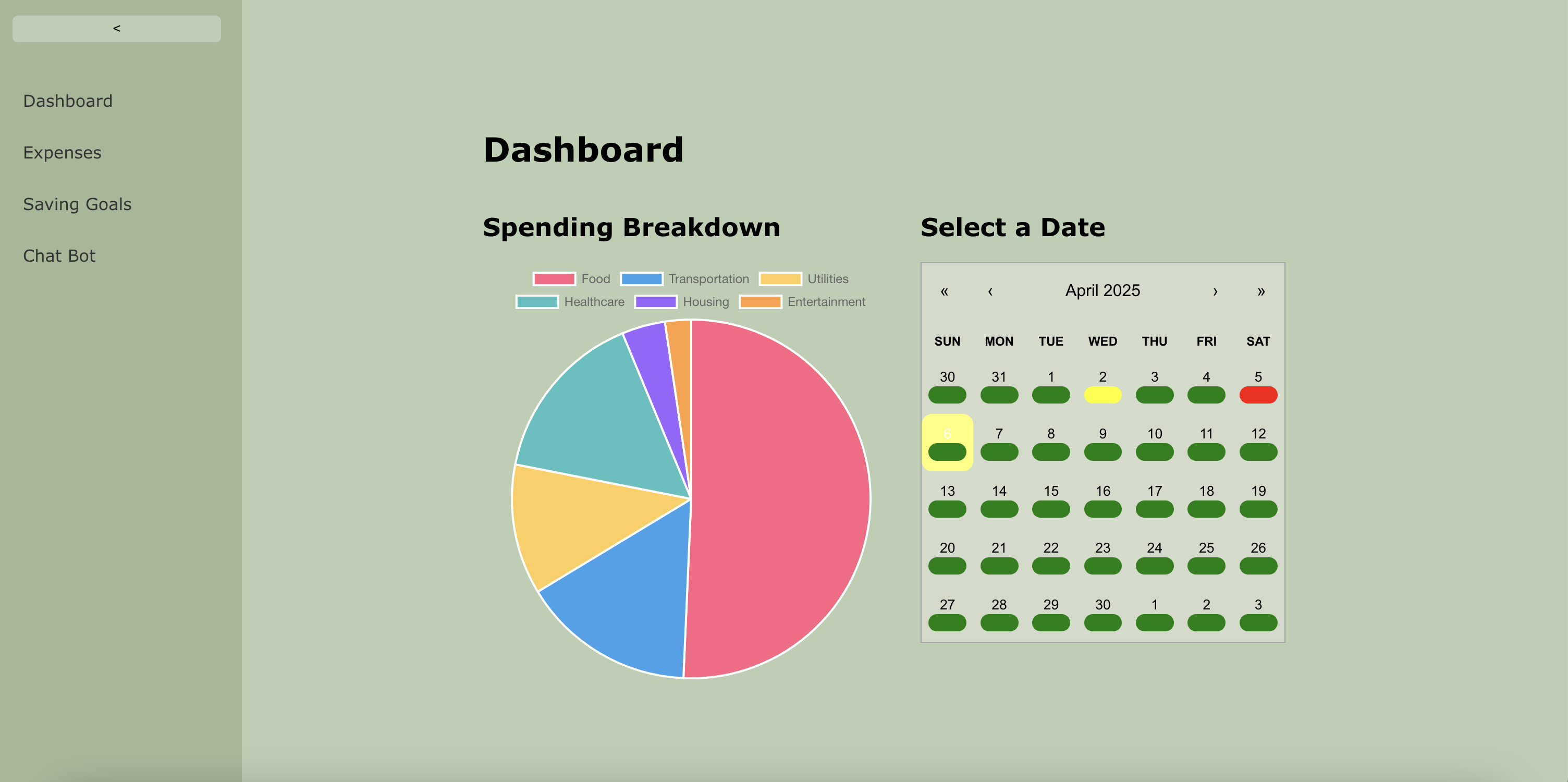
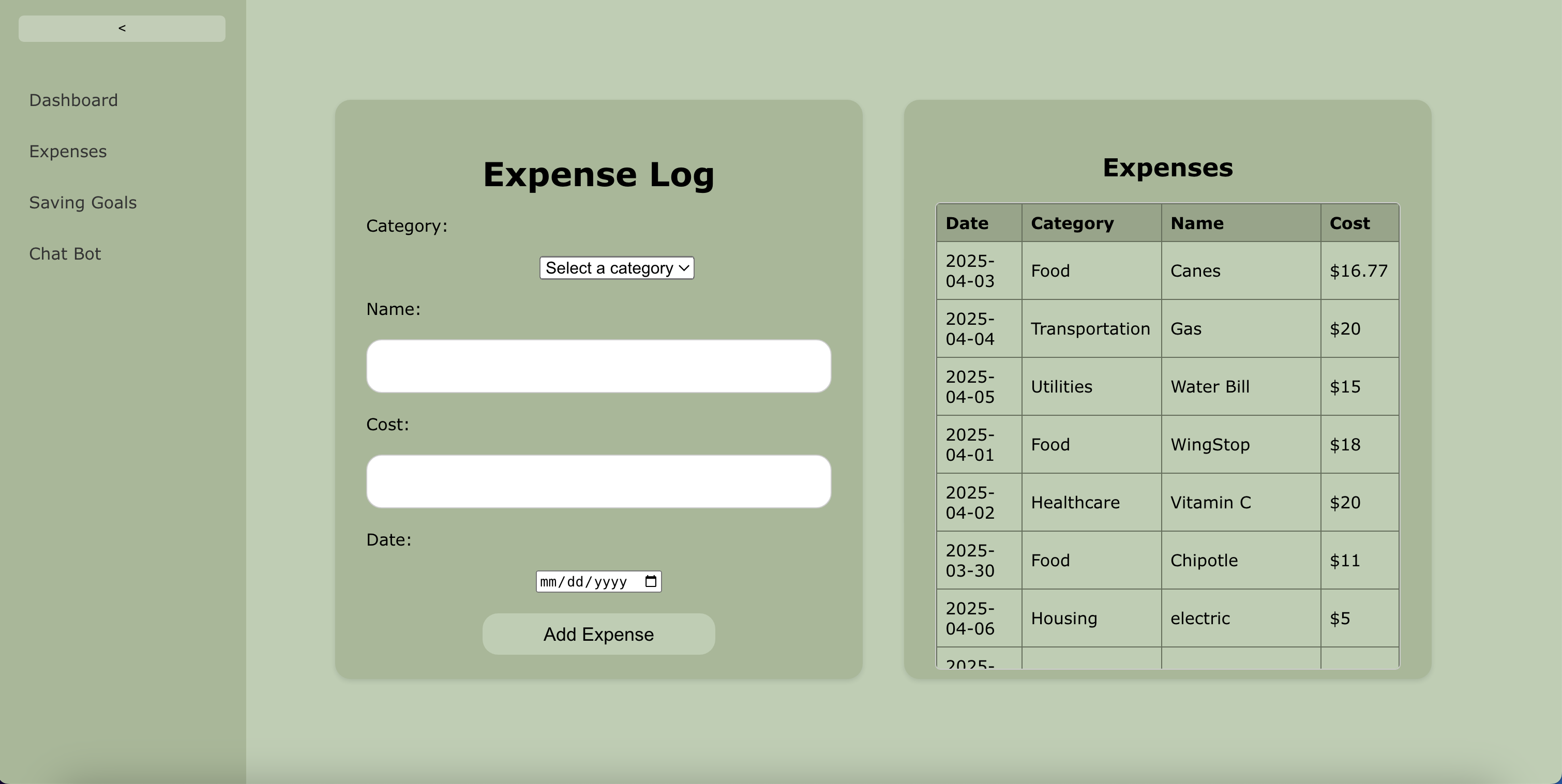
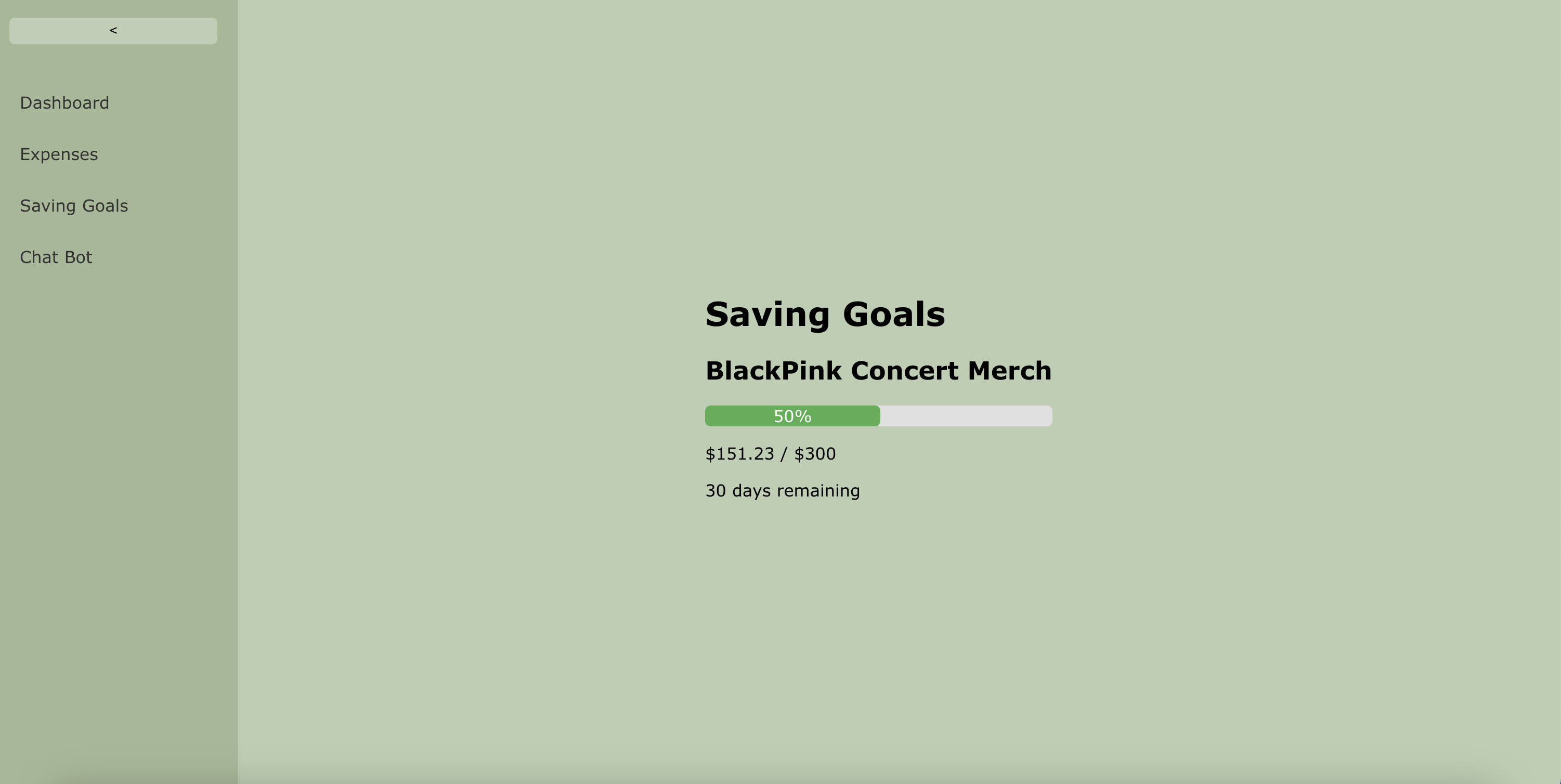
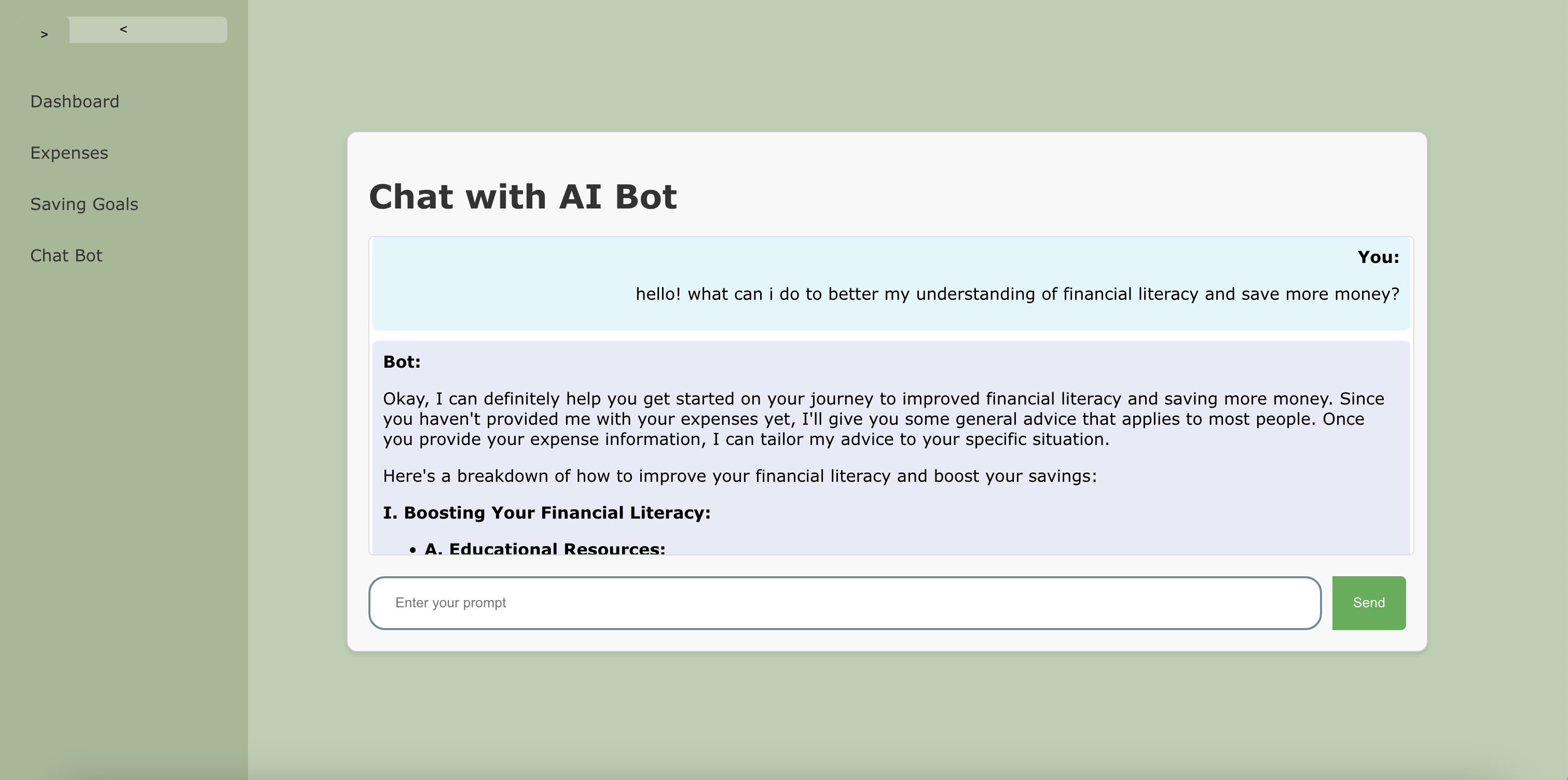
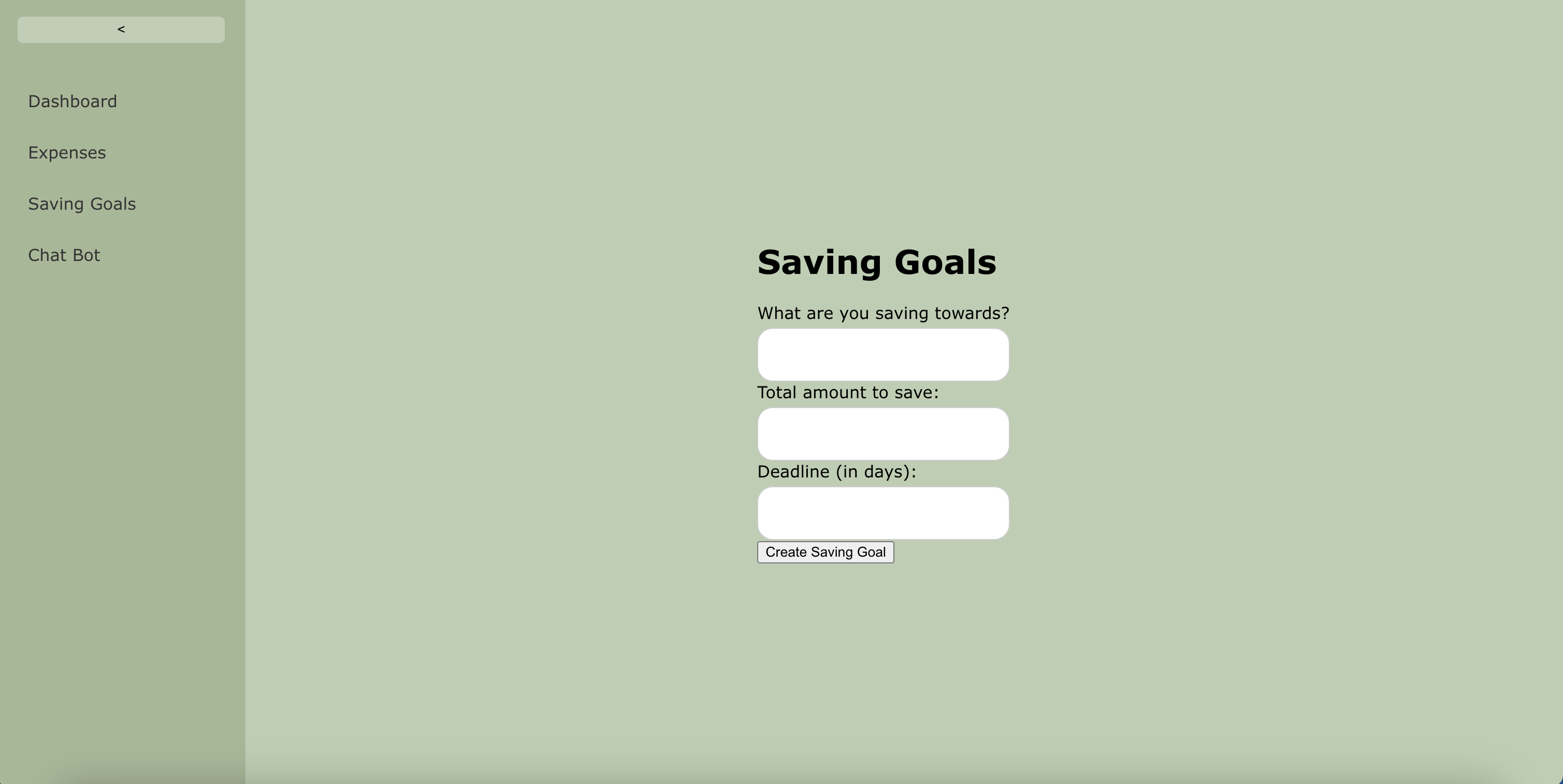
BreadBox is both a financial planner and advisor all in one. With the app users will be able to log purchases, visualize their spending, calculates savings per-day, set long term goals, and discuss problematic spending habits.
How we built it
We utilized a combination of React, Node.js, MongoDB, and Google AI API Gemini. React powered our front end while Node.js bridged the backend, handling requests and processing data. With this setup, we leveraged MongoDB to manage user data allowing us to create multiple user accounts, track individual spending habits, and store detailed transaction histories. User data is then sent to Google AI API Gemini, which analyzes spending patterns and generates personalized insights. Aside from our AI, our project also parses user data from MongoDB to track net spending and savings of each user to create a personalized financial plan based on how much they want to save.
Challenges we ran into
One of the major problems that our team encountered was figuring out how to properly populate certain imported items from react. For example, the imported calendar our team included was meant to track a user's daily spending throughout the months, properly updating the status of each individual day depending on how much was spent. Unlike what it was meant to do, the calendar did not properly log the amount spent for each day but instead threw the amount into a random one. Another huge hurdle for our team was the initial creation of the connection to the database as well as extracting/retrieving data from it. Honorable Mentions: our team had lots of trouble figuring out how to make our containers/elements throughout the project look presentable through html and css.
Accomplishments that we're proud of
Finally figuring out how to properly use html and css was a huge win on our team's part. After many long and tiring youtube tutorials, the syntax started to become muscle memory and it did not take as long as before. Another huge accomplishment our team is proud of deals with the implementation of an interactive AI that takes into consideration user data and provides personalized feedback.
What we learned
Ultimately, our team thought of the entire process of DiamondHacks as a learning experience and as a taste of what an actual coding job with a team would be like. Our team was able to make lots of progress on the process of completing an actual project as a group including brainstorming, creating flowcharts, and building each component. One of the biggest skills we improved throughout the entire process debugging and problem solving through lots of trial and error.
What's next for BreadBox
Moving forward, the BreadBox team plans to enhance our application by adding new features that we think will be helpful for people who want to further improve their financial literacy and save more. For example, our team has future plans to come back and implement a "bill splitter" feature in which users can either take a picture or manually list items off a receipt of a group outing and efficiently list off how much each person is due. We plan to take this to the next level by adding an option to put down your bank information to automatically request funds from your party in a similar manner to venmo or zelle.

Log in or sign up for Devpost to join the conversation.