-
-
Acrophobia - The fear of heights
-
Inspiration
We take inspiration from several researches, such as Arroll et al. (2017), A systematic review and meta-analysis of treatments for acrophobia. We realised that VR and AR environment were barely used to cure mental conditions such as phobias. This is where we decided to create BraveVR, a tool for people to face their fear !
What it does
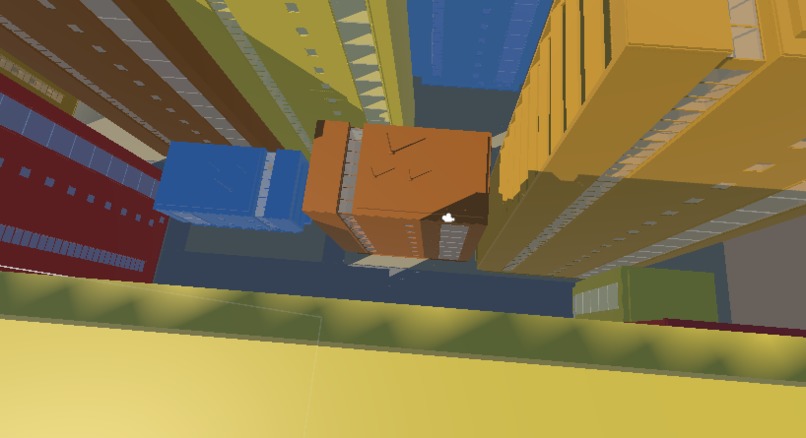
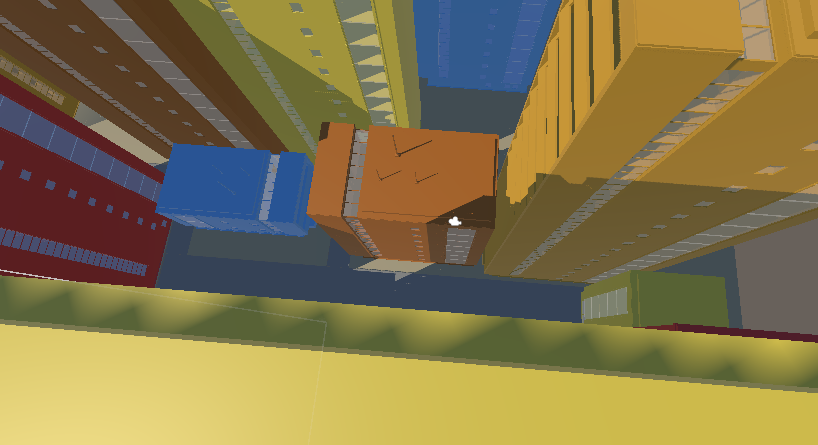
Our project gives an immersive way to undergo exposure therapy, by providing several game levels for a given phobia. In the level, the player will have to do simple tasks in a limited time, to check whether he/she is able to stay focused, and not get overwhelmed by stress/anxiety. The game automatically adapts to the level of fear of the player, and data can be collected for a specialist to analyze them.
How we built it
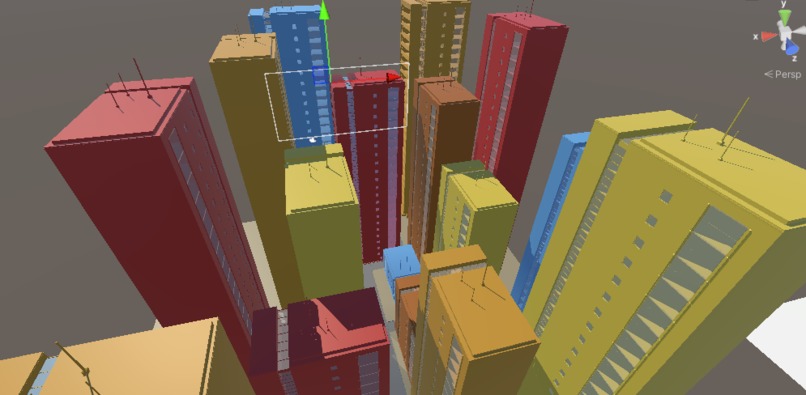
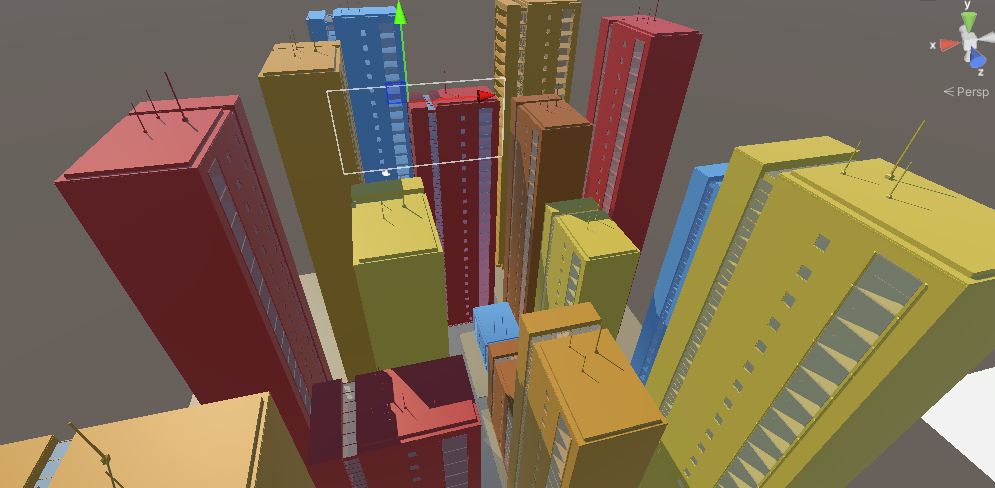
The virtual environment was built on Unity, with scripts written in C# for the backend. It was then simulated on a Meta XR headset.
Challenges we ran into
Accomplishing an XR project while being a team of only two forced us to put in extra work. But this hard-work paid off, and we both learned a lot in this hackathon !
Accomplishments that we're proud of
We are proud of the environment and the game experience we built in such a short time. We managed to make an immersive experience, that make the patient gradually face their fear, without making it too threatening.
What we learned
We learned a lot about the methods and procedures of exposure therapy, as well as good knowledge of Unity and VR projects.
What's next for BraveVR
We would love to take BraveVR to the next step, by providing game levels for more phobias. We are also planning to implement more biosensors to measure more accurately the response of the patient at different stages. One last thing would be the implementation of a bigger variety of tasks, to also check the impact of a phobia on memory, logical thinking or physical capabilities.


Log in or sign up for Devpost to join the conversation.