Inspiration
Most brand collaborations start with a guess. Someone in a meeting says, “I think our audience would love this brand,” and everyone nods because nobody has real evidence. The decision comes from gut feeling or a generic trend report that describes everyone and therefore no one in particular.
Small brands and local businesses feel this most. They have no research budget, so one wrong partnership means wasted money, wasted time, and a message that lands flat with the people they wanted to reach.
A generic LLM doesn’t fix this. It can brainstorm confidently, but it has no idea what a specific audience actually gravitates toward. When we saw Qloo’s challenge, “agents, but with taste,” we realized the missing piece was real cultural data. That’s how BrandMatch started.
What it does
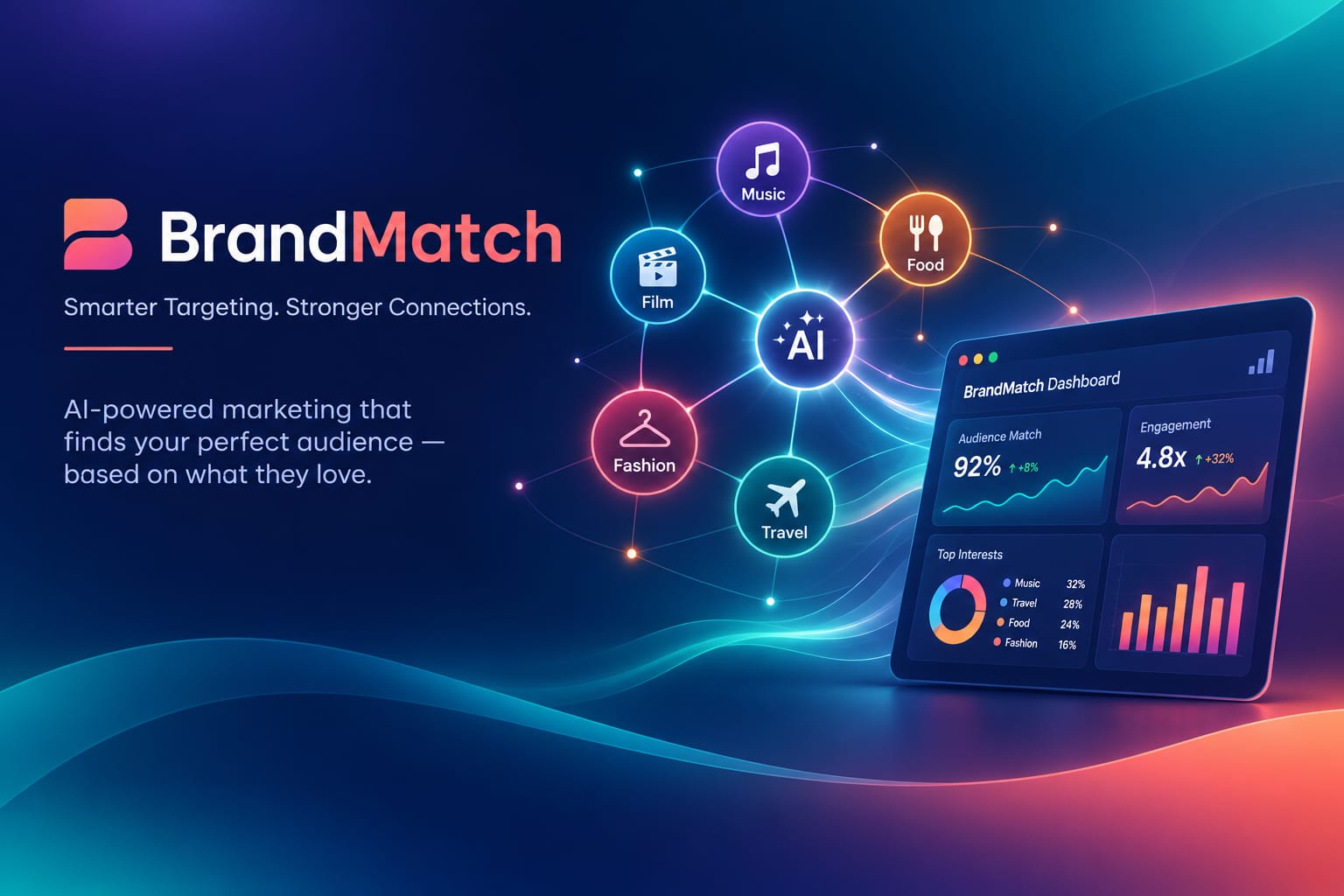
BrandMatch helps you find the brands, themes, and products your audience will actually love, and see why.
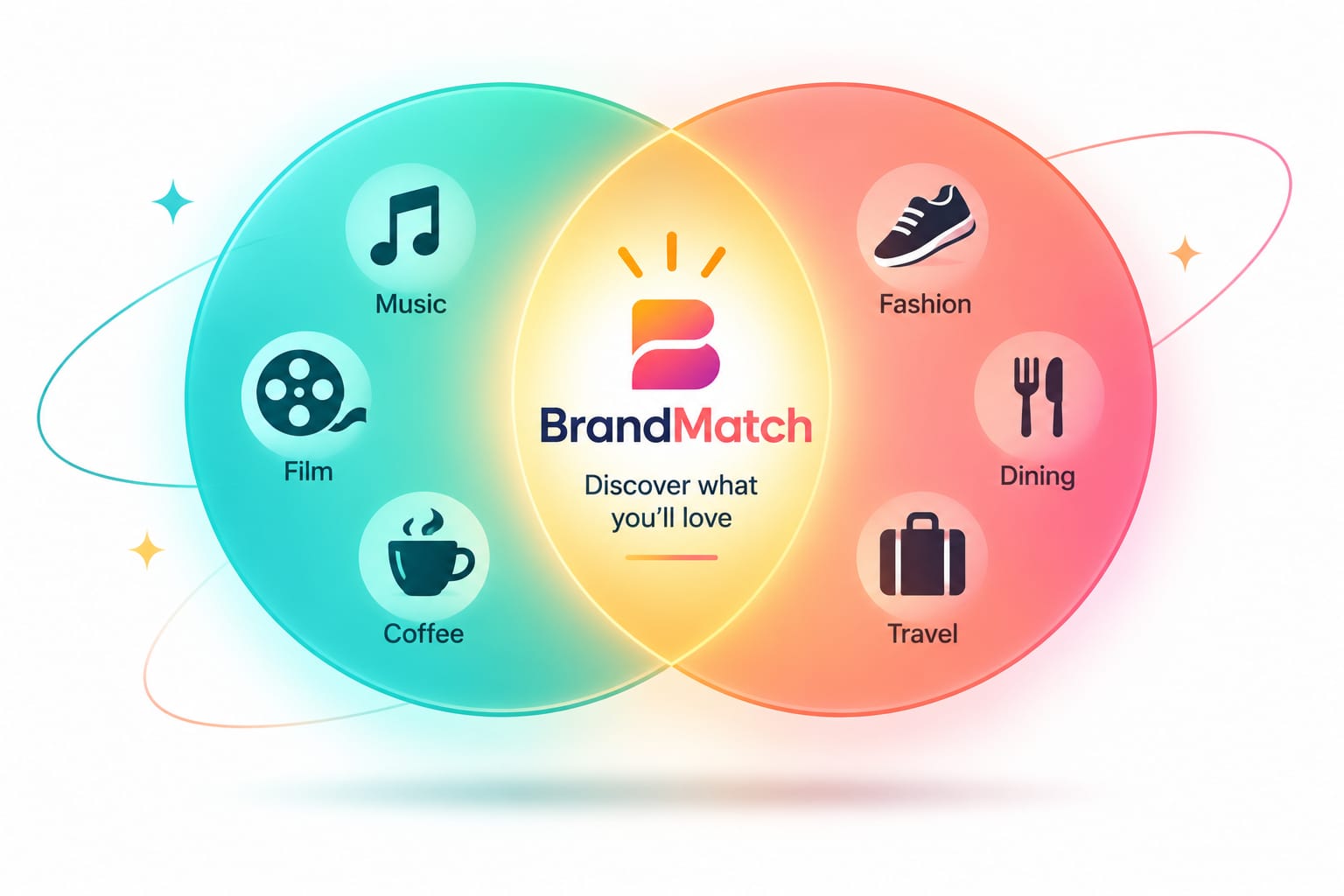
You describe one or two audience segments in plain language. The agent uses Qloo’s taste graph to find cultural affinities across music, film, food, fashion, and lifestyle. It compares segments, showing what they share and what is unique to each. It recommends brand collaborations, marketing themes, and product ideas, each backed by the taste evidence behind it. It generates a ready-to-send partnership brief. How we built it
We built BrandMatch as an AI agent with tool calling on top of the Qloo API. The agent parses the audience description, queries Qloo for affinities, reasons over the results, and runs follow-up queries when a theme looks promising. A web interface presents the segment comparison and recommendations. The app is hosted publicly, and the code is in an open-source repository.
Challenges we ran into Turning loose descriptions into structured queries. People describe audiences in messy, natural language, while the API needs precise inputs. Keeping the LLM honest. The model could sound convincing while drifting from the data, so we required every recommendation to point back to the affinity that supports it. Making comparison useful. Showing what two segments share and where they differ, without overwhelming the user, took several design iterations. Time. [Add your real constraint, e.g. learning a new API, a tight deadline, or last-minute bugs.] Accomplishments that we’re proud of Every recommendation shows why it was made, so users can trust it. The segment comparison surfaces “bridge” ideas that work for both audiences. A fully working, publicly hosted demo that people can try end to end. What we learned
Grounding an AI in real data changes what it can do, not just how it sounds. We also learned that trust is a feature: people act on a recommendation only when they can see why it was made. And good agents need clear tools, guardrails, and visible reasoning.
What’s next for BrandMatch Saving and tracking audience segments over time An “unexpected affinity” score for surprising cross-domain links Exporting briefs as slides or PDFs Making it affordable for small businesses that can’t pay for audience research
