Inspiration
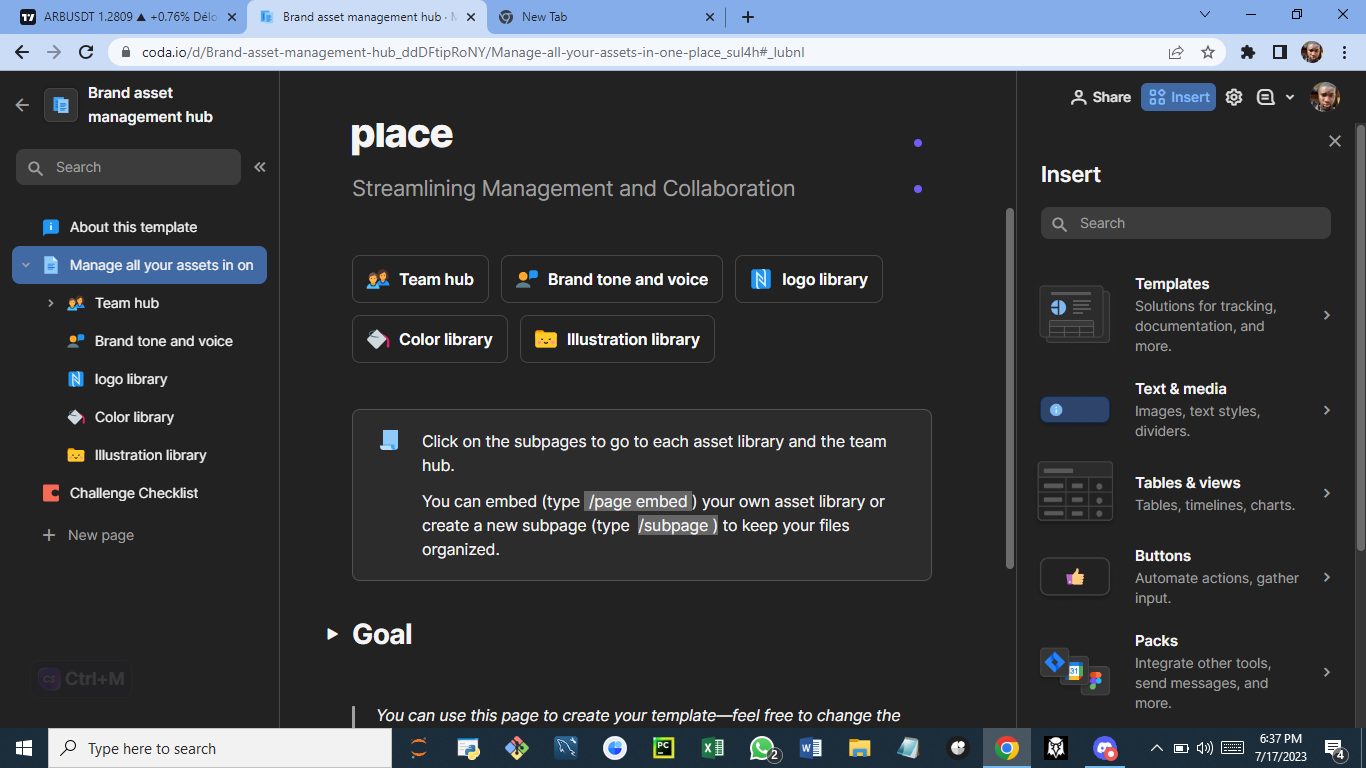
Imagine a world where managing brand assets is a seamless and efficient process. Picture a hub that empowers brand teams to access, collaborate, and maintain brand consistency effortlessly. This is the inspiration behind our Brand Asset Management Hub.
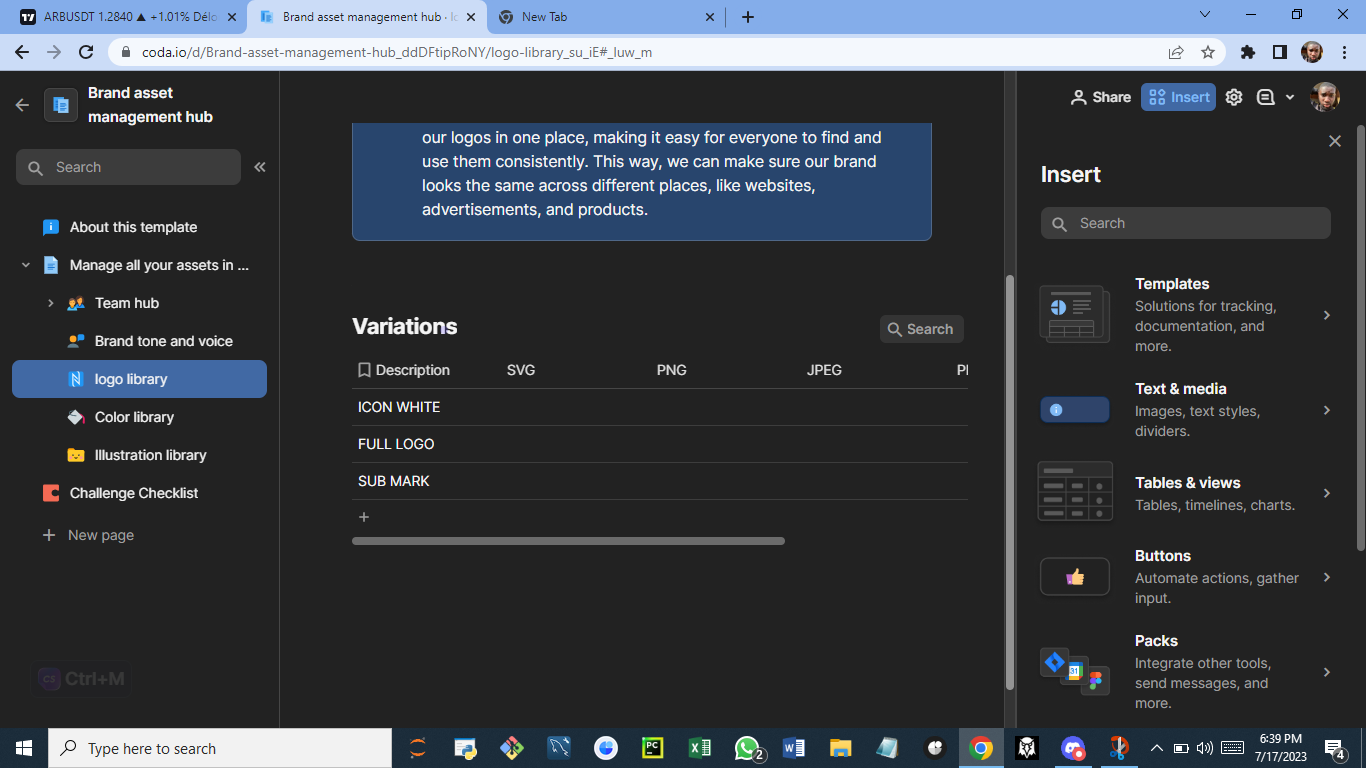
We envision a hub that simplifies the chaos of scattered files, eliminates version control challenges, and saves valuable time spent searching for assets. Our inspiration lies in providing a centralized platform where brand elements like logos, marketing materials, and creative assets can be stored, organized, and accessed with ease.
Our hub draws inspiration from the desire to streamline brand management workflows and enhance collaboration. It enables teams to quickly search, filter, and locate assets, ensuring consistent branding across all channels. The joy of effortless collaboration, where team members seamlessly share feedback, discuss assets, and streamline approval processes, is at the core of our inspiration.
We are inspired to revolutionize brand asset management, making it more efficient, enjoyable, and empowering. Our Brand Asset Management Hub is designed to be a catalyst for creative excellence, enabling brand teams to focus on what truly matters – building exceptional brands that leave a lasting impact.
What it does
Our Brand Asset Management Hub is a comprehensive platform that revolutionizes the way brands manage their assets. Here's what it does:
Centralizes Brand Assets: The hub acts as a centralized repository for all brand assets, including logos, marketing materials, images, videos, and more. It brings together diverse assets into one secure and easily accessible location.
Organizes Assets Effectively: With our hub, you can categorize and tag assets based on various attributes such as type, campaign, or date. This streamlined organization ensures assets are easily searchable and minimizes the time spent on locating specific files.
Simplifies Access and Sharing: The hub provides a user-friendly interface where team members can quickly find and access the assets they need. It simplifies the sharing process, enabling seamless collaboration among teams, departments, or external stakeholders.
Ensures Brand Consistency: Our hub helps maintain brand consistency by offering version control capabilities. You can track and manage different versions of assets, ensuring that everyone is working with the most up-to-date materials.
Streamlines Approval Processes: Facilitate efficient approval workflows within the hub. Users can leave comments, provide feedback, and request changes directly on the assets. This eliminates the need for scattered email chains and streamlines the review and approval process.
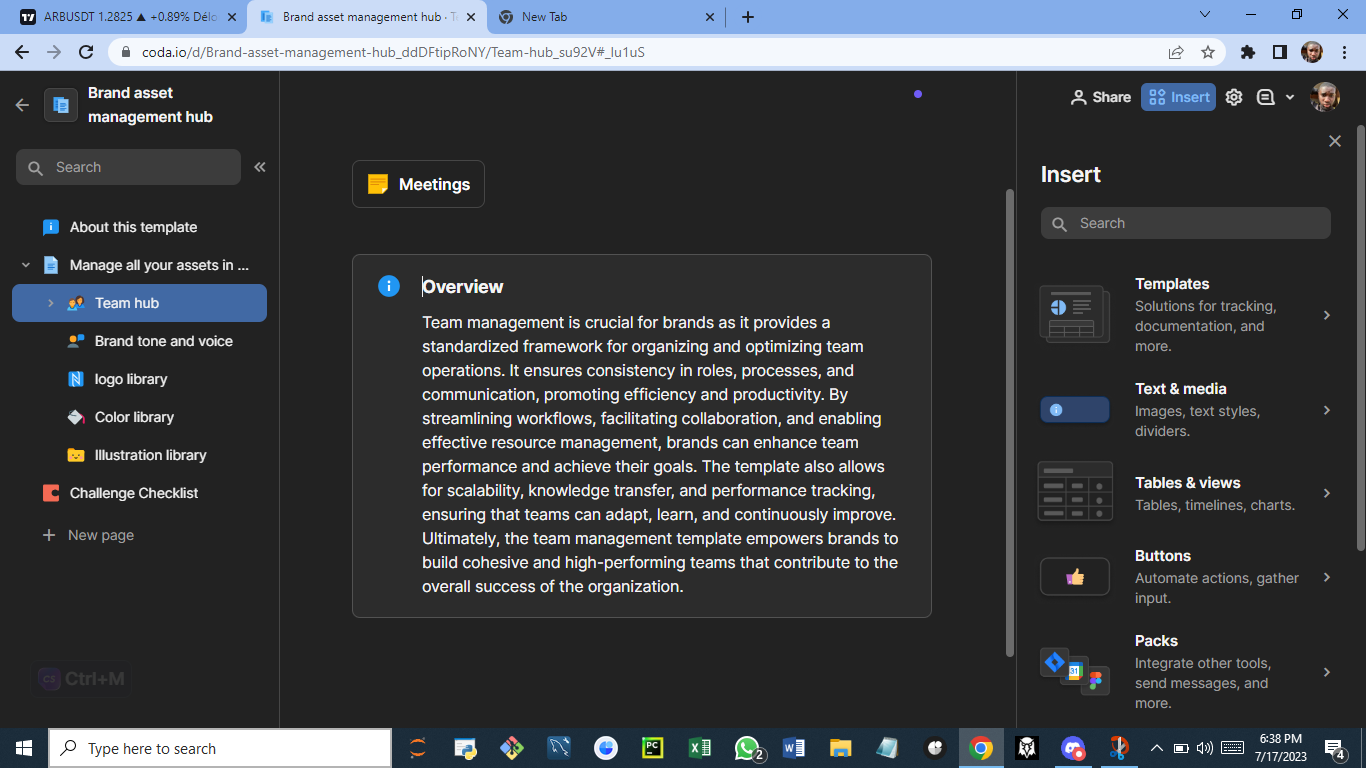
Enhances Collaboration: The hub fosters collaboration by allowing team members to discuss assets, share ideas, and work together within a centralized platform. Real-time communication and collaboration features create a productive environment for creative projects.
Tracks Asset Usage: Gain insights into asset usage patterns and performance through built-in analytics. This data helps make informed decisions, optimize asset strategies, and identify areas for improvement.
Ensures Security and Permissions: Our hub prioritizes data security and offers granular permissions. You can control who has access to certain assets, ensuring sensitive materials are only available to authorized individuals.
Integrates with External Platforms: Seamlessly connect the hub with other tools and platforms, such as design software, project management tools, or file storage services. This integration streamlines workflows and enhances productivity.
Scalable and Customizable: The hub is designed to accommodate the evolving needs of your brand. It is scalable to accommodate growing asset libraries, and customizable to align with your unique branding requirements and workflows.
How we built it
We built our Brand Asset Management Hub with a focus on user experience, functionality, and scalability. Though, the production and features still ongoing. Here's an overview of how we brought it to life:
User-Centric Design: We started by understanding the needs and pain points of brand teams and creatives. Through user research and feedback, we identified key features and workflows that would enhance asset management. This user-centric approach guided our design decisions throughout the development process.
Agile Development: We adopted an agile development methodology to ensure iterative and efficient progress. We divided the development into sprints, allowing for continuous feedback, testing, and refinement. This iterative approach enabled us to address issues early on and incorporate user feedback effectively.
Robust Backend Architecture: We built a robust backend architecture to handle the storage and organization of assets. This architecture ensures secure and scalable storage while providing quick access to assets as the library grows.
Intuitive User Interface: Our team designed an intuitive user interface that makes it easy for users to navigate, search, and interact with the hub. We focused on simplicity, ensuring that even non-technical users can easily understand and use the platform.
Seamless Integration: We integrated the hub with various external platforms, such as design software, project management tools, and file storage services. This integration streamlines workflows, allowing users to seamlessly import and export assets, collaborate across different tools, and leverage existing workflows.
Data Security and Permissions: Data security was a top priority during the development process. We implemented robust security measures to protect assets and user information. Granular permission settings allow administrators to control access to assets, ensuring that sensitive materials are only accessible to authorized individuals.
Extensibility and Customization: We designed the hub to be flexible and customizable to accommodate the unique needs of each brand. Administrators can customize metadata fields, workflows, and branding elements to align with their specific requirements and branding guidelines.
Continuous Improvement: We believe in continuous improvement and actively seeking user feedback to enhance the hub's functionality and address evolving needs. Regular updates and feature enhancements based on user insights ensure that the hub remains a valuable asset management solution.
Challenges we ran into
During the development of our Brand Asset Management Hub, we encountered several challenges that required creative problem-solving and perseverance. Here are some of the main challenges we faced:
User Adoption: Introducing a new asset management system and getting users to embrace it presented a challenge. We had to design the user interface and experience in a way that was intuitive and user-friendly, making it easy for users to transition from their existing workflows to the new system.
Scalability: Once the number of assets and users grew, ensuring that the system could scale seamlessly without compromising performance was a complex task. We have to optimize the architecture, database, and data retrieval processes in order to handle the increasing volume of assets and user interactions.
Integration Complexity: Integrating the hub with various external platforms and tools, such as design software and project management systems, posed integration challenges. We needed to ensure smooth data exchange and compatibility, requiring in-depth understanding and cooperation with third-party providers.
Accomplishments that we're proud of
We are proud of several accomplishments that we achieved while developing our Brand Asset Management Hub. Here are some key accomplishments that we celebrate:
Intuitive User Experience: One of our major accomplishments is creating an intuitive user experience that simplifies brand asset management. Through thoughtful design and user testing, we developed an interface that users find easy to navigate, reducing the learning curve and making asset management a seamless process.
Robust Functionality: We successfully implemented a wide range of features and functionalities that cater to the diverse needs of brand teams. From asset organization and search capabilities to collaboration tools and version control, our hub offers a comprehensive set of functionalities that enhance productivity and streamline workflows.
Data Security and Permissions: We prioritized the security of brand assets and user data, implementing robust security measures. Our accomplishment lies in ensuring data encryption, access control, and secure storage, providing peace of mind to our users and maintaining the integrity of their valuable brand assets.
Impactful Collaboration: Enabling seamless collaboration among team members and stakeholders is a significant accomplishment. Our hub facilitates real-time communication, feedback exchange, and streamlined approval processes, fostering a collaborative environment that enhances productivity and creativity.
Continued Innovation: We are proud of our commitment to continued innovation. By actively seeking user feedback and staying updated with the latest industry trends, we will continually enhance the hub's features, introduce new capabilities, and address emerging needs in brand asset management.
What we learned
Throughout the development process of our Brand Asset Management Hub, we encountered valuable learning experiences that have shaped our understanding and approach. Here are some key lessons we learned:
User-Centricity: Putting the user at the center of our design process was crucial. We learned the importance of understanding user needs, pain points, and workflows to create a solution that truly meets their expectations. Regular user feedback and testing will help us iterate and improve the hub based on real user insights.
Prioritization and Focus: We discovered the significance of prioritizing features and functionalities based on user needs and core use cases. By focusing on essential requirements, we were able to deliver a streamlined and impactful solution, avoiding feature overload and complexity.
Collaboration and Communication: Effective collaboration within our development team was vital for success. We learned the importance of regular communication, sharing ideas, and aligning our efforts towards a common goal. Collaboration will be extended beyond our team, as we actively engaging with users and stakeholders to incorporate their perspectives and ensure a solution that met their requirements.
Data Security and Privacy: Addressing data security and privacy concerns was a significant learning experience. We deepened our understanding of security best practices, data encryption, access controls, and compliance requirements to build a secure and trusted environment for brand assets and user data.
Continuous Improvement: We embraced a mindset of continuous improvement, acknowledging that our work is never truly done. We learned to gather and analyze user feedback, monitor usage patterns, and stay abreast of industry trends to drive ongoing enhancements, updates, and new feature development.
What's next for Brand asset management hub
The Brand Asset Management Hub has laid a strong foundation for effective asset management, collaboration, and brand consistency. As we look to the future, here's what's next for our hub:
- Enhanced Collaboration Features
- Advanced Analytics and Insights
- AI-Powered Asset Tagging
- Integration Expansion
- Mobile and Offline Access
- AI-Assisted Asset Recommendations
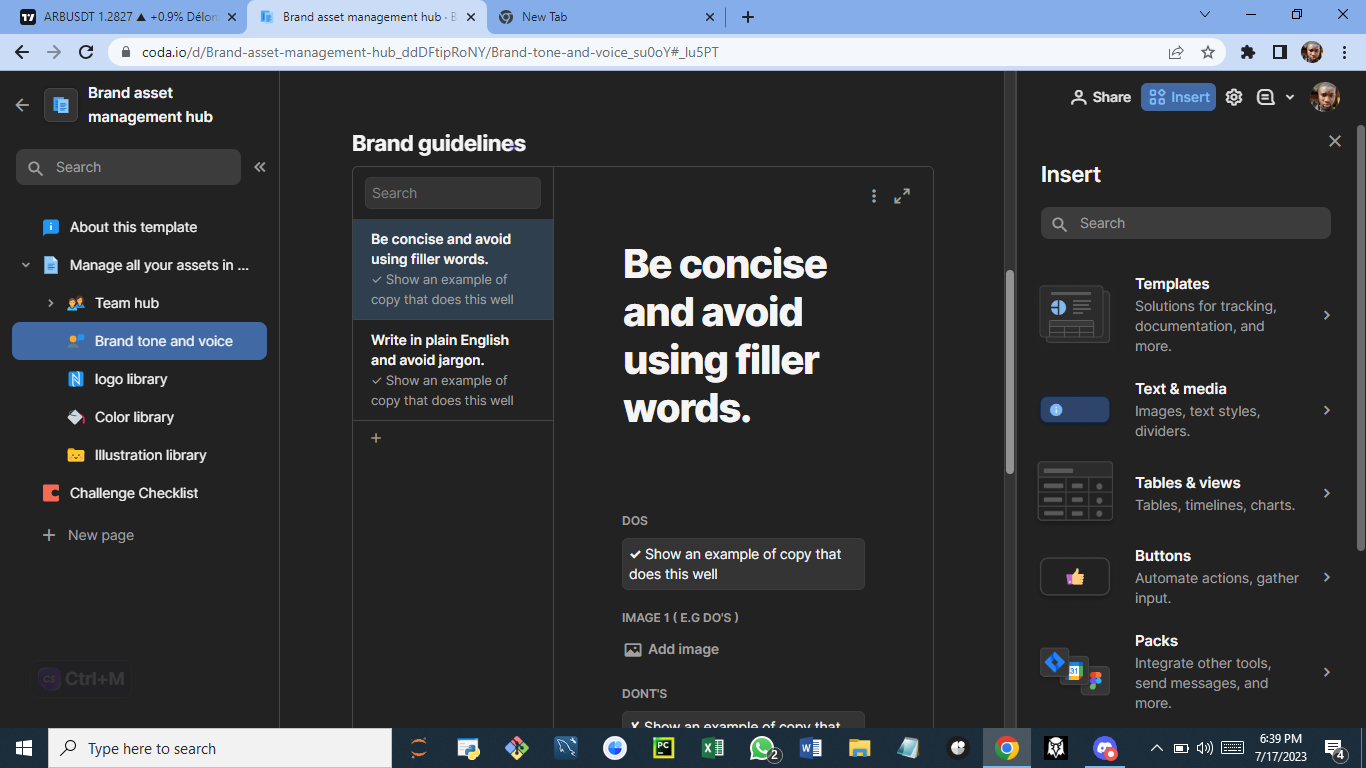
- Brand Guidelines Integration
- Continuous User Feedback and Iteration
Built With
- coda

Log in or sign up for Devpost to join the conversation.