-
-
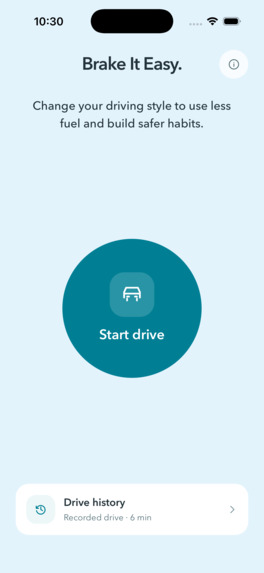
Before Driving
-
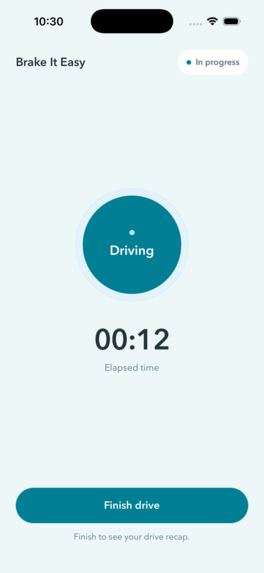
During Drive
-
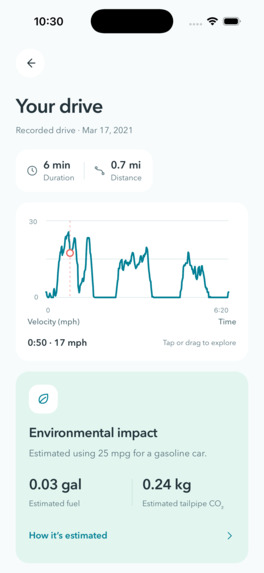
After Drive
-
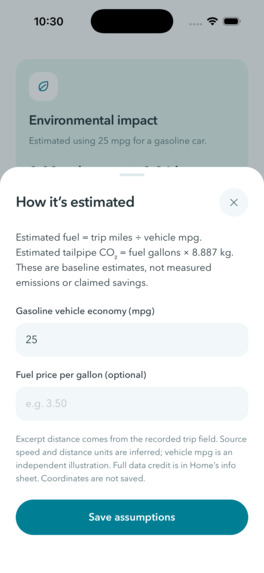
Fuel
-
Safety
-
Insights
-
Drive History
-
Low-fi wireframe
-
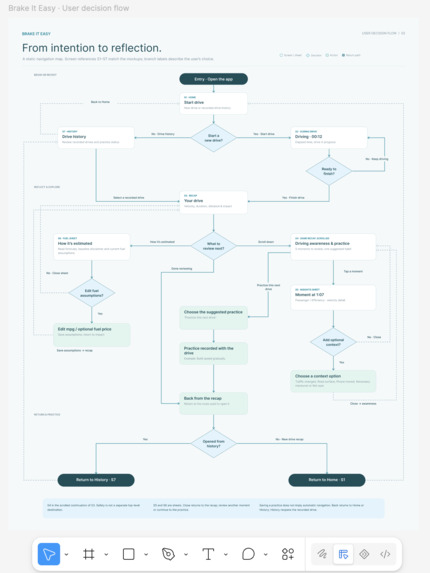
Figma AI User Flow
-
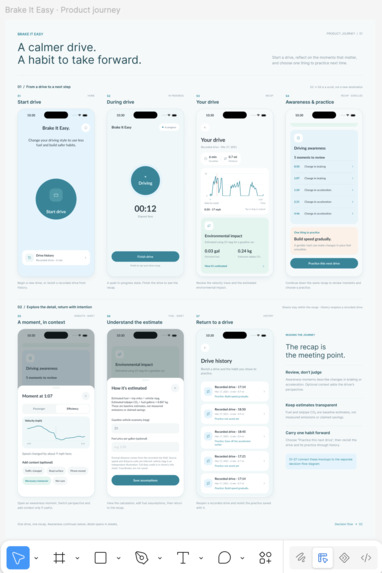
Figma AI Screen Journey
-
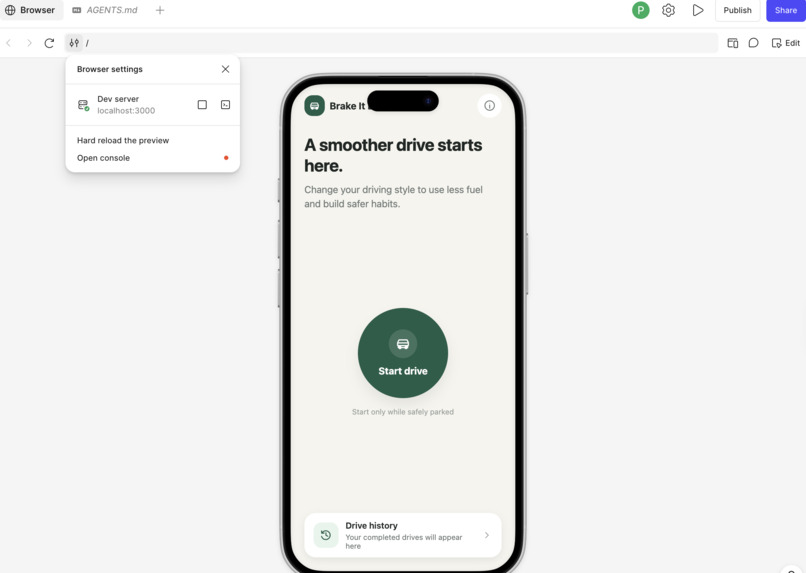
Figma Make Prototype
Inspiration
Safer driving is also more sustainable driving. Aggressive habits like speeding, rapid acceleration, and harsh braking increase risks on the road while wasting fuel and contributing to unnecessary emissions.
According to the U.S. Department of Energy, aggressive driving can reduce fuel economy by 15–30% on highways and 10–40% in stop-and-go traffic. Meanwhile, NHTSA reports that speeding contributed to 29% of U.S. traffic fatalities in 2024.
I got my driver's license this summer, and my instructor taught me the importance of smooth acceleration, anticipating traffic, and avoiding unnecessary braking. But I soon noticed that even experienced drivers, including my parents, didn't always follow these practices.
That inspired Brake It Easy: an app designed to help drivers recognize their driving habits and make safer, more fuel-efficient, and environmentally conscious decisions.
What it does
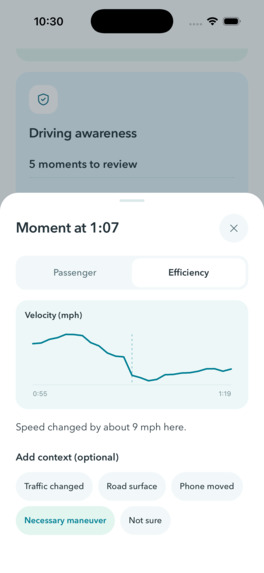
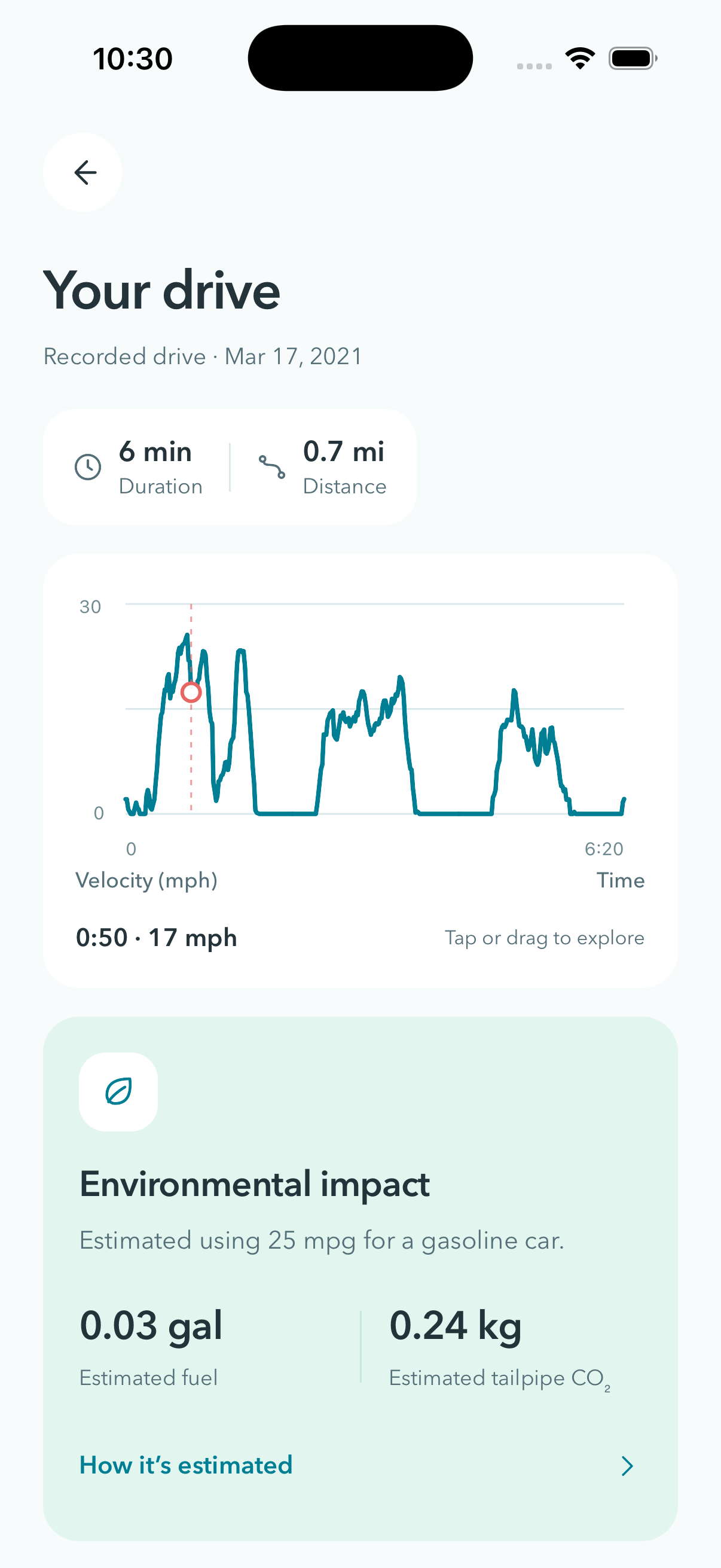
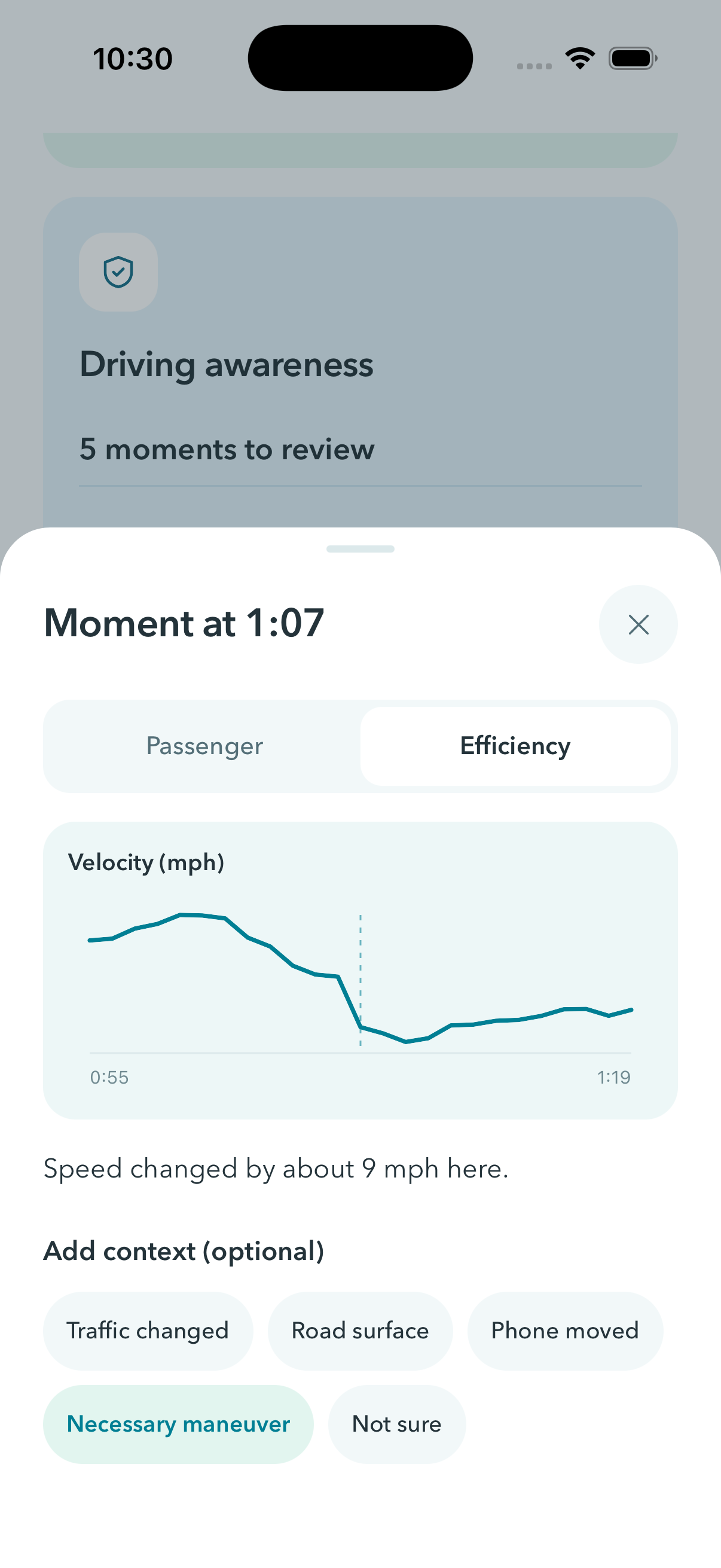
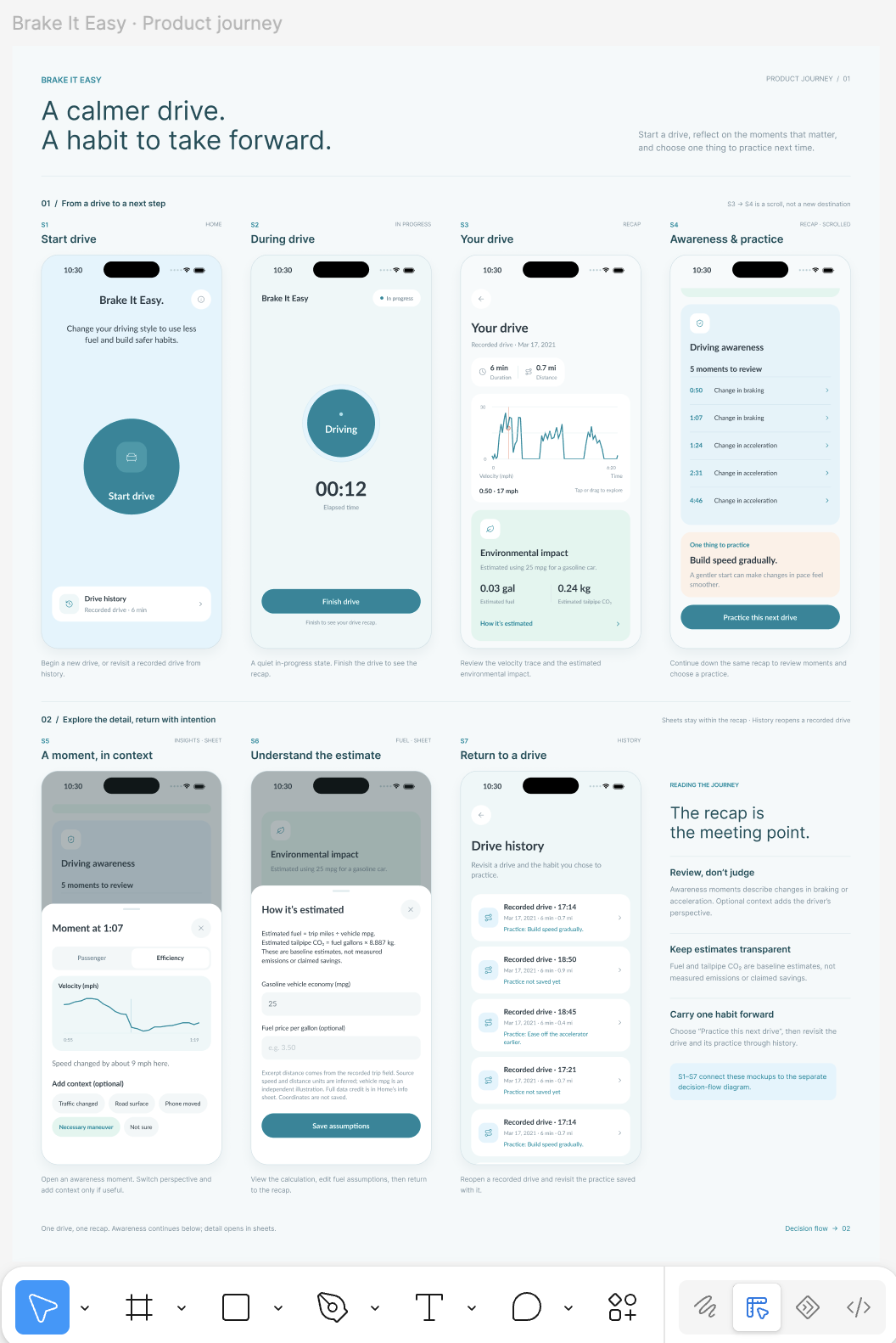
Brake It Easy helps drivers reflect on their driving. Using a phone’s accelerometer and location data, the app records movement and speed patterns. The trip recap brings together:
- A speed-over-time graph.
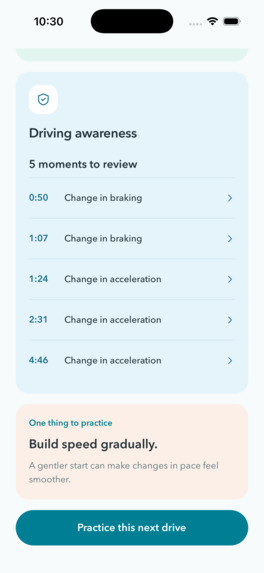
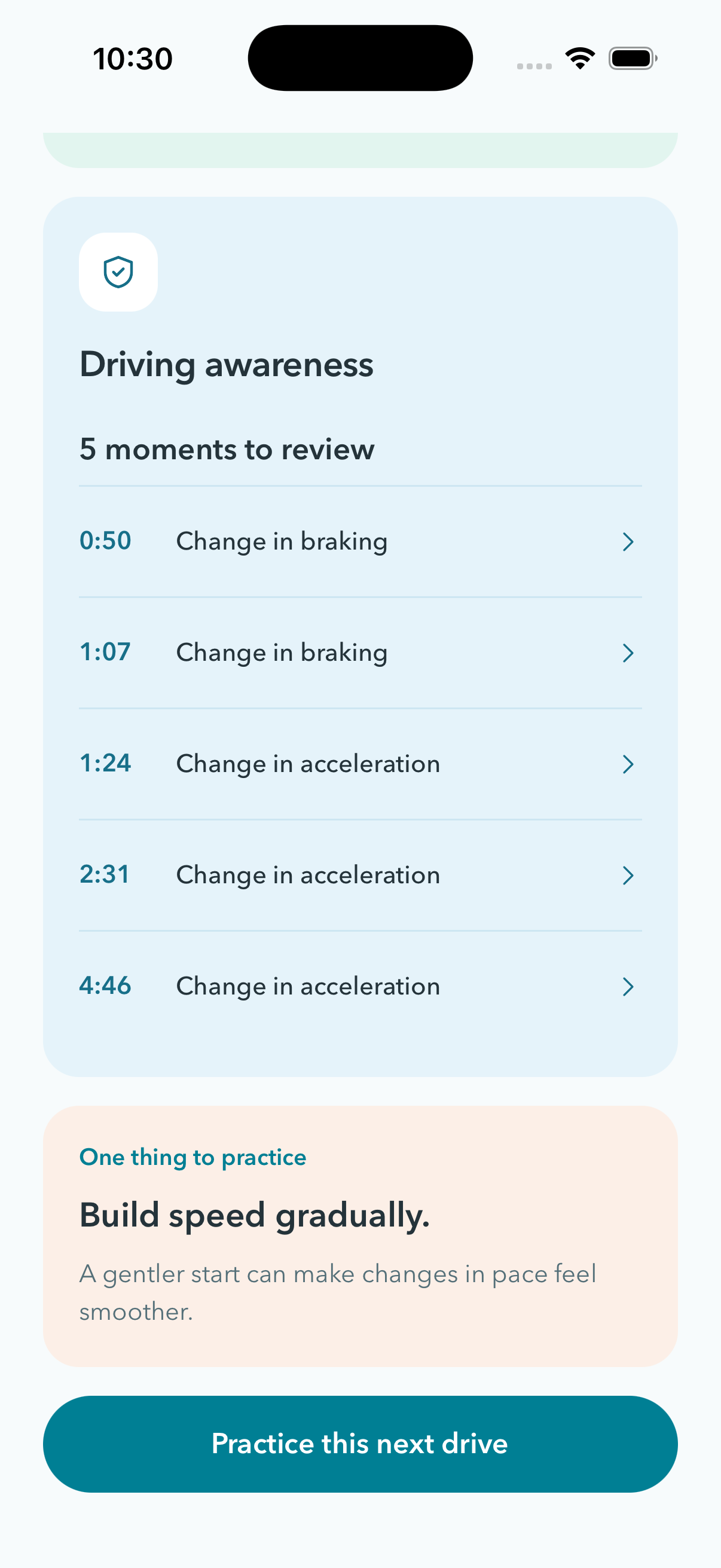
- Acceleration and deceleration moments worth reviewing.
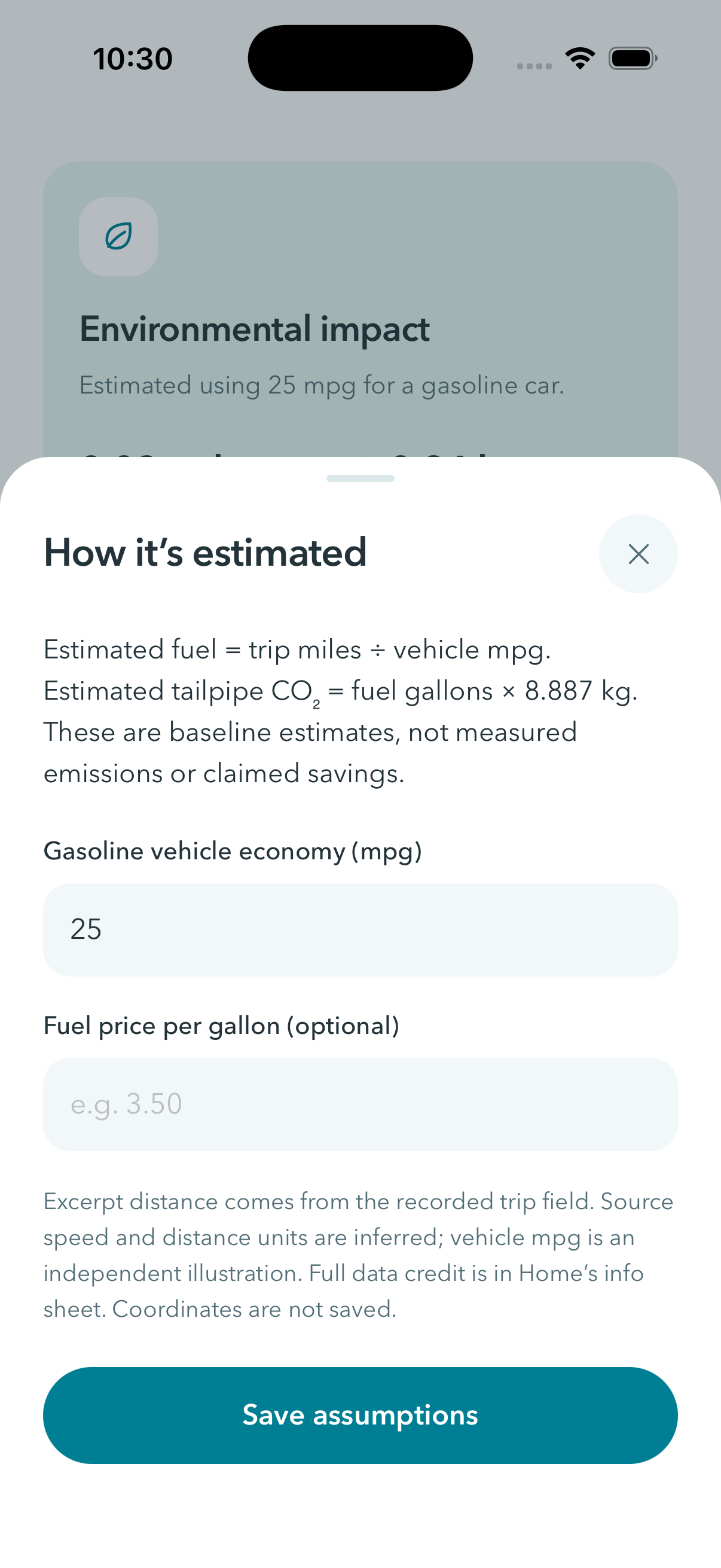
- Estimated fuel use, fuel cost, and tailpipe CO₂ emissions.
- A practical suggestion to consider on the next drive.
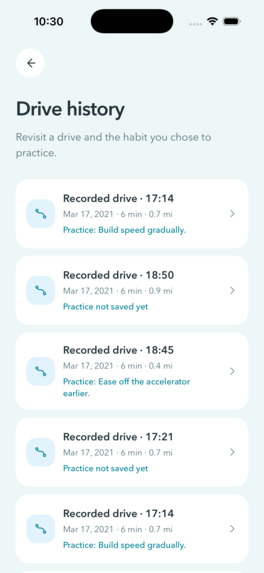
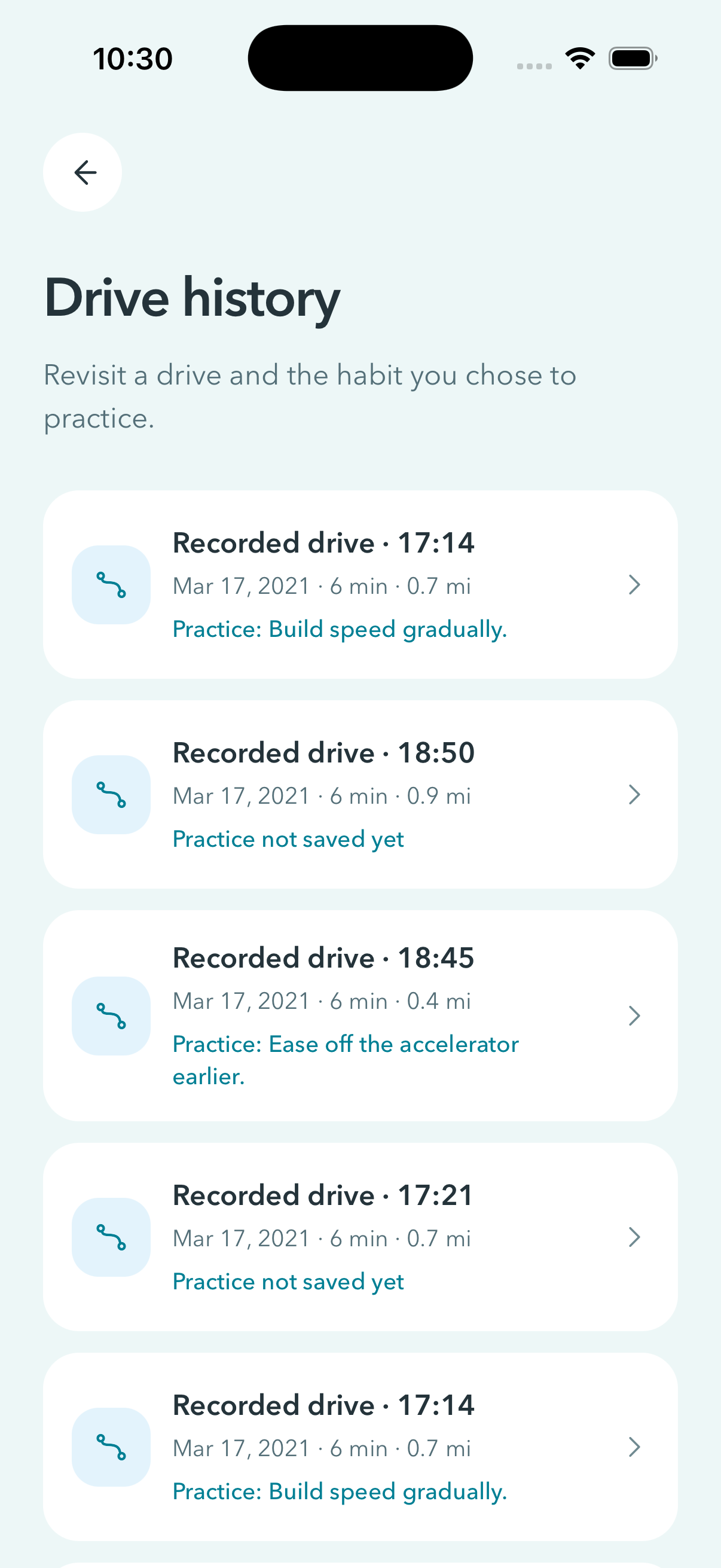
- Previous trips through drive history.
Motion data identifies driving patterns; fuel and emissions figures are estimates based on stated assumptions and vehicle information, rather than direct measurements. The goal is awareness: helping drivers connect their habits with environmental impact and consideration for passengers, pedestrians, cyclists, and other drivers.
How I built it
I began with research into driving behavior, fuel efficiency, and the design of driver feedback.
One particularly relevant study was Dahlinger and colleagues’ randomized field trial involving 62 drivers over ten weeks. Symbolic feedback produced a statistically significant 2–3% reduction in fuel consumption in that study. It reinforced the importance of how feedback is communicated, while giving me no basis to promise the same results from my prototype.
Because I did not have access to a car during the hackathon, I also found Shardul Nazirkar’s publicly available driving dataset. It contains dashboard-mounted phone recordings with accelerometer, gyroscope, speed, location, and time data. This provided a real-world reference for developing the replay experience without presenting sample journeys as my own road tests.
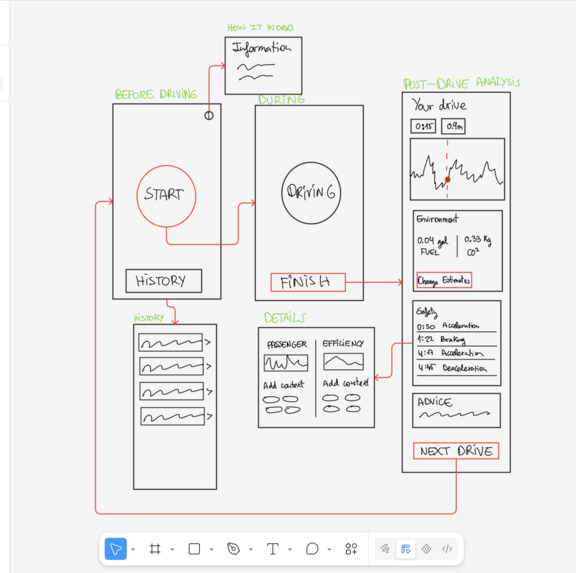
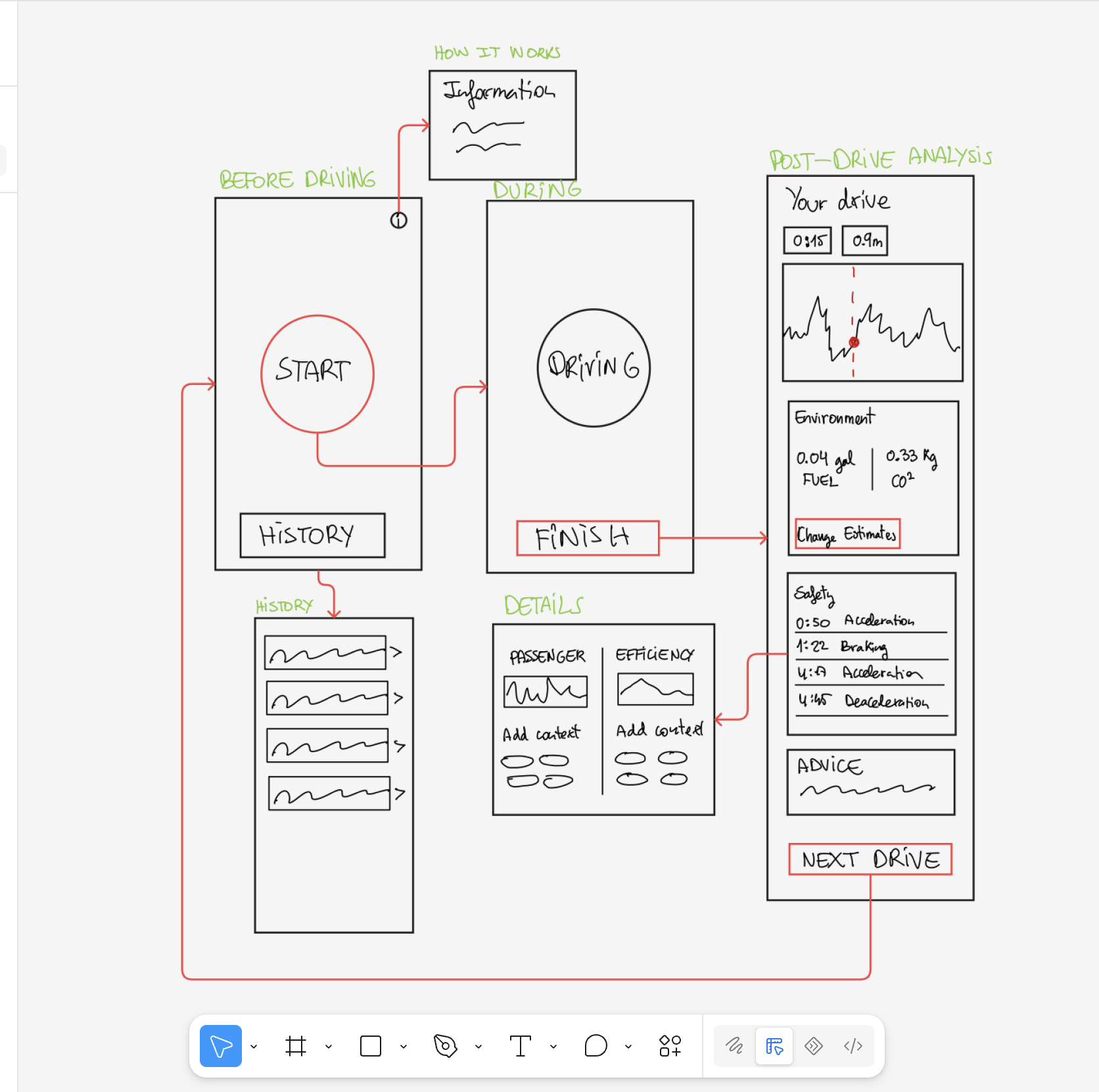
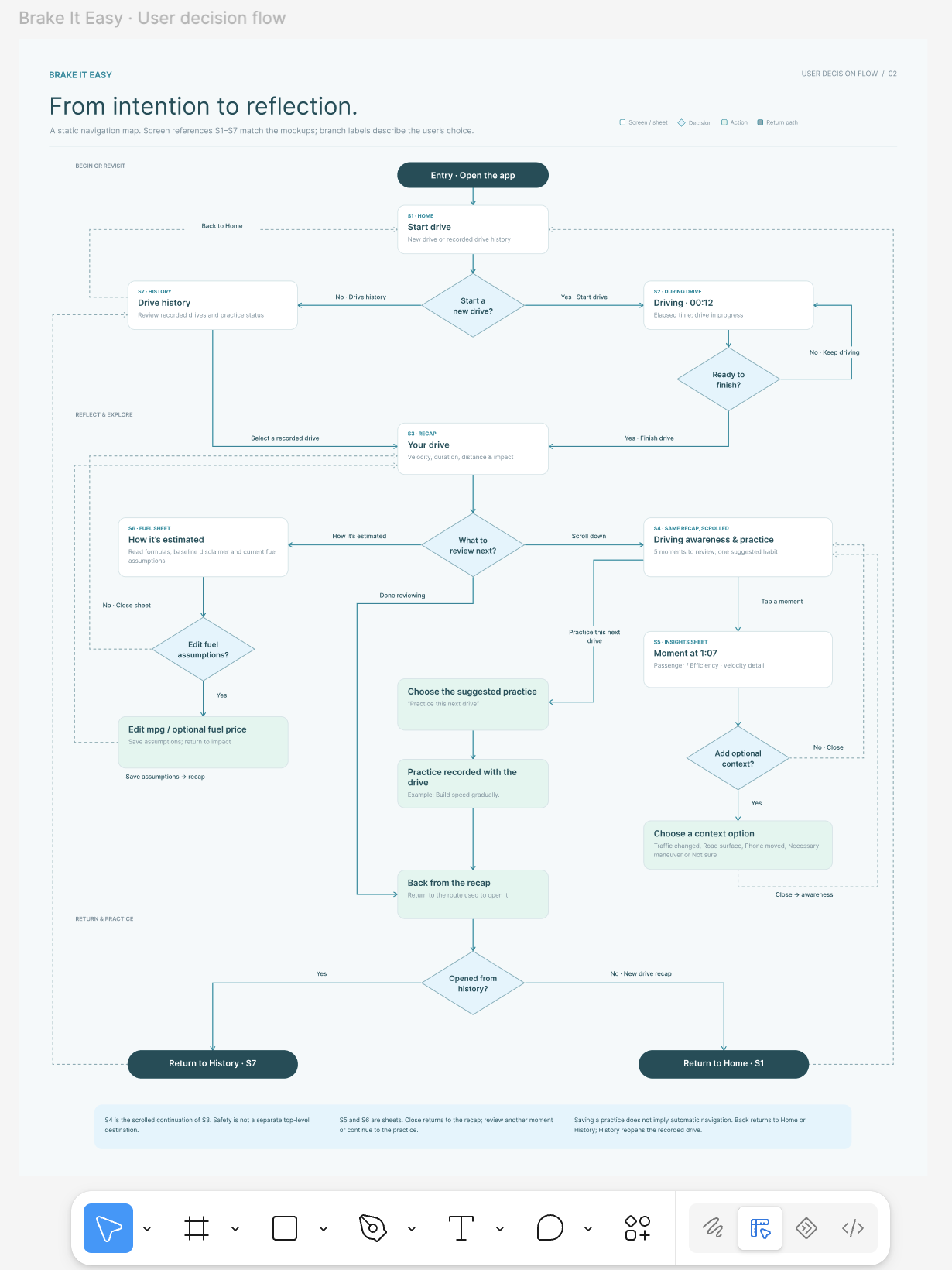
I developed the interface in Figma, moving from the user flow and early mockups to more detailed interactive prototypes. I also explored advanced prototypes with Figma’s AI features before implementing the app with Codex.
My central design question was: What should this app ask of someone sitting behind the wheel?
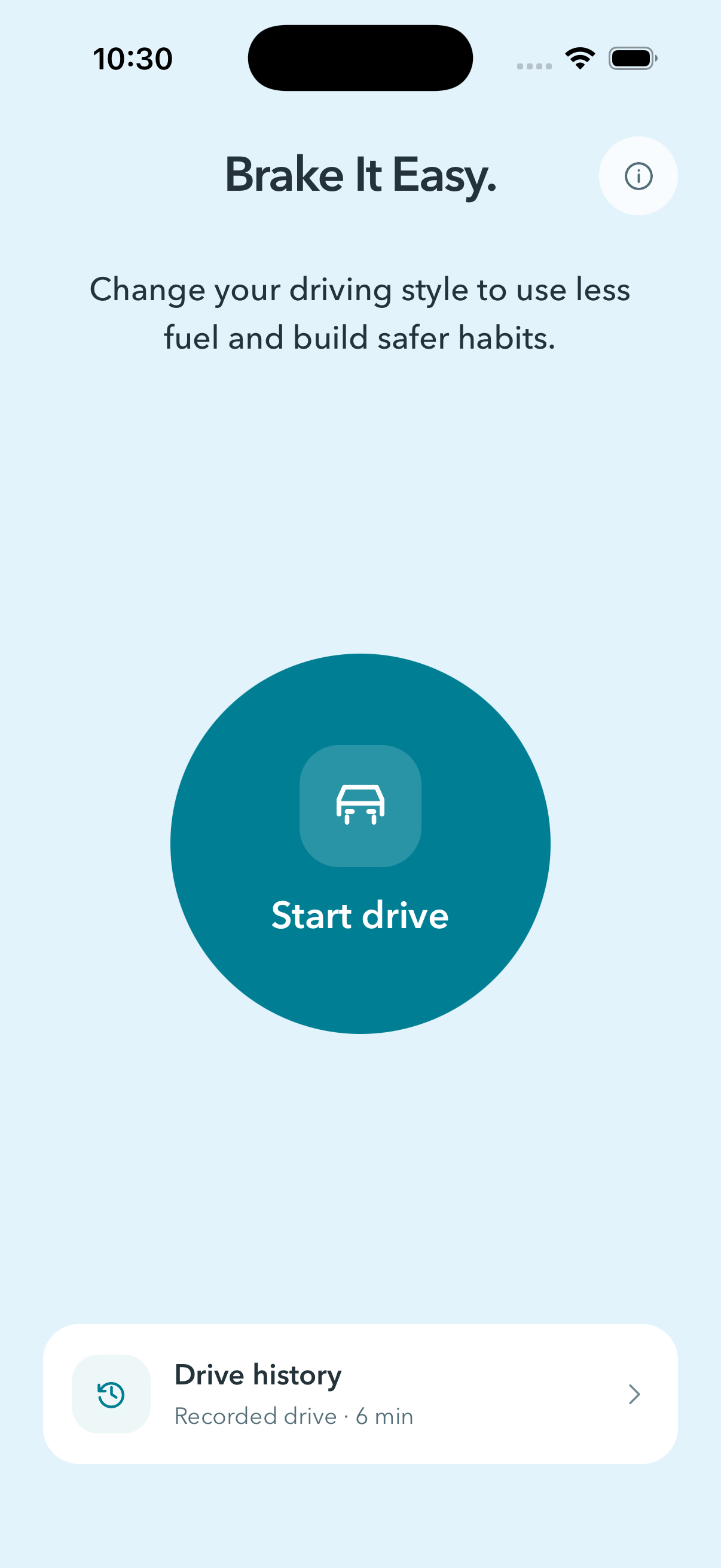
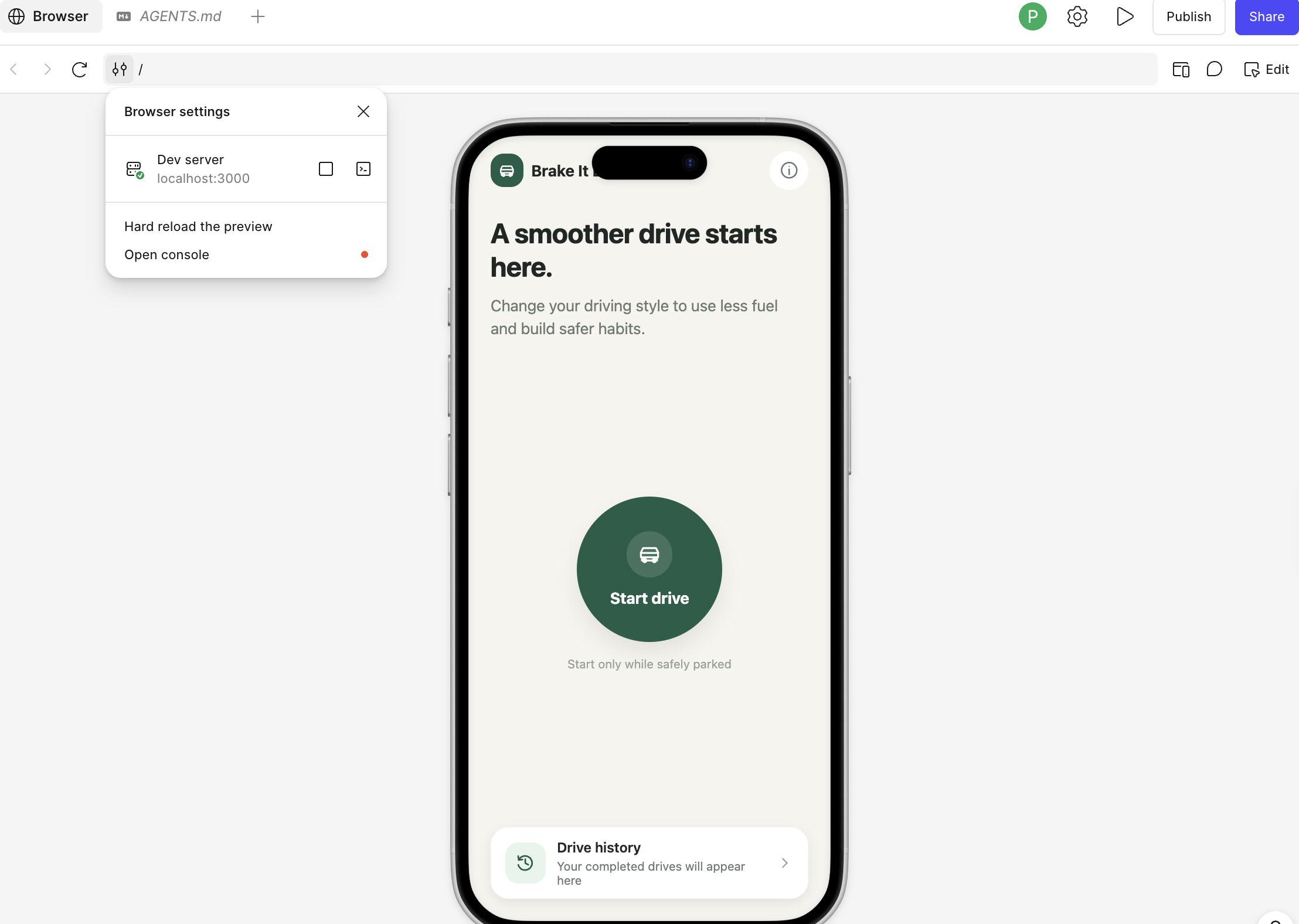
- Before driving: one prominent "Start Drive" button.
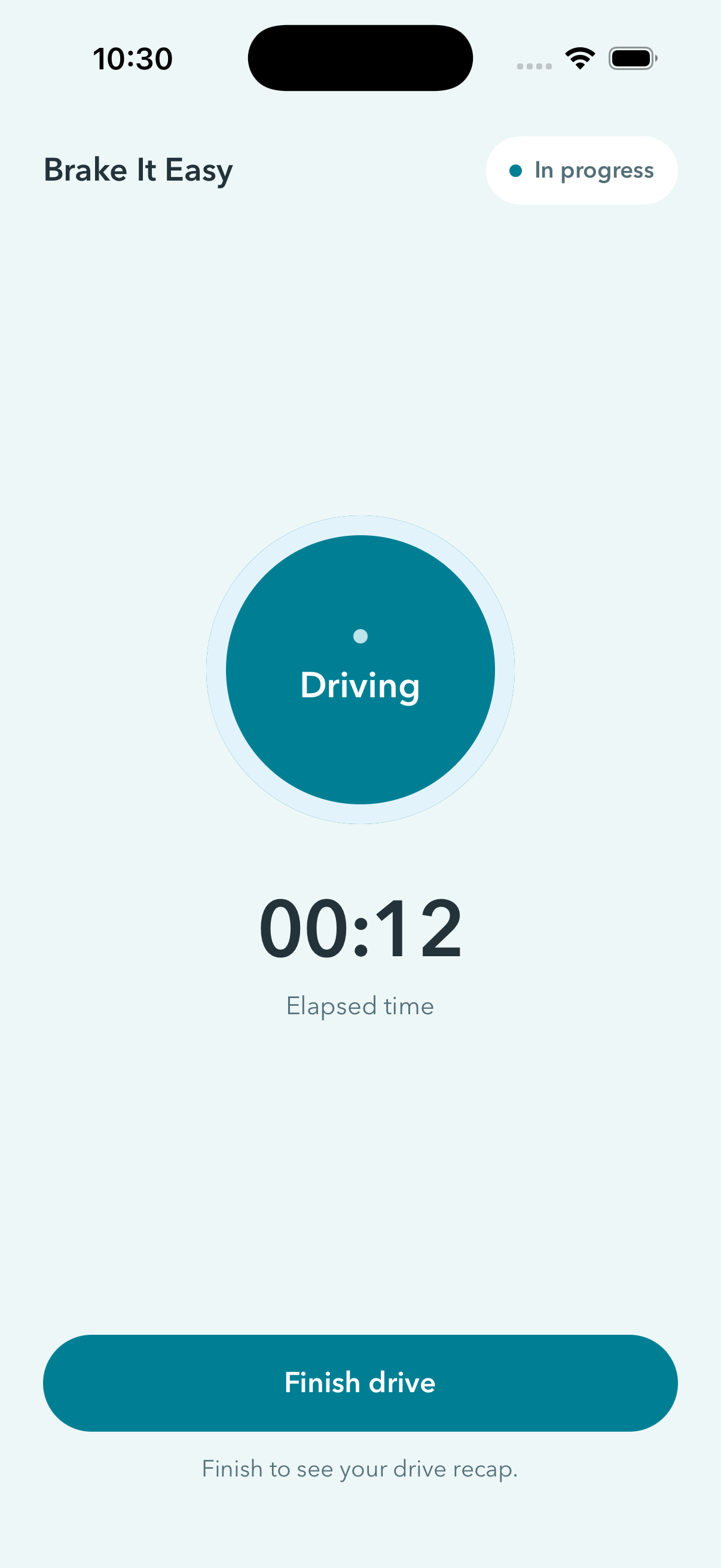
- During driving: the interface simplifies to recording status, elapsed time, and a finish action. It does not let the user interact with the other features of the app.
- After driving: graphs, environmental estimates, and driving observations become available for reflection.
I iterated on typography, spacing, color, and the amount of information shown to provide the best possible UI/UX possible. Environmental information uses soft mint, while driving-awareness information uses pale blue. Detailed explanations sit behind expandable information and bottom sheets.
Challenges I ran into
One challenge was keeping the product focused. AI-generated designs and code repeatedly introduced extra text, controls, and features that distracted from the original purpose. I had to review and revise those outputs against my intended flow.
Another challenge was communicating uncertainty. A phone can capture movement, but it cannot explain every road situation or directly measure fuel burned. I wanted the interface to distinguish observations from estimates and suggestions.
Without access to a car, I could develop the interaction and sample-data experience, but I could not validate the complete system under real driving conditions.
Accomplishments I'm proud of
The design supports drivers who may not know technical terms: it presents familiar actions, understandable units, and one practical suggestion at a time. It also avoids labeling someone a “bad driver” based on an isolated event.
The project is also widely available to anyone with a phone. It connects environmental responsibility and consideration for people through an ordinary device, without requiring a camera, microphone, or additional vehicle hardware.
What I learned
I learned that identifying a movement pattern and interpreting its meaning are separate problems.
I also learned that restraint is part of good UX. For an app used in a car, deciding when information should appear is as important as deciding what it should say.
What's next for Brake It Easy
My first priority is testing the app during real drives with a securely mounted phone, then comparing detected events with passenger observations and fuel estimates with vehicle-reported consumption.
I also want to:
- Add vehicle selection by year, make, model, and configuration. Published MPG could provide a starting point to estimate users’ approximate MPG more effectively.
- Add safeguards against interacting with the app while the car is moving, to avoid distractions on the wheel.
- Test readability, contrast, touch targets, and larger text settings.
AI tools and attribution
I used ChatGPT for brainstorming, research assistance, and writing support; Figma’s AI features to explore interactive prototypes; and Codex to assist with implementation and iteration. I directed the product concept and design decisions, reviewed generated outputs, and revised them throughout the process.
GoDaddy
brakeiteasy.club
Sources and References
U.S. Department of Energy. Efficient Driving to Conserve Fuel. https://afdc.energy.gov/conserve/driving-behavior
National Highway Traffic Safety Administration (NHTSA). Speeding and Aggressive Driving Prevention. https://www.nhtsa.gov/risky-driving/speeding
Dahlinger, A., Tiefenbeck, V., Ryder, B., Gahr, B., Fleisch, E., & Wortmann, F. (2018). The impact of numerical vs. symbolic eco-driving feedback on fuel consumption – A randomized control field trial. Transportation Research Part D: Transport and Environment, 65, 375–386. https://doi.org/10.1016/j.trd.2018.09.013
Nazirkar, S. (2021). Phone sensor data while driving a car and normal or aggressive driving behaviour classification. Mendeley Data. https://doi.org/10.17632/5stn873wft.1
Built With
- codex
- expo.io
- figma
- react
- typescript

Log in or sign up for Devpost to join the conversation.