Inspiration
Directly interfering with the human brain is the future, whether we like it or not. Products like Neuralink are slowly but surely
What it does
BrainStorm can gather information from the end user's brain waves and categorize them in the 8 EEG powerbands (Delta, Theta, L-alpha, H-alpha, L-beta, H-beta, L-gamma, M-gamma, Meditation, Attention) while also extrapolating Meditation and Attention values.
How we built it
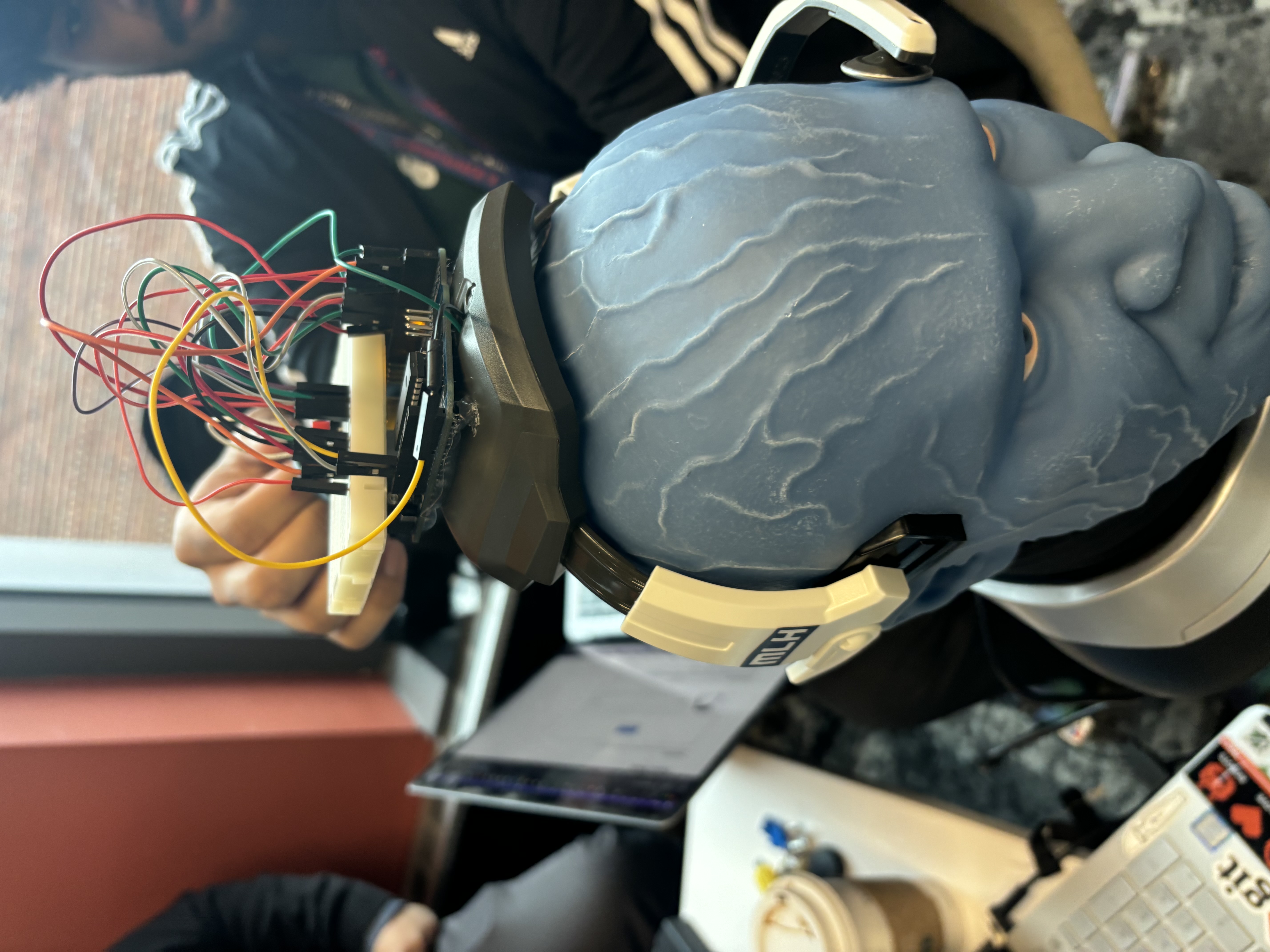
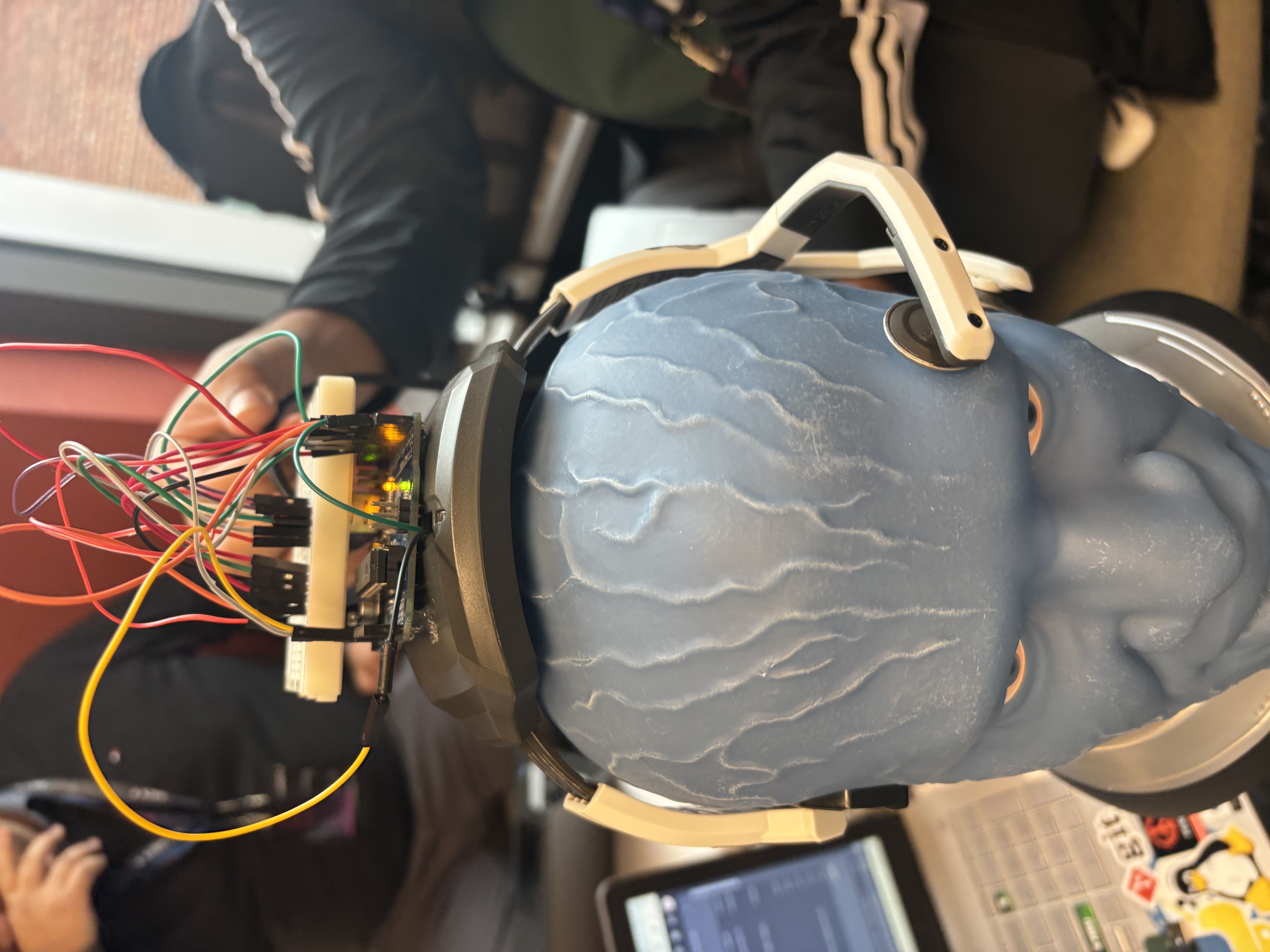
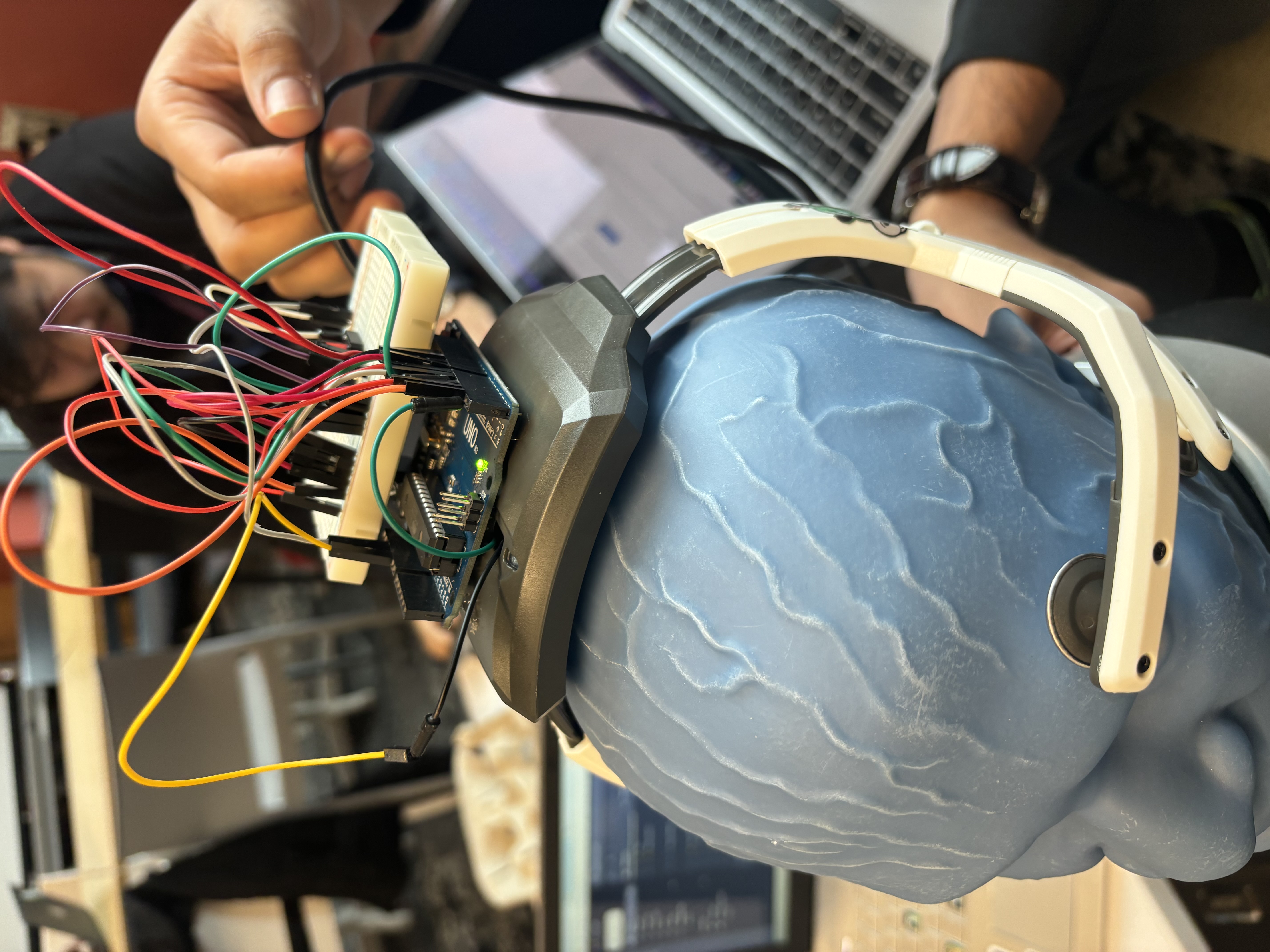
BrainStorm is created from a Star Wars Force Trainer II toy with an Arduino uno strapped to the top. The Force Trainer II is built with a custom NeuroSky electroencephalography (EEG) chip. We had to open up the toy and solder some connections to link it all together, with it all wired to a push button switch to enable/disable output readout. Most of the code is written in C++ (within the Arduino library), and we used a few libraries from others who have created similar hacks in the past.
Challenges we ran into
Nobody on the team had worked with any hardware at this low level before, especially under the time crunch of a hackathon. We kept encountering weird issues from different areas, and it felt like once we fixed something, another part would break. All in all, it worked out for the best, but in the moment it was extremely challenging since we had never really worked in this space before. We learned a lot!
Accomplishments that we're proud of
Getting the headset working! It took a lot longer than we thought it would, and we were tearing our hair out by the end of day 1. However, after a good night of rest, we were able to go back to the drawing board and figure out where we were going wrong. Also, this is one of the first hackathons where we were able to complete a project with a proper presentation, which we can't wait for y'all to see!
What we learned
Hardware hacks are not easy ;). We came into day 1 with assumptions that we would progress faster through certain parts than we did, or we would allocate time incorrectly. Hackathons are always a learning experience, and we try new things. No one on our team had worked with the Arduino platform as extensively as we did with this project, so it was almost all new. Strange driver issues with M-series Macs versus x86 Windows platforms were just the start of our troubles.
What's next for BrainStorm
The possibilities are essentially endless. Given how open and hackable the platform is, modifications are simple, and anything that works with an Arduino can use our headset as a data source/controller. Rudimentary communication with those in a comatose state, measuring focus levels while studying or working, or even controlling video games by adjusting your focus levels in real-time is just the tip of the iceberg. We're extremely excited about the possibilities, and can't wait to do more.


Log in or sign up for Devpost to join the conversation.