Inspiration
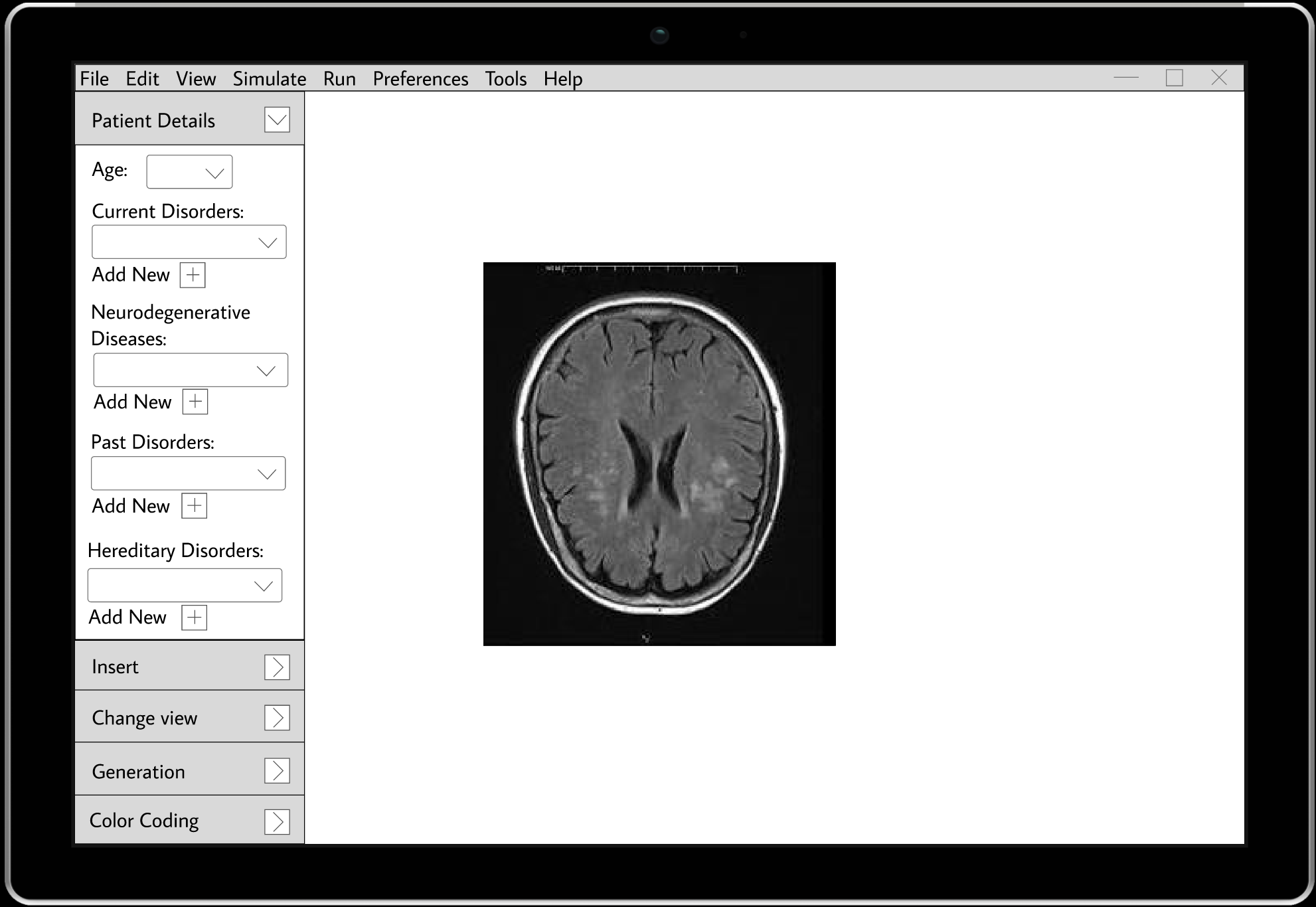
Medical datasets are often small due to privacy concerns or difficulty in data collection. Our group wanted to target this issue and innovate by bringing in AI to create more opportunities in the field for learning. We were inspired by the concepts of brain MRIs and incorporating generative AI to be able to reproduce similar images for the sake of further education.
What it does
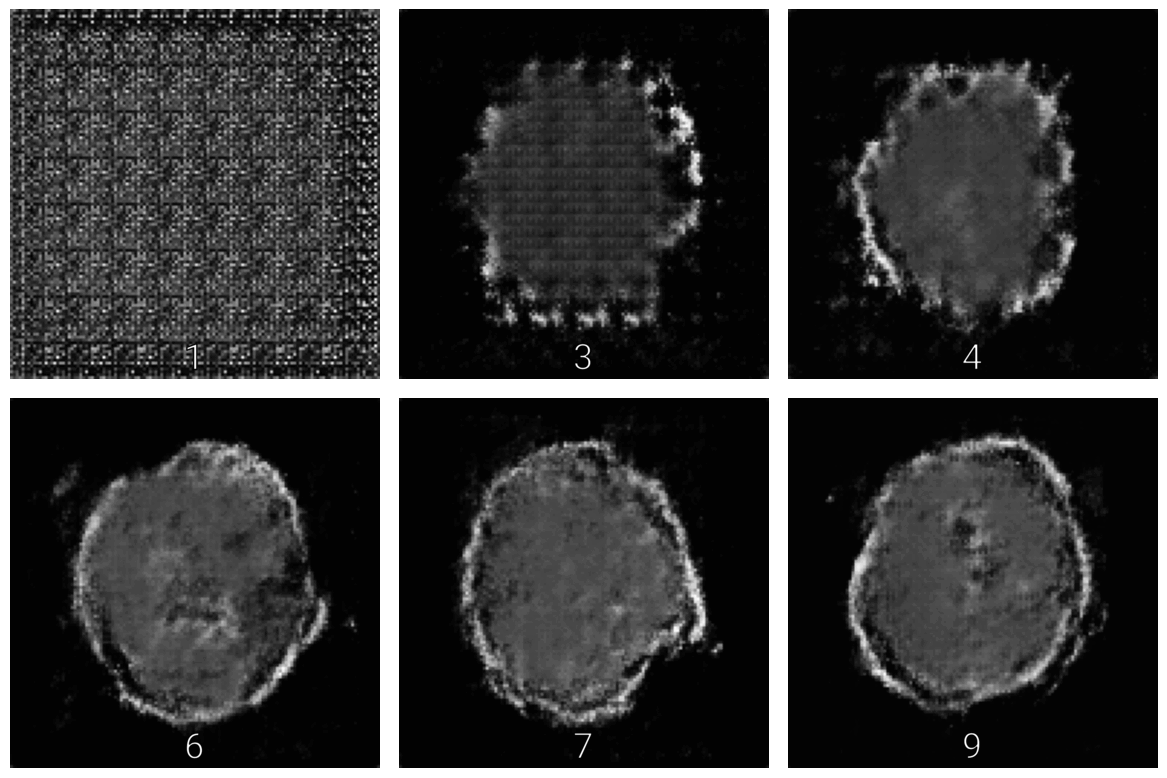
Our project utilizes Generative Adversarial Networks to generate brain MRIs based on training materials based on the training data provided to the model. With each passing epoch, the program will progressively refine its output, producing MRI images that closely resemble the original dataset.
How we built it
The program was entirely built on Python. Majority of our code was based on libraries such as PyTorch. PyTorch had built-in functions where we could take a dataset, generate a 'fake' version of it and go through a discriminator, which would determine the 'realness' of the image. Other libraries were used such as cv and matplotlib for other usages such as generating the plots of the MRIs or reading the training images.
Challenges we ran into
One of the most prominent challenges we ran into was hardware issue. Several of our dataset would take a large amount time to fully train, and our computers' specs were not suitable for it. As such, we had to experiment with much lower resolutions (64x64, 128x128) in order to obtain results. We had to sacrifice some clarity in the generated MRIs scan since our computers' were not able to handle creating a more resolute image.
Accomplishments that we're proud of
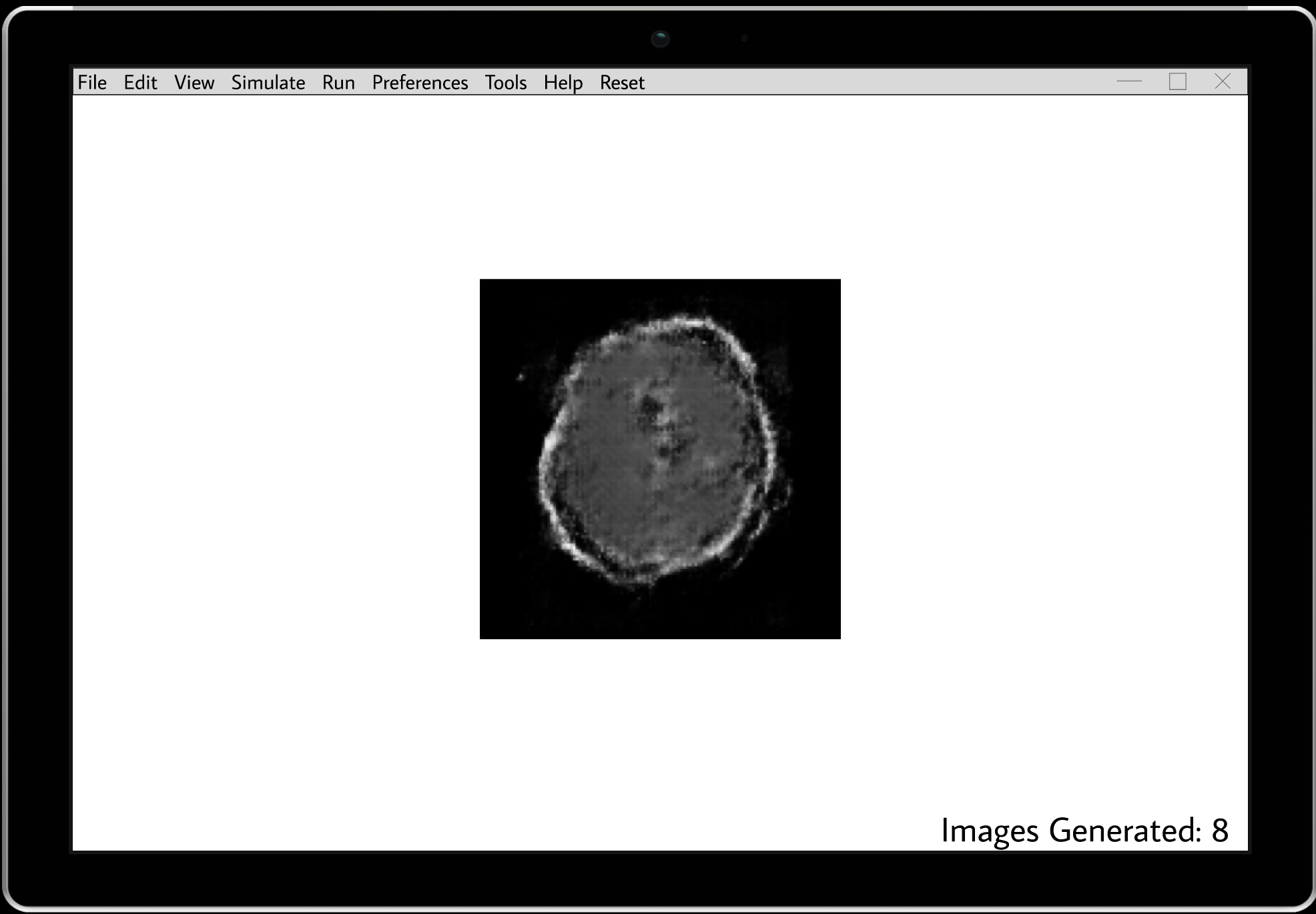
We are most proud of being able to properly generate an image that is similar to the MRIs scans given. The results we got were a lot better than we initially thought and we struggled during the process. However, in the end, we got decent MRIs scans towards the end.
What we learned
We delved deeper into Python, more than we ever did in the classes we took. We learned more about the process of GAN and how to make a functioning code with the preexisting libraries from Python.
What's next for Brainstorm.Photo
We want to explore more with higher resolution photos as well as expanding our tumor more.
Our Team
Lily Giang ([email protected]) Vincent Zhang ([email protected]) Agni Miraji-Khot ([email protected]) Daryl Tapel ([email protected])
Categories:
Generative AI Health & Wellness


Log in or sign up for Devpost to join the conversation.