-
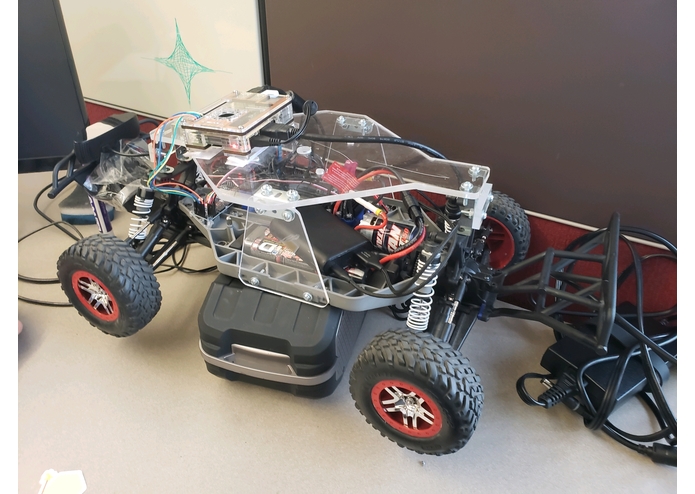
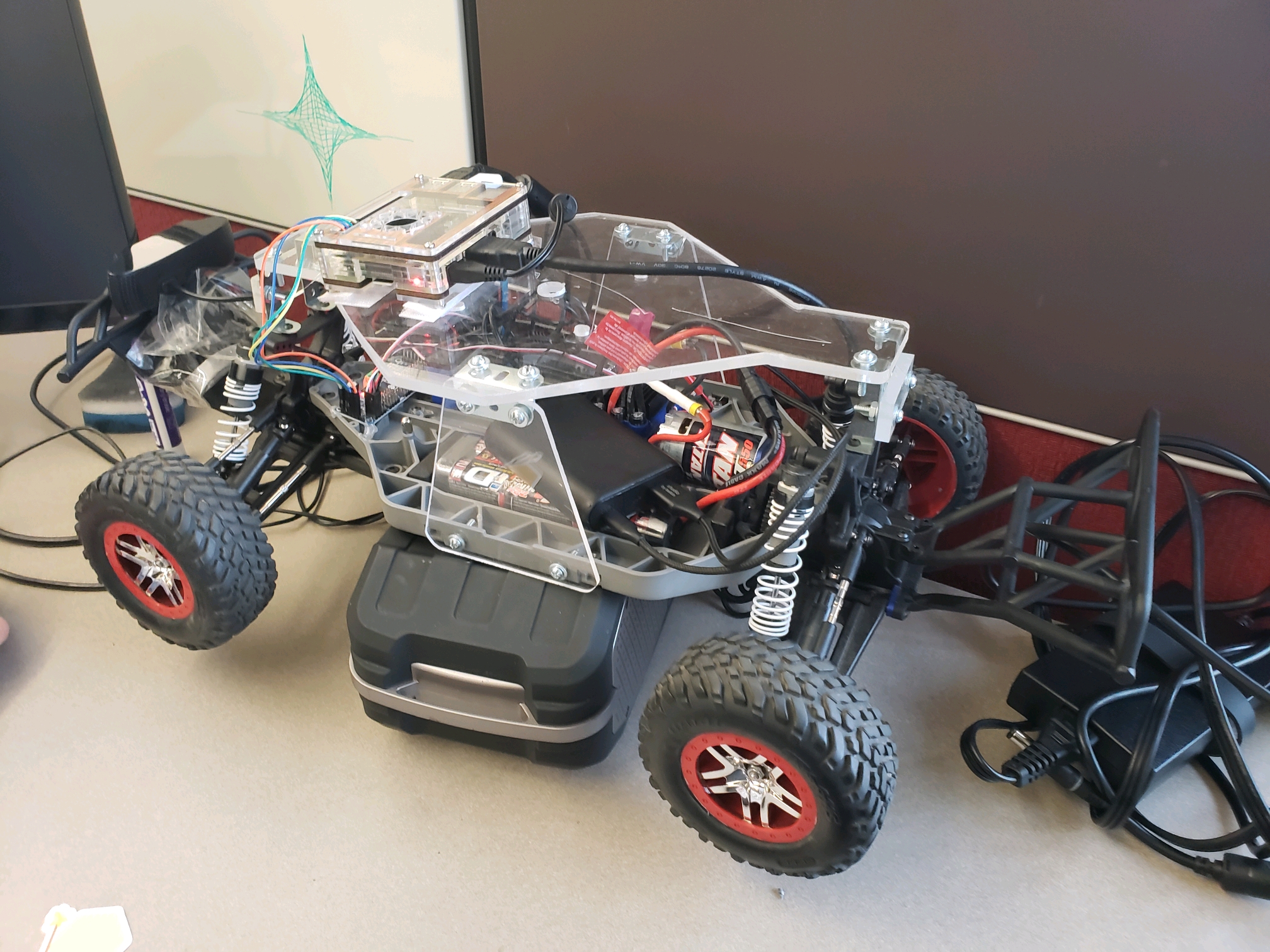
Experimental Raspberry Pi RC Car
-
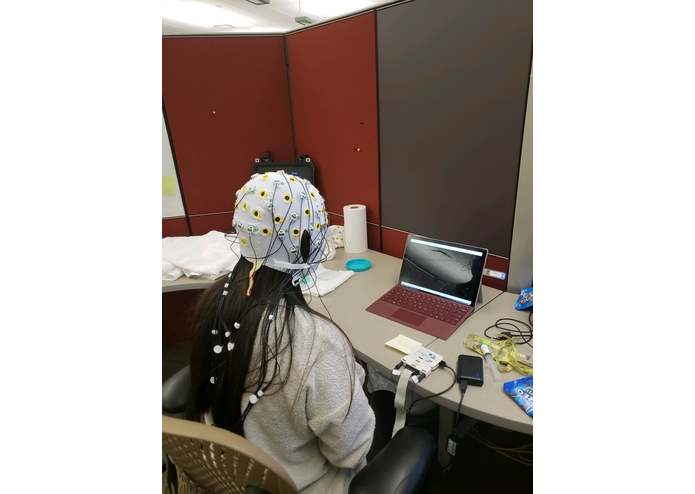
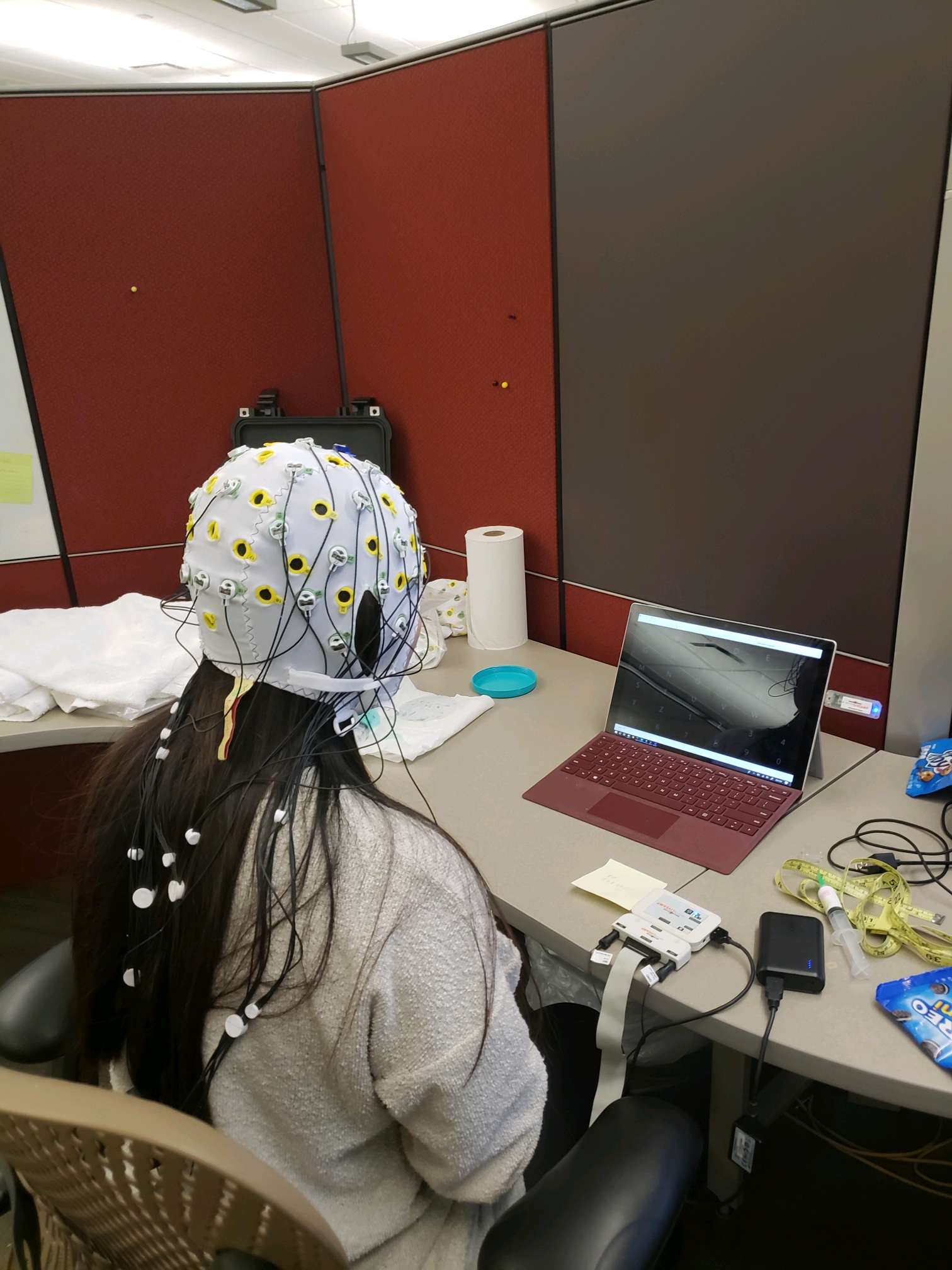
P300 Speller Experiment
-
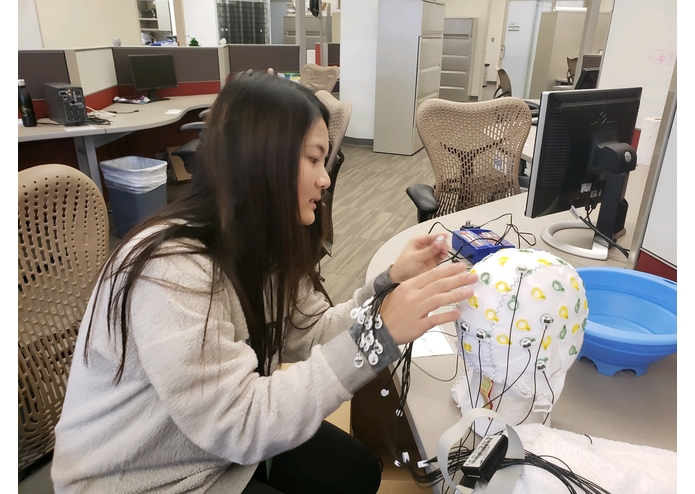
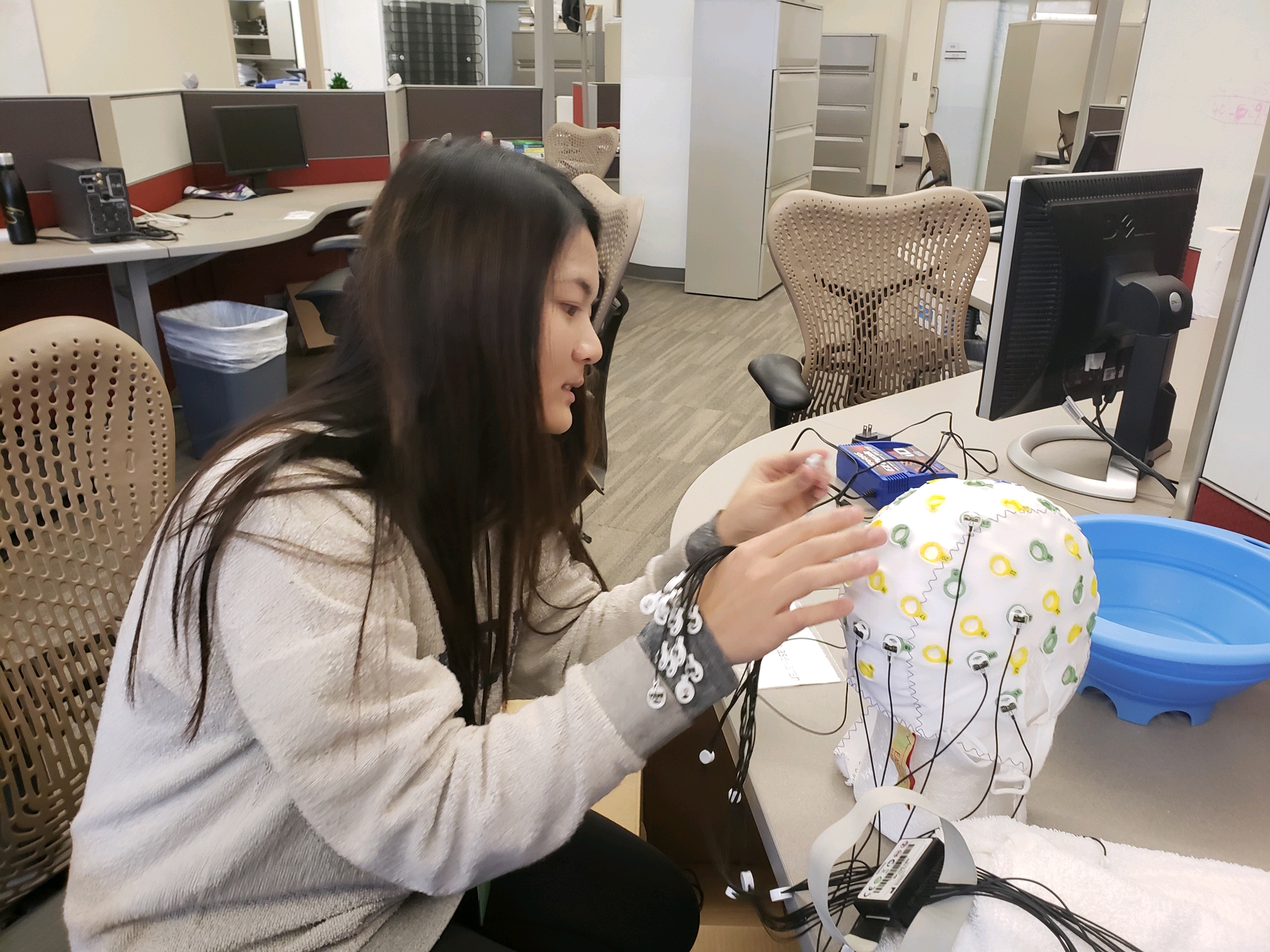
Putting electrodes on 32-channel EEG cap
Inspiration
Currently, patients with spinal cord injury lack the ability to control the environment and communicate. To address this issue, two of our team members have worked with Brain-Computer-Interface (BCI) to assist tetraplegia patients, or a medical condition where patients that leads to the paralysis of facial and body muscles. This would offer these patients a low cost solution to gain not only autonomy of the environment but social inclusion. Moreover, the use of BCI could well be integrated to further applications, such as entertainment or education. Therefore, we want to showcase the usability of BCI to other types of technology beyond medical applications, particularly entertainment such as controlling a smart home. The purpose of this is to bring light to this field of research and expand its potential from typical lab applications to commercial use.
What it does
The BCI application uses Openvibe BCI software to run the P300 BCI experiment. Users are prompted to spell out words by looking at flashing lights on the screen. The brain signals obtained by words they spelled out are then trained using a deep learning architecture to decrease noise and are encrypted into strings array, and outputted by using LabStreamingLayer. Using the LabStreamingLayer repository, we use it as the inlet for data from Openvibe. Strings are sent to the Raspberry Pi to control the RC car to move to different location.
How I built it
We built it by using multiple different devices, softwares, and applications. The signals were gathered by using the 32 channels EEG cap and processed in OpenVibe. Then we sent signal to the RC car which has a Raspberry Pi attached to it for controls. Using LabStreamingLayer, we inputed values from Openvibe to the Raspberry Pi using Wifi.
Challenges I ran into
Because signal processing of the brain is still in the field of research and development, the accuracy of the test was rather impossible to get above a 60% due to the environment. When processing brain signal, a control environment is needed, in which the test subject is not being affected by any outside artifact(noise/unwanted signals). Higher accuracy mean less artifacts.
Accomplishments that I'm proud of
We gathered data from the P300 Speller experiment using OpenVibe. Developed the control panel for the RC Car on the Raspberry PI. Created a connection between the OpenVibe and the Raspberry PI by using LSL.
What I learned
I learned that when it comes to programming, it is more important to know what the right questions to ask rather than asking for the wrong answer. I also learned that having teammates with different specialities is crucial to team projects like these ones and can save a lot of time and increase efficiency.
What's next for BrainRover
Upscale the project, promote the project, expand on the idea.
Built With
- eeg
- labstreaminglayer
- liveamp
- openvibe
- python
- raspberry-pi
- rc-car
- vnc


Log in or sign up for Devpost to join the conversation.