-
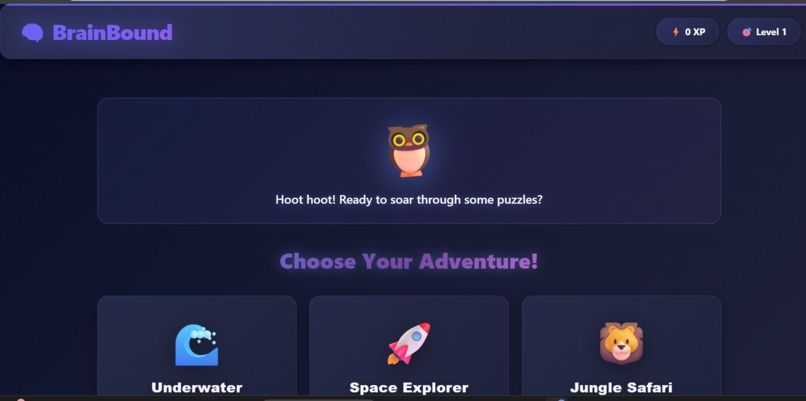
Home Page
-
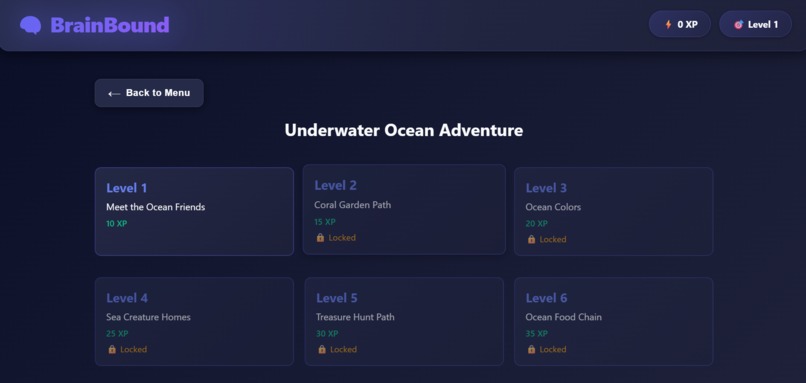
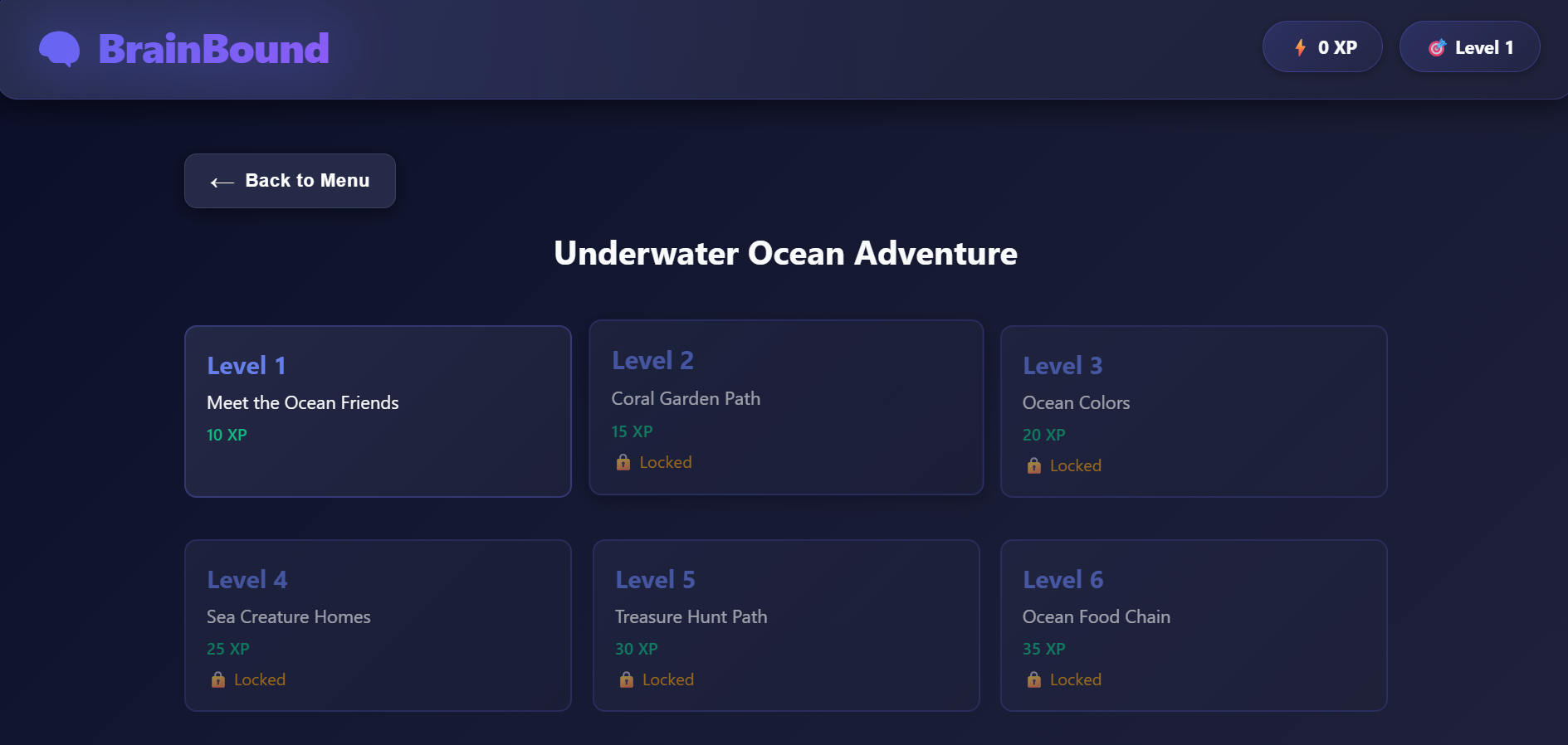
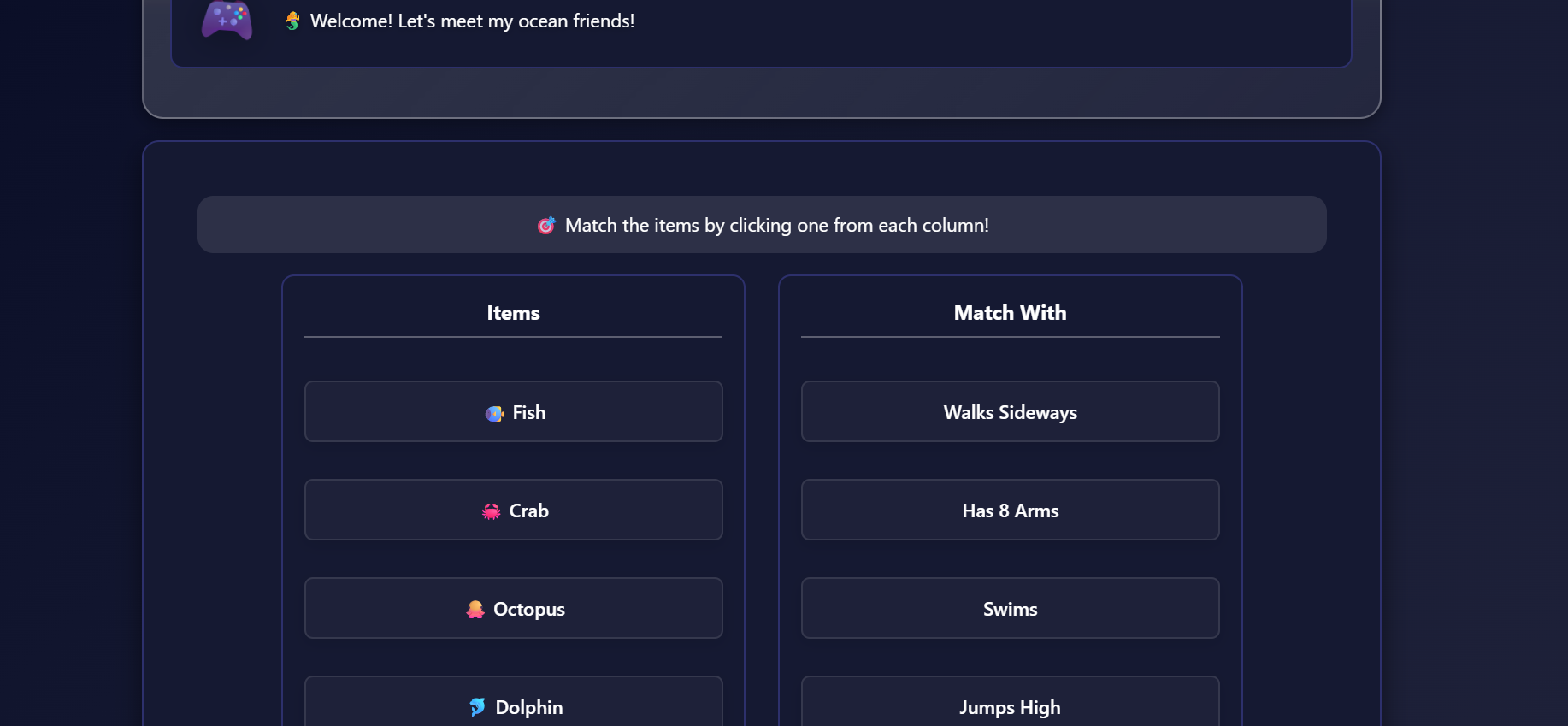
UnderWater Adventure
-
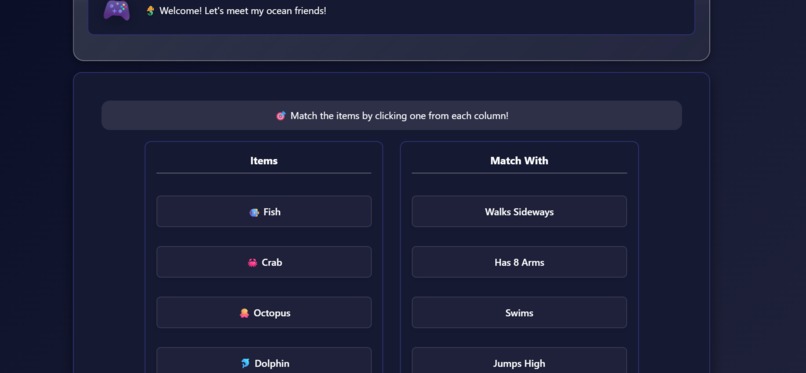
Different levels
Inspiration
The inspiration for BrainBound came from observing how traditional learning systems often fail to engage learners, especially younger students. Education is usually presented as repetitive and pressure-driven, which causes curiosity to fade early.
At the same time, games naturally encourage exploration, persistence, and problem-solving. During this hackathon, which emphasizes learning, awareness, and positive change through games, the idea was to combine these two worlds—using gameplay mechanics to spread awareness that learning can be fun, adaptive, and inclusive.
BrainBound was inspired by the belief that education should adapt to the learner, not the other way around.
What it does
BrainBound is a web-based educational game that turns learning into an interactive adventure. Players explore themed worlds such as Underwater, Space, and Jungle, solving puzzles that strengthen logic, mathematical reasoning, and problem-solving skills.
The game features an adaptive difficulty system that responds to player performance. If a player struggles, the game provides hints and simpler challenges; if they perform well, the puzzles gradually become more complex.
By blending gameplay with education, BrainBound raises awareness about alternative, engaging ways to learn, especially for students who struggle with conventional teaching methods.
How we built it
BrainBound was built as a lightweight, engine-free web game to ensure maximum accessibility and ease of deployment.
Technologies used:
HTML5 & CSS3 for structure and responsive design
Vanilla JavaScript for gameplay logic and interactivity
Custom adaptive logic inspired by AI principles
LocalStorage API for saving player progress without a backend
Difficulty adjustment is handled through performance tracking, using accuracy and consistency to determine the next challenge level: Next Difficulty=Current Difficulty+f(accuracy,response consistency)
This approach keeps the game fully client-side while still delivering a personalized learning experience
Challenges we ran into
One major challenge was implementing adaptive difficulty without real AI infrastructure. Designing a system that feels intelligent while remaining lightweight and browser-based required multiple iterations and careful tuning.
Another challenge was creating puzzles that work across different age groups and skill levels while keeping gameplay intuitive and engaging.
Time constraints during the hackathon also required prioritizing core functionality and impact over advanced visuals or multiplayer features.
Accomplishments that we're proud of
Delivering a fully playable educational game within hackathon constraints
Implementing adaptive learning logic using only client-side technologies
Designing a multi-world progression system that keeps players motivated
Building a project that is accessible, lightweight, and device-independent
Most importantly, BrainBound demonstrates how games can be used to educate and create awareness, not just entertain.
What we learned
This project highlighted the importance of designing for impact, not just features. In educational games, clarity, feedback, and adaptability matter more than complexity.
From a technical perspective, we learned:
How to manage game state without frameworks
How to design scalable puzzle systems
How small UX decisions influence motivation and learning outcomes
It also reinforced the idea that games can be powerful tools for awareness and education when designed thoughtfully.
What's next for BrainBound
Future plans include:
Expanding into science, language, and real-world awareness topics
Improving adaptive logic using deeper performance insights
Adding collaborative or multiplayer learning modes
Optional backend support for analytics and cloud progress
Partnering with educators to align content with learning standards
BrainBound aims to continue evolving as a platform that spreads awareness through learning and play, aligned with the spirit of the Aethra Global Gameathon.
Built With
- css
- education
- game-development
- html
- javascript
- web

Log in or sign up for Devpost to join the conversation.