-
-
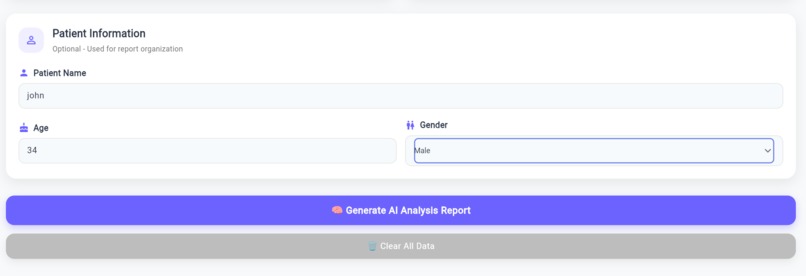
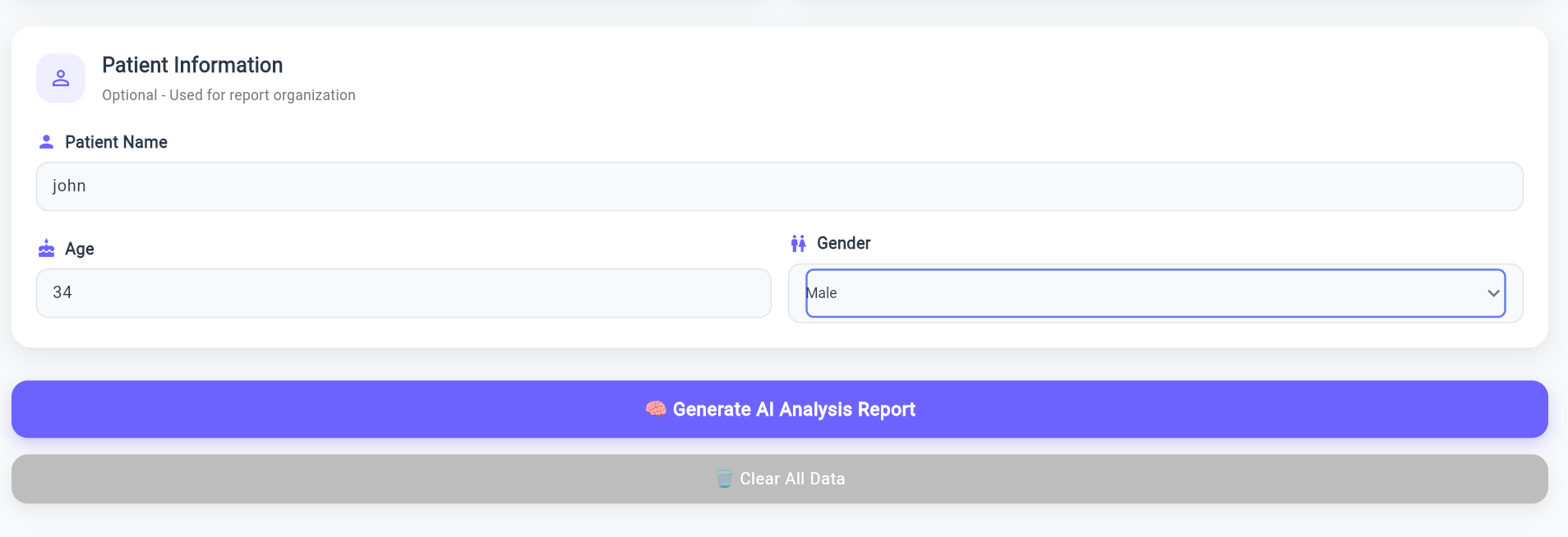
patient information screen
-
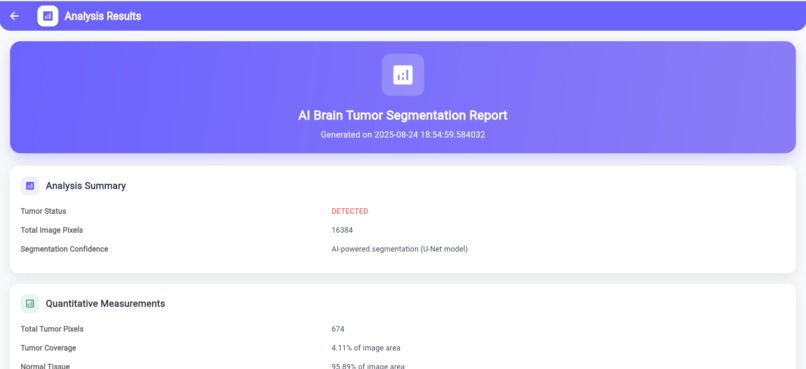
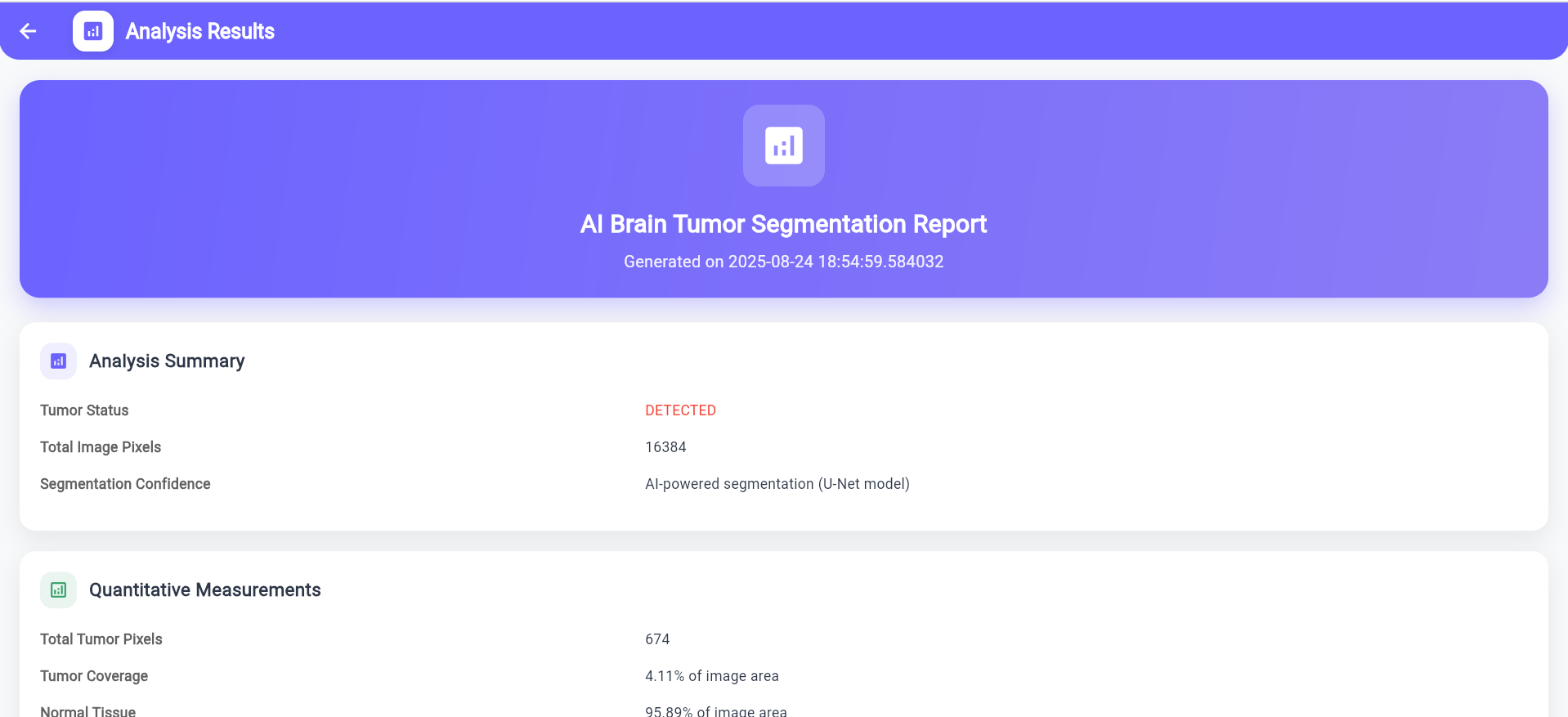
analysis summary screen
-
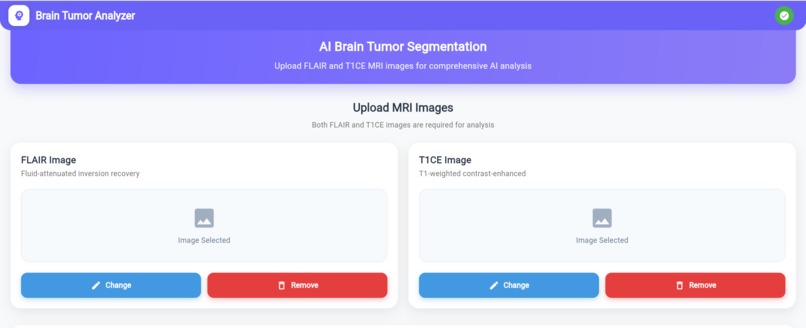
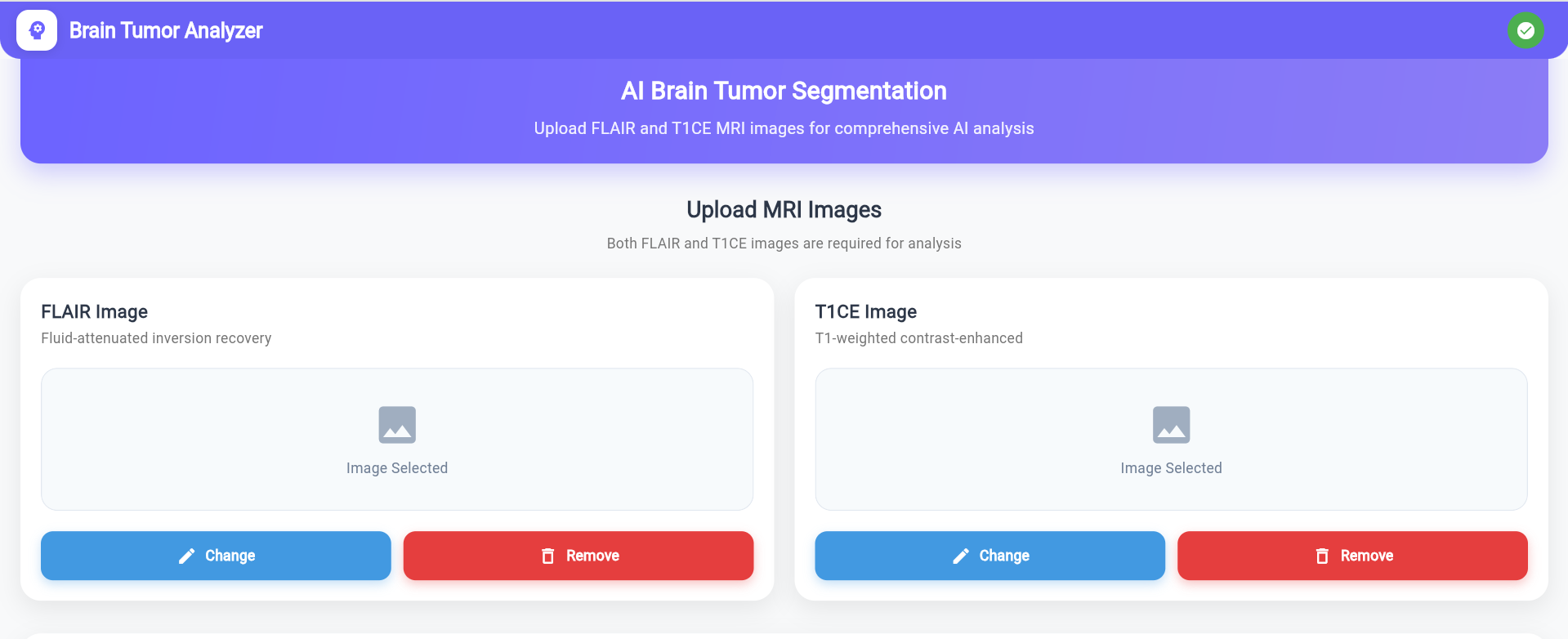
upload mri screen
-
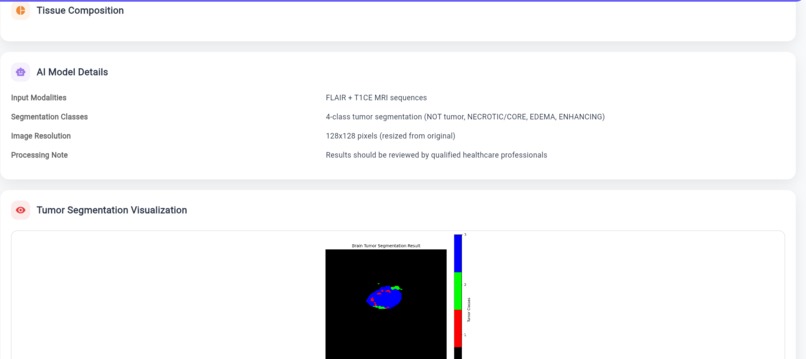
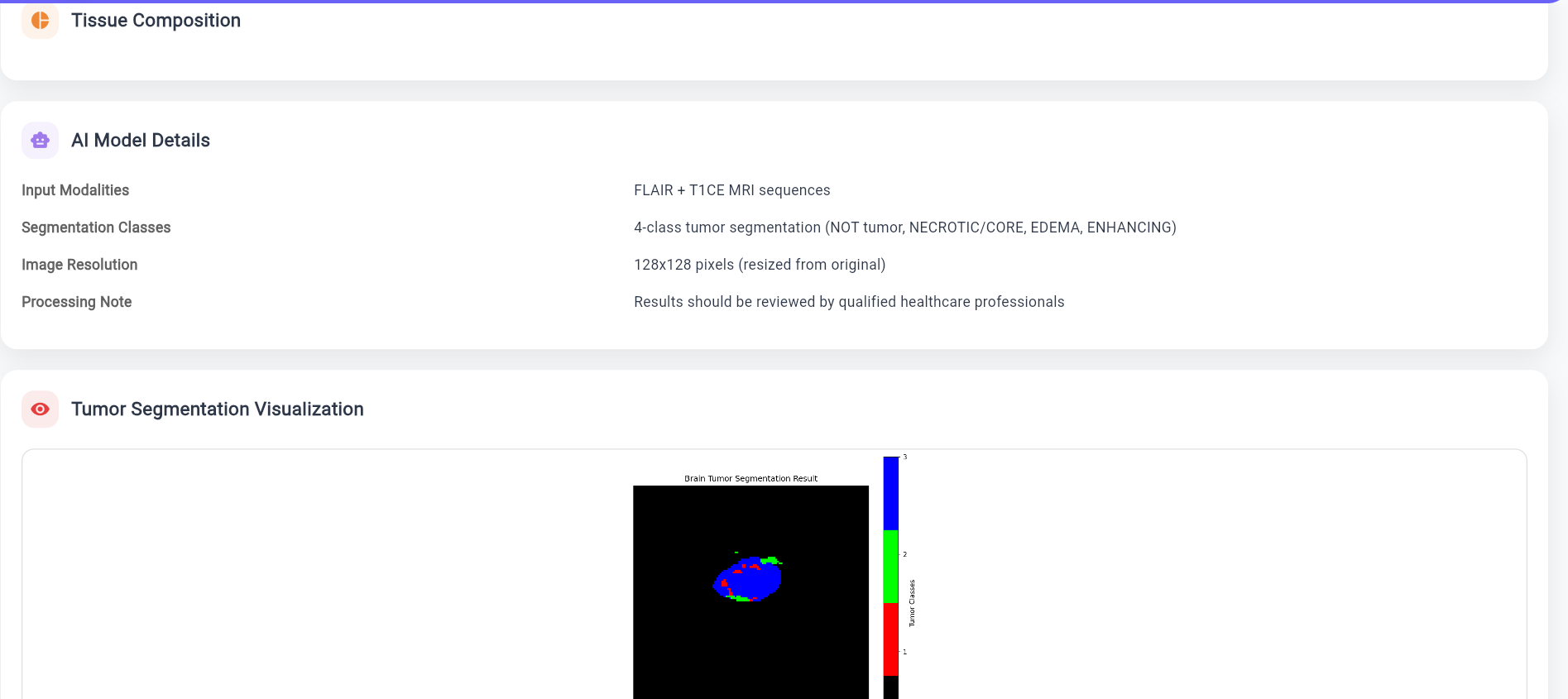
visualization screen
-
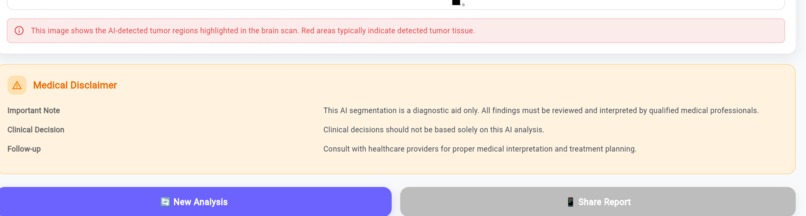
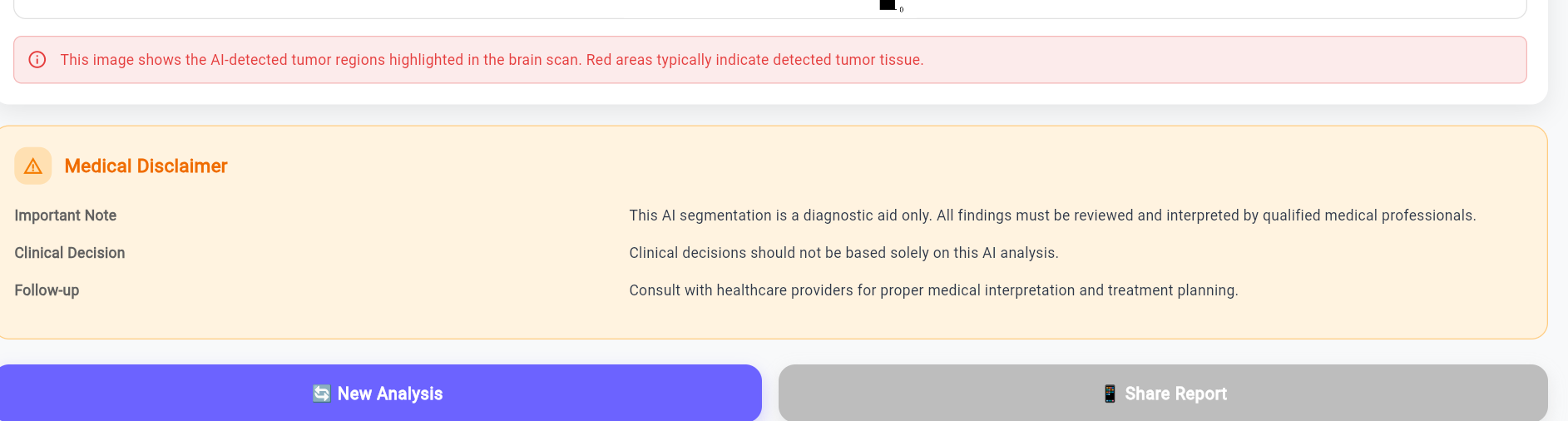
disclaimer screen
🧠 Brain Tumor AI Analyzer: Project Story
🌟 What Inspired Us
The Problem: Brain tumors affect 300,000+ people annually, but MRI interpretation requires years of specialized training. Rural areas lack radiologists, and analysis takes hours.
The Solution: Use AI to democratize brain tumor detection. Make advanced diagnostics accessible to every healthcare professional, anywhere.
The Hackathon: NeuroViz's focus on AI in neuroscience was perfect for our vision.
📚 What We Learned
Technical Skills
- Flutter: Cross-platform development (web + mobile) from single codebase
- FastAPI: Modern async backend for real-time medical image processing
- AI Integration: TensorFlow model deployment with production considerations
- Platform Differences: Web vs mobile image handling and file operations
Domain Knowledge
- Medical Standards: DICOM compliance, HIPAA considerations
- Clinical Workflows: How radiologists actually use diagnostic tools
- AI Ethics: Explainability, bias mitigation, clinical validation
🏗️ How We Built Our Project
3-Day Sprint
Day 1: FastAPI backend + AI model integration
Day 2: Flutter frontend + image processing pipeline
Day 3: Cross-platform testing + documentation
Key Architecture Decisions
# FastAPI backend with CORS for cross-platform access
app.add_middleware(CORSMiddleware, allow_origins=["*"])

# TensorFlow model loading with compatibility fix
model = tf.keras.models.load_model("brain_tumor_model.h5", compile=False)

# Dual modality MRI processing
def segment_tumor(flair_image, t1ce_image):
    combined = np.concatenate([flair_image, t1ce_image], axis=-1)
    return MODEL.predict(combined)
// Platform-specific image handling in Flutter
if (kIsWeb) {
  final bytes = await image.readAsBytes();
  // Web processing
} else {
  final file = File(image.path);
  // Mobile processing
}
🚧 Challenges We Faced
Technical Issues
- TensorFlow Compatibility: Model loading errors → Fixed with
compile=False - Cross-Platform Images: Web vs mobile differences → Used
kIsWebdetection - Null Safety: Dart compilation errors → Implemented proper nullable types
- Network Access: Mobile couldn't connect → Backend with
--host 0.0.0.0
Design Challenges
- Medical UI: Professional interface for healthcare workers
- Data Visualization: Clear presentation of complex medical data
- Time Pressure: 3 days to build production-ready medical app
🎯 Key Achievements
- Working AI Model: U-Net brain tumor segmentation
- Cross-Platform: Web + Android + iOS from single codebase
- Real-Time Processing: <2 seconds for dual-modality MRI analysis
- Professional UI: Medical-grade interface suitable for hospitals
- Production Ready: Error handling, validation, documentation
🔮 What's Next
- 3-6 months: Multi-modal MRI support, batch processing, cloud deployment
- 6-12 months: 3D visualization, clinical validation, EHR integration
- 1-3 years: FDA approval, predictive analytics, global expansion
💭 Key Learnings
Innovation happens at the intersection of technical expertise and real-world problems.
By focusing on genuine healthcare needs, we built something meaningful in just 3 days. The hackathon taught us:
- Prioritization: Focus on core value proposition
- Rapid Iteration: Build, test, improve quickly
- Documentation: Track decisions and changes
- User Experience: Design for actual medical workflows
🏆 Impact
Our tool can:
- Save Lives: Faster, more accurate tumor detection
- Reduce Costs: Affordable access to advanced diagnostics
- Improve Access: Bring expertise to underserved areas
- Accelerate Research: Enable efficient clinical studies
Built during NeuroViz 3-Day Hackathon
Empowering healthcare through AI innovation


Log in or sign up for Devpost to join the conversation.