-
-

-
-
-

-

-
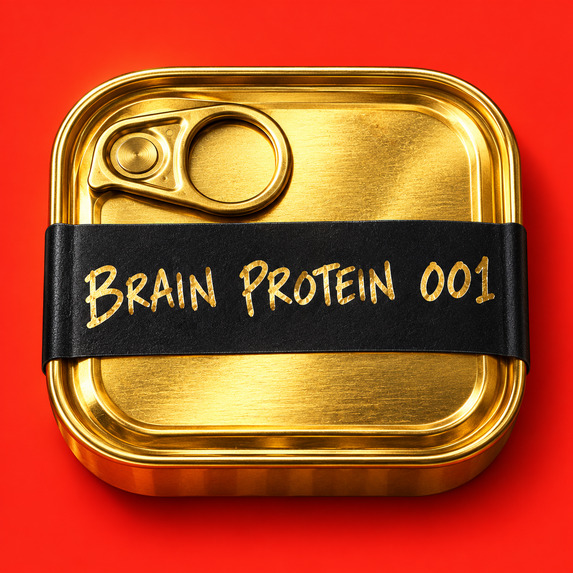
Icon
-
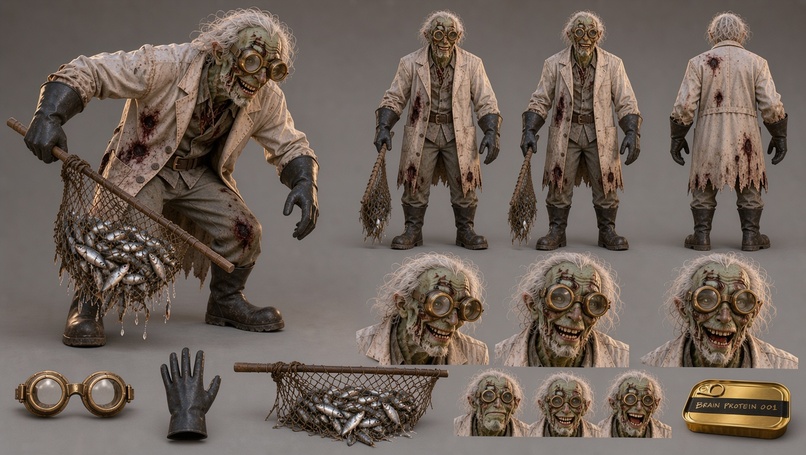
Character Concept
-
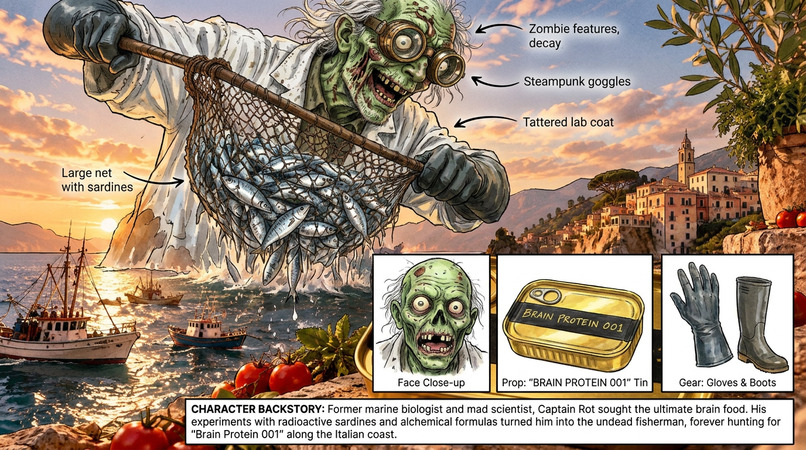
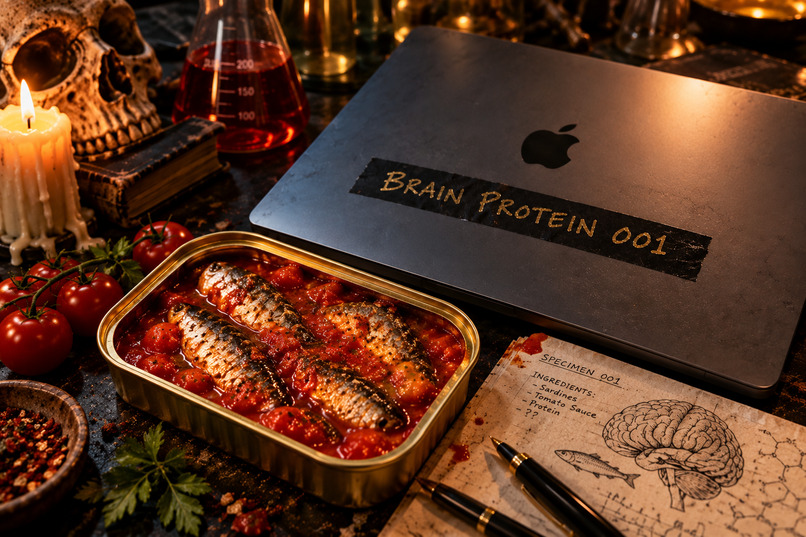
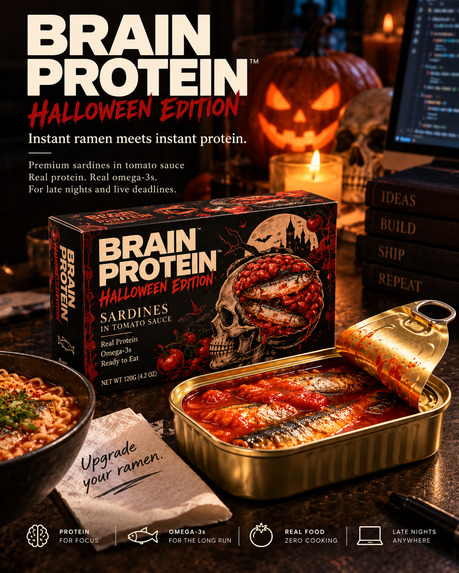
First Frame Concept
-
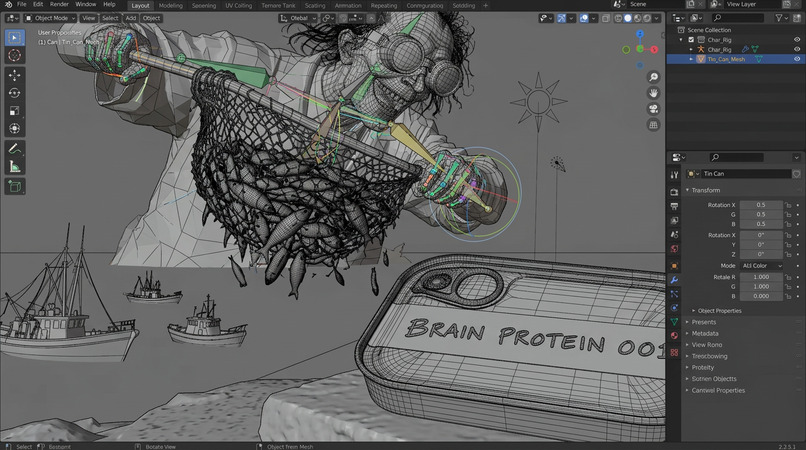
setup of fisherman scene
-
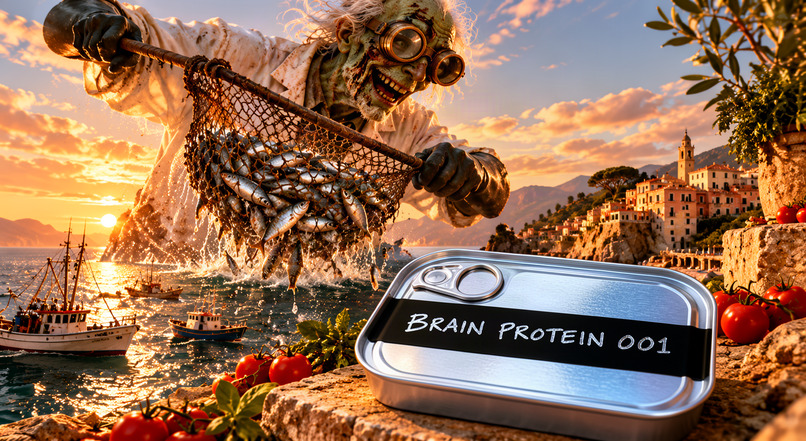

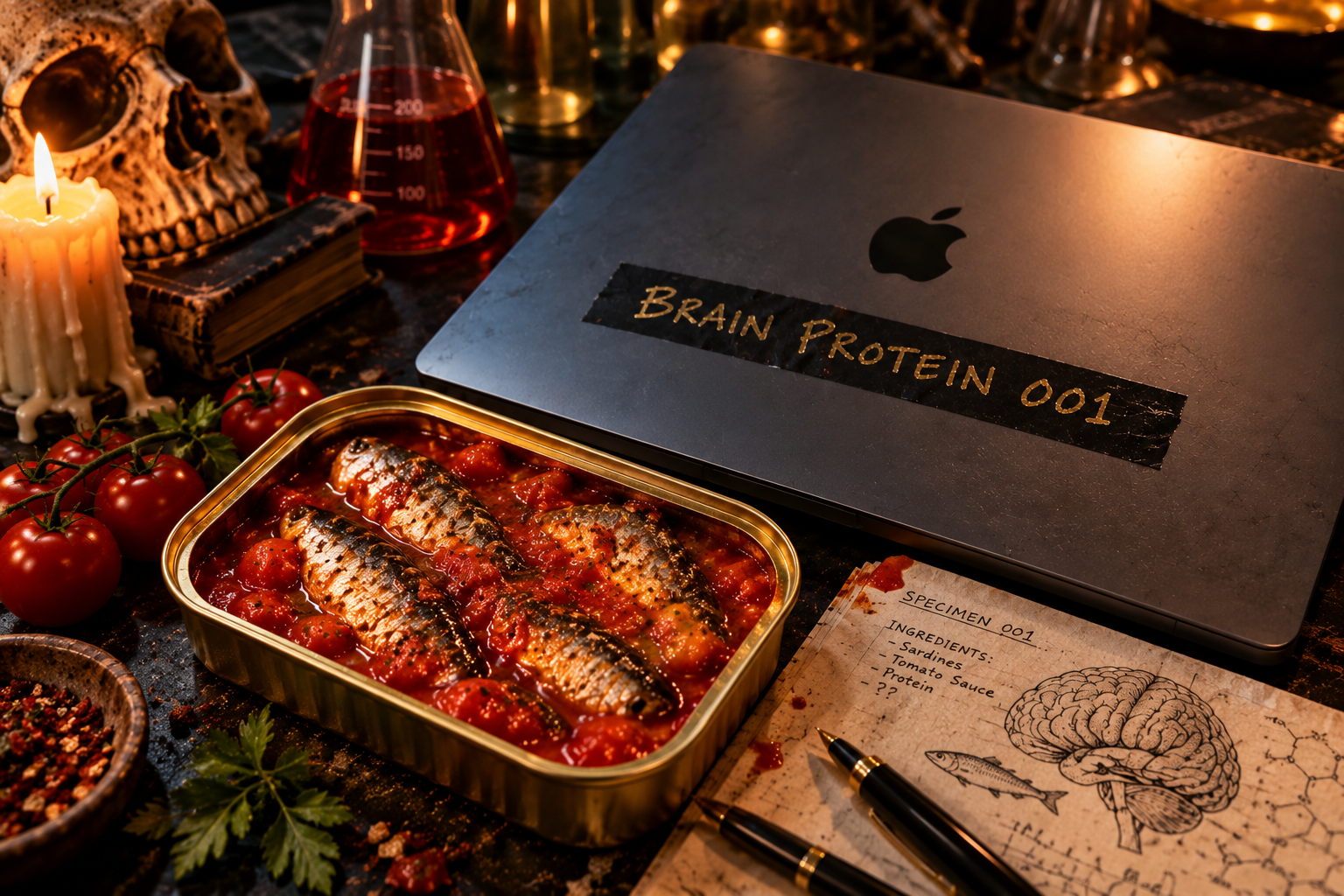
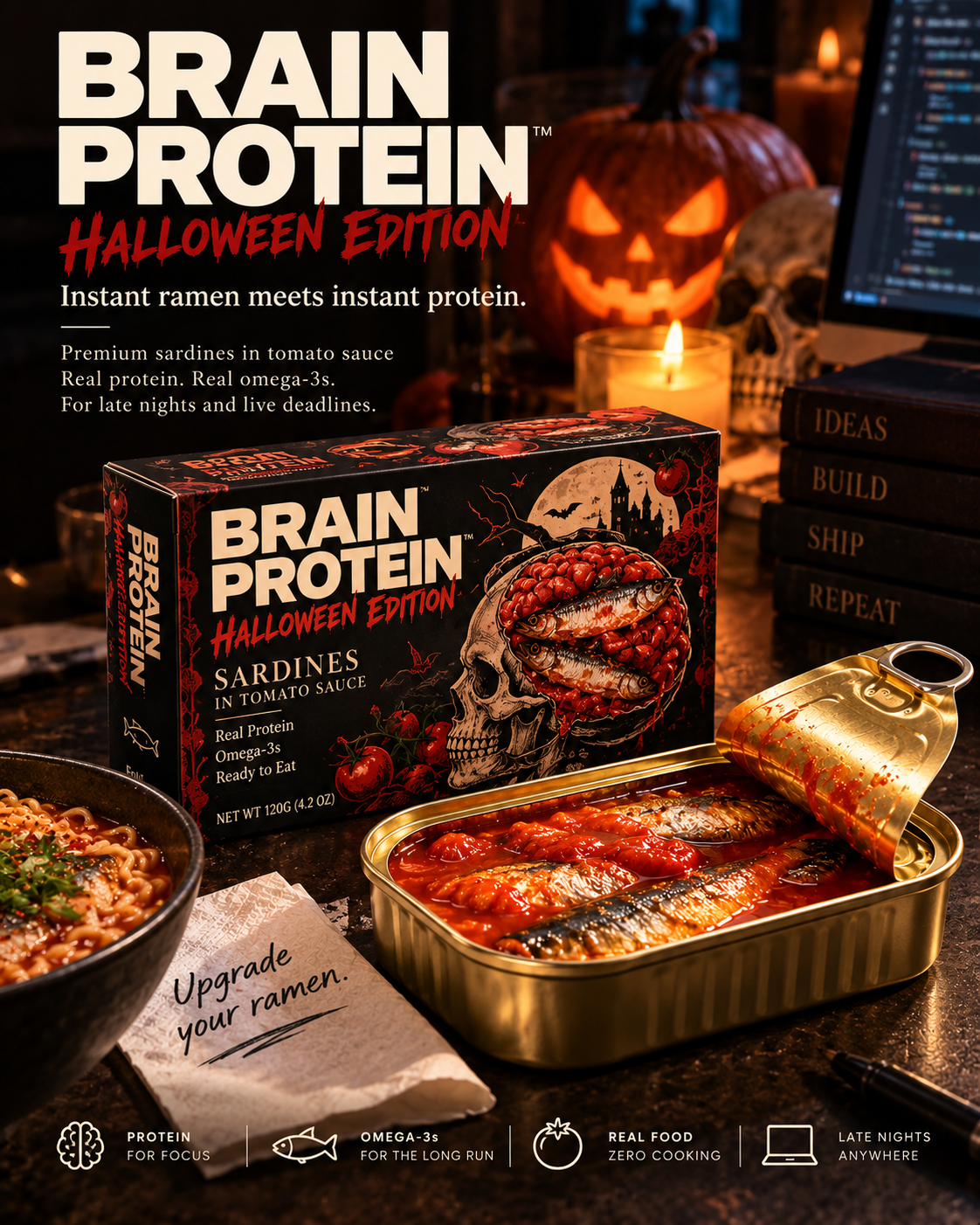




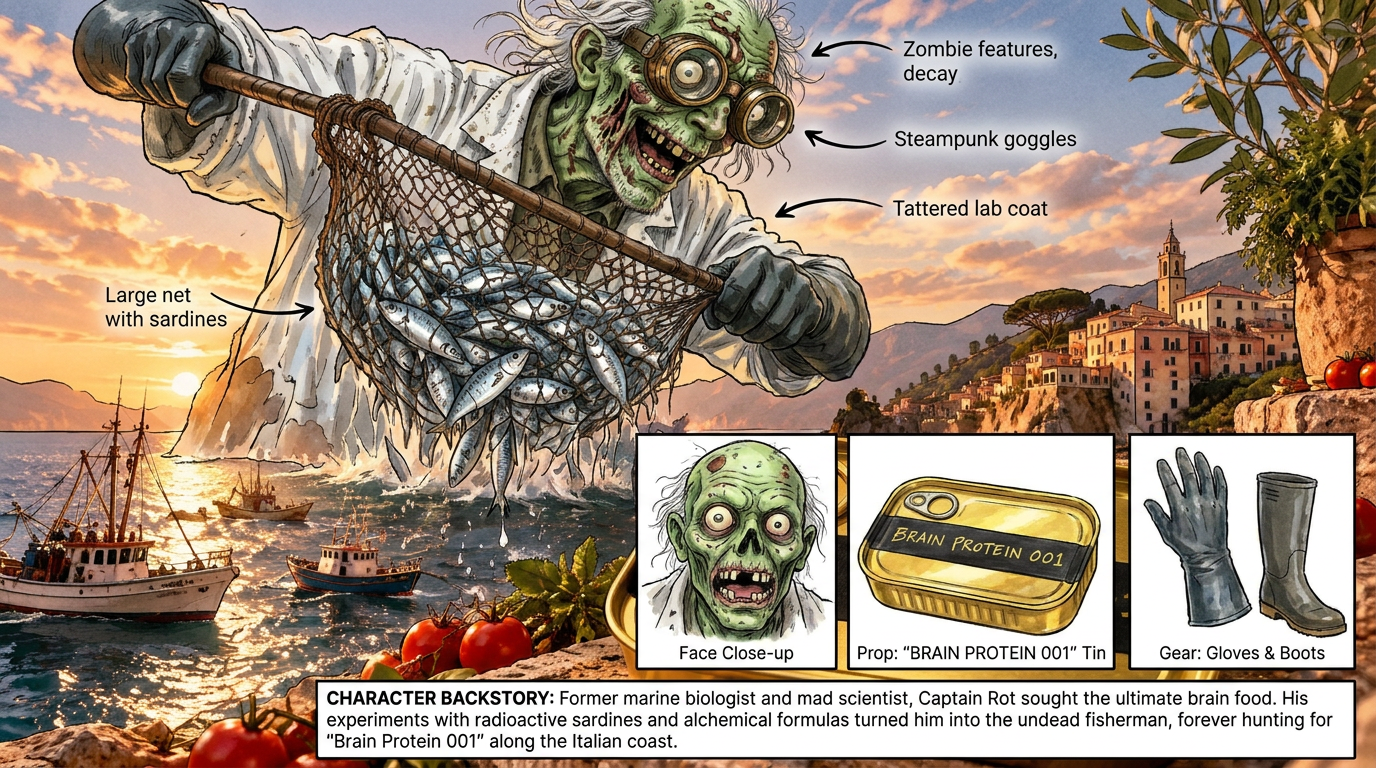
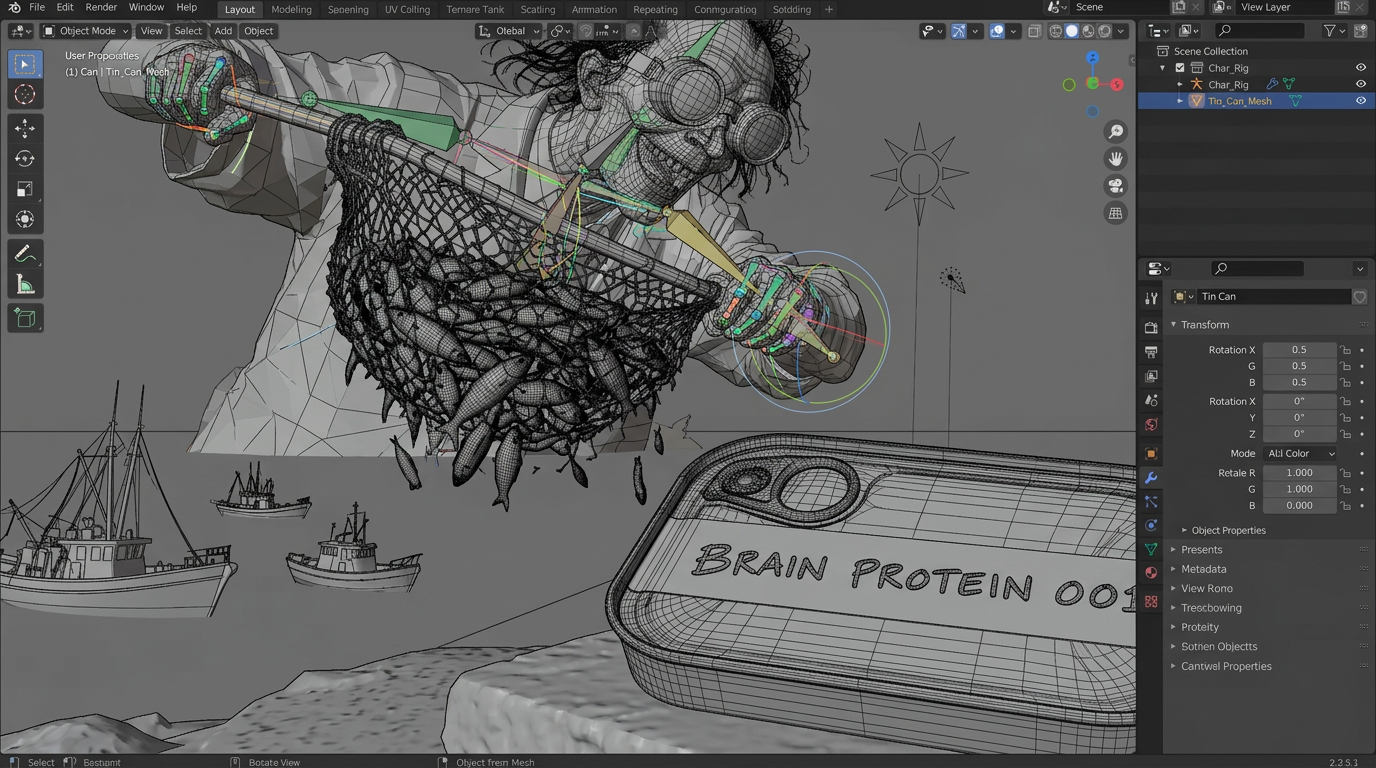
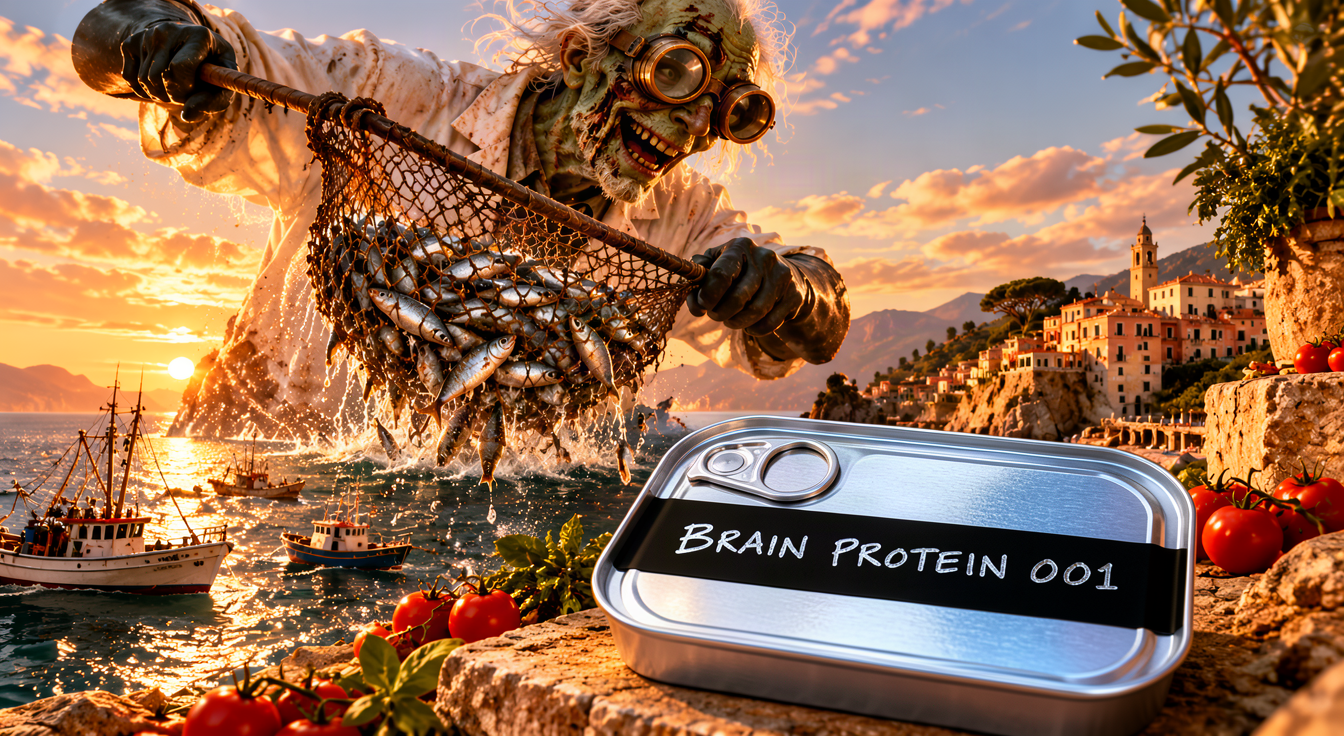
BRAIN PROTEIN™ — From Primitive to Product
We used Blender and AI-powered rendering to transform a generic 3D sardine can into a cinematic Halloween commercial for BRAIN PROTEIN™—turning founder fuel into a mad scientist's collectible brain food.
Our Interpretation of Speed
Speed is the distance between imagination and execution.
Instead of spending days modeling, texturing, and rendering photorealistic product assets, we used Blender to block out geometry and animate motion, while AI3D Render generated the cinematic appearance.
When our product specifications changed from a gold can with gold lettering to an aluminum can with silver ink, we rapidly updated the visuals using the same workflow.
Our submission shows both versions.
Creation Process
Primary creation tool: Blender.
We started with a generic 3D can, established our composition, and used AI3D Render to generate a polished first frame.
We then animated the underlying geometry in Blender to guide motion generation using Go-with-the-Flow.
Our pipeline:
Blender blockout → AI3D Render → AI-generated first frame → Blender animation → Motion-guided video.
AI and Third-Party Asset Disclosure
- Blender: Primary tool for 3D scene construction and animation.
- Generic 3D can: Base geometry; third-party provenance to be specified.
- AI3D Render: AI-assisted visual generation and product appearance.
- Go-with-the-Flow: Motion-guided generative video workflow.
- BRAIN PROTEIN™: Original product concept, branding, and creative direction.
Research
Our workflow builds on research recognized at CVPR and SIGGRAPH:
- AI3D Render — CVPR 2025 Best Demo Honorable Mention.
- Go-with-the-Flow — CVPR 2025 Oral, including an AI3D Render demonstration.
- AI3D Co-Create with AI3D Render — ACM SIGGRAPH 2025.
Project
BRAIN PROTEIN™: protein.populi.cam
CVPR Oral Presentation: https://www.youtube.com/watch?v=xDFhys-ez8M
Built With
- ai3d-render
- blender
- codex
- fal
- neon
- populi
- vscode
