
Inspiration
BrailleQuest was inspired by accessibility issues in our world. A lot of visually impaired people are overlooked, and we wanted to fix that, and provide the tools for kids to learn and navigate the world at a young age by learnign braille, and making it engaging and fun.
What it does
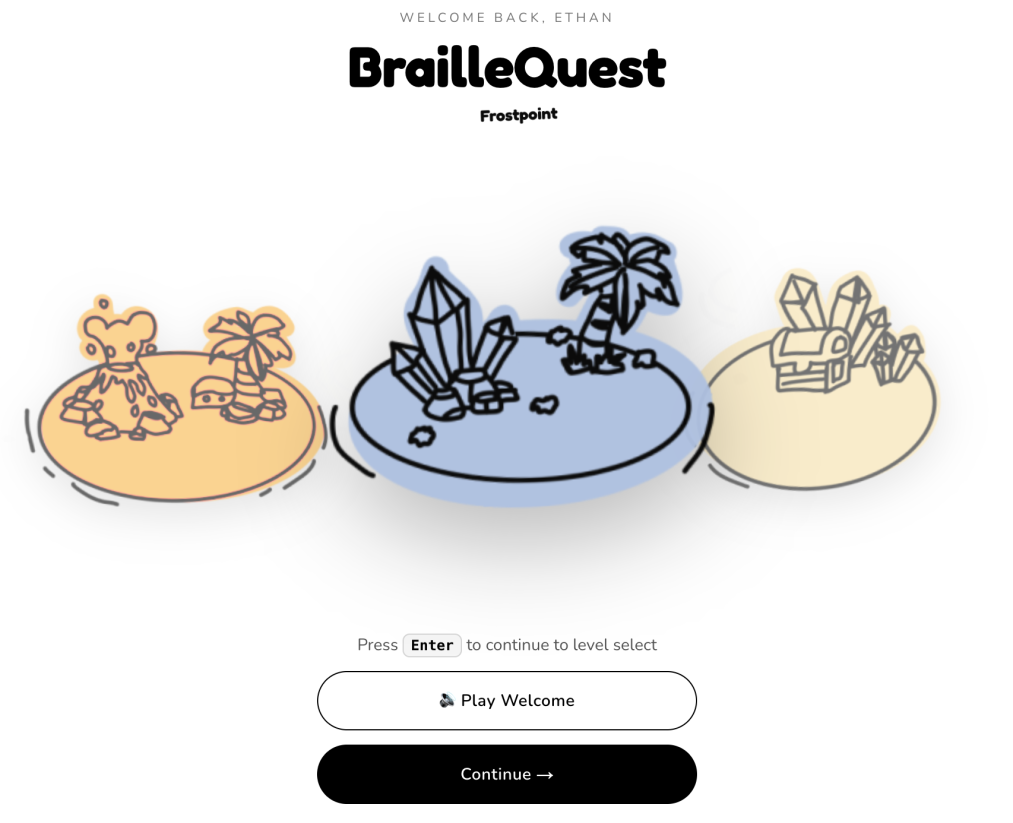
BrailleQuest is an audio story game in which kids complete quests using a physical braille device. Each level introduces letters through a story moment. Players press the correct braille pattern, build letters into words, unlock spells, solve puzzles, and move the adventure forward.
How we built it
We built BrailleQuest using Next.js, TypeScript, HTML, and Tailwind CSS for the web experience. The interface was designed in Figma with accessibility in mind, using large buttons, high contrast colors, readable text, and audio-first story prompts. For the physical side, we used Onshape to design a 2 by 3 braille controller, then 3D printed the board and added conductive tape so players could interact with the story through touch. The web app connects the story progression to the braille input, so each correct letter helps unlock the next part of the quest.
Challenges we ran into
One challenge was balancing accessibility with a fun fantasy game feel. We wanted the experience to be playful, but still clear and easy to understand for visually impaired kids. Building the physical controller was also challenging because we had to think about button size, spacing, touch feedback, and how a child would actually use it. We also had to keep the scope small enough to finish during the hackathon while still making the concept feel complete.
Accomplishments that we're proud of
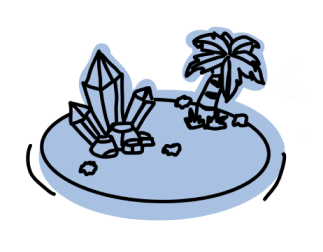
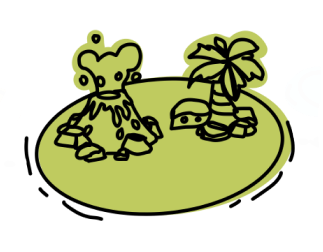
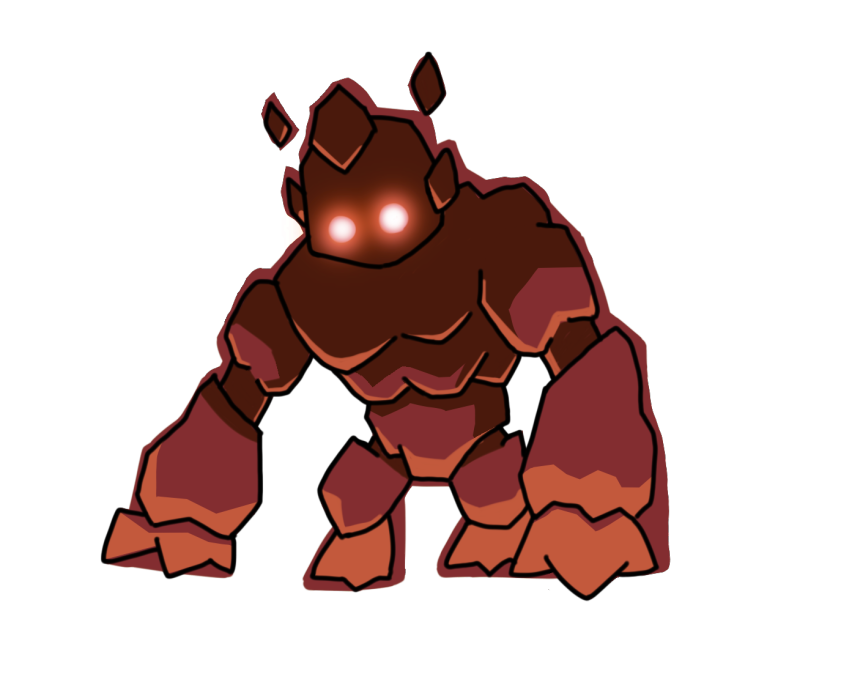
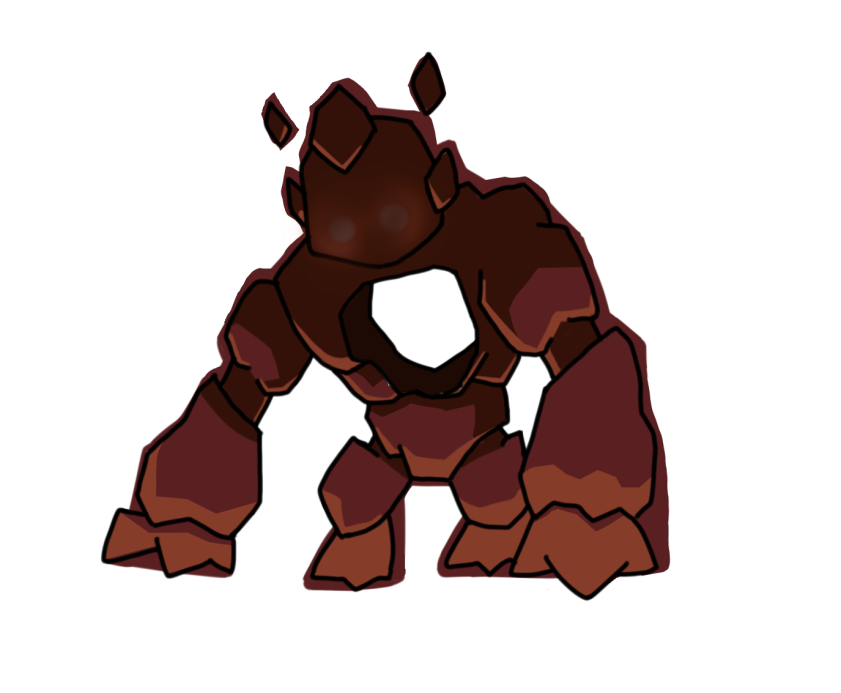
We are proud that we built more than just a screen-based game. BrailleQuest combines audio storytelling, tactile input, physical hardware, and visual design into one experience. We are also proud of how the story connects directly to learning: letters are not random lessons, they become clues, spells, and tools that help the player save the world.
What we learned
We learned that accessibility is not just an extra feature. It changes how a product should be designed from the beginning. We also learned how important physical interaction can be in storytelling. For this project, touch is not just a control method, it is part of the story itself.
What's next for BrailleQuest
Next, we would expand BrailleQuest with more worlds, more letters, and full word-building challenges. We would also improve the physical controller with better tactile buttons, audio feedback, and support for different difficulty levels. In the future, BrailleQuest could become a full learning adventure where kids build confidence with braille one story at a time.
Built With
- figma
- html
- next.js
- onshape
- tailwind
- typescript


Log in or sign up for Devpost to join the conversation.