-
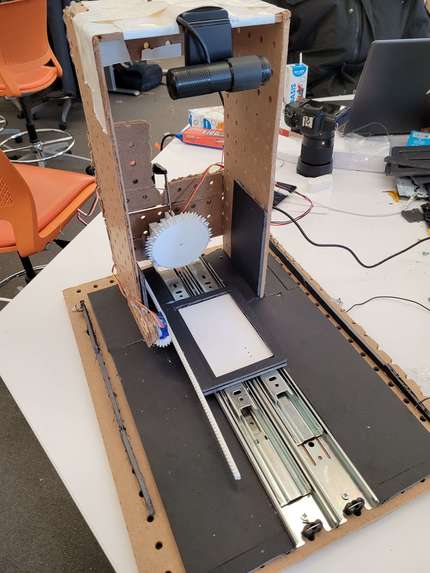
the BTP
-
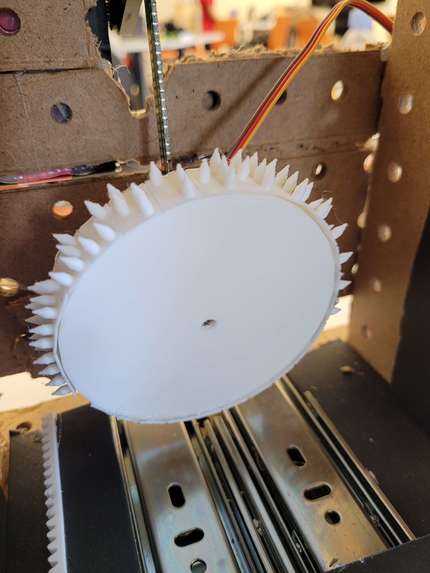
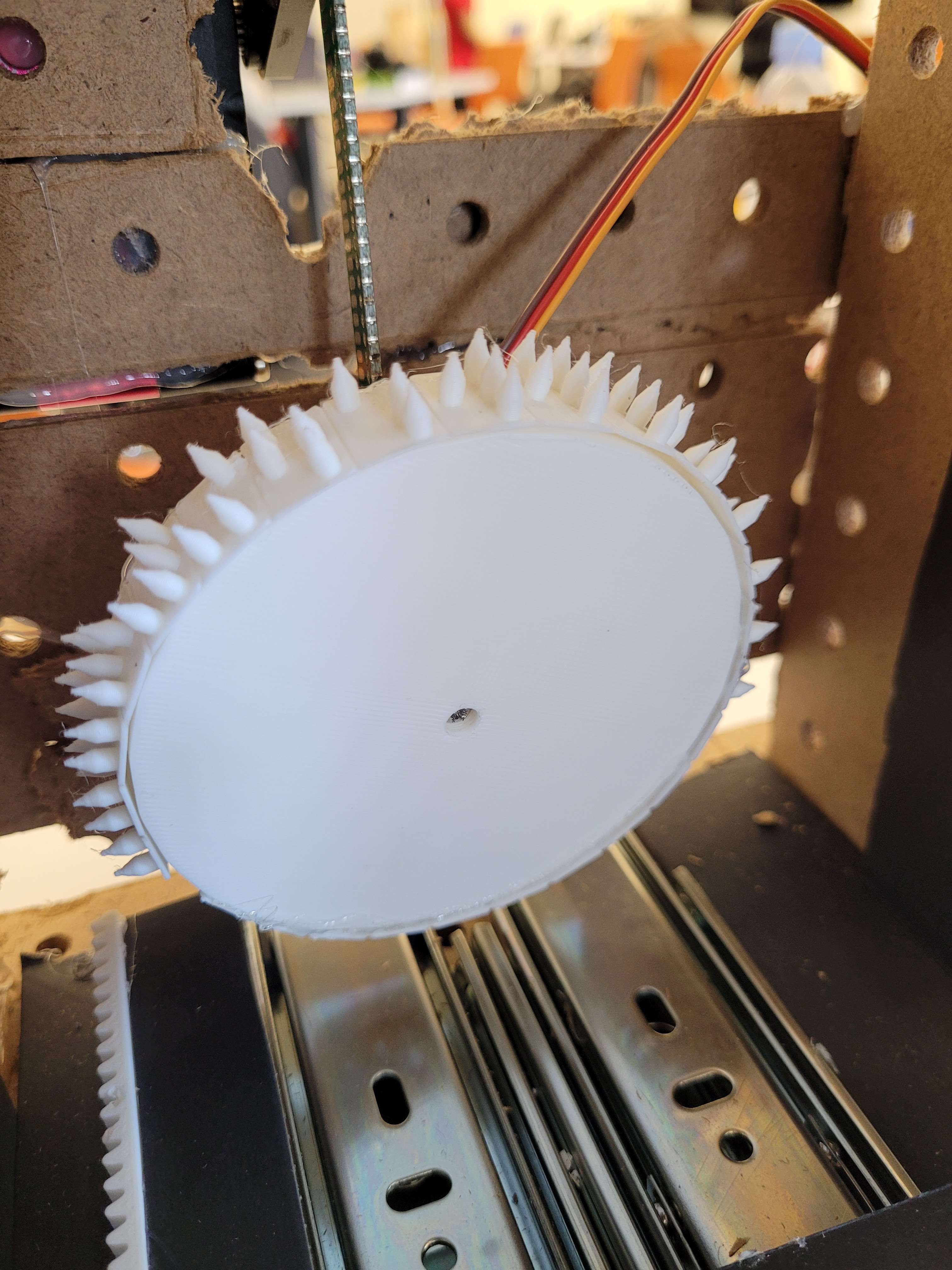
The wheel rotates to the appropriate letter and slides down to create a detent on the card.
-
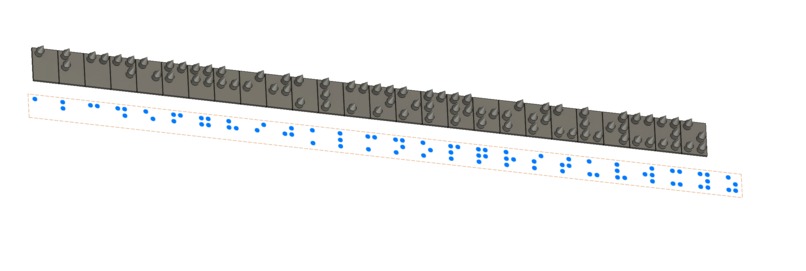
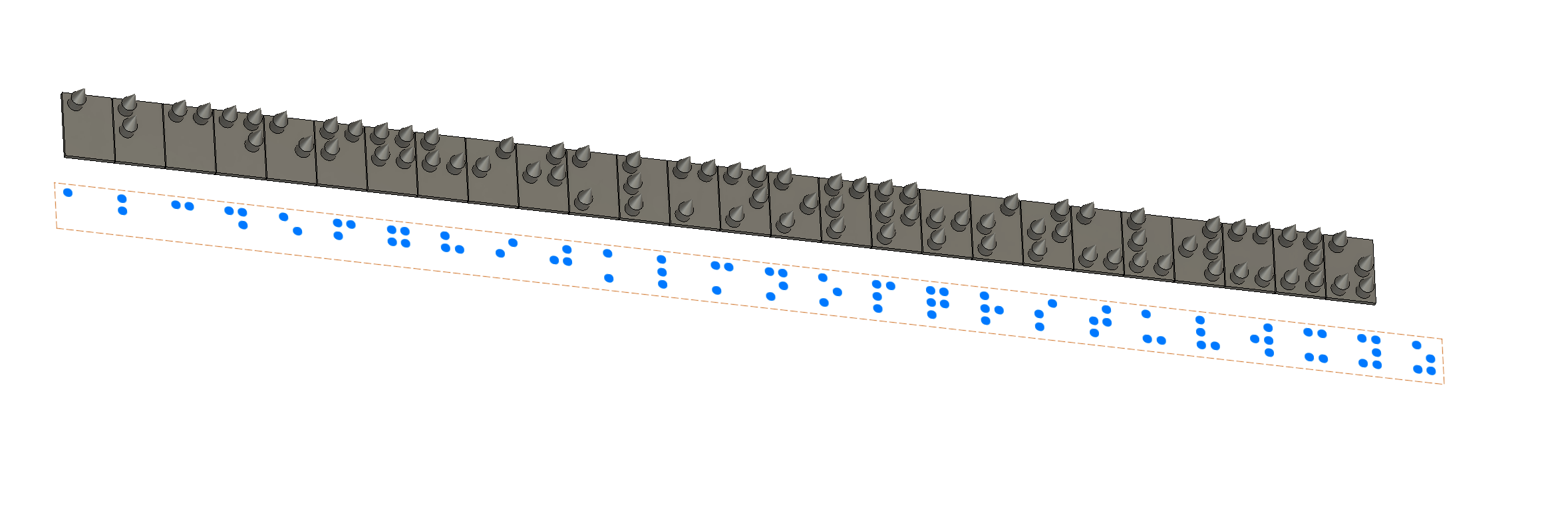
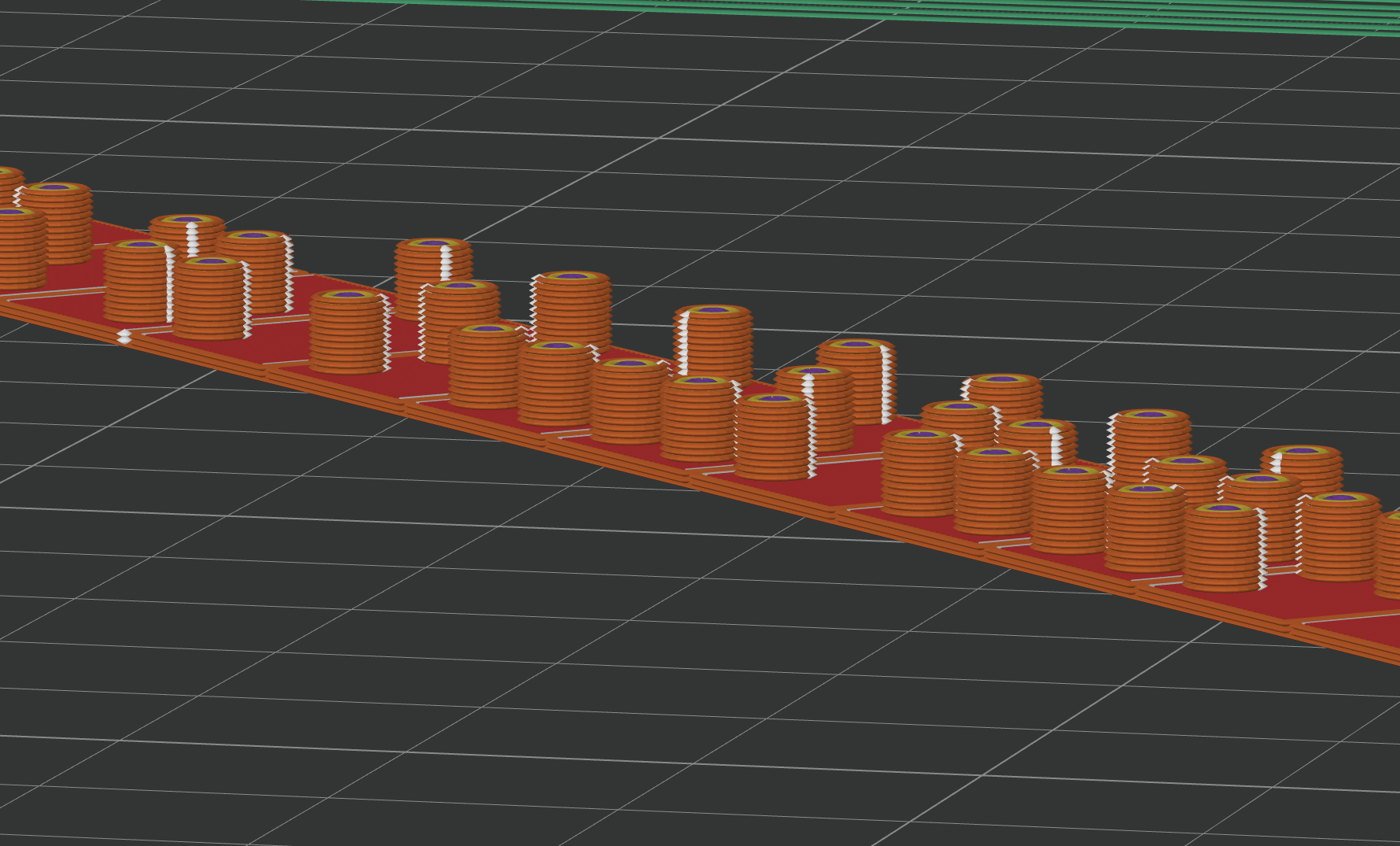
braille alphabet stamps made precisely to be wrapped around a 26 sided polygon of optimal length
-
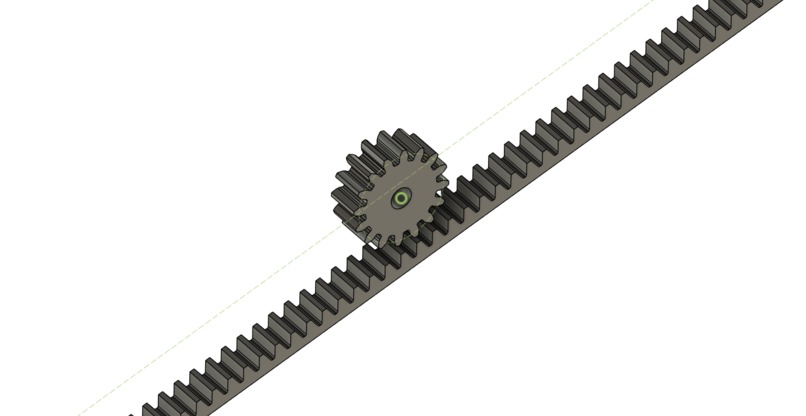
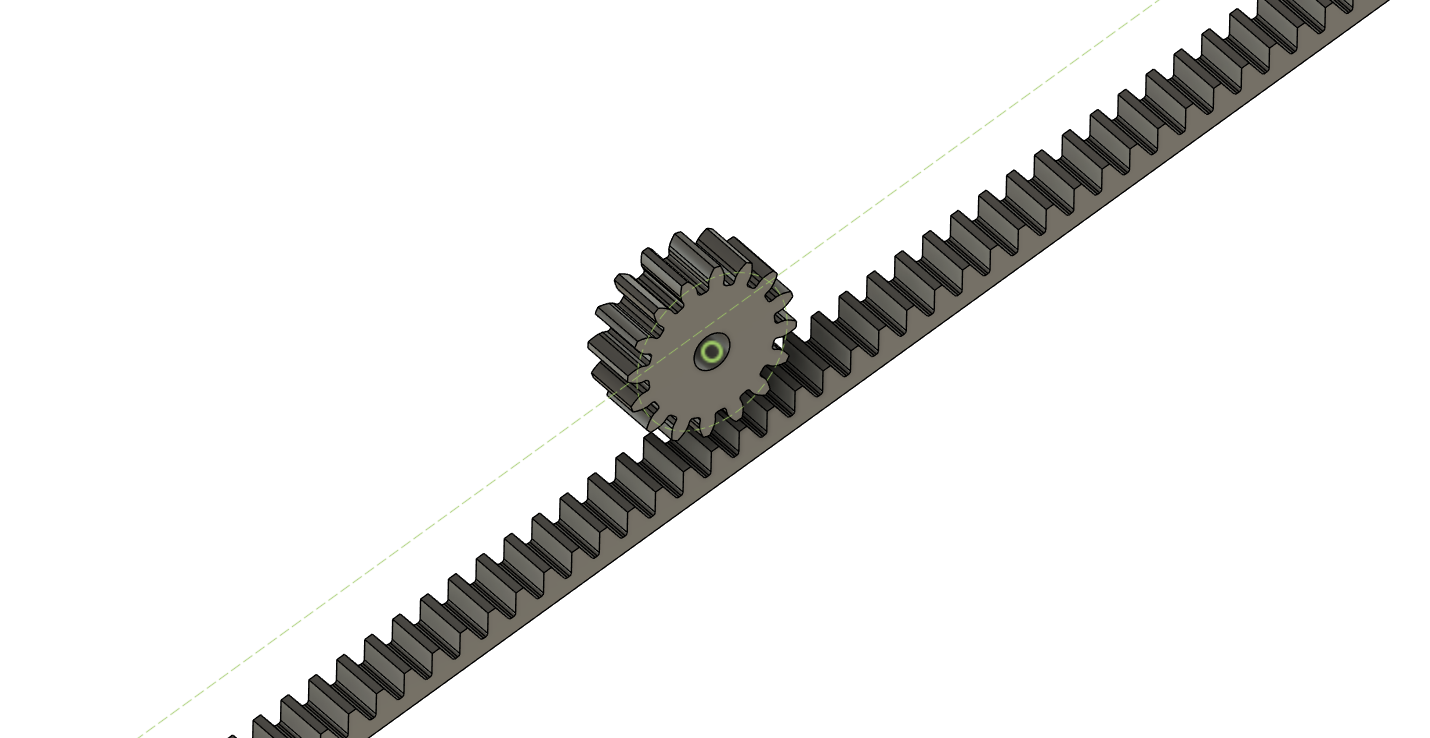
the gear and the rail for the gantry movement
-
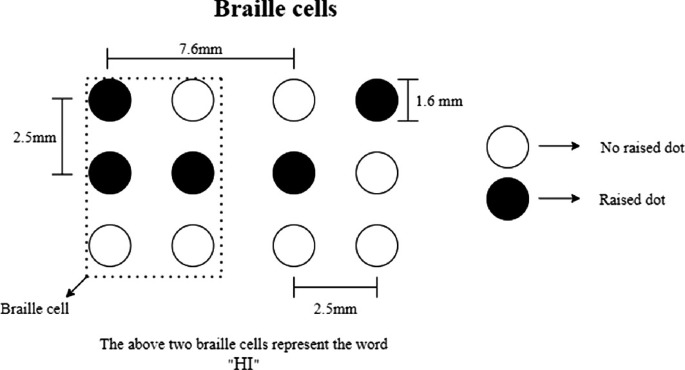
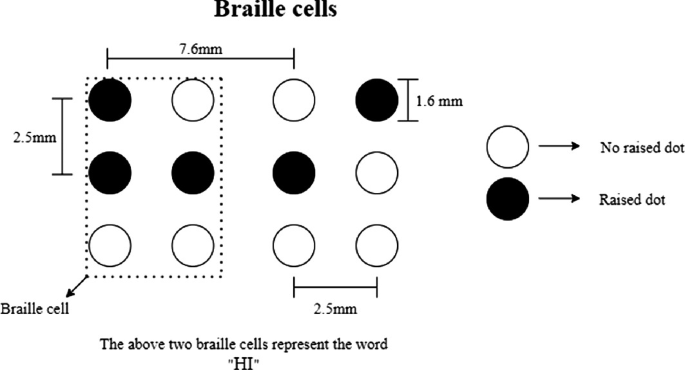
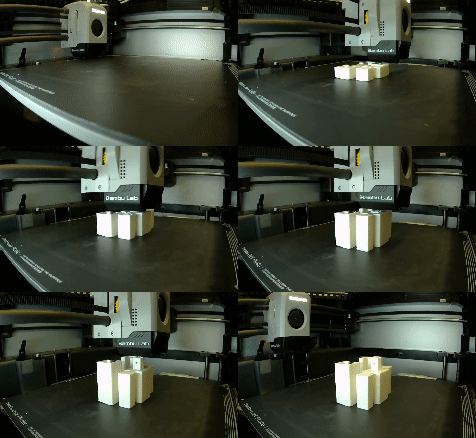
proper proportions for the braille stamps
-
 GIF
GIF
the linear actuator which convers rotationary motion of servo to linear up and down motion for the stamp wheell
-
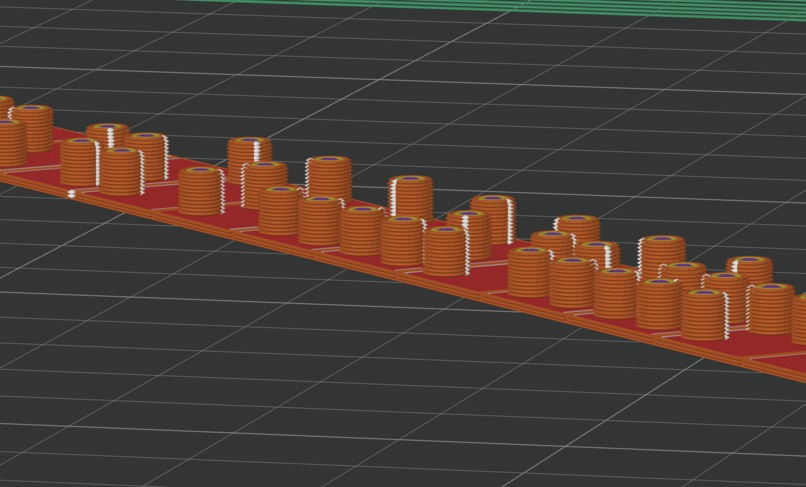
the g-code file of the braille stamp strip
Inspiration
The Braille Transfer Protocol (BTP) was created in an attempt to bridge the gap between the internet and the visually impaired.
What it does
The device can read a sheet of paper with a braille letter, decode it and post it on social media. After someone replies to the post, the device fetches the response and punctures it on the card. The user can then read the message in real life.
How we built it
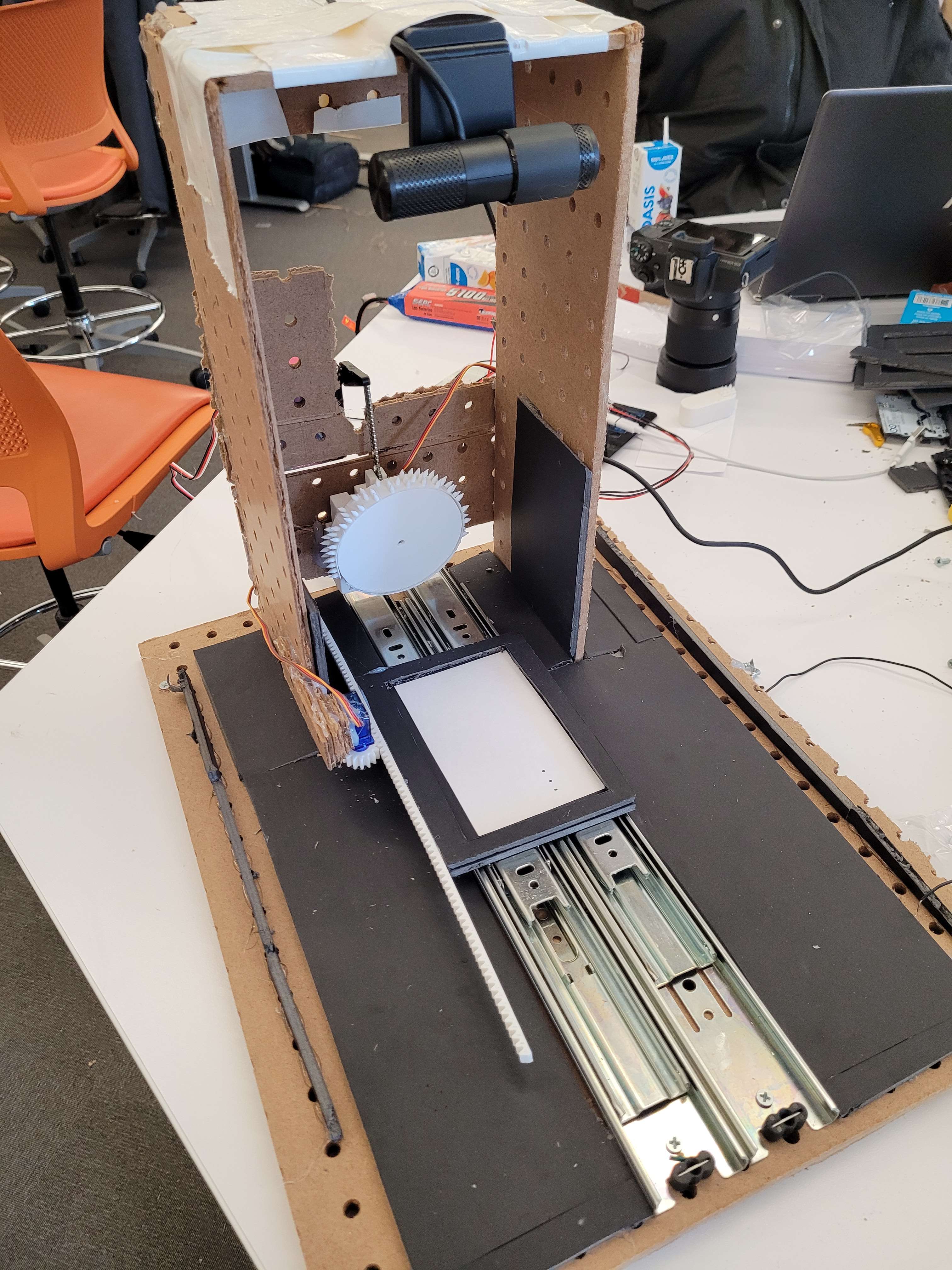
We built a rudimentary structure out of common construction materials. The servos are powered by an ESP32. The webcam is wired to a laptop where it captures and processes an image using Python and OpenCV. The communication between the ESP and laptop is done through a local server.
Challenges we ran into
We faced difficulties analyzing the image to detect the dot patterns and actual letter. We attempted to actually puncture the card and emboss the braille letter. This required precise servo control and a complex 3D printed device.
Accomplishments that we're proud of
We are proud to have succeeded in creating a 3D printed linear actuator. We also designed a unique wheel with a puncture mechanism.
What we learned
We learned about image processing OpenCV. We also improved our 3D printed skills.
What's next for Braille Transfer Protocol (BTP)
BTP's next challenge is creating and reading strings of characters.

Log in or sign up for Devpost to join the conversation.