-
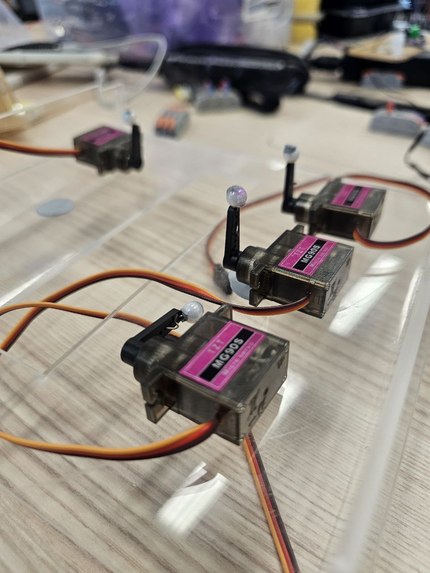
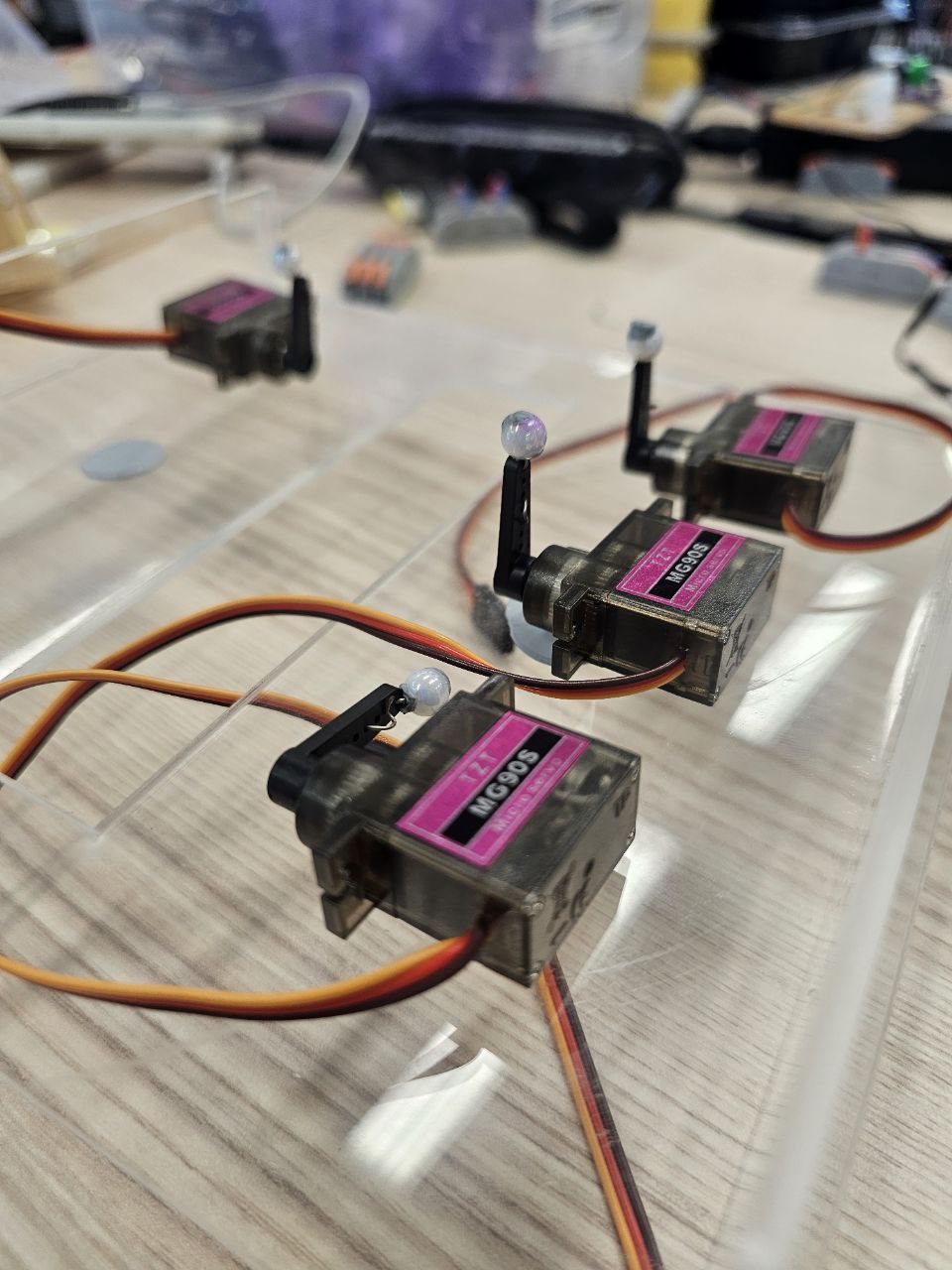
Lifting mechanism of the pins with servo motor
-
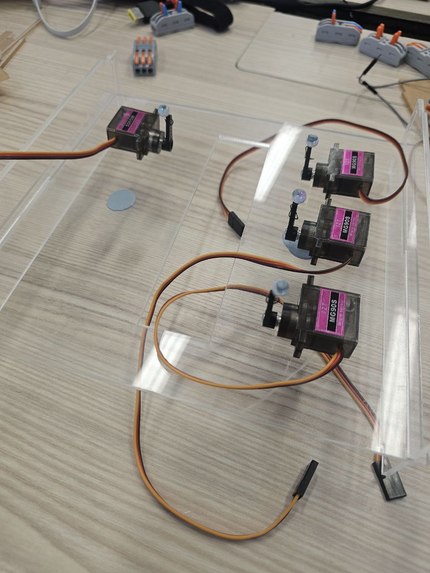
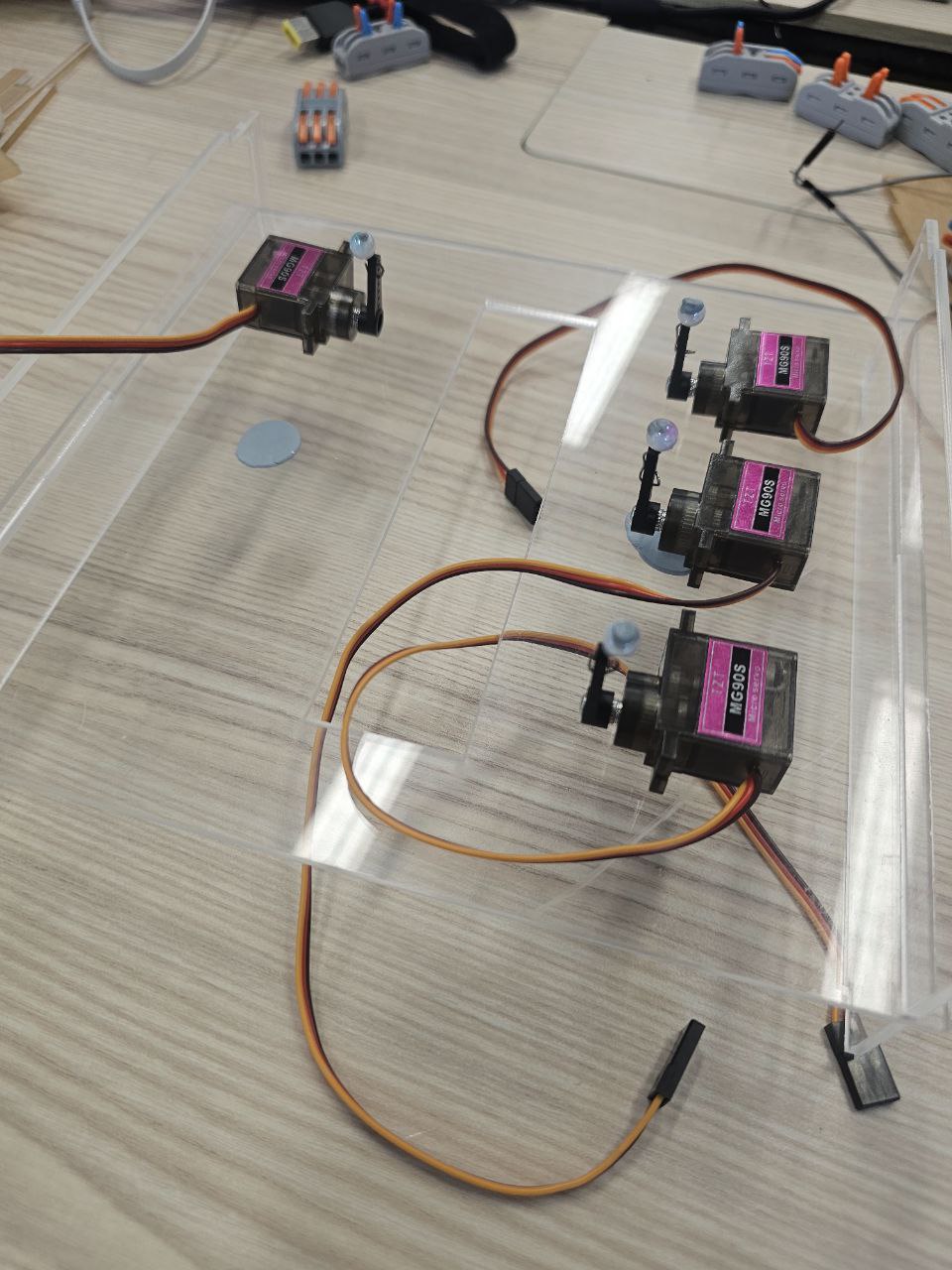
Arrangement of pins for the front of the gadget
-
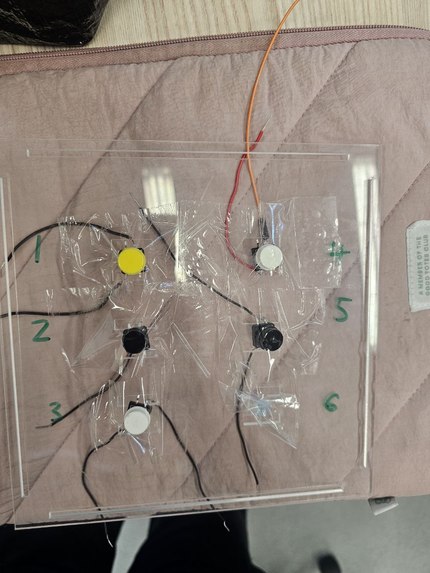
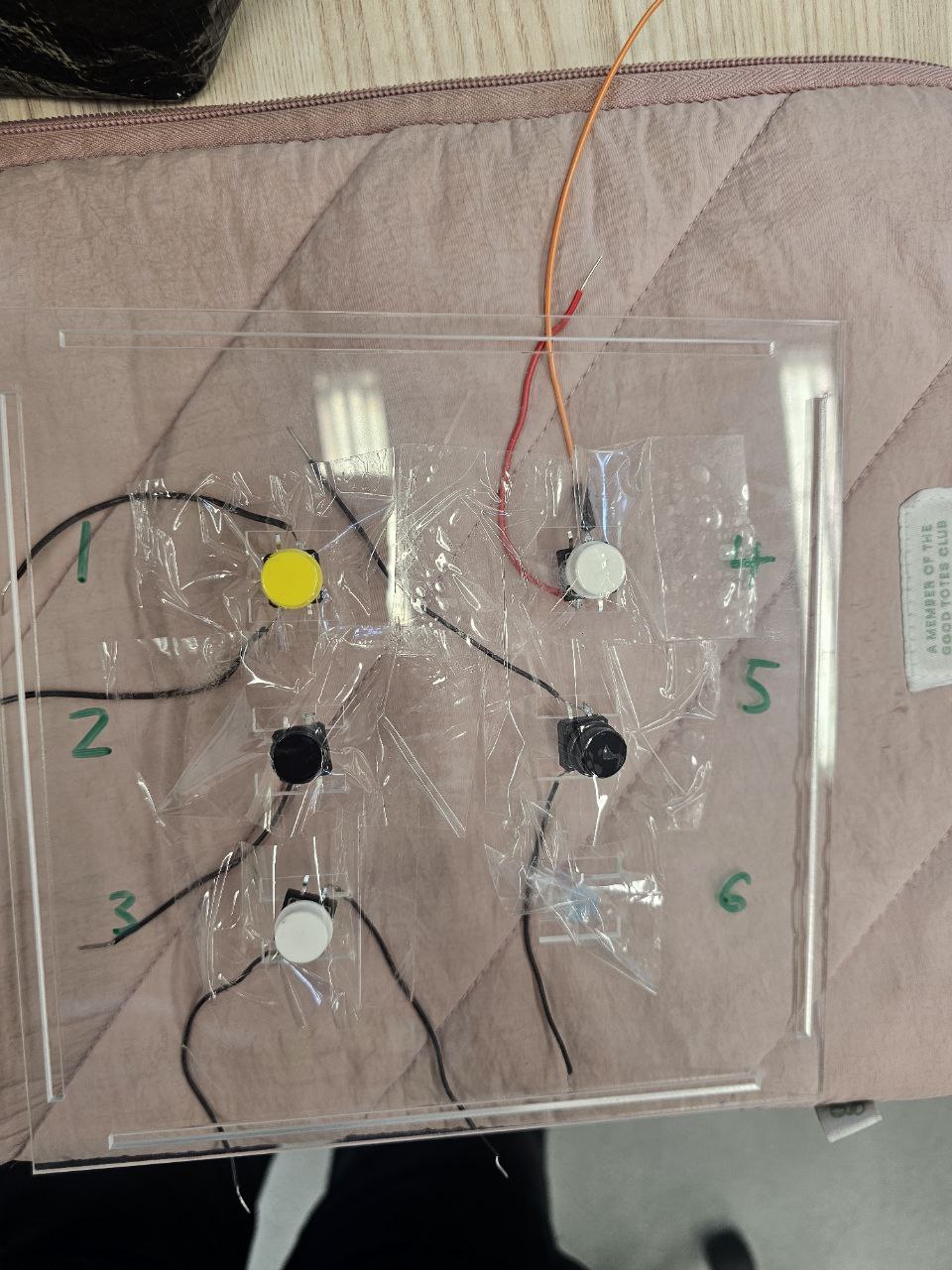
Back of the gadget
-
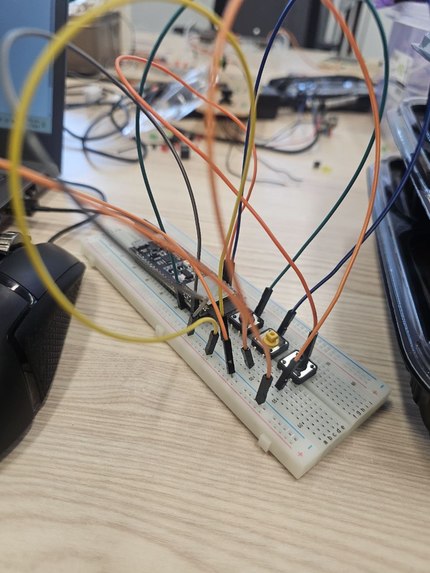
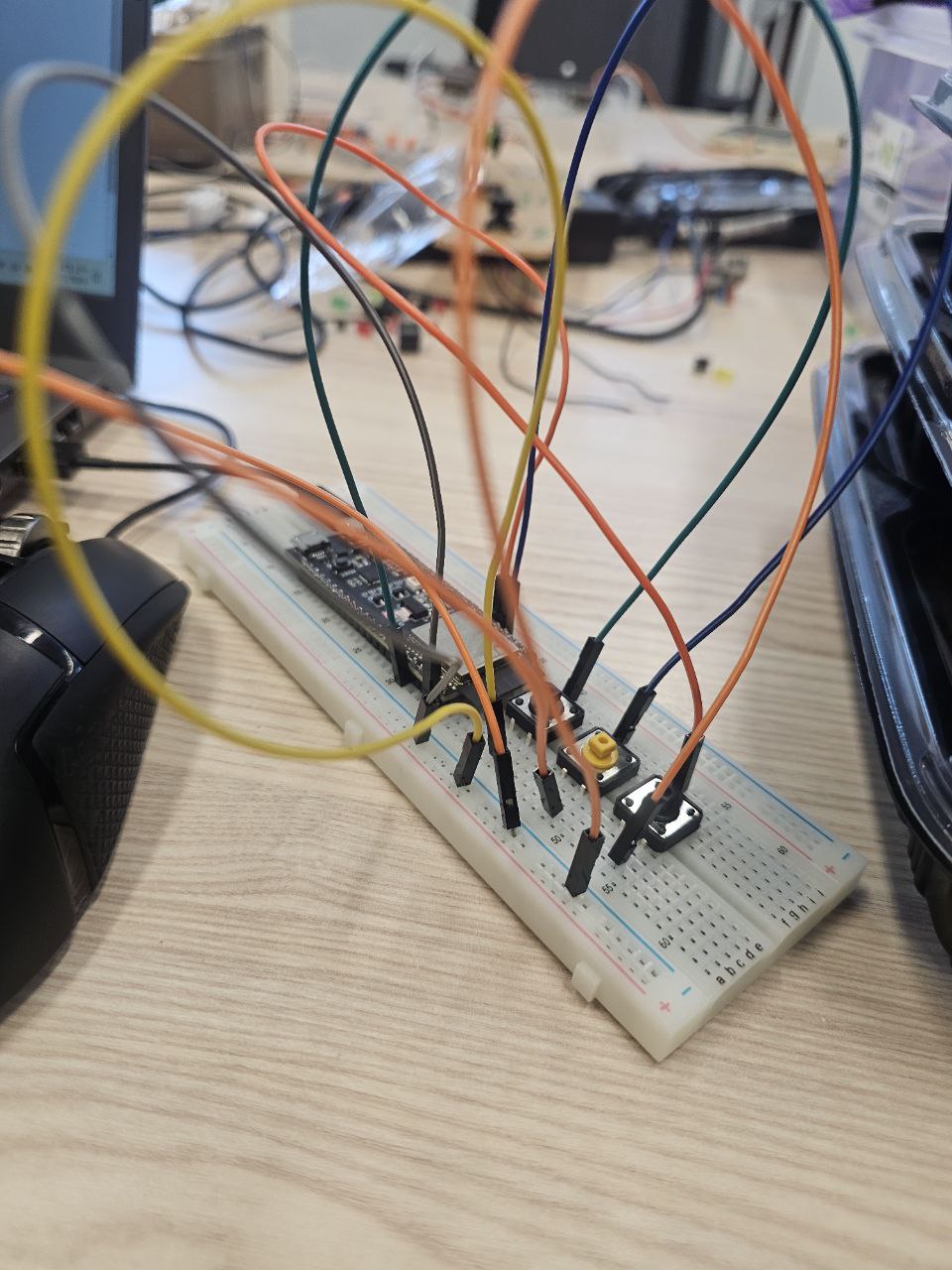
Breadboard connection
-
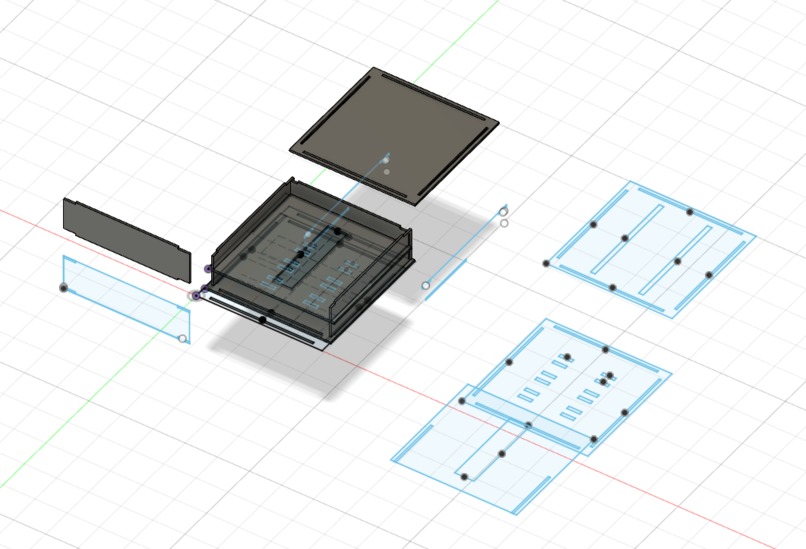
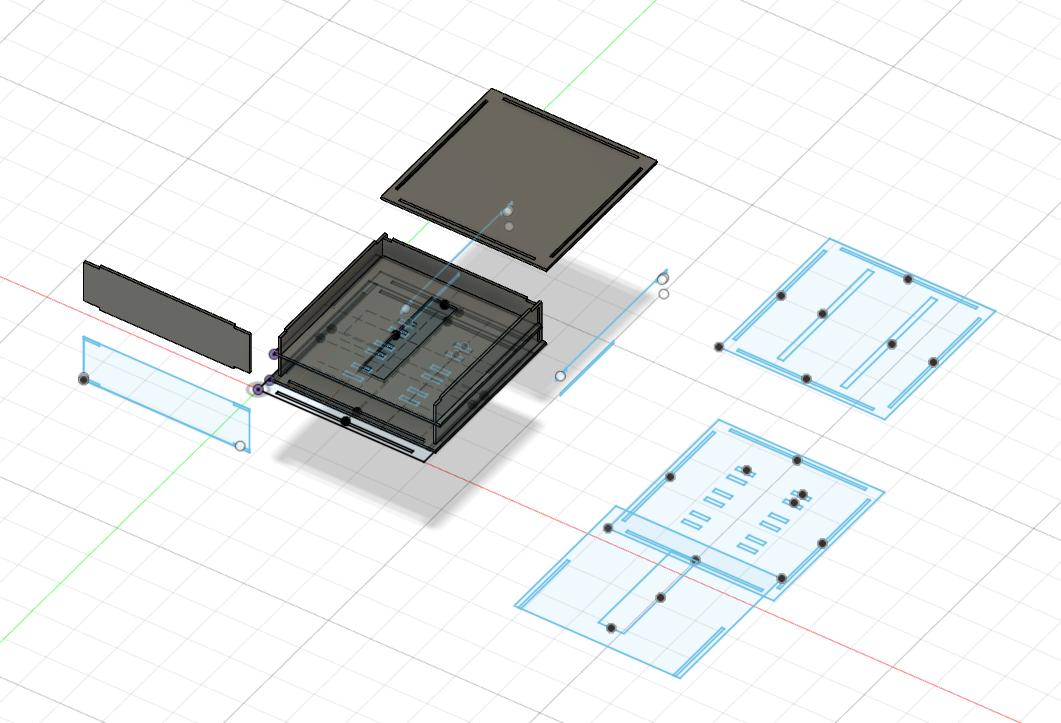
CAD of the casing housing electrical components
Inspiration
After understanding some of the challenges faced by the deafblind people in our community through online research, we were inspired to come up with a solution that aids them in their everyday life. Understanding the tedious process behind how they converse with others, we wanted to simplify this process and empower them in a way that they would be able to carry out their day-to-day tasks independently. We believe in the importance of providing the deafblind in our community a voice to express their opinions and thoughts to everyone.
What it does
Any foreign text input on the keyboard is translated into English and afterwards translated to Braille, displayed with the popping up of the pins for the deafblind users to touch.
Input on the Braille keyboard is translated and displayed according to the desired language output on the display screen for those conversing with the deafblind to see.
Deafblind user has to press a button on braille to store each of the letters. When finished, press another button to send full word, of which it will then be converted to text in the foreign language of choice.
How we built it
Description of software: Using esp32 as a central controller to receive the signal input from either normal keyboard or braille keyboard made by 6 buttons then convert them into text or braille respectively. With that, target users are able to understand people while feeling the braille shown with the pins whereas the people are able to communicate with the users by looking at the text shown on the screen
Description of hardware: Making use of the materials that we currently have to create a low-fidelity prototype, we used acrylic to make the casing which stores all our electrical components, utilizing buttons installed on the back of the prototype as the keys for users to type and beads that are joined to the servo motors to emulate the little dots that will rise and fall to make up the braille alphabets. We created a level platform within the casing using joinery to store the front and back electrical components separately.
Challenges we ran into
Unable to code the servo motor to function it in the desired way for the popping up of the pins. Insufficient time limit to build a prototype with all the functionalities we envisioned in the first place.
Accomplishments that we're proud of
Able to have input text on either normal or Braille keyboard translated into the desired output language for either user.
What we learned
Design thinking process from ideation to prototyping. Faced with various setbacks, we learnt how to overcome, settle for compromise and think outside of the box for unconventional solutions given the time constraints. We would also like to continue working on our project after this hackathon as well to make it even better.
What's next for Braille Buddy - 404 Brain Not Found
Speech recognition to text and audio output

Log in or sign up for Devpost to join the conversation.