Inspiration
A lot of people are visually impaired in this world and with Braille not being accessible everywhere, it is difficult for these people. I needed to do something.
What it does
If you were a parent of a blind child or a friend of a blind person, you could allow that person to read a book by placing a camera above them and watch as the text in the book magically converts to Braille. Also, if you were a parent of a deaf-blind kid, and there was a conversation going on, you could place the microphone near the deafblind kid and watch as the audio from the conversation becomes Braille.
How I built it
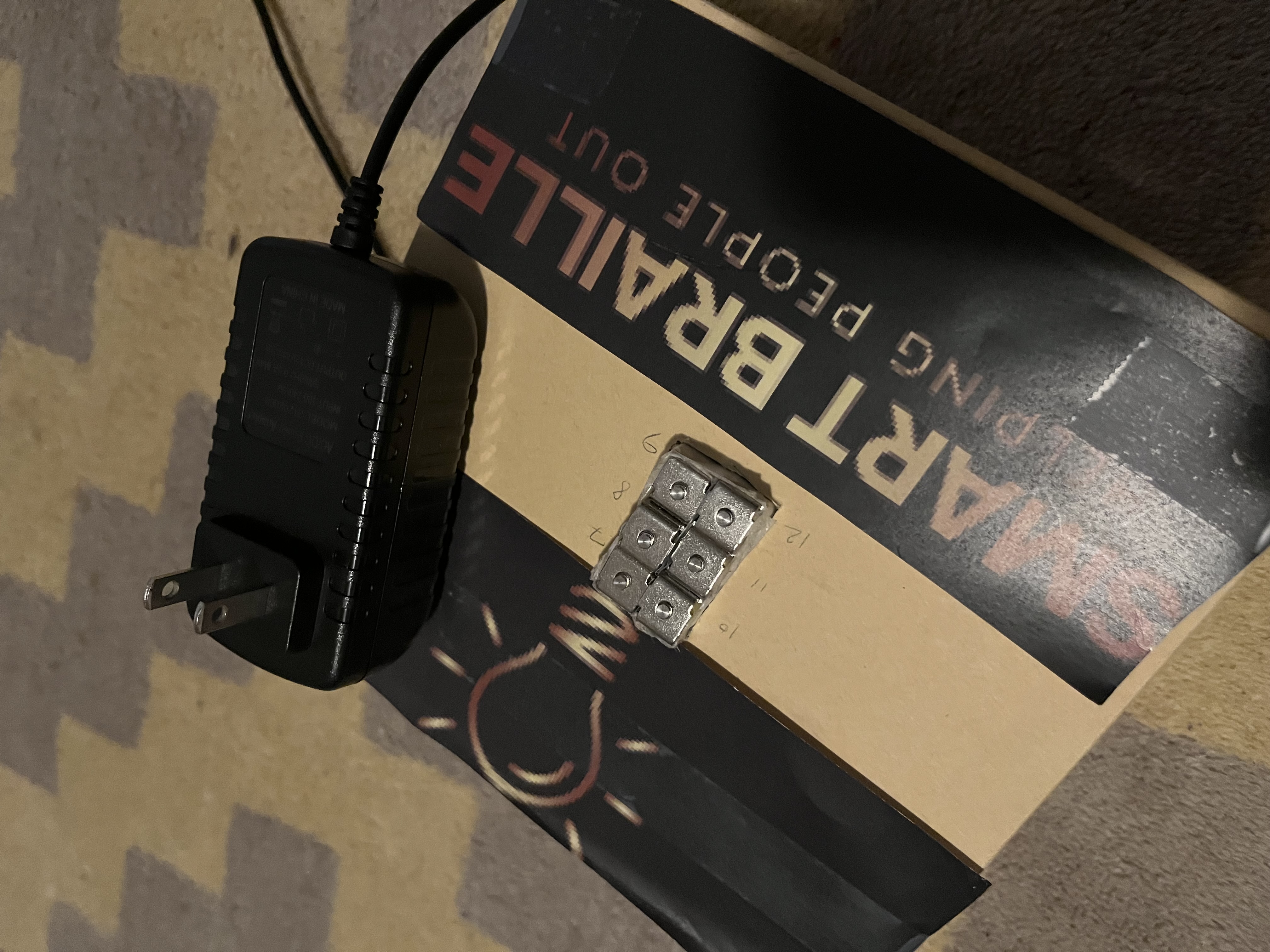
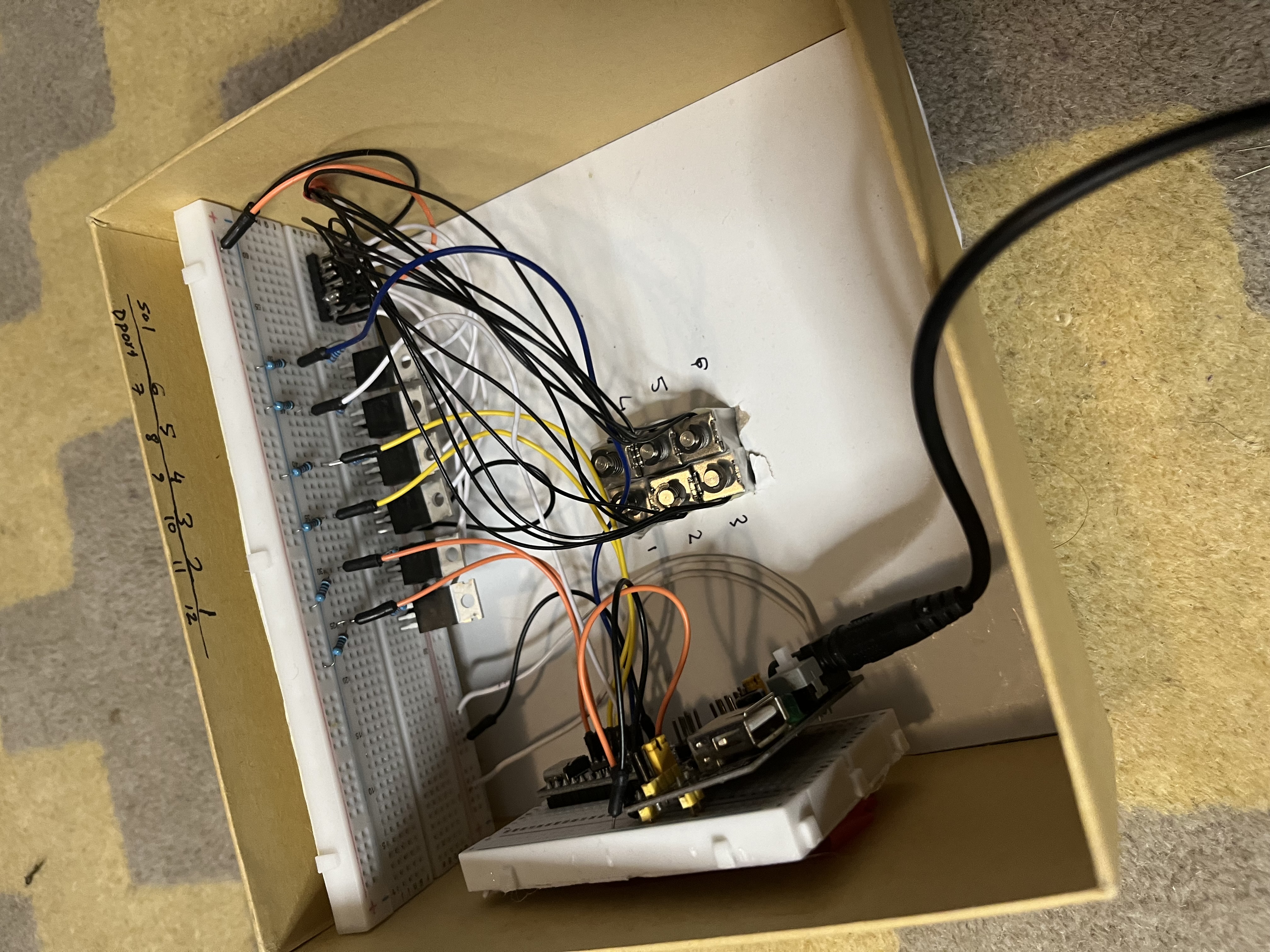
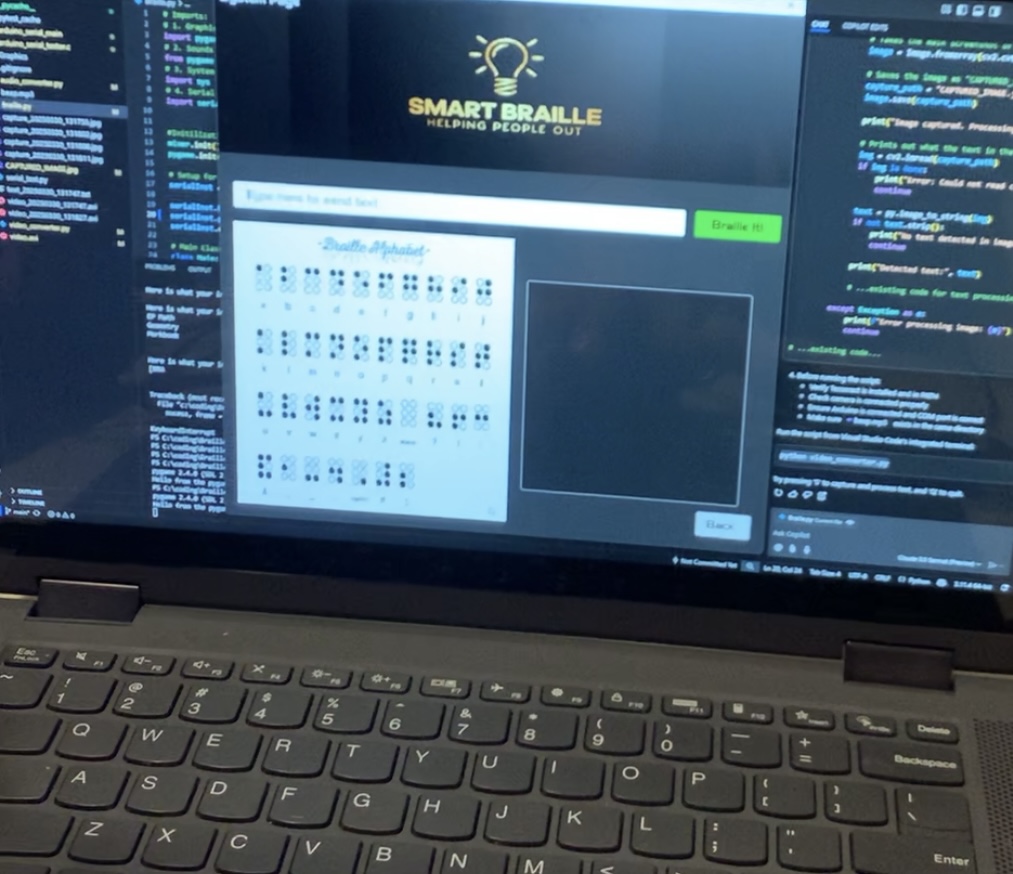
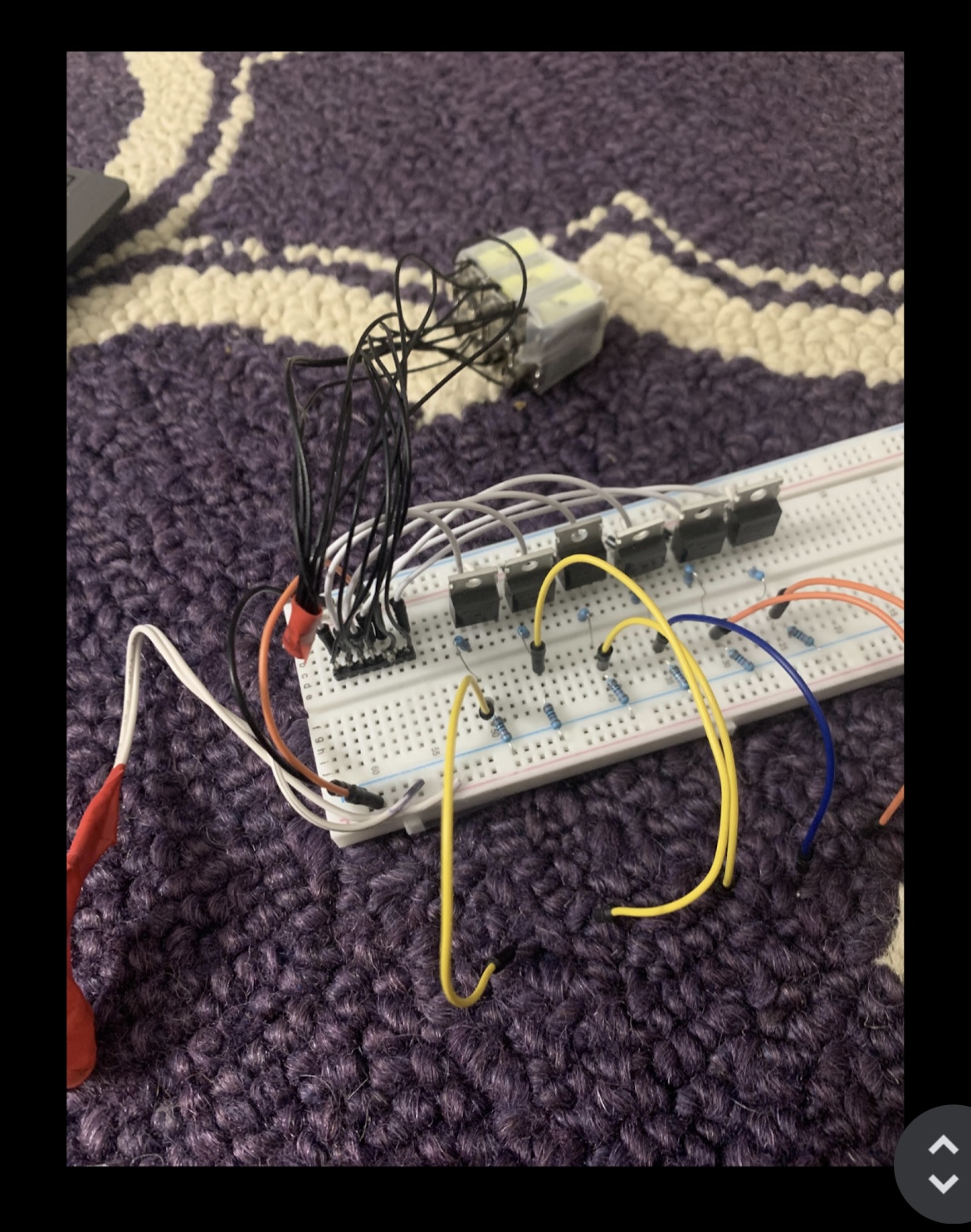
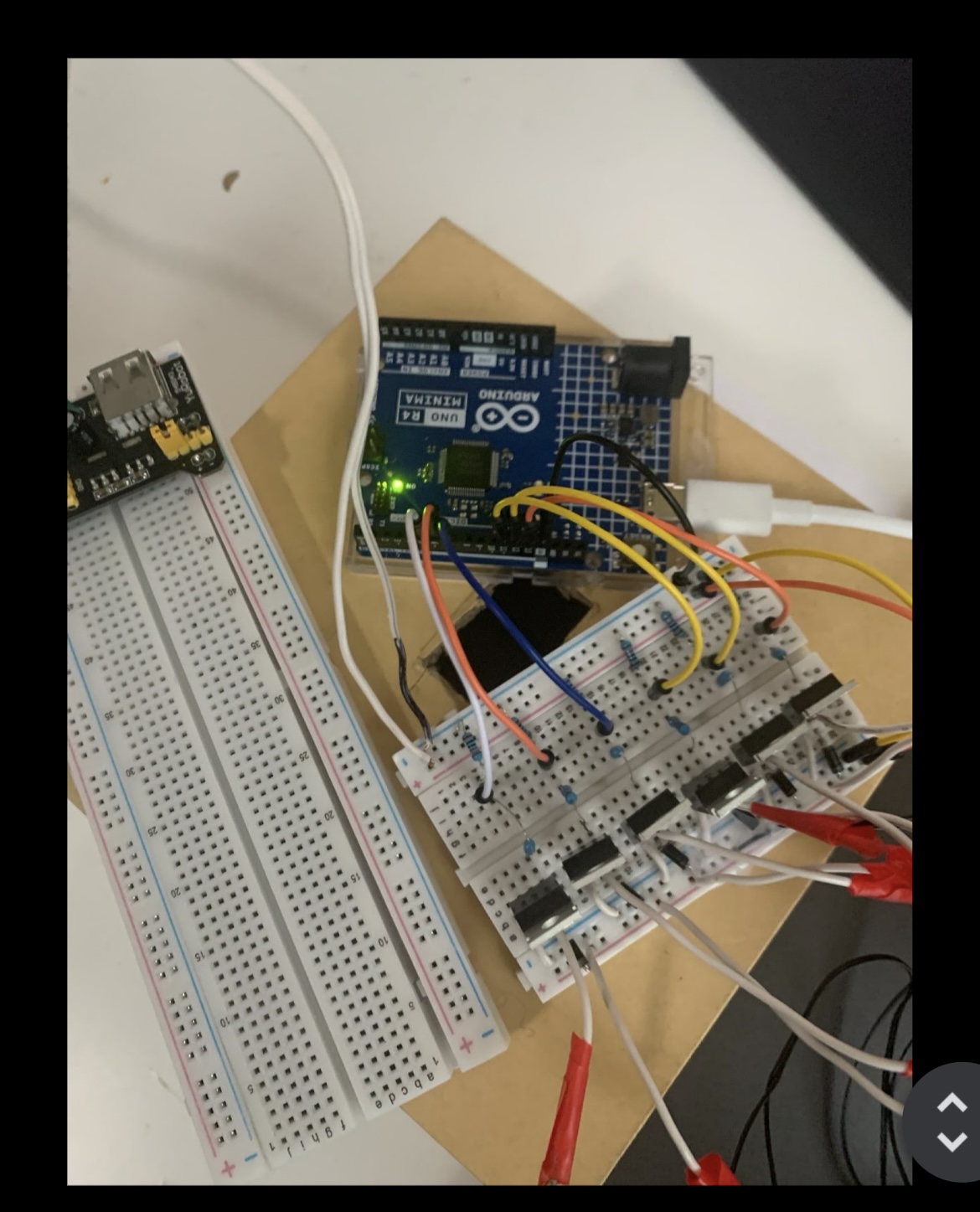
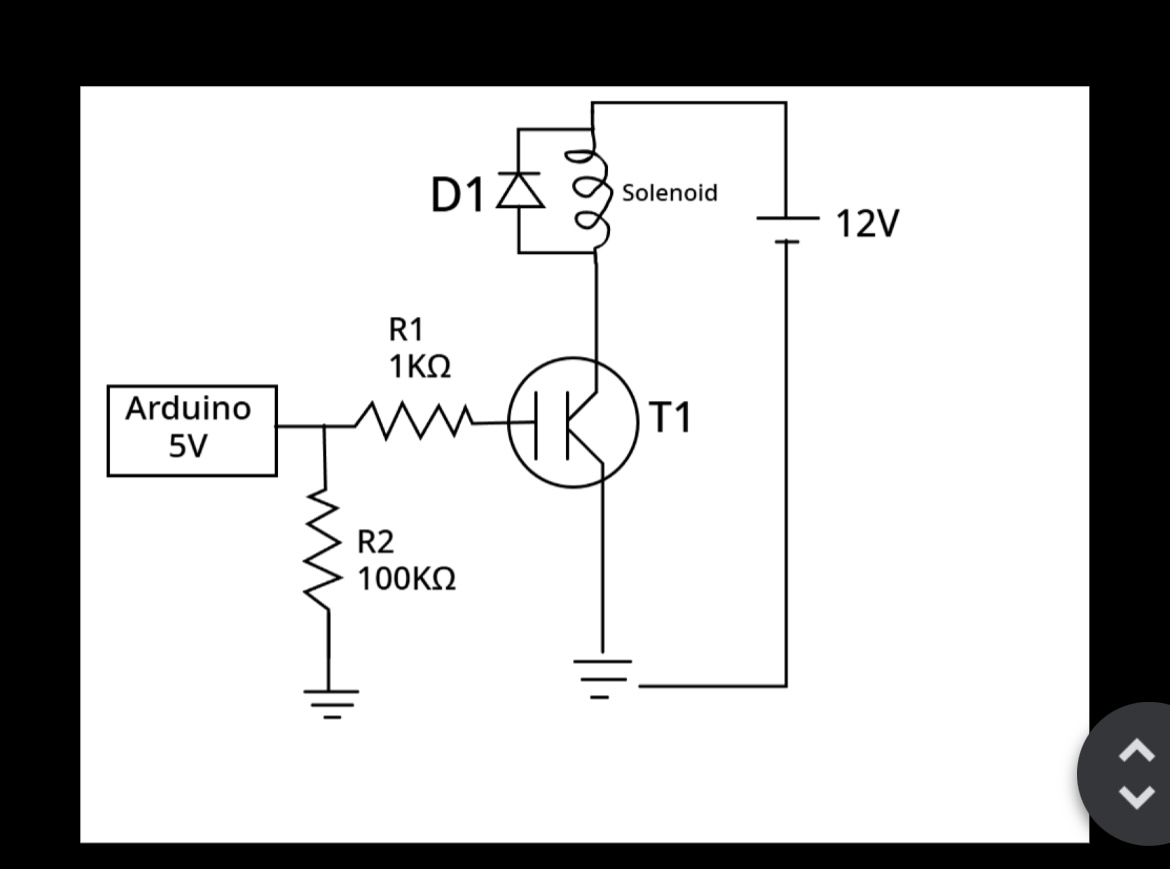
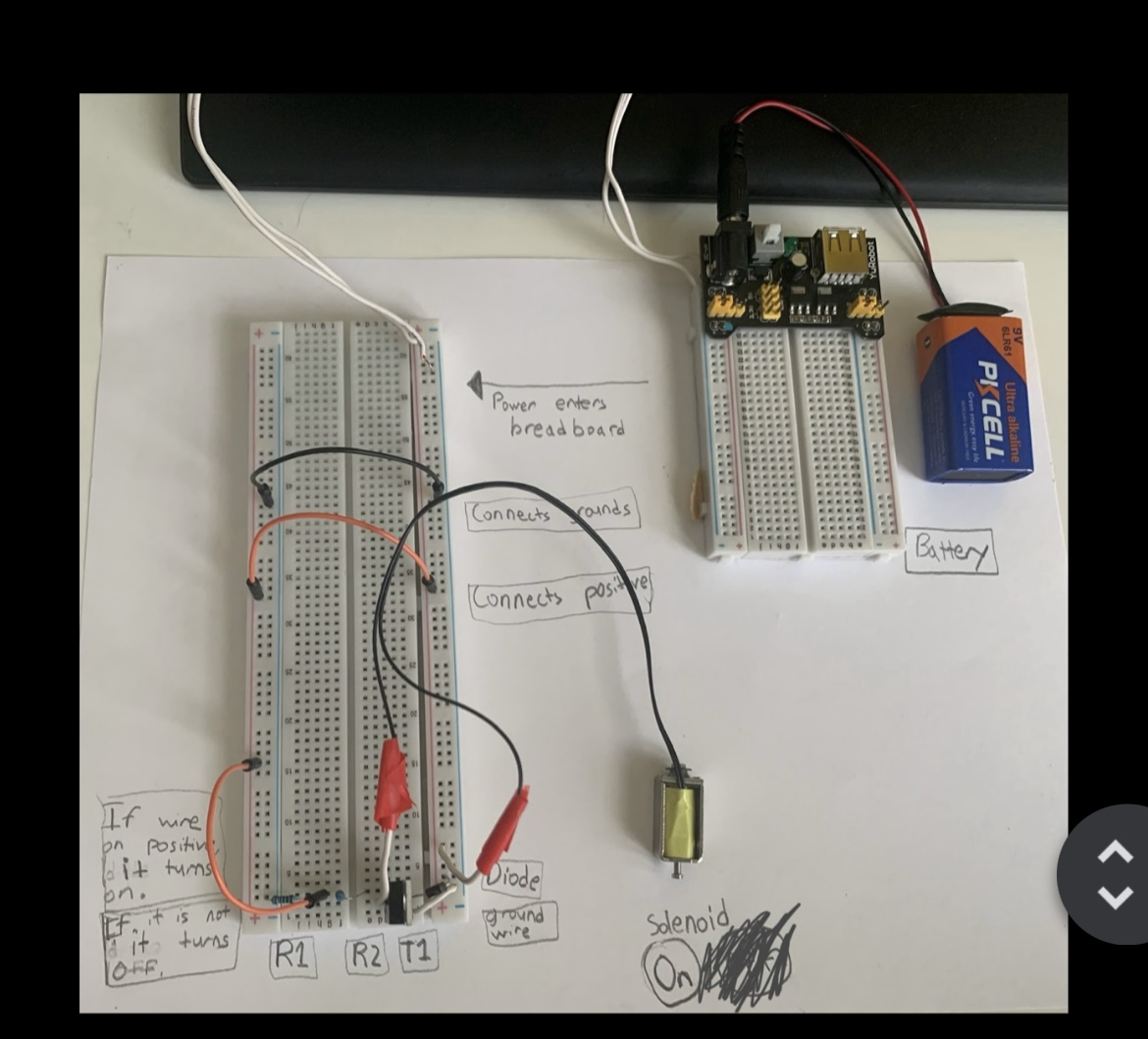
I used python for the base, pygame for the graphics, the serial library for communication between software and hardware, pytesseract for video to text, cv2 for recording a video, speech-recognition for audio to text, and finally Arduino and breadboards for the hardware. I used Arduino solenoids to display Braille and MOSFET transistors to control them.
Challenges I ran into
I procrastinated a lot and my Arduino board fried at the last second, so I had to get a new version which was hard to adjust to.
Accomplishments that I'm proud of
I made something that won me first place at a Carnegie Mellon science and engineering fair and also how well it worked out in the end.
What I learned
I learned new APIs and how to use breadboards/circuits even more.
What's next for Braille Box
Increasing accuracy, and making it into a mobile app.

Log in or sign up for Devpost to join the conversation.