-
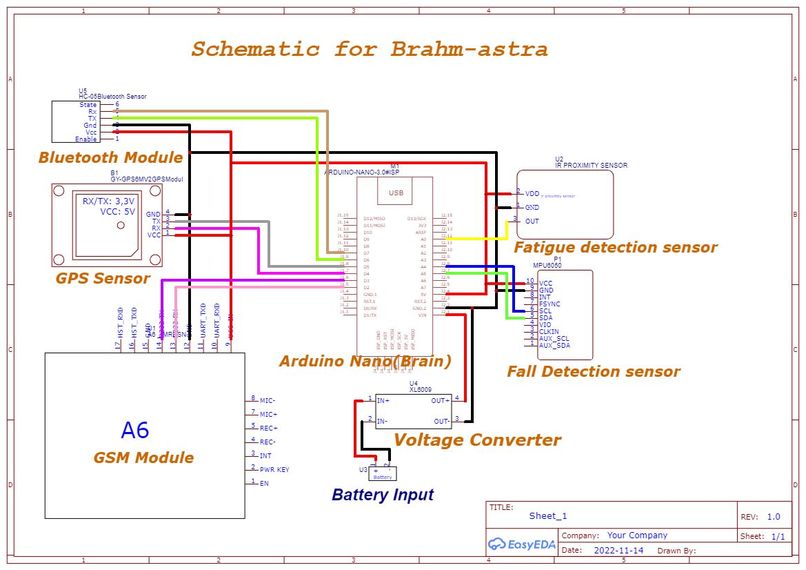
inner circuit
-
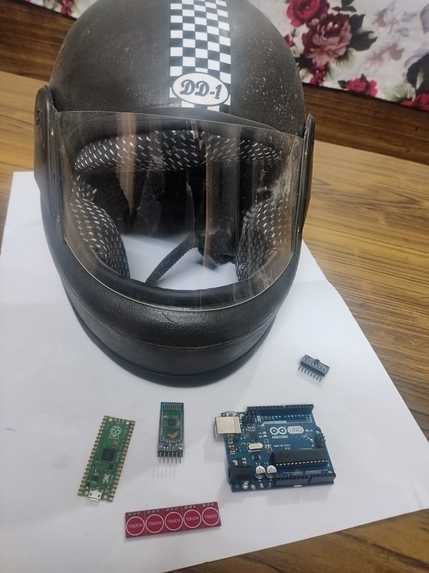


The inspiration behind a smart helmet with fall detection and calling features, as well as the ability to generate crypto currency and NFTs likely comes from a desire to create a more connected and financially empowered world. In which people not only wear helmet due to the fear of heavy penalty only. .
In terms of safety, the fall detection feature would be especially useful for athletes, motorcyclists, construction workers, or anyone else who might be at risk of falls or accidents. The calling feature would also be helpful for staying connected with loved ones or colleagues, even in remote or dangerous environments.
Overall, the inspiration behind this smart helmet likely comes from a desire to create a safer, more connected, and financially empowered world through the innovative use of technology.
What it does
A smart helmet with fall detection features and the ability to generate crypto currency and NFTs is a groundbreaking innovation that has the potential to revolutionize the way we think about safety, finance, and technology.
The fall detection feature is designed to activate automatically in the event of an accident, providing wearers with an added layer of protection and peace of mind. This feature could prove especially valuable for athletes, motorcyclists, and those who work in hazardous or remote environments.
In addition to its safety features, the helmet also has the capability to generate crypto currency through its built-in system. This means that wearers could potentially earn a passive income simply by wearing the helmet. They could also choose to invest in different models of NFT helmets, creating a new source of revenue and allowing them to collect unique and valuable digital assets.
The tangible helmet itself would be designed with both form and function in mind, with a sleek and stylish design that is also durable and comfortable to wear. The helmet's advanced technology and features would be seamlessly integrated into its design, making it a truly cutting-edge piece of safety equipment.
Overall, a smart helmet with fall detection and crypto currency/NFT capabilities represents a powerful convergence of safety, finance, and technology. Its potential to make our lives safer and more financially secure is truly inspiring, and it represents a bold step forward in our ongoing quest to create a better and more connected world.
How we built it
Building an NFT helmet with fall detection and temperature sensors using Arduino Uno, embedded C, and Google Maps API, and connecting it to a web app using Bluetooth, is a fascinating project that brings together hardware, software, and connectivity.
To build the helmet, we would start by assembling the necessary hardware components, including the Arduino Uno board, fall detection sensor, temperature sensor, and Bluetooth module. The sensors would be programmed to detect falls and sudden changes in temperature, and the Bluetooth module would enable communication between the helmet and a connected web app.
To create the NFT aspect of the helmet, we would use Google Maps API, Solidity, MetaMask wallet, and crypto generation software, as previously mentioned. Google Maps API would allow us to generate unique, location based NFTs that correspond to the wearer's location and experiences.
To connect the helmet to a web app, we would use Bluetooth connectivity. The web app would be designed to receive data from the helmet's sensors, display the wearer's location on a map, and enable the creation and management of NFTs through the MetaMask wallet. The web app would also be integrated with a Meta mall, allowing wearers to buy, sell, and trade their unique NFTs.
Overall, building an NFT helmet with fall detection and temperature sensors, and connecting it to a web app using Bluetooth, is a complex project that requires a combination of hardware and software expertise. The resulting product could potentially revolutionize the way we think about safety, connectivity, and finance, and create a new market for unique and valuable digital assets.
Challenges we ran into
One challenge is ensuring that the fall detection and temperature sensors are reliable and accurate. The sensors must be calibrated correctly and tested thoroughly to ensure that they provide accurate readings and detect falls and sudden temperature changes promptly. This requires a deep understanding of hardware design and programming.
Another challenge is ensuring that the Bluetooth connection between the helmet and the web app is secure and reliable. The connection must be encrypted to protect against hacking attempts, and the app must be designed to handle potential connection dropouts.
Integrating the Google Maps API and Solidity smart contracts to generate NFTs also presents a challenge. Both require specialized knowledge of programming languages, and Solidity is a relatively new language that requires careful attention to detail to avoid errors or security vulnerabilities.
Finally, integrating the MetaMask wallet and Metamall requires careful attention to security and user experience. The MetaMask wallet must be secure and user-friendly, and the Metamall must be designed to handle a potentially large volume of transactions while ensuring the safety of buyers and sellers.
Overall, building an NFT helmet with fall detection and temperature sensors, connecting it to a web app using Bluetooth, and integrating it with Google Maps API, Solidity, MetaMask wallet, and Metamall presents several significant challenges that require specialized knowledge and careful attention to detail. However, overcoming these challenges could lead to a revolutionary new product that combines safety, connectivity, and finance in a unique and valuable way.
Accomplishments that we're proud of
Building a smart helmet with NFT capabilities is a significant accomplishment that we can be proud of. By incorporating fall detection and temperature sensors, we are providing a cutting-edge safety feature that can help save lives. The ability to create unique NFTs based on the wearer's location and experiences provides an innovative financial opportunity that has never been explored before. This project has the potential to revolutionize the helmet industry and inspire more people to wear helmets when they're out and about.
Our NFT system is revolutionary because it combines location-based data with smart contract technology. This means that each NFT created is unique and valuable, providing an opportunity for people to invest in and own a piece of their experiences. This could lead to a new market for unique and valuable digital assets that people can trade and invest in.
Overall, we are proud of the work that we have done in building a smart helmet with NFT capabilities. We believe that this project has the potential to make a significant impact on the helmet industry and inspire more people to wear helmets when they're out and about. With our revolutionary NFT system, we are also creating a new market for unique and valuable digital assets that can be owned and traded by people all over the world.
What we learned
One of the first things the team can do is to talk to people who wear helmets to understand their needs and preferences. This can help the team design a helmet that is comfortable, functional, and appealing to potential users.
Another aspect of building a smart NFT helmet involves learning about blockchain technology and hardware. The team will need to have a good understanding of how blockchain works,
Handling errors is another crucial part of the learning process. When building a complex system like a smart NFT helmet, errors and bugs are inevitable. It's essential for the team to have a good error-handling strategy in place,
Managing the team is also a critical aspect of the project's success. Assembling a diverse team with a mix of skills and backgrounds can bring new perspectives and insights to the project.
Finally, accomplishing the project requires a well-defined plan, a clear understanding of project requirements and timelines, and effective communication among team members.
In summary, building a smart NFT helmet requires a lot of learning and collaboration from the team. By talking to people who wear helmets, learning about blockchain hardware, handling errors, managing the team, and accomplishing the project, the team can build a successful and innovative product that meets user needs and expectations.
What's next for Brahm-Astra
One potential future plan for the smart NFT helmet is to provide users with their cryptocurrency wallets that can be securely stored within the helmet's hardware. This feature will allow users to manage their cryptocurrency assets while on the go, without the need for an external wallet or a separate device. The helmet can provide a user-friendly interface that enables users to view their balance, monitor transactions, and even make payments to merchants who accept cryptocurrencies.
Another future plan for the smart NFT helmet is to incorporate NFT (non-fungible token) technology, which can provide unique digital assets that are stored on the blockchain.
Moreover, the smart NFT helmet can be designed to provide additional safety features, such as a built-in camera or sensors that can detect potential hazards on the road, such as potholes or obstacles.
In conclusion, the smart NFT helmet has a promising future with the integration of blockchain technology and cryptocurrency. With features such as cryptocurrency wallets, NFT integration, smart device integration, and additional safety features, the smart NFT helmet can provide users with a unique and multifunctional experience that goes beyond traditional helmets' protective functions.


Log in or sign up for Devpost to join the conversation.