-
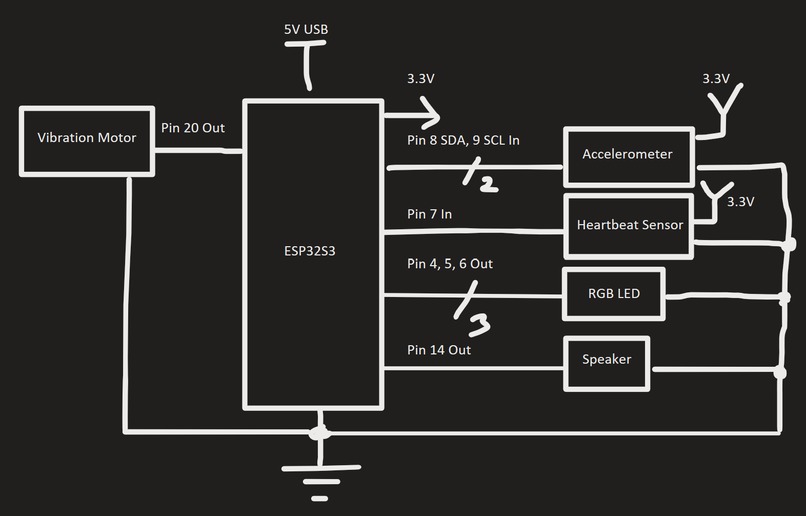
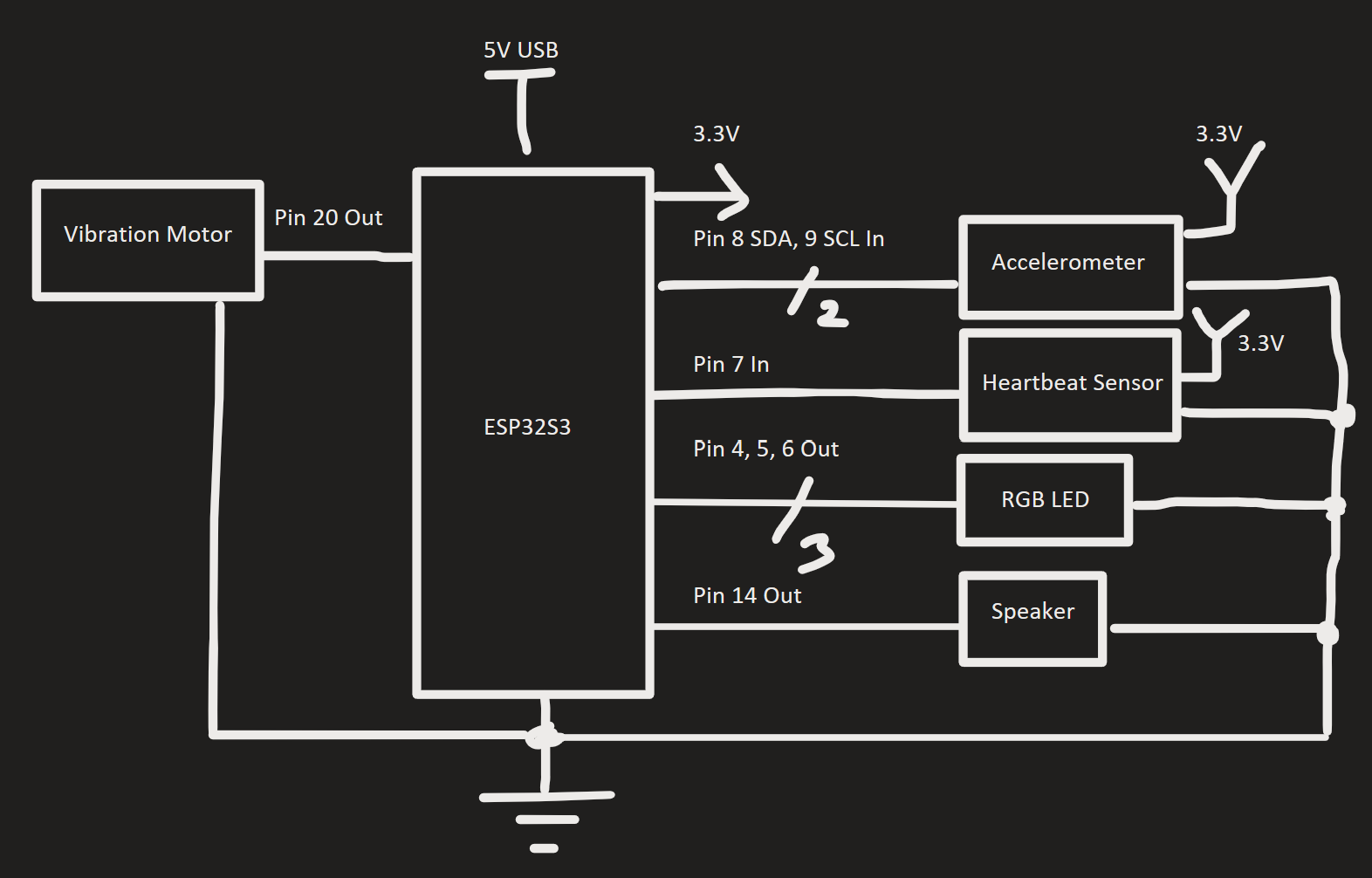
Simplified circuit diagram for Brace.
-
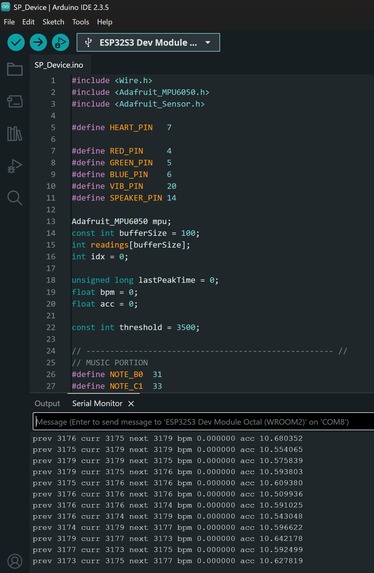
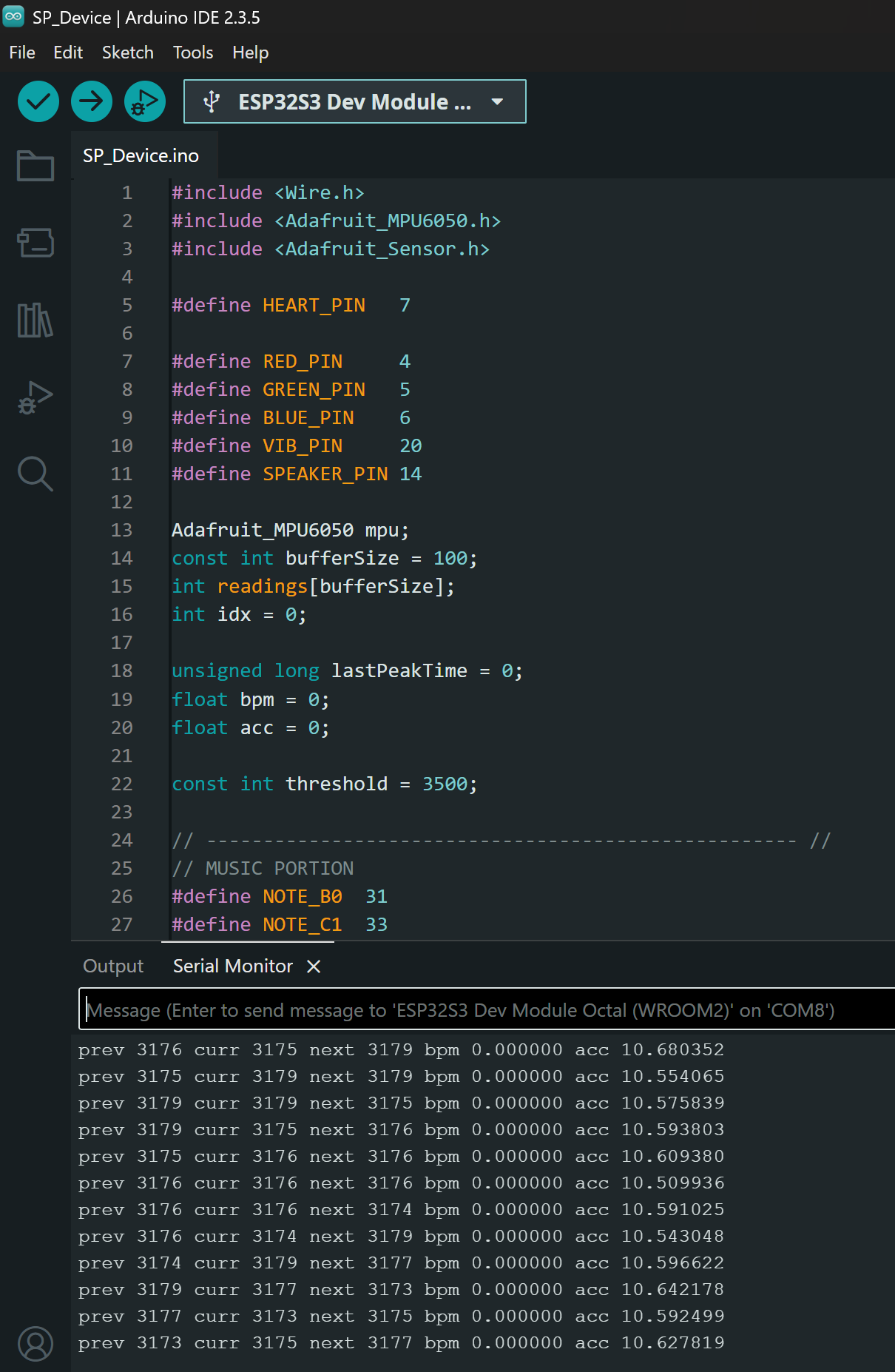
Coding with debugging output.
-
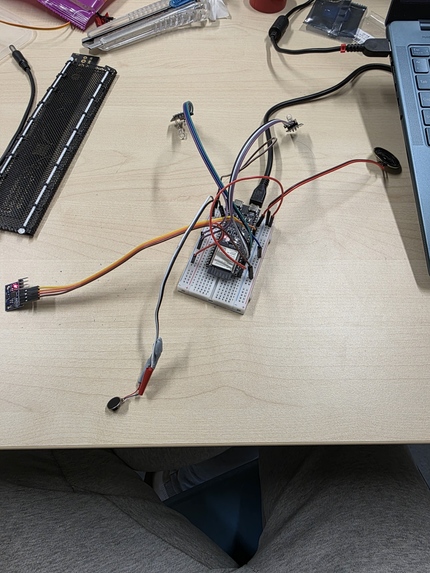
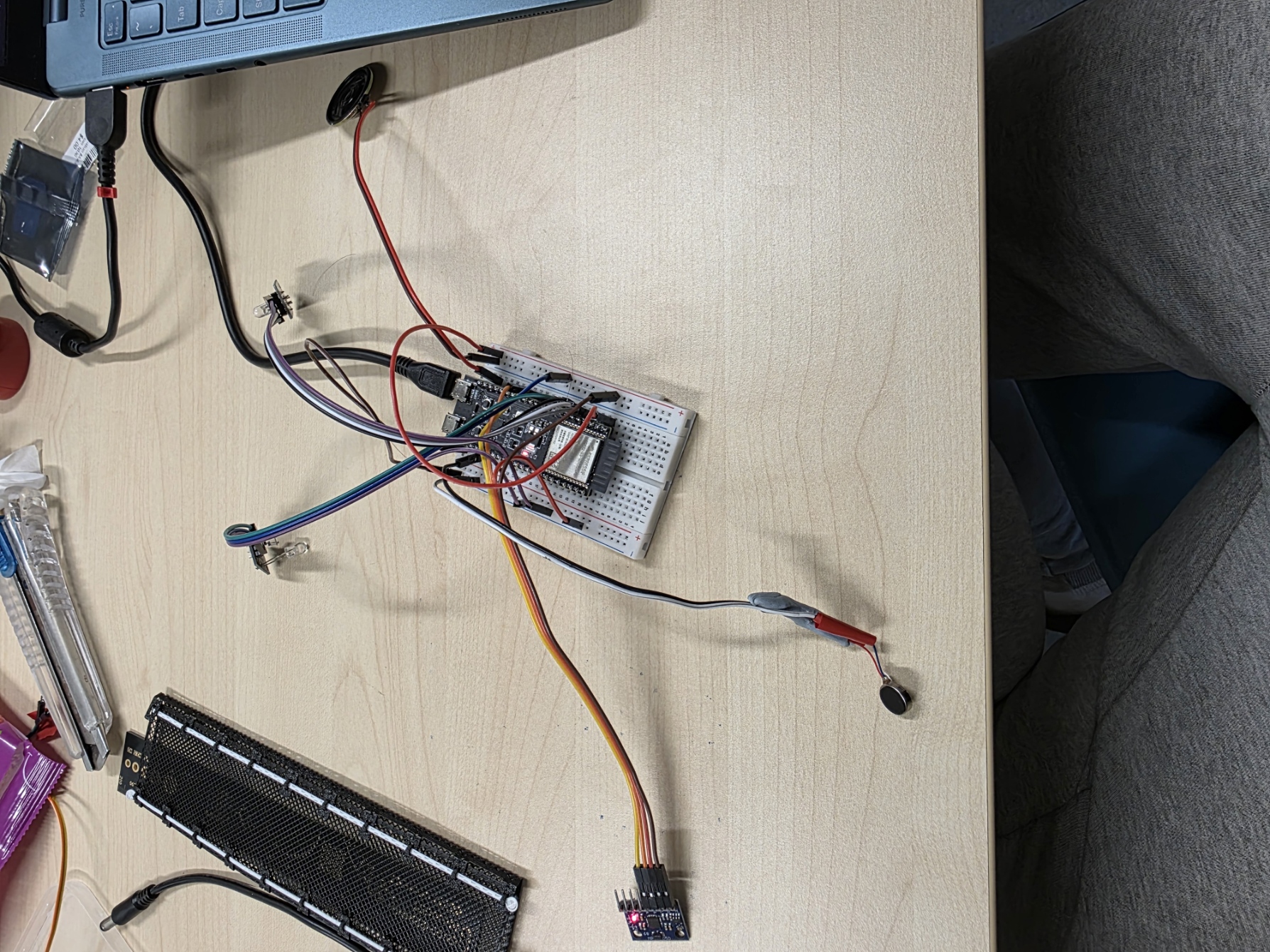
Testing of all the sensors and electronic components.
-
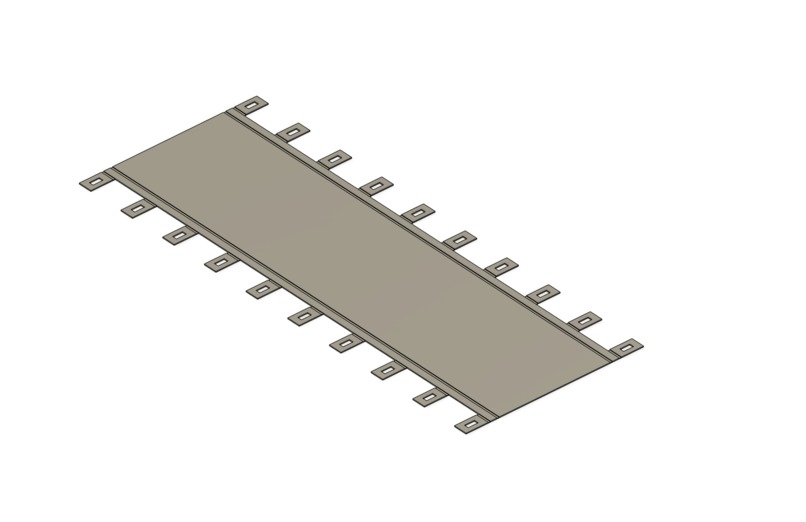
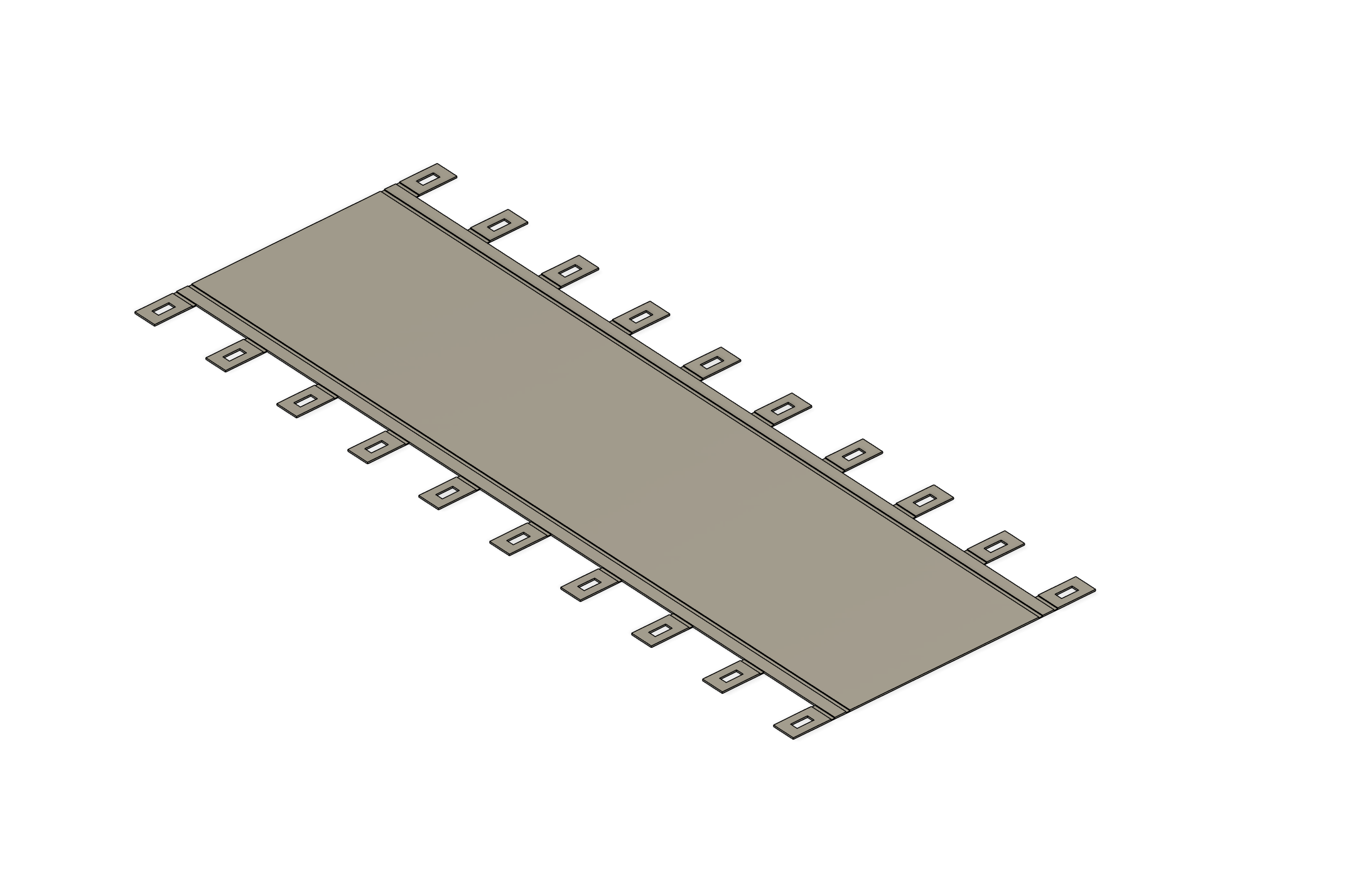
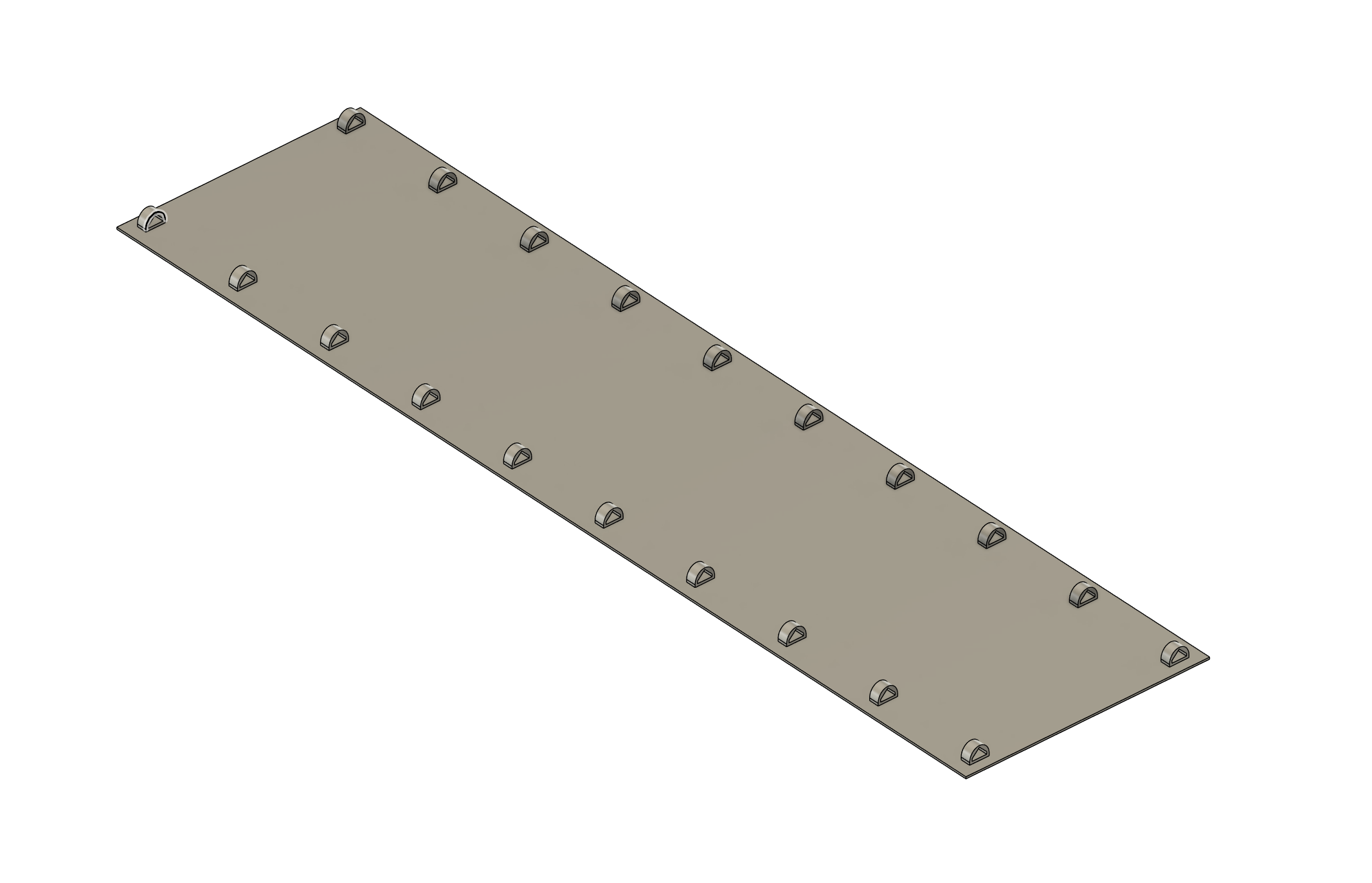
Base of the bracelet.
-
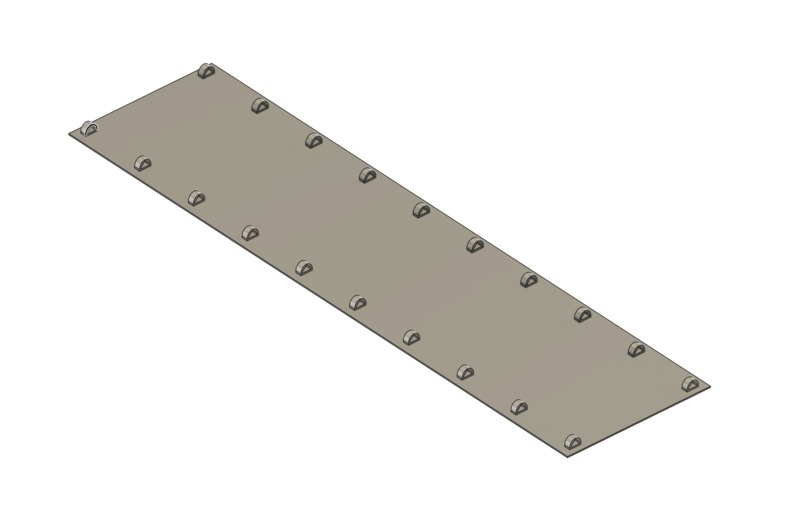
Cover of the bracelet.
-
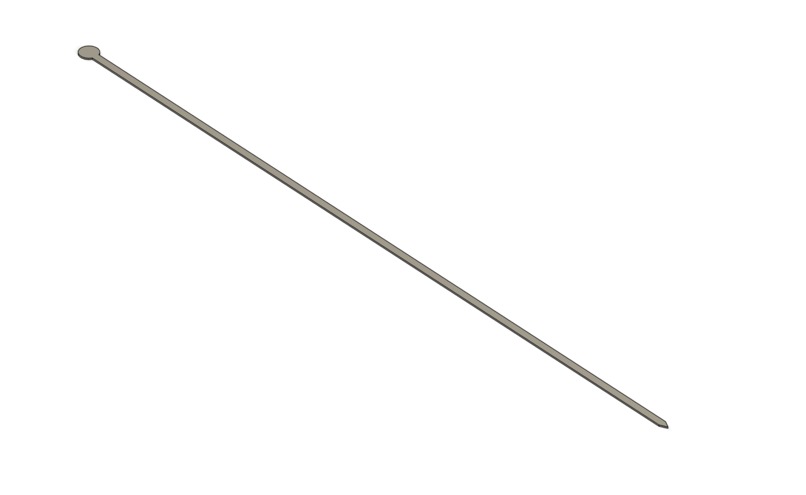
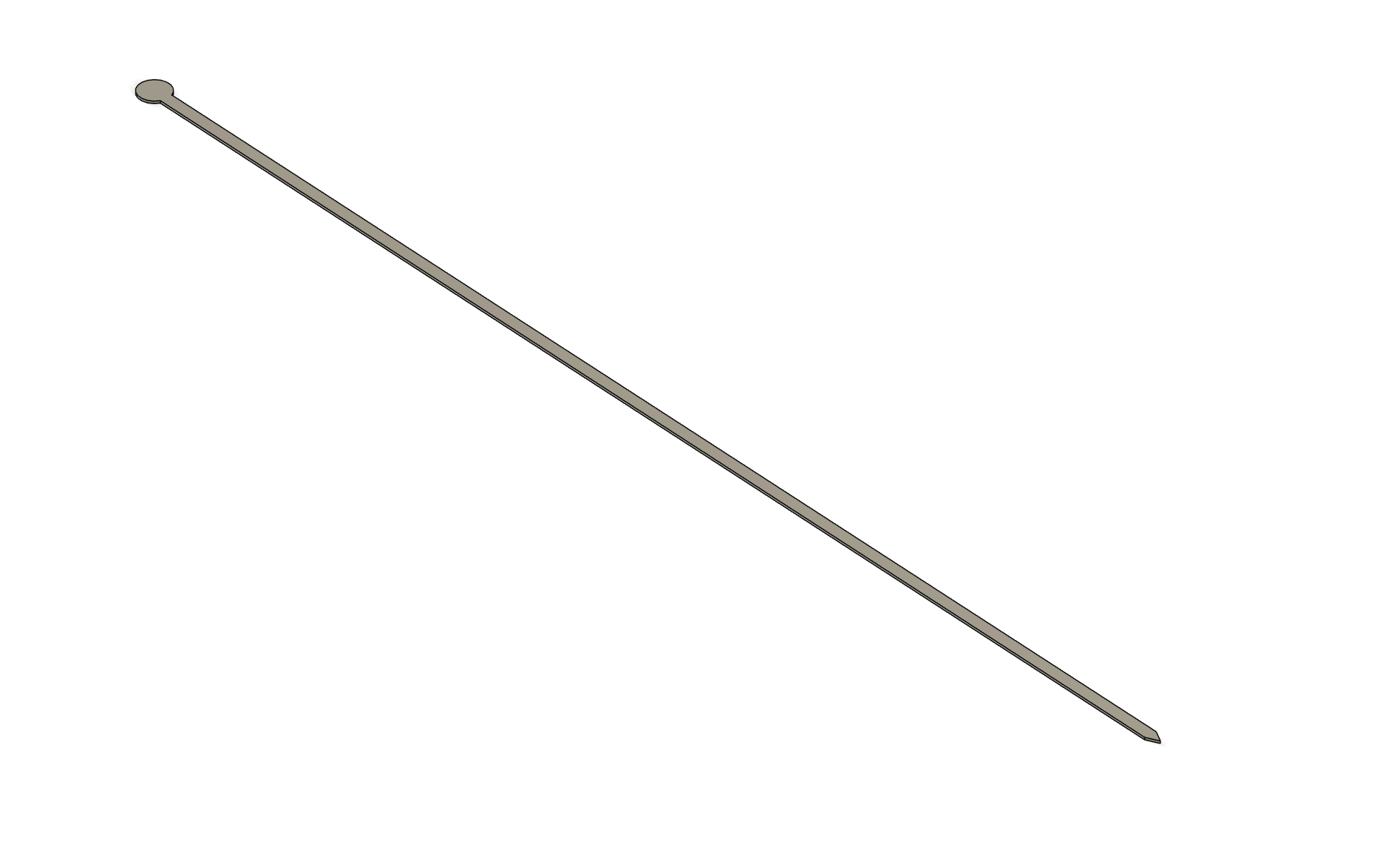
Zip tie to secure the bracelet together.
-
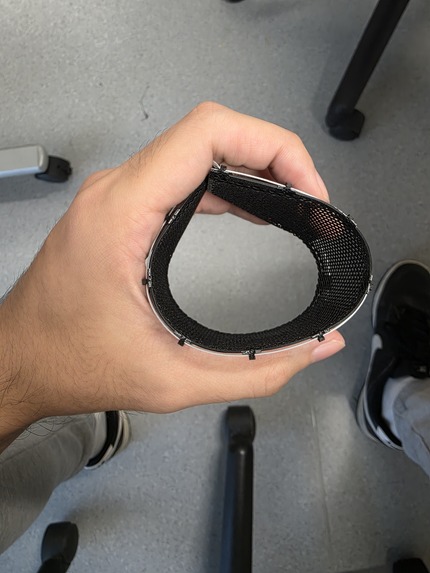
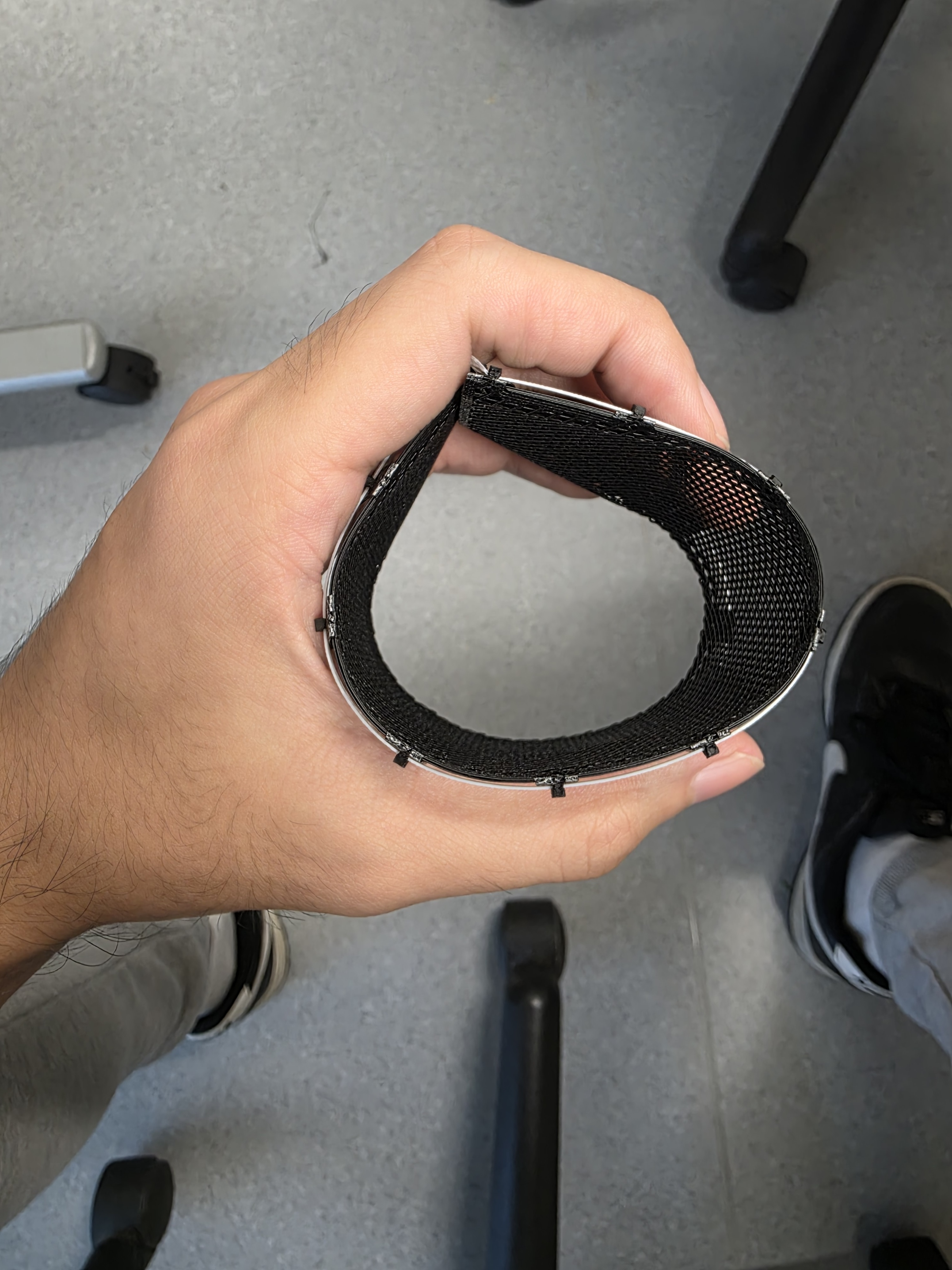
3D printed flexible bracelet prototype.
-
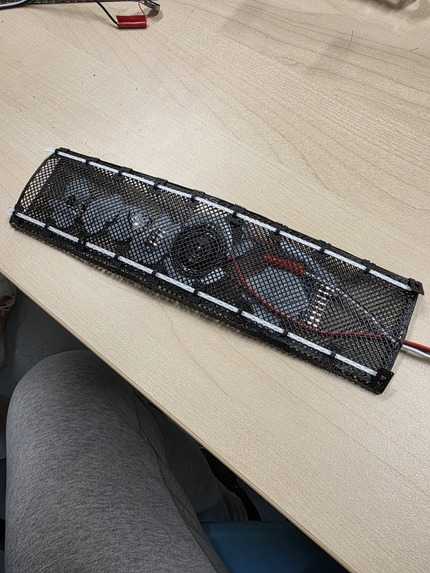
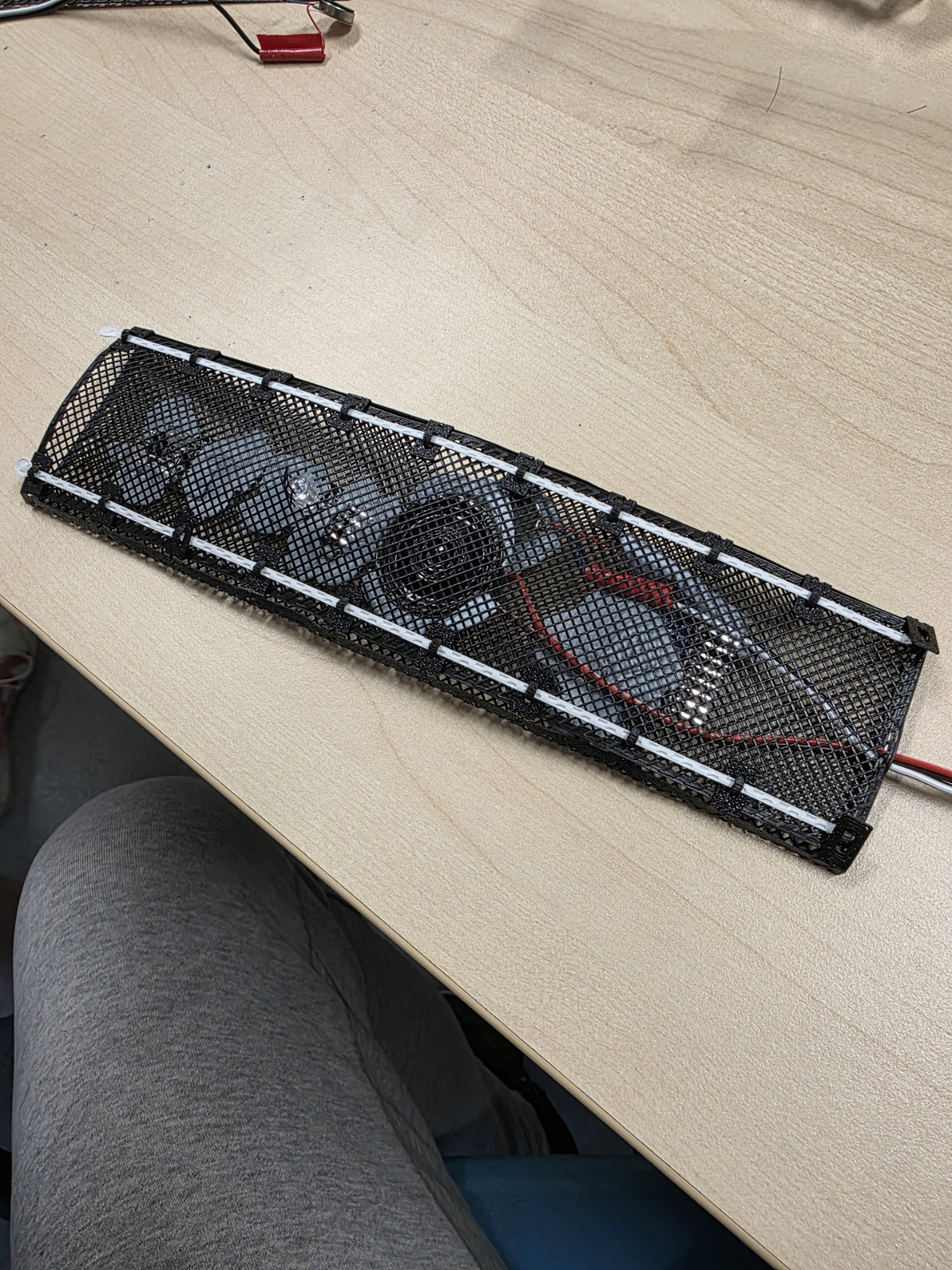
Assembly of components onto the bracelet.
Inspiration
Sleep paralysis is one of the most unsettling human experiences; you are awake but frozen, unable to move or speak, often with overwhelming panic. I’ve lived through it myself, and over the years I’ve slowly learned to cope with the fear. But seeing a close friend develop insomnia because of recurring paralysis episodes made me realize that this isn’t just rare or “in someone’s head.” It’s real, disruptive, and severely under-addressed. What makes this problem so urgent is that sleep paralysis is inevitable and cannot be fully prevented. Scientists are still studying its causes, but no treatment today guarantees freedom from episodes. In contrast, advice on “good sleep habits” and products promoting better rest are everywhere online, yet millions continue to suffer. This gap inspired us to create Brace, a wristband designed not to lecture users on routines, but to comfort them in the exact moment when science has no cure.
What it does
Brace monitors the user’s body in real time using a heart rate sensor and an inertial measurement unit (IMU). These signals are analyzed to detect signs of an ongoing episode. Specifically, if the heart rate rises 20 beats per minute above baseline, or exceeds 70 bpm (whichever is higher) for at least 5 seconds, Brace interprets this as the onset of sleep paralysis. At that point, the device responds instantly with gentle vibrations, soothing light pulses, and calming audio tones. What makes Brace unique is that it accepts the reality that sleep paralysis cannot always be stopped. Instead, Brace transforms the terrifying experience into something manageable by offering immediate reassurance. Unlike generic “sleep wellness” solutions that try to optimize habits, Brace intervenes in the critical moment when the sufferer is awake but trapped, replacing panic with calm.
How we built it
We started with research, diving into the limited but growing literature on sleep paralysis to understand its physiological and psychological triggers. From there, we moved into hardware prototyping, despite being complete beginners in electronics. We sourced a heart rate sensor, an IMU, vibration motors, and a speaker, then integrated these into a wearable form factor. On the software side, we built detection logic that compares live biometric signals against baseline readings, applying a threshold-based algorithm to recognize when episodes begin. Once triggered, the device automatically activates its multi-sensory comfort system. Every step, from wiring circuits to programming microcontrollers, was learned and implemented during the hackathon itself, making this not only a project but a crash course in both science and engineering.
Challenges we ran into
The most pressing challenge was that we were new to electronics, meaning every wire, every sensor, and every piece of code was a steep learning curve. We also faced the scientific challenge of working on a problem that is relatively under-researched compared to insomnia or sleep apnea. This meant we had to carefully interpret fragmented studies and balance them with personal accounts to build something practical. Another challenge was designing an intervention that was strong enough to comfort, yet subtle enough not to wake the sleeper. Finally, the time constraint of a hackathon forced us to make fast, tough decisions, testing both our resilience and creativity.
Accomplishments that we're proud of
We are proud that, starting from zero knowledge of hardware, we built a working wristband prototype that detects and responds to episodes. We are proud that Brace is the first device to focus solely on sleep paralysis, breaking away from the crowded space of generic sleep trackers and habit-forming apps. We are proud of creating an empathetic multi-sensory response system that reflects real human needs, not just technical feasibility. But above all, we are proud of turning a deeply personal struggle into a tangible solution that can help others feel less alone in their most vulnerable moments.
What we learned
Through this project, we learned that solving human problems requires not just technology but empathy. We discovered how to rapidly acquire technical skills in electronics, circuit design, and signal processing. We learned how to critically analyze fragmented scientific research and translate it into actionable design. And most importantly, we learned that when innovation is guided by personal experience and compassion, it resonates far more deeply than generic solutions.
What's next for Brace
The next step for Brace is to refine the detection algorithms using larger datasets and potentially machine learning to improve accuracy and reliability. We also plan to enhance the wristband’s design, making it sleeker, more comfortable, and suitable for everyday wear, through user testing and feedback. Clinical validation will be essential, working with sleep researchers and medical professionals to test Brace in real-world settings and measure its impact on sufferers. In the long term, our vision is for Brace to become the go-to companion for people living with sleep paralysis, offering not just a wearable device, but peace of mind in the very moments when they feel most helpless. Since sleep paralysis is a condition that cannot be prevented 100%, Brace stands out as one of the few solutions that addresses the problem head-on, providing calm and reassurance when science still has no cure. To continue this journey, we hope to participate in SUTD’s Baby Shark Fund to secure funding that will allow us to further develop the prototype, refine the technology, and bring Brace one step closer to helping real users.

Log in or sign up for Devpost to join the conversation.