-
-
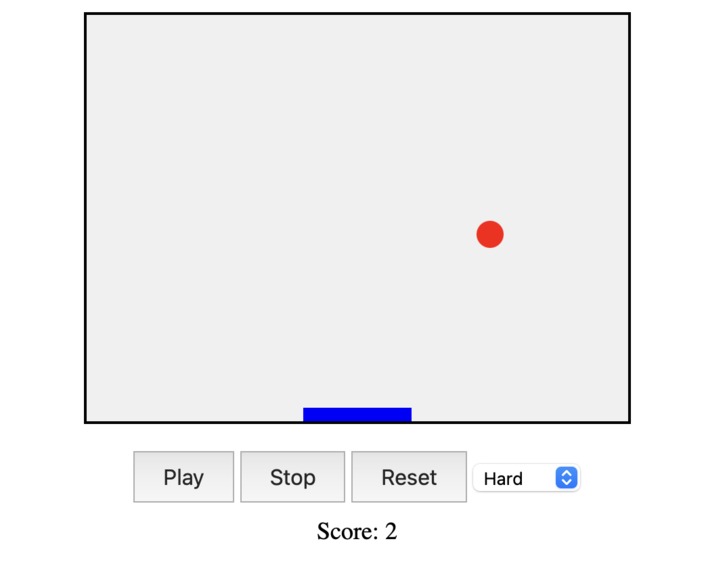
Bouncing Ball Game
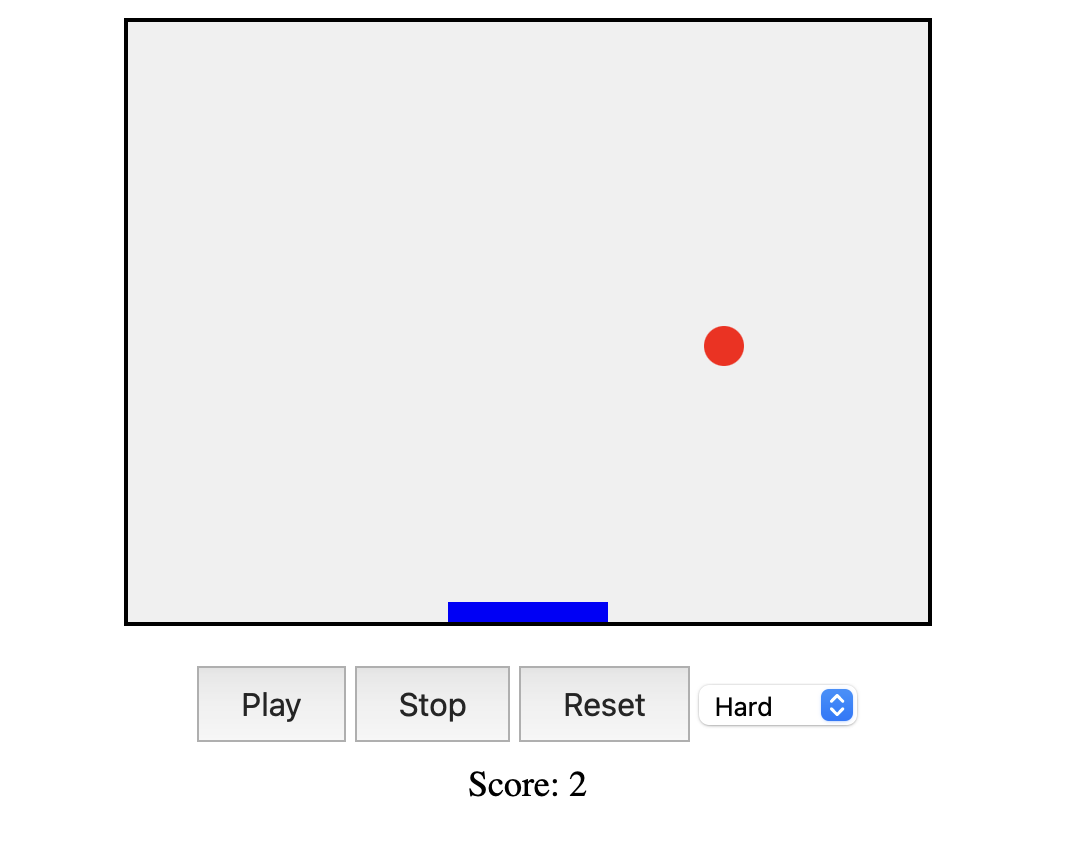
Inspiration
The idea for the Bouncing Ball Game using Amazon Q was inspired by the simplicity yet addictive nature of classic arcade games, where players aim to achieve high scores while navigating simple controls. Games like Pong and Breakout laid the foundation, and the goal was to build something equally engaging with modern web technologies, combined with the power of Amazon Q for real-time processing. This game is not only a nostalgic homage to those early gaming experiences but also an opportunity to integrate cloud technology into an interactive, accessible gaming environment.
The inspiration came from the desire to create something both fun and challenging, a game that provides a straightforward but progressively difficult experience. I wanted to take the concept of a bouncing ball and elevate it with customizable difficulty levels and the potential for future enhancements like multiplayer or power-ups.
What it does
The Bouncing Ball Game is a simple but challenging game where the player controls a paddle at the bottom of the screen to bounce a ball that continuously moves and bounces off the walls. The goal is to keep the ball from falling below the paddle, which would result in the game ending.
Key features include:
- Dynamic difficulty levels: Players can select from Easy, Medium, or Hard difficulty, each affecting the speed of the ball and the overall challenge.
- Responsive paddle controls: Players use the left and right arrow keys to move the paddle.
- Collision mechanics: The ball bounces off walls and the paddle. If the ball misses the paddle, the game ends.
- Score tracking: The player’s score increases based on the number of successful bounces.
This combination of real-time interactivity and difficulty scaling ensures that the game remains engaging for players of all ages.
How we built it
We built the game using the following technologies:
- HTML: To structure the game interface, including the game container, ball, paddle, and control buttons.
- CSS: For styling the game elements and creating a visually appealing layout. It also helps in making the game mobile-friendly and responsive.
- JavaScript: The core of the game logic, managing the ball's movement, collision detection, paddle control, and the scoring system. It also handles the difficulty changes by adjusting the ball’s speed.
- Amazon Q: For managing and processing game data in real-time. While Amazon Q powers the backend, ensuring smooth performance as players interact with the game, it also provides real-time processing to adjust game parameters dynamically.
- Amazon S3: All static assets, including the HTML, CSS, and JavaScript files, were hosted on Amazon S3 to provide reliable and efficient content delivery.By leveraging S3, the game became highly accessible, ensuring players could load the game quickly from anywhere without performance bottlenecks.
- *AWS Lambda *: Handled backend logic for processing game events, such as updating scores and saving player performance data.Supported smooth and scalable real-time interactions without requiring a dedicated server.
Key Steps in Development:
Ball Movement and Collision: The ball is animated using JavaScript’s
requestAnimationFrame, which ensures smooth, continuous movement. Collision detection logic was implemented to check if the ball hits the paddle or walls and adjust its direction accordingly.Difficulty Adjustment: The game dynamically adjusts the ball's speed based on the difficulty level selected by the player. On Easy mode, the ball moves at a slower speed, while Medium and Hard mode increase the speed, offering progressively more challenging gameplay.
Control System: The paddle is moved by listening for keydown events for the left and right arrow keys. The game prevents the paddle from moving outside the game area, ensuring that the player can only move within the defined borders.
Score System: The score is incremented each time the ball successfully bounces off the paddle. The game tracks and displays the score in real-time.
Challenges we ran into
Collision Detection: Ensuring accurate collision detection between the ball and the paddle proved to be a bit tricky. If the ball was slightly off-center or moving too fast, it could pass through the paddle or fail to bounce off properly. We had to fine-tune the detection logic based on the ball's position and speed to make it feel responsive and realistic.
Responsive Paddle Controls: Another challenge was making the paddle controls responsive enough to feel intuitive. On different devices (e.g., desktop, mobile), the keypress events and paddle movements needed to feel fluid without any noticeable lag. The game uses
requestAnimationFramefor smooth updates, but fine-tuning the speed of the paddle was critical.Difficulty Balancing: Initially, the difference in ball speed between easy, medium, and hard levels felt too slight, which made the game either too easy or frustratingly difficult. Adjusting the speed differences without making the game too hard or too boring required careful testing.
Real-Time Performance with Amazon Q: Integrating Amazon Q for real-time processing of game actions posed a challenge initially, as it required proper setup for managing backend logic in sync with the game's frontend. Ensuring that game data is processed and updated in real-time was crucial for keeping the gameplay smooth and responsive.
Accomplishments that we're proud of
Smooth Gameplay: Achieving a smooth and responsive gameplay experience across different devices was a major accomplishment. The ball's movement, paddle control, and collision detection all work seamlessly, providing a satisfying gaming experience.
Scalability: Integrating Amazon Q into the game ensures that it can scale to handle more complex features, like multiplayer mode or additional power-ups. This foundation sets the stage for future updates and improvements.
Customizable Difficulty: The dynamic difficulty feature allows players to choose a level that suits their skill, which makes the game more accessible to a wider audience. This flexibility adds replay value and keeps players engaged.
What we learned
Through the process of building the Bouncing Ball Game using Amazon Q, we learned a lot about:
Game Design: The importance of balancing difficulty levels and making gameplay intuitive, yet challenging. Small tweaks in speed and ball behavior can significantly impact the player experience.
Real-Time Processing with Amazon Q: Gaining experience with Amazon Q and understanding how cloud technologies can be integrated into game development was a huge learning point. Real-time interactions between players and game data can provide a more engaging experience, especially when managing state and processing data on the backend.
Frontend-Backend Integration: Combining frontend JavaScript with cloud-based technology for smoother, more responsive gameplay helped me understand how to build applications that can handle real-time interactions more efficiently.
What's next for Bouncing Ball Game using Amazon Q
Looking forward, here are a few ideas for expanding the game:
Multiplayer Mode: Adding a competitive multiplayer mode where two players can control separate paddles or compete for high scores.
Power-ups and Obstacles: Introducing power-ups (e.g., speed boosts, larger paddles) or obstacles (e.g., moving walls) will add variety and depth to the gameplay, making it more exciting.
Leaderboard System: Implementing a global leaderboard where players can compare their scores with others and earn rewards for reaching milestones.
Mobile App Development: We plan to adapt the game for mobile platforms with touch controls, making it more accessible to users on smartphones and tablets.
Improved AI: Implementing an AI paddle for solo play, where the player can compete against a computer-controlled paddle with varying difficulty levels, would increase the game's replayability.
The project has a lot of potential for future growth, and these enhancements will help provide a richer and more immersive experience for players.
Built With
- amazonq
- amazons3
- awslambda
- css
- html
- javascript
- vscode


Log in or sign up for Devpost to join the conversation.